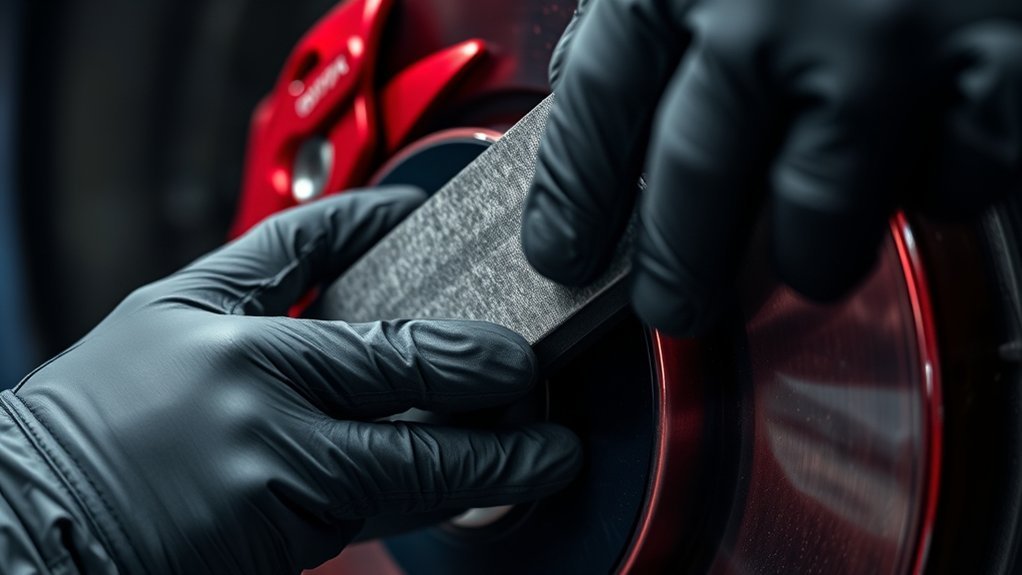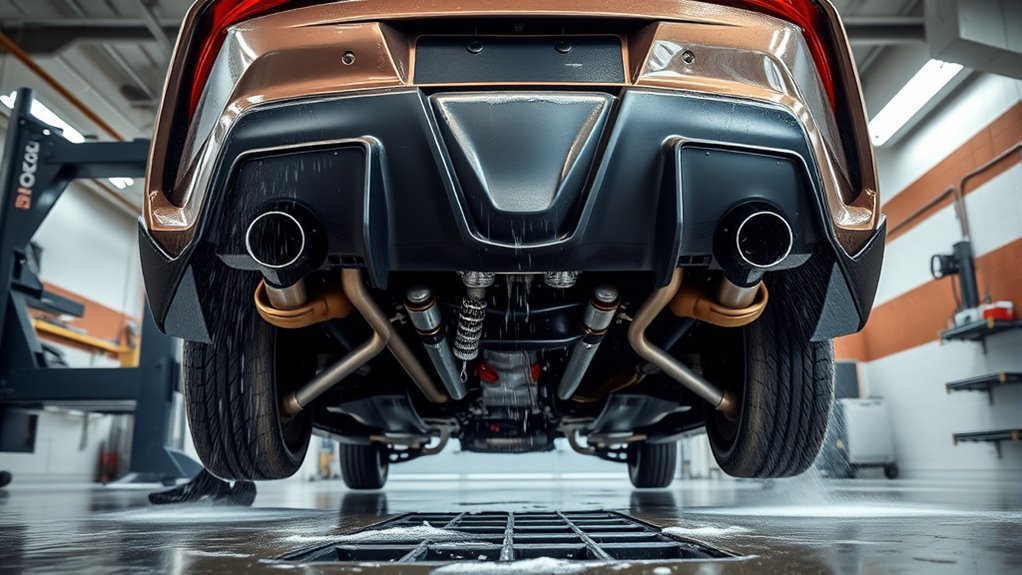
Snow, slush, brine, and road salt can hide in the Toyota Supra’s wheel wells, seams, suspension arms, exhaust hardware, and underbody covers long after the storm is over. A careful winter undercarriage clean removes that corrosive buildup, protects exposed metal, and helps preserve the Supra’s brakes, suspension, fasteners, and low-slung chassis without damaging sensors, seals, or wiring.
Quick Answer
To clean a Supra undercarriage after snow, rinse the wheel wells and underside with warm water, use low-to-moderate pressure from a safe distance, treat greasy spots with a mild automotive degreaser, rinse again, dry what you can, then inspect and protect exposed metal with a rust inhibitor or undercoating.
Key Takeaways
- Wash the Supra’s undercarriage after driving on salted or slushy roads, especially once temperatures are safely above freezing.
- Use warm water, controlled spray angle, and moderate pressure; avoid blasting sensors, seals, wiring, brake boots, or exhaust joints at close range.
- Never work under a Supra supported only by a jack. Use the factory lift points, rated jack stands or ramps, wheel chocks, and a solid level surface.
- Degreaser is for oily areas only; salt usually needs thorough rinsing more than harsh chemicals.
- After cleaning, inspect brake lines, suspension mounts, fasteners, exhaust hangers, wheel wells, and underbody panels for trapped debris or early rust.
At a Glance
| Time Required | 30–60 minutes for a routine winter rinse; 1–2 hours for a deep clean and inspection |
| Difficulty | Beginner to intermediate, depending on whether you lift the car |
| Tools Needed | Warm water, hose or pressure washer, undercarriage wand if available, soft brushes, mild degreaser, microfiber towels, gloves, eye protection, wheel chocks, ramps or rated jack stands |
| Cost | About $10–$25 at a DIY wash bay, or $25–$150+ for supplies if cleaning at home |
Prep: Supra Undercarriage Tools, Safety Checks & Pre-Wash Inspection
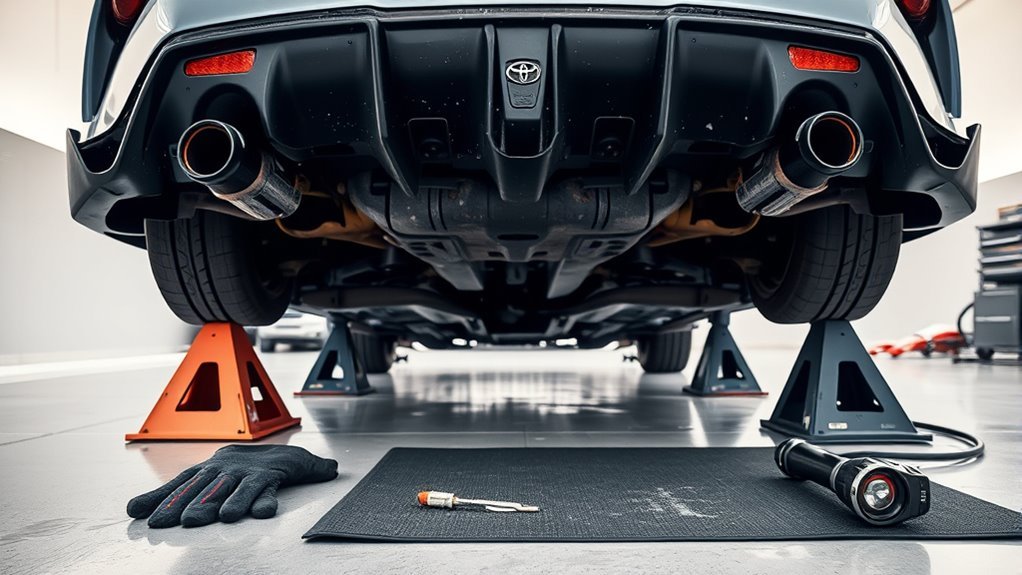
Start with the right setup. The Supra is low, rear-wheel drive, and performance-focused, so you need room to work without rushing or forcing the spray into sensitive areas. Gather warm water, a hose or pressure washer with an adjustable nozzle, soft corrosion-resistant brushes, a mild automotive degreaser, towels, nitrile gloves, eye protection, wheel chocks, and a rust inhibitor or underbody protectant if you plan to apply protection after cleaning.
Before lifting the car, check the Toyota Supra owner’s manual for the correct jacking and support points for your model year. Use a level concrete surface, set the parking brake, chock the wheels that stay on the ground, and support the vehicle with ramps or properly rated jack stands. A hydraulic jack is for lifting, not for holding the vehicle while you work beneath it.
Warning: Never crawl under a Supra supported only by a jack. OSHA guidance for lifted equipment warns that raised loads must be blocked or otherwise secured before anyone works underneath them, and the same safety principle applies in a home garage.
Do a quick pre-wash inspection before spraying. Look for packed snow, salt crust, hanging ice, loose underbody panels, dangling plastic shields, damaged clips, rust spots, wet brake components, and slush caught around the wheel wells. Note any areas that need gentle hand cleaning instead of direct pressure.
[Products Worth Considering]

This filter combo is designed for Hyundai Sonata gas models from 2015 to 2019, including non-hybrid 2.4L vehicles, and replaces both the engine and cabin air filters in one convenient set. It helps improve engine airflow while also refreshing the cabin environment with activated carbon odor control and high-efficiency particle filtration for cleaner, quieter driving.

This cabin and engine air filter kit is designed for a wide range of Toyota and Lexus vehicles, offering a convenient replacement solution for both key filtration points at once. Its direct OEM-fit design helps restore cleaner cabin air, support engine efficiency, reduce odors, and simplify routine maintenance with easy installation.

This waterproof 6-circuit fuse block helps keep automotive and marine wiring neat, protected, and easy to troubleshoot. Built for 12V-32V DC systems, it includes a negative bus, LED blown-fuse indicators, and corrosion-resistant busbars for dependable performance in cars, boats, RVs, and trucks. The flame-retardant base and damp-proof cover add an extra layer of safety for demanding electrical installations.
What to Cover Before Spraying
Do not wrap the entire undercarriage in plastic. Instead, protect only vulnerable openings or exposed areas you can clearly identify. Avoid spraying directly into intake openings, electrical connectors, parking sensors, damaged underbody covers, torn boots, or aftermarket wiring. If a connector or sensor is already exposed, use a light rinse around it rather than a direct blast.
Remove Snow, Salt & Slush Safely: Step-by-Step Quick Clean
Begin with loose snow and slush. Use gloved hands or a soft brush to pull buildup outward from the center of the car. Do not jab at packed ice near brake lines, suspension links, or underbody shields. If ice is stuck, soften it with warm water instead of prying it off.
- Start at the wheel wells. Rinse each wheel well from several angles to flush salt from the liner edges, suspension openings, and rocker panel area.
- Move to the center underbody. Use a wide fan pattern or undercarriage wand and work front to rear so dirty water drains away from cleaned sections.
- Keep the spray moving. Hold the nozzle at a safe distance and avoid aiming straight into seals, boots, wiring, exhaust joints, or electronic components.
- Treat only greasy spots. Apply diluted automotive degreaser to oily areas, let it dwell briefly according to the product label, keep rubber nearby wet, and rinse before it dries.
- Rinse again. Salt can hide in seams and brackets, so make a second pass through wheel wells, suspension arms, control arm mounts, exhaust hangers, and rear subframe areas.
- Dry accessible areas. Use microfiber towels where you can reach, then let the car drip dry in a ventilated area before applying any protectant.
Pro Tip: A DIY wash bay with an undercarriage rinse is often the easiest winter option because it gives you warm water, drainage, and enough clearance without lifting the Supra at home.
Cleaning Options: Pressure Wash, Degreasers, and Steam—What to Use When
The best method depends on what is stuck underneath the car. Salt and road brine need flushing. Oil and grease need a mild degreaser. Packed grime in tight areas may benefit from steam, especially when you want less mechanical force around complex suspension or wiring areas.
| Method | Best For | Use With Care Around |
|---|---|---|
| Warm-water rinse | Fresh salt, slush, wheel wells, rocker areas, underbody panels | Electrical connectors and damaged underbody trim |
| Pressure washer | Heavy salt film, sand, road grime, compacted winter debris | Seals, sensors, brake boots, wheel bearings, wiring, decals, and damaged coatings |
| Degreaser | Localized oil or greasy buildup | Rubber bushings, hoses, painted surfaces, and electrical connectors |
| Steam cleaning | Tight areas, stubborn grime, low-force cleaning after heavy winter exposure | Electronics, adhesives, aged rubber, and freshly applied coatings |
For most owners, warm water plus a gentle pressure rinse is enough after normal snow driving. Avoid the temptation to use the strongest pressure setting. Strong pressure at close range can force water past seals, lift weak undercoating, or damage already-brittle plastic clips.
Note: Road salt works because chloride-based deicers lower the freezing point of water, but those same chloride residues can speed corrosion on vehicles and infrastructure when moisture is present. The University of Minnesota’s Natural Resources Research Institute notes that road salt corrodes vehicles and infrastructure.
[Products Worth Considering]

The Drymate XL Oil Spill Mat is designed to trap and contain messy liquid leaks while protecting your garage floor from stains and damage. Its absorbent surface wicks away moisture, and the waterproof, slip-resistant backing helps keep motor oil, brake fluid, gasoline, and coolant from soaking through. Reusable, durable, and easy to clean, it offers a practical long-term solution for garage and shop spill protection.
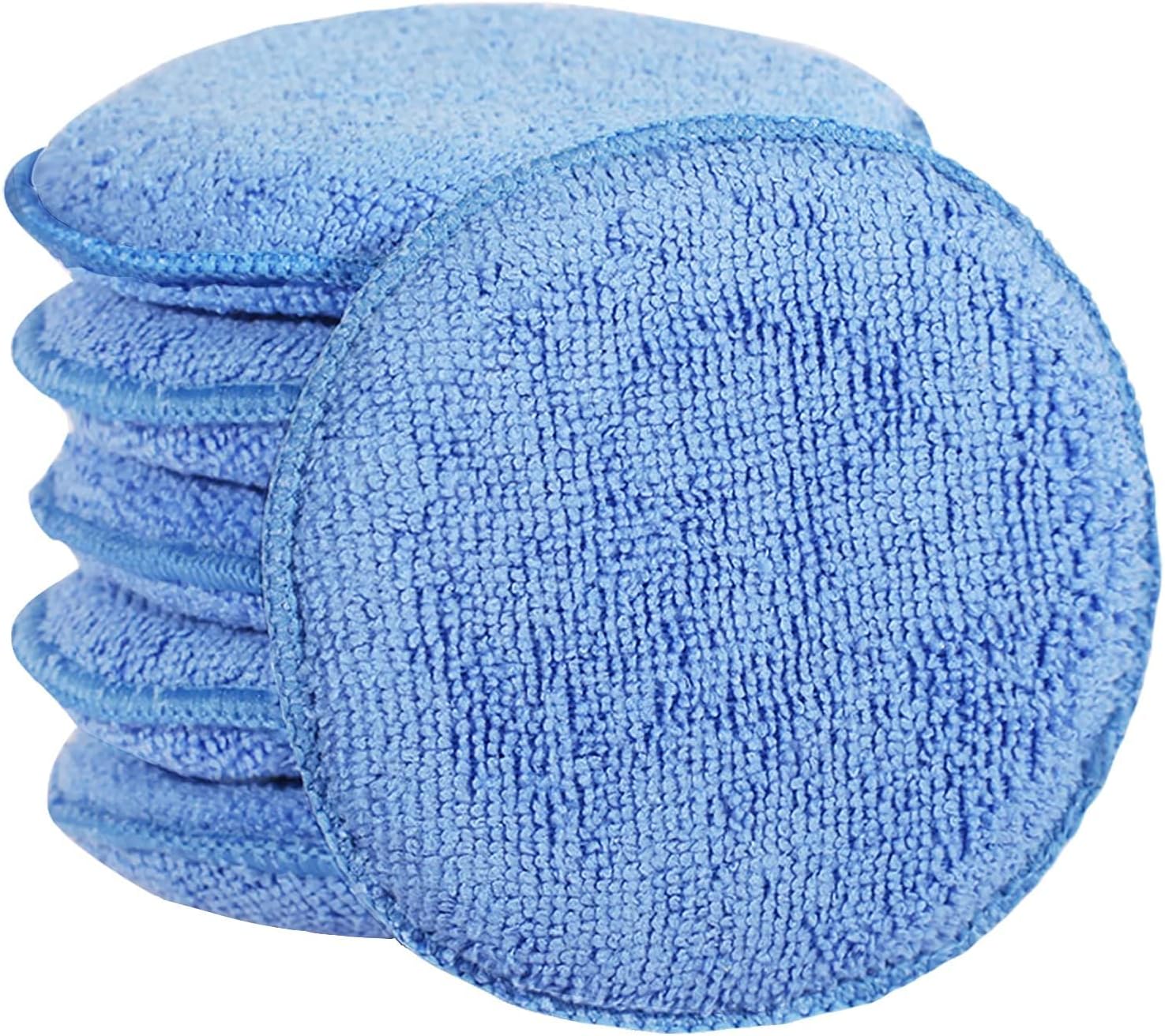
These microfiber wax applicator pads are designed for smooth, even application of waxes, polishes, protectants, and dressings on cars and other surfaces. Each pad combines absorbent microfiber with a sponge core for flexibility and control, while stitched edges help reduce scratching during use. They are machine washable and reusable, making them a practical choice for car detailing, interior cleaning, and fine polishing tasks.

CHEMICAL-FREE CLEANING — Naturally deep clean without the use of harsh chemicals using hot, pressured steam to eliminate grease, grime, and stains from a wide range of surfaces including tile, grout, granite, laminate, appliances, grills, autos, and more.
Areas That Need Extra Attention on a Supra
The Supra’s low ride height and wide tires can pack slush into places that are easy to miss. Give these areas a slower rinse and inspection:
- Front wheel wells: Check the liner edges, lower splash shields, brake ducts, and suspension openings.
- Rear wheel wells: Salt often collects around the rear bumper corners, control arm pockets, and liner seams.
- Rocker panels and pinch-weld areas: Rinse gently, especially if the car has been lifted recently or the coating is chipped.
- Brake hardware: Rinse around calipers and backing plates, but do not blast boots or seals at close range.
- Exhaust hangers and clamps: These parts see heat, moisture, and salt, so they can corrode before larger components show obvious rust.
- Underbody panels and fasteners: Look for missing clips, loose shields, and trapped slush behind panel edges.
- Rear subframe and control arms: Flush brackets and pockets where brine can sit after the visible snow is gone.
Protect the Undercarriage: Rust Inhibitors, Undercoating & Wheel Care
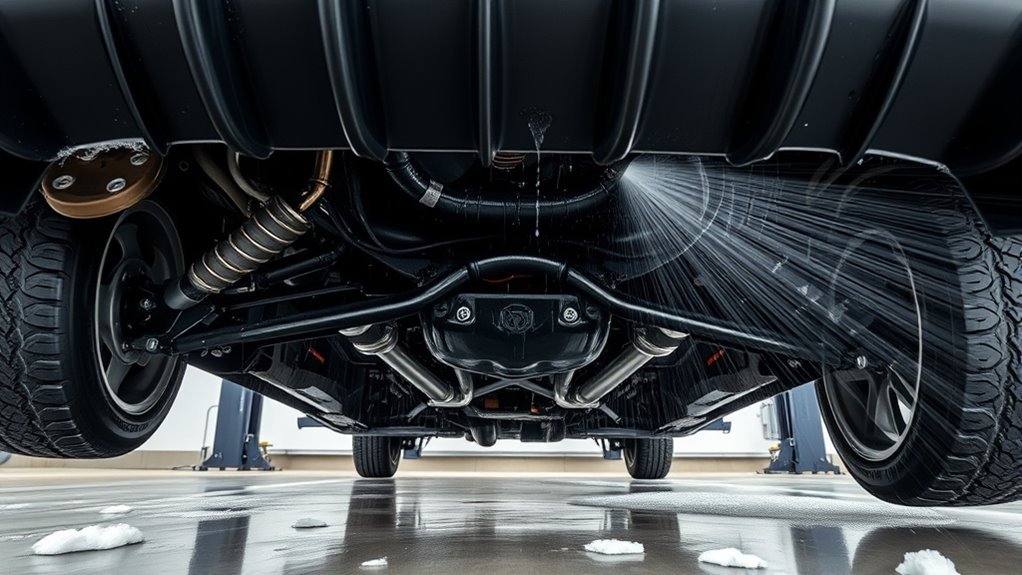
Once the undercarriage is clean and dry, protect exposed metal before salt has another chance to sit on it. Rust inhibitors, cavity waxes, and undercoating products work by creating a barrier between metal, moisture, and chloride residue. Use the product type that matches the area you are treating.
- Rust inhibitor spray: Best for seams, brackets, fasteners, light surface rust, and small exposed metal areas.
- Cavity wax: Best for enclosed seams and cavities when applied by a trained shop with the right wand and access points.
- Rubberized or asphalt-style undercoating: Best for selected exposed areas only when the surface is clean, dry, and rust-free; it can trap moisture if applied over dirt or active rust.
- Lanolin or oil-based protectant: Useful for seasonal protection, but it may attract dirt and usually needs reapplication.
Mask exhaust components, brake rotors, brake pads, oxygen sensors, rubber belts, and any area the product label says to avoid. Follow cure times exactly. Do not spray protectant on hot exhaust parts or freshly washed wet metal. For a newer Supra, professional application may be the cleaner choice because a shop can avoid coating sensors, drain holes, and parts that need to move freely.
Salt protection works best as a routine, not a rescue. Rinse early, inspect often, and protect clean metal before corrosion has a chance to spread under brackets, seams, and chipped coatings.
[Products Worth Considering]

Coats metal parts to lubricate and protect against rust and corrosion by blocking out air and moisture. Protects for up to 2 years when used indoors and for up to 1 year when used outdoors

Easy to use spray seals and protects metal surfaces from corrosion and moisture

Rust and Corrosion Prevention
Wheel Care After Snow and Salt
Clean the wheels while you are washing the undercarriage. Rinse barrels, spokes, lug recesses, and the inner lip where slush collects. Use a pH-balanced wheel cleaner that is safe for the wheel finish, then rinse thoroughly. After drying, a wheel sealant or ceramic spray can make future salt removal easier, especially on the Supra’s rear wheels where grime buildup can be heavy.
Inspect & Maintain: Post-Clean Checklist and Seasonal Schedule
After the wash, use a flashlight and a simple checklist. You are looking for leftover salt, trapped slush, damaged coatings, loose panels, and early signs of corrosion—not trying to diagnose every mechanical problem in one pass.
- Brake lines and brake hardware: Look for wet salt residue, heavy rust, torn boots, unusual leaks, or grinding noises after driving.
- Suspension mounts and control arms: Check for crusted salt around brackets, bushings, and mounting points.
- Frame, subframe, and underbody seams: Note chips, exposed metal, and rust spots so you can treat them early.
- Exhaust hangers and clamps: Inspect for loose, cracked, or heavily corroded hardware.
- Underbody panels: Confirm shields are secure and not holding packed snow behind loose edges.
- Wheels and tires: Check for packed snow inside the wheel barrels, which can cause vibration at speed.
During winter, rinse the undercarriage every two weeks if roads are regularly salted, and sooner after heavy slush, brine, or snow exposure. If the car sits outside, wash when temperatures are above freezing so doors, locks, brakes, and suspension areas are less likely to freeze afterward. At the end of winter, do one deeper wash, dry the car thoroughly, and apply or refresh corrosion protection where needed.
Winter Driving Notes for the Toyota Supra
The Toyota GR Supra is a front-engine, rear-wheel-drive sports car, so winter preparation matters. Toyota’s official GR Supra specifications confirm the performance-focused layout and features, while the National Highway Traffic Safety Administration recommends preparing the vehicle before winter driving and slowing down on slick roads. If you drive a Supra in snow, proper winter tires are the biggest upgrade you can make for traction, braking, and steering control.
Use smooth throttle inputs, avoid abrupt steering, and leave more stopping distance than you would in dry weather. After driving through deep slush, listen for brake noise, vibration, or scraping. Packed snow inside the wheels or underbody can melt, refreeze, and cause imbalance or rubbing if ignored.
Common Mistakes to Avoid
- Using a pressure washer too close: Close-range pressure can damage seals, boots, coatings, and fragile plastic clips.
- Spraying degreaser everywhere: Degreaser is not a salt remover. Use it only on greasy deposits and rinse it before it dries.
- Applying undercoating over moisture or rust: Coating over contamination can trap the problem underneath.
- Skipping the wheel wells: Wheel wells collect the most visible snow, salt, sand, and brine.
- Forgetting to dry the car: Letting water sit in freezing weather can cause frozen doors, frozen parking brake components, or icy buildup.
- Ignoring loose panels: A loose underbody shield can trap slush and later drag, rattle, or break.
Frequently Asked Questions
Should you wash the undercarriage of a car in winter?
Yes. You should wash the undercarriage during winter when the vehicle has been exposed to road salt, brine, or slush. Rinsing the underside helps remove chloride residue before it sits on brake lines, suspension parts, seams, fasteners, and exposed metal.
What happens if I wait too long to clean the snow off my car?
Waiting lets snow and slush trap moisture against the car. On salted roads, that moisture can hold chloride residue against metal parts and speed corrosion. Packed snow can also freeze in wheel wells, add vibration inside wheels, reduce visibility if left on the body, and make later cleaning harder.
Is a Supra good for winter?
A Supra can be driven in winter, but it needs the right setup and careful inputs. Because it is rear-wheel drive and performance-oriented, use proper winter tires, avoid aggressive throttle, increase following distance, and stay realistic about deep snow and steep icy roads.
Can I pressure wash the Supra undercarriage?
Yes, but use controlled pressure, a wide fan pattern, and a safe distance. Do not point the nozzle directly at sensors, rubber boots, wheel bearings, seals, exposed wiring, or damaged underbody panels. A warm-water rinse is safer than close-range high pressure.
How often should I wash the undercarriage during winter?
A good rule is every two weeks during salted-road season, plus an extra rinse after heavy snow, slush, or brine exposure. If temperatures stay below freezing, wash when the weather warms enough for water to drain and dry safely.
Should I use a salt neutralizer?
A salt neutralizer can help after repeated brine exposure, but it is not a substitute for thorough rinsing. Use an automotive-safe product, follow the label, avoid letting it dry on surfaces, and rinse the undercarriage well afterward.
Conclusion
After winter driving, the Supra’s undercarriage needs more than a quick cosmetic wash. Clear packed snow, rinse salt from wheel wells and underbody seams, use degreaser only where oil or grease is present, and protect clean exposed metal with the right rust inhibitor or undercoating. Work safely, avoid direct high-pressure spray on sensitive parts, and keep a biweekly winter rinse schedule. Small, consistent steps now can prevent corrosion from spreading into expensive brake, suspension, exhaust, and chassis repairs later.
Sources
- Toyota Owners: 2026 Supra Owner’s Manual — supports checking the official manual for model-specific jacking, operation, and maintenance guidance.
- Toyota: 2026 GR Supra Specifications — supports Supra drivetrain and vehicle specification references.
- NHTSA Winter Driving Tips — supports winter driving safety, vehicle preparation, and reduced-speed guidance.
- University of Minnesota Natural Resources Research Institute: Road Salt Results — supports the corrosion risk of road salt on vehicles and infrastructure.
- OSHA 29 CFR 1926.600 — supports the safety principle of securing raised equipment before working underneath.