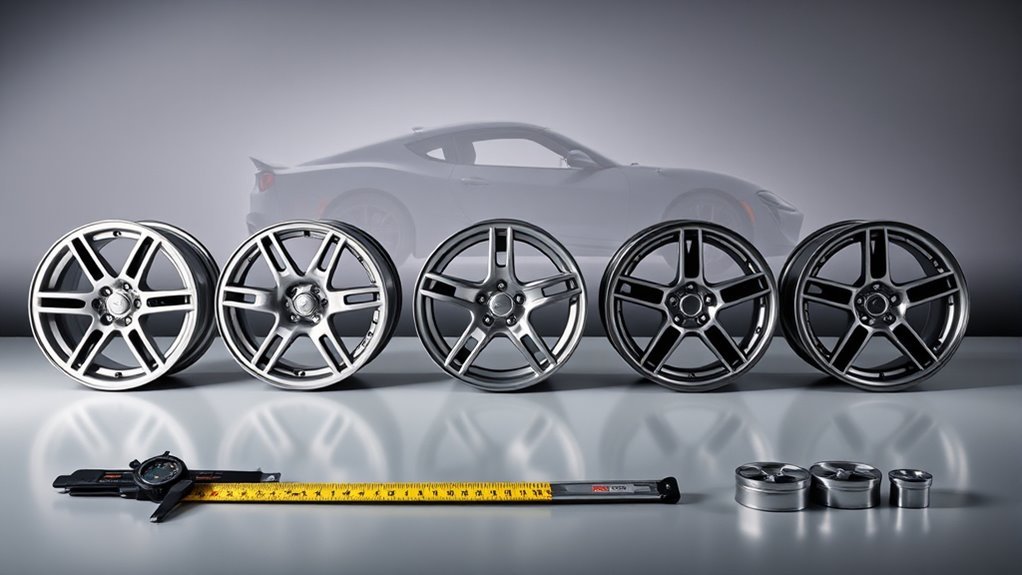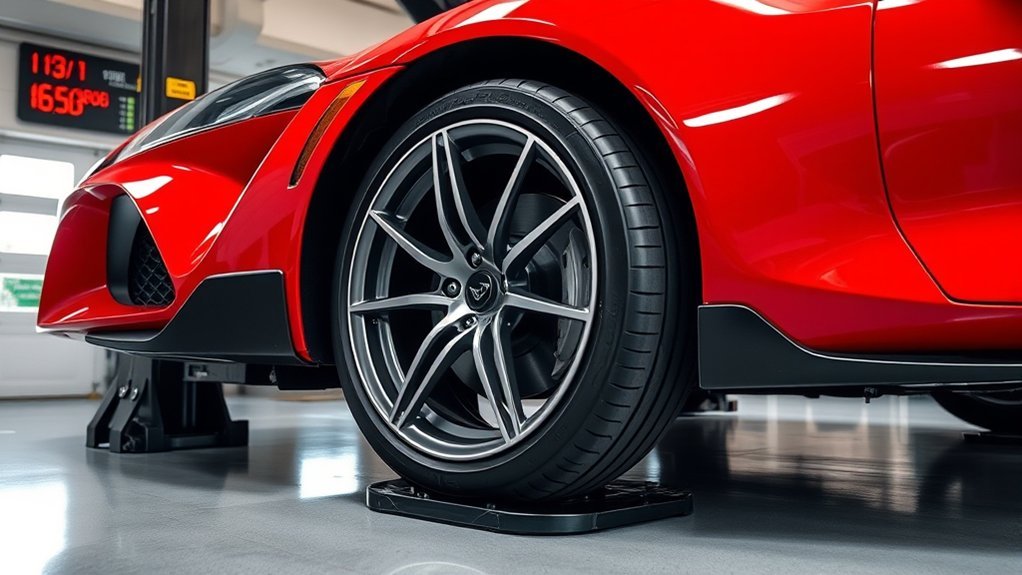
Proper wheel alignment keeps your Toyota Supra stable, predictable, and easier on tires. The safest starting point is always the current Toyota service specification for your exact model year, wheel package, ride height, and suspension setup. From there, a performance shop can fine-tune toe and camber for daily driving, spirited street use, or track days.
Quick Answer
For a street-driven Toyota Supra, ask for a true four-wheel alignment to Toyota’s current service specs, with the steering wheel centered, side-to-side settings even, and rear toe kept stable. For performance driving, use zero-to-mild front toe changes and modest negative camber only after checking tire wear, ride height, and suspension condition.
Key Takeaways
- Use Toyota’s current alignment data as the baseline; do not treat internet alignment numbers as factory specs.
- Toe has the biggest effect on tire scrub, straight-line feel, and high-speed stability.
- More negative camber can improve cornering grip, but too much can shorten inner-edge tire life on a daily driver.
- Lowering springs, coilovers, aftermarket wheels, curb impacts, and worn suspension parts all justify a fresh alignment.
- DIY checks can spot problems, but a calibrated four-wheel alignment is the right final step for a Supra.
At a Glance
| Time Required | 20–45 minutes for a basic home inspection; usually 45–90 minutes for a professional four-wheel alignment if no parts are seized or worn. |
| Difficulty | DIY inspection: moderate. Final alignment: best handled by a qualified shop with a calibrated alignment rack. |
| Tools Needed | Tire pressure gauge, tread-depth gauge, flashlight, flat floor, tape measure, string or toe plates, camber gauge, and torque wrench for any fasteners you are qualified to adjust. |
| Cost | Usually shop labor only if the suspension is healthy; higher if worn tires, bent wheels, seized adjusters, or suspension parts need replacement first. |
Why Wheel Alignment Matters for Your Supra

Wheel alignment is the relationship between the tires, suspension, steering geometry, and vehicle centerline. On a rear-wheel-drive performance car like the Supra, small changes in toe and camber can change how quickly the car turns in, how stable it feels at speed, and how evenly the tires wear.
Alignment matters because the tires are the only contact patches between the car and the road. Tire Rack explains that alignment angles influence tire operation and that incorrect settings usually lead to faster tire wear. Its alignment guide also notes that toe is one of the most important alignment settings for treadwear.
Tire safety is not just a performance issue: NHTSA reports that tire maintenance affects safety, durability, and fuel consumption, and that proper tire pressure and tire condition should be checked regularly.
For a Supra owner, the goal is not to chase the most aggressive numbers. The goal is to match the alignment to the way the car is used while keeping the car safe, stable, and predictable.
Recommended Toyota Supra Alignment Approach
The best Toyota Supra alignment starts with the current Toyota service specification for your exact car. After that, you can discuss small adjustments with a performance alignment shop based on tire type, ride height, driving style, and whether the car is used on track.
Note: Internet alignment numbers are not factory specifications. Treat them as tuning ideas only. Ask the alignment shop to show the Toyota specification range and give you a before-and-after printout.
| Driving Use | Front Alignment Goal | Rear Alignment Goal | Best For |
|---|---|---|---|
| Daily street | Toyota preferred spec, side-to-side even, steering wheel centered. | Toyota preferred spec with stable rear toe and even camber. | Tire life, rain stability, predictable commuting. |
| Spirited street | Near-zero total toe or a mild performance setting within a safe range; modest negative camber if adjustable. | Slight rear toe-in for stability; camber balanced with tire wear. | Sharper turn-in without making the car nervous. |
| Track or HPDE | More negative camber only if tire temperatures and wear support it; avoid extreme toe for street use. | Stable rear toe and camber tuned by tire temperature, tire wear, and driver feedback. | Dedicated performance use with more frequent tire checks. |
If you want a simple street-focused request for the alignment shop, say this: “Please align the car to the current Toyota preferred specs, keep the left and right sides even, center the steering wheel, check the rear toe carefully, and give me the printout.” That request is safer than asking for random aggressive numbers.
[Products Worth Considering]

This preset torque screwdriver set provides precise, repeatable fastening with a clearly readable scale and an audible click when the preset torque is reached. It includes a wide assortment of bits, extension, adapter, and sockets for versatile use on maintenance, firearms, bicycles, and scope mounting. Designed for accuracy and ease of adjustment, it helps reduce over-tightening while improving workflow on detailed projects.

The JACO ElitePro Digital Tire Pressure Gauge delivers shop-grade accuracy with a clear digital readout, making it easy to maintain proper tire pressure for safer driving and better performance. Built with rugged brass and steel components, a protective guard, and a flexible air hose, it is designed for reliable use across cars, trucks, motorcycles, bikes, RVs, and trailers. The lock-on display, built-in bleeder valve, and bright backlit screen add convenience in any lighting condition.

This 2-in-1 wireless adapter converts factory wired CarPlay into a convenient wireless connection for compatible vehicles, making every drive simpler and more flexible. It supports quick auto-connect, easy phone switching, and stable audio and navigation performance for iPhone and Android Auto users. Designed for plug-and-play use, it helps reduce cable clutter while keeping calls, maps, and music running smoothly.
Understanding Toe and Its Impact on Handling
Toe describes whether the tires point slightly inward or outward when viewed from above. Toe-in means the fronts of the tires point toward each other. Toe-out means they point away from each other.
- Front toe near zero can keep a street car responsive without scrubbing tires heavily.
- Front toe-out can sharpen initial turn-in, but too much may make the car wander and wear tires faster.
- Rear toe-in helps calm the rear of the car and supports high-speed stability.
- Rear toe-out is usually a bad street choice on a rear-wheel-drive Supra because it can make the car feel loose or nervous.
Warning: Do not use aggressive track-style toe settings on a daily-driven Supra unless you understand the tire-wear and wet-road tradeoffs. Excessive toe can make the car unstable and can destroy tires quickly.
Toe is also the setting most likely to punish your wallet. A small toe error can make a tire scrub across the road instead of rolling cleanly, which is why uneven feathering or saw-tooth tread edges often point to a toe problem.
[Products Worth Considering]

This EL-50448 TPMS relearn tool helps quickly activate and reset tire pressure sensors so your vehicle’s monitoring system stays accurate after tire rotations, sensor replacement, or seasonal tire changes. Designed for many GM-related vehicles and compatible with common 315 and 433 MHz TPMS systems, it offers simple one-button operation and reliable performance for clearing warning lights and relearning sensor positions.

This smart color coded tire tread depth gauge makes it easy to check tread wear at a glance with clear red, yellow, and green ranges. Calibrated from 0 to 1 inch in 1/32 inch increments, it helps you quickly assess tire condition for safer driving and timely replacements. The pocket clip design makes it convenient to carry and use on trucks, motorcycles, cars, and other passenger vehicles.
Camber’s Impact on Performance
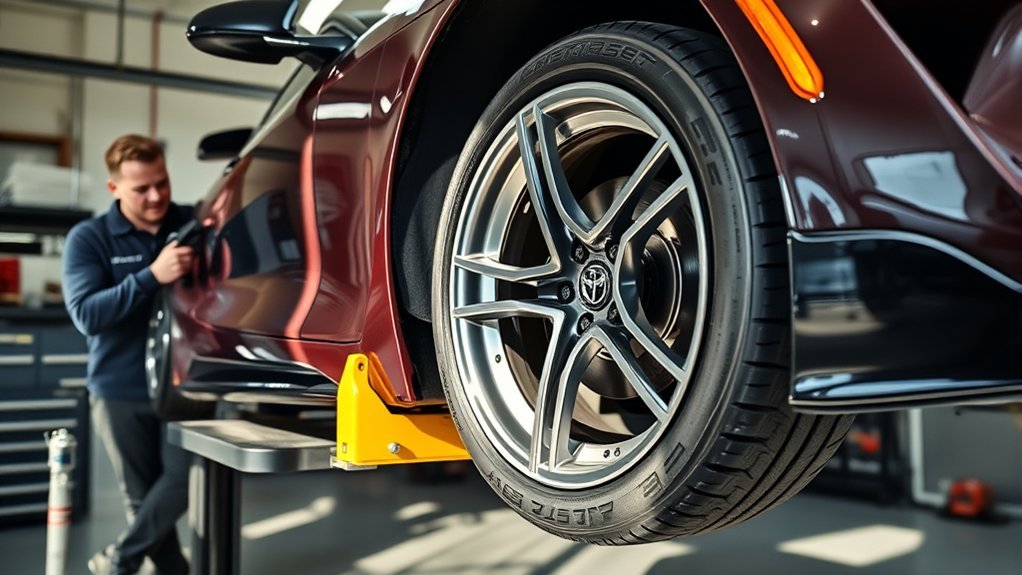
Camber is the inward or outward tilt of the wheel when viewed from the front or rear of the car. Negative camber means the top of the tire leans inward. A little negative camber can help the outside tire stay flatter during hard cornering, but too much negative camber can overload the inner edge during normal straight-line driving.
For a daily-driven Supra, camber should usually stay close to the factory preferred range unless the car is lowered or used hard in corners. For a track-focused Supra, more negative camber may be helpful, but the correct amount depends on tire compound, tire temperature, suspension parts, ride height, and driver pace.
Pro Tip: If the outside tire shoulders are overheating or wearing quickly on track, the car may need more negative camber. If the inner edges are wearing out during normal street driving, the car may have too much negative camber, too much toe, or both.
Caster and Thrust Angle
Caster is the angle of the steering axis when viewed from the side of the vehicle. More positive caster can improve straight-line tracking and steering return, but caster is not always easily adjustable on a stock suspension. If the caster readings are uneven, the shop should inspect for bent or worn parts before trying to “fix” the number with adjustments.
Thrust angle shows whether the rear wheels are pointed in line with the car’s centerline. A poor thrust angle can make the car crab slightly or require the steering wheel to sit off-center. Because the Supra uses independent suspension, it should receive a proper four-wheel alignment, not just a front-end toe adjustment.
Common Signs Your Supra Needs an Alignment
Recognizing alignment problems early can save tires and prevent the car from feeling unpredictable. Watch for these signs:
- Pulling to one side: If the car drifts left or right on a flat road, alignment, tire pressure, tire conicity, or brake drag may be involved.
- Uneven tire wear: Inner-edge wear, feathering, or one-sided wear often points to toe, camber, or worn suspension parts.
- Off-center steering wheel: If the wheel is crooked while the car drives straight, the toe or thrust angle may be off.
- Vibration or shaking: This can come from tire balance, bent wheels, tire damage, or worn suspension, not alignment alone.
- Nervous rear end: A Supra that feels twitchy at speed may have rear toe, tire, or suspension issues that need inspection.
Tire Wear Patterns and What They Mean
Tire wear tells a story. Before changing alignment settings, inspect all four tires in good light and compare the left and right sides.
| Wear Pattern | Likely Cause | What to Check |
|---|---|---|
| Inner-edge wear | Too much negative camber, toe error, lowered ride height, or worn parts. | Camber, toe, ride height, control arms, bushings, and tire pressure. |
| Outer-edge wear | Hard cornering, low tire pressure, not enough negative camber, or alignment drift. | Cold tire pressure, driving use, camber, and tire rotation options if applicable. |
| Feathered tread blocks | Toe problem. | Front and rear toe, thrust angle, and steering wheel centering. |
| Cupping or scalloping | Possible worn dampers, imbalance, damaged tire, or loose suspension. | Shock absorbers, wheel balance, wheel damage, and suspension play. |
| Center wear | Often overinflation or sustained high-speed/heat use. | Cold tire pressure and tire load rating. |
When to Get a Toyota Supra Alignment
You do not need to wait for the car to feel bad before checking alignment. Schedule an alignment or inspection in these situations:
- After installing lowering springs, coilovers, control arms, camber plates, toe arms, or bushings.
- After hitting a curb, pothole, road debris, or track curb hard enough to worry you.
- After installing new tires, especially if the old tires wore unevenly.
- After changing wheel size, tire size, offset, or ride height.
- When the steering wheel is off-center or the car pulls on a flat road.
- When you see feathering, inner-edge wear, outer-edge wear, or unusual rear tire wear.
- Before and after a heavy track season if the car sees repeated curb strikes or high heat cycles.
How to Troubleshoot Alignment Issues at Home
You can check for warning signs at home before paying for an alignment. These checks help you decide whether a shop visit is needed, but they do not replace a professional alignment rack.
Pre-Alignment Checklist
- Set tire pressure cold. Use the pressure listed on the vehicle tire placard or owner guidance, and check before the tires heat up.
- Inspect tread wear. Look across the full width of each tire and compare inside, center, and outside wear.
- Check wheel condition. Bent wheels or damaged tires can mimic alignment problems.
- Look for suspension play. Loose tie rods, worn bushings, and damaged arms must be fixed before alignment.
- Confirm ride height. A lowered or uneven car can change camber, toe, and bump behavior.
- Remove unusual load. Align the car as it is normally driven, with typical fuel and cargo load.
Signs of Misalignment
Common signs include pulling, off-center steering, feathered tread, one-sided tire wear, or a car that feels nervous after a suspension change. If these symptoms appear suddenly after an impact, stop guessing and have the suspension inspected for damage.
DIY Measurement Techniques
A string or toe-plate check can show whether toe is obviously wrong. Park on a flat surface, set tire pressures cold, make sure the steering wheel is centered, and measure carefully at wheel center height. A camber gauge can help you compare left and right camber, but floor slope and tool setup can distort readings.
Note: Home measurements are best for spotting big problems, checking whether a repair changed something, or confirming that the car needs a shop. Final toe, camber, caster, and thrust-angle settings should be done on calibrated equipment.
What to Expect From a Professional Alignment
A good Supra alignment is more than “setting the toe.” The shop should inspect the car first, measure all four corners, compare the readings with current service data, make adjustments in the correct order, and road-test the car.
Equipment Used During Alignment
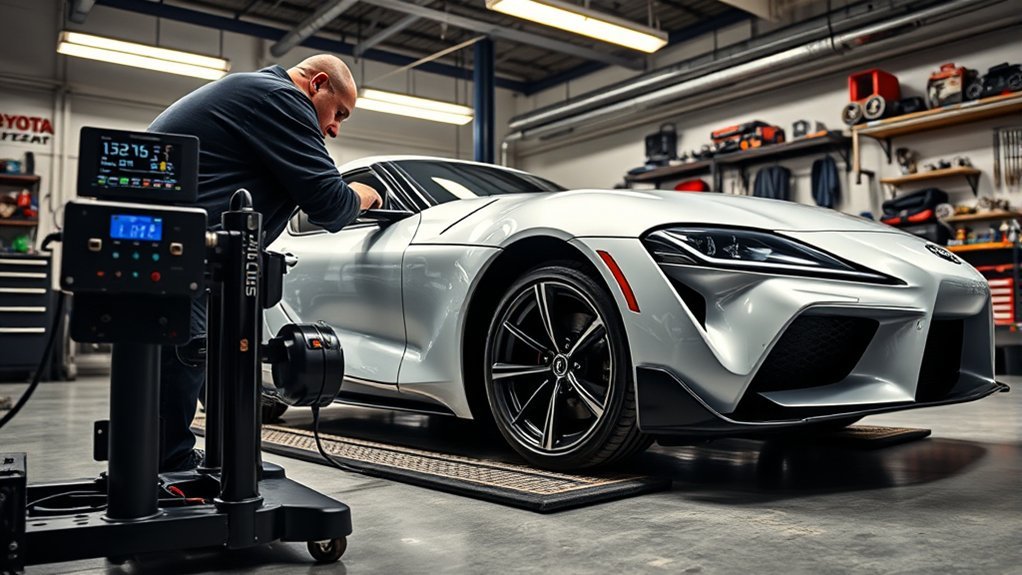
Most professional shops use computerized alignment equipment with wheel-mounted targets or sensors. The exact machine matters less than calibration, technician skill, and whether the shop understands performance cars. Ask whether they can provide before-and-after readings for camber, caster, toe, and thrust angle.
Alignment Process Overview
| Step | What Happens | Why It Matters |
|---|---|---|
| Suspension inspection | Technician checks tires, wheels, tie rods, bushings, control arms, and ride height. | Worn or bent parts can make alignment impossible to hold. |
| Baseline measurement | The machine records camber, caster, toe, and thrust angle. | Shows what changed and whether the car is inside the target range. |
| Rear adjustment | Rear camber and toe are corrected where adjustable. | Rear alignment controls thrust angle and high-speed stability. |
| Front adjustment | Front toe is set and steering wheel is centered; camber/caster are checked. | Prevents pull, steering-wheel offset, and excess tire scrub. |
| Printout and road test | The shop confirms readings and tests tracking. | Verifies the car drives straight and gives you a record for future comparison. |
Pro Tip: Keep every alignment printout. If the car later hits a pothole, gets lowered, or starts wearing tires oddly, the old printout makes the next diagnosis much easier.
Alignment for Lowered Supras and Aftermarket Wheels
Lowering a Supra usually changes suspension geometry. It can increase negative camber, shift toe, and reduce available adjustment range. Aftermarket wheels and tires can also change clearance, steering feel, and the way the car follows road grooves.
After installing lowering springs, coilovers, camber plates, toe arms, or aftermarket wheels, do not judge the setup until the alignment is corrected. Some cars may need additional alignment parts if the shop cannot reach the desired range safely. Aftermarket alignment components, such as GR Supra camber arms, are designed to increase adjustment range for modified cars.
Also check tire clearance through the full steering range and suspension travel. A wheel-and-tire setup that clears while parked may still rub under compression, braking, or cornering.
Tuning Your Alignment for Different Driving Styles
Your best alignment depends on how the Supra is driven. A daily driver needs stability, tire life, and wet-road confidence. A canyon or autocross car may benefit from sharper front response. A track car may need more camber and more frequent inspection.
- Daily driving: Stay close to Toyota preferred specs. Prioritize even tire wear, straight tracking, and safe rain behavior.
- Spirited street driving: Discuss a near-zero front toe feel and modest negative camber with a performance shop, while keeping rear toe stable.
- Autocross: Front grip and quick response matter, but tire wear can accelerate quickly if toe is too aggressive.
- Track days: Use tire temperatures, tire wear, and driver notes to adjust camber and toe. Do not copy another car’s numbers blindly.
The more aggressive the alignment, the more often you should inspect tire wear. Track settings that feel great for a 20-minute session can be a poor choice for highway miles and rain.
Maintenance Tips for Extended Tire Life and Performance
Alignment is only one part of tire life. Tire pressure, tire balance, suspension health, driving style, and road conditions all matter. The U.S. Tire Manufacturers Association tire-care guide notes that misalignment, improper inflation, lack of rotation, out-of-balance assemblies, damaged wheels, and worn suspension can all contribute to abnormal wear.
- Check tire pressure cold. Use the placard or owner guidance for your exact tire setup.
- Inspect tires monthly. Look for inner-edge wear, bubbles, cuts, cracks, feathering, and punctures.
- Balance tires when needed. Vibration is often a balance, tire, or wheel issue rather than alignment alone.
- Fix worn parts first. A car with loose bushings or damaged tie rods cannot hold a precise alignment.
- Review the printout. Make sure the final numbers are even side-to-side and match your driving goal.
- Recheck after changes. Any ride-height, wheel, tire, or suspension change can shift the alignment.
Frequently Asked Questions
How often should I check my Supra’s wheel alignment?
Check alignment whenever you notice pulling, uneven tire wear, a crooked steering wheel, or nervous handling. Also check it after new tires, suspension work, lowering, aftermarket wheel installation, curb strikes, or hard pothole impacts. For a performance-driven Supra, a yearly check or pre-season track check is a smart habit.
Can wheel alignment affect fuel efficiency in my Supra?
Poor alignment can increase tire scrub and rolling drag, but the clearer fuel-economy maintenance item is proper tire pressure. Keep the Supra aligned for tire life and handling, and keep tire pressure correct for safety, durability, and fuel consumption.
What tools do I need for a DIY alignment check?
For a basic check, use a tire pressure gauge, tread-depth gauge, flashlight, flat surface, tape measure, string or toe plates, and a camber gauge. These tools can reveal obvious problems, but they should not replace a professional four-wheel alignment on a Supra.
Is wheel alignment necessary after replacing suspension components?
Yes. Replacing control arms, tie rods, bushings, springs, coilovers, camber plates, or toe arms can change camber, caster, toe, and thrust angle. Align the car after the parts are installed and settled.
Can I align my Supra after installing aftermarket wheels?
Yes, and you should. Aftermarket wheels and tires can change clearance, road feel, and suspension behavior. Confirm tire pressure, check for rubbing, then align the car to the correct target for your ride height and driving use.
Why does rear toe matter so much on a Supra?
Rear toe affects how planted the back of the car feels. A small, stable rear toe-in setting helps the car track straight. Rear toe-out or uneven rear toe can make a rear-wheel-drive Supra feel loose, especially at speed.
Should I use track alignment settings on the street?
Usually no. Track settings may add grip during hard cornering, but they can increase tire wear, tramlining, and wet-road nervousness. Use street-friendly settings for daily driving and save aggressive settings for cars that are inspected often and driven in controlled conditions.
Sources
- Toyota Supra Owner’s Manual — tire pressure, owner guidance, and vehicle-specific maintenance reference.
- NHTSA TireWise — tire safety, pressure checks, tire wear, and maintenance guidance.
- Tire Rack: What Are the Different Alignment Settings? — camber, caster, toe, thrust angle, and tire-wear explanations.
- U.S. Tire Manufacturers Association Tire Care and Safety Guide — misalignment, inflation, rotation, balance, and suspension-related tire wear.
- Eibach GR Supra Pro-Alignment Camber Arm Kit — example of aftermarket alignment hardware for modified Supra setups.
Conclusion
Keeping your Toyota Supra’s wheel alignment correct is one of the simplest ways to protect tires, improve handling, and keep the car stable at speed. Start with Toyota’s current service specs, fix worn parts before making adjustments, and only move toward more aggressive toe or camber settings when your tires, driving style, and suspension setup justify it. A careful four-wheel alignment with a before-and-after printout gives you the best mix of performance, safety, and long-term tire life.