Last updated: September 14, 2026. This revision rechecked Supra model-generation differences, Toyota maintenance data, and NGK/DENSO spark-plug fouling guidance.
Spark plug fouling in a Toyota Supra means carbon, fuel, oil, or another contaminant is coating the firing end enough to weaken or divert the spark. Common clues include rough idle, hard starting, hesitation, misfires, or a plug that is dry-black, fuel-wet, or oily. Do not diagnose every Supra the same way: A70, A80, and MkV engines use different plug specifications and ignition hardware. Start by identifying the deposit pattern, then verify fueling, ignition, and mechanical condition before changing plug gap or heat range. NGK lists rich mixtures, short-trip or low-speed operation, ignition-system deterioration, and oil-control problems among common fouling causes.
Understanding Spark Plug Fouling: What It Is
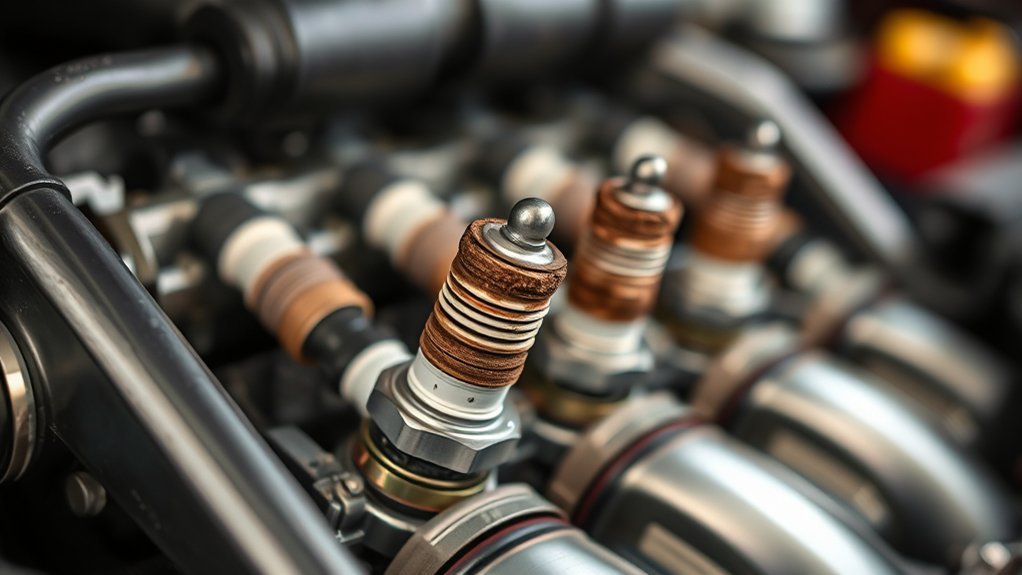
A spark plug is fouled when deposits on the firing end lower the insulation resistance or interfere with the spark across the electrode gap. NGK explains that carbon fouling becomes likely when the firing end stays below its approximate 450°C (842°F) self-cleaning temperature. Dry black carbon can come from an overly rich mixture, repeated short trips, weak ignition, or a plug heat range that is too cold. Wet fouling may involve fuel or oil and requires a different diagnosis.
The key point is that a fouled plug is usually a symptom of another condition. Replacing the plug may restore the spark temporarily, but repeated fouling means the underlying fuel, ignition, air, oil-control, or mechanical problem still needs to be found.
Common Causes of Spark Plug Fouling in the Toyota Supra
The likely cause depends on your Supra’s engine, modifications, and the way the plug looks. The most useful causes to check are:
- Rich air-fuel mixture: Excess fuel can leave dry black carbon or a fuel-wet plug. Injector problems, incorrect sensor data, intake restrictions, or a poor tune can contribute.
- Repeated short trips or long idling: The plug may spend too much time below its self-cleaning temperature, allowing carbon deposits to accumulate.
- Weak or inconsistent ignition: A failing coil, damaged boot, poor connector, excessive plug gap, or other ignition fault can leave fuel unburned and worsen fouling.
- Wrong plug specification or heat range: A plug that does not match the engine or modification level can run too cold or demand more ignition voltage than the system can supply.
- Oil entering the combustion chamber: Worn rings, valve-seal problems, or another oil-control fault can coat the firing end with oil.
- Calibration or hardware changes: Larger injectors, added boost, ethanol blends, or other performance changes can expose a fueling or ignition problem if the tune and plug choice do not match the setup.
Also distinguish oil on the firing tip from oil sitting in the spark-plug well. Oil on the tip points toward combustion-chamber oil control; oil in the well can come from a sealing leak around the plug well or valve-cover area. Those are different problems and should not be diagnosed the same way.
Symptoms of Spark Plug Fouling to Watch For
Fouled plugs can cause symptoms, but none of these symptoms proves the plug is the root cause. Use them as a reason to scan and inspect rather than replacing parts blindly.
| Symptom | What It Can Suggest | Best Next Check |
|---|---|---|
| Rough idle | Weak or inconsistent combustion | Scan for misfire data and compare plugs by cylinder |
| Hesitation or breakup under load | Ignition demand, plug wear/gap, coil issue, fueling, or tune | Record when it happens and inspect ignition/fueling before changing gap |
| Hard starting | Fuel-wet or carbon-fouled plugs, weak ignition, or another starting fault | Read codes and inspect plug condition before repeated cranking |
| Higher fuel use | Misfire or poor combustion, among many possible causes | Check fuel trims, misfire data, and maintenance history |
| One abnormal plug | Cylinder-specific ignition, injector, or mechanical issue | Compare that cylinder with the others |
How Spark Plug Fouling Impacts Engine Performance
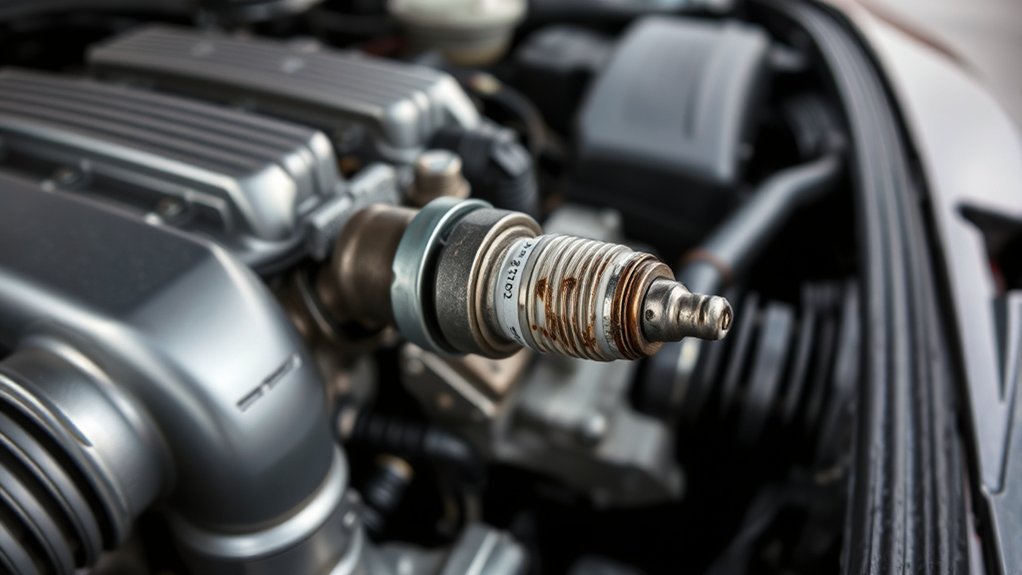
Fouling interferes with the plug’s ability to create a reliable spark. The result can be misfires, uneven idle, slower response, harder starting, and wasted fuel. DENSO’s troubleshooting guidance uses plug appearance as a diagnostic clue because carbon deposits, abnormal wear, and other firing-end conditions can point toward broader engine problems.
Engine Misfires and Hesitation
Carbon or liquid contamination can give ignition voltage an easier path than jumping the electrode gap. That can create an intermittent or complete misfire. If the Supra hesitates only at high load or high boost but idles normally, do not assume the plug is simply “dirty.” High cylinder pressure increases ignition demand, so worn plugs, excessive gap, weak coils, fueling errors, or the tune may need to be checked together.
Decreased Fuel Efficiency
A misfiring cylinder may burn the air-fuel charge incompletely, so fuel economy can worsen. However, there is no single percentage loss that applies to every fouled Supra. Tire pressure, driving conditions, fuel trims, injector behavior, oxygen-sensor feedback, and other engine faults can also change fuel use. Treat a sudden MPG drop as supporting evidence, not proof of plug fouling.
Sluggish Acceleration Issues
Fouling can make acceleration feel flat or jerky because one or more cylinders are not contributing consistently. The driving pattern matters: a fault that appears at idle suggests a different diagnostic path than a fault that appears only at high rpm or boost.
| Pattern | More Useful Interpretation | Next Step |
|---|---|---|
| Rough at idle and cruise | Broad ignition, fuel, air, or compression problem | Scan, inspect plugs/coils, review fuel trims |
| Breakup only under heavy load | Ignition demand, plug gap/wear, coil output, tune, or fueling | Verify hardware and logged data before changing gap |
| Same cylinder repeatedly fouls | Cylinder-specific injector, ignition, or mechanical fault | Compare coil, injector, compression, and plug condition |
| All plugs look similarly black | System-wide rich running, low-temperature operation, or wrong heat range | Check fueling, air supply, operating pattern, and plug specification |
Identifying Different Types of Spark Plug Fouling
Read the plugs as a set and keep them in cylinder order. NGK’s plug-reading guide notes that heavy black wet or dry deposits can indicate different engine conditions, while a normal firing end is generally light tan or gray. One abnormal plug usually points toward a cylinder-specific problem; several plugs with the same deposit pattern are more consistent with a system-wide condition.
Oil Fouling Characteristics
An oil-fouled firing end is typically wet or oily rather than simply dry and sooty. NGK lists poor oil control from rings or valvetrain components among possible causes. Do not confuse this with oil found only in the plug well outside the combustion chamber. If the firing tip repeatedly becomes oily, replacing the plug alone will not repair the source of the oil.
Fuel Fouling Indicators
A fuel-wet plug can appear after repeated failed starts, an overly rich condition, an injector problem, or an ignition failure that prevents the mixture from burning. A fuel smell or wet electrode is a clue, not a diagnosis. Check codes, ignition operation, injector behavior, and fuel-control data before assuming an oxygen sensor or injector is at fault.
Carbon Fouling Symptoms
Carbon fouling usually appears as dry, soft black deposits on the insulator and electrode area. NGK identifies rich air-fuel mixtures, short-trip or low-speed use, an overly cold plug heat range, reduced compression/oil use, retarded ignition timing, and ignition-system deterioration among possible causes. The correct repair depends on which of those conditions is actually present on your Supra.
Diagnosing Spark Plug Issues: Essential Tests and Checks
Use a sequence that preserves evidence and separates ignition problems from fuel or mechanical faults. This is more reliable than replacing plugs first and clearing all the diagnostic data.
- Read and save codes and freeze-frame data. Note rpm, load, coolant temperature, speed, and when the misfire occurred before clearing anything.
- Record the failure pattern. Determine whether it happens cold, hot, at idle, during cruise, or only under heavy load/boost.
- Inspect every plug by cylinder. Compare deposit color, wetness, electrode wear, cracks, carbon tracking, and whether one cylinder looks different from the rest.
- Verify the exact plug specification. Use the service information for your year, engine, and tune. Do not apply one Supra gap or heat range to every generation.
- Check coils, boots, connectors, and plug wells. A weak coil or contamination can mimic a plug problem. See the site’s Supra ignition coil diagnosis guide for the ignition side.
- Check fueling if the plugs are rich or fuel-wet. Review fuel trims, relevant sensor data, injector behavior, intake restrictions, and tune/calibration where applicable.
- Check mechanical condition if one cylinder remains abnormal. Compression or leak-down testing can help identify sealing problems after simpler ignition and fuel checks are ruled out.
| Test/Check | What It Helps Answer |
|---|---|
| OBD scan + freeze-frame | Which cylinder/system fault occurred and under what conditions? |
| Plug comparison by cylinder | Is the problem local to one cylinder or system-wide? |
| Coil/boot/connector inspection | Is weak ignition or contamination contributing? |
| Fuel-trim/sensor review | Is the engine running abnormally rich or receiving misleading input? |
| Compression/leak-down | Is a mechanical sealing problem causing repeat fouling or misfire? |
[Products Worth Considering]

NGK Iridium IX spark plugs are designed to deliver a stable spark, reliable ignition, and long-lasting performance for compatible Toyota Camry 2.5L engines. The fine-wire iridium center electrode helps improve durability and efficient combustion, making these plugs a smart replacement choice for maintaining smooth engine operation. Sold in a convenient four-pack, they are built for consistent performance and dependable fitment.

This ignition coil and iridium spark plug kit is designed to restore smooth engine performance, reliable starts, and efficient combustion for compatible Toyota models. Built for a precise fit across select Camry, RAV4, Sienna, Highlander, and Venza applications, it helps improve idle stability, fuel economy, and emissions. The kit includes durable replacement parts backed by a one-year unlimited-mileage guarantee for added confidence on the road.
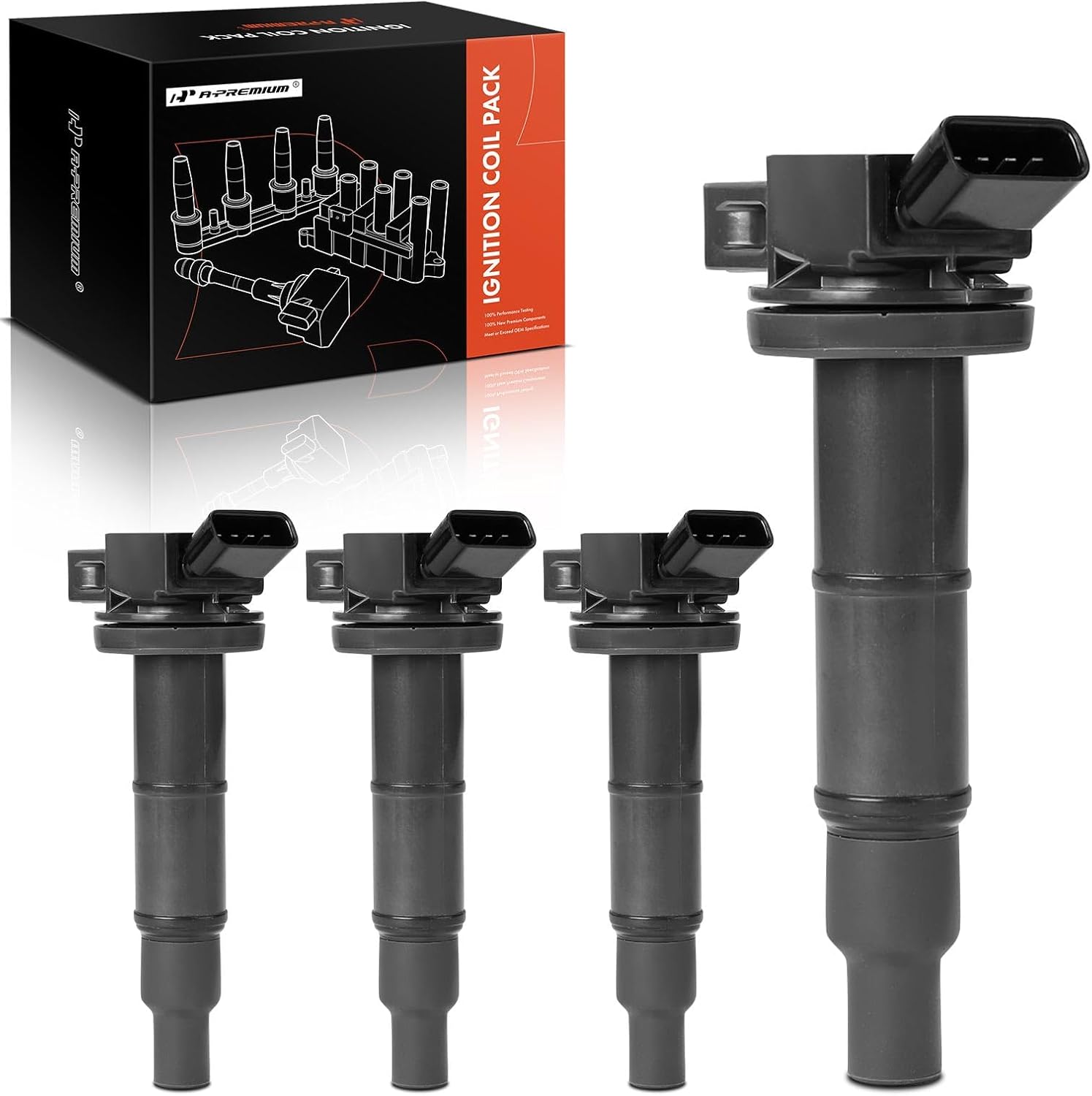
This A-Premium ignition coil pack set helps restore smooth engine performance, reliable starting, and consistent spark delivery for a range of Toyota, Scion, and Pontiac vehicles. Designed for broad fitment across multiple models and engine sizes, it is a practical replacement for worn or failing coils. The set includes four coil packs with OEM-cross reference compatibility and straightforward bolt-on installation.
How to Prevent Spark Plug Fouling and Keep Your Supra Running Smoothly
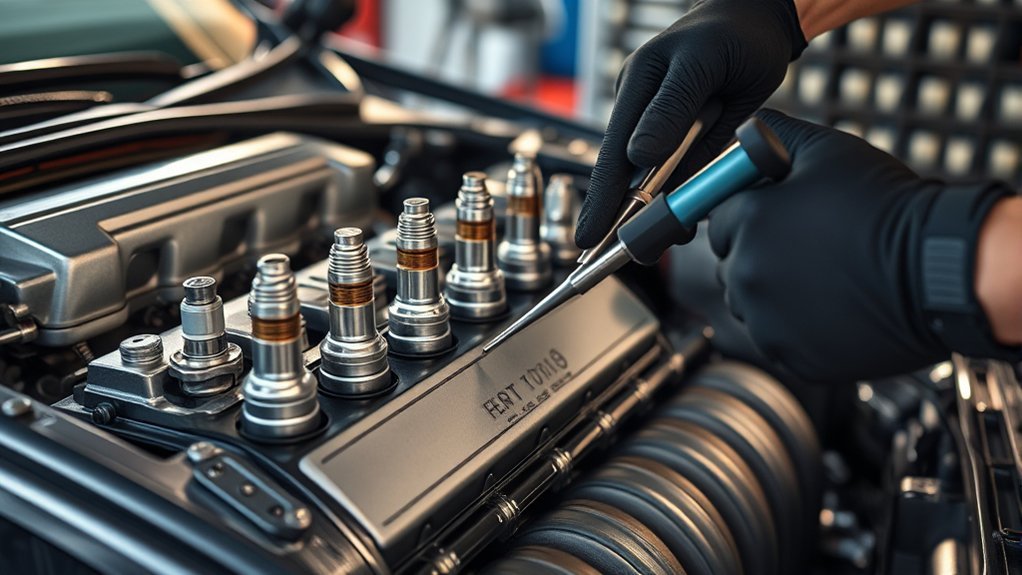
Prevention comes from using the correct plug for the exact engine, keeping the ignition and fuel systems healthy, following the proper service interval, and correcting any tune or oil-control problem that causes deposits. Avoid treating premium fuel or a smaller plug gap as a universal cure.
[Products Worth Considering]

This ignition coil and spark plug kit is designed to help restore smooth starting, consistent ignition performance, and efficient combustion for compatible Toyota and Lexus...
Regular Maintenance Checks
Follow the maintenance guide for your exact model year and engine. For the U.S.-market 2026 GR Supra, Toyota’s Warranty & Maintenance Guide places spark-plug replacement at the 40,000-mile maintenance point; Toyota also says scheduled maintenance is due every 10,000 miles, 12 months, or when the maintenance reminder appears, whichever comes first. Do not assume that interval applies to every older Supra generation or every market. For a broader schedule overview, see the site’s Toyota Supra maintenance schedule guide.
Between services, pay attention to new misfires, rough idle, hard starting, or a sudden change in fuel use. If the same plug fouls again soon after replacement, stop treating the plug as the cause and diagnose the system that is contaminating it.
Quality Fuel Selection
Use the fuel grade and octane required for your specific Supra. Higher octane mainly increases resistance to knock; it is not a universal spark-plug cleaning treatment. Fuel formulation and detergent quality can affect deposits, but buying a higher octane than the engine requires does not by itself repair rich running, weak ignition, or oil fouling.
Optimal Driving Practices
Repeated cold starts, short trips, and long low-speed operation can promote carbon fouling because the plug may not remain hot enough to burn off deposits. NGK places the approximate self-cleaning threshold at 450°C (842°F). If the car has no active mechanical or fueling fault, normal fully warmed operation helps the plugs reach their intended temperature range. Do not use hard driving as a substitute for diagnosing a persistent misfire.
The Importance of Tuning in Preventing Spark Plug Fouling
Tuned Supras need more careful diagnosis because boost, fuel type, injector size, ignition demand, and plug heat range can all change together. There is no universal Toyota Supra spark-plug gap. Factory specifications differ by engine, and a gap that works on one modified setup can be wrong on another. Before tightening the gap, confirm plug condition, coil health, fueling, boost control, and whether the misfire truly occurs only under high cylinder pressure.
Use the exact service information for a stock engine and documented tuner guidance for a modified engine. The site’s Supra spark plug type and gap guide separates 7M, 2JZ, and modified-engine guidance so you do not apply one number across generations.
Cleaning vs. Replacing Spark Plugs: Which Is Best?
Cleaning can sometimes remove light deposits when the applicable service information and plug manufacturer permit it, but it does not correct the condition that caused the fouling. Replace a plug when it is worn, damaged, cracked, outside its service limit, or otherwise not serviceable under the specification for that engine. If fuel or oil fouling returns, diagnose the injector, ignition, tune, oil-control, or mechanical cause instead of repeatedly cleaning or replacing the same plug.
Older Toyota service information for some Supra engines included specific plug-cleaning procedures, while modern fine-wire plugs require more care. That is another reason to use the instructions for your exact engine and plug rather than a universal cleaning method.
Community Resources for Spark Plug Troubleshooting
Owner forums can help you recognize patterns on a specific build, but forum advice should be treated as a lead rather than a factory specification. For plug condition and service decisions, start with manufacturer or component-maker references, then use community reports to compare similar symptoms and modifications.
- NGK Spark Plug Basics — heat range, self-cleaning temperature, fouling causes, and misfire mechanisms.
- DENSO Spark Plug Troubleshooting — visual diagnosis of plug conditions.
- Toyota 2026 GR Supra Warranty & Maintenance Guide — current U.S. model-year maintenance requirements.
- Supra spark plug type and gap guide — generation-specific gap context.
- Supra ignition coil failure guide — coil-side checks for misfires.
Frequently Asked Questions
What Causes Spark Plugs to Foul Quickly on a Toyota Supra?
Fast fouling usually points to an underlying condition such as an overly rich mixture, weak ignition, repeated short-trip operation, the wrong plug heat range/specification, or oil entering the combustion chamber. On a tuned Supra, calibration, fuel type, boost, injectors, and ignition demand can also contribute. The deposit pattern and whether one or all cylinders are affected help narrow the cause.
How Do You Fix Spark Plug Fouling on a Supra?
First identify whether the plug is carbon-fouled, fuel-wet, or oil-fouled. Then scan for faults, compare all plugs by cylinder, verify the correct plug specification, inspect coils and connectors, and check fueling or mechanical condition as needed. Replace or clean the plug only as allowed by the applicable service information, and fix the root cause so the fouling does not return.
What Does a Sooty Black Spark Plug Usually Mean?
Dry, soft black soot is consistent with carbon fouling. Common causes include an overly rich air-fuel mixture, short-trip or low-speed operation, weak ignition, or a plug heat range that is too cold. Compare all cylinders before deciding whether the problem is system-wide or isolated to one cylinder.
Can a Smaller Spark Plug Gap Fix a Supra Misfire?
Sometimes, but only when the ignition system cannot reliably fire the existing gap under high cylinder pressure. A smaller gap will not fix an injector problem, rich tune, oil fouling, weak coil, air leak, or low compression. Use the gap specified for your exact engine or documented by the tuner for the modified setup.
Should I Clean or Replace a Fouled Spark Plug?
It depends on the plug type, wear, damage, and the service information for your engine. Light deposits may sometimes be cleanable, while worn, cracked, damaged, or out-of-spec plugs should be replaced. Repeated fuel or oil fouling requires diagnosis of the underlying fault regardless of whether the plug is cleaned or replaced.
How Often Should GR Supra Spark Plugs Be Replaced?
For the U.S.-market 2026 GR Supra, Toyota places spark-plug replacement at the 40,000-mile maintenance point. Toyota says scheduled maintenance is due every 10,000 miles, 12 months, or when the maintenance reminder appears, whichever comes first. Other Supra generations, model years, and markets can use different intervals, so confirm the guide for your exact vehicle.
Can Short Trips Foul Spark Plugs?
Yes. NGK identifies repeated short trips and continuous low-speed operation as carbon-fouling contributors because the firing end may stay below its approximate 450°C (842°F) self-cleaning temperature. Persistent fouling still deserves diagnosis; longer drives cannot repair a fueling, ignition, or oil-control fault.
Conclusion
Spark plug fouling in a Toyota Supra is best treated as a diagnostic clue, not a stand-alone failure. Read the deposit pattern, compare cylinders, save scan data, verify the correct plug specification for your engine, and check ignition, fueling, and mechanical condition before changing gap or heat range. If a new plug fouls again, the repeat pattern is telling you that the root cause is still present. Fix that cause first, then install or service the plugs according to the exact Toyota or plug-manufacturer guidance for your Supra.