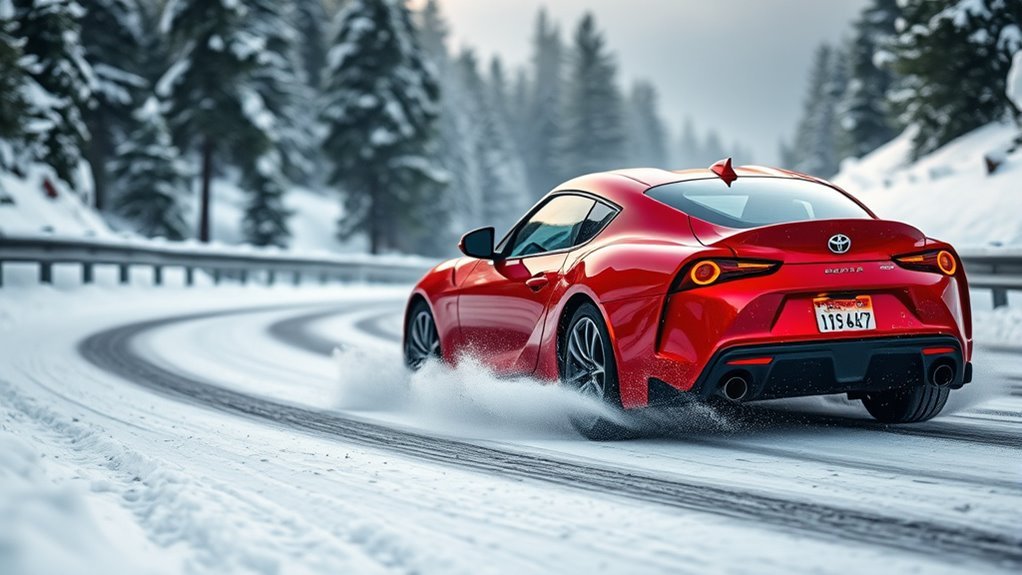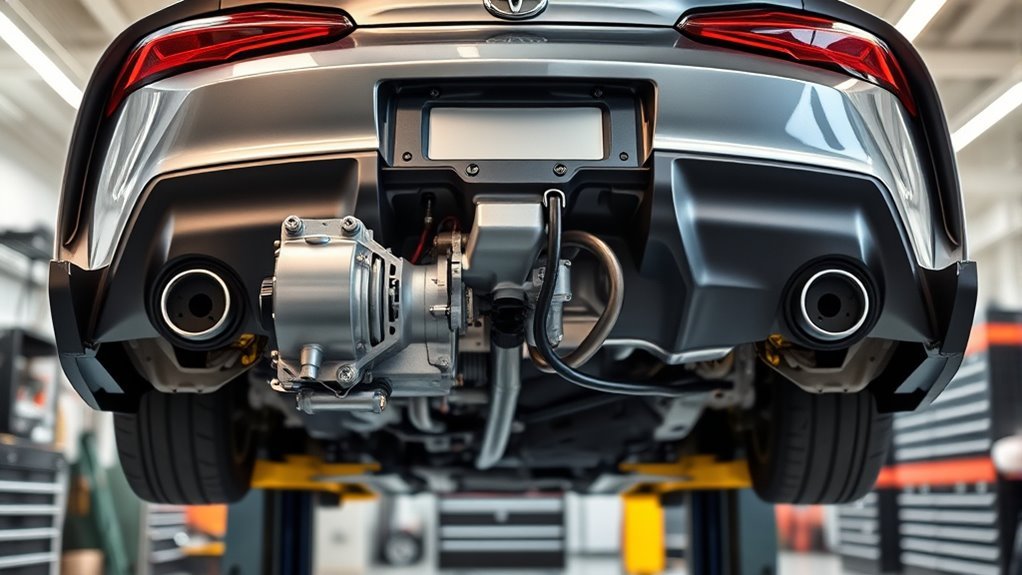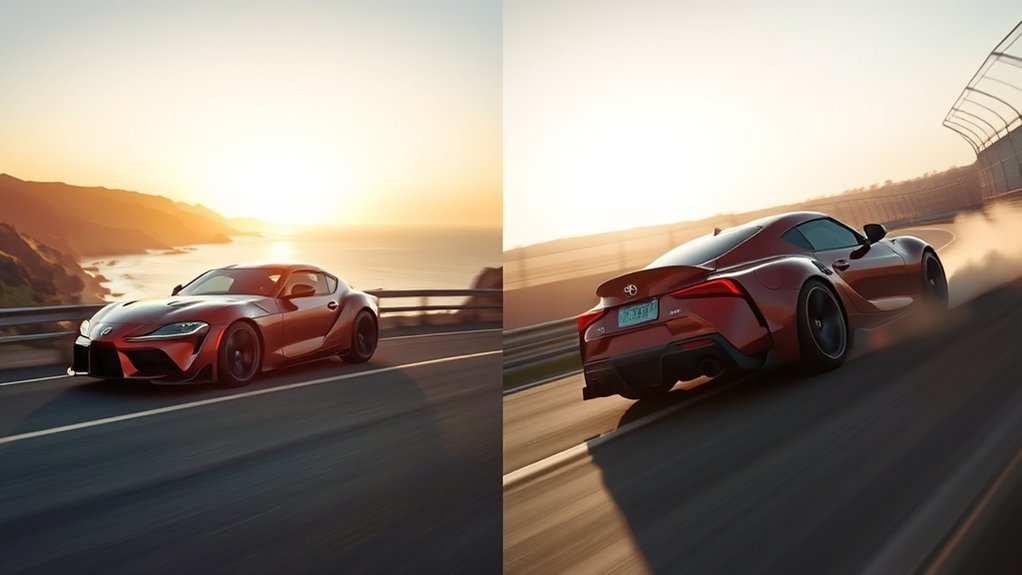
When you’re driving a Toyota GR Supra, Normal mode is the best default for commuting, highway cruising, wet roads, and relaxed daily driving. Sport mode is the fun setting for clear roads, twisty routes, autocross, or track use because it sharpens the car’s responses and makes the Supra feel more alert. The right choice depends less on which mode is “better” and more on what you need from the car in that moment.
Quick Answer
Use Normal mode in your Supra for daily driving, traffic, highway trips, rain, and better fuel economy. Use Sport mode when you want quicker throttle response, sharper transmission behavior, firmer chassis feel, and a more exciting drive on safe, open roads or a track.
Key Takeaways
- Normal mode is the smarter everyday setting because it favors smoother power delivery, easier shifting, comfort, and efficiency.
- Sport mode makes the Supra feel more responsive by sharpening engine, transmission, steering, suspension, and exhaust behavior depending on model year and trim.
- Sport mode does not automatically damage the car, but aggressive driving creates more heat, fuel use, tire wear, and brake wear.
- For the best long-term ownership experience, let the engine warm up, save hard driving for safe conditions, and follow Toyota’s maintenance reminders.
Understanding Normal Mode in the GR Supra

Normal mode is the GR Supra’s everyday driving setup. Toyota describes Normal mode as the setting that suits commuting because it gives the car a smoother ride, easier handling, and more relaxed shifting. In many Supra owner’s manuals, Normal mode is also the default drive mode selected when the car is started.
In real driving, Normal mode feels calmer because the accelerator response is less aggressive and the automatic transmission is more willing to upshift early. That makes stop-and-go traffic, parking-lot driving, and long highway runs easier to manage. If you drive your Supra daily, this is the mode you’ll probably use most often.
Note: Exact behavior can vary by model year, engine, transmission, and options. Later GR Supra models may also include configurable Sport settings, while some features depend on whether the car has adaptive suspension or an automatic transmission.
Best Times to Use Normal Mode
- Daily commutes: Normal mode keeps the car smoother and easier to drive in traffic.
- Long highway trips: The relaxed throttle and shift behavior help reduce fatigue.
- Cold starts: Drive gently until the engine and fluids are warm before using heavy throttle.
- Rain or slick roads: Softer inputs make it easier to keep traction under control.
- Fuel-saving drives: Normal mode encourages smoother acceleration and lower engine load.
The Thrill of Sport Mode
Sport mode is where the GR Supra feels more alive. Toyota’s owner information says Sport mode sharpens engine response, automatic transmission behavior, adaptive suspension, and steering on equipped models. Toyota’s brochure language also describes Sport mode as the setting that gives the car a more performance-focused feel and a deeper exhaust character.
Enhanced Engine Response
When you press the Sport mode button, the biggest change most drivers notice is quicker throttle response. The car reacts more eagerly to pedal input, which makes acceleration feel more immediate. That sharper response is fun on back roads, but it also means your right foot has a bigger effect on fuel use and tire wear.
Quicker Shifts and Higher RPM
On automatic GR Supra models, Sport mode usually holds gears longer and shifts more aggressively. This keeps the engine closer to its power band, which is great when you want quick corner exits or stronger acceleration. The tradeoff is simple: higher RPM and more frequent acceleration usually mean more fuel burned.
More Focused Handling Feel
Sport mode can also change the feel of the steering and suspension on equipped cars. The result is a tighter, more connected drive. You may notice more road feedback and less of the soft, easygoing feel you get in Normal mode. That is exactly what many Supra drivers want on a twisty road, but it can feel busy on rough pavement.
Warning: Sport mode does not make public roads a racetrack. Save hard acceleration, late braking, and high-speed cornering for safe conditions, legal roads, autocross, or a closed course.
When to Use Sport Mode for Maximum Thrills
Use Sport mode when you want the Supra to feel sharper and more responsive. It is best for moments when the road is clear, the weather is dry, the tires are warm, and you can drive without surprising other drivers.
- Spirited drives on winding roads: Sport mode helps the car feel more alert when you’re linking corners together.
- Autocross or track days: The sharper response and stronger shift behavior make the car easier to place and accelerate with intent.
- Quick passing on open roads: Sport mode can make the car respond faster when you need a short burst of power.
- Driver engagement: Use it when you want sound, response, and feel more than comfort or economy.
Pro Tip: For the cleanest drive, use Normal mode while the car warms up, then switch to Sport mode once the engine oil, tires, and brakes have had time to reach a safer operating temperature.
How Do Normal and Sport Modes Compare on Fuel Efficiency?
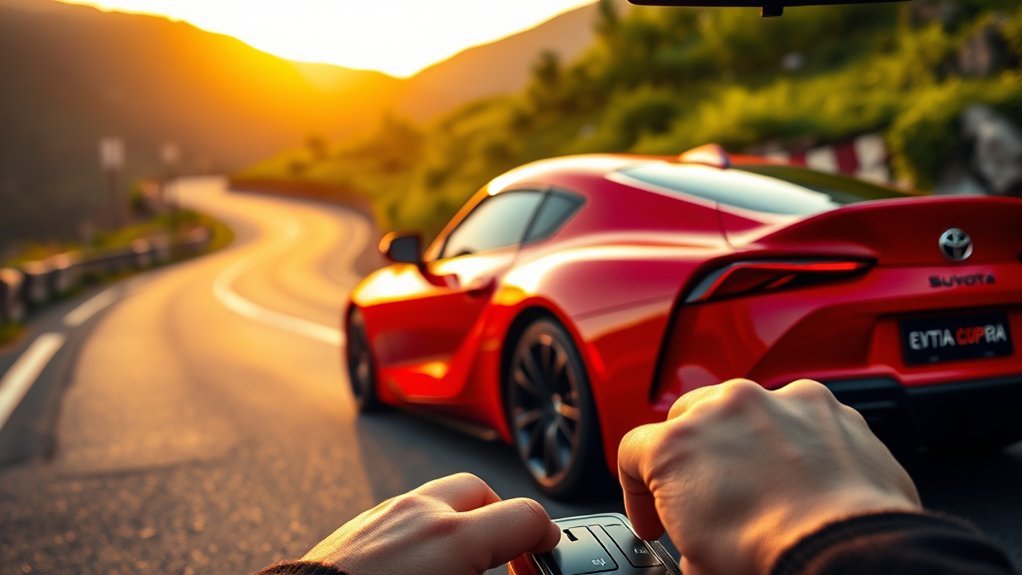
Normal mode is usually better for fuel economy because it encourages smoother acceleration and earlier upshifts. Sport mode is less efficient when it leads you to accelerate harder, hold gears longer, or drive at higher speeds. The mode itself is not the only factor; your driving style is the real difference-maker.
For context, the official EPA listing for the 2020 Toyota GR Supra rates the 3.0-liter automatic model at 26 mpg combined, 24 mpg city, and 31 mpg highway. Those numbers are EPA estimates, not guarantees. Your actual mileage will vary with traffic, tires, temperature, terrain, speed, and how often you use the throttle.
According to the U.S. Department of Energy, aggressive driving can lower gas mileage by roughly 15% to 30% at highway speeds and 10% to 40% in stop-and-go traffic.
[Products Worth Considering]

This upgraded engine oil funnel kit makes oil changes cleaner and easier with a spill-proof design, flow control valve, and transparent body for precise filling. Built from durable polycarbonate and equipped with 12 adapters, two 45-degree elbows, and a debris filter, it fits a wide range of vehicles and works well in tight engine spaces. The secure, hands-free setup helps reduce mess while improving control during oil filling and fluid transfers.

Bendix Premium Ceramic Front Brake Pads are engineered to match original equipment fit, form, and function for a straightforward replacement. Built with durable materials to help resist wear and corrosion, they support consistent braking performance and reduced brake fade for everyday driving. These pads are a dependable choice for compatible Pontiac, Scion, Toyota, and related vehicles.

This wheel alignment tool makes it easy to check and adjust toe-in and toe-out at home for better handling, stability, and more even tire wear. Designed for one-person use, it includes tape-measure slots for simple setup and accurate measurements without extra help. Its stainless steel construction and broad vehicle compatibility make it a practical addition to any DIY garage.
Fuel Consumption Differences
| Mode | What It Feels Like | Fuel Economy Impact |
|---|---|---|
| Normal | Smooth throttle, easier shifts, calmer ride | Best choice for everyday MPG |
| Sport | Sharper response, higher RPM, stronger acceleration feel | Usually uses more fuel when driven aggressively |
| Manual shifting | More driver control over RPM | Depends heavily on shift timing and throttle use |
Long-Term Efficiency Impact
If you use Sport mode occasionally, the long-term fuel impact may be small. If Sport mode changes your habits every time you drive, the cost adds up through more fuel, more tire wear, and more brake wear. For a daily-driven Supra, Normal mode is the smarter default and Sport mode is the reward when the road and conditions fit.
Impact of Driving Modes on Engine and Transmission Longevity
Sport mode does not automatically shorten your Supra’s life. The bigger issue is how the car is driven while Sport mode is active. Hard launches, repeated high-RPM pulls, aggressive downshifts, heavy braking, and track sessions create more heat and wear than relaxed commuting.
The GR Supra is built as a performance car, so using Sport mode is part of the experience. Still, smart habits matter. Let the engine warm up, avoid full-throttle runs on cold oil, check tire pressure, monitor brake condition, and follow the car’s maintenance system. Toyota’s GR Supra owner information explains that the Condition Based Service system uses sensors and algorithms to consider real driving conditions when making maintenance recommendations.
- Engine: Higher RPM and heat are normal in spirited driving, but repeated hard use requires extra attention to oil level and service reminders.
- Transmission: Sport mode can shift more aggressively, especially in automatic models, but modern performance transmissions are designed for spirited use when maintained properly.
- Tires: Sport mode often leads to harder acceleration and cornering, which can wear rear tires faster.
- Brakes: Fast driving creates more brake heat, so inspect pads and fluid more often if you drive hard or attend track events.
Community Insights: What Drivers Love About Each Mode
Supra drivers tend to love both modes for different reasons. Normal mode makes the car easy to live with. Sport mode makes it feel special. The best part is that you do not have to pick one forever; you can switch based on road, weather, passengers, and mood.
| Driving Mode | Key Benefits | Best Use |
|---|---|---|
| Normal | Comfort, smoothness, easier MPG | Commuting, traffic, highway cruising, rain |
| Sport | Sharper response, stronger sound, more driver engagement | Back roads, track days, quick passing, fun drives |
| Both | A flexible mix of daily comfort and performance | Switch modes as conditions change |
How to Keep Your Supra in Shape for Each Driving Mode
Whether you drive in Normal mode every day or use Sport mode every weekend, the same rule applies: the harder you drive, the more carefully you should maintain the car.
- Check engine oil regularly: Performance driving can increase oil temperature and consumption, so do not rely only on memory.
- Use the correct fuel and fluids: Follow Toyota’s owner manual for the right gasoline, oil specification, and service procedures.
- Watch your tires: Sport mode can make it easier to spin or scrub the rear tires, especially when they are cold.
- Inspect brakes after hard driving: Look for vibration, noise, fade, or a soft pedal after spirited use.
- Let the car cool down: After a hard run, drive gently for a few minutes before parking to help temperatures stabilize.
- Follow maintenance reminders: The Supra’s service system accounts for driving conditions, so take warnings and service prompts seriously.
Note: If you track your Supra, treat it differently from a normal commuter car. Track driving can justify more frequent inspections of oil, tires, brake pads, brake fluid, and alignment.
[Products Worth Considering]

This flexible oil funnel is designed to make fluid changes cleaner and easier by guiding oil around obstacles like skid plates and crossmembers. Its shape-retaining core and silicone body can be molded for custom positioning, while the heat-resistant, leak-proof design helps prevent spills during draining and filter removal. Reusable and easy to clean, it works well for cars, trucks, motorcycles, and other hard-to-reach fluid fill or drain applications.

This coolant thermostat is a direct replacement designed for a wide range of Toyota, Lexus, and Scion vehicles. It helps maintain proper engine temperature, supports reliable cooling system performance, and installs easily without special tools or programming. Built to meet OEM standards, it offers durable, stable operation and dependable fitment for compatible models.

These aluminum alloy tire valve stem caps provide durable, corrosion-resistant protection for your vehicle’s valve stems while helping maintain stable tire pressure. The rubber seal design helps block dust, moisture, and debris, reducing the risk of air leakage and valve damage. Easy to install and styled for a clean look, they fit a range of cars, SUVs, trucks, and motorcycles.
Normal vs. Sport Mode: Which One Should You Use?
Use this simple rule: Normal mode is for control, comfort, and efficiency. Sport mode is for response, sound, and fun. Neither mode is wrong. Normal mode lets the Supra behave like a refined daily driver. Sport mode reminds you why the GR badge is on the car.
| Situation | Best Mode | Why |
|---|---|---|
| Morning commute | Normal | Smoother and easier in traffic |
| Highway road trip | Normal | Better comfort and efficiency |
| Dry back road | Sport | Sharper throttle, steering, and shift feel |
| Rain or cold tires | Normal | Less aggressive inputs help preserve traction |
| Track day | Sport | More responsive performance behavior |
[Products Worth Considering]

This versatile automotive funnel kit makes oil and coolant filling cleaner, safer, and more efficient across a wide range of vehicles. With multiple color-coded adapters, secure sealing, and hands-free locking support, it helps prevent leaks, spills, and mismatched fittings during maintenance. The organized magnetic storage and durable heat-resistant construction make it a practical choice for both DIY repairs and professional service work.
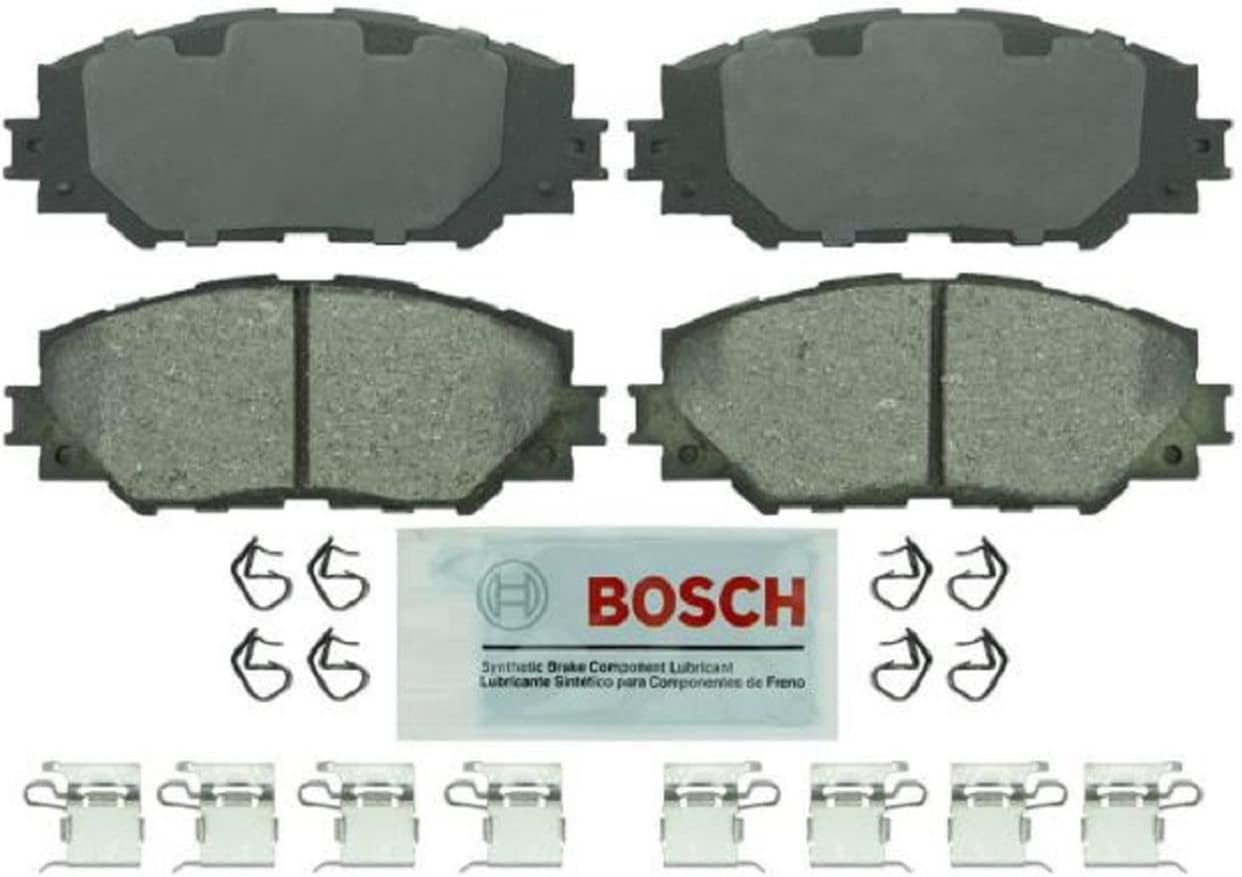
Bosch Blue ceramic front brake pads deliver dependable stopping power with platform-specific friction material designed for select Lexus, Pontiac, Scion, and Toyota vehicles. OE-style shims, slots, and chamfers help promote quiet braking, while the rust-inhibitive coating supports long-lasting performance and cleaner operation. The set includes hardware and synthetic lubricant for easier installation on one axle.

The LISEN Retractable Car Charger is a versatile in-vehicle charging solution designed to power multiple devices while reducing cable clutter. With retractable USB-C and legacy iPhone cables, dual USB ports, and support for standard 12V cigarette lighter sockets, it is ideal for daily commuting, road trips, and family travel. Its adjustable, shockproof design and fast charging capabilities make it a practical accessory for drivers who want organized, reliable power on the go.
Frequently Asked Questions
What is the difference between Normal and Sport mode in a Supra?
Normal mode is tuned for smoother daily driving, easier shifting, comfort, and efficiency. Sport mode sharpens the Supra’s response, including throttle feel, transmission behavior, steering, suspension, and exhaust character depending on model year and equipment.
Is Normal or Sport mode better?
Normal mode is better for commuting, traffic, highway trips, and fuel economy. Sport mode is better when you want the car to feel sharper and more exciting on safe, open roads or a closed course.
Does Sport mode use more gas in a Supra?
Usually, yes. Sport mode often holds gears longer and encourages stronger acceleration, which can reduce fuel economy. The biggest factor is still the driver: rapid acceleration, high speeds, and hard braking use more fuel than smooth driving.
Does Sport mode damage the Supra?
Sport mode itself does not damage the car. However, the kind of driving that often comes with Sport mode can increase heat and wear on tires, brakes, engine oil, and drivetrain parts. Warm the car properly and maintain it on schedule.
When should you shift in Sport mode?
If you are manually selecting gears, shift based on the situation rather than chasing one number every time. For spirited acceleration, shifting near the upper RPM range keeps the engine in its power band. For normal driving, shift earlier to reduce noise, heat, and fuel use.
Should I drive my Supra in Sport mode all the time?
You can, but it is not always the best choice. Sport mode is more fun, but Normal mode is smoother, quieter, and usually more efficient. For most owners, Normal mode works best as the default and Sport mode is best saved for the right road and conditions.
Conclusion
Normal and Sport modes give the Toyota GR Supra two different personalities. Normal mode is the one to use when you want comfort, smoothness, easier fuel economy, and less stress in everyday driving. Sport mode is the one to use when the road opens up and you want sharper response, more sound, and a more connected feel.
The smartest approach is to use both. Start in Normal mode, let the car warm up, then switch to Sport mode when conditions are safe and you want the Supra’s performance character to come alive. That balance gives you the best mix of excitement, efficiency, and long-term care.
Sources
- Toyota Owners: 2020 GR Supra Manuals and Warranties — official owner manual and warranty resource for the 2020 GR Supra.
- Toyota 2026 GR Supra Brochure — Toyota description of Normal and Sport driving modes.
- FuelEconomy.gov: 2020 Toyota GR Supra — official EPA fuel economy, fuel type, and vehicle specification listing.
- U.S. Department of Energy: Driving More Efficiently — fuel economy impact of aggressive driving, speed, and driving behavior.
- Toyota Owners: GR Supra Maintenance and Condition Based Service — official explanation of CBS maintenance recommendations.