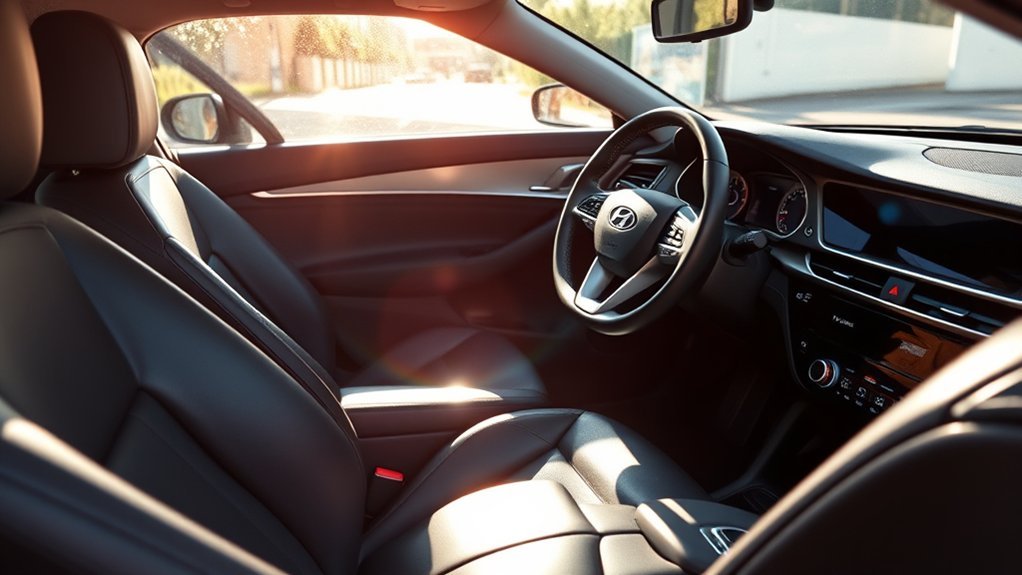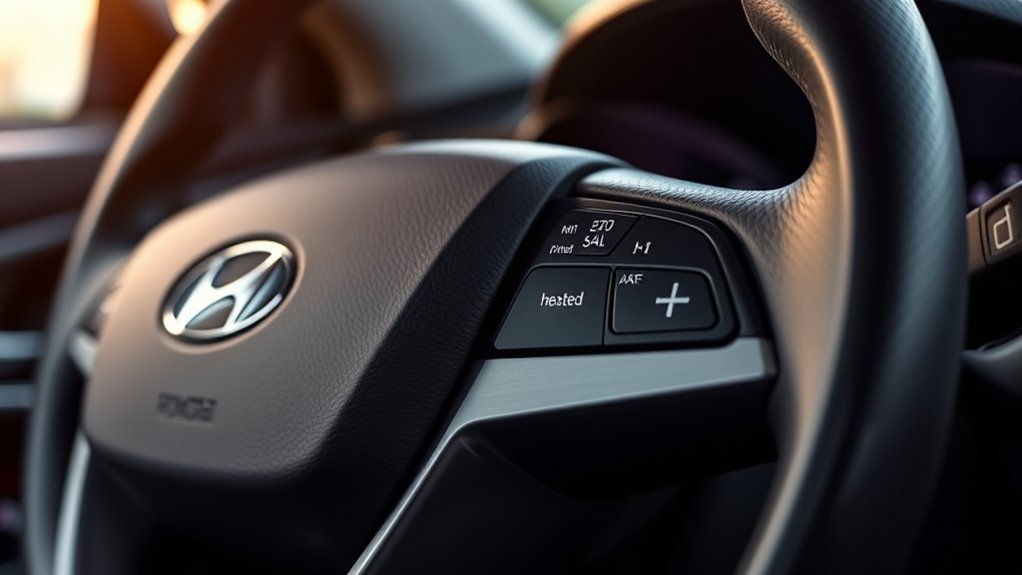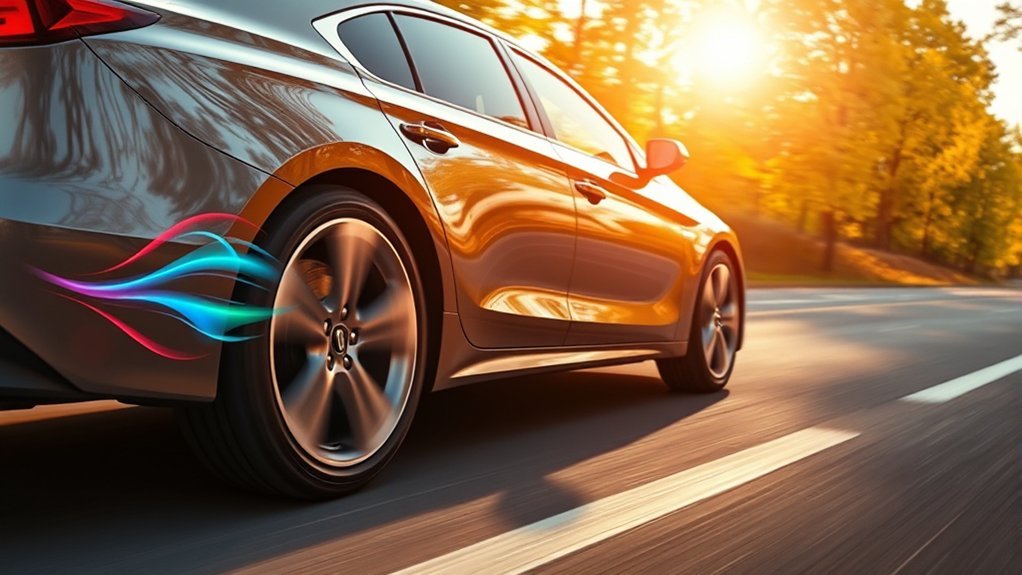
The Hyundai Sonata Hybrid blends regenerative braking and friction braking rather than choosing one system for every stop. Regenerative braking uses the electric motor to recover energy and recharge the high-voltage battery, while the hydraulic friction brakes use pads and rotors when stronger, lower-speed, or stability-controlled braking is needed. On the 2026 Sonata Hybrid, Hyundai describes paddle-controlled regenerative braking in ECO mode, with levels 0–3 plus a MAX setting; levels 1–3 do not bring the car to a complete stop by themselves.
Last updated: August 31, 2026 — updated with 2026 Sonata Hybrid regenerative-braking limits, low-speed behavior, warning-light guidance, and brake-fluid intervals.
Affiliate disclosure: As an Amazon Associate, AutoReviewNest earns from qualifying purchases. This does not affect our editorial independence or the price you pay.
Quick Answer
In the Sonata Hybrid, regenerative braking uses the electric motor to slow the car and turn some motion energy into electricity for the high-voltage battery. Friction braking uses the hydraulic brake system, pads, and rotors to create stopping force. The car blends the two automatically. For the 2026 model, regenerative levels 1–3 reduce as speed falls to about 6 mph (10 km/h), so you still use the brake pedal for the final stop.
Key Takeaways
- Regenerative braking recovers energy that would otherwise be lost as heat during braking.
- Friction braking remains essential for final stops, hard braking, and situations where regeneration is limited or deactivated.
- On the 2026 Sonata Hybrid, ABS or ESC operation deactivates regenerative braking, and a full or temperature-limited battery can reduce regeneration.
- The 2026 manual describes regenerative paddle control in ECO mode; paddle behavior changes with drive mode.
- Regenerative braking may reduce pad use, but pads, rotors, calipers, brake fluid, lines, and hoses still require inspection and service.
Braking System at a Glance
| Regenerative braking | Motor-generator slows the car and sends recovered energy to the hybrid battery |
| Friction braking | Hydraulic system uses pads and rotors for dependable stopping force |
| 2026 paddle control | Levels 0–3 plus MAX are described in ECO mode |
| Important limit | Levels 1–3 do not complete the stop; use the brake pedal |
What Regenerative and Friction Braking Each Do in the Sonata Hybrid
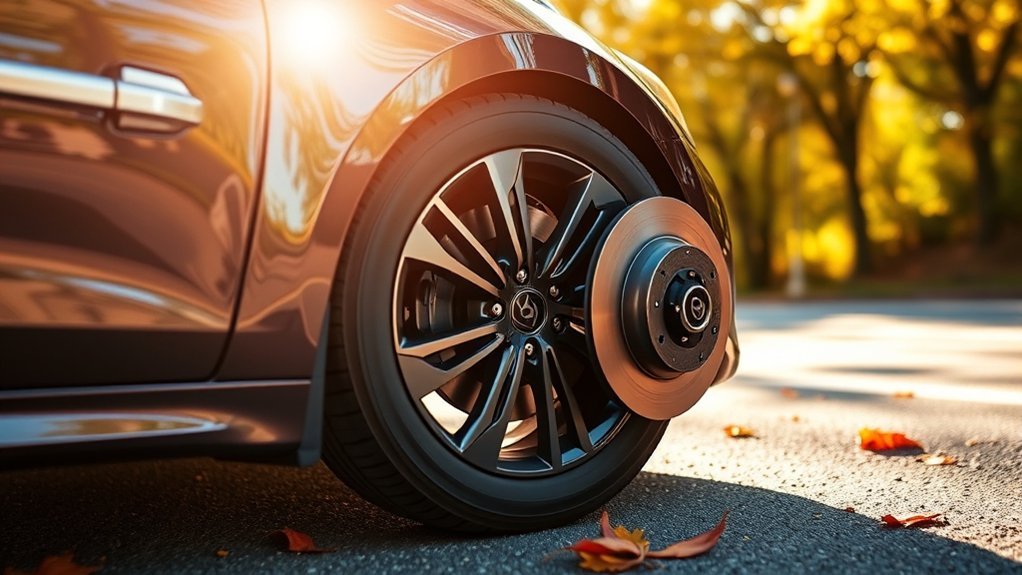
Regenerative braking is the energy-recovery side of the system. During deceleration, the electric motor can work as a generator, resist wheel motion, and send electricity back to the high-voltage battery. The U.S. Department of Energy’s Alternative Fuels Data Center explains that conventional hybrids charge their batteries through regenerative braking and the internal combustion engine rather than by plugging in.
Friction braking is the conventional stopping side. The Sonata Hybrid still uses a hydraulic brake system with brake pads, calipers, rotors, brake fluid, ABS, and electronic stability control. Friction braking does not recover energy, but it can provide stopping force when regeneration is weak, unavailable, or not enough for the driver’s requested deceleration.
The useful distinction is not “regen or brakes.” The Sonata Hybrid is a blended-braking vehicle. The control system changes the contribution from regeneration and friction braking according to vehicle speed, brake demand, battery condition, drive mode, and stability-system activity.
Note: This guide applies to Hyundai Sonata Hybrid models with regenerative braking. Controls and limits vary by model year and market. Non-hybrid Sonata models do not use the same hybrid energy-recovery system.
When Does the Sonata Hybrid Use Regenerative vs. Friction Braking?
Regeneration is favored when the car can slow smoothly and the hybrid battery can accept charge. Friction braking becomes more important as the required stopping force rises, as vehicle speed becomes very low, or when the vehicle’s stability and safety systems need direct hydraulic brake control.
Energy Conversion Process
During gentle deceleration, the Sonata Hybrid’s electric motor resists wheel motion and generates electricity. The battery stores that recovered energy so it can later support electric-motor assist. By contrast, friction braking presses the brake pads against the rotors and turns vehicle motion into heat.
FuelEconomy.gov says hybrids recover some energy that conventional vehicles lose as braking heat. It also notes that regenerative braking provides more benefit in stop-and-go driving than on the highway because city driving includes more braking events.
Regenerative braking is most useful when the car has time to slow gradually; friction braking remains the safety-critical part of strong, low-speed, and stability-controlled stops.
What the Driver Feels
Most of the handoff happens automatically. With light deceleration, you may feel steady motor braking. As the car slows toward a crawl, the braking feel can change because regenerative force falls and the hydraulic brakes do more of the work.
For the 2026 Sonata Hybrid, Hyundai’s manual describes regenerative-braking intensity levels 0–3 and MAX in ECO mode. The left paddle increases regenerative intensity and the right paddle decreases it. The same manual states that levels 1–3 do not bring the car to a complete stop and that regenerative deceleration decreases when vehicle speed falls to about 6 mph (10 km/h). Use the brake pedal to stop the vehicle.
Efficiency During Deceleration
Regeneration depends on more than how hard you press the brake pedal. Battery state of charge, battery and motor temperature, vehicle speed, drive mode, ABS/ESC activity, and cruise-control operation can all change how much regenerative braking is available.
| Driving Situation | Main Braking Behavior | What It Means |
|---|---|---|
| Gentle slowing from city speeds | More regenerative contribution | Good opportunity to recover energy |
| About 6 mph (10 km/h) or below with levels 1–3 | Regenerative deceleration decreases | Use the brake pedal for the final stop |
| High-voltage battery fully charged | Regeneration is temporarily limited | Hydraulic braking remains available |
| ABS or ESC operating | Regenerative braking is deactivated | Stability and controlled stopping take priority |
Key Differences Between Regenerative and Friction Braking
Both systems slow the Sonata Hybrid, but they differ in how they create braking force, what happens to the vehicle’s energy, and when each system reaches its limits.
[Products Worth Considering]

This universal brake bleeder kit makes one-person brake and clutch line bleeding simple by using compressed air to create stable vacuum-assisted fluid flow. Its extra-large 3L tank helps complete full-system flushes with fewer interruptions, while the included refill bottle, flexible hose, and universal adapter support clean, efficient use on standard and ABS brake systems.

The Mityvac MV8500 Silverline Elite is a versatile automotive service kit for brake and clutch bleeding, diesel fuel priming, and vacuum or pressure testing. Its dual-capability pump streamlines diagnostics and maintenance across motorcycles, cars, trucks, and SUVs, while the ergonomic design supports comfortable use during longer jobs. Built with a durable zinc-aluminum die-cast body and a 4.5oz fluid reservoir, it delivers reliable performance for professional and DIY repair work.
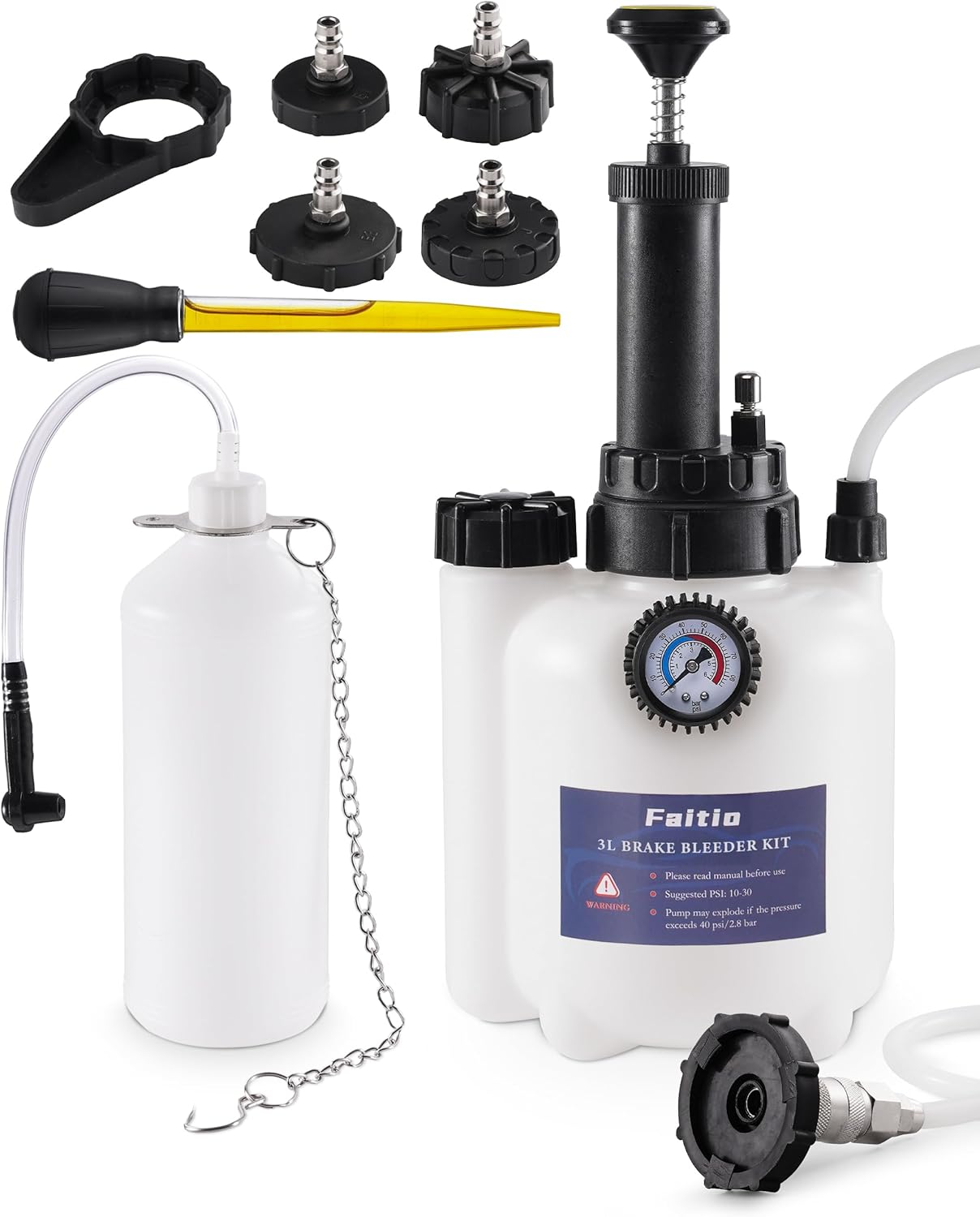
This one-man brake bleeding kit helps flush old brake fluid and remove trapped air for firmer, more responsive braking without the hassle of a second person. Its improved sealing and translucent catch bottle help prevent leaks while making fluid level checks easy during use. With multiple adapter sizes for many vehicle makes, it is a practical tool for clean, efficient brake system maintenance.
Energy Recovery vs. Heat Loss
Regenerative braking converts some kinetic energy into electricity. Friction braking converts motion energy mostly into heat at the pads and rotors. Regeneration improves efficiency, but friction braking is still required for consistent stopping performance across a wider range of conditions.
| Category | Regenerative Braking | Friction Braking |
|---|---|---|
| How it slows the car | Uses the electric motor as a generator | Uses hydraulic pressure, pads, calipers, and rotors |
| Energy result | Recovers some energy into the battery | Releases braking energy mostly as heat |
| Best use | Smooth deceleration and frequent city slowing | Final stops, hard stops, low-speed control, ABS/ESC events |
| Main limits | Speed, battery charge, temperature, drive mode, stability-system activity | Heat, wear, fluid condition, and mechanical condition |
| Maintenance impact | Can reduce friction-brake use | Pads, rotors, calipers, and fluid still need service |
Brake Wear Impact
Because regenerative braking can handle part of everyday deceleration, the friction brakes may be used less often than in a gas-only sedan. That can reduce pad and rotor wear for some drivers, especially when stops are planned early and smoothly.
Less friction-brake use does not mean maintenance-free brakes. Pads can wear, calipers can stick, brake fluid ages, and rotors can corrode. Reduced use can also leave more surface rust on rotors in wet or salty climates. Any grinding, repeated vibration, pulling, warning light, or increase in stopping distance deserves inspection.
Why Friction Braking Still Matters for Safety
Friction braking is not an optional backup. It is a core part of the Sonata Hybrid’s blended-brake system. Regeneration is useful for energy recovery, but the hydraulic brakes provide the predictable stopping force needed when regenerative braking cannot meet the requested deceleration.
The 2026 Sonata Hybrid manual states that regenerative braking is deactivated when ABS and ESC are operating. It also says regeneration can be temporarily limited when the high-voltage battery is fully charged, and limitations can last longer when battery temperature is too low or too high. In those situations, hydraulic braking with the brake pedal remains available.
Warning: Never rely on regenerative braking alone for an urgent stop. If the red brake warning light and yellow regenerative-brake warning light illuminate together, Hyundai warns that the brake pedal may be harder to operate and braking distance may increase. Drive safely and have the vehicle inspected promptly.
How Much Does Regenerative Braking Help Fuel Efficiency?
Regenerative braking improves efficiency by recovering part of the energy that friction brakes would otherwise release as heat. The recovered electricity is stored in the hybrid battery and can later support electric-motor operation.
FuelEconomy.gov estimates that about 24%–38% of the fuel energy in a hybrid reaches the wheels, depending on the drive cycle. It specifically identifies regenerative braking as one reason hybrids are more efficient than comparable conventional vehicles in stop-and-go driving. On the highway, where there is less braking, regeneration provides less of an advantage.
What Affects Regenerative Braking Performance?
The Sonata Hybrid does not provide the same regenerative force in every situation. The 2026 manual and Hyundai’s hybrid guidance identify several conditions that can change or limit it:
- Vehicle speed: regenerative deceleration changes with speed and becomes less useful near a stop.
- Brake demand: harder stops require more total braking force, so the hydraulic brakes contribute more.
- Battery state of charge: a fully charged high-voltage battery temporarily limits regeneration.
- Battery or motor temperature: very high or low temperatures can limit regenerative operation.
- ABS and ESC: regeneration is deactivated while these stability systems are operating.
- Cruise-control operation: some regenerative paddle functions are limited while Cruise Control or Smart Cruise Control is active.
- Drive mode: the 2026 manual describes paddle-controlled regenerative braking in ECO mode, while paddle behavior changes in SPORT mode.
Why Driver Awareness Matters in Regenerative Braking
You do not need a special technique to make the brakes safe; the car manages the blend. Your driving style mainly affects how much opportunity the hybrid system has to recover energy before the friction brakes do more of the work.
| Habit | Why It Helps | How to Do It |
|---|---|---|
| Look farther ahead | Reduces last-second braking | Ease off the accelerator earlier when traffic is slowing |
| Brake smoothly when safe | Gives the system more time to recover energy | Use steady pedal pressure instead of late, abrupt stops |
| Know your drive mode | Paddle behavior is not identical in every mode | Confirm the display and your model-year manual before adjusting regen |
| Use the brake pedal whenever needed | Protects stopping distance and control | Do not sacrifice braking safety to maximize energy recovery |
Pro Tip: The most useful efficiency habit is not selecting the strongest regeneration for every road. Look ahead, slow early, and use a regen level that keeps your deceleration smooth and predictable.
What You Need to Know About Brake Maintenance
Regenerative braking can reduce friction-brake use, but it does not cancel normal brake maintenance. The Sonata Hybrid still needs inspections of brake pads, rotors, calipers, hoses, lines, brake fluid, and warning systems.
[Products Worth Considering]

This universal brake bleeding kit lets you flush brake, clutch, and other hydraulic systems by yourself with fast, efficient vacuum-assisted operation. Built with a durable aluminum alloy pump, silicone tubing, and secure fittings, it helps maintain a tight seal for cleaner, easier service. The included blow-molded case keeps every part organized for convenient storage and transport between jobs.

This brake bleeder hose kit helps remove old brake fluid and air from motorcycle brake and clutch systems quickly and efficiently. Its one-way check valve prevents air from being drawn back into the system, while the easy-to-connect clips make bleeding simple for routine maintenance. Built for reliable use, it is a practical tool for keeping motorcycle braking performance responsive.
Brake Pad Lifespan
There is no single Sonata Hybrid brake-pad lifespan that applies to every driver. Wear depends on traffic, terrain, climate, braking style, road salt, and how often the friction brakes are needed. Regeneration can reduce pad use, but it cannot prevent wear or corrosion.
Hyundai’s 2026 Sonata Hybrid maintenance schedule lists disc brakes and pads for recurring inspection. Under severe-use conditions, brake components may need more frequent checks. That matters for cars driven in heavy traffic, on repeated hills, on salted roads, or with frequent rapid acceleration and deceleration.
Maintenance Frequency Recommendations
For the 2026 U.S.-market Sonata Hybrid, the owner’s manual lists brake-fluid inspection every 8,000 miles (13,000 km) or 12 months and replacement every 48,000 miles (78,000 km) or 48 months. Follow the schedule for your exact model year and market, because intervals can change.
Note: Brake-fluid level and condition still matter even when the pads are wearing slowly. If the brake-fluid level is unusually low or needs frequent topping up, have the brake system inspected for a leak.
What Brake Feel Is Normal, and What Needs Attention?
Some changes in braking feel are expected in a hybrid because the car is blending motor braking and hydraulic braking. The important distinction is between a repeatable low-speed transition and symptoms that suggest a brake-system fault.
| What You Notice | Likely Meaning | What to Do |
|---|---|---|
| Braking feel changes near walking speed | Regenerative contribution is decreasing and friction braking is taking over | Use smooth brake-pedal pressure and monitor for worsening symptoms |
| Regeneration is weaker with a full battery | The system is protecting the high-voltage battery | Drive normally; hydraulic braking remains available |
| Regen level changes or becomes unavailable during ABS/ESC activity | The stability system has priority | Focus on steering and braking control, not energy recovery |
| Harder pedal plus red brake and yellow regenerative-brake warning lights | Possible brake-system malfunction | Drive safely, allow extra stopping distance, and have the vehicle inspected promptly |
How to Use Regenerative Braking Effectively

Using regenerative braking well is mostly about smooth timing. The Sonata Hybrid controls the brake blend automatically, while equipped models let you adjust regenerative intensity under the conditions described in the owner’s manual.
- Ease off the accelerator early. Give the car time to slow before you need a hard stop.
- Use gentle brake pressure when safe. Smooth deceleration creates more opportunity for energy recovery.
- Do not chase maximum regeneration. The strongest setting is not automatically the most efficient or smoothest choice for every road.
- Confirm the drive mode. On the 2026 model, paddle-controlled regenerative braking is described in ECO mode, while SPORT mode changes paddle behavior.
- Expect limits. A full battery, temperature limits, ABS/ESC activity, or cruise-control operation can reduce regenerative control.
- Brake normally when stopping distance matters. Safety takes priority over recovering energy.
Which Braking System Is Doing the Work?
You do not need to identify the exact brake split every second. Use the driving situation as a practical guide:
- Gentle city slowdown: regeneration can provide a larger share of deceleration and recover energy.
- Final few mph: friction braking becomes more important; levels 1–3 do not complete the stop on the 2026 model.
- Battery fully charged: regeneration can be temporarily limited while hydraulic braking remains available.
- ABS/ESC intervention: regenerative braking is deactivated so vehicle-stability control can take priority.
- Emergency braking: use the brake pedal normally and let the vehicle’s brake and safety systems manage the stop.
Frequently Asked Questions
What is the difference between friction braking and regenerative braking?
Regenerative braking uses the electric motor as a generator to slow the car and recover some energy into the hybrid battery. Friction braking uses hydraulic pressure, brake pads, calipers, and rotors to create stopping force and release energy mostly as heat. The Sonata Hybrid blends both systems.
Does regenerative braking use the brake pads?
Regenerative braking itself uses the electric motor, not the brake pads, to create part of the deceleration. However, the Sonata Hybrid is a blended-braking vehicle, so the friction brakes can still operate during the same stop when more braking force or low-speed control is needed.
What happens to regenerative braking when the hybrid battery is full?
On the 2026 Sonata Hybrid, regenerative braking can be temporarily limited when the high-voltage battery is fully charged. Hyundai states that hydraulic braking with the brake pedal remains available, so use the brake pedal normally.
Does ABS or ESC turn off regenerative braking?
Yes for the 2026 Sonata Hybrid: the owner’s manual states that regenerative braking is deactivated when ABS and ESC are operating. The vehicle prioritizes controlled braking and stability instead of energy recovery.
Why does the Sonata Hybrid brake feel change near a stop?
The contribution from regenerative braking changes as speed falls and the friction brakes take on more of the stop. On the 2026 model, Hyundai says regenerative levels 1–3 decrease near about 6 mph (10 km/h) and do not bring the vehicle to a complete stop by themselves.
Does regenerative braking make brake pads last forever?
No. Regeneration can reduce friction-brake use, but pads, rotors, calipers, brake fluid, lines, and hoses still need inspection and service. Brake wear depends on driving style, climate, terrain, traffic, and maintenance.
Can the 2026 Sonata Hybrid stop using regenerative braking only?
Do not rely on it. Hyundai states that paddle-selected regenerative levels 1–3 do not bring the 2026 Sonata Hybrid to a complete stop. Use the brake pedal for the final stop and whenever you need more deceleration.
What should I do if the regenerative brake warning light comes on?
If the yellow regenerative-brake warning light appears with the red brake warning light, drive safely and arrange inspection promptly. Hyundai warns that the brake pedal may be harder to operate and braking distance may increase.
Conclusion
The Hyundai Sonata Hybrid uses regenerative and friction braking as one blended system. Regeneration recovers energy during smooth deceleration, while friction braking provides the hydraulic stopping force needed near a full stop, during stronger braking, and when stability or battery conditions limit regeneration. For the 2026 model, remember the practical limits: levels 1–3 do not complete the stop, ABS/ESC operation deactivates regeneration, and a full or temperature-limited battery can reduce it. Use the brake pedal whenever stopping distance matters, and follow the maintenance schedule for your exact model year.
Sources
- U.S. Department of Energy Alternative Fuels Data Center — Hybrid Electric Vehicles — supports how hybrid batteries recover and store energy through regenerative braking.
- FuelEconomy.gov — Where the Energy Goes: Hybrids — supports braking-energy losses, city-driving benefits, and the 24%–38% drive-cycle energy estimate.
- Hyundai 2026 Sonata Hybrid Owner’s Manual — supports regenerative levels 0–3 and MAX in ECO mode, low-speed behavior near 6 mph (10 km/h), ABS/ESC deactivation, full-battery and temperature limits, warning-light guidance, and brake-fluid service intervals.
- Hyundai USA — Sonata Hybrid Regenerative Braking owner resource — supports paddle-adjustable regenerative levels and Smart Regeneration/recuperation operation on equipped Sonata Hybrid models.