Cleaning and lubricating your Hyundai Sonata’s door hinges is a simple maintenance job that helps prevent squeaks, stiffness, rust, and premature hinge wear. The key is to clean away old grime first, apply the right lubricant sparingly, and work the door several times so the grease reaches the hinge contact points.
Quick Answer
To clean and lubricate Hyundai Sonata door hinges, wipe away dirt and old residue, brush debris out of the hinge knuckles, apply a small amount of white lithium grease to the hinge pins, door checks, locks, and latches, then open and close the door several times. Wipe off excess grease so it does not attract grit.
Key Takeaways
- Hyundai owner maintenance guidance includes lubricating door hinges, locks, and latches at least once a year.
- White lithium grease is a good choice for metal-to-metal hinge and latch points because it clings better than thin oil.
- Do not over-apply grease. Excess lubricant collects dust and can make the hinge area dirtier over time.
- If the door sags, pops, shifts, or will not align correctly, lubrication may not be enough; the hinge, check strap, or mounting hardware may need inspection.
At a Glance
| Time Required | 10–20 minutes for all four doors |
| Difficulty | Easy beginner maintenance |
| Tools Needed | Microfiber cloth, small brush or old toothbrush, white lithium grease, optional mild degreaser, gloves, and paper towels |
| Cost | Usually under $15 if you already have cloths and a brush |
Benefits of Cleaning and Lubricating Your Sonata’s Door Hinges
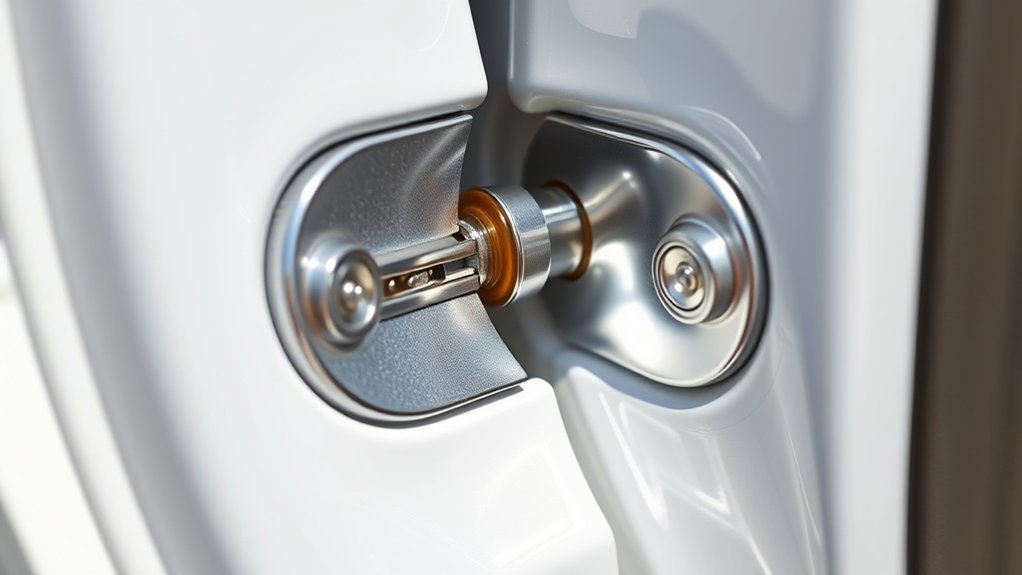
Clean, lubricated door hinges help your Sonata’s doors open and close with less effort. They also reduce squeaks, grinding, and stiffness caused by dry hinge pins or dirt packed into the hinge knuckles.
Regular lubrication also protects the moving metal surfaces from moisture and corrosion. Hyundai’s owner maintenance schedule recommends lubricating door hinges, hood hinges, locks, and latches at least once a year, so this is not just a cosmetic fix. It is part of basic vehicle care. You can confirm the maintenance interval in the Hyundai owner maintenance schedule.
Proper hinge care can also help preserve door alignment. When hinges move freely, the door is less likely to be forced, slammed, or pulled at an awkward angle. That helps the latch, weatherstripping, and door check strap do their jobs without unnecessary stress.
Essential Tools and Materials for the Job
You do not need specialty equipment to clean and lubricate Hyundai Sonata door hinges. Gather everything before opening the doors so the job stays quick and tidy.
| Tool or Material | Purpose |
|---|---|
| Microfiber cloth or shop towel | Wipes away dirt, old grease, and excess lubricant |
| Small brush or old toothbrush | Loosens grime around hinge pins and hinge knuckles |
| White lithium grease | Provides long-lasting lubrication for metal-to-metal hinge and latch points |
| Mild degreaser | Helps remove heavy old grease before relubricating |
| Spray straw or nozzle | Aims lubricant into tight hinge areas |
| Gloves | Keeps grease and cleaner off your hands |
White lithium grease is a strong choice because it is designed for metal-to-metal applications such as auto hinges and latches. Product manufacturers such as WD-40 Specialist, CRC Industries, and Permatex list white lithium grease for hinges, latches, and other load-bearing contact points.
Warning: Keep grease and degreaser away from brake parts, tire tread, pedals, seat belts, and painted panels. If lubricant gets on paint, wipe it off quickly with a clean cloth and a mild automotive-safe cleaner.
[Products Worth Considering]

All-purpose white lubricant for metal-to-metal and metal-to-plastic applications

2 Pack Value - Includes 2 Tubes - Meets NLGI-2 performance
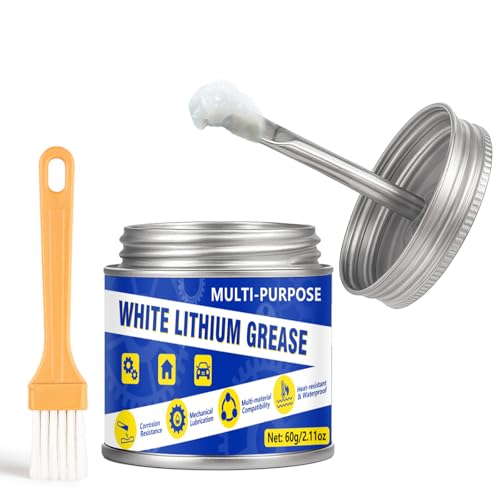
DURABLE PROTECTION AGAINST RUST & WEAR: Engineered to form a protective film, our white lithium grease shields surfaces from moisture, rust, and corrosion. Even in outdoor or heavy-duty settings, this lithium grease helps extend the lifespan of your tools and equipment with long-lasting lubrication
Step-by-Step Process for Cleaning Door Hinges
Work on one door at a time. Park on a flat surface, turn the vehicle off, and make sure the door has enough space to open fully without hitting a wall, post, or another vehicle.
Inspect the Door Before Cleaning
Open the door slowly and listen for squeaks, clicking, popping, or grinding. Look closely at the upper and lower hinges, the door check strap, the latch, and the striker area. If you see loose bolts, bent metal, severe rust, or a door that drops when opened, stop and have the hinge assembly inspected before relying on lubrication.
Clean Away Dirt and Old Grease
Use a dry cloth first to remove loose dust and grit. Then use a small brush or old toothbrush to loosen debris around the hinge knuckles, hinge pin area, and door check strap. If the old grease is thick or sticky, lightly apply a mild degreaser to the cloth, not directly all over the door opening, and wipe the dirty area clean.
Let the hinge area dry before adding new grease. Applying fresh lubricant over wet cleaner or heavy grime can trap residue inside the hinge and reduce the benefit of the job.
Protect Nearby Surfaces
Hold a towel behind or below the hinge before spraying. This catches overspray and prevents grease from landing on the door, fender, weatherstripping, or interior trim. A spray straw makes this much easier because it helps aim the lubricant exactly where it needs to go.
How to Effectively Lubricate Door Hinges With White Lithium Grease
Apply a small amount of white lithium grease directly to the upper and lower hinge pivot points. Focus on the hinge pin area, hinge knuckles, and moving contact surfaces. You do not need to coat the entire hinge bracket.
After applying the grease, slowly open and close the door 5–10 times. This works the lubricant into the moving parts and spreads it more evenly than spraying alone. Add a little more only if the hinge still sounds dry or feels stiff.
Next, apply a light amount to the door check strap and the latch mechanism. The check strap is the arm that controls how the door holds its open positions. The latch is the mechanism at the rear edge of the door that grabs the striker when the door closes.
Pro Tip: Use short bursts instead of one long spray. A small amount in the right spot works better than a heavy coating that drips, stains, and collects dust.
[Products Worth Considering]

PREMIUM DOOR HINGE LUBRICANT; Eliminate annoying squeaks quickly and effectively. Qucship door hinge lubricant bonds to the surfaces, providing long-lasting protection from rust, corrosion, friction, and wear.

【More Than a Tube Of Grease】- Ailiaili complete maintenance kit includes 1 oz white lithium grease, 2 oz cleaner, microfiber cloth, brush, precision nozzle and storage case. Everything needed to clean, wipe and lubricate is organized in one kit, with no extra maintenance supplies required.

Everything you need in a garage door lubricant: High performance and fast drying. Select a wide or narrow spray for fast, easy application
Effective Techniques for Lubricating Door Hinges
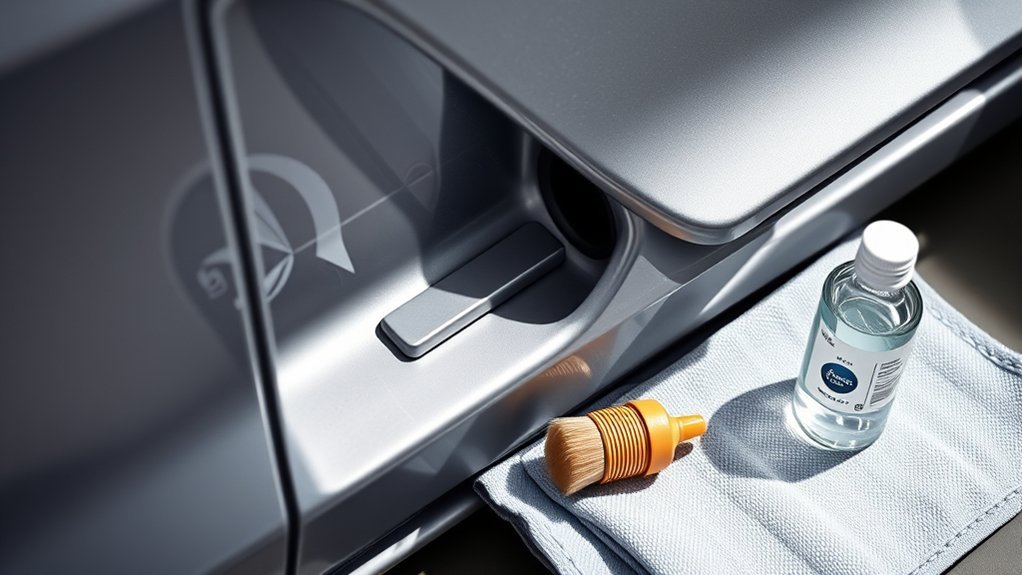
The most effective technique is to clean first, lubricate lightly, move the door, and wipe away excess. This sequence prevents dirt from being sealed into the hinge and helps the grease reach the moving contact surfaces.
For best results, follow this simple pattern:
- Open the door fully and support it naturally without leaning on it.
- Wipe visible dirt and old grease from the hinge area.
- Brush debris from tight hinge gaps.
- Apply white lithium grease to the upper hinge, lower hinge, door check strap, and latch.
- Open and close the door several times to distribute the lubricant.
- Wipe off drips, blobs, and overspray.
- Repeat the process on the remaining doors.
Use the same basic process for the hood hinges and trunk hinges if they are dry or noisy. Hyundai’s maintenance guidance also includes lubricating hood hinges, locks, and latches, so it makes sense to check them while your supplies are already out.
Avoid These Common Lubrication Mistakes
A door hinge lubrication job is easy, but a few mistakes can make the hinge area messier or less effective. Avoid these problems to get a cleaner, longer-lasting result.
Overusing Lubricant
More grease is not better. Excess grease attracts dirt, road dust, and grit. Over time, that buildup can make the hinge area sticky and harder to clean. Apply a thin coating, work the door, and wipe off anything that remains on the outside of the hinge.
Using WD-40 Multi-Use as the Only Long-Term Fix
WD-40 Multi-Use Product can help displace moisture or temporarily quiet a squeak, but it is not the best long-term hinge grease. For lasting lubrication on Sonata door hinges, use a grease made for hinge and latch contact points, such as white lithium grease. If you use a penetrating product to free a sticky hinge, clean the area afterward and follow up with proper grease.
Ignoring Manufacturer Guidelines
Your Sonata’s owner’s manual is the best reference for maintenance intervals and safety warnings. The general hinge-cleaning process is similar across many Sonata model years, but your exact model year may have specific maintenance notes. Check Hyundai’s official manuals and warranties resource if you want to confirm guidance for your vehicle.
Spraying Too Close to Rubber Weatherstripping
Door openings include rubber weatherstrips that help seal out water and wind noise. Do not soak rubber seals with grease or solvent. Hyundai maintenance guidance separately mentions lubricating door rubber weatherstrips, but that should be done with a rubber-safe product, not heavy hinge grease.
Neglecting Regular Maintenance
If you wait until the hinges are loud, rusty, or stiff, the parts may already have unnecessary wear. A yearly check is usually enough for normal driving, but vehicles exposed to road salt, heavy rain, dust, or frequent car washes may need hinge cleaning more often.
How Can You Spot When Your Hinges Need Lubrication?
Your Sonata’s hinges usually give warning signs before they become a bigger problem. Watch and listen when you open each door.
| Sign | What to Look For | Action Needed |
|---|---|---|
| Squeaking or creaking | Noise while opening or closing the door | Clean and lubricate the hinges |
| Stiff movement | Door feels harder to swing than usual | Clean hinge area and apply grease |
| Visible rust or corrosion | Reddish-brown spots around hinge hardware | Clean, lubricate, and inspect for damage |
| Door will not hold open | Door swings too freely or will not stay in detent positions | Inspect the door check strap |
| Door sag or misalignment | Door drops, rubs, or needs lifting to close | Have hinges and mounting hardware inspected |
| Heavy grime around hinges | Dark buildup mixed with old grease | Clean before adding new lubricant |
Note: Lubrication can quiet dry hinges, but it cannot fix worn hinge pins, damaged bushings, loose bolts, bent hinges, or a failing door check strap.
[Products Worth Considering]
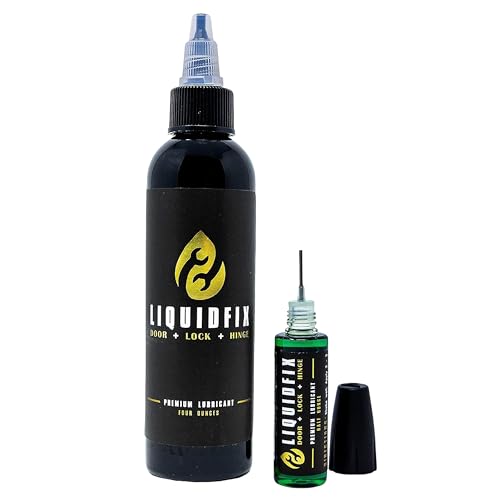
Multi-Purpose Lubricant: LIQUIDFIX Door, Lock & Hinge Lubricant offers a complete solution for cleaning and maintaining door hardware, car hinges, stubborn locks, patio tracks, and more

Superior Metal-to-Metal Lubrication: White lithium grease effectively reduces friction and ensures smooth operation. Lithium grease is ideal for hinges, gears, bearings, chains, and other metal components.

Precision Lubrication, Zero Mess No spray, no spills. Lemenyaa’s needle-tip design lets you apply just the right amount of lubricant exactly where it’s needed—clean, controlled, and efficient.
How Often Should You Lubricate Hyundai Sonata Door Hinges?
For normal driving, inspect and lubricate the door hinges about once a year. That matches Hyundai owner maintenance guidance for door hinges, locks, and latches.
You may want to clean and lubricate them every six months if you drive in harsh conditions, including salted winter roads, coastal humidity, frequent rain, dusty roads, or areas where the vehicle is washed often. Water and grit can strip or contaminate the old lubricant faster.
A once-a-year hinge check can prevent most squeaks before they turn into stiff movement, corrosion, or latch strain.
Advantages of Regularly Maintaining Your Door Hinges
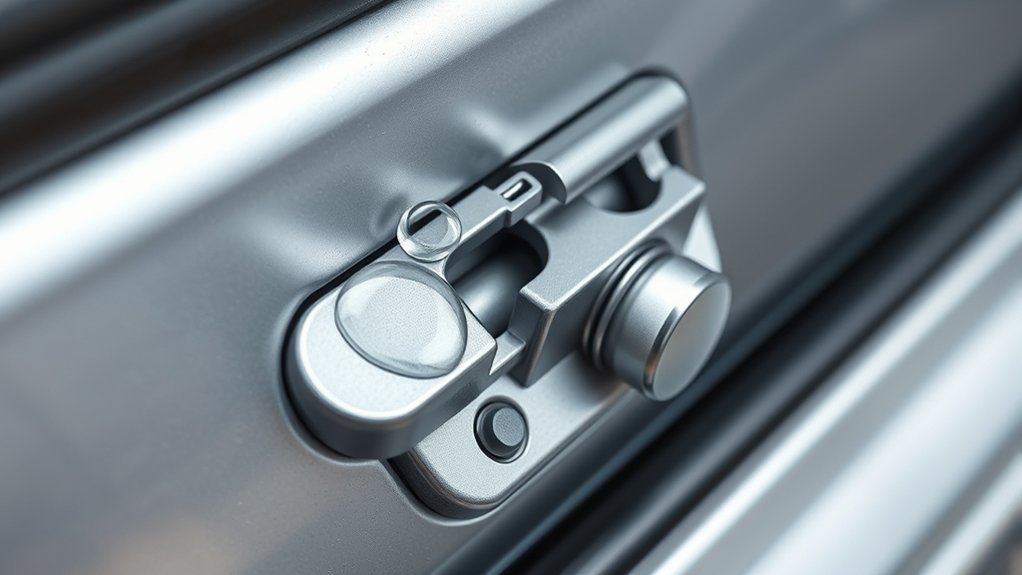
Regular door hinge maintenance keeps your Sonata more pleasant to use every day. Doors feel smoother, close more cleanly, and make less noise. That matters because the driver’s door, in particular, may be opened thousands of times during ownership.
Lubricated hinges also help protect the surrounding door hardware. When the hinge moves freely, the latch, striker, weatherstripping, and door check strap do not have to absorb as much stress from forced or uneven door movement.
Most importantly, this job is inexpensive and quick. A few minutes with a cloth, brush, and white lithium grease can prevent annoying squeaks and may help reduce future repair costs related to neglected hinge hardware.
Frequently Asked Questions
What should I lubricate Hyundai Sonata door hinges with?
Use white lithium grease for the metal-to-metal hinge points, door check strap, locks, and latches. It clings better than thin oil and is commonly recommended for automotive hinges and latch mechanisms.
Is it okay to put WD-40 on car door hinges?
WD-40 Multi-Use Product can temporarily reduce squeaks or help loosen a sticky hinge, but it is not the best long-term lubricant for Sonata door hinges. For lasting protection, clean the hinge and follow with white lithium grease or another hinge-safe automotive grease.
Do car door hinges really need to be lubricated?
Yes. Door hinges need lubrication to reduce friction, noise, and corrosion. Hyundai’s owner maintenance schedule includes lubricating door hinges, locks, and latches at least once a year.
Is 3-in-1 oil good for car door hinges?
Standard 3-in-1 oil may quiet a squeak for a short time, but it is thinner than white lithium grease and usually will not stay on exposed automotive hinge points as long. For a Sonata door hinge, white lithium grease is the better long-term choice.
Should I lubricate the door latch too?
Yes, apply a light amount of grease to the door latch mechanism after cleaning it. Do not pack the latch with grease. Open and close the door several times, then wipe away excess lubricant.
Why does my Sonata door still squeak after lubrication?
The hinge may still contain trapped dirt, the grease may not have reached the hinge pin, or another part such as the door check strap may be making the noise. If the door sags, pops, or feels loose, have the hinge hardware inspected.
Conclusion
Cleaning and lubricating your Hyundai Sonata’s door hinges is one of the easiest ways to keep the doors smooth, quiet, and protected from wear. Clean away old grime, apply a small amount of white lithium grease to the hinge and latch contact points, move the door to spread the lubricant, and wipe away excess. Do it at least once a year, or more often if your Sonata sees salt, rain, or dusty roads.
Sources
- Hyundai Owner Maintenance Schedule — backs up annual lubrication guidance for door hinges, hood hinges, locks, latches, and weatherstrips.
- Hyundai Manuals & Warranties — official Hyundai resource for checking the owner’s manual for a specific model year.
- WD-40 Specialist White Lithium Grease — backs up white lithium grease use on auto hinges, latches, and metal-to-metal applications.
- CRC Industries White Lithium Grease — backs up water-resistant, heat-resistant lithium grease use for metal contact points.
- Permatex White Lithium Grease — backs up white lithium grease use for metal-to-metal and metal-to-plastic lubrication.