In the U.S., Hyundai Sonata Turbo can mean several different powertrains: the 2011–2014 2.0T, the 2015–2019 Eco 1.6T, the 2015–2019 2.0T, the 2020–2023 1.6T, or the 2021–2026 N Line 2.5T. The 2026 N Line is the performance choice with 290 hp and 311 lb-ft of torque. The 2020–2023 1.6T is the modern fuel-economy choice. Older 2.0T models require the most careful VIN, recall, engine-software, and maintenance-history checks. Always shop by model year, engine, and transmission—not by the “Turbo” badge alone.
Last updated: July 22, 2026. This guide was checked against Hyundai specifications, EPA fuel-economy listings, NHTSA recall documents, and Hyundai service information. It does not claim instrumented road testing.
Quick Answer
The best Hyundai Sonata Turbo depends on your goal. Choose the 2021–2026 N Line 2.5T for maximum performance, the 2020–2023 1.6T for strong EPA fuel economy with a conventional automatic, or the 2015–2019 Eco 1.6T for an older high-MPG option if its dry dual-clutch transmission behaves properly. Treat any 2011–2019 2.0T as a records-first purchase: check the VIN, Hyundai engine campaigns, oil-change history, and any engine-replacement documentation before buying.
Key Takeaways
- The Sonata Turbo name covers 1.6L, 2.0L, and 2.5L turbo engines with three different transmission types.
- The 2026 Sonata N Line is the quickest current gas Sonata, with 290 hp, 311 lb-ft, and an 8-speed wet dual-clutch transmission.
- The 2023 Sonata 1.6T is rated at 27 city, 37 highway, and 31 combined MPG.
- The 2015–2019 Eco 1.6T is an important used option that pairs a 178-hp engine with a 7-speed dry dual-clutch transmission.
- Check 2011–2019 2.0T cars for applicable engine recalls, Knock Sensor Detection System updates, service records, and prior engine replacement.
- Certain 2021–2022 Sonata N Line cars are included in Hyundai Safety Recall 236 for the 8-speed DCT and possible loss of drive power.
Hyundai Sonata Turbo Engine Specs by Generation
There is no single Hyundai Sonata Turbo specification. Hyundai used turbo engines for two different goals: higher performance in the 2.0T and N Line 2.5T, and stronger low-rpm torque with better fuel economy in the Eco and 2020–2023 1.6T models.
| Model years / version | Engine output | Transmission | Best for | Main used-car check |
|---|---|---|---|---|
| 2011–2014 Sonata 2.0T | 2.0L turbo GDI; 274 hp and 269 lb-ft | 6-speed conventional automatic | Strong acceleration at a low used price | VIN recall status, engine history, oil records, and KSDS update |
| 2015–2019 Sonata Eco 1.6T | 1.6L turbo GDI; 178 hp and 195 lb-ft | 7-speed dry dual-clutch transmission | Older-model highway MPG and everyday torque | Low-speed judder, hesitation, clutch behavior, and TCU service history |
| 2015–2017 Sonata 2.0T | 2.0L turbo GDI; 245 hp and 260 lb-ft | 6-speed conventional automatic | Smoother power delivery than the earlier 274-hp version | Theta II campaign history, KSDS update, oil use, and engine noise |
| 2018–2019 Sonata 2.0T | 2.0L turbo GDI; 245 hp and 260 lb-ft | 8-speed conventional automatic | Later LF-generation passing power | Theta II campaign history, KSDS update, oil use, and shift quality |
| 2020–2023 Sonata 1.6T | 1.6L turbo GDI; 180 hp and 195 lb-ft | 8-speed conventional automatic | Comfort, low-rpm torque, and modern turbo MPG | VIN status for NHTSA Recall 25V796 and signs of fuel-tank deformation |
| 2021–2026 Sonata N Line 2.5T | 2.5L turbo MPI/GDI; 290 hp and 311 lb-ft | 8-speed wet dual-clutch transmission | The quickest Sonata gas model | Recall 236 on certain 2021–2022 cars, plus low-speed engagement and warning lights |
Note: Do not judge a Sonata Turbo by displacement alone. The 1.6T, 2.0T, and 2.5T use different tuning and transmissions. Even two cars with the same 2.0T badge can have different output and gearboxes depending on model year.
Which Hyundai Sonata Turbo Is Best?
Best for performance: 2021–2026 Sonata N Line 2.5T. It has the highest output and the fastest-shifting transmission in the group. Buyers considering a 2021 or 2022 model should confirm that Safety Recall 236 is complete.
Best for modern fuel economy: 2020–2023 Sonata 1.6T. It combines 180 hp with an 8-speed conventional automatic and reaches 31 MPG combined in the 2023 EPA listing. Check the VIN for Recall 25V796 before purchase.
Best older efficiency option: 2015–2019 Sonata Eco 1.6T. Its EPA highway rating can be excellent, but its 7-speed dry DCT deserves a careful low-speed test from a cold start, including creeping, reversing, and stop-and-go acceleration.
Best older performance value: 2.0T models with complete records. The power can be appealing, but a low price does not offset engine knock, missing recall paperwork, incomplete KSDS updates, oil-consumption concerns, or an uncertain replacement-engine history.
[Products Worth Considering]

This LISEN MagSafe car mount charger combines wireless charging and a magnetic phone holder in one compact solution for everyday driving. With both dashboard and vent mounting options, a strong magnetic hold, and broad compatibility for popular iPhone and MagSafe-supported Android phones, it helps keep your device secure, accessible, and powered on the road.
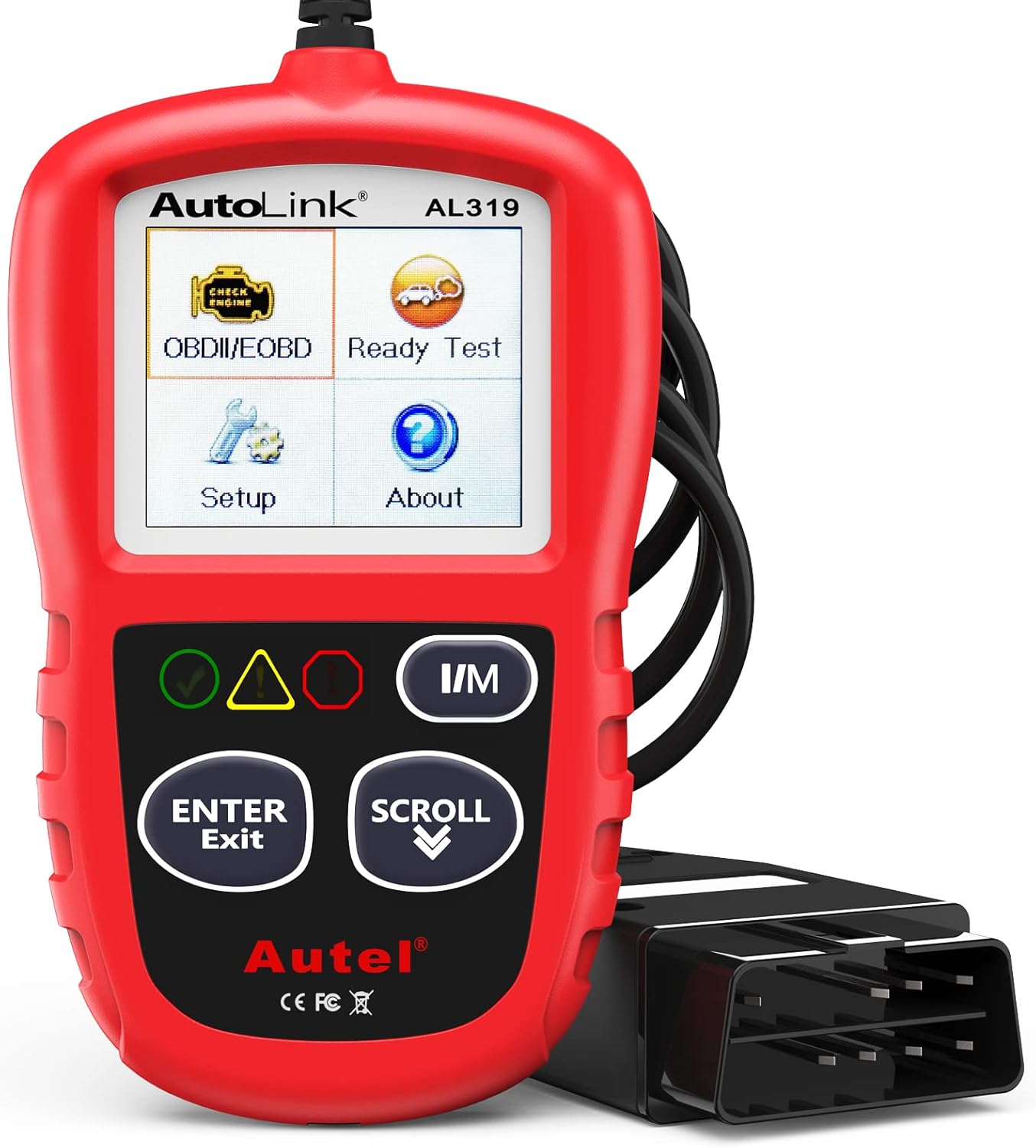
The Autel AL319 is a user-friendly OBD2 scan tool designed to help drivers quickly diagnose check engine light issues and understand vehicle fault codes. It supports reading and clearing DTCs, live data, freeze frame, I/M readiness, and vehicle information, making it a practical choice for DIYers and everyday car owners. With plug-and-play operation, a color display, built-in speaker, and broad vehicle compatibility, it delivers fast, reliable diagnostics without complicated setup.

This all-in-one recovery kit provides a reliable towing solution for roadside emergencies and off-road adventures. It includes a heavy-duty tow strap, two D-ring shackles, and a storage bag for convenient transport and quick access. Built for demanding recovery tasks, it is designed to help with towing trucks, SUVs, ATVs, UTVs, and boats in tough weather conditions.
What Makes the Sonata Turbo Different From Base Engines?
A turbocharger uses exhaust energy to compress the intake air. The engine can then burn more air and fuel than a similar-size naturally aspirated engine, which raises torque and power. In a Sonata, that extra torque is most noticeable while merging, climbing grades, or passing at highway speeds.
The tradeoff is added heat, more oil-fed hardware, and greater sensitivity to neglected maintenance. A used Sonata Turbo should therefore be judged by its service history, warning lights, cold-start behavior, and recall status—not horsepower alone.
How Much Turbo Lag Does a Sonata Have?
The answer changes by engine. The 1.6T models emphasize smooth low-rpm torque rather than a dramatic surge. The N Line 2.5T feels much stronger as boost builds, and its wet DCT gives quicker, more direct shifts. The 2020–2023 1.6T also uses Hyundai’s CVVD engine technology, which changes valve duration to balance response, efficiency, and emissions.
Does a Hyundai Sonata Turbo Need Premium Gas?
Most U.S.-market Sonata turbo models are designed to operate on regular unleaded fuel, but the owner’s manual and fuel-door label for the exact model year remain the controlling sources. Higher octane does not replace correct oil, proper cooling-system care, or timely repairs. Real-world MPG also falls quickly with repeated hard acceleration because the engine uses more fuel under boost.
How Does the Sonata Turbo Compare With the Accord and Camry?
For a current new-car comparison, the 2026 Sonata N Line is the performance-focused gas option. The 2026 Honda Accord offers a 192-hp turbo powertrain or a 204-hp hybrid system, while the 2026 Toyota Camry is hybrid-only, with 225 net combined hp in front-wheel-drive form and 232 hp with available all-wheel drive.
| Model | Powertrain focus | Strength | Tradeoff |
|---|---|---|---|
| 2026 Hyundai Sonata N Line 2.5T | 290-hp turbo gas sedan | Highest output of this current group and quick wet-DCT shifts | Lower MPG than hybrid rivals; front-wheel-drive traction can limit hard launches |
| 2026 Honda Accord Turbo / Hybrid | Balanced commuter or hybrid efficiency | Smooth daily driving and an efficient hybrid option | No current U.S. Accord equivalent to the former 2.0T performance model |
| 2026 Toyota Camry Hybrid | Hybrid standard, with available AWD | Strong fuel economy and all-weather traction choice | Less of a traditional turbo sport-sedan experience |
For used-car shoppers, the discontinued Honda Accord 2.0T remains a logical rival to a used Sonata 2.0T or N Line. It should not, however, be presented as a current new-car option. New shoppers should choose the Sonata N Line for performance, the Accord for a balanced turbo-or-hybrid lineup, or the Camry for hybrid efficiency with available AWD.
[Products Worth Considering]

The AICEL TPMS Relearn Tool helps quickly reset and relearn tire pressure sensors on compatible GM vehicles after tire rotation, sensor replacement, or warning light issues. Designed for easy handheld use, it works with most cars, SUVs, and pickup trucks and can save time by eliminating unnecessary trips to the auto store. Its durable ABS housing and simple activation process make it a practical tool for keeping the tire pressure monitoring system operating properly.

This smart color coded tire tread depth gauge makes it easy to check tread wear at a glance with clear red, yellow, and green ranges. Calibrated from 0 to 1 inch in 1/32 inch increments, it helps you quickly assess tire condition for safer driving and timely replacements. The pocket clip design makes it convenient to carry and use on trucks, motorcycles, cars, and other passenger vehicles.
Which Sonata Turbo Reliability Issues and Recalls Should You Check?
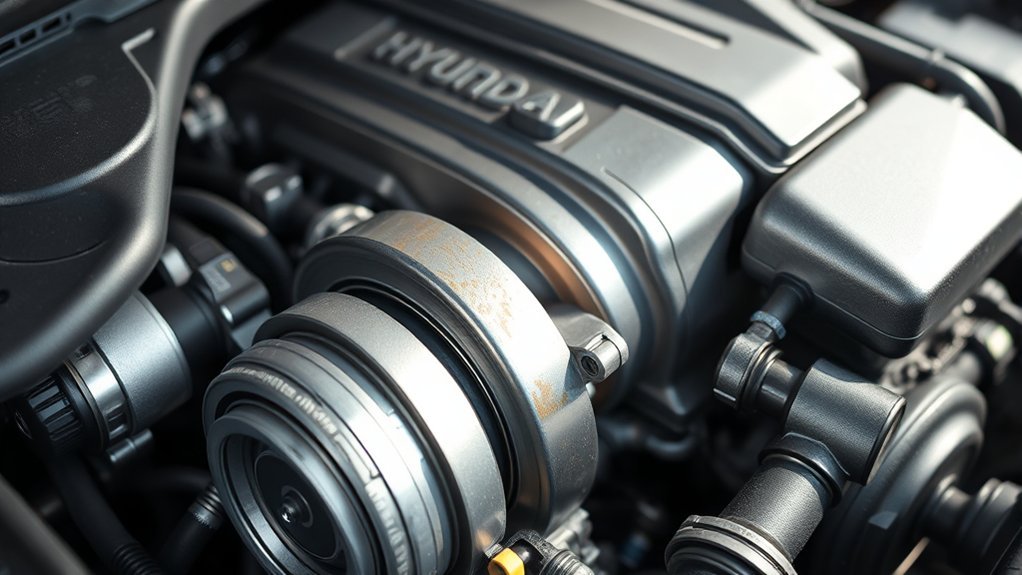
The Sonata Turbo is not one reliability story. The main risks are tied to specific engines, transmissions, production dates, and VINs. Use both NHTSA’s recall lookup and Hyundai’s campaign lookup before buying, because a model-year range does not prove that an individual car is included.
Theta II Engine Checks: 2011–2019 Sonata 2.0T
Hyundai’s engine information explains that certain affected vehicles can develop premature bearing wear. Possible results include knocking, reduced power, warning lights, stalling, connecting-rod damage, oil leakage, and, in some cases, fire risk. Campaign 132 covers certain 2011–2012 Sonata vehicles with 2.0L turbo and 2.4L GDI engines, while Campaign 162 covers certain 2013–2014 Sonata vehicles with 2.0L and 2.4L GDI engines.
Do not interpret those recall years as proof that every 2015–2019 2.0T is risk-free. Hyundai also lists Knock Sensor Detection System software activity for certain 2011–2019 Sonatas, and later 2.0T cars remain part of the broader Theta II service and warranty history. For any 2011–2019 2.0T, ask for VIN-specific campaign completion, KSDS documentation, oil-change records, oil-consumption history, and engine-replacement paperwork if applicable.
2015–2019 Sonata Eco 1.6T: Dry-DCT Judder
The Sonata Eco uses a 7-speed dry dual-clutch transmission, not the conventional automatic fitted to the 2020–2023 1.6T. Hyundai issued a technical service bulletin for certain 2015–2019 Sonata 1.6T vehicles that may show abnormal vibration at low speeds. The bulletin describes clutch-judder diagnosis, a TCU software update, and double-clutch replacement when required.
A service bulletin is not the same as a safety recall, so do not assume the repair is automatically free. During a test drive, check for repeated shaking, delayed engagement, slipping, or harsh takeoff after the car is fully warmed. Include reverse, an incline, and slow stop-and-go driving.
Fuel-System Recall 25V796: 2020–2023 Sonata 1.6T
In NHTSA Recall 25V796, certain 2020–2023 Hyundai Sonata vehicles with 1.6L turbo engines were recalled because a worn purge-control-system check valve may allow compressed air to pressurize and deform the fuel tank. Deformation can lead to a fuel leak, and leaked fuel near an ignition source increases fire risk.
Possible warning signs include a popping noise from the rear, a malfunction indicator light, a no-start condition, and fuel odor. The remedy calls for inspection or replacement of the purge-control-system check valve, fuel tank, and surrounding components as needed, plus an ECU software update.
Safety Recall 236: 2021–2022 Sonata N Line 8-Speed DCT
Certain 2021–2022 Sonata N Line 2.5T vehicles are included in Hyundai Safety Recall 236, also identified as NHTSA Recall 22V746. A high-pressure electric oil-pump malfunction can impair the transmission’s fail-safe mode. The driver may see several warning lights and then lose drive power after a short period.
Hyundai’s remedy is a transmission-control-unit software update, followed by transmission inspection and replacement when necessary. Because inclusion depends on VIN and production date, verify completion instead of relying only on the model year.
Warning: Do not ignore engine knock, an oil-pressure warning light, sudden power loss, fuel smell, a rear popping sound, a no-start condition, or multiple transmission warning lights. Stop in a safe place, avoid driving a car that may be leaking fuel or losing drive power, check the VIN, and contact a Hyundai dealer or qualified technician.
What DCT Behavior Is Normal, and What Needs Inspection?
A DCT uses clutches instead of a torque converter, so light firmness while creeping or parking can feel different from a conventional automatic. That does not make repeated shuddering, slipping, delayed engagement, harsh banging, warning lights, or loss of drive power normal. The Eco’s 7-speed dry DCT and the N Line’s 8-speed wet DCT are different units with different service information, so diagnosis must match the exact model and transmission.
What MPG Does a Hyundai Sonata Turbo Get?
Sonata Turbo mileage ranges widely because the engines serve different purposes. EPA examples show that both 1.6T generations can reach 31 MPG combined, while the 2.0T and N Line trade some efficiency for stronger performance.
| Model-year example | Engine / transmission | EPA city | EPA highway | EPA combined |
|---|---|---|---|---|
| 2011 Sonata 2.0L turbo | 2.0T / 6-speed automatic | 22 MPG | 32 MPG | 26 MPG |
| 2019 Sonata Eco 1.6L turbo | 1.6T / 7-speed DCT | 28 MPG | 37 MPG | 31 MPG |
| 2023 Sonata 1.6L turbo | 1.6T / 8-speed automatic | 27 MPG | 37 MPG | 31 MPG |
| 2026 Sonata N Line turbo DCT | 2.5T / 8-speed wet DCT | 23 MPG | 32 MPG | 27 MPG |
The most efficient Sonata Turbo is not the most powerful. The 2019 Eco 1.6T and 2023 1.6T both reach 31 MPG combined in these EPA examples, while the 2026 N Line gives up 4 combined MPG for 290-hp performance.
Actual mileage varies with speed, weather, tire pressure, trip length, traffic, and boost use. Short cold trips and repeated hard acceleration usually produce the largest drop from the EPA estimate.
Used Hyundai Sonata Turbo Buying Checklist
Start by identifying the exact engine and transmission. Then use this checklist before negotiating:
- Run the VIN through NHTSA and Hyundai. A model-year range alone cannot confirm whether a specific car is included in a campaign.
- For any 2011–2019 2.0T, request engine records. Look for recall completion, KSDS updates, oil-change history, oil-consumption notes, and engine-replacement documents.
- For a 2015–2019 Eco 1.6T, test the dry DCT carefully. Drive from cold, creep in traffic, reverse, start on an incline, and watch for repeated judder or delayed engagement.
- For a 2020–2023 1.6T, check Recall 25V796. Be alert for fuel odor or EVAP-related symptoms, a rear popping sound, or a no-start condition.
- For a 2021–2022 N Line, verify Recall 236. Ask for proof of the TCU software update and any transmission inspection or replacement.
- Listen to a true cold start. Do not accept a pre-warmed engine when evaluating knock, rattle, smoke, or warning lights.
- Test every shift mode. Check gentle acceleration, hard acceleration, parking-lot crawling, reverse, and low-speed shift quality.
- Get a pre-purchase inspection. A Hyundai-experienced technician should scan all modules, not only read generic engine codes.
- Verify warranty eligibility in writing. Hyundai advertises a 10-year/100,000-mile powertrain limited warranty for the original owner; subsequent-owner and Certified Used Vehicle coverage follow different terms.
Pro Tip: A completed recall record, clean cold start, consistent oil history, and independent inspection are more valuable than a low asking price. Walk away from unexplained engine knock, active fuel odor, repeated DCT shudder, warning lights, or missing paperwork.
[Products Worth Considering]
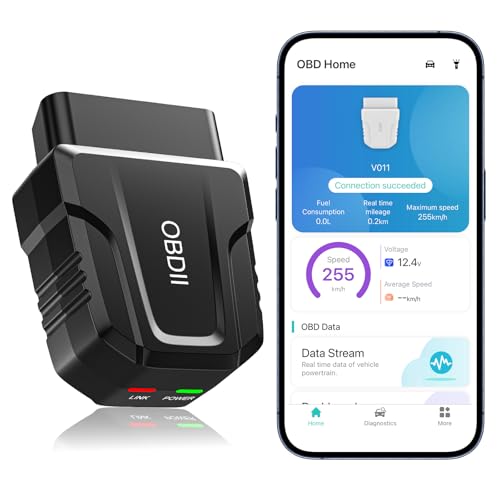
【Comprehensive Performance Testing】V011 OBD2 Scanner provides a complete diagnostic solution, giving you a thorough understanding of your vehicle's condition. It supports a variety of performance tests, support 9 protocols,👍automotive fault clearing,including fast reading of DTCs, access to electronic emission readiness, turning off CEL or MIL, resetting monitors, reading live data and retrieving the vehicle's VIN, freeze frame, sensor data, data streaming, diagnostic reports, onboard monitoring, live data streaming, and more. With these features, you can monitor your car's performance in real time and discover potential problems before they become major issues.

Your Car's Personal Doctor: Say Goodbye to Check Engine Light Troubles! The YM319 OBD2 scanner swiftly reads and clears engine fault codes, pinpointing the root cause of issues. Monitor your engine's every "breath" like a pro—view freeze frame data, check I/M readiness status, run oxygen sensor tests, and more. With a built-in database of over 63,000 fault codes, it delivers precise and reliable diagnostics, making it your trusted partner for vehicle maintenance and repair.
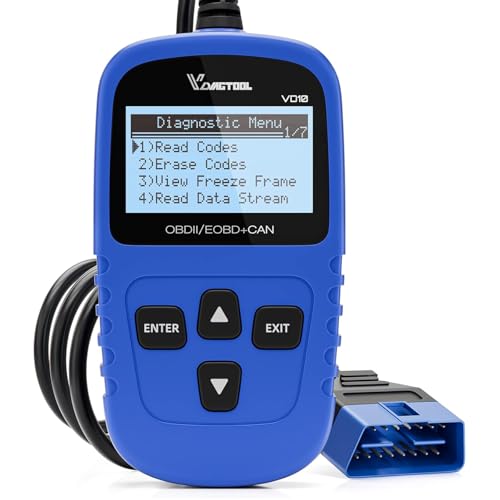
【A MUST-HAVE SCANNER TOOL FOR DIYERS】 - VDIAGTOOL VD10 car code reader is an incredibly useful, handheld obd2 scanner for each car owner or hobbyist, even for those with little to no experience when it comes to vehicle mechanics! Similar to a fixd car diagnostic tool, using this car diagnostic scanner is extremely easy. All you have to do is attach it to your car OBDII port and you can diagnose car problems in seconds! Read Codes (DTCs); Clear Codes; Live Data; View Freeze Frame; I/M Readiness; Vehicle Information.
How Do You Make a Sonata Turbo Last Longer?
A turbo engine is less forgiving of neglected oil and unresolved warning signs. Use the maintenance schedule for the exact model year, and apply the severe-service schedule when your driving conditions qualify.
- Use the specified oil viscosity and performance standard. The correct requirement can change by engine and model year.
- Follow the severe-service interval when applicable. Short trips, long idling, heavy traffic, dusty roads, and extreme temperatures can require more frequent service.
- Check the oil level between services. Do not wait for an oil-pressure warning light, which can indicate an urgent problem rather than a routine low-level reminder.
- Use a quality filter and document each service. This Hyundai Sonata oil and filter overview explains the basic service process, but the owner’s manual controls the exact specification and interval.
- Avoid full boost on a cold engine. Drive gently until the engine and oil have warmed.
- After sustained hard driving, finish with a few minutes of light load. This reduces heat before shutdown without requiring extended idling.
- Repair check-engine and transmission warnings promptly. Small boost, ignition, EVAP, or clutch-control faults can become expensive when ignored.
- Maintain tires, brakes, and alignment. This is especially important on the front-wheel-drive N Line, where worn tires reduce the ability to use its extra power safely.
Frequently Asked Questions
How much horsepower does a Hyundai Sonata Turbo have?
It depends on the year. Key U.S. examples include 178 hp for the 2015–2019 Eco 1.6T, 180 hp for the 2020–2023 1.6T, 245 hp for the 2015–2019 2.0T, 274 hp for the 2011–2014 2.0T, and 290 hp for the 2021–2026 N Line 2.5T.
What is the downside of a turbo engine?
A turbo engine has more heat, oil-fed hardware, and intake plumbing than a similar naturally aspirated engine. It can also use more fuel when driven hard. Correct oil, proper service intervals, a clean cooling system, and prompt diagnosis of warning lights are the best protections.
Is the Hyundai Sonata 1.6 Turbo a good engine?
The answer depends on the generation. The 2015–2019 Eco 1.6T makes 178 hp and uses a 7-speed dry DCT that should be checked for low-speed judder. The 2020–2023 1.6T makes 180 hp, uses an 8-speed conventional automatic, and offers strong EPA fuel economy, but certain cars are included in fuel-system Recall 25V796.
Is a 4-cylinder turbo better than a V6?
Neither layout is automatically better. A turbo four can provide strong mid-range torque, lower weight, and good fuel economy. A V6 may feel smoother and can avoid some turbo-specific hardware. The better choice depends on power delivery, maintenance history, fuel economy, and the exact vehicle.
Which Hyundai Sonata Turbo should I be most cautious about?
Use the most caution with a 2011–2019 Sonata 2.0T that lacks VIN-specific campaign records, KSDS documentation, oil history, or clear engine-replacement paperwork. Also inspect a 2015–2019 Eco 1.6T for DCT judder, a 2020–2023 1.6T for Recall 25V796, and a 2021–2022 N Line for Recall 236.
Does the Hyundai Sonata Turbo use a dual-clutch transmission?
Some versions do. The 2015–2019 Eco 1.6T uses a 7-speed dry DCT, and the 2021–2026 N Line uses an 8-speed wet DCT. The 2020–2023 1.6T and the 2.0T models use conventional automatic transmissions.
What MPG does a Sonata Turbo get?
EPA examples include 28 city, 37 highway, and 31 combined MPG for the 2019 Eco 1.6T; 27 city, 37 highway, and 31 combined for the 2023 1.6T; 23 city, 32 highway, and 27 combined for the 2026 N Line 2.5T; and 22 city, 32 highway, and 26 combined for the 2011 2.0T.
Conclusion
The Hyundai Sonata Turbo can be an efficient commuter, a strong used-car value, or a genuinely quick midsize sedan—but only when the model year, engine, and transmission fit your priorities. The 2020–2023 1.6T is the modern MPG choice, the 2021–2026 N Line is the performance choice, and older Eco or 2.0T models require more transmission or engine-history scrutiny.
Before buying, identify the exact powertrain, run the VIN through NHTSA and Hyundai, collect maintenance and campaign records, and pay for an independent pre-purchase inspection. Those four steps matter more than the badge, advertised horsepower, or asking price.
Sources
- Hyundai USA — 2026 Sonata N Line — current horsepower, torque, fuel economy, and 8-speed wet DCT specifications.
- Hyundai Newsroom — 2011 Sonata 2.0T — early 2.0T horsepower, torque, transmission, and regular-fuel specifications.
- Hyundai Newsroom — 2015 Sonata — Eco 1.6T and 2.0T horsepower and torque specifications.
- Hyundai Newsroom — 2018 Model-Year Changes — 8-speed automatic introduction for the 2.0T.
- Hyundai Newsroom — 2021 Sonata — 1.6T output, CVVD, and conventional 8-speed automatic.
- FuelEconomy.gov — 2011 Hyundai Sonata — EPA MPG for the early 2.0L turbo.
- FuelEconomy.gov — 2019 Hyundai Sonata — EPA MPG for the Eco 1.6L turbo.
- FuelEconomy.gov — 2023 Hyundai Sonata — EPA MPG for the 1.6L turbo.
- FuelEconomy.gov — 2026 Hyundai Sonata — EPA MPG for the current N Line turbo DCT.
- Hyundai Engine Information — official engine-recall symptoms, affected campaigns, and KSDS guidance.
- Hyundai TSB 22-AT-007H — 7-speed DCT judder diagnosis and repair guidance for certain 2015–2019 Sonata 1.6T vehicles.
- NHTSA Recall 25V796 Report — 2020–2023 Sonata 1.6T fuel-system recall details.
- Hyundai Safety Recall 236 — affected 2021–2022 Sonata N Line vehicles, loss-of-drive-power risk, and remedy.