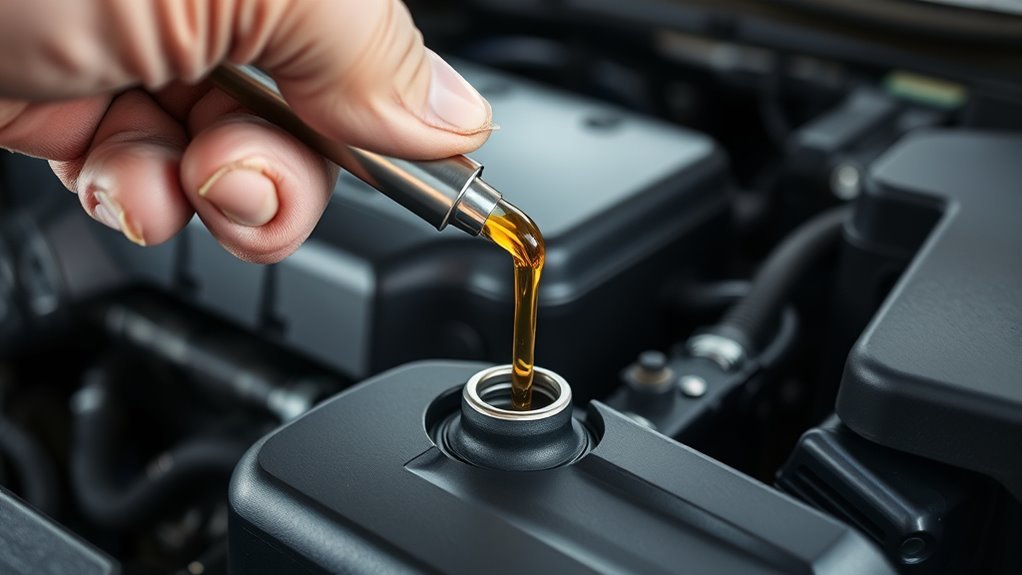
How to Check Toyota 4Runner Oil Level Correctly
To check a Toyota 4Runner oil level correctly, warm the engine, turn it off, park on level ground, wait more than 5 minutes, then wipe and reinsert the dipstick before reading it. The safe target is the normal range between the low and upper marks. If the level is low, add the correct oil in small amounts and recheck. For many 2010–2024 U.S.-market 4Runners with the 4.0L 1GR-FE V6, the owner’s manual lists 6.6 quarts with a filter change as a reference refill amount, but the dipstick, not the bottle count, is the final judge.
Quick Answer
To check Toyota 4Runner oil, warm the engine, turn it off, park on level ground, and wait more than 5 minutes. Pull the dipstick, wipe it clean, reinsert it fully, then pull it again. The oil should sit between the low and full marks, never below low or above the upper mark. If you add oil, use the grade listed for your exact model year.
Key Takeaways
- Use Toyota’s official method: warm engine, engine off, level ground, and wait more than 5 minutes before reading the dipstick.
- The normal range is between the low and upper marks. Below low can damage the engine; above full can cause overfill problems.
- For many 2010–2024 U.S.-market 4Runner 4.0L V6 models, the service-refill reference is 6.6 qt with filter and 6.0 qt without filter; confirm your exact manual.
- Use SAE 0W-20 oil that meets the API or ILSAC category listed in your exact owner’s manual, unless your manual says otherwise.
- If the oil pressure warning light comes on, stop driving as soon as it is safe and diagnose the problem before continuing.
At a Glance
| Time Required | 5–10 minutes |
| Difficulty | Easy |
| Tools Needed | Lint-free rag or paper towel, gloves, funnel if adding oil |
| Best Method | Warm engine, engine off, level ground, wait more than 5 minutes |
| Cost | Free to check; oil cost only if topping off |
Toyota 4Runner Oil Level Reading Guide
Use this quick table after you pull the dipstick the second time. It turns the reading into a clear next step before you pour in oil or keep driving.
| Dipstick Reading | What It Means | What You Should Do |
|---|---|---|
| Below low or dry | Oil level is unsafe or unknown | Do not drive far. Add the correct oil, recheck, and inspect for leaks. |
| Between low and upper marks | Oil level is in the normal operating range | No top-off is needed unless you are tracking a drop. |
| Above upper mark | Engine may be overfilled | Do not add oil. Drain or extract excess if it is noticeably overfilled. |
| Smeared or different on each side | Oil dragged up the tube may be confusing the reading | Wipe, reinsert fully, wait briefly, and use the lowest clean continuous line. |
Model-Year Coverage Before You Check
The dipstick-checking process is similar across Toyota 4Runner generations, but oil capacity and oil grade are not universal. This article focuses on the common 2010–2024 4Runner with the 4.0L 1GR-FE V6, while also noting that 2025 and newer 4Runner models use a different turbocharged 2.4L powertrain family.
Before you top off after a low reading, confirm the oil grade and refill quantity in the owner’s manual for your exact year, engine, and market. This matters most if you own an older 4Runner, a newly redesigned 2025+ model, or a vehicle that has been serviced outside the United States.
Why 2025 and Newer 4Runner Models Need a Separate Check
The 2025 4Runner moved away from the older 4.0L V6 family and uses turbocharged 2.4L powertrains. That means older 2010–2024 V6 oil-capacity numbers should not be copied onto a 2025 or newer model. Use the dipstick for the final level and the exact owner’s manual for oil grade and refill quantity.
Some 2025+ owner’s-manual references also list a longer recommended wait before reading the dipstick — closer to 8 minutes rather than 5. [VERIFY: confirm the exact figure in your 2025+ owner’s manual]. Don’t assume the 5th-gen timing carries over without checking.
How Do You Check Toyota 4Runner Oil Step by Step?
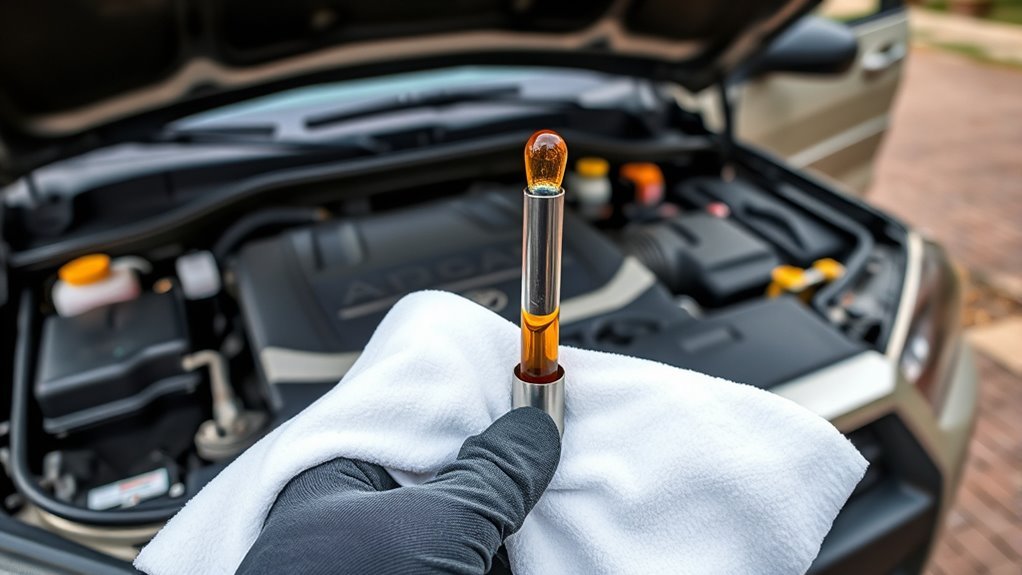
Follow this repeatable process whenever you check the 4Runner’s engine oil. The owner’s-manual method is to check with the engine at operating temperature, then turned off, after waiting more than 5 minutes for oil to drain back into the bottom of the engine.
- Park on level ground. A sloped driveway can make the dipstick read low or high.
- Warm the engine, then shut it off. Let the oil circulate, then turn the engine off before checking.
- Wait more than 5 minutes. This gives oil time to drain back into the oil pan.
- Open the hood and locate the dipstick. On 2010–2024 4Runner models, the engine oil level dipstick sits in the engine compartment near the engine oil filler cap.
- Pull the dipstick and wipe it clean. Use a lint-free rag so you do not leave debris on the blade.
- Reinsert the dipstick fully. Push it all the way back into the tube so the reading is accurate.
- Pull it out again and read both sides. Use the lower, cleaner oil line if one side is smeared.
- Add oil only if needed. Add small amounts, wait a moment, and recheck. Do not fill above the upper mark.
Warning: Never keep driving with a low oil pressure warning, heavy ticking, knocking, or a dipstick that shows no oil. Stop safely, turn the engine off, and inspect the oil level before restarting.
Should You Check 4Runner Oil Hot or Cold?
The official Toyota procedure is to warm the engine, turn it off, then wait more than 5 minutes before reading the dipstick. That is the best method to use when you want to match the owner’s manual.
General car-care advice you’ll find elsewhere sometimes recommends checking oil cold instead. That guidance is written for vehicles broadly and isn’t wrong on its own, but it doesn’t match what Toyota specifies for the 4Runner — use the warm-engine method above for this vehicle.
A cold check first thing in the morning can still be useful for tracking trends, because the oil has fully settled. However, use one method consistently. Mixing cold checks, hot checks, and checks done right after shutdown can make the level look like it is changing when it is really just measurement variation.
| Condition | What It Tells You | Best Use |
|---|---|---|
| Warm engine, off, waited 5+ minutes | Matches Toyota’s recommended checking method | Primary oil-level check |
| Cold engine, before first start | Oil is fully settled and easy to compare over time | Trend tracking between services |
| Immediately after shutdown | Oil may still be draining through the engine | Avoid for final reading |
Note: For the cleanest comparison, check the oil under the same conditions each time: same parking spot, same wait time, and same dipstick-reading method.
Prepare the Dipstick: Wipe, Wait, Reinsert
A clear dipstick reading starts before you look at the marks. Pulling the dipstick and reading it immediately can show oil dragged up the tube, not the real oil level. Instead, wipe the blade clean, reinsert it fully, then pull it again for the reading.
Hold a rag under the dipstick tip as you remove it so oil does not drip into the engine bay. Keep dirt, sand, and shop debris away from the dipstick. Anything on the blade can be carried back into the dipstick tube.
Pro Tip: If fresh oil is hard to see on the dipstick, tilt the blade toward the light and check both sides. The true level is usually the lowest continuous wet line, not a random smear higher up the stick.
How to Read a Toyota 4Runner Dipstick: Low, Normal, and Excessive
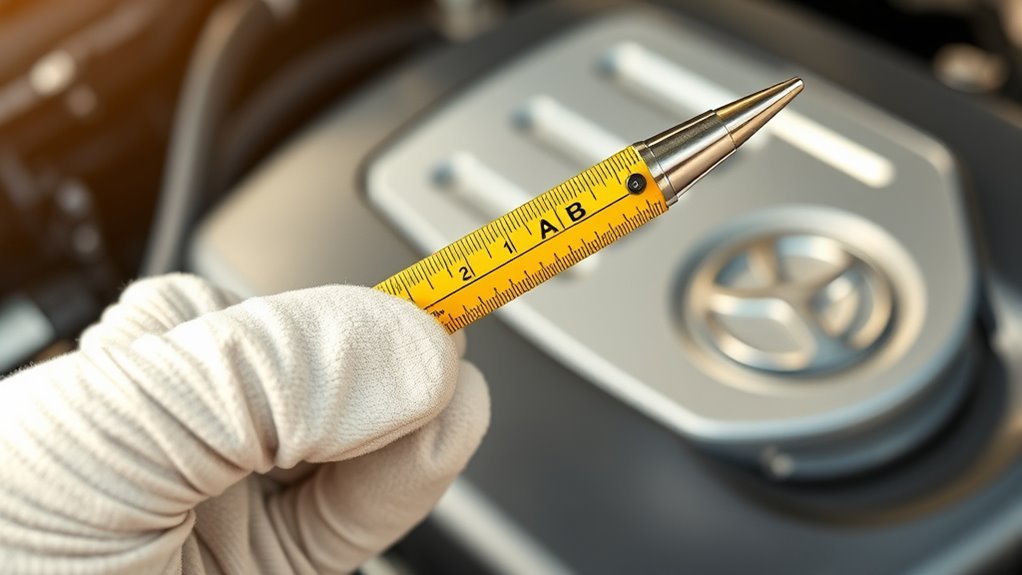
The 4Runner dipstick shows a safe operating range. On many Toyota diagrams, the zones are described as low, normal, and excessive. Your goal is simple: keep the oil in the normal range.
- Below low: Add the correct oil before driving far. If the dipstick is dry, do not run the engine until the level is corrected and leaks are checked.
- Within normal: The oil level is acceptable. No top-off is needed unless you are tracking a downward trend.
- Above the upper mark: The engine may be overfilled. Too much oil can foam, increase crankcase pressure, and cause drivability or seal problems.
Check Oil Condition While Reading the Level
The dipstick can also warn you about oil-condition problems. Normal used oil may look amber, brown, or dark brown, depending on mileage and service interval. Color alone does not prove the oil has failed, but texture, smell, and contamination deserve attention.
- Milky or creamy oil: Stop and diagnose the cause. Coolant or water contamination can damage the engine.
- Metal flakes or glitter: Do not ignore it. Metallic debris can point to internal wear.
- Burnt smell with very dark oil: Check the service history and consider an oil and filter change.
- Fuel smell or unusually thin oil: Have the vehicle inspected, especially if the level rises instead of drops.
Note: A level check does not replace normal oil-change intervals. Use the dipstick to confirm level and spot obvious problems between services.
The dipstick is the final check. Oil capacity numbers are reference amounts for service, but the correct level is the one shown on the dipstick after the proper wait time.
Fix Common Dipstick Problems: Creep, Smudge, and Splash
Dipstick readings can look messy, especially right after an oil change or when the oil is fresh and clear. Before adding more oil, make sure the reading itself is trustworthy.
Prevent Dipstick Tube Creep
Oil can cling inside the dipstick tube and smear higher on the blade than the real level. To reduce this, wait more than 5 minutes after shutdown, wipe the dipstick clean, reinsert it fully, and read it again.
This is a well-documented quirk on the 4Runner specifically: owner discussion threads on 4Runner and Toyota forums repeatedly describe a correct, factory-spec fill still reading as overfilled on the first pull, with the two sides of the dipstick showing different levels. Several owners report needing to wait well beyond 5 minutes — some say closer to 30 minutes — before a second reading settles down and matches the actual level. If your first reading looks impossibly high right after a fill, treat it as tube creep, not a real overfill, and confirm with a longer wait and a second wipe-and-reinsert before you drain anything.
| Step | Action | Why It Helps |
|---|---|---|
| 1 | Wait more than 5 minutes after shutdown | Lets oil drain back to the pan |
| 2 | Wipe the dipstick clean | Removes old smear from the blade |
| 3 | Reinsert fully | Seats the stick at the correct depth |
| 4 | Read both sides | Confirms the lowest clean oil line |
Improve Level Visibility
Fresh 0W-20 oil can be almost transparent. If you cannot see the line, wipe the dipstick and check again under bright light. Hold the dipstick horizontally and look for the wet edge across the metal. Do not guess based on one thin streak.
If the reading is still unclear, repeat the check after the engine has sat longer. Consistency matters more than speed.
How Much Oil Should You Add to a Low 4Runner?
If you are only topping off, do not pour in the full oil-change capacity. Add oil slowly in small amounts, then recheck the dipstick. A good rule is to add about 1/4 quart at a time when the level is near the low mark, or 1/2 quart only when it is clearly low.
For 2010–2024 Toyota 4Runner models with the 4.0L 1GR-FE V6, Toyota lists these engine oil refill reference quantities in the owner’s manual:
| Model/Engine | With Filter | Without Filter | Recommended Oil |
|---|---|---|---|
| 2010–2024 4Runner 4.0L V6 1GR-FE | 6.6 qt. (6.2 L) | 6.0 qt. (5.7 L) | SAE 0W-20; confirm current API/ILSAC requirement in your manual |
| 2025+ 4Runner 2.4L turbo models | Different capacity | Check exact owner’s manual | Check exact owner’s manual |
These are reference quantities for an oil change, not a top-off target. After adding oil, wait a minute, wipe and recheck the dipstick, and stop once the level is in the normal range.
The 6.6-quart/6.0-quart figures for 2010–2024 4.0L V6 models are also documented in a Toyota technical service bulletin covering 2010-model-year vehicles, which lists 6.6 qt with filter for the 1GR-FE engine on a 10,000-mile interval. [VERIFY: confirm against your specific model year’s printed owner’s manual, since running changes can shift figures slightly within a generation.] For 2025 and newer 4Runners, published capacity figures vary widely across sources — anywhere from roughly 4.8 to 5.9 quarts depending on where you look — a sign that early aftermarket references haven’t caught up to trim-level differences yet. Don’t average these numbers or guess; use the figure printed on your oil cap or in your VIN-specific owner’s manual, and let the dipstick confirm the final level either way.
Warning: Do not overfill to “be safe.” A level above the upper mark is not better protection; it can create new problems. If you overfill by a noticeable amount, drain or extract the excess oil before driving normally.
[Products Worth Considering]

These genuine Toyota oil drain plug gaskets are designed to help maintain a reliable seal during oil changes, reducing the chance of leaks and supporting proper engine maintenance. With an OEM fit and trusted Toyota quality, they are a practical choice for routine service on compatible vehicles. The convenient quantity pack is ideal for keeping multiple maintenance intervals covered.

The Funnel King 32950 Oil Drain Pan is a compact fluid catch basin designed for clean, easy draining during routine maintenance. Its open shape and pour edge help transfer used oil, coolant, and other shop fluids with less mess, while the lightweight polypropylene construction stands up to common automotive chemicals. Sized to fit under many cars and small engines, it is a practical choice for garages, workshops, and DIY oil changes.

Castrol EDGE 0W-20 advanced full synthetic motor oil is engineered for drivers seeking strong wear protection, excellent viscosity control, and thermal stability. It delivers superior performance in critical engine areas, including fuel economy, high-temperature protection, sludge control, and wear defense. Designed for extended oil-change intervals, it helps keep modern engines running smoothly under demanding conditions.
Top Off vs. Oil Change: When to Do Each
Top off the oil when the level is below normal but the oil is still within its service interval. Use small amounts and recheck until the dipstick reads in the normal range.
Change the oil and filter when the maintenance interval is due, the oil is contaminated, or you do not know the service history. Adding fresh oil to old oil can correct the level, but it does not remove dirt, fuel dilution, water, or old filter debris. If it’s time for a full service, the site’s Toyota 4Runner oil change guide walks through the complete drain-and-refill process.
[Products Worth Considering]

This engine oil filler cap is a direct replacement designed for a wide range of Toyota, Lexus, and Scion vehicles. It helps restore a secure seal, supports reliable engine operation, and is made for easy installation with compatible factory fitment. Multiple part numbers are referenced to help ensure the correct match before ordering.

This 12-pack oil filter and drain plug washer set is designed for a wide range of Toyota and Scion vehicles, helping support clean oil flow and dependable engine performance. It replaces several common OE part numbers and offers an easy-fit solution for routine maintenance. Built with corrosion-resistant materials and efficient filtration, it helps keep engine contaminants out and supports longer service life.

This flexible oil funnel is designed to make fluid changes cleaner and easier by guiding oil around obstacles like skid plates and crossmembers. Its shape-retaining core and silicone body can be molded for custom positioning, while the heat-resistant, leak-proof design helps prevent spills during draining and filter removal. Reusable and easy to clean, it works well for cars, trucks, motorcycles, and other hard-to-reach fluid fill or drain applications.
What Oil Type Does a 4Runner Use?
For most 2010–2024 4Runner 4.0L V6 models, Toyota recommends SAE 0W-20 engine oil. Toyota notes that SAE 5W-20 may be used if 0W-20 is not available, but it should be replaced with SAE 0W-20 at the next oil change. Use oil that meets the API or ILSAC category listed in your exact owner’s manual.
Always confirm the oil grade for your exact model year in the owner’s manual, especially if you own a 2025 or newer 4Runner. The 2025 redesign moved to turbocharged 2.4L powertrains, so older 4.0L V6 oil capacities and assumptions should not be applied automatically.
[Products Worth Considering]

This A-Premium cartridge engine oil filter is designed for a wide range of Toyota and Lexus vehicles, helping support cleaner oil flow and dependable engine protection. With high filtration efficiency and included O-rings, it offers a practical replacement solution for routine maintenance. Built for extended service intervals, it is suitable for conventional or synthetic oil applications.
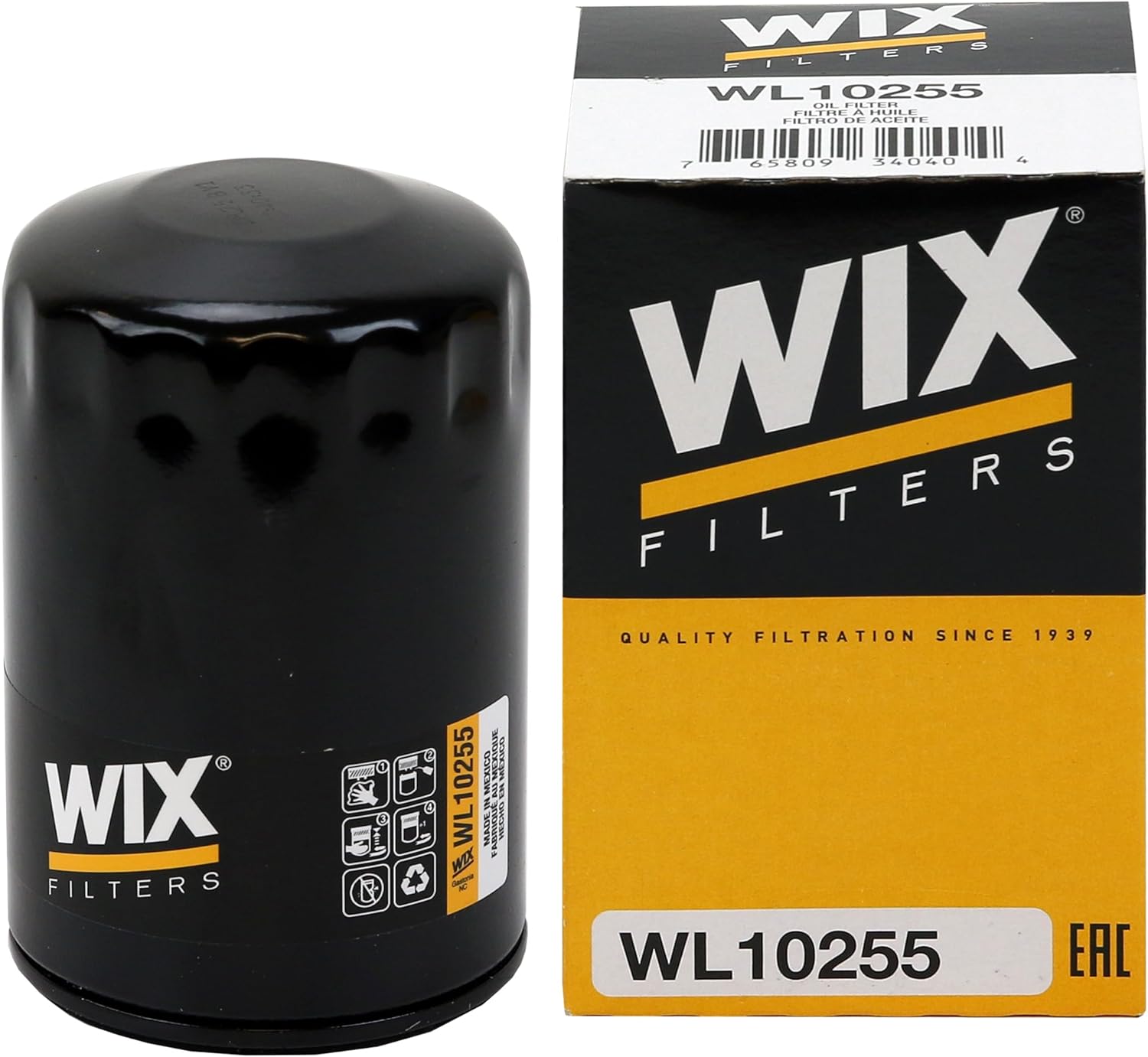
WIX WL10255 is a premium oil filter designed for synthetic and high-mileage oils, delivering reliable protection in everyday driving, towing, stop-and-go traffic, and long highway trips. Its advanced blended media captures fine contaminants with high efficiency, while the silicone anti-drainback valve helps prevent dry starts and supports dependable engine performance over extended service intervals.

Castrol GTX Full Synthetic 5W-30 motor oil is designed to deliver maximum engine protection in severe driving conditions. It helps fight wear, control sludge, and resist viscosity breakdown while supporting longer intervals between oil changes. Formulated to meet or exceed key industry and vehicle manufacturer specifications, it offers dependable performance for modern engines.
How Often to Check 4Runner Oil
Check the engine oil at least once a month, before long trips, after an oil change, and before and after towing or off-road driving. If your 4Runner has high mileage, visible leaks, oil smell, blue smoke, or unexplained engine noise, check more often until the cause is found.
Keep a simple note with the date, mileage, oil level, and any oil added. A slow drop over thousands of miles may be normal for some engines, but a sudden drop needs attention.
Keep a Simple Oil-Level Log
A short oil log helps you separate a normal service pattern from a real oil-loss problem. Record the date, mileage, reading method, dipstick level, oil added, and any smell, smoke, drips, or engine noise. Use the same parking spot and wait time whenever possible.
| Log Item | Example Entry | Why It Matters |
|---|---|---|
| Mileage | 126,450 miles | Shows how quickly the level changes. |
| Check method | Warm, off, waited 5+ minutes | Keeps readings comparable. |
| Oil added | 1/4 qt SAE 0W-20 | Helps identify consumption or leaks. |
Troubleshoot Low or Noisy Oil Readings
If the dipstick repeatedly shows low oil, do not just keep topping off without looking for the reason. Low oil can come from leaks, burning oil, an incorrect oil-change fill, or a loose drain plug or filter.
Confirm Dipstick Accuracy
Before diagnosing a mechanical problem, confirm the reading:
- Park on level ground.
- Warm the engine and shut it off.
- Wait more than 5 minutes.
- Wipe, reinsert fully, and pull the dipstick again.
- Read both sides and use the lowest clean continuous oil line.
Address Low Oil Causes
If the level is truly low, inspect the common leak points first: oil filter housing, drain plug, valve cover gaskets, timing cover area, oil pan, and the ground where the vehicle parks. Look for wet oil, burnt-oil smell, or fresh drips.
If there are no external leaks, monitor oil use by mileage. If the level keeps dropping, have a qualified mechanic check for internal oil consumption, PCV system issues, or other engine problems.
Diagnose Valve Train Noise
Ticking or tapping can happen for reasons unrelated to oil, but low oil level or low oil pressure can make valve-train noise worse. If the oil is below the safe range, correct the level and recheck the sound. If noise continues with the oil level correct, inspect oil pressure, lifters, cam components, and oil passages.
Do not ignore knocking, heavy tapping, or a low oil pressure warning. Those signs can point to a lubrication problem that can damage the engine quickly.
What to Do If the Oil Light Comes On
If the oil light or low oil pressure warning appears, treat it as urgent. The warning is not the same as a maintenance reminder.
- Pull over safely. Avoid hard acceleration and stop as soon as it is safe.
- Turn the engine off. Do not let the engine idle while you investigate.
- Check the dipstick. If the level is low, add the correct oil until it reaches the normal range.
- Look for leaks. Check under the vehicle and around the filter and drain plug.
- Do not keep driving if the warning stays on. If the oil level is correct but the warning remains, have the vehicle towed or professionally diagnosed.
Used Oil and Filter Disposal
If you are checking oil during an oil change, collect used oil in a clean, sealed container and recycle it at an approved collection site. Do not pour used oil into household trash, onto the ground, into a storm drain, or down a sink. Used oil filters should also be drained and recycled where accepted.
Frequently Asked Questions
Should I check 4Runner oil hot or cold?
Use Toyota’s official method for the most accurate service reading: warm the engine, turn it off, park level, and wait more than 5 minutes. A cold morning check is useful for tracking trends, but do not mix methods when comparing readings.
How much oil does a 2010–2024 Toyota 4Runner take?
For the 4.0L 1GR-FE V6, Toyota lists 6.6 quarts with the filter and 6.0 quarts without the filter as reference drain-and-refill quantities. Always confirm the final level with the dipstick after waiting more than 5 minutes.
What oil does a Toyota 4Runner use?
Most 2010–2024 4Runner 4.0L V6 models use SAE 0W-20 engine oil. If SAE 0W-20 is unavailable, Toyota allows SAE 5W-20 temporarily for many 4.0L V6 models, but it should be replaced with SAE 0W-20 at the next oil change. Check your owner’s manual for your exact year and oil specification.
What should I do if the oil light comes on in a 4Runner?
Pull over safely, turn the engine off, and check the oil level. Add the correct oil if the level is low. If the warning remains with the oil level correct, do not keep driving; have the lubrication system inspected.
Can I add oil without changing it?
Yes. If the oil level is low but the oil is not due for service, add the correct oil in small amounts and recheck the dipstick. Topping off does not replace regular oil and filter changes.
Where is the oil dipstick on a Toyota 4Runner?
On most 2010–2024 4Runner models, the engine oil dipstick is in the engine compartment near the oil filler cap. Look for the dipstick handle, pull it straight out, wipe it clean, and reinsert it fully before taking the final reading.
Can I drive if the dipstick shows low oil but the oil light is off?
Avoid driving far with the oil below the low mark. Add the correct oil until the level returns to the normal range, then recheck for leaks or oil consumption. If the dipstick is dry, do not run the engine until the level is corrected.
Why is the oil level different on each side of the dipstick?
Oil can smear inside the dipstick tube and make one side look higher than the true level. Wipe the dipstick, reinsert it fully, pull it again, and use the lowest clean continuous oil line.
Is it normal for a 4Runner dipstick to be hard to read?
Yes. Owner forums frequently describe a correctly filled 4Runner reading as overfilled on the first pull because oil clings inside the dipstick tube. Wipe the dipstick, reinsert it fully, wait several minutes, and pull it again — some owners find they need closer to 30 minutes for the reading to settle after a fill.
What happens if I overfill my 4Runner with oil?
A small amount above the upper mark may not cause immediate symptoms, but a noticeable overfill can foam the oil, raise crankcase pressure, and create leaks or drivability problems. Remove the excess before normal driving.
Conclusion
To check your Toyota 4Runner’s oil correctly, warm the engine, shut it off, wait more than 5 minutes, then wipe, reinsert, and reread the dipstick. Keep the level in the normal range, use the correct oil for your exact model year, and avoid guessing from a smeared dipstick. Check monthly, before long trips, after oil changes, and after towing or off-road use. If the level keeps dropping, the oil light comes on, or the engine becomes noisy, stop treating it as routine maintenance and inspect for leaks, consumption, or low oil pressure before driving farther.
Sources
- Toyota Owners: 2024 4Runner Manuals and Warranties – official owner’s manual source for 2024 4Runner maintenance procedures and specifications.
- Toyota Owners: 2025 4Runner Manuals and Warranties – official owner’s manual source for newer 6th-generation 4Runner models with different engine specifications.
- Toyota USA Newsroom: 2025 Toyota 4Runner Refines Adventure Ready Heritage – official background on the 2025 redesign and 2.4L turbocharged powertrains.
- American Petroleum Institute: Latest Oil Categories – background on current API and ILSAC engine oil standards.
- U.S. Environmental Protection Agency: Managing, Reusing, and Recycling Used Oil – guidance for proper used motor oil and filter recycling.
- Toyota Technical Service Bulletin (via NHTSA): 2010–2014 Model Year Oil Viscosity, Capacity, and Change-Interval Recommendations – factory reference table confirming the 6.6-quart oil capacity with filter for the 4Runner’s 1GR-FE engine.