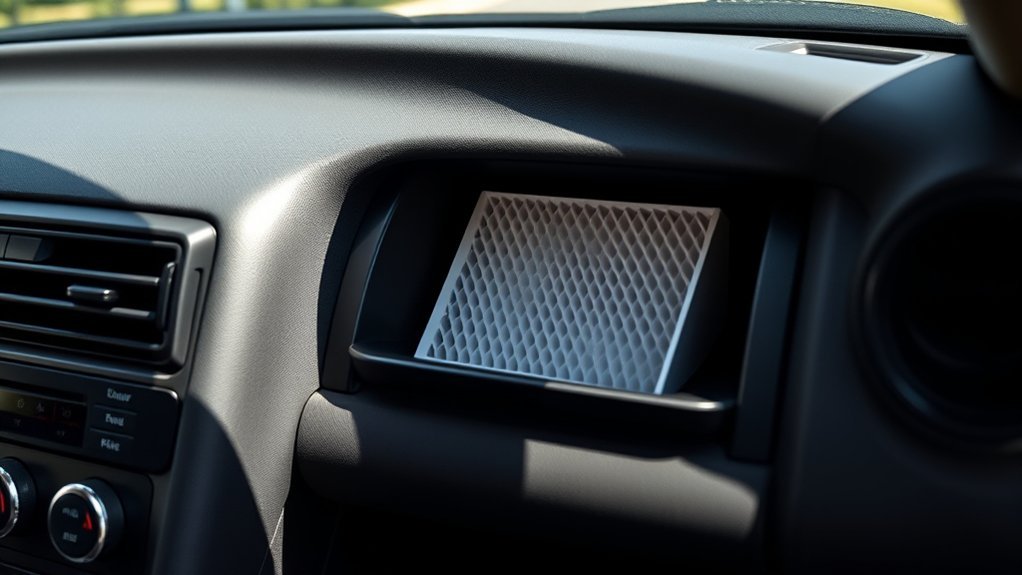
Replacing the cabin air filter in a Toyota GR Supra is a small maintenance job that can restore vent airflow, reduce musty smells, improve defogging, and help keep dust, pollen, road soot, and other particles from blowing through the HVAC system. For the 2020+ A90/A91 GR Supra, the filter is accessed from the passenger footwell area below the glove compartment, not by simply dropping the glove box like many other Toyota models.
Quick Answer
To replace a Toyota GR Supra cabin air filter, work from the passenger footwell, remove the lower trim panel fasteners, open the filter door with a T20 Torx, slide out the old filter, clean the housing, install the correct replacement in the same airflow orientation, then reassemble and test the vents.
Key Takeaways
- Toyota’s 2022 GR Supra maintenance guide lists cabin air filter replacement at 20,000 miles or 24 months; inspect sooner if you drive in smoke, dust, heavy traffic, or high-pollen conditions.
- The GR Supra cabin air filter is separate from the engine air filter, so it affects cabin airflow and air quality—not engine horsepower.
- Use a VIN-specific parts lookup or Toyota parts counter before buying; A90/A91 GR Supra cabin filter part numbers vary by year and filter type.
- Do not cut, drill, or force the HVAC housing. If the filter does not slide in cleanly, stop and realign it.
At a Glance
| Time Required | 20–40 minutes for most DIY owners |
| Difficulty | Easy to moderate; the space is tight under the passenger side of the dash |
| Tools Needed | T20 Torx driver or bit, small ratchet or stubby driver, trim tool, flashlight, vacuum, microfiber cloth |
| Cost | Usually about $25–$60 for the filter, depending on OEM, micro-dust, or activated-carbon type |
Why Neglecting Your Cabin Air Filter Can Impact Your Health and HVAC Performance
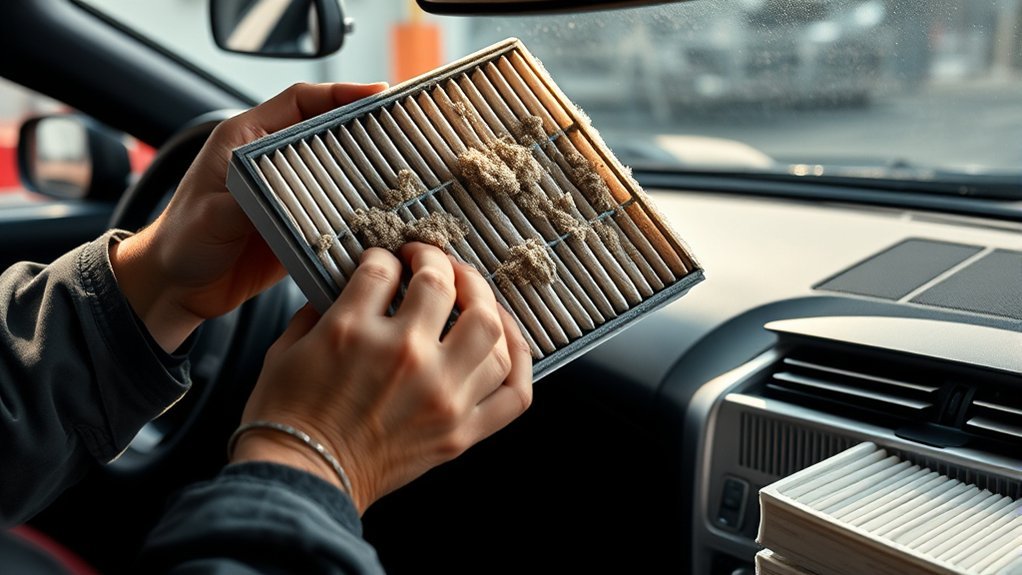
A dirty cabin air filter restricts the air that moves through the Toyota Supra’s heating, ventilation, and air conditioning system. That can make the vents feel weak, slow down windshield defogging, and allow stale or musty odors to linger inside the cabin.
The cabin filter also helps reduce the amount of dust, pollen, road debris, and fine particles entering through the HVAC intake. The U.S. Environmental Protection Agency notes that fine particles can be inhaled and may affect the lungs and bloodstream, which makes a clean filter especially useful in traffic, construction dust, wildfire smoke, and high-pollen seasons.
Be careful not to confuse the cabin air filter with the engine air filter. The cabin filter cleans air for the occupants and HVAC system. It does not feed the engine, improve horsepower, or protect the turbocharger.
Signs That Your Cabin Air Filter Needs Replacement
Your Supra may not show a warning light for a dirty cabin filter. Instead, pay attention to changes in comfort, airflow, and odor.
Reduced Vent Airflow
If the fan sounds normal but the vents blow less air than usual, the filter may be clogged with dust, leaves, pollen, or road debris. Reduced airflow is most noticeable on hot days, during defogging, or when the fan is set to a higher speed.
Unpleasant Odors Inside the Vehicle
A musty smell when the fan first turns on can point to a dirty cabin filter, trapped organic debris, moisture in the HVAC housing, or mildew elsewhere in the system. Replacing the filter is a good first step, but a persistent odor after replacement may require evaporator or drain inspection.
More Dust, Pollen, or Irritation While Driving
If you notice more dust on the dashboard or more sneezing and eye irritation during allergy season, inspect the cabin filter. A fresh filter cannot cure allergies, but it can help reduce the amount of airborne debris that the HVAC system brings into the cabin.
- Weak airflow from vents
- Musty or stale smell when the HVAC starts
- Slow windshield defogging
- Visible dust or leaf debris near the filter housing
- Dirty, dark, damp, or crushed filter media
Tools You’ll Need for the Replacement Process
Gather the right tools before you move into the passenger footwell. The space is tight, so smaller tools make the job easier.
- T20 Torx driver or T20 bit: Used for the filter-door screws on many A90/A91 GR Supra cabin-filter access panels.
- Small ratchet, stubby driver, or right-angle driver: Helpful because the screws sit in a cramped area below the glove compartment.
- Plastic trim tool: Helps release lower trim without scratching panels.
- Flashlight or headlamp: Makes it easier to see the screws and filter door.
- Vacuum with a crevice tool: Removes leaves, dust, and grit from the filter cavity.
- Microfiber cloth: Wipes the housing after loose debris is removed.
Warning: Do not use a box cutter, drill, or step bit on the HVAC air box. If a panel or filter door will not release, recheck the fasteners instead of cutting plastic or forcing the housing.
[Products Worth Considering]

This cabin air filter combines MERV 13 filtration with activated carbon to help trap fine particles and reduce unwanted odors inside your vehicle. Built with four-layer filtration and OEM-sized fitment, it supports cleaner airflow and straightforward installation for a wide range of compatible Hyundai, Kia, GMC, Chevy, and Saturn models. Replace it on schedule to help maintain fresh, comfortable air for everyday driving.

This KAX cabin air filter is designed to help keep your vehicle interior air cleaner by capturing dust and other airborne particles before they enter the cabin. Its HEPA-style multi-layer construction with activated carbon supports strong filtration while also helping improve HVAC airflow and overall comfort. Built as a direct replacement for select Toyota and Scion models, it offers a convenient maintenance upgrade for fresher cabin air.

This cabin air filter is designed to fit a wide range of Toyota, Lexus, Subaru, Scion, Land Rover, Jaguar, and Pontiac vehicles, making replacement simple and convenient. Its activated carbon construction helps capture dust and pollen while reducing odors for a fresher cabin environment. The filter also supports smoother HVAC airflow and helps maintain comfortable temperature control during everyday driving.
How to Access the Filter Without Removing the Glove Box
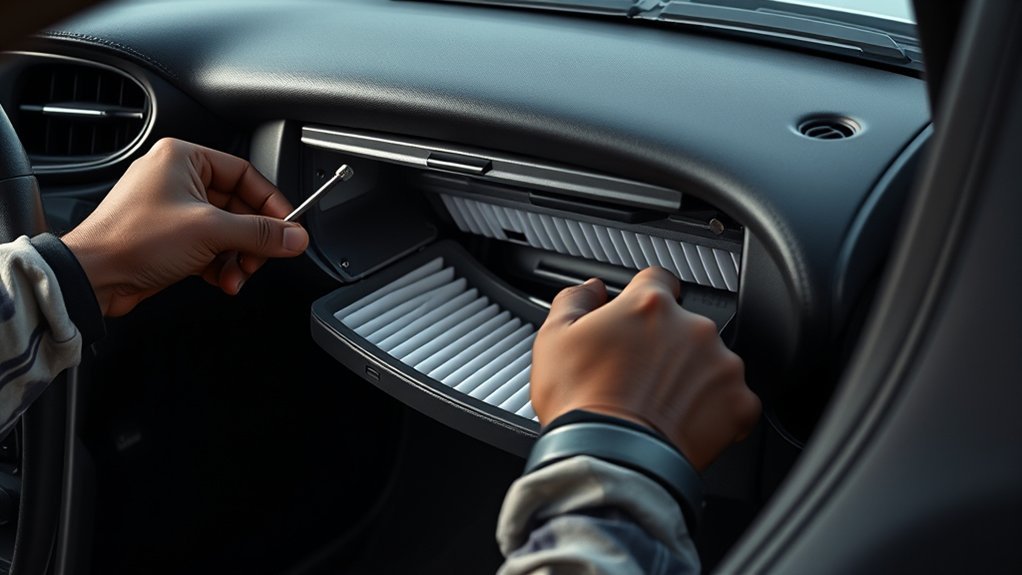
Many Toyota cabin filters are reached by lowering the glove box, but the 2020+ GR Supra uses a different layout. Work below the passenger side of the dashboard and remove the lower cover beneath the glove compartment to reach the filter door.
Before You Start
- Park on a flat surface and turn the car off.
- Move the passenger seat fully rearward for more working room.
- Remove loose floor mats or items in the passenger footwell.
- Keep screws and clips in a small tray so nothing gets lost.
Passenger-Footwell Access Steps
- Slide into the passenger footwell and look up under the glove compartment.
- Locate the lower trim or cover panel beneath the glove box area.
- Remove the plastic fasteners or screws holding that lower panel in place.
- Lower the panel carefully. If it has a light or wiring attached, support it and avoid pulling on the connector.
- Find the cabin-filter access door on the HVAC housing.
- Remove the filter-door screws with a T20 Torx driver.
- Open the filter door and note the filter’s position before pulling it out.
Tips for Smooth Removal
- Use a flashlight so you can see the filter door clearly.
- Do not bend metal brackets or force the trim panel.
- Take a quick phone photo of the old filter orientation before removal.
- If the old filter catches on the housing, pull it out slowly and evenly.
- Keep the old filter nearby until the new filter is installed correctly.
Here’s How to Remove Your Old Cabin Air Filter
Once the filter door is open, slide the old cabin air filter out of the HVAC housing. Expect some resistance if the filter is dirty or slightly deformed. Pull it out slowly so dust and leaves do not spill into the passenger footwell.
Check the old filter before throwing it away. The pleats can tell you a lot about your driving environment. Heavy gray dust suggests urban or construction-zone driving. Leaves and seeds suggest debris entered through the cowl intake area. A damp or moldy smell may point to moisture that should be addressed before installing the new filter.
Toyota’s 2022 GR Supra maintenance guide lists cabin air filter replacement at 20,000 miles or 24 months, but harsh air conditions can justify inspecting it sooner.
Cleaning the Cabin Air Filter Compartment
Do not install the new filter into a dirty cavity. A few minutes of cleaning can prevent fresh filter media from being contaminated right away.
Cleaning Tools Needed
- Vacuum with crevice tool: Best for dry leaves, dust, and grit.
- Microfiber cloth: Good for wiping flat plastic surfaces.
- Flashlight: Helps spot debris tucked behind the filter opening.
- Disposable gloves: Helpful if the old filter is dusty or damp.
Debris Removal Techniques
Vacuum the visible area around the filter opening first. Then gently wipe the housing lip and cover area with a dry or lightly damp microfiber cloth. Avoid soaking the HVAC housing, and do not spray cleaners directly into the duct.
Moisture and Odor Check
If the old filter is wet, smells moldy, or shows heavy organic buildup, let the housing dry before installing the replacement. If odor returns quickly after the filter is replaced, the issue may be deeper in the evaporator case or drain path and may need professional inspection.
Tips for Installing Your New Cabin Air Filter Correctly
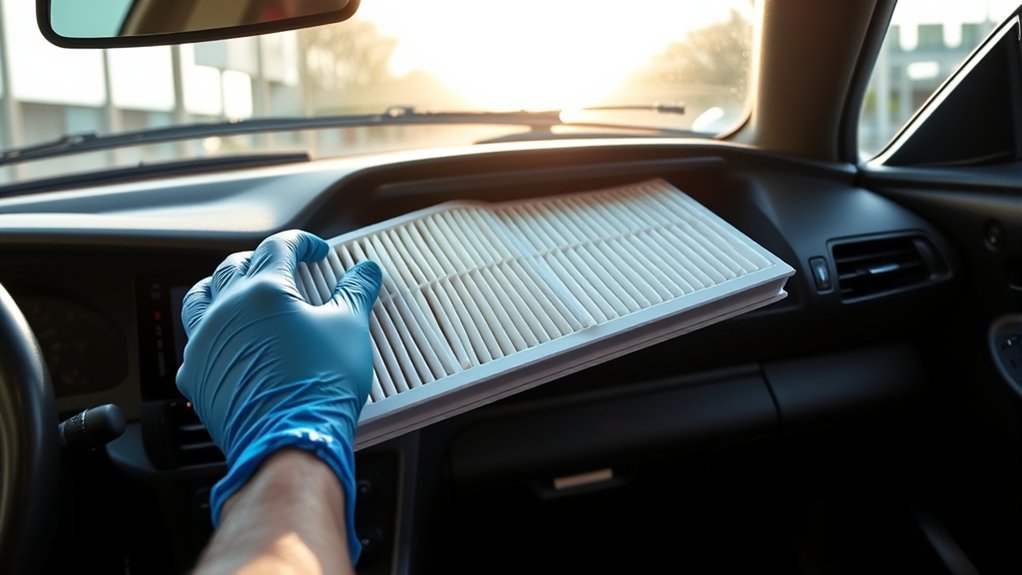
Before installing the new filter, confirm that it matches your exact GR Supra by year, engine, trim, and VIN. Common online catalog listings for 2022 GR Supra cabin air filter or air-refiner elements include 87139-WAA01 and 87139-WAA02, but you should always verify fitment with your VIN before ordering.
Slide the new filter into the housing in the same orientation as the old one. If your replacement filter has an airflow arrow, follow the label and match the direction used by the original filter or the service information for your vehicle. Do not crush the filter media; a folded or buckled filter can leak air around the edges and reduce filtration performance.
Pro Tip: If the new filter feels too stiff to slide in, compress it only as much as needed to clear the opening, then let it expand fully inside the housing before closing the filter door.
| Step | Action | Purpose |
|---|---|---|
| Confirm fitment | Use VIN or Toyota parts lookup | Avoid wrong-size filters |
| Match orientation | Follow the old filter and airflow marking | Maintain proper airflow path |
| Inspect the seal | Make sure the filter sits evenly | Reduce bypass and rattles |
[Products Worth Considering]

This dual filter kit helps keep your vehicle running and riding cleaner by replacing both the engine air filter and cabin air filter at the same time. It is designed for a range of Toyota and Lexus hybrid models, helping support engine performance while reducing odors and airborne particles inside the cabin. Built with high-quality filtration materials, it offers a convenient maintenance solution for routine filter replacement.

This cabin air filter uses progressive filtration with electrostatic, particle, and activated carbon layers to help trap small particles, odors, and harmful gases inside your vehicle. It is designed as a replacement for multiple Toyota, Lexus, Subaru, Scion, and other compatible models, making it a practical choice for fresher in-cabin air. The easy-install design helps simplify routine filter replacement.

This KAX HEPA cabin air filter is designed to help keep your vehicle interior air cleaner by capturing fine particles and reducing airborne contaminants. Its multi-layer structure with activated carbon supports strong filtration performance while helping improve HVAC airflow for more efficient heating and cooling. Built for a wide range of Toyota, Lexus, Subaru, and Mazda models, it offers a practical replacement option for maintaining fresher cabin air.
Essential Tips for Reassembling the Lower Dash Panel
After the new filter is seated, close the filter door and reinstall the T20 screws. The door should sit flush. If it does not, the filter may be misaligned or the cover may be catching on the edge of the filter.
- Reinstall the filter door before reinstalling the lower trim panel.
- Check that wiring, footwell lights, and connectors are not pinched.
- Line up clips and fasteners by hand before tightening anything.
- Do not overtighten small screws in plastic trim.
- Turn the HVAC fan on low, medium, and high to confirm normal airflow.
Why a Fresh Cabin Air Filter Matters
A fresh cabin air filter helps the Supra’s HVAC system move air through the cabin more easily. It can improve comfort in summer heat, reduce window fogging delays, and limit dust or pollen entering through the ventilation system.
Activated-carbon or micro-dust filters may help reduce some odors and certain gaseous pollutants, but performance depends on the filter design, age, seal, and driving environment. For best results, combine a clean filter with clean cowl intake areas and sensible HVAC use. During heavy smoke or traffic, recirculation can reduce outside-air intake for short periods, but switch back to fresh air periodically to avoid a stale cabin.
Shop Smart: Where to Find Genuine Cabin Air Filters
The safest way to buy a GR Supra cabin filter is to use a VIN-based lookup through a Toyota dealer, Toyota parts counter, or reliable OEM parts catalog. The Supra’s BMW-shared platform and Toyota catalog structure can make generic “Toyota Supra cabin filter” listings confusing, especially across 2020–2026 model years.
- Toyota dealer parts counter: Best option when you want VIN-confirmed fitment.
- Toyota owner resources: Use the Toyota Owners manuals page to confirm your model-year maintenance documents.
- Toyota TIS: Toyota says its Technical Information System provides repair manuals and service publications by subscription.
- OEM parts catalogs: Useful for comparing air-refiner options, but always confirm by VIN before purchase.
- Aftermarket filters: Choose a reputable brand that clearly states compatibility with your exact GR Supra year and trim.
Note: If you own an older Mk3 or Mk4 Supra, do not follow A90/A91 GR Supra instructions without checking the correct service information for that generation.
[Products Worth Considering]

Bosch High Efficiency Cabin Air Filter is designed to help deliver cleaner, fresher air inside your vehicle for a more comfortable ride. Its HEPA-style media uses a melt-blown electrostatic layer and additional static cotton layer to improve trapping of airborne particles without added chemical odor neutralizers. Built with structural ribs for added stability, it is a smart replacement choice for maintaining cabin air quality over time.

JOGOAUTO H10285 is a replacement cabin air filter designed to help keep vehicle interiors fresher and cleaner by filtering airborne particles and reducing odors. Its dual-filtration design uses activated carbon and melt blown fabric for improved cabin air quality, and it is made to fit a wide range of compatible Toyota, Subaru, Lexus, and other supported models. Installation is straightforward, making it a convenient maintenance part for regular filter replacement.

This Puroma cabin air filter uses activated carbon and a close-meshed filter layer to help trap odors, smog, smoke, and microscopic particles before they enter the cabin. It supports fresher air, helps reduce window fogging, and can improve comfort while also helping maintain HVAC airflow and performance. Designed for a straightforward installation, it is a practical replacement filter for a wide range of compatible Hyundai, Kia, Chevrolet, GMC, and Saturn vehicles.
Troubleshooting After Replacement
If something feels wrong after the new filter is installed, check these common issues before assuming the blower motor or HVAC controls are faulty.
- Airflow is still weak: The filter may be installed backward, crushed, or not fully seated. Reopen the filter door and inspect the fit.
- Rattle from passenger footwell: A trim clip, lower panel, or filter-door screw may be loose.
- Musty smell returns quickly: The odor may be coming from the evaporator case, drain, or trapped moisture rather than the filter alone.
- Whistling sound: The filter door may not be sealed or the filter edge may be folded.
- Dust still enters the cabin: Check that the filter is not undersized and that it fully fills the housing.
Frequently Asked Questions
What part number is the cabin air filter on a Toyota Supra?
For a 2020+ Toyota GR Supra, the safest answer is VIN-specific. Common catalog listings for 2022 GR Supra cabin air filter or air-refiner elements include 87139-WAA01 and 87139-WAA02, but the correct part can vary by model year and filter type. Do not rely on the older SC300 part number 88880-30040 unless a Toyota parts lookup confirms it for your exact vehicle.
How often should I replace the cabin air filter in a GR Supra?
Toyota’s 2022 GR Supra maintenance guide lists cabin air filter replacement at 20,000 miles or 24 months. Inspect it sooner if you drive in heavy traffic, wildfire smoke, dusty roads, construction zones, or high-pollen areas.
Do I need to remove the glove box?
On the 2020+ A90/A91 GR Supra, the filter is typically accessed from the passenger footwell below the glove compartment. You remove the lower trim or cover panel and the filter door, not the entire glove box.
Can a dirty cabin air filter hurt engine performance?
No. The cabin air filter serves the HVAC system and cabin air, not the engine intake. A dirty cabin filter can reduce vent airflow, worsen odors, and slow defogging, but engine performance is affected by the engine air filter and other powertrain components.
Is an activated-carbon cabin filter worth it?
It can be worth it if you drive in traffic, city pollution, or areas with frequent odors. Activated-carbon filters can help reduce some smells and certain gases, but they still need regular replacement because the carbon layer becomes less effective over time.
Conclusion
Replacing the cabin air filter in your Toyota GR Supra is one of the simplest ways to improve daily comfort inside the car. The key is using the right procedure for the A90/A91 Supra: work from the passenger footwell, remove the lower cover and filter door, clean the housing, install the correct VIN-matched filter, and test the HVAC system before calling the job done. Make it part of your routine maintenance, and inspect it early when dust, smoke, pollen, or odor becomes noticeable.
Sources
- Toyota 2022 GR Supra Warranty & Maintenance Guide — factory maintenance interval and cabin air filter replacement schedule
- Toyota Owners: 2022 Supra Manuals and Warranties — official Toyota owner-document portal
- Toyota Support: Technical Information System — official source for Toyota repair manuals and service publications
- U.S. EPA: Particulate Matter Basics — health context for fine particles and airborne pollutants
- NIOSH/NCBI study on high-efficiency vehicle cabin air filters — research on cabin filtration and roadway particle exposure
- 2022 Toyota GR Supra OEM cabin filter catalog listing — VIN-dependent cabin filter part-number examples