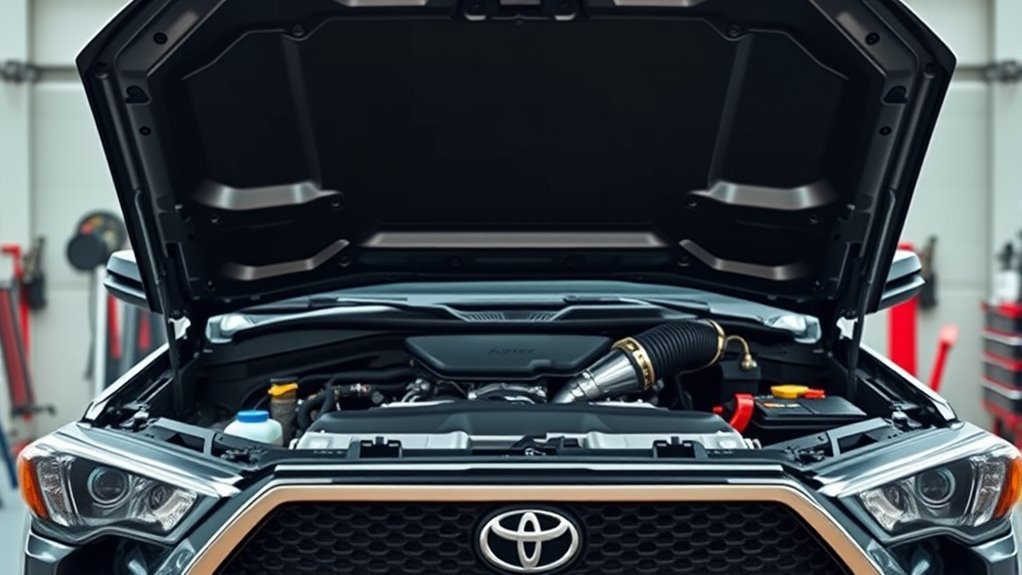
Toyota’s i‑FORCE label denotes a turbocharged 2.4L inline‑4 tuned for efficiency and torque; the i‑FORCE MAX adds an electric motor and battery to boost output, low‑end grunt, towing and city MPG while smoothing shifts and enabling regenerative braking. You’ll get 278 hp/317 lb‑ft from the base unit and about 326 hp/465 lb‑ft from the hybrid, with combined fuel economy north of 20 MPG, improved off‑road control, and trade‑offs in complexity and service—keep going to see specifics.
Quick Verdict: Is i‑FORCE MAX Worth It for 4Runner Buyers?
Wondering if the i‑FORCE MAX is worth it? You get clear i FORCE advantages: a turbocharged 2.4‑liter paired with an electric motor that yields 326 hp and 465 lb‑ft of torque, transforming acceleration, low‑end pull, and towing capacity versus the outgoing V6. You’ll also realize hybrid benefits in real use—regenerative braking and electric assistance cut emissions and boost off‑road torque delivery without sacrificing capability. Expected combined fuel economy above 20 MPG improves range and lowers operating cost compared with the previous ~17 MPG V6, so you reclaim mobility with fewer fuel stops. Standard availability on TRD Pro and Platinum trims means you won’t have to sacrifice technology or ruggedness to get the system. If you want liberated driving—power when you demand it, better efficiency, and reduced environmental impact—the i‑FORCE MAX is a technically superior package that’s worth strong consideration for serious 4Runner buyers.
[Products Worth Considering]

This 2-piece oil control variable valve timing solenoid set is designed to help restore proper VVT operation and engine performance across a wide range of Toyota, Lexus, Scion, and Pontiac applications. Built to meet or exceed OE performance, it uses quality seals for reliable oil control and helps reduce issues caused by improper oil flow. It is a practical replacement choice for maintaining smooth engine timing and dependable drivability.

Upgrade your Toyota 4Runner with these heavy duty roof rack cross bars designed for raised side rails and secure cargo transport. The aluminum construction, anti-theft locking system, and tie-down loops help keep gear stable on the road while the low-profile design helps reduce wind noise. Easy to install with no drilling required, they provide a durable and convenient solution for road trips, hauling, and outdoor adventures.

This custom-fit cargo liner is designed for the Toyota 4Runner gas 5-seater, offering full trunk coverage without trimming. Made from durable TPE with raised edges and an anti-slip surface, it helps protect against spills, mud, snow, and everyday cargo movement while remaining easy to clean and built for all-weather use.
i‑FORCE in Plain Terms: What the Name Means for You
Think of i‑FORCE as Toyota’s name for a turbocharged, electrically assisted powertrain that gives you more torque, cleaner efficiency, and better towing without a bigger engine. You get a 2.4‑liter turbo paired with an electric assist that produces 326 hp and 465 lb‑ft of torque, so engine performance feels immediate and controlled. The system uses VVT‑i to adapt valve timing, squeezing more efficiency and power from each combustion cycle. For you, i FORCE benefits mean stronger low‑end pull for towing, quicker acceleration off the line, and improved fuel economy versus the older 4.0‑liter V6. The package reduces the tradeoffs between power and efficiency: you don’t need a larger displacement engine to haul or merge confidently. Controls and calibration prioritize predictable responses, letting you exploit capability without complexity. In short, i‑FORCE delivers measurable engine performance gains that free you from compromises, enhancing capability while lowering consumption and emissions.
i‑FORCE vs i‑FORCE MAX: The Technical Difference
You’ll compare the two systems by their powertrain architectures: the i‑FORCE is a 2.4L turbo four producing 278 hp and 317 lb‑ft, while i‑FORCE MAX pairs that turbo with an integrated transmission motor for a combined 326 hp and 465 lb‑ft. Expect tradeoffs in performance and efficiency: MAX boosts low‑end torque and towing with a 1.87 kWh NiMH pack and slightly better combined MPG (23–24 vs 22). Next, we’ll examine how the motor‑in‑transmission layout changes response, packaging, and real‑world fuel consumption.
Powertrain Architecture Differences
Although both carry the i‑FORCE name, their architectures diverge: the base 2.4‑liter turbocharged i‑FORCE is a pure internal‑combustion setup tuned for efficiency and steady torque (278 hp, 317 lb‑ft, ~22 MPG), while the i‑FORCE MAX pairs that same turbo engine with an electric motor and a 1.87 kWh NiMH battery to deliver combined outputs of 326 hp and 465 lb‑ft and sharper low‑end torque, trading only a modest fuel‑economy gain (about 23–24 MPG) for substantially improved performance and off‑road driveability. You’ll appreciate clear distinctions in engine compatibility, towing capacity, driving dynamics, off road performance, maintenance needs, fuel efficiency, power delivery and trim options across trim levels.
| Attribute | i‑FORCE | i‑FORCE MAX |
|---|---|---|
| Peak power | 278 hp | 326 hp |
| Peak torque | 317 lb‑ft | 465 lb‑ft |
| Battery | None | 1.87 kWh NiMH |
| Fuel efficiency | ~22 MPG | ~23–24 MPG |
| Best for | Efficiency, towing balance | Low‑end torque, off‑road performance |
Performance And Efficiency Tradeoffs
Because the i‑FORCE and i‑FORCE MAX share the same 2.4‑liter turbo core but different driveline architectures, the tradeoffs between performance and efficiency are largely driven by how and when the hybrid system supplements the engine. You’ll get 278 hp and 317 lb‑ft in the non‑hybrid i‑FORCE, tuned to reduce consumption compared with the old V6 and optimized for a specific fuel type regimen. The i‑FORCE MAX adds an electric motor and a 1.87 kWh NiMH pack to raise output to 326 hp and 465 lb‑ft, improving low‑end torque, acceleration, and towing. You’ll see modest MPG gains—about 23–24 MPG versus ~22 MPG—especially in city cycles. The hybrid assistance also smooths load shifts, reducing stress on components and supporting engine longevity.
i‑FORCE MAX Tech in the 4Runner: Turbo 2.4T, Hybrid Motor, Battery
When you press the accelerator in the 2025 4Runner i‑FORCE MAX, a turbocharged 2.4‑liter engine and an integrated electric motor work together to deliver 326 hp and 465 lb‑ft of torque, with the petrol unit alone rated at 278 hp and 317 lb‑ft. You feel turbo performance refined by power integration: the electric motor is built into the transmission to smooth shifts and boost low‑end torque. That setup gives you clear hybrid advantages—improved engine responsiveness and measurable fuel savings in urban cycles—without compromising capability. The 1.87 kWh NiMH battery prioritizes battery efficiency for stop‑and‑go recovery and instant torque fill. Torque delivery is calibrated for traction and control, supporting off road enhancements like rock crawling and low‑speed maneuvering. You get a drivetrain that frees you from compromise: technical, resilient, and tuned for liberation on trail and street. Availability across TRD Pro, Trailhunter, Platinum, and select Limited and TRD Off‑Road trims guarantees access without restriction.
Performance: Power, Torque, and Real‑World Gains With I‑Force MAX
You’ll notice the i‑FORCE MAX jumps output to 326 hp and 465 lb‑ft, a substantial increase over the outgoing 270 hp/278 lb‑ft V6 and the standard 2.4T’s 278 hp/317 lb‑ft, which translates to markedly quicker acceleration and stronger tow performance. The electric motor’s integration into the transmission smooths torque delivery and fills low‑end power gaps from the turbo, so throttle response and off‑the‑line pull are noticeably improved. On the road you should also see combined fuel economy exceed 20 mpg versus the old V6’s 17 mpg, yielding tangible real‑world efficiency gains.
[Products Worth Considering]
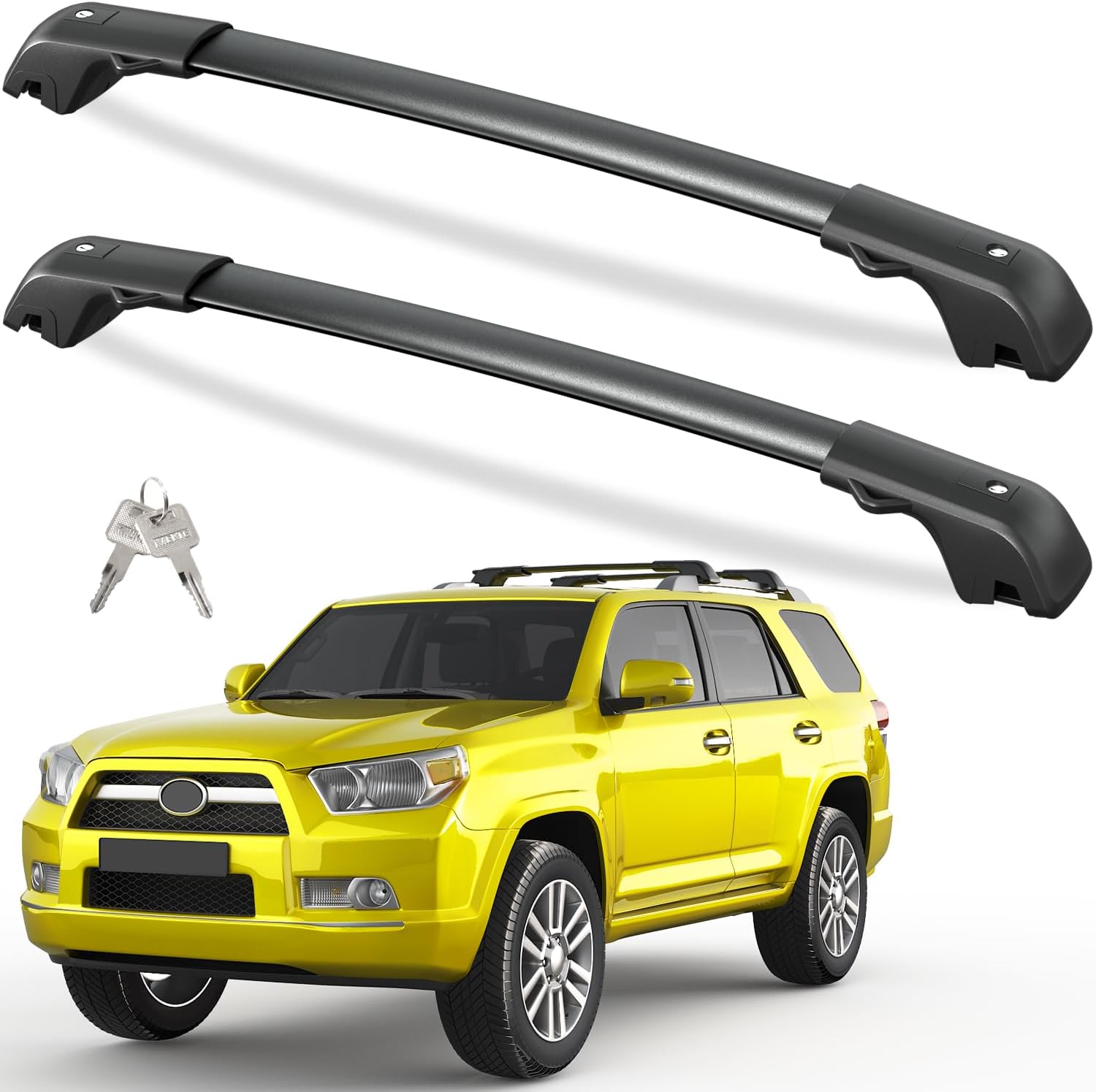
Designed specifically for Toyota 4Runner models with side roof rails, these lockable cross bars provide a secure and practical way to carry luggage, ladders, and other cargo. The aluminum construction, anti-theft metal lock, and tie-down loops add durability and confidence, while the low-profile design helps reduce wind noise during travel. Easy to install and backed by a 12-month warranty, they offer a dependable upgrade over standard crossbars.

This adjustable tri-ball trailer hitch gives you flexible towing support with three hitch ball sizes and a 4.5-inch rise and drop for level hauling across different vehicles and trailers. Built for durability and convenience, it includes a tow hook, D-ring shackle, and a secure locking system for dependable towing, recovery, and off-road versatility.

This Nilight LED light bar set delivers bright spot and flood combo lighting for off-road driving, work sites, and rugged trails. Built with high-intensity LEDs, an aluminum housing for better heat dissipation, and IP67 waterproof protection, it is designed for reliable performance in demanding conditions. The included wiring harness kit and mounting brackets make installation straightforward and secure.
Power And Torque Gains
Although it keeps the 4Runner’s rugged character, the i-FORCE MAX hybrid radically alters its performance envelope by pairing a 2.4‑liter turbocharged engine with an electric motor to produce 326 hp and 465 lb‑ft of torque. You’ll feel clear hybrid technology and performance enhancements: torque delivery is reshaped, peak power climbs, and efficiency improves without surrendering capability. Compared to the old 4.0‑liter V6 (270 hp, 278 lb‑ft), gains are substantial and measurable.
- 56 hp and 187 lb‑ft net increases over the V6
- Strong low‑end torque from turbo plus electric assist
- Expected combined fuel economy >20 mpg versus 17 mpg
- Better towing potential through higher torque and smoother delivery
This setup liberates your driving options with efficient, robust power for hauling and varied terrain.
Real‑World Driving Impact
Because the i‑FORCE MAX pairs a 2.4‑liter turbo with an electric motor, you’ll notice much stronger, more immediate acceleration and towing response—326 hp and 465 lb‑ft reshape real‑world performance by delivering pronounced low‑end torque, smoother throttle delivery in stop‑and‑go traffic, and improved fuel economy (expected >20 mpg combined versus the prior 17 mpg), all of which translate to better off‑road crawl control and heavier, more confident towing. You gain tangible hybrid advantages: electric assist fills torque holes, improving engine responsiveness for urban commutes and city driving while reducing fuel consumption. Towing performance benefits from instant torque, making launches, hill starts and trailer control more secure. Off road capabilities improve through low‑speed precision and sustained torque, freeing you to push limits with efficiency and control.
i‑FORCE MAX Fuel Economy & Emissions: City vs Highway
Anyone comparing city and highway figures will notice the i‑FORCE MAX hybrid shifts the 4Runner’s efficiency profile toward urban driving. You’ll see city efficiency improve thanks to electric assist and regenerative braking, which recovers energy and trims emissions during stop‑and‑go traffic. Highway performance remains competent but shows smaller gains versus the standard i‑FORCE, where EPA combined sits at 22 MPG. The i‑FORCE MAX targets a combined figure exceeding 20 MPG, an uplift from the previous V6’s 17 MPG combined and likely better than the 2024 16 city / 19 highway baseline.
- Regenerative braking: reclaims kinetic energy, boosting urban range and lowering tailpipe emissions.
- Electric assist: reduces fuel use during acceleration, favoring city efficiency gains.
- Combined MPG: expected >20 MPG, narrowing gap with non‑hybrid rivals.
- Emissions: lower CO2 output in urban cycles, aligning with Toyota’s sustainability goals.
You’ll get liberated control over consumption without sacrificing the torque you need.
Off‑Road and Towing: How i‑FORCE MAX Changes Capability
With improved city efficiency behind you, the i‑FORCE MAX also redefines the 4Runner’s off‑road and towing performance by combining a 2.4‑liter turbo engine and electric motor to produce 326 hp and 465 lb‑ft of torque. You get instant torque delivery that improves low‑speed rock crawling and crawl control, delivering clear off road advantages when negotiating technical lines. The hybrid benefits extend range and reduce refueling interruptions, giving you endurance for multi‑day routes while achieving roughly 23–24 MPG combined. Performance upgrades in the powertrain translate to tangible towing enhancements: heavier trailers and gear loads are moved with less strain and more control on grades and loose surfaces. Advanced four‑wheel‑drive traction and the Stabilizer Bar Disconnect Mechanism elevate terrain adaptability, allowing the chassis to articulate and maintain traction. Efficiency improvements and increased torque free you to push further into remote places without sacrificing capability, making the 4Runner i‑FORCE MAX a tool for explorers who demand liberation through reliable performance.
Trade‑Offs and Buyer Checklist: Cost, Maintenance, and Who Should Upgrade
If you frequently tow heavy loads or tackle technical trails, the i‑FORCE MAX gives you clearly higher torque and better fuel economy than the standard powertrain. You’ll get 326 hp and 465 lb‑ft, roughly 22–24 MPG combined, which translates to measurable cost benefits over long haul use and heavy-duty work. Weigh those savings against a higher purchase price and hybrid system complexity.
- Evaluate upfront premium vs projected fuel savings over ownership.
- Inspect service network readiness for hybrid repairs to mitigate maintenance challenges.
- Match driving profile: frequent towing/off‑road favors i‑FORCE MAX; casual use favors standard i‑FORCE.
- Confirm resale demand in your market for hybrid 4Runners.
Decide with intent: choose liberation through capability if you need torque and efficiency, accept higher maintenance complexity, and plan for specialized service costs. Choose simplicity and lower initial expense if you prize minimal upkeep and straightforward repairs.
Frequently Asked Questions
What Does “I Force Engine” Mean?
“i-FORCE” means Toyota’s turbocharged (and hybrid in i-FORCE MAX) powertrain that boosts engine performance and improves fuel efficiency; you’ll get stronger torque, responsive throttle, and better economy while keeping capable towing and off-road freedom.
What Is the Difference Between 2GR FKS and T24A-FTS?
You’ll notice the 2GR-FKS is naturally aspirated V6 with smoother engine performance and higher displacement, while the T24A-FTS’s turbo efficiency yields similar horsepower, more torque, better low-end punch, and modern fuel/emissions gains.
What Is the Toyota Engine Naming System?
You follow Toyota’s alphanumeric code: a family letter plus displacement/variant numbers, optional suffixes; it communicates engine specifications and performance metrics so you can freely choose compatible, efficient, and powerful options for your liberated driving needs.
Conclusion
If you crave brute torque, stupid-quick throttle and real towing grunt, i‑FORCE MAX practically slaps your old 4Runner into the next century — it’s a turbocharged hybrid that chews hills and sips fuel compared with pure V6s. But it costs more, adds complexity and will demand different maintenance. If you want maximum capability, efficiency and modern tech, upgrade; if you prize simplicity, keep the conventional i‑FORCE and stay sane.
[Products Worth Considering]

The ANCEL AD410 PRO combines engine diagnostics and 12V battery testing in one easy-to-use tool, helping you read and clear check engine codes while checking battery health, cranking, and charging performance. It also provides live data, freeze frame details, and I/M readiness checks to help you diagnose issues faster and prepare for emissions testing. With plug-and-play operation, a clear screen, and broad vehicle compatibility, it is a practical solution for home mechanics and everyday drivers.

This enhanced OBD2 scanner helps drivers quickly diagnose check engine light issues, read and clear trouble codes, and check emissions readiness before a smog test. It also adds EVAP and O2 sensor testing, live data, freeze frame capture, and a one-click battery health check in a simple plug-and-play tool with a bright color screen.

This ignition coil and iridium spark plug kit is designed to restore smooth engine performance, reliable starts, and efficient combustion for compatible Toyota models. Built for a precise fit across select Camry, RAV4, Sienna, Highlander, and Venza applications, it helps improve idle stability, fuel economy, and emissions. The kit includes durable replacement parts backed by a one-year unlimited-mileage guarantee for added confidence on the road.