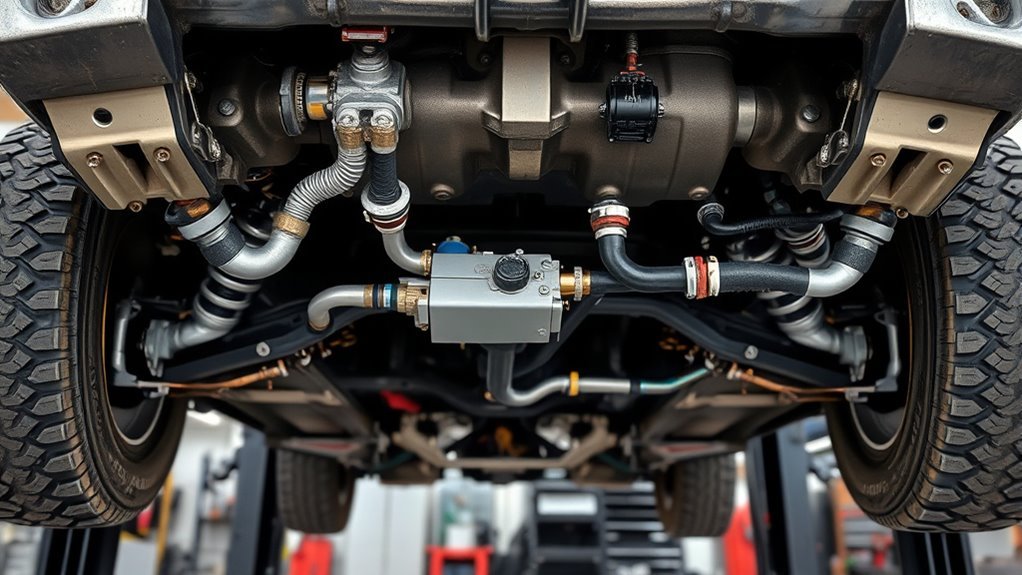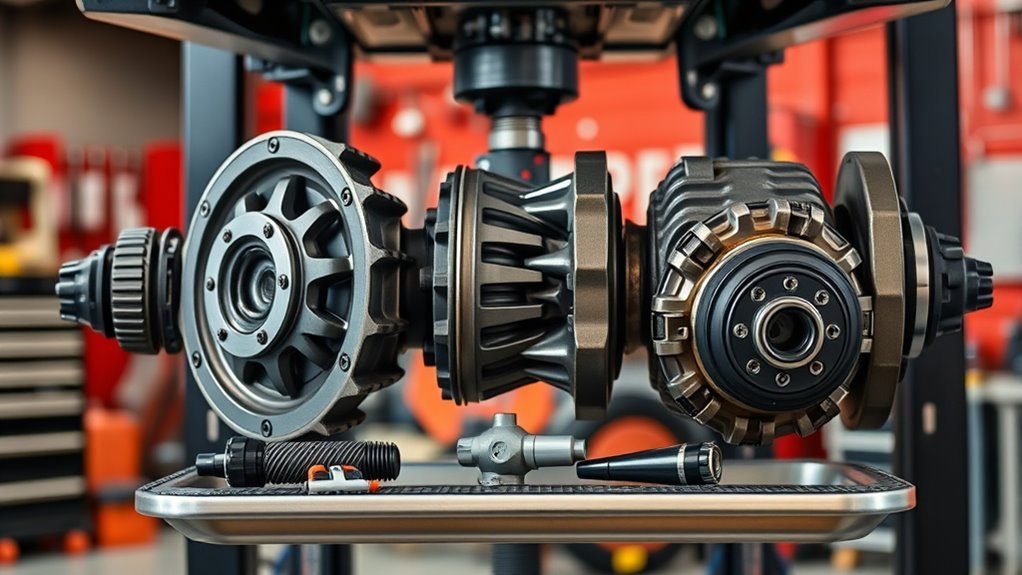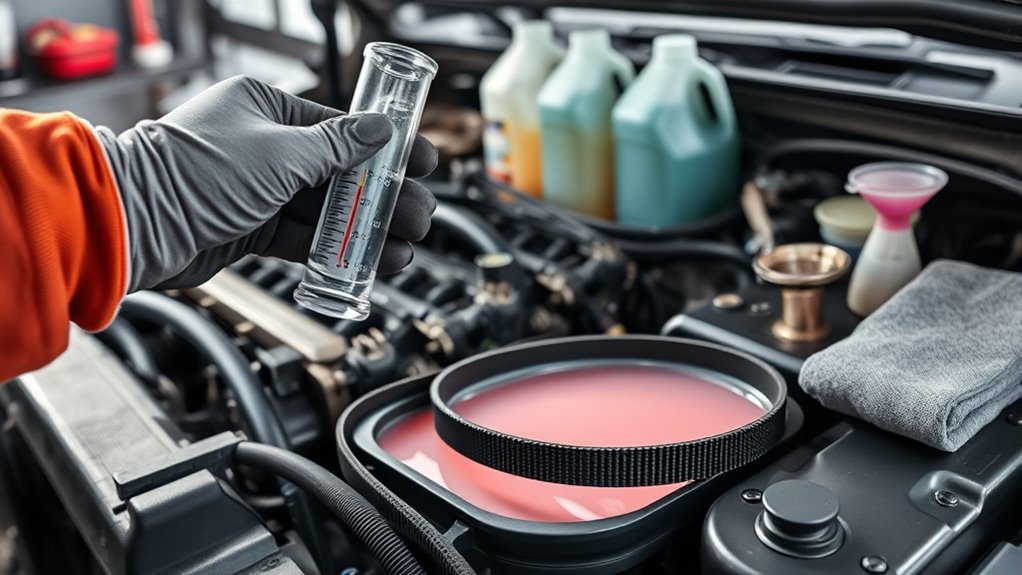
You’ll keep your 4Runner reliable by following a simple mileage plan. On the 5th-generation 4Runner (2010-2024) with the 4.0L V6, Toyota’s schedule calls for oil and filter changes every 5,000 miles (0W-20), with tire rotation and a multi-point inspection at the same visits.
The 6th-generation 4Runner (2025+) with the turbocharged i-FORCE engines uses a longer 10,000-mile oil interval under normal conditions. Air filters are inspected regularly and replaced around 15,000-30,000 miles, spark plugs on the 4.0L V6 are due at 120,000 miles, and Toyota Super Long Life Coolant is first replaced at 100,000 miles. Always confirm intervals for your model year in the Warranty & Maintenance Guide.
Quick 4Runner Mileage Cheat‑Sheet (One‑Line Master Schedule)
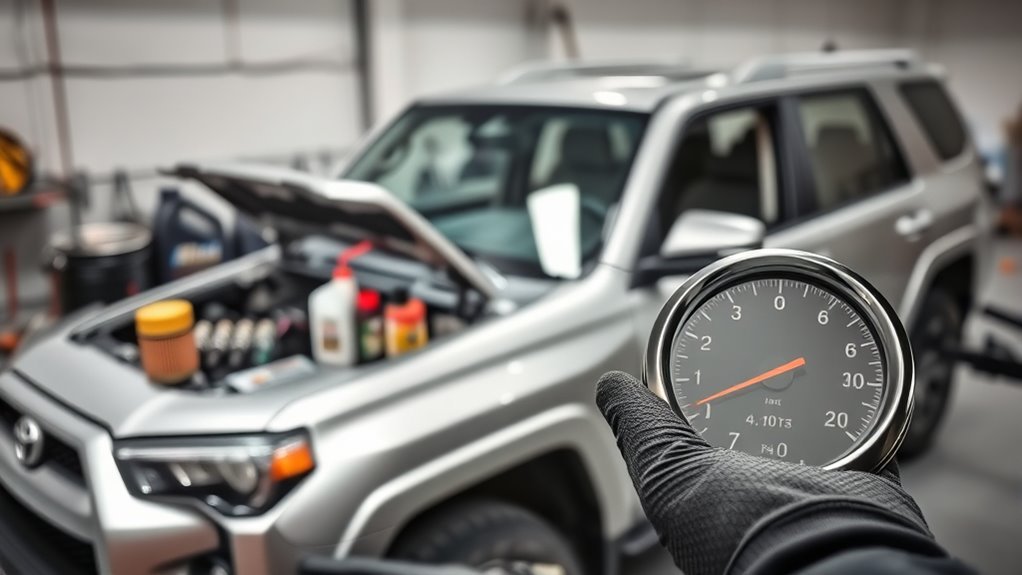
Use this quick cheat-sheet for a 5th-gen 4Runner under normal driving: change engine oil and filter, rotate tires and inspect brakes every 5,000 miles; inspect the engine and cabin air filters at each service and replace them around 15,000-30,000 miles (sooner in dusty conditions); inspect fluids, brakes, suspension and driveline at 30,000 and 60,000 miles; replace spark plugs at 120,000 miles; and replace coolant first at 100,000 miles, then every 50,000 miles.
If you tow or drive off-road often, follow the severe-service items in your maintenance guide, including more frequent differential and transfer case fluid changes.
Log each service, and keep basic tools such as a torque wrench, oil filter wrench, jack stands and a tire pressure gauge on hand if you do your own work.
0–10,000 Miles: Oil, Filters, and Basic Checks
For a new or newly purchased 4Runner, the first 5,000-mile service sets your baseline: oil and filter change with the specified viscosity (0W-20 on recent models), tire rotation and a general inspection. If you bought the truck used and don’t know its history, an oil change, filter inspection and fluid check right away is a sensible starting point.
Check engine and cabin air filter types and clean or replace them to preserve intake efficiency and air quality—don’t let clogged filters limit performance or comfort. Inspect coolant and brake fluid levels now to verify system integrity and safety; top off with specified fluids only.
Confirm tire pressure and condition before long trips, and make daily quick checks of oil and fluid levels to catch leaks or drops early. These simple steps now pay off with better reliability later.
Every 5,000 Miles: Tires, Brakes, Fluids, and Inspections
Every 5,000 miles, inspect and service tires, brakes, fluids, and filters to keep your 4Runner safe and reliable. Rotate tires every 5,000 miles to promote even wear and extend tire life. Perform a thorough brake inspection at the same interval: check pads, rotors, and hardware for wear or damage to maintain decisive stopping power.
Keep up with fluid maintenance—monitor engine oil, coolant, and brake fluid levels and top or replace as needed to prevent failures and preserve performance.
Do regular visual checks across the vehicle: look for leaks, loose fasteners, uneven tire wear, and damaged components so you can act before problems escalate. Clean or replace the engine and cabin air filters during these service points to guarantee proper airflow and cabin quality. Following this rhythm preserves your 4Runner’s capability and reliability.
Major Services at 30K / 60K / 100K Miles (What to Replace and Why)
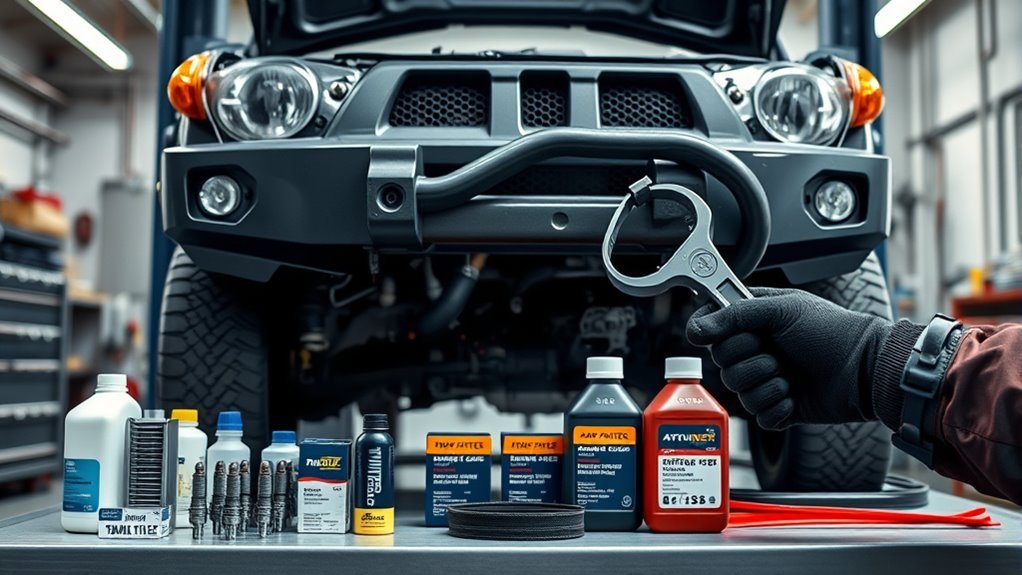
Those regular 5,000-mile checks set the foundation for the larger services. At 30K, replace the engine and cabin air filters if they weren’t replaced earlier and inspect the brakes, brake fluid, driveline and suspension.
At 60K, repeat the major inspection; Toyota’s automatic transmission fluid is designed as long-life under normal use, but if you tow, carry heavy loads or drive off-road regularly, a fluid change around 60,000 miles is good insurance.
Brake fluid is commonly replaced every 2-3 years based on condition. At 100K, replace the engine coolant (then every 50K), and at 120K replace the spark plugs on the 4.0L V6. At every interval, prioritize brake and tire checks for safety.
Special Conditions, Reminder Resets, and What to Tell Your Dealer
If you regularly tow, drive on unpaved roads, or put the 4Runner through other severe conditions, adjust service intervals upward in frequency and tell your dealer so they can recommend tailored inspections and fluid changes.
Under these special conditions, components wear faster—brakes, suspension, transmission and engine cooling need closer attention. Tell your dealer about load, terrain, and typical trip length so they can prescribe revised intervals and specific checks.
Reset maintenance reminders after each service to keep the system accurate; use the multi-information display and follow the screen-specific steps to clear alerts. The display will also notify you when service is due—don’t ignore those prompts.
Maintain an open line with your dealership: report symptoms, recent heavy use, and any aftermarket changes. That keeps your 4Runner reliable and reduces unexpected costs. Follow tailored recommendations and keep reminders current; your vehicle will reward you with durability and confidence.
2026 4Runner (6th Gen): What Toyota’s Own 2026 Warranty & Maintenance Guide Says
The 2026 Warranty & Maintenance Guide for the sixth-generation 4Runner (publication T-MMS-264Runner, printed October 2025) keeps the visit cadence at every 5,000 miles or six months, whichever comes first, with tire rotation listed at every one of those visits through 150,000 miles.
The engine oil footnote is the key change from the 4.0L V6 era: replace the engine oil and filter when the maintenance reminder appears, or when driven more than 10,000 miles since the last change, or after 12 months, whichever is first.
The guide does not print a viscosity; it sends you to the Owner’s Manual for the i-FORCE and i-FORCE MAX oil grade, so do not assume the 0W-20 figure from the V6 years.
Two rules shorten that interval. If most of your driving is on dirt or dusty roads, involves towing or heavy loads, long idling or low-speed delivery-style use, or rough, muddy, or salted roads, the guide says to change oil and filter every 5,000 miles or 6 months regardless of the oil used, and to replace the engine air filter at 30,000, 60,000, and 120,000 miles under those same conditions.
It also adds an off-road daily checklist for deep sand, mud, or water: ball joints and dust covers, brake lines and hoses, brake pads and discs, differential and transfer case oil, drive shaft and propeller shaft boots (4WD), engine air filter, chassis and body fasteners, steering linkage and boots, and transmission fluid, with a re-torque of the propeller shaft bolts.
Engine and intercooler coolant is first replaced at 100,000 miles or 120 months, then every 50,000 miles or 60 months. Brake fluid is an inspection item (level and condition), not a scheduled replacement.
Spark plug and driveline-fluid mileages for the turbo engines are in the printed charts on pages 38–43; confirm them against your own copy, because the hybrid i-FORCE MAX has a separate guide (T-MMS-264RunnerHV).
Related Guides
- 4Runner Oil Change Guide: 5th & 6th Gen Safe DIY Steps
- Toyota 4Runner Oil Type by Model Year: 0W-20 vs 5W-30
- Reset Maintenance Required Light: 4Runner
- What the 4Runner Maintenance Required Light Means
- 2014 4Runner Differential Fluid Capacity Guide
Frequently Asked Questions
How Often Should I Replace the Differential Fluid on My 4runner?
Replace the differential fluid every 30,000 to 60,000 miles, sooner if you off-road or tow; follow maintenance tips in your manual, inspect for leaks, and use Toyota Genuine Differential Fluid to protect performance and warranty.
Conclusion
You now have a compact 4Runner maintenance plan: stick to the regular oil and tire service, prioritize the 30K/60K/100K/120K milestones, and follow severe-service intervals if you tow or off-road. Reset the maintenance reminder after each service, and keep records, since a documented service history helps both reliability and resale value.
Sources
- Toyota 2026 4Runner Warranty & Maintenance Guide (T-MMS-264Runner) — 5,000-mile/6-month visit cadence, 10,000-mile/12-month oil footnote, special operating conditions, off-road daily maintenance, coolant interval (pp. 34–46).
- Toyota 2026 4Runner i-FORCE MAX Warranty & Maintenance Guide (T-MMS-264RunnerHV) — separate hybrid schedule.