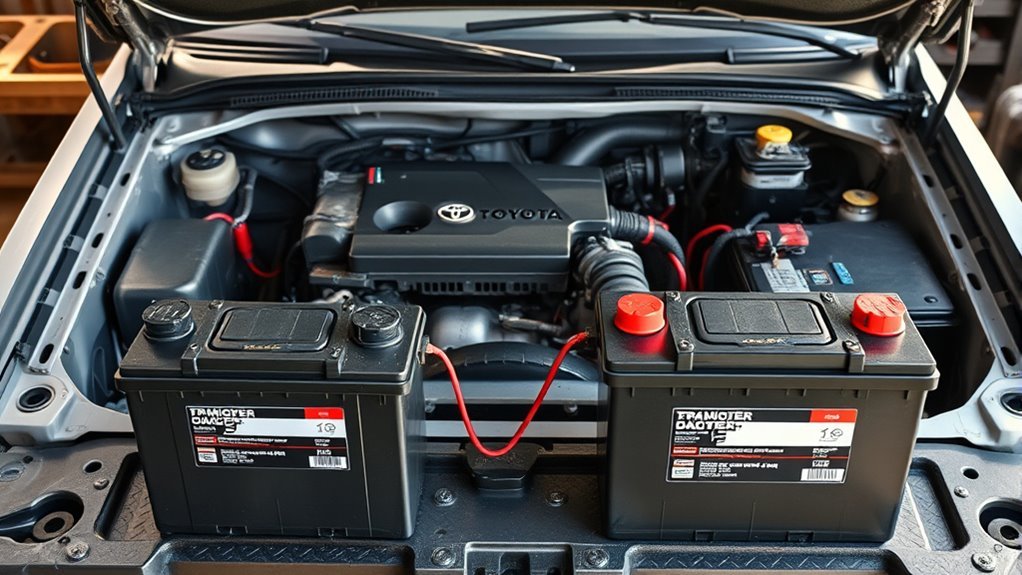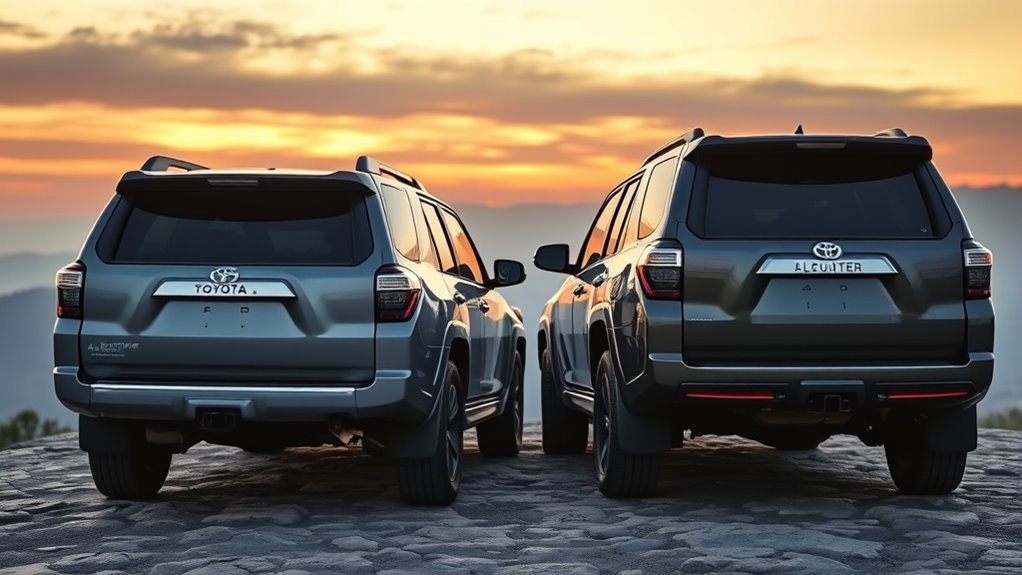
You’ll get stronger, quicker low‑end thrust with the I‑FORCE MAX hybrid—326 hp and much more torque—plus smoother city driving and modest fuel savings, but it costs about $10,000 more and raises the cargo floor while removing the third row. The non‑hybrid keeps a simpler layout, slightly more usable cargo volume, and lower upfront cost with linear power delivery. Both share 4WD hardware and similar highway economy; keep going for detailed tradeoffs.
Which 4Runner to Buy: Quick Decision Guide
Wondering which 4Runner fits your needs? You’ll weigh hybrid advantages against traditional utility: the hybrid delivers 326 hp and 465 lb‑ft for quicker acceleration and crisper shifts, while the non‑hybrid’s 278 hp preserves a conventional cargo layout and slightly more usable storage. If you prioritize smoother city driving, regenerative assist and refined low‑speed behavior favor the hybrid; if you frequently load gear for long trips or remote work, the hybrid’s 7.6 cu/ft cargo reduction may constrain you. Cost matters: expect roughly a $10,000 premium for the hybrid, but calculate recurrent fuel savings and potentially lower maintenance if you drive often. For off road preferences, both retain capability, yet traditionalists who need maximal cargo flexibility often lean non‑hybrid. Choose the hybrid if performance and urban refinement free you from fuel concerns; choose the non‑hybrid if cargo pragmatism and conventional packaging better enable your autonomous, go‑anywhere lifestyle.
[Products Worth Considering]

This A-Premium serpentine belt is designed to deliver dependable drive performance for a wide range of compatible Toyota, Hyundai, Kia, Lexus, and Scion vehicles. Built with EPDM construction and precision dimensions, it helps promote stable tension, reduced noise, and reliable operation in demanding driving conditions. It is a practical replacement choice for maintaining accessory system performance and long-term confidence.
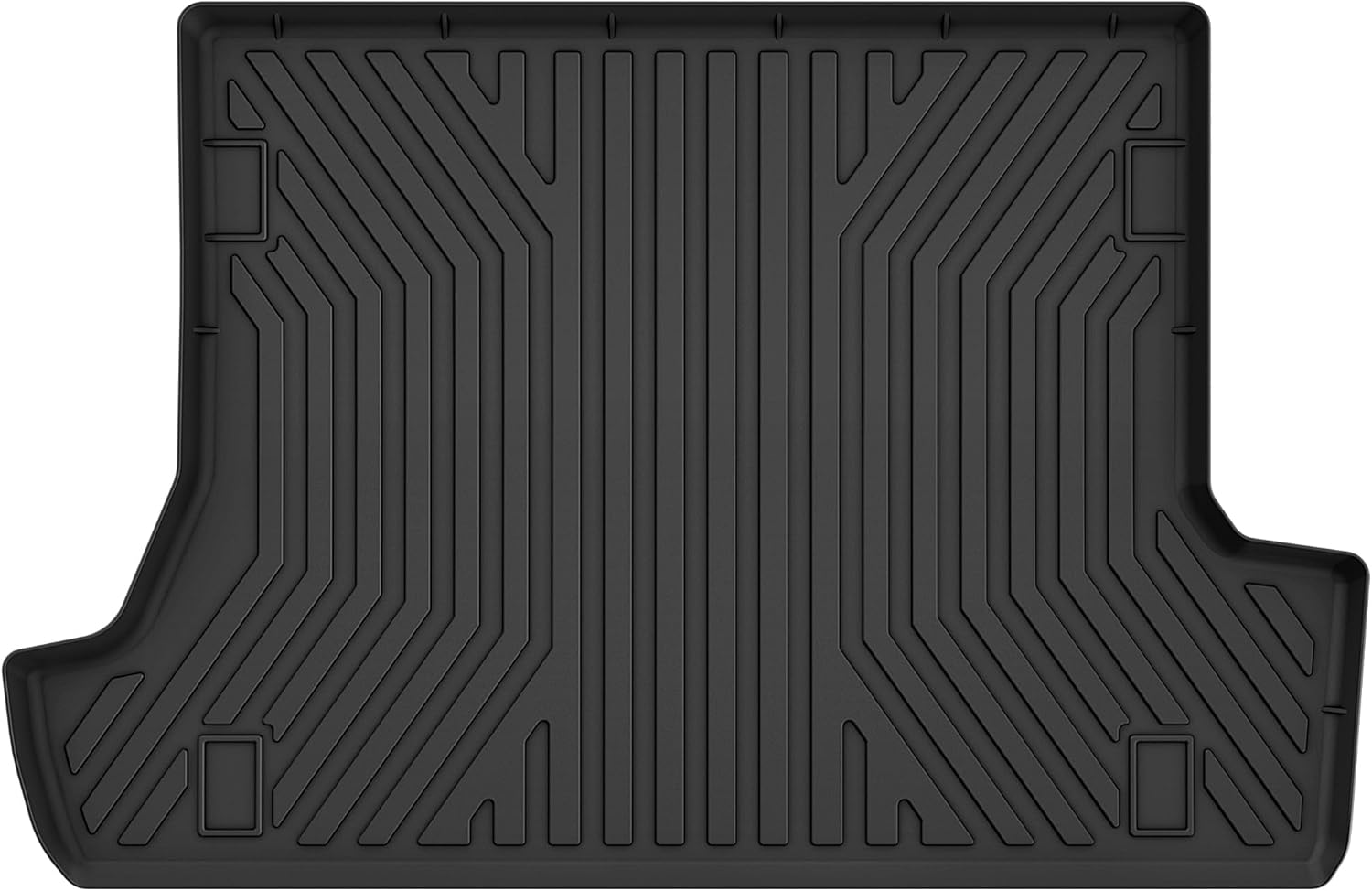
This custom cargo trunk liner is designed specifically for Toyota 4Runner models with a third row, helping protect the rear cargo area from dirt, spills, snow, and everyday mess. Precision-fit coverage and snap-in clips help keep it securely in place, while the durable TPE construction offers easy cleaning and dependable all-season performance. It’s a practical upgrade for keeping the interior tidy and maintaining resale value.

Rhino USA D Ring Shackles provide a dependable recovery connection for off-road and towing setups, with a high break strength designed for demanding use. They fit most aftermarket bumpers and universal shackle mounts, and the included rubber isolator kit helps reduce noise, vibration, and wear. Built from chromoly steel with an anti-rust powder-coated finish, these shackles are made for long-lasting performance in harsh conditions.
4Runner Power & Performance: I‑FORCE MAX vs I‑FORCE
Although both 4Runners retain the same 4WD transfer case hardware, the I‑FORCE MAX hybrid redefines on-road performance with 326 hp and 148 lb‑ft more torque than the standard I‑FORCE, delivering noticeably stronger low‑end thrust and quicker acceleration. You’ll feel the I‑FORCE MAX’s electric boost immediately: snappier off‑the‑line responses, smoother shifts, and more confident freeway merges despite added battery mass. The standard I‑FORCE stays competent, but its power delivery is more linear and less urgent at low RPMs. Technically, the hybrid’s torque benefits translate to improved transient response and reduced need for downshifts under load, which frees you to focus on the drive rather than compensating for lag. In stop‑and‑go scenarios the hybrid’s blended output yields a calmer, more responsive experience. Off‑road capability remains equivalent because both retain the same transfer case; your choice hinges on whether you prioritize liberated, immediate on‑road thrust (I‑FORCE MAX) or conventional, predictable power delivery (standard I‑FORCE).
Real‑World Fuel Economy, Towing, and Range
When you compare real-world economy, towing, and range, the hybrid 4Runner’s electric assist gives it a clear edge in city fuel use and overall drivability while highway consumption is fundamentally comparable to the non‑hybrid. You’ll notice better stop-and-go efficiency and a longer range between fill-ups because the battery recovers and deploys energy where combustion engines waste it. Torque and horsepower gains translate to stronger low-speed response, aiding maneuvering and off-road control without compromising fuel economy gains in urban use.
- City fuel economy: hybrid superior due to electric assist reducing engine load.
- Highway fuel economy: both models comparable; aero and weight dominate.
- Towing capacity: both competitive; hybrid’s 465 lb‑ft torque yields slightly improved real-world towing performance.
- Range and usability: hybrid’s battery extends distance between refuels, enhancing autonomy for longer trips.
These differences free you to prioritize efficiency and capability without sacrificing towing capacity or rugged utility.
Cargo & Interior Practicality: Trunk, Floor, and Seats
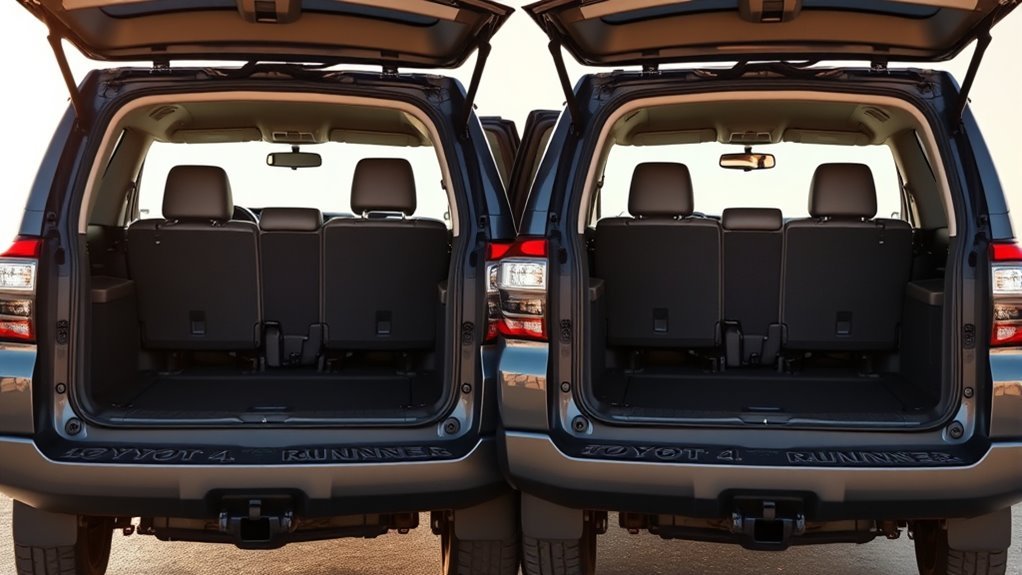
Because the hybrid’s iForce Max layout relocates packaging for its battery, you get 7.6 cubic feet more total cargo volume than the non‑hybrid iForce but face a slightly raised cargo floor and altered dimensions that change how you load and stow gear. You’ll notice improved cargo capacity for trunk items, yet loading convenience is reduced for heavy, low-profile loads because the lip and floor height require a steeper lift. Interior dimensions shift: width and usable depth vary, so long or bulky items may need different orientation versus the non‑hybrid’s flatter bay.
The non‑hybrid retains a traditional cargo layout that optimizes usable floor area and may feel more straightforward when maximizing cargo capacity. The hybrid eliminates the third‑row option, creating clear passenger limitations if you need seven seats; you trade seat count for larger trunk volume. Choose based on whether you prioritize liberated cargo hauling or conventional passenger flexibility.
Ride & Handling: Weight, Balance, and On‑Road Feel
Shifting from cargo layout to how the 4Runner feels on the road, weight and packaging changes in the iForce Max hybrid noticeably affect ride and handling. You’ll sense a more dampened ride quality from the hybrid’s additional mass and battery placement, which gives a planted, composed on‑road feel and improved balance during long drives. The non‑hybrid remains lighter and more immediately agile, but less settled at highway speeds.
- Hybrid: heavier mass yields smoother ride quality, especially in urban stop‑and‑go.
- Hybrid: weight distribution enhances balance, reducing driver fatigue over distance.
- Hybrid: electric assist delivers snappier shifts and quicker low‑speed responsiveness.
- Non‑hybrid: lighter curb weight preserves more traditional, direct handling dynamics.
Technically, you trade instantaneous agility for refined composure; if you seek liberation through calm, assured control, the iForce Max hybrid delivers measurable gains without compromising essential off‑road capability.
Reliability & Long‑Term Costs: Engines, Batteries, Warranties
Across the drivetrain options you’ll weigh proven durability against added complexity: the iForce Max hybrid has four years in the field with hundreds of thousands of units and no major failures reported, while the non‑hybrid’s simpler architecture reduces potential failure points over the long run. You should expect comparable engine longevity from both when maintained correctly; the hybrid’s electric assistance can lower thermal and mechanical stress, potentially extending service intervals. Battery lifespan introduces a distinct cost vector: Toyota’s hybrid batteries commonly exceed 200,000 miles, often reaching 250,000+ before degradation, and come with a 10‑year/150,000‑mile warranty. Replacement within warranty mitigates risk; post‑warranty swaps may cost $5,000–$8,000, though some estimates list $4,000 for certain units. If a hybrid battery fails, the vehicle can still operate on gasoline, lessening immobilization risk. You’ll balance marginally higher long‑term complexity and potential replacement expense against improved economy and possibly enhanced engine longevity when deciding which drivetrain frees you most.
[Products Worth Considering]

This synthetic soft shackle set is designed for safer, easier off-road recovery with a simple loop-and-tighten setup that helps make vehicle pulls more straightforward. Built as a lightweight alternative to traditional metal shackles, it uses anti-scratch synthetic fiber to help protect your vehicle during recovery tasks. The two-pack format adds convenience for trail use, and Rhino USA backs the product with lifetime replacement support.

This A-Premium serpentine belt drive kit is designed for compatible Toyota Camry, RAV4, and Scion tC models with a DOHC 2.5L L4 engine. It includes a serpentine belt and belt tensioner to help maintain smooth engine operation, reduce noise, and support reliable power transfer. Built for dependable replacement performance, it also comes with a one-year unlimited-mileage guarantee for added peace of mind.

Built for towing, winching, and off-road recovery, this D-ring shackle set delivers dependable strength in a compact, easy-to-use design. The drop-forged steel construction and protective coated finish help provide reliable performance and resistance to rust in demanding outdoor conditions. Compatible with Jeeps, ATVs, UTVs, trucks, trailers, and SUVs, it is a practical recovery accessory for everyday trail and rescue use.
Servicing & Repairs: Hybrid vs Gas Ownership
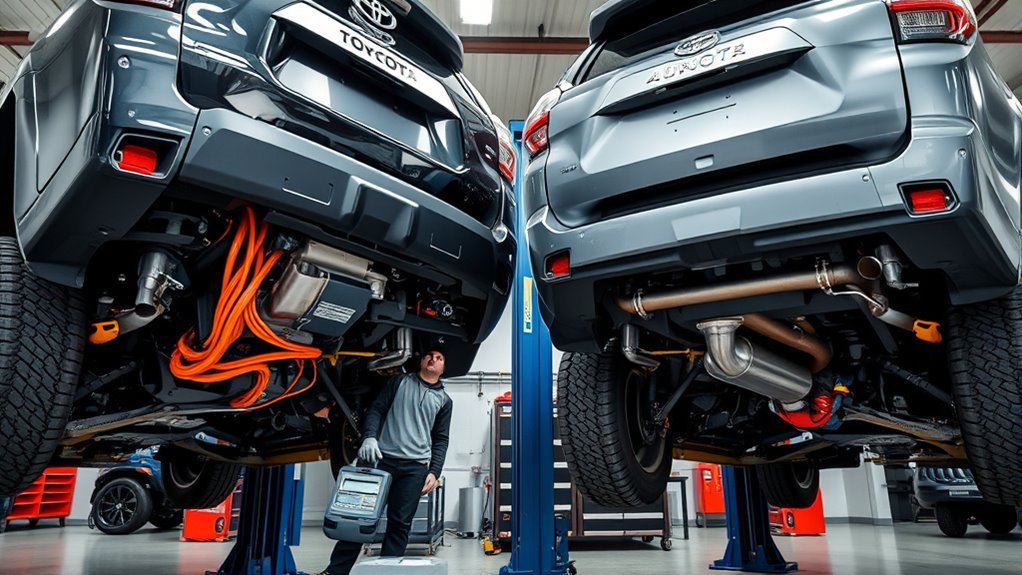
When you compare service needs, hybrids and conventional 4Runners diverge in predictable ways: the hybrid eliminates several wear items—no serpentine belt, fewer starter/alternator failures—and can lower routine engine stress, but it adds a complex high-voltage system and a large battery that can be costly to replace once out of warranty.
You should weigh maintenance frequency against repair complexity and long‑term ownership goals. Hybrids usually reduce scheduled service events tied to accessory drive components, potentially lowering maintenance frequency, yet they introduce diagnostic and high‑voltage skill requirements.
- Battery cost: replacement estimates near $4,000 post‑warranty; Toyota covers 10 years/150,000 miles.
- Routine servicing: fewer belt/starter items, fewer short‑term service events.
- Repair complexity: hybrid diagnostics and inverter/service needs demand specialized technicians.
- Total cost balance: fuel savings can offset higher repair costs over time, depending on your usage and desire for independence from fuel expenses.
Choose based on tolerance for specialized repairs and your aim to liberate yourself from fuel dependency.
Off‑Road Capability: How the Hybrid Changes Trail Use
Having reviewed how hybrid ownership affects service needs, it’s useful to look at how the hybrid powertrain alters trail performance. You’ll notice off road performance improves: total system output rises to 326 hp, giving you higher available power than the non-hybrid. Hybrid advantages include instant electric torque, which directly aids low-speed crawling efficiency and tight terrain navigation.
Technically, both models keep the traditional 4WD transfer case, so drivetrain functionality remains familiar. The battery impact is twofold: added mass shifts weight distribution lower and rearward, producing a more planted feel and improved balance on uneven surfaces, but it also changes vehicle dynamics you must respect. Cargo space expands because the hybrid drops the third row, letting you carry more recovery gear and supplies. In objective comparison, the hybrid offers torque benefits and enhanced ride quality for technical trails, while you should factor the battery impact on approach angles and payload planning.
Value & Trim Recommendation: Best 4Runner for Most Buyers
For most buyers, you’ll get the best balance of cost and capability with the TRD Off-Road Premium gas trim rather than the iForce Max hybrid, which runs roughly $10,000 higher. If you prioritize acceleration, towing and the +7.6 cu/ft cargo advantage, the hybrid’s 326-hp output and electric assist make it technically superior for urban driving and performance-focused use. For long-term ownership, compare anticipated fuel savings, battery impact on cargo layout, and projected maintenance costs to decide whether the hybrid’s benefits justify its premium.
Best Value Trim
Although the iForce Max hybrid brings class-leading power and improved city fuel economy, most buyers will find the TRD Off-Road Premium (gas) offers the best value—delivering the essential off-road hardware and a more traditional, larger cargo layout at roughly $10,000 less than hybrid trims. You’ll get best value options when you prioritize budget considerations, cargo utility, and proven mechanical simplicity.
- TRD Off-Road Premium — ideal balance: rugged suspension, locking differential, lower purchase price.
- iForce Max Hybrid — higher power and better city MPG; suits performance-focused buyers.
- Base SR5/Trail — minimalist, lowest cost; choose if you want core capability with fewer amenities.
- TRD Pro — premium off-road kit; pay a premium if you demand top-tier components.
Choose the trim that frees you from unnecessary cost while meeting mission-critical capability.
Hybrid Versus Gas
Because the iForce Max hybrid boosts output to 326 hp and 465 lb‑ft—versus 278 hp for the gas engine—you’ll notice markedly quicker acceleration and more responsive throttle in real-world driving, but that performance comes at roughly a $10,000 premium and with a slightly raised cargo floor due to battery placement, so buyers should weigh improved drivability and idling fuel savings against higher upfront cost and reduced cargo flexibility. You’ll get hybrid advantages in low-speed efficiency and strong torque for on‑demand overtakes, plus a long hybrid warranty that mitigates battery anxiety. Conversely, gas drawbacks include lower torque and better cargo packaging. For most buyers seeking value and off‑road capability, the TRD Off‑Road Premium gas trim remains the pragmatic recommendation.
Long-Term Ownership
When weighing long-term ownership, you’ll find the hybrid’s higher upfront cost—about $10,000 more—can be recouped over time through lower fuel use and the proven longevity of Toyota hybrid batteries, which often exceed 200,000 miles on the original pack; however, that calculus depends on your annual mileage, fuel prices, and tolerance for added drivetrain complexity versus the simpler, lower-cost gas TRD Off‑Road that delivers strong value and off‑road capability without the hybrid premium. You should assess total cost of ownership, performance needs (hybrid’s 326 hp vs gas 278 hp), and maintenance philosophy. Consider these practical factors:
- Fuel savings: expected mpg and payback period.
- Battery longevity: likelihood of original pack duration.
- Reliability: hybrid complexity vs mechanical simplicity.
- Trim value: TRD Off‑Road balances cost and capability.
Frequently Asked Questions
Is the Hybrid 4runner Worth It?
Yes—you’ll likely find the hybrid worth it if you value fuel efficiency and performance; higher upfront cost can be offset by long-term cost savings, improved urban drivability, and liberated practicality despite slightly reduced cargo capacity.
What Makes Toyota Hybrid Different?
Toyota hybrids differ by integrating an electric motor with a turbocharged engine and eCVT, so you get improved fuel efficiency, reduced environmental impact, smoother power delivery, longer component life, and objectively simplified battery design.
Conclusion
Which 4Runner should you pick? If you want stronger low‑end torque, better fuel efficiency, and modern hybrid systems for mixed driving, the I‑FORCE MAX hybrid is the technical choice; if you prioritize lower weight, simpler servicing, and marginally lower purchase cost, the traditional I‑FORCE gasoline model stays compelling. Assess your towing, off‑road, and long‑term maintenance priorities to match real‑world use with the platform that best fits your needs.
[Products Worth Considering]
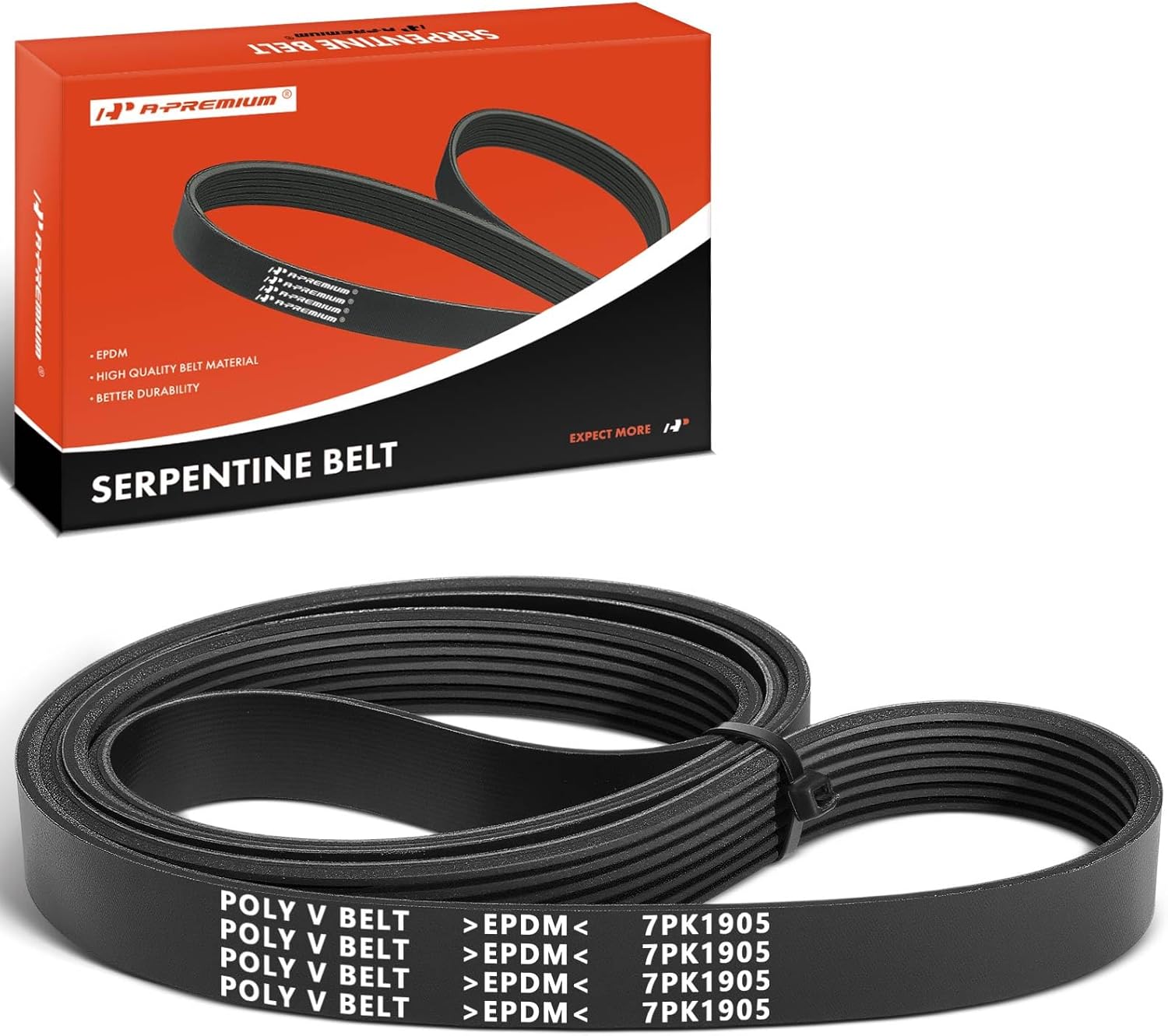
This A-Premium serpentine belt is engineered for select Toyota, Scion, and Pontiac vehicles with the L4 2.4L gas engine, delivering dependable air conditioning drive performance. Made with durable EPDM and precision dimensions, it helps resist cracking, reduce noise, and maintain stable tension for smooth operation. It's designed for straightforward installation and backed by a one-year unlimited-mileage guarantee for added confidence.
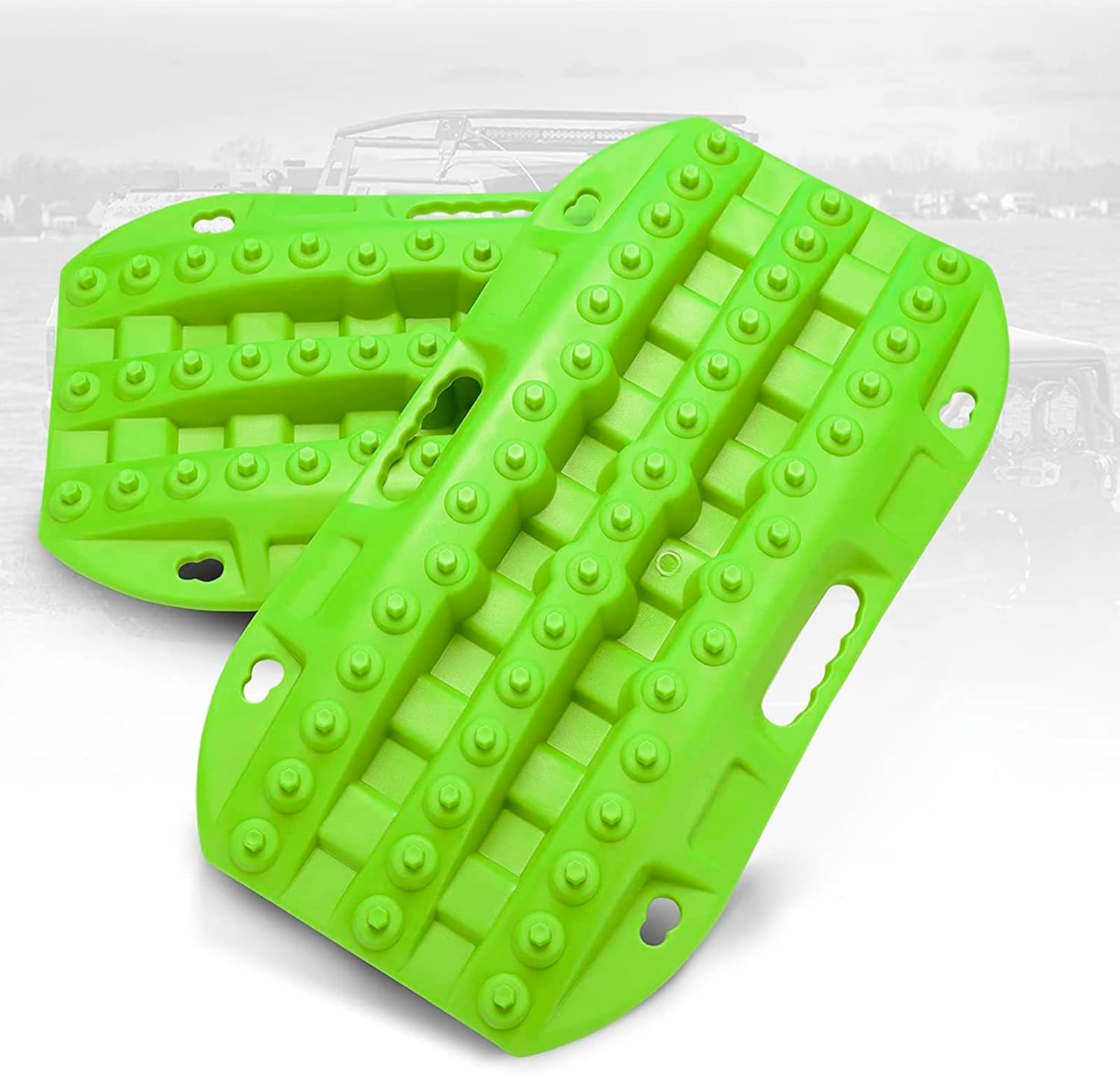
These short recovery traction boards are designed to help ATVs, UTVs, and other off-road vehicles regain grip in mud, sand, and snow. Built with strengthened teeth and a durable polypropylene construction, they provide reliable traction, easy handling, and year-round performance in tough conditions. Their nested, space-saving design and integrated shovels make them practical for carrying and using on remote adventures.
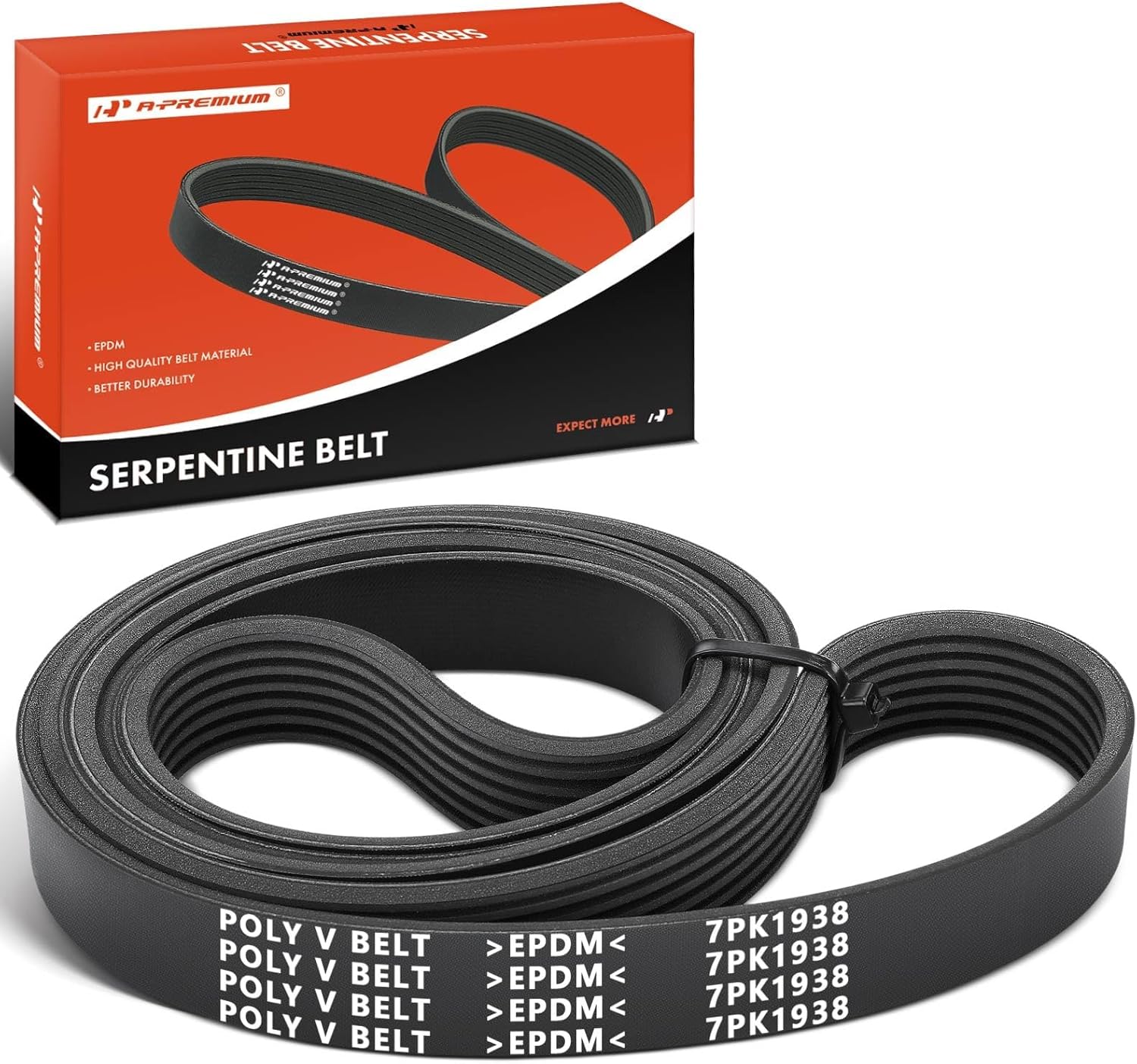
This A-Premium serpentine belt is designed to deliver dependable drive performance for compatible Toyota and Scion vehicles with exact-fit sizing for smooth operation. Built with premium EPDM and polyester cord construction, it helps resist cracking, reduce noise, and maintain stable tension in demanding engine conditions. It is a practical replacement choice for restoring reliable accessory drive performance and long-term confidence.