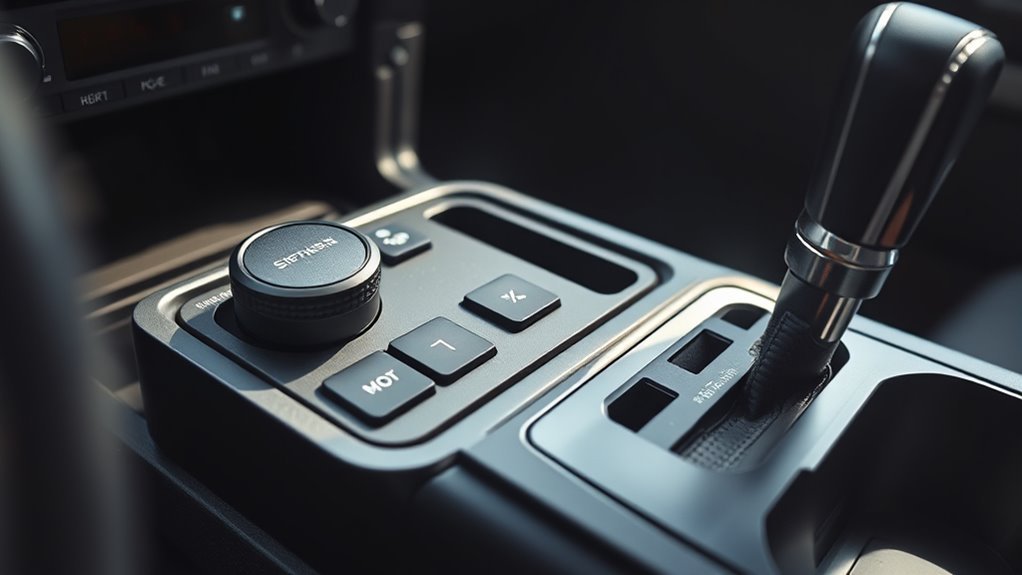
You can use Auto Start-Stop on a 2025–2026 Toyota 4Runner to reduce idling, but do not assume the feature by trim name alone. Toyota’s current 4Runner lineup includes i-FORCE gas and i-FORCE MAX hybrid powertrains, and public trim pages do not prove that every build has a conventional Stop & Start cancel switch. If your 4Runner has the “A” Stop & Start cancel button, you can turn the conventional system off for the current drive. If you drive an i-FORCE MAX hybrid, engine cycling may be normal hybrid-system behavior instead. Confirm equipment by VIN, window sticker, and owner’s manual before buying any bypass module.
Last updated: July 7, 2026 · Accuracy checked against Toyota 4Runner lineup information, Toyota owner resources, U.S. Department of Energy idle-restart guidance, and FTC auto-warranty guidance.
Quick Answer
The 2025–2026 Toyota 4Runner is equipment-specific. Gas i-FORCE models may use a conventional Stop & Start system only when the “A” cancel switch and owner materials show it, while i-FORCE MAX hybrids can start and stop the engine through hybrid control. To turn off conventional Stop & Start, press the factory “A” cancel switch once after startup. Expect the setting to reset after the next ignition cycle, and verify your VIN before buying an aftermarket eliminator.
Key Takeaways
- Look for the “A” cancel switch first. If the switch is missing, do not assume the vehicle has a conventional gas Stop & Start system.
- Firm brake pressure normally allows Stop & Start to shut the engine off after the vehicle is fully stopped; releasing the brake restarts it when conditions allow.
- Trim confusion is common. SR5, Limited, TRD, and hybrid labels are not enough. Check the window sticker, VIN, and Toyota’s owner manual and warranty portal.
- The factory cancel button is temporary. Toyota Stop & Start guidance treats the button as a current-drive control, not a permanent memory setting.
- Use the cancel switch before towing, off-road crawling, tight parking, or repeated stop-and-go maneuvers if you want predictable engine response.
- Aftermarket eliminators are not Toyota parts. Confirm fitment, avoid wire cutting, and keep install documentation before adding one.
At a Glance
| Time Required | Under 1 minute to identify and use the factory switch; aftermarket module time varies by module, trim access, and installer skill |
| Difficulty | Easy for factory controls; moderate for trim-panel access and wiring connectors |
| Tools Needed | Owner’s manual, window sticker or VIN lookup; trim tools only if installing an aftermarket module |
| Cost | $0 for the factory cancel button; aftermarket modules vary by vendor and are not Toyota-approved accessories |
Verification snapshot: Toyota’s current 4Runner materials show i-FORCE gas and i-FORCE MAX hybrid powertrains, but Stop & Start availability still needs vehicle-level confirmation. Use this order before making any change:
- Check for the physical “A” cancel switch.
- Search the window sticker for “Stop & Start,” “Stop and Start,” or “Auto Stop/Start engine system.”
- Confirm the feature by VIN through Toyota’s owner resources or a Toyota dealer.
- For i-FORCE MAX hybrids, use hybrid-system guidance instead of generic gas-model bypass advice.
What Auto Start-Stop Does on the 2025–2026 Toyota 4Runner

Toyota calls the conventional feature Stop & Start. Its job is to momentarily shut the gas engine off when the vehicle is stopped, such as at a red light, so the engine is not burning fuel while idling. Toyota’s general Stop & Start guidance describes the benefit as lower emissions and better MPG during stops, not a horsepower, towing, or off-road upgrade.
On a gas 4Runner equipped with Stop & Start, the normal sequence is straightforward: drive in a forward gear, come to a complete stop, keep the brake pedal pressed, and the system may shut the engine off when all operating conditions are met. When you release the brake, or when the vehicle needs the engine for cabin comfort, battery charge, steering input, or other conditions, it restarts automatically.
Note: Hybrid 4Runner i-FORCE MAX models are different. A hybrid can start and stop the gasoline engine as part of hybrid energy management. That is not the same as a conventional gas-engine Stop & Start system with a driver cancel button.
The most important driver input is brake pressure. The system is typically designed to stop the engine when the brake is depressed firmly after the vehicle is fully stopped. Light brake pressure may keep the engine running, but you should not make weak stops just to defeat the feature. If you want the engine to stay on, use the factory Stop & Start cancel switch instead of changing safe braking habits.
The U.S. Department of Energy notes that Argonne National Laboratory research found stopping and restarting a warm engine can use less fuel than idling for as little as 10 seconds.
Which 2025–2026 4Runners Might Have Stop & Start?
Do not rely on a forum trim list or a single model badge. Toyota’s current 4Runner lineup includes gas and electrified versions such as SR5, TRD Sport, TRD Off-Road, Limited, Platinum, Trailhunter, TRD Pro, and i-FORCE MAX configurations. Equipment can vary by grade, drivetrain, region, package, and production timing, so treat Stop & Start as a vehicle-equipment question.
Use this checklist before assuming your 4Runner has conventional Auto Start-Stop:
- Look for the button: the factory cancel switch usually shows an “A” with a circular arrow around it.
- Check the window sticker: search for “Stop & Start,” “Stop and Start,” or “Auto Stop/Start engine system.”
- Use your VIN: confirm equipment through Toyota, a Toyota dealer, or the owner portal.
- Know the powertrain: gas models with a cancel switch behave differently from i-FORCE MAX hybrids, where the gasoline engine may start and stop as part of hybrid operation.
- Confirm before buying parts: aftermarket bypass modules can depend on switch layout and connector access.
| What You See | What It Usually Means | Best Next Step |
|---|---|---|
| “A” cancel switch is present | Conventional Stop & Start is likely equipped | Test it safely and read the owner’s manual |
| No “A” cancel switch | Conventional Stop & Start may not be equipped | Verify by VIN before buying parts |
| i-FORCE MAX hybrid badge | Engine cycling may be part of hybrid operation | Use the hybrid manual, not generic gas-model advice |
| Aftermarket eliminator advertised for your year | It may fit only specific trims or switch layouts | Confirm VIN fitment, connector layout, and return policy |
How Stop & Start Behaves: City Driving, Towing, and Off-Road Use
In city driving, Stop & Start does what most owners expect: it may shut the engine off at traffic lights, long drive-through waits, school pickup lines, and other stopped-idle moments. That can save fuel in stop-and-go conditions, but the savings vary with idle time, weather, accessory load, battery condition, and how often the system actually activates.
For towing, the issue is not that Stop & Start cuts power while you are moving. It should not. The annoyance is the pause and restart feel when you are stopped with a trailer, especially during tight backing, hill starts, parking-lot maneuvers, or repeated brake modulation. If you want the engine to stay ready, press the Stop & Start cancel switch before you start those maneuvers.
Off road, the same rule applies. On technical trails, rocks, steep grades, sand, or tight turns, predictable throttle response matters more than saving a small amount of idle fuel. If your equipped 4Runner gives you a factory cancel switch, use it before the trail section instead of fighting the pedal at every pause.
| Scenario | Likely Behavior | Best Action |
|---|---|---|
| City driving | May stop the engine at a full stop | Leave it on if restarts feel smooth |
| Heavy traffic | May cycle often | Cancel it if repeated restarts bother you |
| Towing or backing a trailer | May restart during brake transitions | Use the cancel switch before maneuvering |
| Off-road crawling | May feel intrusive at pauses | Disable with the factory switch when equipped |
| Hybrid i-FORCE MAX driving | Gas engine can start or stop as part of hybrid logic | Follow hybrid-system guidance in the manual |
How Do You Turn Off Toyota 4Runner Stop & Start for One Drive?
If your 4Runner has the factory Stop & Start system, the cleanest control is the Stop & Start cancel switch. Toyota’s general support guidance describes the encircled “A” button as the control for turning the feature off or reactivating it. Treat it as a current-drive setting unless your owner’s manual says otherwise.
- Start the vehicle normally. Let the dash complete its normal startup checks.
- Find the “A” cancel switch. It is the button with an “A” inside a circular arrow on equipped Toyota models.
- Press it once before the drive situation that matters. Use it before towing, trail driving, tight parking, long lines, or hot-weather stops where cabin cooling is important.
- Check the dash indicator. The Stop & Start cancel indicator should show that the system is disabled.
- Repeat after the next restart. The factory setting normally does not stay off after the vehicle is shut down.
Pro Tip: Make the cancel switch part of your towing or trail-start routine: seat belt, mirrors, drive mode, trailer settings, Stop & Start cancel. That is easier than reacting after the first unwanted shutdown.
Brake technique still matters. A firm, steady brake press at a full stop is the normal condition that allows the system to stop the engine. Pumping the brake, releasing slightly, turning on defrost, heavy air-conditioning demand, low battery charge, steering input, incline logic, or other vehicle conditions may restart the engine or prevent the shutdown altogether.
Do not assume Manual shift mode, Sport mode, Tow mode, Multi-Terrain Select, or Crawl Control always cancels Stop & Start. Some modes may affect behavior, but the reliable answer is the owner’s manual and the dashboard indicator for your exact 4Runner.
[Products Worth Considering]

MaxxHaul 50515 car ramps provide a stable, elevated platform for performing vehicle repairs and maintenance beneath your car. Built from heavy-duty plastic with rubber stops and a ridged surface, they help keep tires securely positioned during use. Their compact ramp design offers dependable access and support for everyday garage work.

This premium leather seat gap filler helps stop dropped items from disappearing between your seat and console while adding convenient storage to your cabin. Its universal fit is designed for most sedans, SUVs, and trucks, and the slim profile helps preserve legroom while keeping essentials close at hand. Built-in card slots and cable management make it a practical upgrade for everyday driving.

This universal brake bleeding kit lets you flush brake, clutch, and other hydraulic systems by yourself with fast, efficient vacuum-assisted operation. Built with a durable aluminum alloy pump, silicone tubing, and secure fittings, it helps maintain a tight seal for cleaner, easier service. The included blow-molded case keeps every part organized for convenient storage and transport between jobs.
Can You Disable Toyota 4Runner Stop & Start Permanently?

The safest no-cost method is the factory button. It keeps Toyota’s wiring intact, does not require trim removal, and is the only method you can use without modifying the vehicle. The downside is memory: you usually need to press it again after ignition cycles.
Aftermarket plug-and-play eliminators are the convenience option. These modules usually install inline with the factory Stop & Start switch connector and remember your preferred setting. A typical install may involve removing a shifter or console trim panel, unplugging the switch connector, inserting the module between the harness and switch, testing the button, and then reinstalling the trim. Confirm the exact steps with the module maker’s instructions for your trim before you open any panel.
Warning: Do not cut factory wiring, force connectors, install a module for the wrong trim, or work around airbags or high-voltage hybrid components. If your 4Runner is an i-FORCE MAX hybrid, avoid generic gas-model wiring advice and use Toyota service information or a qualified technician.
Before buying any bypass module, confirm four things:
- Exact fitment: year, trim, powertrain, and switch layout must match your vehicle.
- Reversibility: choose a module that can be unplugged without leaving cut wires.
- Remote-start behavior: do not assume a module changes Toyota’s factory remote-start or door-opening behavior.
- Warranty documentation: keep the receipt, install instructions, photos, and any dealer notes.
U.S. warranty law does not let a manufacturer void an entire warranty simply because an aftermarket part exists, but a warranty claim can still be denied if the aftermarket part or installation caused the failure. That distinction matters. A clean, reversible install is easier to defend than a hacked harness.
Warranty, Starter Wear, and Common Owner Concerns
Starter wear is the concern most owners mention first. Modern Stop & Start systems are designed around frequent restarts, but that does not mean every owner will like the feel, sound, or long-term wear tradeoff. Watch for slow starts, grinding, warning lights, low-battery symptoms, or behavior that changes suddenly.
Federal idle-reduction research is generally favorable to shutting off a warm engine during meaningful idle time, but it also treats safety and vehicle condition as part of the decision. In normal traffic, do not turn the vehicle off manually or fight the brake pedal just to save a few seconds of idle fuel. Let the vehicle system manage it, or use the factory cancel switch when you want the engine to stay running.
Common owner complaints include restart hesitation, vibration, extra cycling in heavy traffic, confusion between gas and hybrid behavior, and annoyance while towing or off road. Most of those are preference issues, not proof of a defect. A true fault is different: warning messages, repeated failure to restart, low-battery warnings, or check-engine lights should be handled by a Toyota dealer.
If you are worried about warranty support, create a simple record:
- Date, mileage, and outside temperature
- Whether the vehicle was towing, off road, or in city traffic
- Dash messages or warning lights
- Photos or videos of repeatable behavior
- Dealer inspection notes and repair orders
[Products Worth Considering]
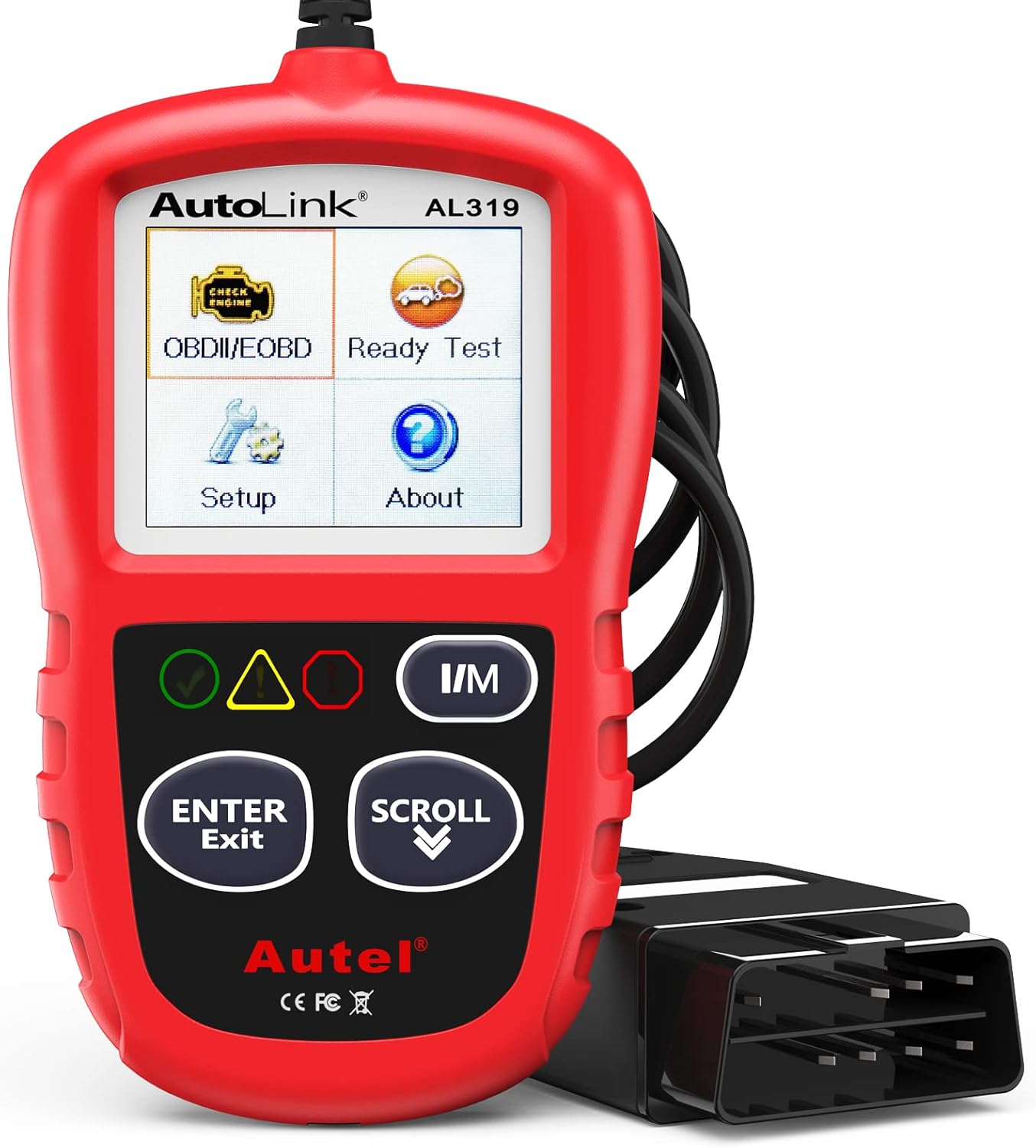
The Autel AL319 is a user-friendly OBD2 scan tool designed to help drivers quickly diagnose check engine light issues and understand vehicle fault codes. It supports reading and clearing DTCs, live data, freeze frame, I/M readiness, and vehicle information, making it a practical choice for DIYers and everyday car owners. With plug-and-play operation, a color display, built-in speaker, and broad vehicle compatibility, it delivers fast, reliable diagnostics without complicated setup.

This smart color coded tire tread depth gauge makes it easy to check tread wear at a glance with clear red, yellow, and green ranges. Calibrated from 0 to 1 inch in 1/32 inch increments, it helps you quickly assess tire condition for safer driving and timely replacements. The pocket clip design makes it convenient to carry and use on trucks, motorcycles, cars, and other passenger vehicles.

Compatible with Toyota 4Runner 4.0L V6 2003-2023 / 4.7L V8 2003-2023 / FJ Cruiser 4.0L V6 2007-2012
Troubleshooting: Why Stop & Start May Not Activate
Stop & Start is conditional. It may be working normally even when the engine does not shut off. Toyota systems commonly consider brake pressure, battery state, cabin climate demand, defroster use, engine temperature, incline, steering input, shift position, and safety-system status before allowing an engine stop.
| Symptom | Likely Cause | What to Do |
|---|---|---|
| Engine never shuts off | Feature not equipped, canceled, low battery, climate demand, or operating conditions not met | Check the cancel indicator and verify equipment by VIN |
| Engine restarts while still stopped | A/C, defrost, battery charge, brake movement, or system demand | Normal in many cases; check the manual if frequent |
| Cancel setting will not stay off | Factory behavior resets after restart | Press the button each drive or consider a reversible module |
| Warning light or fault message appears | Possible system fault, battery issue, sensor issue, or related vehicle problem | Schedule dealer diagnosis and document the condition |
| Hybrid engine starts and stops unexpectedly | Normal hybrid energy-management behavior may be involved | Use the hybrid owner’s manual, not gas Stop & Start advice |
[Products Worth Considering]

1. Compatiable with Highlander 2020 2021 2022 2023 2024 2025, which start stop button is on the center console.

Compatible With: This Auto Start Stop Eliminator is specifically designed for Toyota Highlander models from 2015 2016 2017 2018 2019, ensuring a perfect fit and compatibility.

Perfectly Compatible: This Auto Start Stop Deactivator is specifically designed for the 2024+ Toyoto Tacoma 2025+ 4Runner. It integrates seamlessly with your vehicle’s electrical system, ensuring a perfect fit without affecting other functions. (Important: Please ensure your vehicle has an "A-OFF" button before purchasing, as this product is not compatible with other models
Should You Disable It or Live With It?
Live with Stop & Start if most of your driving is city traffic, the restarts feel smooth, and you like the small fuel-saving benefit. Disable it for the current drive if you are towing, crawling off road, edging through a parking lot, sitting in extreme heat, or you simply dislike the restart feel.
A permanent or memory-style bypass makes sense only if you press the factory cancel switch every single drive and you are comfortable with a reversible aftermarket electrical accessory. For a leased vehicle, a brand-new vehicle under warranty, or a hybrid model, be more cautious. Factory controls are boring, but boring is often the safest answer.
Frequently Asked Questions
Does the Toyota 4Runner have Auto Start-Stop?
Some 2025–2026 Toyota 4Runner gas models may have Toyota’s Stop & Start system, but equipment depends on the exact grade, drivetrain, market, and build. Do not rely on trim name alone. Look for the “A” cancel switch and verify the feature through the window sticker, VIN, or Toyota owner’s manual.
Is the 4Runner i-FORCE MAX hybrid the same as Auto Start-Stop?
No. A hybrid 4Runner can start and stop its gasoline engine as part of the hybrid system, especially at low speeds or idle. That is different from a conventional gas Stop & Start system with a driver cancel button. Use the hybrid manual for i-FORCE MAX behavior.
Does pressing the brake lightly or firmly control Stop & Start?
Firm brake pressure after a complete stop normally allows the system to shut the engine off when all conditions are met. Lighter pressure may prevent a shutdown, but you should not compromise safe braking to manage the feature. Use the factory cancel button when you want the engine to stay running.
Can I turn off Toyota Stop & Start permanently?
The factory cancel switch is normally temporary and resets after the vehicle is turned off and restarted. Aftermarket memory modules may keep the preferred setting, but they are not Toyota factory parts. Confirm fitment, avoid cutting wires, and keep documentation for warranty discussions.
Will an aftermarket Stop & Start eliminator void my Toyota warranty?
An aftermarket part does not automatically void an entire warranty, but a related claim may be denied if the part or installation caused the problem. Use a reversible plug-in module, avoid wire cutting, and ask the dealer to put any warranty concern in writing.
Should I disable Stop & Start while towing or off road?
Yes, if you want the most predictable response during trailer backing, hill starts, rock crawling, sand driving, or tight trail maneuvers. Stop & Start should not shut the engine off while moving, but it can feel intrusive during repeated stops and brake transitions.
Why won’t Stop & Start activate on my 4Runner?
The system may stay inactive because the feature is not equipped, the cancel switch is on, battery charge is low, climate demand is high, the engine is not warm, the defroster is active, or another operating condition is not met. Check the dash indicator first, then confirm equipment by VIN.
Should I buy a Stop & Start eliminator before my 4Runner arrives?
No. Wait until you can confirm your exact switch layout, powertrain, and owner-manual guidance. Some listings use broad model-year language, but the safest buying decision depends on the VIN and the connector behind the actual switch.
Conclusion
Think of Toyota Stop & Start as a city-idle tool, not a trail or towing feature. When it works smoothly, it can trim wasted idle fuel. When you need direct control, use the factory cancel button before the situation gets awkward. The big corrections are simple: firm brake pressure is what normally allows shutdown, trim availability must be verified by VIN, hybrid engine cycling is a different system, and aftermarket eliminators should be treated as reversible electrical accessories, not guaranteed warranty-free magic.
Sources
- Toyota 2026 4Runner official page — current U.S. trim lineup, powertrain choices, MPG ranges, and 4Runner specifications
- Toyota 4Runner specifications page — official model information, equipment notes, and specification caveats
- Toyota 2025 4Runner owner manuals and warranties — VIN-specific owner guidance, warranty documents, and service reference point
- Toyota Stop and Start support article — purpose of the system, factory cancel button behavior, and reset guidance
- U.S. Department of Energy Fact #984 — research-backed idle-versus-restart fuel-use context
- Federal Trade Commission auto warranty guidance — aftermarket parts and warranty-claim principles