To stop door jamb rust on a 1996–2002 Toyota 4Runner, treat three areas separately: the painted body jamb, the lower edge of the hollow door shell, and the rocker below the opening. Remove salt and packed dirt, clear only existing factory drain openings, dry the seams, repair paint chips, then apply compatible protection. Use rust converter only on exposed corroded metal. Bubbling seams, perforation, soft metal, or corrosion at a hinge or striker are body-shop problems, not detailing problems.
Affiliate disclosure: As an Amazon Associate, Auto Review Nest earns from qualifying purchases. This does not affect the price you pay.
Last updated: September 16, 2026. Rechecked Toyota corrosion guidance, drain-location wording, product directions, FAQ coverage, and source attribution.
Quick Answer
Clean the painted jambs with mild car soap, clear only the existing lower door and rocker drain openings with a flexible plastic tool, and dry every seam and pocket. Treat the door shell and rocker as separate drainage checks: open door drains do not prove the rocker exits are clear. Repair small chips and true surface corrosion early, but stop DIY work for perforation, soft metal, spreading seam swelling, or rust around a hinge or striker.
Key Takeaways
- Inspect three separate areas: the painted door jamb, the lower edge of the hollow door shell, and the rocker panel below the opening.
- Toyota warns that road salt, dirt, moisture, damaged paint, and clogged lower-door or rocker drains can contribute to corrosion.
- Use mild soap, soft brushes, microfiber towels, and a flexible plastic line. Avoid metal tools that can chip paint around drain openings.
- Do not assume every weather seal is removable. Clean brittle, glued, clipped, or difficult-to-reseat sections in place.
- Apply rustproofing only after cleaning, drying, and completing paint repairs. Keep every factory drain opening clear.
- Treat door-shell and rocker drainage as separate checks. If rocker rust returns while the door drains are clear, trace the rocker exits and other body-drain paths instead of coating over the symptom.
At a Glance
| Time Required | Varies with buildup and access; rust repair adds separate drying and curing time |
| Difficulty | Easy for cleaning; moderate for small surface-rust repairs |
| Tools Needed | Mild car soap, microfiber towels, soft detailing brush, flexible plastic line or zip tie, vacuum, flashlight, blower, gloves, and eye protection |
| Stop DIY Work If | Metal is soft or perforated, a seam is swollen, a hinge or striker area is affected, or the door no longer aligns or latches correctly |
| Cost | Low for cleaning supplies; repair cost varies with paint damage, seal condition, seam corrosion, and professional metal work |
Where Does 3rd-Gen 4Runner Door Jamb Rust Start?
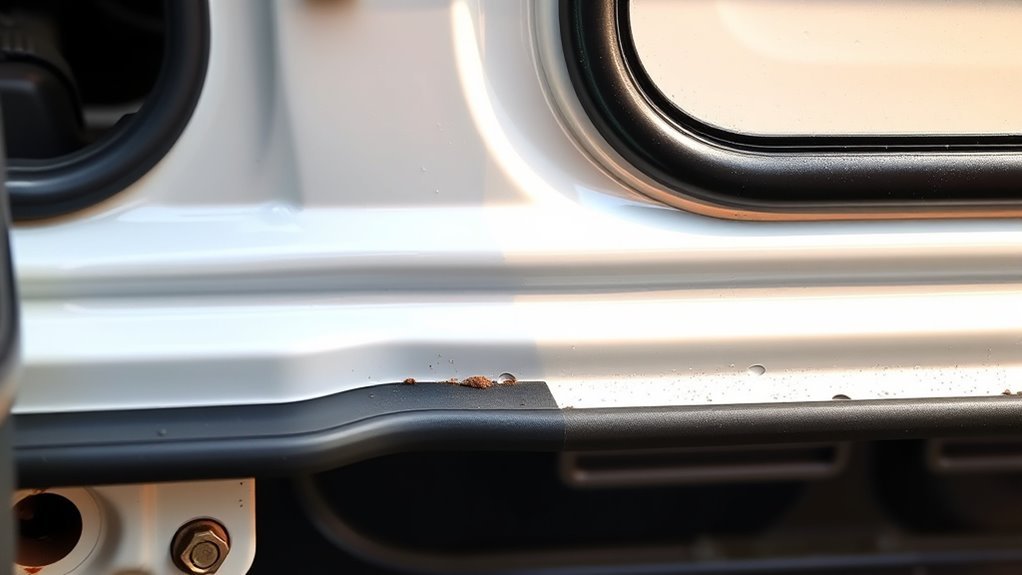
The 1996–2002 4Runner is Toyota’s third-generation model. Its painted door openings, lower door hems, rocker edges, pinch welds, seal-contact areas, and small drain openings can collect grit, salt, and moisture. Toyota’s 2001 4Runner owner’s manual identifies road salt, dirt, moisture, damaged paint, and clogged lower-door, rocker-panel, and frame drains as corrosion risks.
The door jamb is the painted body opening around the door. The lower door hem and its drain slots belong to the hollow door shell. The rocker panel is the body structure beneath the opening. Inspect all three, but do not assume that water, dirt, or rust in one area has the same cause as a problem in another.
Water can pass into the wet side of a vehicle door during rain or washing. The bottom drains are intended to let that water escape. Cars.com’s door-drain overview likewise explains that water can pass the window seals, enter the door, and exit through lower drain holes. Brief dripping from an open drain is different from sloshing, slow drainage, standing water, rust bleed marks, or swollen seams.
Evidence note: Toyota and product-manufacturer claims in this guide are identified and linked. The controlled drain-flow test is a diagnostic check, not a Toyota service procedure, and the moonroof-to-rocker routing discussed later is based on 3rd-gen owner reports rather than a universal Toyota specification.
Match the Symptom to the First Area to Check
| What You Notice | Check First | Initial Action | Urgency |
|---|---|---|---|
| Sloshing inside a door after rain | Lower door-shell drain slots | Clear visible debris and test drainage | Prompt |
| Orange streaks from the lower door edge | Door hem, drain edges, and chipped paint | Clean, dry, and inspect for exposed steel | Prompt |
| Grit under the body-side weather seal | Painted seal-contact line and pinch weld | Clean gently and inspect for rubbed paint | Routine |
| Damp carpet without door sloshing | Weather seal, vapor barrier, glass channel, body seam, or another leak path | Dry the carpet and perform controlled leak testing | Prompt |
| Bubbles, cracks, or soft metal near a hinge or striker | Structural attachment area | Stop cleaning or grinding and arrange professional inspection | Urgent |
Supplies and Safety Before You Start
Gather the cleaning supplies first. Add rust-repair products only after you confirm that exposed metal is actually corroded.
- Mild car-wash soap or a pH-neutral automotive cleaner
- Soft detailing brush and clean microfiber towels
- Flexible plastic line, nylon trimmer line, or a rounded zip tie for drain openings
- Plastic trim tool for accessible seal edges or clips
- Vacuum with a crevice tool
- Flashlight and inspection mirror
- Small blower or cool, low-pressure air for drying
- Rubber-safe weather-seal protectant
- Rust converter only for confirmed rusty metal
- Compatible automotive primer, touch-up paint, seam sealer, or cavity protection when the repair requires it
- Nitrile gloves and eye protection
Warning: Do not flood door switches, speakers, lock actuators, wiring, or connectors. Avoid gasoline, kerosene, strong solvents, heat guns, and aggressive power tools near paint and rubber. Do not loosen hinge or striker hardware during routine cleaning. If metal is soft, perforated, swollen at a seam, or cracked around a hinge or striker, stop and have the area inspected by a body shop.
What Should You Inspect Before Cleaning?
Open all four doors and inspect one opening at a time. Work from the upper jamb toward the rocker so falling dirt does not contaminate a cleaned area.
- Upper jamb and hinge pocket: Look for leaves, hardened dirt, paint chips, rust staining, cracked seam sealer, or movement around mounting areas.
- Weather seals: Press the rubber lightly and check for tears, shrinking, loose clips, hardened sections, and areas that remain permanently flattened.
- Seal-contact line: Inspect the painted path touched by the rubber. Embedded grit can abrade this line over time.
- Pinch welds and lower seams: Look for bubbling paint, rough edges, seam swelling, cracks, or orange staining.
- Lower door edge: Locate the drain slots and check for mud, wax, hardened coating, or rust scale.
- Rocker-panel edge: Inspect the painted sill, trim edges, accessory fasteners, and exposed chips below the door opening.
- Interior floor edge: Lift the mats and check for damp carpet, staining, mildew odor, or repeated water tracks.
Address active corrosion first, then diagnose leaks, and finish with cosmetic detailing. Cleaning alone will not solve a failed vapor barrier, damaged seal, open body seam, or blocked internal drain path.
How Do You Clean the Jambs and Clear the Drains?
Use this process after winter, salted-road use, trail driving, beach exposure, heavy mud, or visible buildup around the lower seals.
- Remove dry debris first. Vacuum loose leaves, sand, and grit from hinge pockets, lower jambs, seal channels, and rocker edges before adding water.
- Rinse loose residue gently. Use low-pressure water or a damp microfiber towel. Do not direct a strong stream into switches, speakers, wiring openings, or interior trim.
- Wash the painted surfaces. Mix mild car soap according to its label and clean the jamb, lower seams, and rocker edge with a soft brush or microfiber towel.
- Clean the seal-contact line. Wipe the painted area touched by the rubber seal until no grit remains on the towel.
- Clear visible drain obstructions. Insert a flexible plastic line or rounded zip tie only far enough to loosen dirt at the opening. Do not use a screwdriver, drill bit, or sharp metal pick.
- Wipe away released material. Remove mud, rust flakes, old wax, or softened coating from the lower edge instead of pushing it deeper into the cavity.
- Rinse or wipe again. Remove soap residue from seams and folds.
- Dry thoroughly. Use microfiber towels first, then a blower or cool, low-pressure air around folds and lower edges. Do not use high heat.
- Inspect under bright light. Look for paint chips, bare steel, bubbling, cracked seam sealer, or staining that remained after cleaning.
- Photograph suspect areas. A dated close-up gives you a reference for checking whether a stain, bubble, or seam is spreading.
Pro Tip: To test a door-shell drain, close the window and run a small stream of clean water over the outside glass near the belt weatherstrip. Watch the lower drain openings. Water should begin exiting without sloshing or pooling. Stop if water reaches interior trim or fails to drain. This is a controlled diagnostic check, not a Toyota factory service procedure.
Should You Remove the Weatherstripping?
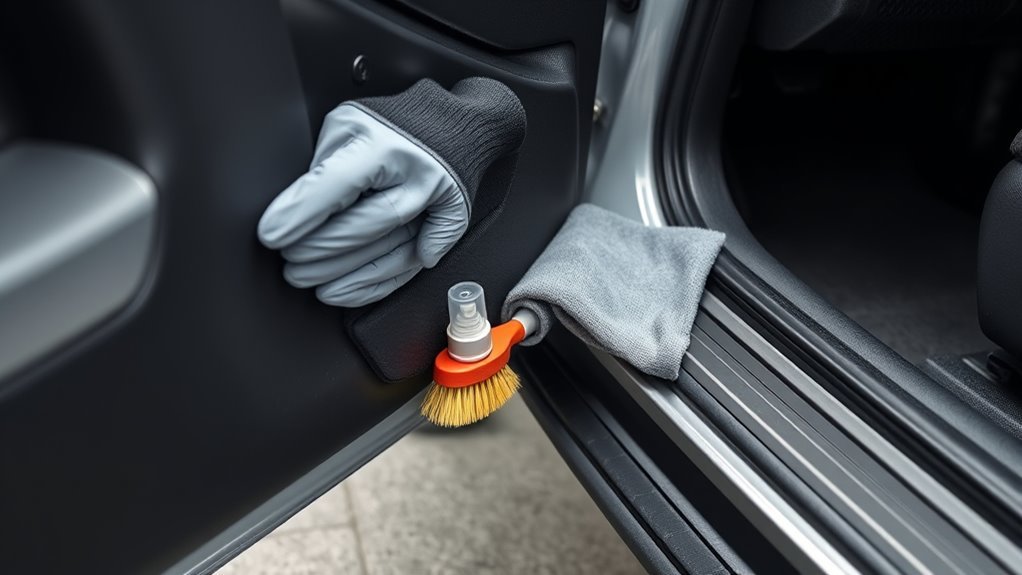
Weatherstripping keeps wind, dust, and exterior water away from the cabin, but it can also hide grit against painted metal. First identify how each section is attached. A seal may be push-on, clipped, retained in a channel, adhesive-backed, or installed with more than one method.
Remove only a section that clearly releases without force and can be reinstalled in the same position. Support accessible clips with a plastic trim tool and pull evenly. If the seal is glued, brittle, torn, shrunken, or difficult to re-seat, clean its exposed edges in place rather than creating a new leak.
Inspect each seal for these problems:
- Tears or missing sections: Replace the seal if the opening allows water, dust, or wind to pass.
- Permanent flattening: Rubber that does not spring back may no longer maintain even contact.
- Loose clips or channels: Re-seat the original attachment method before adding adhesive.
- Sticky residue: Use a cleaner specifically labeled safe for automotive rubber and nearby paint.
- Uneven witness marks: Interrupted dirt or water marks can point to poor contact, a displaced seal, or door-alignment trouble.
- Rust beneath an attachment point: Remove loose corrosion only after the area is dry and accessible. Do not glue a seal over active rust.
For routine care, apply a thin coat of a product labeled safe for automotive weather seals. 303 Automotive Protectant is listed by its manufacturer for rubber and weather seals. Its directions call for a clean, dry surface, even application, and thorough buffing. The manufacturer recommends reapplication every three to five weeks for continued protection; actual need depends on exposure and the product label.
Note: A corrosion product that is safe for metal is not automatically safe for every rubber compound. Fluid Film, for example, warns that it may swell some non-oil-resistant rubber. Keep rustproofing overspray off seals unless compatibility is confirmed.
How Should You Treat Surface Rust in a Door Jamb?
DIY treatment is appropriate only when corrosion is localized, the surrounding metal remains firm, and the damage is away from critical hinge or striker attachments. Bubbling seams, perforation, cracked metal, significant pitting, or a door that has shifted requires professional assessment.
For corrosion beyond the door opening, use the site’s 4Runner frame inspection guide to inspect rails, crossmembers, suspension mounts, and boxed structural areas.
[Products Worth Considering]

This complete car detailing kit provides a versatile solution for cleaning both interior and exterior surfaces, including vents, wheels, tires, dashboards, and tight crevices. With multiple brush types, drill attachments, a wheel brush, cleaning cloths, a spray bottle, and storage bag, it helps tackle everyday dust, grime, and hard-to-reach areas with ease. It is designed for car enthusiasts, daily drivers, and anyone looking for a more thorough auto cleaning routine.

This 6 pack wire brush set helps remove rust, corrosion, paint, spatter, and scale from metal surfaces with ease. It includes cup, wheel, and pen brushes with a quick-change hex shank for use on most drills and die grinders. Designed for smooth operation and hard-to-reach areas, it is a practical choice for garage, workshop, and restoration tasks.

This car door threshold protection set helps shield door sills and entry areas from scratches, scuffs, and everyday wear. Made from soft, flexible, and durable material, it features an anti-slip groove design that helps keep items from sliding while adding reliable protection for most sedan and SUV models. Installation is simple and does not require drilling or welding, making it an easy upgrade for cleaner, better-protected door entry points.
Rust Prep Steps
Start with a clean, dry jamb. Mask nearby rubber, trim, glass, wiring openings, latch parts, and sound paint. Wear gloves and eye protection.
- Confirm that the mark is rust. Remove surface dirt first. Orange contamination sitting on intact paint needs paint-safe decontamination, not rust converter.
- Remove loose corrosion. Use a small hand-held abrasive pad or wire brush with controlled pressure. Stop if the metal flexes, opens into a hole, or separates at a seam.
- Remove grease and residue. Use a cleaner compatible with the coating system you plan to apply.
- Dry the area completely. Moisture trapped under converter, primer, seam sealer, or paint can restart the problem.
- Follow the rust-treatment label. Permatex Rust Treatment is intended for corroded metal, not clean non-corroded surfaces. Its manufacturer instructs users to remove loose rust and contamination and allow 24 hours before topcoating.
- Use a compatible finish system. Apply the primer, sealer, and topcoat required by the converter and paint manufacturers. Do not mix products without checking compatibility.
- Rebuild failed seam protection last. Apply automotive seam sealer only after the corrosion repair and underlying coating have reached the required cure stage.
- Inspect the repair after curing. Confirm that the seam is sealed, the door closes normally, and no coating blocks a drain opening.
Is It Surface Rust or Advanced Corrosion?
| What You See | Likely Condition | Best Next Step |
|---|---|---|
| Orange specks on smooth, intact paint | Surface contamination may be present | Wash first, then use a paint-safe decontamination method if needed |
| Small paint chip with firm metal and light rust | Localized surface corrosion | Clean, treat, and refinish with a compatible coating system |
| Bubbling paint along a folded seam | Corrosion may be spreading beneath paint or seam sealer | Inspect the back of the seam where possible and consider body-shop repair |
| Heavy scale, deep pits, or separating seam edges | Advanced material loss | Arrange professional metal assessment |
| Soft metal, holes, cracking, or rust around a hinge or striker | Potential structural or attachment-point corrosion | Stop DIY work and have the vehicle inspected before continued use |
How Do You Protect the Repaired Seams?
Complete the paint repair before applying a soft corrosion inhibitor. Use only a light film on clean, dry metal, and keep the factory drain slots fully open. Avoid spraying latch faces, striker surfaces, brake components, interior trim, glass channels, or unknown rubber compounds.
Fluid Film describes its automotive product as a soft, non-drying corrosion barrier that migrates into hard-to-reach areas. Its compatibility guidance says it is not a rust remover and warns that some non-oil-resistant rubber may swell. For this procedure, keep the application targeted to metal, use a controlled amount, confirm compatibility near rubber, and wipe away overspray.
Thick undercoating is not the default choice for a narrow lower-door seam. A heavy coating can hide future corrosion or obstruct a small drain if applied carelessly. Where internal protection is needed, use a dedicated automotive cavity wax or a light creeping inhibitor intended for enclosed metal cavities.
Which Product Belongs on Each Surface?
Match the product to the material and repair stage. One chemical should not be used on painted metal, bare rust, rubber seals, and enclosed cavities.
| Surface or Condition | Appropriate Product Type | Purpose | Avoid |
|---|---|---|---|
| Intact painted jamb | Mild car soap and paint-safe protection | Remove contamination and protect sound paint | Rust converter, harsh solvent, or abrasive grinding |
| Automotive weather seal | Rubber-safe weather-seal protectant | Maintain a clean, non-sticky seal surface | Unknown oils, undercoating, excess adhesive, or incompatible solvents |
| Localized rusty bare steel | Compatible rust treatment, primer, and topcoat system | Stabilize corrosion and restore a durable barrier | Coating over dirt, moisture, loose scale, or perforation |
| Enclosed clean metal seam or cavity | Dedicated cavity wax or light creeping corrosion inhibitor | Protect inaccessible metal from moisture | Blocking drains or saturating rubber and trim |
| Cracked or missing factory seam sealer | Automotive seam sealer after corrosion and coating repairs | Restore the seam barrier | Sealing over active rust or uncured coatings |
[Products Worth Considering]

This door handle cover protector is designed to fit select Toyota models, helping guard exterior handles against scratches, dings, and daily wear. Made from durable ABS material, it offers a sleek glossy black look that blends with the vehicle’s original styling while maintaining smart key functionality. Installation is quick and simple, making it an easy upgrade for added protection and a cleaner appearance.

This wheel alignment tool makes it easy to check and adjust toe-in and toe-out at home for better handling, stability, and more even tire wear. Designed for one-person use, it includes tape-measure slots for simple setup and accurate measurements without extra help. Its stainless steel construction and broad vehicle compatibility make it a practical addition to any DIY garage.

This car scratch remover kit helps erase light scratches, swirls, water spots, oxidation, and other paint blemishes to improve your vehicle’s appearance. The included buffer pad and specially formulated compound work to restore gloss and shine while being easy enough for most users to apply at home. It is designed for use on a wide range of automotive paint finishes and colors.
How Often Should You Condition the Seals?
Inspect the seals whenever you clean the jambs. Reapply a rubber-care product according to its label rather than using one schedule for every climate and product. For 303 Automotive Protectant, the manufacturer recommends reapplication every three to five weeks for continued protection. Wipe off excess product so the seal does not collect fresh grit.
What Rustproofing Options Make Sense?
- Light creeping corrosion inhibitor: Useful on clean metal seams and protected cavities when applied sparingly.
- Dedicated cavity wax: Designed for enclosed automotive panels and repaired internal seams.
- Primer and topcoat system: Required where cleaning or rust removal exposed bare steel.
- Automotive seam sealer: Used after proper metal and coating repair when the original seam sealer has cracked or separated.
- Professional cavity-corrosion treatment: An option for owners who want controlled application inside multiple cavities without dismantling the vehicle themselves. Ask what chemistry is used and whether it is compatible with nearby rubber, paint, drains, and trim.
When Should You Inspect and Reapply Protection?
Base the schedule on contamination and coating condition rather than the calendar alone:
- During routine washes: Check the lower drain openings, seal-contact line, and visible paint chips.
- After salted-road exposure: Remove salt promptly. Toyota advises rinsing the undercarriage at least monthly when driving on salted winter roads. As a separate inspection step, check the lower door and rocker drain openings during the same cleaning.
- After winter: Wash the underside, lower doors, jambs, rockers, and wheel housings thoroughly.
- After mud, sand, or beach driving: Remove packed debris and confirm that the drains flow freely.
- Before freezing weather: Clean and dry the seals and apply a compatible rubber-care product if needed.
- After paint or body repair: Recheck seam sealer, coating coverage, door alignment, and internal cavity protection.
- When a soft coating thins or washes away: Clean the surface and reapply according to the product directions.
The goal is not to make the jamb greasy. Keep the metal clean, dry, painted, and lightly protected while every factory drain remains open.
Should You Repair or Replace the Weather Seal?
Cleaning and re-seating a flexible seal is often a reasonable DIY task. Torn seals, distorted attachment channels, persistent leaks, door-alignment problems, and rust beneath mounting points require a more careful diagnosis.
| Condition | DIY Repair? | Recommended Fix |
|---|---|---|
| Seal is dirty but remains flexible and correctly seated | Yes | Clean, dry, inspect, and apply a rubber-safe protectant if needed |
| One accessible clip or short section is loose | Often | Re-seat the original clip or channel without stretching the seal |
| A previously bonded section has lifted | Sometimes | Remove failed adhesive carefully and use compatible automotive weatherstrip adhesive |
| Seal is torn, shrunken, brittle, or permanently flattened | Sometimes | Replace it with the correct seal for the door and model year |
| Water leak remains after seal work | Diagnosis may require a professional | Check door alignment, glass channels, vapor barrier, body seams, and other water-entry paths |
| Rust is beneath the seal channel or near a hinge or striker | Not if corrosion is advanced | Arrange body-shop inspection and metal repair before installing a seal |
If a bonded weatherstrip section needs adhesive, use a product intended for automotive rubber-to-metal bonding rather than household glue. 3M Super Weatherstrip and Gasket Adhesive (08581) is designed for automotive rubber gaskets and weatherstripping. Follow the product directions, work in a ventilated area, keep it away from ignition sources, and prevent excess adhesive from entering drain paths or latch mechanisms.
[Products Worth Considering]
AIDEA microfiber car wash mitts deliver a gentle, scratch-free clean with plush, highly absorbent fibers that hold plenty of water and soap for efficient washing. The elastic cuff helps keep each mitt secure and comfortable on your hand, while the reusable, machine-washable design makes them a practical choice for cars, trucks, boats, motorcycles, and household surfaces.

Chemical Guys Signature Series Orange Degreaser is a heavy-duty citrus-based cleaner designed to break down grease, oil, grime, and dirt on engines, tires, undercarriages, tools, and shop equipment. Its concentrated formula can be diluted for lighter cleaning or used full strength for tough detailing jobs, making it a versatile choice for both home users and professional detailers. The fresh orange scent leaves surfaces clean and refreshed after rinsing.

These tricolor door sill protectors help guard your vehicle’s entry points from scratches, scuffs, and everyday wear while adding a bold color accent. Made from abrasion-resistant, waterproof PU leather, they are designed for easy peel-and-stick installation and a clean finish that helps protect the original paint.
How Do You Troubleshoot Common Door and Seal Problems?
| Problem | What It May Mean | What to Do |
|---|---|---|
| Water briefly drips from open lower drains after rain | The door may be draining normally | Confirm the openings are clear and listen for trapped water |
| Water sloshes inside the door or drains very slowly | One or more lower door drains may be obstructed | Clear visible debris with a flexible plastic line and repeat the controlled flow test |
| Door freezes to the body seal | The seal or contact line may be wet, dirty, or holding residue | Clean and dry both surfaces, then use a label-approved weather-seal product |
| Wind noise begins after seal cleaning | A seal may not be fully seated, or a clip may have moved | Inspect the entire attachment path and re-seat it without stretching |
| Rust returns beneath a fresh coating | Corrosion remained in the seam, moisture was trapped, or the coating system was incompatible | Remove the failed coating, inspect farther into the seam, and seek body repair if rust extends beyond firm surface metal |
| Carpet beside the door remains damp | The source may be a body seal, vapor barrier, glass channel, sunroof drain, windshield area, or another leak path | Dry the carpet fully and trace the leak with small, controlled water tests |
Why Can Rocker Rust Return After the Door Drains Are Clear?
Treat door-shell drains and rocker drainage as separate checks. If the lower door drains are open but the rocker still stays wet or rust returns, inspect the rocker exits and other water paths instead of repeatedly treating the door seam. In 3rd-gen owner reports, some moonroof-equipped trucks are described as routing front sunroof drainage into the rocker cavity before water exits below. Treat that as a diagnostic lead, not a universal Toyota specification: routing can vary by year, equipment, and prior repairs.
If rust keeps returning, confirm that rocker exits are open, look for trapped debris under accessible sill trim, check for wet carpet, and trace any sunroof or body-drain water with small controlled tests. Do not drill new holes or reroute factory drains unless you have a verified repair procedure for your exact vehicle.
Frequently Asked Questions
How often should I clean 3rd-gen 4Runner door jambs?
Inspect the lower drains and seal-contact areas during routine washes. Deep-clean them after salted-road use, winter, heavy mud, beach driving, or visible buildup. Toyota advises rinsing the undercarriage at least monthly when driving on salted winter roads and washing it thoroughly after winter; include the lower doors and rocker drains in the same inspection.
Is a small amount of water inside a car door normal?
Some water can pass into the wet side of a door during rain or washing. It should exit through the lower drain openings. Brief dripping can be normal, but sloshing, standing water, slow drainage, rust streaks, or swelling at the lower seam indicate a problem that needs inspection.
What tool should I use to clear a door drain hole?
Use a flexible plastic line, rounded zip tie, or similar non-metal tool to loosen debris at the opening. Avoid screwdrivers, drill bits, and sharp wire because they can scratch protective paint, enlarge the slot, or damage material inside the door.
Where are the 3rd-gen 4Runner door drain openings?
Toyota’s 2001 4Runner manual identifies drain holes along the lower edge of the doors. Inspect the existing factory openings at the bottom edge of each door shell, remove visible debris without scratching paint, and do not drill new holes as a substitute for diagnosis.
Should I remove all weatherstripping to clean behind it?
No. First identify whether the section is pushed on, clipped, retained in a channel, or bonded with adhesive. Remove only a flexible section that releases easily and can be reinstalled correctly. Clean brittle, torn, glued, or difficult-to-reseat seals in place.
Can I spray Fluid Film or cavity wax inside the door?
A light corrosion inhibitor or dedicated cavity wax can protect clean, dry internal metal, but it must not block drain openings. Keep overspray off latch faces, glass channels, interior trim, and weather seals. Fluid Film warns that some non-oil-resistant rubber may swell, so confirm material compatibility before spraying near rubber.
Can I spray undercoating over rusty door jamb seams?
Do not cover dirty, wet, loose, or active rust with heavy undercoating. Clean and dry the area, determine how far the corrosion extends, repair the metal and paint system, and keep every drain open. A thick coating can hide progression or trap moisture when used as a shortcut.
When is door-jamb rust too serious for DIY?
Stop DIY work when metal is soft, perforated, deeply scaled, cracked, or separating at a seam. Professional inspection is also needed when corrosion reaches a hinge, striker, rocker structure, or other attachment point, or when the door sags, shifts, or no longer latches correctly.
Why can rocker rust return even when the door drains are clear?
Treat door drains and rocker drainage as separate checks. If door drains are open but rocker rust returns, inspect the rocker exits and other water paths. Some 3rd-gen owner reports describe moonroof drain water entering rocker cavities, but routing can vary by year and prior repairs. Use that as a diagnostic lead, not a universal specification, and avoid drilling or rerouting drains without a verified repair procedure.
Why is the carpet wet even when the door drains are open?
Open door drains do not rule out another leak. Water can enter through a damaged weather seal, glass channel, door vapor barrier, body seam, sunroof drainage path, windshield area, or another opening. Dry the carpet fully, then test one exterior area at a time with a small amount of water.
Conclusion
Start by inspecting the painted jamb, lower door shell, and rocker as separate areas. Remove dirt and salt, clear the existing lower-door and rocker drain openings as separate checks with a non-metal tool, test the flow, and dry every seam before applying a repair product. Use rubber care only on compatible weather seals, rust converter only on confirmed rusty metal, and cavity protection only after the metal and paint repairs are complete.
If you find bubbling seams, holes, soft metal, spreading corrosion, or damage around a hinge or striker, stop treating it as a detailing job. Photograph the area and arrange a body-shop assessment before the corrosion affects door alignment or structural attachment points.
Sources
- 2001 Toyota 4Runner Owner’s Manual — Toyota corrosion causes, salted-road washing guidance, paint-damage guidance, floor-mat inspection, and lower-door, rocker-panel, and frame drain information.
- Toyota USA Newsroom: 1996–2002 Toyota 4Runner Third Generation — confirmation of the third-generation model-year range.
- Cars.com: Why Do I Need to Check the Drain Holes in My Doors? — explanation of normal door water entry, lower drainage, blockage symptoms, and rust risk.
- Gold Eagle 303 Automotive Protectant — approved surfaces, weather-seal use, clean-and-dry application, buffing, and reapplication directions.
- Permatex Rust Treatment — preparation, corroded-surface restriction, application conditions, drying, and topcoat information.
- Fluid Film Automotive Applications and Fluid Film FAQ — corrosion-protection characteristics, non-drying film, paint and plastic guidance, and rubber-compatibility warning.
- 3M Super Weatherstrip and Gasket Adhesive (08581) — automotive rubber-to-metal weatherstrip bonding and flexible waterproof-seal information.
- Toyota 4Runner Forum: 3rd Gen Common Rust Spots — owner-reported rocker and moonroof-drain observations used only as a diagnostic lead, not as Toyota factory documentation.