You’ll protect your 4Runner by following a concise long‑term storage plan: fill the tank with ethanol‑free gas plus stabilizer, change the oil and filter, top off coolant and other fluids, and rotate the engine briefly to circulate fresh oil. Disconnect the negative battery or use a trickle charger, inflate tires to spec and release the parking brake, and take rodent‑proofing and ventilation steps. Do weekly checks and follow a recommissioning checklist when you return for best results and more detailed guidance.
Quick 5‑Step Prep for Long‑Term 4Runner Storage

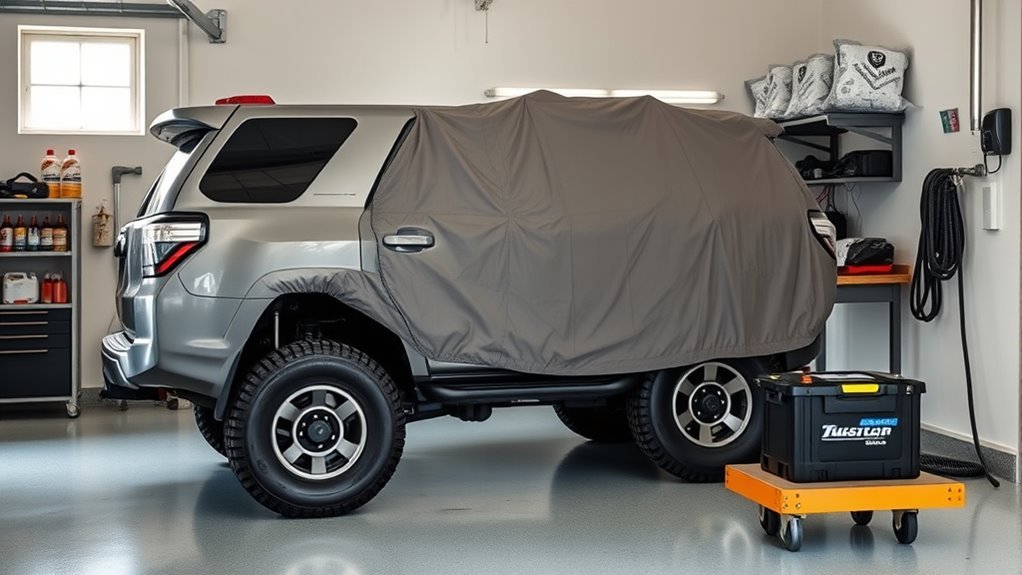
Start with five focused tasks to reduce problems when you bring your 4Runner back into service: fill the tank with ethanol‑free gas and a stabilizer, change the oil and filter, disconnect the negative battery terminal or hook up a trickle charger, inflate the tires and release the parking brake, and cover the vehicle while checking fluids and pest protection periodically. Use this storage checklist as your compact plan: top off the tank with stabilized fuel to prevent varnish, swap oil and filter so contaminants don’t sit, and secure the battery to preserve charge. Inflate tires to recommended pressure and disengage the parking brake to avoid flat spots and rusted components. Cover the vehicle with a breathable tarp and inspect seals, coolant and brake fluid levels on a schedule. Treat these maintenance reminders like actions toward freedom—each step keeps you ready to go at a moment’s notice, removes constraints, and makes returning to the road effortless and decisive.
Engine & Fluids: Oil, Coolant, and Fill‑Up Steps
Before you put your 4Runner away for an extended period, change the engine oil and filter, top off coolant, and stabilize the fuel so the systems stay protected and corrosion is minimized. Do an oil change and coolant check now; fresh oil removes contaminants, and topped coolant prevents internal corrosion. Verify all fluid levels—brake, transmission, power steering—against your maintenance checklist. Fill the tank and add stabilizer (see next subtopic for details); ethanol-free gas when available reduces moisture risks. Before final storage, rotate the engine with the starter without fully starting it to circulate oil and seat seals. These storage tips keep metal surfaces lubricated and avoid dry starts later. Follow the table below to confirm basics quickly.
| Task | Action |
|---|---|
| Oil change | Replace oil and filter |
| Coolant check | Top off, inspect hoses |
| Fluid levels | Check brake/transmission |
| Engine rotation | Crank to circulate oil |
Fuel System Care: Stabilizer, Ethanol Risks, and Tank Tips
When you’re storing your 4Runner for months at a time, treat the fuel system as a priority: use a high-quality fuel stabilizer to prevent gasoline degradation, especially with ethanol-blended fuels that absorb moisture and risk phase separation. Fill the tank completely to reduce air space and condensation; that simple step is your first line of moisture control. If you can, use ethanol-free fuel before storage to minimize corrosion and alcohol-related issues—ethanol is harsher on older fuel systems and carbureted components. Add fuel additives formulated for long-term storage per label instructions, then run the engine briefly so treated fuel reaches the entire system. Before returning the 4Runner to service, drain or replace any fuel that’s sat too long; stale gas can foul injectors, cause hard starting, and damage the engine. Inspect the cap and tank for leaks or rust. These actions keep your fuel system ready, protect performance, and free you to get back on the road without surprise failures.
[Products Worth Considering]

This battery terminal cleaning and repair kit helps restore worn or damaged top-post battery connections for cars, RVs, boats, and other vehicles. It includes lead shims for improving fit, stainless steel brushes for removing corrosion and debris, and fiber washers to help reduce future buildup and maintain a reliable electrical connection.

These oil-based battery terminal protectors help stop corrosion by sealing out acid fumes that can damage battery connections. The saturated felt washers are designed to last without drying out, helping maintain cleaner terminals and better electrical contact for stronger starting performance. Their universal design works with both top-post and side-post batteries, making them a practical choice for routine battery maintenance.
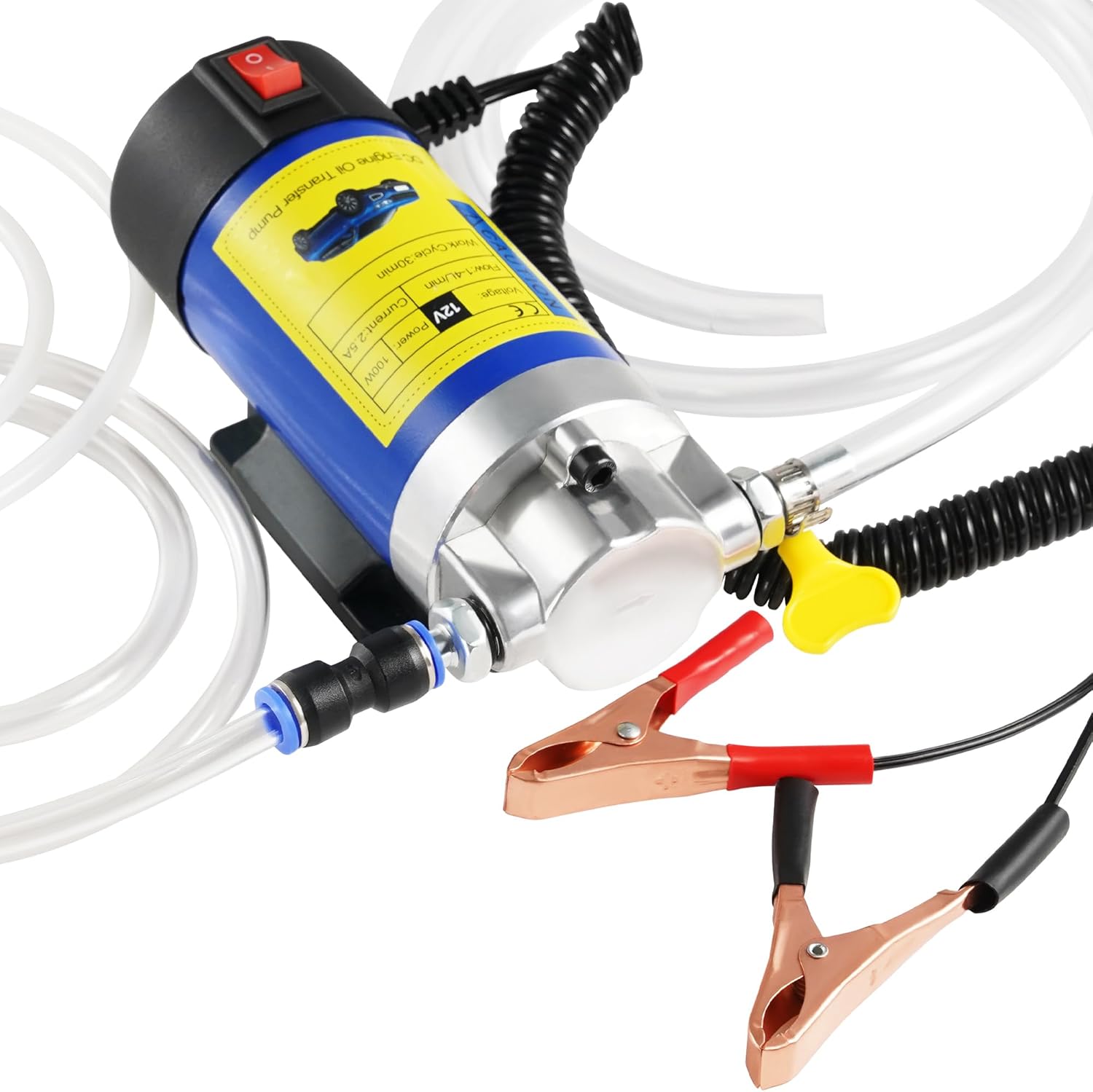
This electric oil extractor pump makes DIY oil changes cleaner and easier by removing old fluid through the dipstick tube, eliminating the need to crawl under the vehicle or deal with messy drain plugs. It is designed for synthetic oil changes and fluid maintenance across cars, motorcycles, lawn mowers, boats, and Jet Skis, while its pure copper motor delivers stable suction and dependable performance. Built for efficient topside oil changes, it supports multiple fluid types and offers continuous operation for longer service tasks.
Battery Care: Disconnect, Trickle‑Charge, or Replace
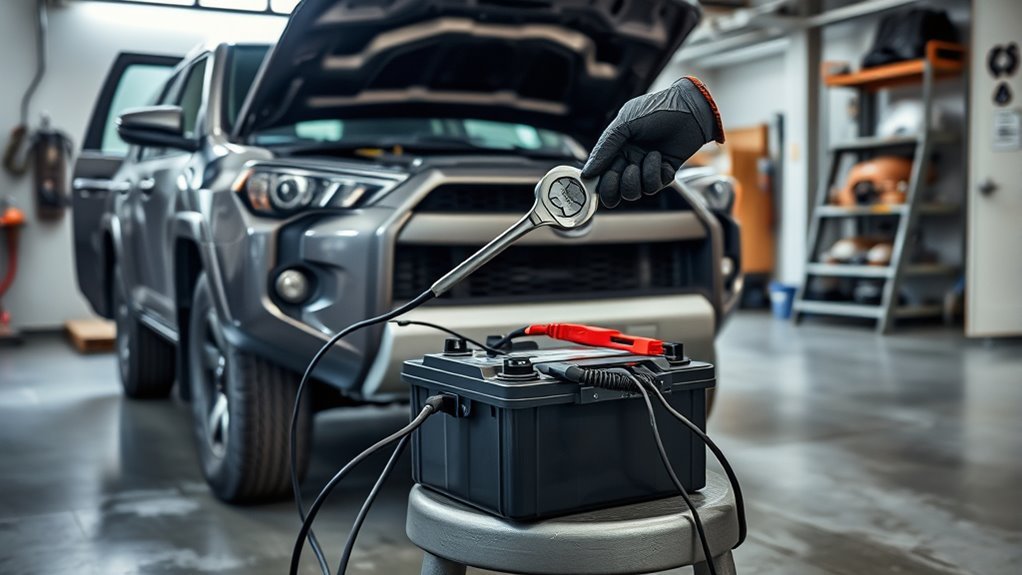
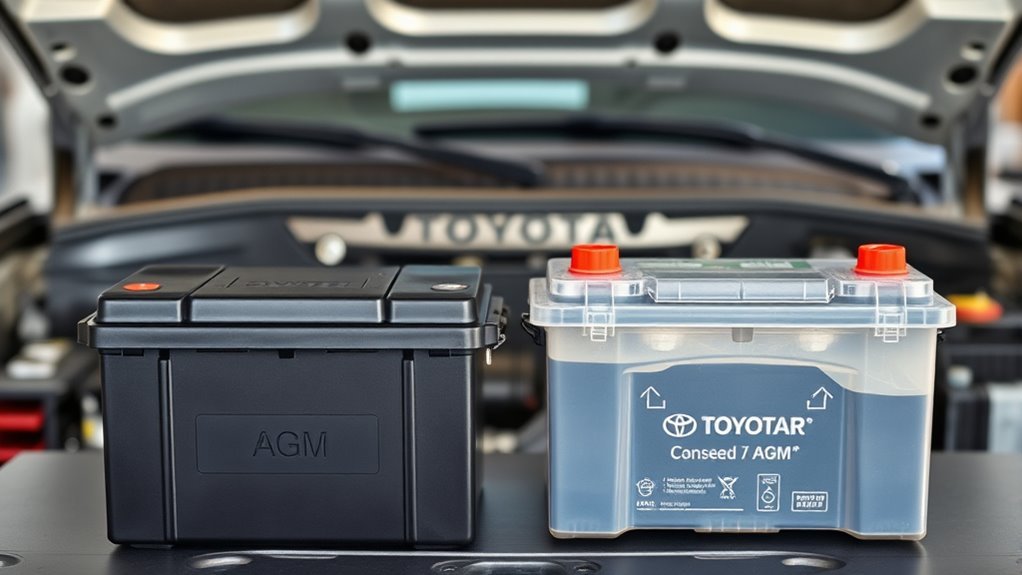
Before long-term storage, disconnect the negative battery terminal to prevent parasitic drain and protect electronics. If you leave the battery connected, hook up a quality trickle charger or smart maintainer to keep the charge steady. Check the battery every few months and replace it if it won’t hold a full charge.
[Products Worth Considering]

Castrol EDGE 0W-20 advanced full synthetic motor oil is engineered for drivers seeking strong wear protection, excellent viscosity control, and thermal stability. It delivers superior performance in critical engine areas, including fuel economy, high-temperature protection, sludge control, and wear defense. Designed for extended oil-change intervals, it helps keep modern engines running smoothly under demanding conditions.

The NOCO GENIUS2 is a compact, all-in-one smart charger that automatically charges, maintains, and restores 6V and 12V lead-acid and lithium batteries. It features temperature compensation, overcharge protection, pulse desulfation, and Force Mode for reviving deeply discharged batteries, making it ideal for long-term battery care across many vehicle types. Designed for safe indefinite connection, it helps extend battery life and keep batteries ready to go.

This battery terminal care kit helps clean corroded connections and protect them from future buildup, making routine maintenance simpler for cars, marine batteries, and RVs. It includes two dual-ended terminal cleaners plus color-coded anti-corrosion fiber washers for positive and negative terminals. The kit is compatible with top post and side terminal batteries and is designed for quick, practical cleaning and protection.
Disconnect Battery Terminal
One simple step you can take to protect your 4Runner’s battery during long-term storage is to disconnect the negative terminal, which stops parasitic drains and preserves charge and battery life. You’ll improve battery safety by removing the ground clamp and insulating it so it can’t touch the post accidentally. Use basic connection tips: loosen the nut, lift the cable, and secure it away from metal. If you store the truck 4–5 months, you often won’t need a charger, but check charge before reusing to avoid starting issues. Clean corrosion from posts and apply a light dielectric grease for reliable reconnection later. This approach frees you from needless battery failure while keeping maintenance simple and effective.
Use Trickle Charger
If you’ve disconnected the negative terminal to stop parasitic draw, consider using a trickle charger to keep the battery topped up during longer storage periods. You’re choosing freedom from roadside surprises: trickle charger benefits include maintaining voltage, preventing sulfation, and extending battery life by delivering a low, steady charge ideal for rarely used vehicles. For four to five months’ storage it’s optional, since self-discharge is minimal, but if you want certainty plug it in. Check voltage periodically and follow battery maintenance tips: secure connections, correct charger setting, and inspect for corrosion. If voltage falls or capacity drops despite charging, plan a replacement before you drive. This approach keeps your 4Runner ready, reliable, and under your control.
Tires, Brakes & Suspension for Long‑Term Storage
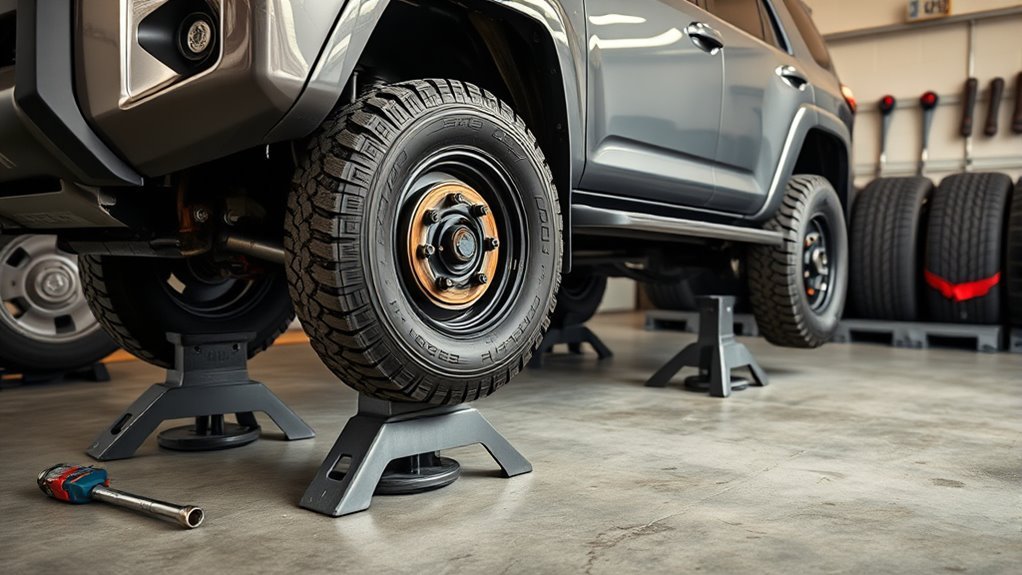
Inflate the tires to the manufacturer’s recommended pressure and rotate them before storage to minimize flat spots and uneven aging. Cover the tires or park on plywood/jack stands if you’ll store the 4Runner for months, and inspect suspension bushings and seals for any preexisting wear. Check brake pads and rotors for rust, apply a light anti-corrosion spray if needed, and move the vehicle slightly every few weeks to keep components from seizing.
[Products Worth Considering]

The ETENWOLF T300 digital tire pressure gauge delivers precise readings for cars, RVs, trucks, bikes, and heavy-duty vehicles with a wide measuring range and consistent accuracy. It is built to perform in extreme temperatures, includes a bright LED light for low-visibility use, and uses replaceable AAA batteries for convenient long-term operation. Durable enough to withstand rugged use, it is a practical tool for maintaining proper tire pressure across a variety of vehicles.

The Masoll M13 Tire Pressure Monitoring System helps monitor tire pressure for sedans, SUVs, pickup trucks, RVs, and travel trailers with four tires. It features automatic reference pressure calibration, alerting you when pressure changes fall outside the set range, while solar charging and auto wake-up support convenient everyday use. With precise pressure detection, an easy-to-read color LCD, and adaptive backlighting, it is designed to improve driving safety and help protect tire life.

This battery terminal maintenance kit helps remove corrosion fast and adds ongoing protection for cleaner, more reliable electrical connections. The dual-ended brushes restore terminal contact surfaces while the color-coded anti-corrosion washers help prevent future buildup on cars, trucks, RVs, boats, and other 6V or 12V batteries.
Tire Pressure & Rotation
While you store your 4Runner, keep the tires inflated to the manufacturer’s recommended pressure (typically 30–35 psi) to prevent flat spots and guarantee even weight distribution; check pressure monthly and before any move. You’ll adopt disciplined tire maintenance and pressure monitoring to protect your freedom to hit the road when ready. Rotate tires every 5,000–7,500 miles before storage periods to equalize tread wear; if you can’t drive those miles, rotate when you prep for storage and again when you reactivate the vehicle. Use tire cradles or platforms to lift weight off the rubber and minimize flat-spot risk during long idle spells. Inspect suspension components for wear or seizing; address issues before storage so your 4Runner’s mobility remains uncompromised.
Brake Care & Protection
Because brakes and rotors can seize or corrode when a 4Runner sits idle, you should take specific steps to keep the system healthy during long-term storage. Inflate tires to recommended pressure and place wheel chocks; then release the parking brake so pads don’t weld to rotors. Inspect brake fluid regularly—moisture accumulation in the fluid promotes internal corrosion, so top or replace fluid per service intervals. Use brake covers or a full vehicle cover to shield components from dust and water; that simple layer of component protection preserves surfaces and seals. If you’ll store the vehicle over six months, drive it periodically to engage the brakes, exercise seals, and clear light surface rust. These actions keep your freedom to go where you want.
Rodent Prevention, Interior Ventilation, and Climate Tips
If you’re storing your 4Runner for an extended period, take proactive steps to keep rodents out and control interior moisture: check for nesting signs around and under the vehicle, set traps strategically, and apply rodent repellent to vulnerable wiring harnesses. Inspect the engine bay and cabin seams before sealing the storage area.
Promote interior ventilation by cracking windows slightly to maintain airflow; that circulation reduces condensation and deters mold. Place DampRid or similar moisture absorbers inside to aid moisture control and prevent mildew and odors. Use a breathable car cover so dust and pests stay out while trapped humidity escapes.
Keep fluids topped off and secure to avoid leaks that attract pests and create damp pockets—maintain oil and coolant levels per manufacturer specs. Combine these steps with periodic visual inspections (without diving into weekly check procedures) so your 4Runner rests sealed, dry, and ready for liberation when you return.
Weekly/Monthly Checks and Recommissioning Steps
Though the 4Runner sits idle, keep a simple routine of weekly and monthly checks to prevent minor issues from becoming major ones: perform weekly fluid maintenance by checking oil, coolant, and brake fluid levels and topping as needed, and monitor the battery charge. Set an inspection frequency: weekly for fluids and battery, monthly for tire pressure and visual checks for rodent activity or damage around and inside the vehicle. For longer storage, connect a trickle charger to preserve the battery. When it’s time to recommission, change the engine oil and filter first to remove stale oil and contaminants. Before starting, spin the engine with the starter without spark to circulate fresh oil through bearings and valvetrain, then inspect for leaks. Recharge or replace the battery if voltage is low. Follow this concise regimen to keep the 4Runner ready and minimize surprises when you reclaim the road and your freedom.
Frequently Asked Questions
What Is the Average Lifespan for a Toyota 4runner?
You can expect about 200,000 to 300,000 miles from a Toyota 4Runner if you prioritize 4Runner durability and strong maintenance habits; stay proactive with service, and you’ll keep freedom on the road for decades.
How to Properly Store a Vehicle Long Term?
Like tucking a ship into harbor, you’ll stabilize fuel, change oil and filter, and disconnect the negative terminal for battery maintenance, using a trickle charger. Inflate tires, cover the car, check brakes and coolant regularly.
Conclusion
So you’ve tucked your 4Runner into a long nap like a paranoid prepper with a toolbox—well done. Don’t expect it to wake without fuss: fuel gums up like ancient cake, batteries sulk, tires invent flat spots, and mice audition for upholstery remodeling. Follow the checklist, do the little maintenance rituals, and your truck’ll yawn, start, and roll like nothing happened. Ignore it, and you’ll be inventing creative curse words at breakdown lane.