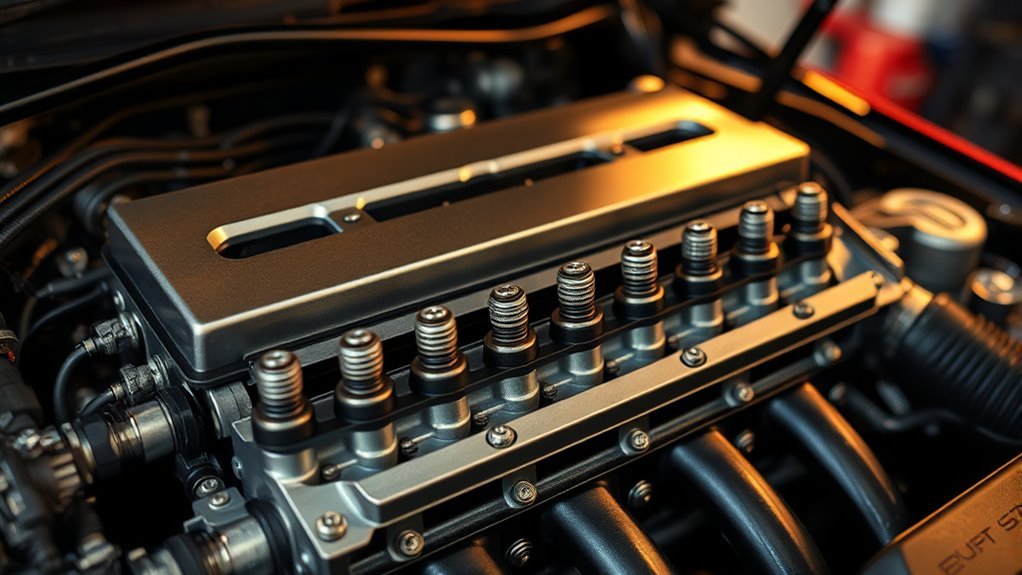
A Supra fuel smell in the cabin usually comes from a leak in the fuel or vapour (EVAP) system, a gas cap or filler-neck seal that is not sealing, or spilled fuel after filling up. If the smell is strong or comes with visible wetness or drips, stop driving, ventilate the car, and have it inspected, because liquid fuel near a hot engine or exhaust is a fire risk. A faint smell only after refuelling is often spillage or the cap.
The checks below apply to every generation. Older Mk3 and Mk4 (A80, 1993–2002) cars are more prone to aged rubber hoses and injector O-rings, while the GR Supra (2020 on) is newer and may still be covered by warranty, so start with the dealer.
First: Safety Steps if You Smell Gas
- Pull over safely, switch off the engine, and get out if the smell is strong.
- Do not smoke or use anything that sparks near the car.
- Open the doors and windows to clear the vapour.
- Look under the car for drips or a puddle; if you see liquid fuel, do not restart it. Have it towed.
- If there is no visible leak and the smell fades, drive gently to a shop with the windows open.
Common Causes of a Supra Fuel Smell in the Cabin
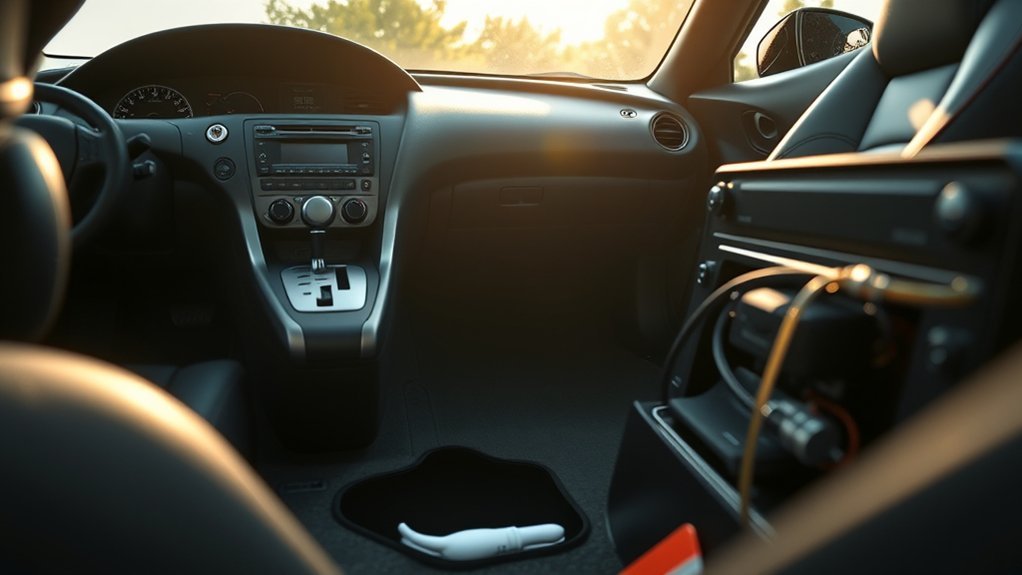
| Cause | Clues | More likely on |
|---|---|---|
| Spilled fuel / shoes | Smell right after fuelling that fades | Any |
| Gas cap or filler seal | Smell near the rear; possible EVAP code | Any |
| Cracked fuel or vapour hose | Smell stronger when warm; wet hoses | Older Mk3/Mk4 rubber lines |
| Injector O-rings / fuel rail leak | Smell from engine bay, enters through vents | Older cars; modified fuel systems |
| Fuel pressure regulator diaphragm | Fuel in the vacuum hose; rich running, black smoke | Mk4 and older |
| EVAP canister / purge valve / hoses | Check-engine light with EVAP code; smell at idle | Any |
| Fuel pump access seal / sender gasket | Smell inside under the rear area, especially with a full tank | Any, especially after pump work |
| Aftermarket fuel parts | Smell began after a fuel upgrade | Tuned cars |
If the smell comes with black smoke from the tailpipe, the engine may be running rich. See our guide to Supra exhaust smoke colours.
How a Faulty EVAP System Causes Fuel Smells
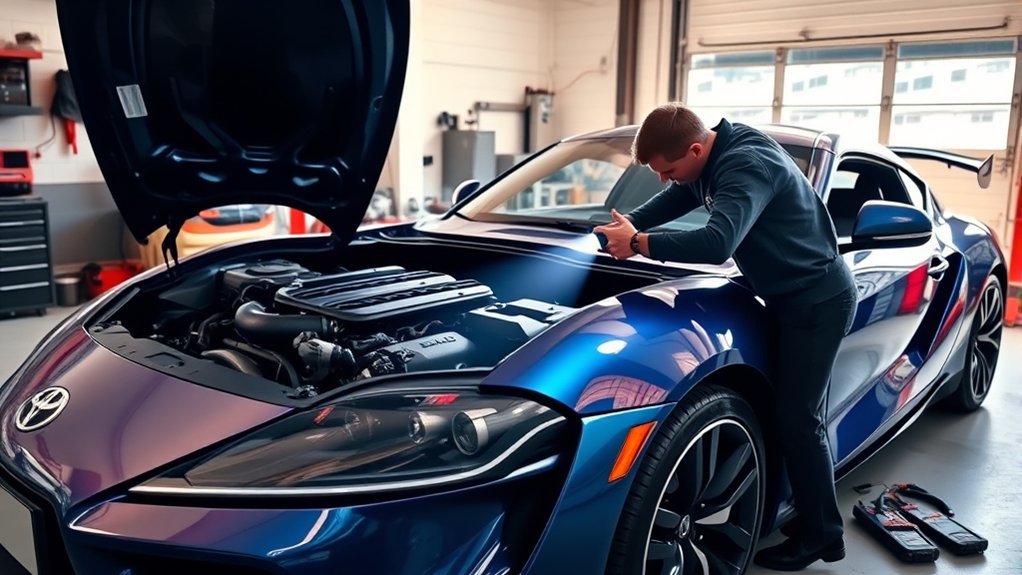
The EVAP system stores fuel vapour from the tank in a charcoal canister and later draws it into the engine to burn. A crack in the canister, a split hose, or a purge or vent valve stuck open lets vapour escape.
Most EVAP faults set a check-engine light. A shop can smoke-test the EVAP system to find small leaks that are hard to see.
How to Find the Source: Step by Step
- Note when it smells. After fuelling, when cold, when hot, at idle, or while driving.
- Check the cap. Make sure it seals and the rubber is not cracked.
- Look underneath (car cool, on stands) along the fuel lines, tank, filler neck and canister for wetness or stains.
- Inspect the engine bay around the fuel rail, injectors and regulator for wetness or fuel smell.
- Scan for codes. EVAP or fuel-trim codes narrow it down.
- Check for recalls. Enter your VIN on NHTSA’s recall lookup or Toyota’s owner site to see if an open recall applies.
Tools: flashlight, jack and stands, OBD-II scanner, gloves and eye protection. Do not use a smoke machine on the pressurised fuel lines; EVAP smoke testing is a shop job.
When to See a Professional
- You see liquid fuel dripping or a wet spot under the car.
- The smell is strong inside the cabin while driving.
- A check-engine light comes on with the smell.
- The engine runs rough, loses power, or smokes. Fuel delivery problems can also cause hesitation, as covered in our loss of power on acceleration guide.
- The leak is at the fuel rail, tank or pump, which need special care and parts.
How to Prevent Future Fuel Smells
- Click the cap until it seats, and replace a cracked cap seal.
- On older Supras, replace aged rubber fuel and vapour hoses with the correct fuel-rated hose.
- Have aftermarket fuel parts installed with proper fittings and leak-checked.
- Replace the cabin air filter at the scheduled interval.
Frequently Asked Questions
Is it safe to drive a Supra that smells of fuel inside?
Not if the smell is strong or keeps coming back. Raw fuel is a fire risk and the vapours are harmful to breathe. Park outdoors, ventilate the car, and get it inspected before driving it any distance.
Why does my Supra smell like gas after filling up?
The most likely causes are fuel spilled on the body or your shoes, a gas cap or filler cap seal that is not closing properly, or a leak at the filler neck. If the smell fades within a few minutes it is usually spillage; if it lingers, inspect the filler area.
Can a bad EVAP system cause a fuel smell?
Yes. A cracked charcoal canister, split vapour hose, or faulty purge valve can let fuel vapour escape. These faults often set a check-engine light with an EVAP code.
Why does my older Mk4 Supra smell of fuel?
On cars from the 1990s, ageing rubber fuel and vapour hoses, injector O-rings and fuel pressure regulator diaphragms are common sources. Modified cars with aftermarket fuel lines or fittings should have those checked first.
How do I get rid of a fuel smell once the leak is fixed?
Air the car out, clean any spilled fuel from carpets or mats with a suitable cleaner, and replace the cabin air filter if fumes were drawn through the vents.
Bottom Line
A fuel smell inside a Supra is a safety issue first. Rule out spillage and the gas cap, look for leaks at the lines, rail and EVAP parts, and stop driving if you see liquid fuel.