

The Toyota Supra break-in period runs for the first 1,200 miles (2,000 km), during which Toyota asks new owners to keep engine speed under 4,500 RPM and road speed under 100 mph while the engine, transmission, axle drive, tires, and brakes seat properly. A new GR Supra may feel ready to run hard from day one, but respecting this window protects performance, safety, and long-term reliability.
Last updated: August 20, 2026.
Quick Answer
For a new Toyota GR Supra, keep the engine below 4,500 RPM and under 100 mph for the first 1,200 miles. Avoid full throttle, kickdown, and Launch Control. Drive gently for the first 200 miles while the tires scrub in, and use moderate braking for about 300 miles.
Key Takeaways
- The main Supra break-in period is 1,200 miles / 2,000 km for the engine, transmission, and axle drive.
- Stay below 4,500 RPM and 100 mph / 160 km/h until the break-in period is complete.
- Avoid full throttle, kickdown, racing starts, track use, and Launch Control during break-in.
- New tires need about 200 miles / 300 km to reach full traction, and brakes need about 300 miles / 500 km to reach full effectiveness.
- A 1,200-mile oil change is optional owner preference, not Toyota’s normal required interval; follow the maintenance reminder, warranty guide, and your dealer’s advice.
At a Glance
| Time Required | First 1,200 miles / 2,000 km |
| Difficulty | Easy |
| Tools Needed | Owner’s manual, tire pressure gauge, and a few minutes for routine checks |
| Cost | $0, unless you choose an optional early oil and filter change |
Understanding the Importance of Your Break-In Period

The Supra’s break-in period is not about babying the car forever. It is about giving new moving parts time to settle into their normal contact patterns. Toyota’s owner guidance explains that moving parts need to begin working together smoothly, and the break-in instructions are meant to support long vehicle life and good efficiency.
The most important number for new owners is 1,200 miles / 2,000 km. Until then, treat the engine, transmission, and axle drive as new components. You can still enjoy the car, but avoid the kind of high-load driving that creates extra heat and stress before everything has had time to seat.
Warning: Do not use Launch Control during the break-in period. Toyota specifically warns against using Launch Control while the vehicle is still breaking in.
Toyota Supra Break-In Cheat Sheet
Use this quick table as your owner-friendly break-in checklist. For the most accurate instructions for your model year and market, confirm the details in your Toyota GR Supra owner’s manual.
| Component | Break-In Distance | What To Do | What To Avoid |
|---|---|---|---|
| Engine, transmission, axle drive | 1,200 miles / 2,000 km | Keep RPM below 4,500, stay under 100 mph, vary engine load gently | Full throttle, kickdown, Launch Control, track use |
| Tires | 200 miles / 300 km | Drive conservatively while the tire surface scuffs in | Hard cornering, high-speed runs, sudden maneuvers |
| Brake discs and pads | 300 miles / 500 km | Brake smoothly and moderately | Repeated hard stops unless needed for safety |
Crucial Engine Break-In Guidelines for Your Supra
For the first 1,200 miles / 2,000 km, keep the Supra below 4,500 RPM and below 100 mph / 160 km/h. Avoid full throttle and kickdown under all circumstances during this period. After 1,200 miles, you can gradually increase engine speed and vehicle speed instead of jumping straight into repeated redline pulls.
Varying your drive is helpful. That does not mean you need constant aggressive acceleration. It means avoiding long periods at one speed, one RPM, and one load. On a highway trip, change speed slightly when safe, use different gears when appropriate, and take breaks instead of holding one steady cruise for hours.
Pro Tip: Sport mode is not automatically bad during break-in, but your right foot still matters. Keep the car within Toyota’s RPM, speed, and throttle limits no matter which drive mode you use.
Recommended Driving Techniques for New Owners
The easiest way to break in a Supra correctly is to drive with smooth inputs. Use light to moderate throttle, let the powertrain warm up before asking for more, and avoid lugging the engine in a high gear at very low RPM. Smooth driving during the first 1,200 miles helps the car settle without creating unnecessary heat or load.
If your Supra has the 6-speed manual transmission, the clutch also benefits from a gentler first stretch of driving: ease off the pedal smoothly rather than dumping it, and avoid aggressive standing starts while everything is new. [VERIFY: confirm whether Toyota specifies a separate clutch break-in mileage for manual GR Supra models in your model-year manual.]
[Products Worth Considering]

This NewYall pack of two oil filters is designed for a wide range of Toyota, Lexus, and Scion vehicles from the 2005 to 2014 model years. Each filter includes a gasket seal O-ring element for a proper fit and reliable oil filtration, helping support clean engine oil flow and routine maintenance. It is a practical replacement choice for many popular sedans, SUVs, and hybrids.

This flexible oil funnel is designed to make fluid changes cleaner and easier by guiding oil around obstacles like skid plates and crossmembers. Its shape-retaining core and silicone body can be molded for custom positioning, while the heat-resistant, leak-proof design helps prevent spills during draining and filter removal. Reusable and easy to clean, it works well for cars, trucks, motorcycles, and other hard-to-reach fluid fill or drain applications.

Bosch QuietCast premium ceramic rear brake pads are engineered for quiet, reliable stopping power with low dust performance. Featuring pre-attached multilayer shims, corrosion-resistant backing plates, and OE-style slots and chamfers, this set is designed for smooth fitment and long-lasting durability. It includes pads for one axle, plus hardware and lubricant where available, making installation easier for compatible Lexus, Pontiac, and Toyota vehicles.
First 200 Miles
Be extra gentle because the tires are still new. New tires do not deliver their full traction right away, so avoid aggressive cornering, sudden lane changes, and high-speed driving. Keep your steering, throttle, and brake inputs calm and progressive.
Miles 200 to 300
By this point, the tires are beginning to feel more normal, but the brakes are still bedding in. Continue using moderate braking when possible. Emergency braking is always allowed when safety requires it, but repeated hard stops for fun should wait.
Miles 300 to 1,200
The brake bedding window is mostly complete, but the engine, transmission, and axle drive are still in their main break-in period. Keep following the 4,500 RPM and 100 mph limits. Avoid full-throttle pulls, kickdown, Launch Control, racing, dyno pulls, and track days.
After 1,200 Miles
Once you pass 1,200 miles, do not treat the next mile like a drag-strip green light. Gradually increase engine speed and load over the next few drives. This gives you a smoother transition from break-in driving to normal spirited driving.
Brake Break-In: Essential Tips for New Owners

The Supra’s brake discs and brake pads need about 300 miles / 500 km to reach full effectiveness. During this time, drive moderately and avoid repeated hard stops unless traffic or safety requires them. This helps the pads and rotors develop an even contact pattern.
Brake Pad Material Considerations
Factory brake pads are designed for street use, but every new pad and rotor surface still needs a bedding period. Smooth, moderate stops are the goal. If you later install aftermarket pads, follow the bedding procedure from that pad manufacturer because track-focused compounds may require a different process.
| Brake Symptom During Break-In | What It May Mean | What To Do |
|---|---|---|
| Light smell after normal stops | Normal heat from new friction surfaces | Drive moderately and let the brakes cool |
| Vibration or pulsing | Possible uneven pad transfer or rotor issue | Have the brakes inspected if it continues |
| Grinding noise | Possible debris, damage, or abnormal wear | Stop driving aggressively and schedule service |
Why Brake Bedding Matters
Brake bedding is the process of allowing the pad and rotor surfaces to mate evenly. A clean, even contact pattern helps the brakes feel consistent and reduces the risk of vibration. The Supra does not need an aggressive race-style bedding session when it is brand new. For the first 300 miles, normal street driving with moderate stops is the safer approach.
Monitoring Brake Performance
Pay attention to pedal feel, noise, vibration, and stopping response. A little new-brake smell can happen, but strong burning odor, grinding, a soft pedal, or repeated vibration should be checked by a qualified technician. If the brake warning light appears, treat it seriously and follow the owner’s manual.
Oil Change and Fluid Checks During Break-In
Many Supra owners like to change the oil shortly after the break-in period, often around 1,200 to 2,000 miles, for peace of mind. That can be a reasonable owner preference, but it should not be confused with Toyota’s normal required interval. Toyota’s U.S. support guidance for the GR Supra states that oil should be changed every 12 months or 10,000 miles, or when the maintenance reminder light comes on, whichever comes first.
If you choose an early oil change, use the correct oil specification for your model year and market, keep the receipt, and make sure the service is documented. Toyota’s maintenance guide also recommends keeping detailed maintenance records because they may be needed for warranty coverage.
Note: The Supra uses an electronic oil measurement system rather than a traditional dipstick on many model years. Check oil level through the vehicle’s system as described in your owner’s manual.
[Products Worth Considering]
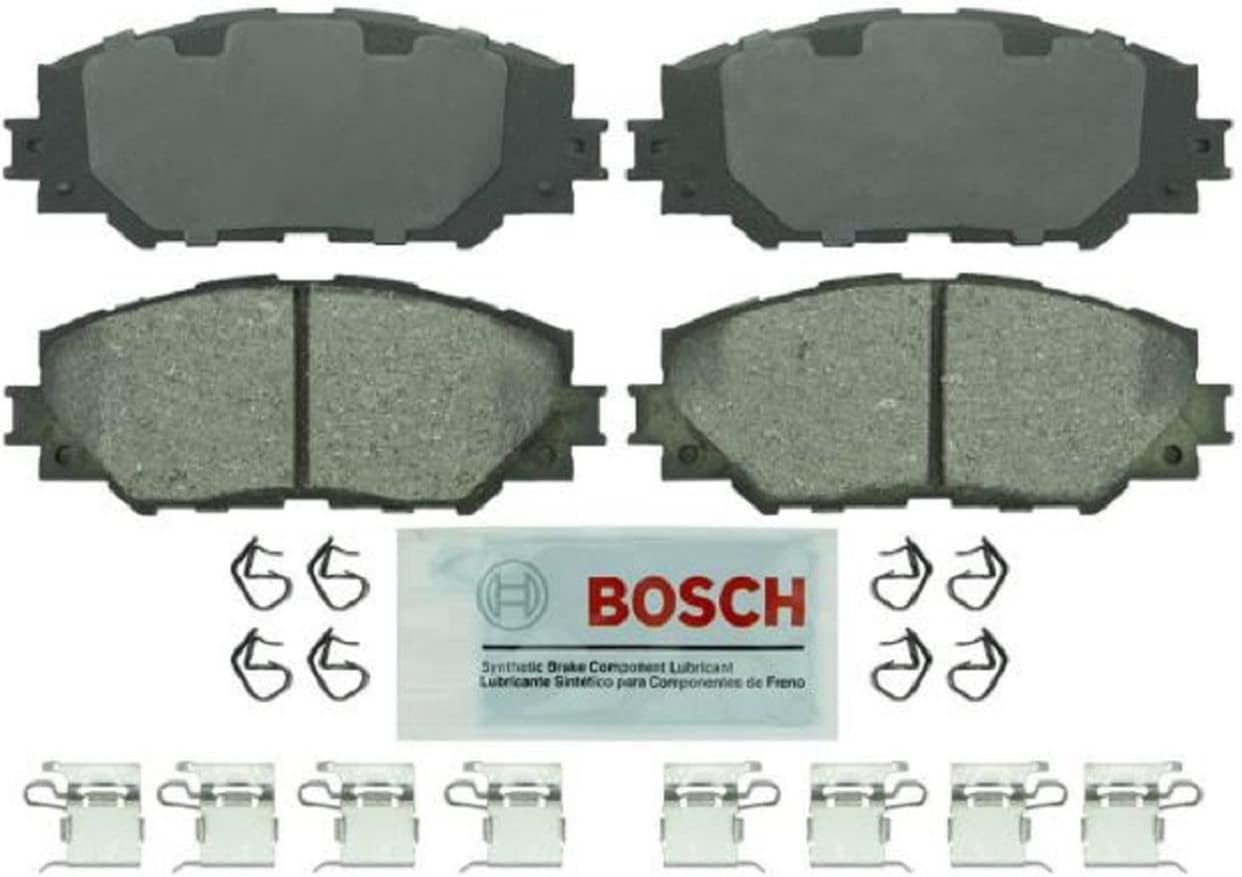
Bosch Blue ceramic front brake pads deliver dependable stopping power with platform-specific friction material designed for select Lexus, Pontiac, Scion, and Toyota vehicles. OE-style shims, slots, and chamfers help promote quiet braking, while the rust-inhibitive coating supports long-lasting performance and cleaner operation. The set includes hardware and synthetic lubricant for easier installation on one axle.

Bendix Premium Ceramic Front Brake Pads are engineered to match original equipment fit, form, and function for a straightforward replacement. Built with durable materials to help resist wear and corrosion, they support consistent braking performance and reduced brake fade for everyday driving. These pads are a dependable choice for compatible Pontiac, Scion, Toyota, and related vehicles.

This AstroAI digital tire pressure gauge delivers factory-calibrated readings with dependable ±1 PSI accuracy, helping you keep cars, trucks, motorcycles, and spare tires at the right pressure. Its bright backlit LCD and illuminated nozzle make nighttime checks easy, while the one-button unit switch and auto-off design add convenience and battery efficiency for routine maintenance.
Common Mistakes to Avoid During Break-In
Most break-in problems come from impatience. The Supra is fast, but the first 1,200 miles are not the time to prove it. Avoid these common mistakes to give your car the best start.
Ignoring RPM Limitations
Do not exceed 4,500 RPM during the main break-in period. Short bursts above the limit may feel harmless, but the whole point of the break-in window is to avoid unnecessary stress before the engine, transmission, and axle drive have settled in.
Using Launch Control Too Early
Launch Control creates a hard launch by design. Toyota says not to use it during break-in, so save it until after the car has completed the 1,200-mile period and you have gradually increased load afterward.
Running Long, Steady Highway Trips
A highway drive is not forbidden, but sitting at one speed and one RPM for hours is not ideal. If your first miles include a road trip, vary speed safely, avoid cruise control for long stretches, and do not use the trip as an excuse for high-speed pulls.
Treating 300 Miles as Fully Broken In
The brakes reach full effectiveness after about 300 miles, but the engine, transmission, and axle drive still need the full 1,200 miles. Do not confuse brake bedding with the complete vehicle break-in period.
Skipping Service Records
Keep receipts and mileage records for oil changes, inspections, brake work, tire replacement, and other maintenance. Good records help with resale value and may also support warranty questions later.
When to Schedule Your First Oil Change for Your Supra
For normal ownership, follow Toyota’s maintenance reminder and the official maintenance schedule for your model year. In the U.S., Toyota’s published support answer for the GR Supra says to change oil every 12 months or 10,000 miles, or when the maintenance reminder light comes on, whichever comes first.
If you drive hard after break-in, make repeated short trips, see high temperatures, or plan track use, speak with a Toyota dealer or qualified performance shop about a more conservative oil change schedule. Track use can create higher heat and wear than normal street driving, so it deserves its own maintenance plan.
The safest first-oil-change plan is simple: follow Toyota’s maintenance schedule, document every service, and only choose an early oil change as an extra precaution—not as a replacement for the official schedule.
How to Keep an Eye on Performance During Your Break-In

During the break-in period, your job is not only to drive gently. You should also listen, feel, and check. A new car should feel smooth, consistent, and predictable. If something feels wrong, do not wait until the 1,200-mile mark to investigate it.
- Watch warning lights: Stop and follow the owner’s manual if you see oil pressure, coolant temperature, brake, or drivetrain warnings.
- Check tire pressure: New tires can feel strange if pressure is off, and correct pressure helps the tires wear evenly.
- Listen for abnormal noises: Grinding, knocking, scraping, or strong vibration should be inspected.
- Monitor brake feel: The pedal should feel consistent. Pulsing, grinding, or a soft pedal needs attention.
- Look for leaks: After parking, glance under the car for oil, coolant, or brake fluid.
[Products Worth Considering]

This upgraded engine oil funnel kit makes oil changes cleaner and easier with a spill-proof design, flow control valve, and transparent body for precise filling. Built from durable polycarbonate and equipped with 12 adapters, two 45-degree elbows, and a debris filter, it fits a wide range of vehicles and works well in tight engine spaces. The secure, hands-free setup helps reduce mess while improving control during oil filling and fluid transfers.
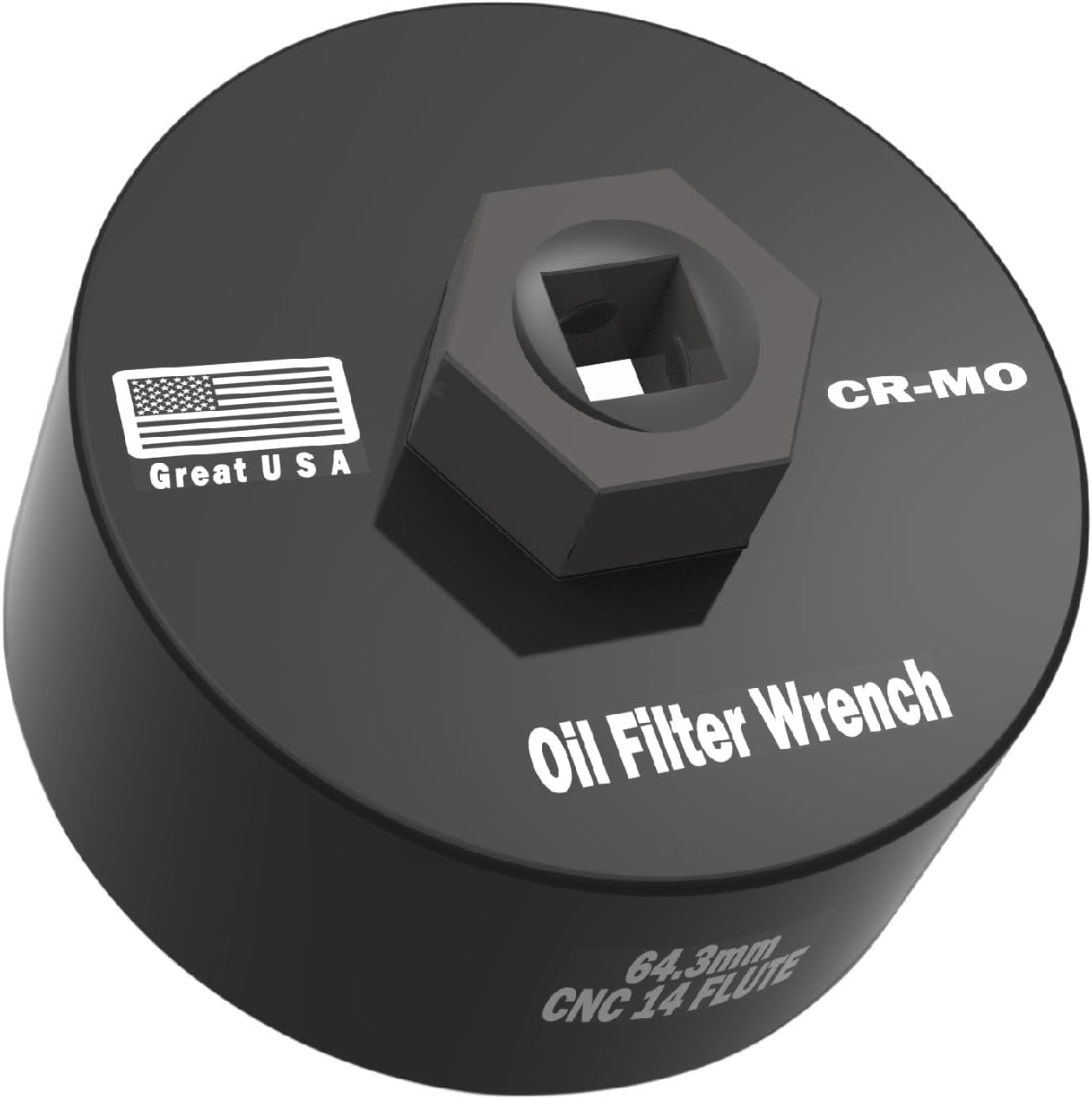
This precision oil filter wrench is designed for Toyota and Lexus cartridge-style filters, delivering a secure 14-flute fit for smooth removal and installation without slipping. Made from hardened chrome-molybdenum steel with a low-profile design, it works well in tight engine spaces and pairs with common drive tools for easier oil changes.

This steering clock spring is designed to restore reliable steering wheel controls across a wide range of Toyota models. It supports audio, cruise control, and other multifunction commands while matching OEM part numbers for confident replacement fitment. Built for dependable signal transfer and straightforward installation, it is an effective solution for repairing steering column control issues.
Community Insights and Tips for New Toyota Supra Owners
Supra owners often debate whether a “hard break-in” or “soft break-in” is better, but the safest advice is still the manufacturer’s guidance. Toyota gives clear limits for RPM, speed, throttle load, tires, brakes, and Launch Control. Following those rules protects you better than forum folklore.
That said, the community does offer useful practical habits: avoid long steady cruising, warm the car before spirited driving, keep service records, and do not schedule a track day before the break-in period is finished. Those habits line up well with Toyota’s goal of smooth early operation. One shop that documented its own GR Supra break-in reported real-world fuel economy averaging over 30 mpg during the 1,200-mile window, which dropped once normal spirited driving resumed afterward — a useful reference point beyond generic advice, from GR Performance Parts’ own break-in log. [VERIFY: confirm this figure against your specific model year and engine before citing it as typical.]
What To Do After the Break-In Period
After 1,200 miles, the Supra is ready for normal driving, but it still rewards mechanical sympathy. Gradually raise RPM and load over several drives. Make sure the tires are in good condition, brakes feel normal, fluids are at proper levels, and no warning lights are present before you start driving aggressively.
If you plan to track the car, prepare it separately. Track driving is much harder on tires, brakes, oil, coolant, and drivetrain components than street driving. Check your warranty and maintenance guide, inspect the car before and after the event, and use the correct fluids and brake components for the type of driving you plan to do.
Frequently Asked Questions
How many miles does it take to break in a Toyota Supra?
The main break-in period for the Toyota GR Supra is 1,200 miles / 2,000 km for the engine, transmission, and axle drive. New tires need about 200 miles / 300 km, and the brake discs and pads need about 300 miles / 500 km to reach full effectiveness.
Can I go over 4,500 RPM during the Supra break-in period?
You should not exceed 4,500 RPM during the first 1,200 miles / 2,000 km. Toyota also says to avoid full load and kickdown during this period. After 1,200 miles, increase engine speed and vehicle speed gradually.
Can I use Launch Control on a brand-new Toyota Supra?
No. Do not use Launch Control during break-in. Save it until after the 1,200-mile break-in period is complete and you have gradually increased driving load afterward.
Should I change the oil at 1,200 miles?
A 1,200-mile oil change is optional and often done for peace of mind, but it is not the normal Toyota-required interval. Toyota’s U.S. support guidance says to change GR Supra oil every 12 months or 10,000 miles, or when the maintenance reminder light appears, whichever comes first.
Can I use cruise control during break-in?
Cruise control is not the main issue; steady load is. During break-in, it is better to vary speed and RPM when safe instead of holding one constant speed for a long time. On long highway drives, change speed gently and take breaks.
Do I need to repeat break-in after replacing brakes or tires?
Yes. Toyota says to observe the relevant break-in procedures again after the components mentioned in the break-in section are replaced. That means new tires should be driven conservatively at first, and new brake pads or rotors should be given a moderate bedding period.
Conclusion
Breaking in a Toyota GR Supra is straightforward: keep it under 4,500 RPM and 100 mph for the first 1,200 miles, avoid full throttle and Launch Control, drive gently on new tires for 200 miles, and brake moderately for about 300 miles. Do that, keep good maintenance records, and your Supra will be ready for stronger driving with a much better foundation.
Sources
- Toyota GR Supra Interactive Owner’s Manual — official owner manual access for current Supra guidance.
- Toyota Supra Owner’s Manual PDF — break-in guidance for engine, transmission, axle drive, tires, brakes, and Launch Control.
- Toyota GR Supra Warranty & Maintenance Guide — maintenance recordkeeping, warranty, and service guidance.
- Toyota Support: GR Supra Oil Change Interval — Toyota’s U.S. support answer for oil change timing.
- GR Performance Parts: We Break in the GR Supra — a documented first-hand 1,200-mile break-in log, including real-world fuel economy observations.


[…] poor seating position can make your Toyota Supra feel tighter, harder to control, and more tiring than it needs to be. Start with the seat, then […]
[…] Toyota Supra Oil Change […]