The Toyota GR Supra’s electronic rear differential is not a simple on/off locker. On equipped cars, it is an active limited-slip rear differential that varies how strongly the rear axle locks so the car can put power down more cleanly when you accelerate out of a corner. It helps traction and corner-exit stability, but it still depends on tire grip, road conditions, driver inputs, and the stability-control setting you choose.
Quick Answer
The GR Supra e-diff uses data such as wheel speed, engine rpm, yaw rate, brake pressure, throttle angle, and steering angle to tell a processor how much to lock a multi-plate clutch. Toyota says the system can vary the locking ratio from 0 to 100 percent, improving rear-wheel traction and corner-exit precision.
Key Takeaways
- The Supra e-diff is best understood as an electronically controlled active limited-slip differential, not a driver-operated manual differential lock.
- Toyota’s public material describes a multi-plate clutch with a locking ratio that can vary from 0 to 100 percent.
- VSC and traction control are separate systems that can reduce engine output or brake individual wheels; the active differential manages rear-axle locking.
- Aggressive driving, Launch Control, poor tire pressure, and VSC OFF settings can increase wear and reduce safety margins.
- Follow Toyota’s maintenance schedule and have leaks, warning lights, or differential noises checked by a qualified Toyota or Supra specialist.
Which Supra Models Have the Electronic Rear Differential?
Availability depends on model year and trim, so do not assume every MkV Supra has the same rear differential. Toyota’s own 2024 comparison page lists the Active rear sport differential on the 3.0, 3.0 Premium, and anniversary-edition trims, while the earlier 2.0 trim is not listed with that feature there. For 2026, Toyota’s U.S. lineup includes the GR Supra 3.0, 3.0 Premium, and MkV Final Edition, all powered by the 3.0-liter turbocharged inline-six.
The safest check is your own window sticker, build sheet, Toyota parts lookup, or dealer service record by VIN. If your goal is track setup, maintenance, or diagnosis, confirm the exact differential fitted to your car before buying fluid, parts, or tuning hardware.
What the Supra E-Diff Actually Does
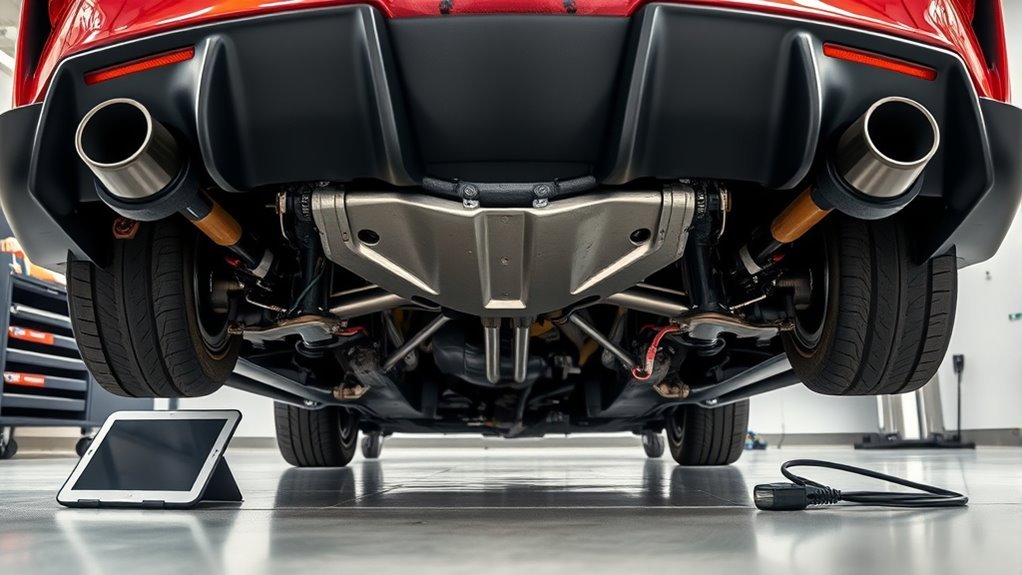
While you accelerate or carve through a bend, the Supra’s electronic rear differential can increase or decrease the locking effect between the rear wheels. That helps reduce one-wheel spin and gives the rear axle a more planted feel when the inside rear tire starts to unload during cornering.
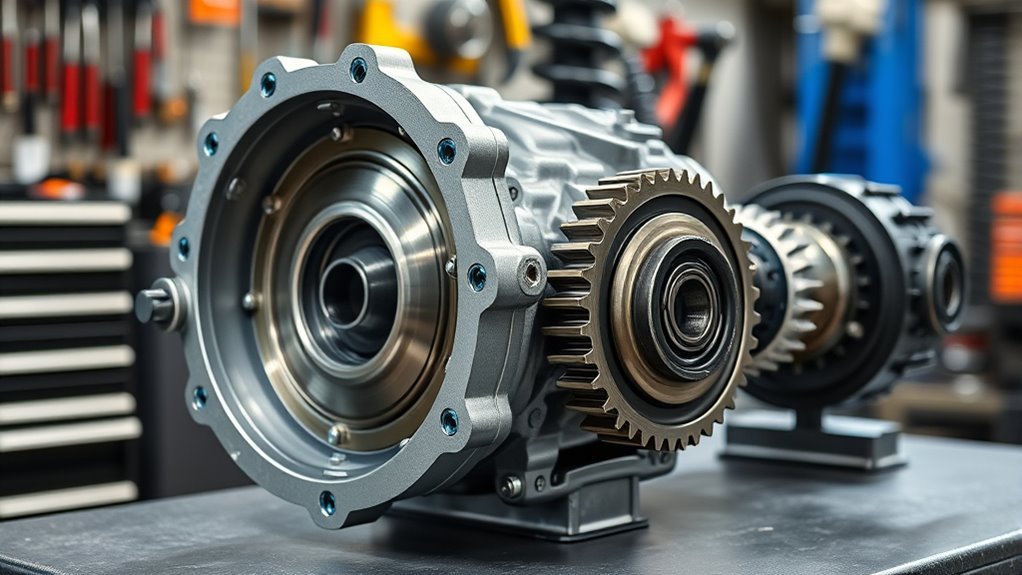
Toyota describes the system as an electronically controlled rear differential that uses sensor data and a main processor to activate a multi-plate clutch. The key point is that it varies the locking ratio between the two rear wheels. In plain English, it can make the differential behave more open or more locked depending on what the car is doing.
Toyota states that the GR Supra’s electronically controlled rear differential can control the locking ratio between both rear wheels from 0 to 100 percent.
That does not mean the system creates unlimited grip or replaces good driving technique. It helps the rear tires share load more effectively, but the available traction still comes from the tires, pavement, temperature, and how smoothly you use the throttle and steering.
Active Differential vs. Traction Control vs. a Manual Locker
These systems are easy to mix up, but they do different jobs:
- Active rear differential: Varies rear-axle locking through the differential’s clutch mechanism to help transfer power through the rear tires.
- Traction control: Helps limit wheelspin, often by reducing engine output and/or using the brakes.
- Vehicle Stability Control (VSC): Helps keep the car on its intended path by reducing engine speed and braking individual wheels when the car approaches its stability limits.
- Manual differential locker: A driver-selected lock used on some vehicles, mostly for off-road or low-traction use. The GR Supra active differential is not this type of manual locker.
So when people ask whether the Supra’s “diff lock” should be on or off, the better question is usually which drive mode or stability-control mode is appropriate for the road, weather, and driver skill level.
How the Supra E-Diff Works: Sensors, Control Logic, and Clutch Response
The GR Supra e-diff works by combining sensor data with an electronically controlled clutch inside the rear differential. Toyota lists sensor inputs including wheel speed, engine rpm, yaw rate, brake pressure, throttle opening angle, and steering angle. That data helps the system decide how much locking force the rear axle needs at that moment.
Here is the simple version of the process:
- The car reads your inputs. Steering angle, throttle position, braking, wheel speeds, and body motion tell the control system what the car is trying to do.
- The processor chooses a locking target. It decides whether the differential should act more open or more locked.
- The multi-plate clutch reacts. The clutch changes the locking ratio between the rear wheels.
- VSC and traction control stay in the background. If the car goes beyond the available grip, those systems can still reduce engine output or brake individual wheels.
The result is a rear axle that can feel calmer and more predictable than an open differential when you apply power, especially during corner exit.
Driving Benefits of the Supra E-Diff
The main benefit is not magic speed; it is cleaner use of the power you already have. When the inside rear tire gets light in a corner, an open differential can waste power by spinning that easier-to-turn wheel. The Supra’s active differential can add locking force so the rear axle puts power down more evenly.
- On dry roads: You can feel stronger corner exits and less sudden inside-wheel spin when you roll into the throttle smoothly.
- In wet conditions: The system can help, but the tire’s grip limit arrives sooner. Smooth inputs matter more than the differential.
- On loose or uneven surfaces: Stability systems and Traction mode may help forward motion, but driving stability can be reduced when grip is inconsistent.
- On a closed course: The active differential can make the car easier to place, but tire temperature, alignment, brake condition, and driver skill still decide the lap-to-lap result.
Pro Tip: For fast road or track driving, tire condition and pressure usually make a bigger difference than chasing electronic differential tuning. Start with correct pressures, matched tires, and a proper alignment before modifying drivetrain software.
How Driving Modes Change the Feel
The active differential does not work in isolation. It is part of a larger chassis package that includes throttle mapping, steering, suspension behavior on equipped models, traction control, and VSC.
| Setting | What It Changes | Best Use |
|---|---|---|
| Normal | Balanced tuning for daily driving | Commuting, rain, unfamiliar roads |
| Sport | Sharper response and a more agile chassis feel | Dry roads, spirited driving, closed-course warm-up laps |
| Traction mode | Optimizes forward momentum on loose or special road conditions with reduced stability margin | Snowy or loose surfaces when gentle throttle is needed |
| VSC OFF | Reduces or disables stability intervention | Closed-course use by skilled drivers only |
Warning: VSC OFF and Launch Control reduce safety margins and can increase component wear. Toyota’s quick reference material warns that VSC OFF reduces driving stability during acceleration and cornering, and that Launch Control places a heavy load on the vehicle. Keep aggressive testing to closed courses.
Practical Limits of the Supra E-Diff and VSC/TC Interactions

When you push the Supra’s e-diff and stability systems hard, you trade sharper response for higher stress on tires and drivetrain parts. The differential can help distribute power, while VSC and traction control can step in by reducing engine output or braking individual wheels. Those interventions can keep the car more controlled, but they cannot defeat physics.
The most common trade-offs are:
- More tire wear: Hard launches, tight corner exits, and repeated stability interventions can heat and scrub the rear tires.
- Uneven wear: Poor alignment, incorrect tire pressure, or repeated one-direction track use can exaggerate inside/outside shoulder wear.
- Reduced margin at speed: At high speed, small steering and throttle inputs create bigger consequences. The e-diff helps traction, but it does not add grip beyond the tires’ limit.
- Heat and fluid stress: Repeated track sessions can raise drivetrain temperatures faster than street driving.
Mitigate those limits by using the correct mode for the conditions, warming tires gradually, keeping tire pressures within the recommended range, and inspecting tires, brakes, and the underbody after hard use.
Maintenance, Service, and Inspection
Do not use a generic “12,000 km e-diff fluid change” rule for the GR Supra unless Toyota service information, your dealer, or a qualified Supra specialist confirms it for your exact VIN and use case. Toyota’s 2026 GR Supra Warranty & Maintenance Guide recommends scheduled maintenance every 10,000 miles, 12 months, or when the maintenance reminder appears, whichever comes first. Its maintenance chart also calls for inspecting all fluid levels and checking sealed transmissions, transfer cases, and differentials for signs of leakage.
| Item | Action | Frequency / Trigger |
|---|---|---|
| Differential housing | Inspect for leaks, seepage, impact damage, or abnormal noise | At scheduled maintenance and after hard track use |
| All fluid levels | Inspect per Toyota maintenance chart | 10,000 miles / 12 months / reminder light |
| Tires | Check pressure, tread depth, and uneven wear | Before spirited driving and at every service |
| Brake pads and discs | Inspect thickness, wear, and heat damage | Every scheduled interval and after track events |
| Software / fault codes | Scan and update only through qualified service channels | When warnings, drivability changes, or service bulletins apply |
Note: If a sealed differential shows leakage, Toyota recommends having the component inspected by a Toyota dealer. Track-driven cars may need more frequent inspection than street-driven cars, even when the normal maintenance chart does not call for fluid replacement.
[Products Worth Considering]
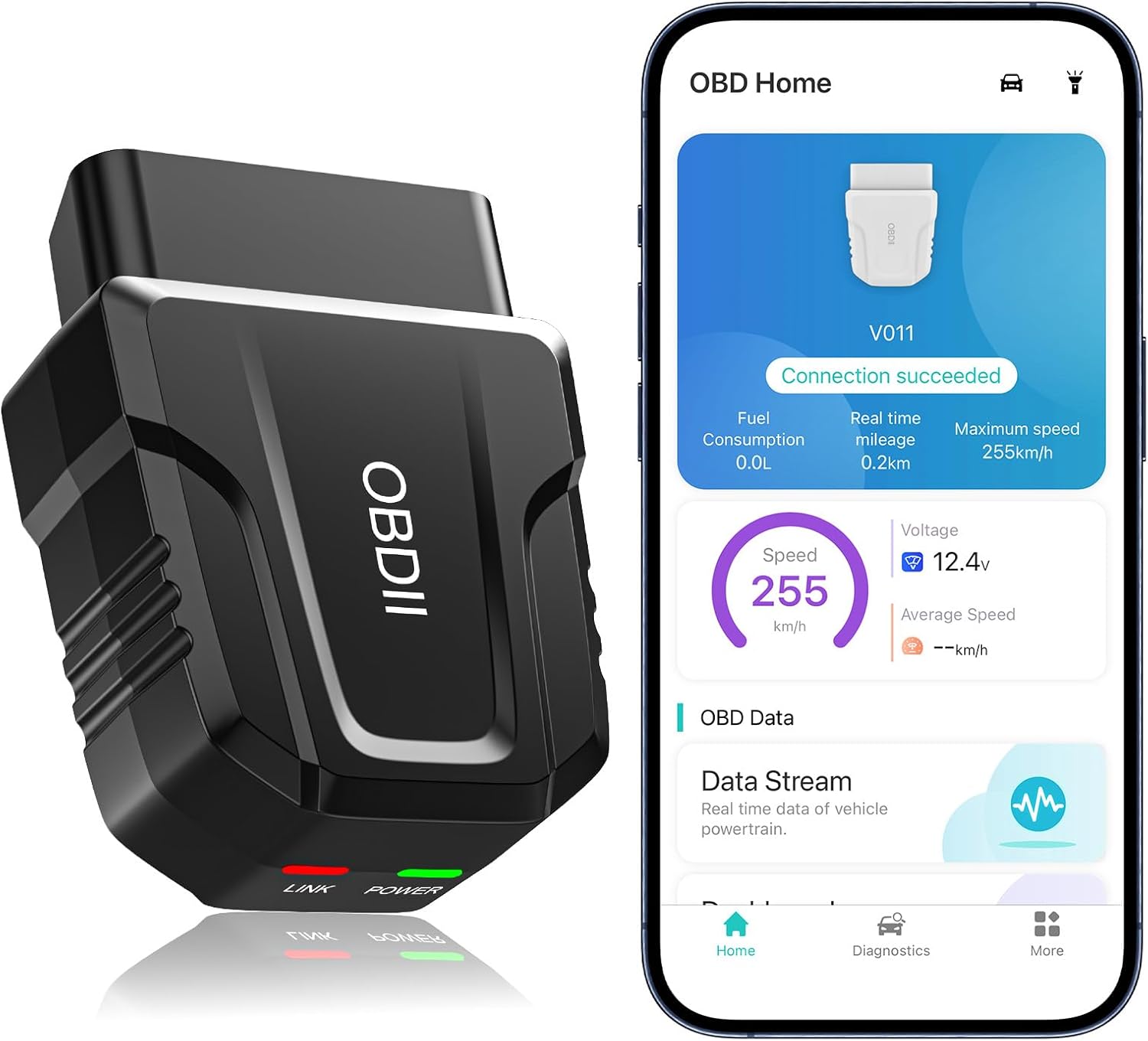
The UMEIJA V011 OBD2 scanner delivers comprehensive vehicle diagnostics with Bluetooth connectivity and a dedicated app for iOS and Android. It supports live data, fault code reading and clearing, readiness checks, freeze frame, sensor data, and performance testing to help drivers understand and monitor vehicle health. With broad compatibility across many car and truck models and easy-to-read data visualization, it is a practical tool for both beginners and experienced users.

This Yuirote universal car motor diagnostic tool helps drivers quickly detect engine fault codes and identify system issues for routine inspections and maintenance. It also supports electronic parking brake reset and emergency release functions, making it useful for handling EPB-related problems without a repair shop visit. Its compact, ergonomic design and broad vehicle compatibility make it a practical choice for car owners and DIY repair enthusiasts.

Bendix Premium Ceramic Front Brake Pads are engineered to match original equipment fit, form, and function for a straightforward replacement. Built with durable materials to help resist wear and corrosion, they support consistent braking performance and reduced brake fade for everyday driving. These pads are a dependable choice for compatible Pontiac, Scion, Toyota, and related vehicles.
Tuning and Aftermarket E-Diff Options
Be careful with any module, tune, coding change, or mechanical swap that claims to alter the e-diff’s locking behavior. The active differential is tied into stability control, traction control, wheel-speed data, and chassis calibration. A change that feels sharper in one situation can make the car less predictable in another.
Before modifying the differential or its software, confirm three things:
- Warranty impact: Toyota states that damage or failure caused by improper maintenance, improper repairs, or non-genuine parts is not covered by Toyota warranty.
- Calibration support: The shop should be able to scan the car, document changes, and restore factory settings if needed.
- Testing environment: Any aggressive setup should be validated on a skidpad, alignment rack, or closed course, not on public roads.
For most owners, better tires, correct pressures, alignment, brake maintenance, and driver training deliver safer and more repeatable gains than e-diff tuning.
[Products Worth Considering]

This wheel alignment tool makes it easy to check and adjust toe-in and toe-out at home for better handling, stability, and more even tire wear. Designed for one-person use, it includes tape-measure slots for simple setup and accurate measurements without extra help. Its stainless steel construction and broad vehicle compatibility make it a practical addition to any DIY garage.

The ZMOON ZM201 is a plug-and-play OBD2 code reader designed to quickly diagnose check engine issues on compatible vehicles after 1996. It reads and clears engine fault codes, displays live data and freeze frame information, checks I/M readiness, and helps you identify problems before visiting a repair shop. With a color screen, intuitive controls, and built-in DTC database, it offers an easy-to-use solution for DIY drivers and car owners who want reliable engine diagnostics.
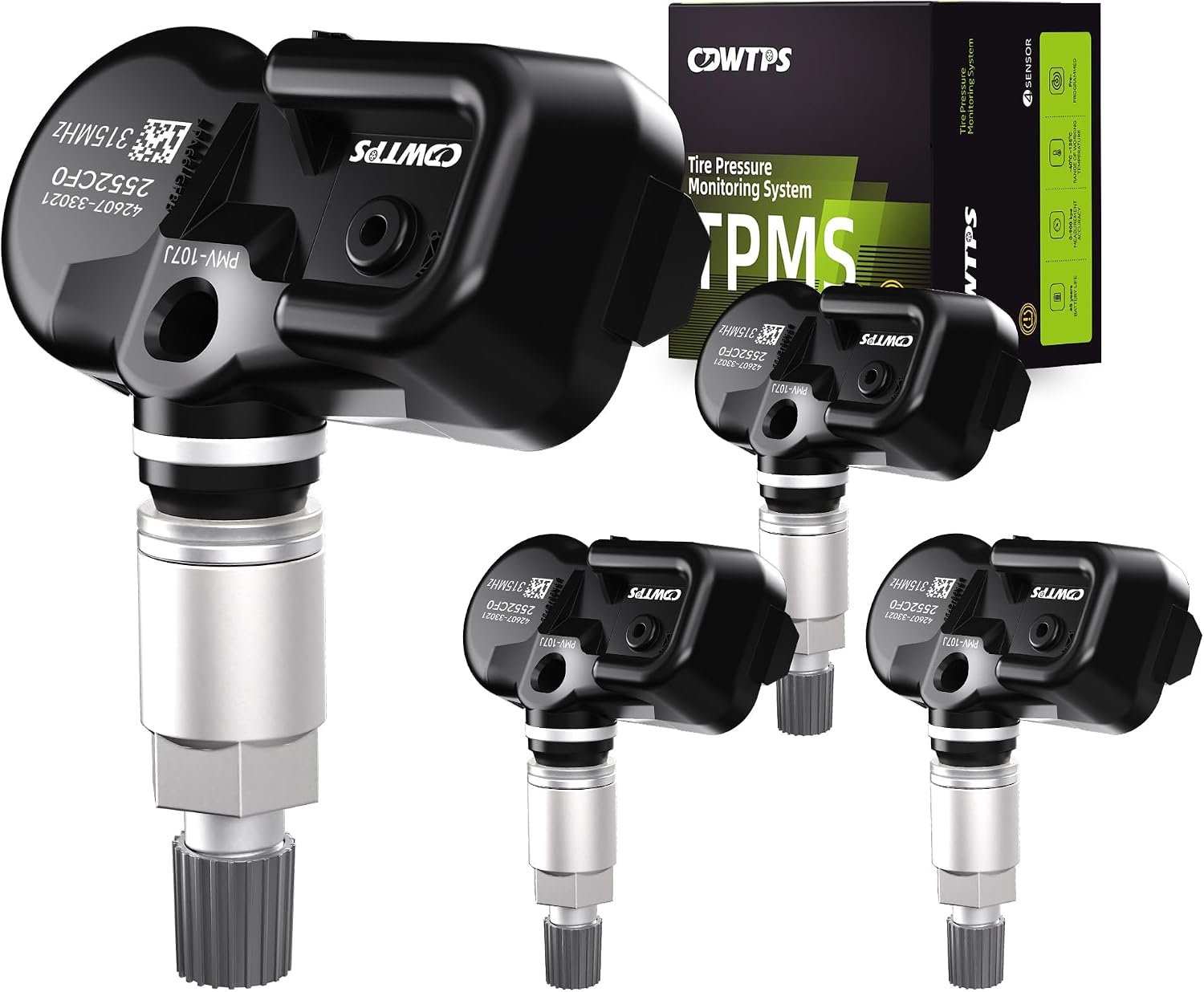
This set of four pre-programmed TPMS sensors is designed as a direct-fit replacement for compatible Toyota, Lexus, and Scion vehicles. It helps restore accurate tire pressure monitoring without sensor programming, and each unit is factory-tested for dependable performance. Built for long service life, these sensors offer a convenient solution for replacing worn or failed tire pressure monitors.
Troubleshooting Common E-Diff Symptoms
If the active differential, traction control, or VSC system is not happy, the car may show a warning message, reduce performance, or feel inconsistent during acceleration. Do not ignore those signs.
| Symptom | Possible Cause | What to Do |
|---|---|---|
| VSC, traction, or drivetrain warning | Fault code, sensor issue, low voltage, or drivetrain fault | Scan with Toyota-capable diagnostics before clearing codes |
| Gear-oil smell or wet differential housing | Possible sealed-component leak or venting | Have the differential inspected promptly |
| Clunking, binding, or chatter | Mount, axle, tire, fluid, or differential issue | Stop hard driving and book diagnosis |
| Uneven rear tire wear | Alignment, pressure, aggressive cornering, or repeated track use | Check pressures, alignment, and tire condition |
| Unstable feel after modifications | Mismatched tires, suspension changes, coding, or calibration conflict | Return to known-good settings and inspect professionally |
[Products Worth Considering]

This steering clock spring is designed to restore reliable steering wheel controls across a wide range of Toyota models. It supports audio, cruise control, and other multifunction commands while matching OEM part numbers for confident replacement fitment. Built for dependable signal transfer and straightforward installation, it is an effective solution for repairing steering column control issues.

This CARORAV TPMS sensor set provides reliable tire pressure monitoring for a wide range of Toyota and Lexus vehicles with 315MHz compatibility. It is pre-programmed for easier setup, but still requires relearning or reset procedures after installation. Designed for accurate real-time pressure tracking, these sensors help support safer driving and long-lasting performance across many model years.
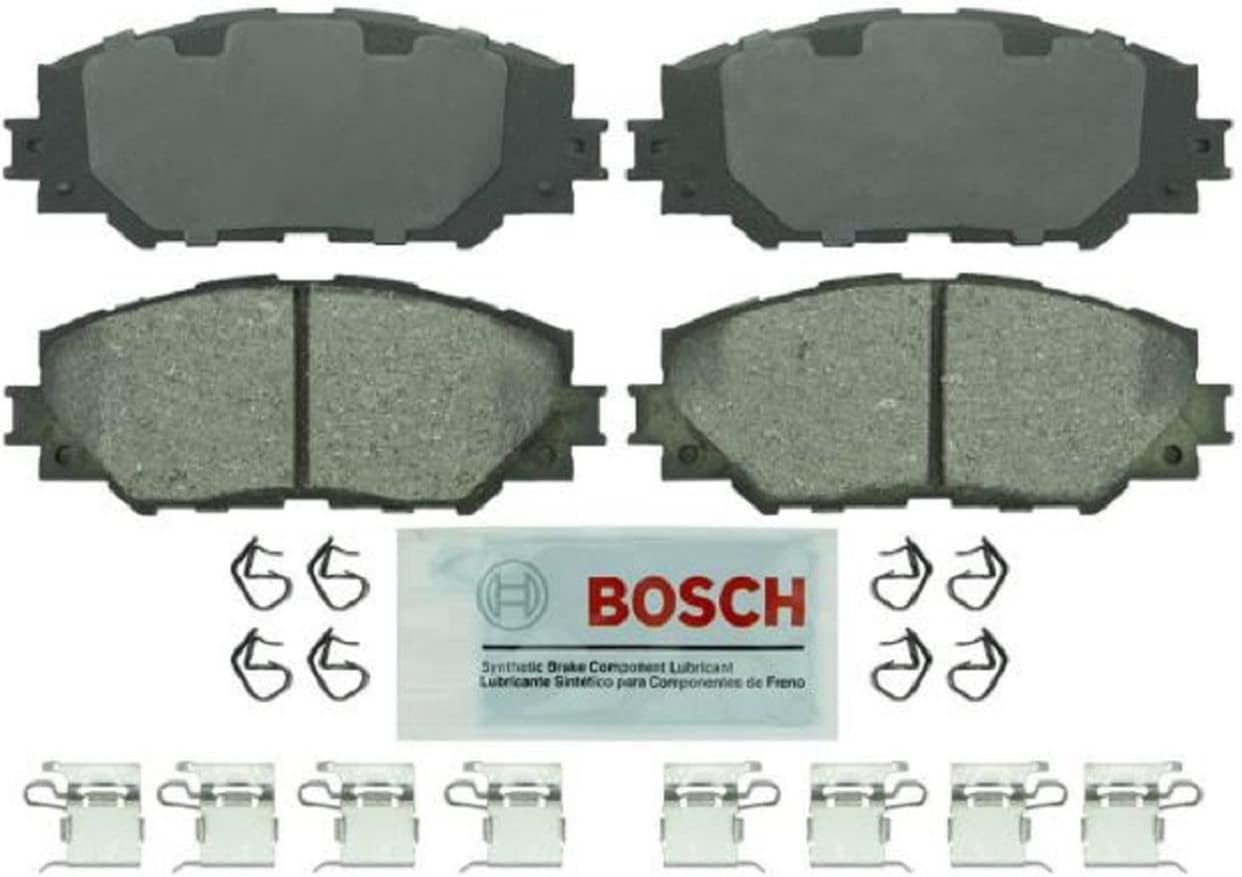
Bosch Blue ceramic front brake pads deliver dependable stopping power with platform-specific friction material designed for select Lexus, Pontiac, Scion, and Toyota vehicles. OE-style shims, slots, and chamfers help promote quiet braking, while the rust-inhibitive coating supports long-lasting performance and cleaner operation. The set includes hardware and synthetic lubricant for easier installation on one axle.
Frequently Asked Questions
How does the Toyota GR Supra electronic differential work?
It reads vehicle data such as wheel speed, engine rpm, yaw rate, brake pressure, throttle angle, and steering angle. A processor then controls a multi-plate clutch in the rear differential, changing the locking ratio so the rear tires can share power more effectively.
Is the Supra e-diff the same as torque vectoring?
It is often discussed like torque vectoring because it changes how power is used across the rear axle, but Toyota describes it as an electronically controlled rear differential that varies the locking ratio between the rear wheels. It is not the same as a system with separate motors independently driving each wheel.
Should the Supra differential lock be on or off?
The GR Supra active differential is not a manual locker that you switch on and off. It locks automatically as conditions require. What you can change is the drive or stability-control mode, such as Normal, Sport, Traction mode, or VSC OFF.
Does VSC OFF turn off the electronic differential?
VSC OFF reduces or disables stability-control intervention, but the active differential is a separate rear-axle system. Because these systems are integrated in the car’s chassis behavior, use VSC OFF only in a safe, controlled environment if you understand the reduced stability margin.
Does the Supra e-diff wear out tires faster?
The e-diff itself is not the only cause of tire wear, but aggressive corner exits, hard launches, incorrect tire pressure, repeated stability-control intervention, and track use can wear rear tires faster. Inspect pressures, tread depth, and shoulder wear regularly.
Can I tune the GR Supra electronic differential?
Some aftermarket solutions may claim to alter differential behavior, but changes can affect stability systems, diagnostics, drivability, and warranty coverage. For most owners, tires, alignment, brake maintenance, and driver training are safer first upgrades.
What are warning signs of an e-diff or rear differential problem?
Watch for drivetrain or VSC warnings, fluid leaks around the rear differential, clunking, binding, chatter, burning smells after hard driving, or sudden changes in traction behavior. Stop aggressive driving and have the car scanned and inspected by a qualified technician.
Conclusion
You now know what the Supra e-diff actually does: it varies the rear differential’s locking ratio so the car can use rear-tire grip more effectively. On equipped GR Supra models, that means cleaner corner exits, better power delivery, and a more predictable rear axle. The trade-off is that aggressive use can accelerate tire and component wear, especially when combined with hard launches, VSC OFF driving, or track sessions. Keep the car maintained, verify the exact equipment on your VIN, and treat tuning claims with caution.
Sources
- Toyota 2025 GR Supra eBrochure — official sensor list, multi-plate clutch description, and 0–100 percent locking-ratio claim.
- Toyota 2024 GR Supra vs. Corvette comparison — trim availability for the Active rear sport differential and related performance features.
- Toyota MY23 GR Supra Quick Reference Guide — VSC, Traction mode, Active Differential, Sport mode, VSC OFF, and Launch Control cautions.
- Toyota 2026 GR Supra Warranty & Maintenance Guide — maintenance interval, fluid inspection, sealed differential leak-inspection guidance, and warranty responsibilities.
- Toyota USA Newsroom: 2026 GR Supra MkV Final Edition — current 2026 lineup and performance context.