If you are deciding which Toyota Supra generation to buy, start with condition and intended use rather than the badge alone. Choose the Mk5 GR Supra for modern daily performance, an A80 Mk4 for collector appeal and 2JZ tuning potential, an A70 Mk3 for turbo-era Toyota character, or an A40/A60 Celica Supra if you want a classic restoration project. For any older Supra, rust, accident repairs, modification quality, and missing service history can matter more than mileage.
Last reviewed: September 1, 2026 · Generation dates, U.S. power figures, major Mk5 model-year changes, and fifth-generation production status were rechecked against Toyota source material.
Quick Answer
For the easiest Supra to daily-drive, look at a well-maintained Mk5. For collecting or serious 2JZ-based tuning, the A80 Mk4 is the obvious target, but originality and modification history strongly affect value. The A70 Mk3 offers a lower-cost route into classic turbo Supra ownership but needs careful head-gasket, cooling, rust, and modification checks. Mk1 and Mk2 Celica Supras make the most sense for buyers who specifically want a restoration-era Toyota and accept harder-to-source trim and body parts.
How to Use This Supra Guide

Use this Toyota Supra buyer’s guide in two stages. First, match a generation to your goal: restoration, daily use, collecting, street performance, or track driving. Second, judge the exact car on condition, documentation, modification quality, parts availability, and deferred maintenance. A clean example from a less-famous generation is usually a safer purchase than a neglected or poorly modified version of the generation you originally wanted.
A pre-purchase inspection is strongly recommended, especially for modified, imported, turbocharged, or rust-prone cars. The inspection should match the generation: an A60 needs careful body and corrosion checks, while a Mk5 also benefits from a full diagnostic scan and review of electronic faults, modifications, and service history.
Toyota Supra Generations Compared for Buyers
| Generation | U.S. Model Years | Best Fit | Main Buyer Risk |
|---|---|---|---|
| Mk1 A40/A50 | 1979–1981 | Period-correct restoration and early Supra history | Rust, body condition, and scarce trim or restoration parts |
| Mk2 A60 | 1982–1986 | Analog classic driving with a sportier Celica Supra chassis | Rust, aging electrical/interior parts, and previous body repairs |
| Mk3 A70 | 1986.5–1992 | Turbo-era performance at a lower entry point than many Mk4 cars | Head-gasket history, cooling neglect, rust, and poor modifications |
| Mk4 A80 | 1993–1998 in the U.S. | Collecting, 2JZ tuning, and high enthusiast demand | High purchase cost, hidden modifications, accident history, and questionable high-power builds |
| Mk5 A90/A91 | 2020–2026 | Modern daily use, current-generation performance, and track days | Modification history, expensive performance wear items, electronics, and model-year differences |
Decision rule: prioritize structure and documentation first, then originality or modification quality, parts support, your intended use, and the amount of deferred maintenance you can absorb after purchase.
[Products Worth Considering]
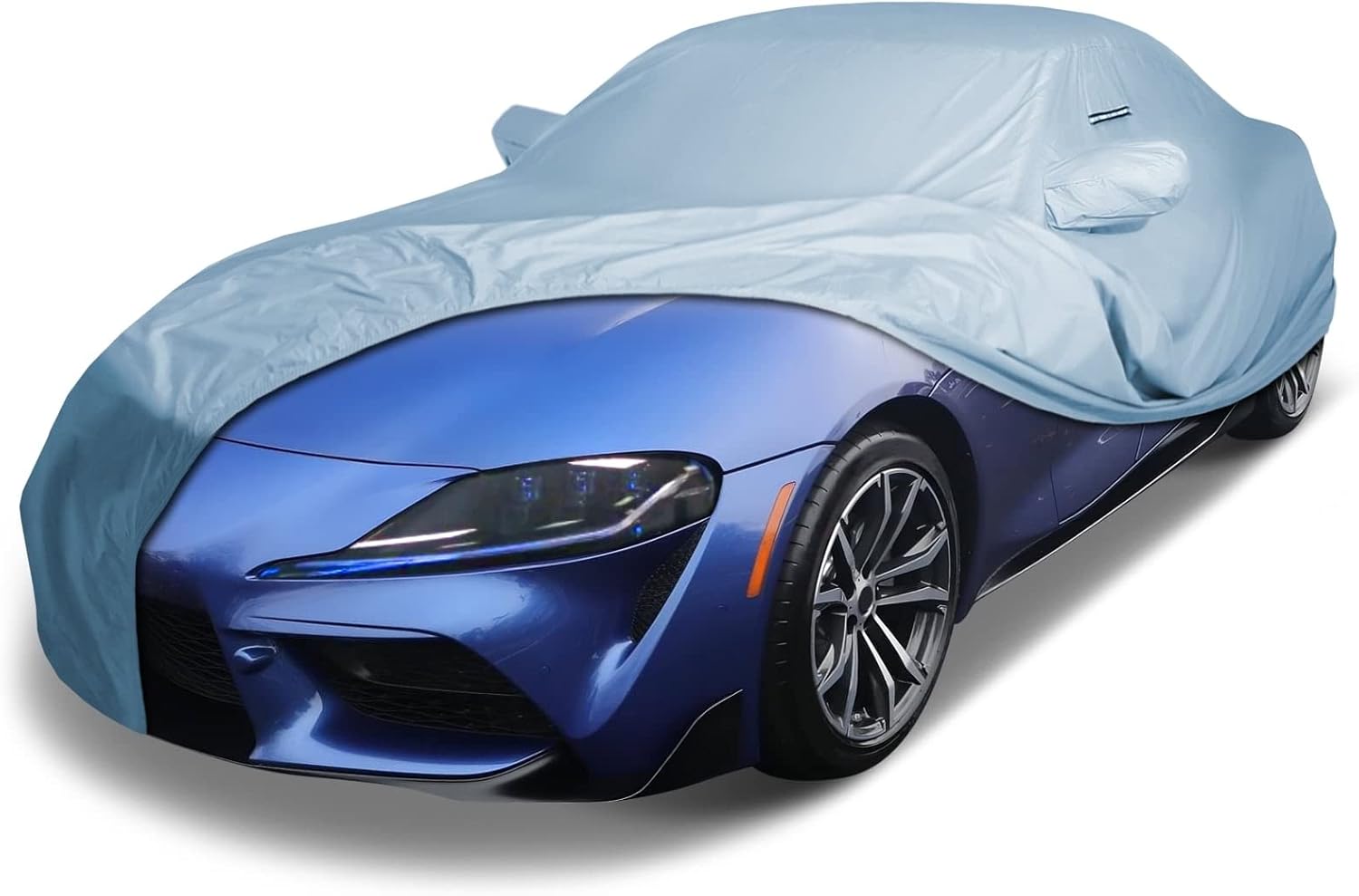
Protect your 2020-2026 Toyota GR Supra with a precision custom-fit cover designed to hug the vehicle’s contours for a secure, reliable fit. Built for all-weather use, it...
Mk1 (A40/A50, 1979–1981): What Should You Check Before Buying?
The first-generation Celica Supra reached the U.S. for 1979 as a longer, six-cylinder version of the Celica. Early U.S. cars used a 2.6-liter inline-six rated at 110 horsepower, while the final 1981 model moved to a 2.8-liter six rated at 116 horsepower. This generation is better viewed as a classic grand-touring restoration candidate than as a cheap path to modern Supra performance.
Body condition should lead the inspection. Look closely at the hatch area, floors, suspension mounting areas, wheel openings, seams, and previous collision or rust repair. Exterior trim and interior pieces can also be more troublesome to source than ordinary mechanical wear items, so a complete car can be worth paying more for than a cheaper example missing difficult pieces.
Best for: buyers who specifically want the earliest Supra experience and enjoy restoration work. Think twice if: you need easy parts sourcing, modern performance, or a project that can be returned to the road quickly.
Mk2 (A60, 1982–1986): Updates, Rust Hotspots, and What to Check
The A60 arrived for 1982 with a much sportier identity, retractable headlights, independent rear suspension, and the 2.8-liter 5M-GE inline-six in the U.S. market. Performance increased during the generation, but condition now matters far more than a small factory power difference between model years.
Do not use pop-up headlights as a late-model authentication clue; retractable headlights were already a defining feature of the second-generation design. Instead, verify the VIN, model year, trim, body details, engine configuration, and service history before paying a premium for a claimed late or rare example.
1984–1985 Visual and Equipment Changes
The A60 received a series of updates rather than a completely different late-generation front-end design. Changes around 1984 included revised exterior details such as wraparound front turn signals, rear styling and badging changes, plus mechanical updates on some U.S. configurations. For 1985, Toyota made further equipment and rear-spoiler changes.
- Retractable headlights identify the A60 design broadly, not just a late facelift
- Later cars received revised exterior trim and rear styling details
- 1984 brought engine and drivetrain revisions on certain U.S. configurations
- 1985 introduced additional equipment and spoiler changes
- VIN, year-specific equipment, and documentation are safer authentication tools than one visual cue
Common Rust Hotspots
Rust should be treated as a purchase-defining issue on an A60. Inspect the hatch area, floor, wheel openings, underbody seams, suspension mounting areas, and any location showing bubbling paint or mismatched undercoating. Look for uneven seams, fresh paint in isolated areas, visible welds, or repair work that does not match the surrounding structure.
Structural corrosion is more important than faded paint or worn upholstery. Cosmetic restoration can be planned; badly repaired suspension or chassis mounting points can turn an inexpensive classic into an uneconomical project.
Pre-Purchase Inspection
When evaluating an A60 Supra, prioritize structural integrity, completeness, and documentation over odometer mileage alone. A car with an intact body and tired mechanical wear items can be a better restoration starting point than a freshly painted example hiding corrosion or accident repairs.
- Verify the VIN, model year, trim, title, and engine configuration
- Inspect the hatch, floors, wheel openings, underbody, and suspension mounting areas
- Look for poorly blended paint, overspray, inconsistent panel gaps, and questionable welded repairs
- Test the retractable headlights and other electrical accessories
- Check weather seals and signs of water entering the hatch or cabin
- Review service, restoration, and body-repair records
Best for: buyers who want a recognizable 1980s Supra with analog controls and classic styling. Think twice if: the car has structural rust, incomplete trim, unknown bodywork, or a seller who cannot explain major repairs.
Mk3 (A70, 1986–1992): NA Vs Turbo, Common Failures, Upgrade Paths
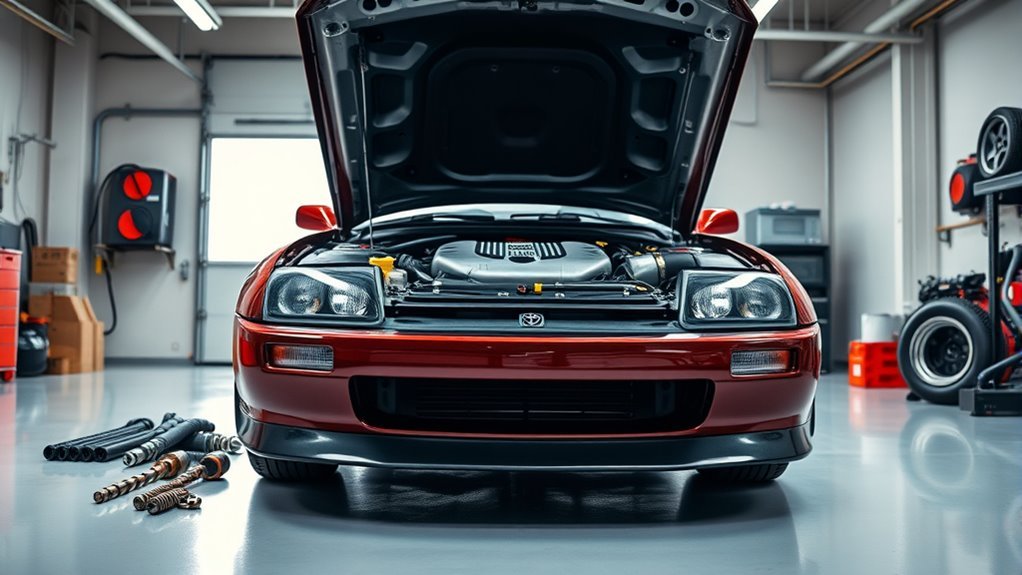
The A70 separated the Supra from the Celica and turned it into a standalone rear-wheel-drive performance grand tourer. U.S. buyers received the naturally aspirated 7M-GE and turbocharged 7M-GTE. The naturally aspirated version is mechanically simpler, while the Turbo offers substantially more factory performance and greater tuning potential.
U.S. Turbo output was around 230 horsepower initially and reached 232 horsepower on later cars. For buyers, however, the headline number matters less than the condition of the 7M engine, head-gasket history, cooling system, turbocharger, transmission, and previous modifications.
Do not treat the head gasket as a routine scheduled-service item. Instead, ask whether it has been replaced, who performed the work, what supporting cooling-system work was done, and whether the engine has a documented history of overheating. Any plan to raise boost should come after confirming engine health, fueling, cooling, ignition, clutch or transmission condition, and engine management.
- Check cold-start behavior, coolant condition, oil condition, leaks, and overheating evidence
- Inspect the radiator, hoses, fans, and cooling-system service history
- Ask for documentation for head-gasket or engine work
- Check the hatch and underbody for water intrusion and corrosion
- Inspect turbo, boost-control, fuel, wiring, and ECU modifications carefully
Best for: buyers who want classic turbo Supra character without starting at A80 collector prices. Think twice if: the seller advertises increased boost but cannot provide cooling, fueling, tuning, and engine-repair records.
Mk4 (A80, 1993–1998 U.S.): 2JZ Tuning, Modifications, and Collector Value
The A80 Mk4 is the generation most closely associated with the 2JZ engine family and modern Supra collector demand. In the United States, the Turbo used the sequential twin-turbo 2JZ-GTE and was rated at 320 horsepower. U.S. sales ended after 1998, although A80 production continued for other markets until 2002.
For a collector-oriented purchase, originality, factory equipment, transmission, body condition, documentation, and accident history can matter more than an advertised dyno number. A modified Supra can still be an excellent car, but the quality of the work matters. High power places greater demands on the fuel system, engine management, cooling system, clutch or automatic transmission, differential, tires, brakes, and chassis.
- Ask for ECU, tune, dyno, fuel-system, turbo, and boost-control documentation
- Inspect wiring for splices, temporary connections, bypassed systems, and unfinished work
- Check the clutch or automatic transmission for behavior consistent with the claimed power level
- Inspect the cooling system and look for evidence of repeated overheating or track abuse
- Check body panels, VIN identification where applicable, panel gaps, paint consistency, and accident repairs
- Keep or obtain original parts when originality and future collector value are priorities
Best for: collectors, dedicated 2JZ enthusiasts, and buyers willing to pay for documented quality. Think twice if: the car makes major power but has no tune records, no build receipts, poor wiring, unexplained drivetrain noise, or unclear accident history.
Mk5 (A90/A91, 2020–2026): Chassis, Engines, and Final-Year Trims
The fifth-generation GR Supra returned for the 2020 model year on a platform developed alongside the BMW Z4. It combines rear-wheel drive with modern electronic controls and turbocharged engines. For buyers, the Mk5 is usually easier to live with than an older restoration-era Supra, but exact model year, engine, transmission, modification history, and service records still matter.
The U.S. 3.0 launched for 2020 with 335 horsepower. Toyota increased the 3.0 to 382 horsepower for 2021, and for 2023 it introduced a six-speed intelligent Manual Transmission on 3.0-liter models along with further chassis tuning. The 2026 model year closed the fifth-generation run, and Toyota stated that production would end in spring 2026.
| 2026 Trim | Key Equipment or Change | Best Fit |
|---|---|---|
| 3.0 | 382-hp 3.0-liter turbo inline-six and Adaptive Variable Sport suspension | Core six-cylinder Supra performance |
| 3.0 Premium | Adds comfort and technology features including leather-trimmed seating and premium audio equipment | Daily use with more cabin equipment |
| MkV Final Edition | Final-year chassis, suspension, brake, and appearance upgrades | Buyers prioritizing the final Mk5 specification and added performance hardware |
Mk5 Model-Year Changes That Matter to Used Buyers
- 2020: Launch-year U.S. 3.0 with 335 horsepower and an eight-speed automatic; the first 1,500 U.S. cars included the limited Launch Edition.
- 2021: The U.S. 3.0 increased to 382 horsepower, and Toyota added the 2.0 four-cylinder to the U.S. lineup.
- 2023: Toyota introduced the six-speed manual option for 3.0-liter models and revised chassis calibration.
- 2026: The MkV Final Edition marked the final model year of fifth-generation production.
Best for: daily driving, modern performance, newer safety and convenience technology, or a Supra that does not require classic-car restoration. Think twice if: a modified example has no ECU/tune documentation, incomplete service history, repeated track-use evidence, or unexplained warning lights and stored diagnostic faults.
2023 GR Supra 3.0: Manual Transmission, 382 HP, and Chassis Changes

The important 2023 GR Supra change was not simply straight-line speed. Toyota added a six-speed intelligent Manual Transmission for 3.0-liter cars and retuned steering, suspension, traction, and braking calibration. The 3.0-liter inline-six remained rated at 382 horsepower and 368 lb-ft of torque.
Toyota listed a 3.9-second 0–60 mph time for the automatic 3.0. That makes 2023 especially relevant to used buyers who want both the higher-output 3.0-liter engine and a factory manual-transmission option. If you do not care about the manual gearbox, compare condition, price, options, service history, and modifications against surrounding model years rather than assuming 2023 is automatically the best value.
Which Toyota Supra Generation Should You Buy?
The best Supra generation depends on what you expect the car to do. Avoid choosing solely from reputation or peak horsepower. A well-preserved car with verifiable history can deliver a better ownership experience than a cheaper example that immediately needs structural, engine, transmission, cooling, or electrical work.
| Your Goal | Best Starting Point | Why |
|---|---|---|
| Modern daily driver | Mk5 | Newest platform, modern controls, strong factory performance, and easier day-to-day use |
| Collector-focused purchase | Mk4 Turbo | High enthusiast demand, 2JZ-GTE reputation, and strong interest in documented original examples |
| Turbo-era classic | Mk3 Turbo | Classic rear-drive Supra character with a lower profile than the A80 market |
| 1980s analog classic | Mk2 | Distinctive A60 styling, retractable headlights, and period grand-touring character |
| Restoration and early Supra history | Mk1 | Earliest U.S. Supra lineage and strongest historical connection to the Celica-based origins |
Used Supra Pre-Purchase Checklist
Use the same core inspection logic regardless of generation, then add model-specific checks. A seller’s modification list is not a substitute for service records, and fresh paint is not proof of a rust-free or accident-free shell.
- Identity: Match the VIN, title, model year, engine, transmission, trim, and import documents where applicable.
- History: Review maintenance, ownership, accident, tuning, restoration, and major-repair records.
- Cold start: Ask to see the car before it has been warmed up and watch for abnormal smoke, noise, leaks, unstable idle, or warning lights.
- Structure: Inspect rust-prone areas, suspension mounting points, floor sections, panel gaps, paint consistency, welds, and signs of collision repair.
- Cooling: Check coolant condition, radiator, hoses, fans, leaks, overheating evidence, and previous cooling-system work.
- Drivetrain: Test clutch engagement or automatic shifts, gearbox operation, differential noise, vibration, and fluid leaks.
- Modifications: Demand documentation for ECU tuning, turbo or supercharger work, fueling, suspension, brakes, wiring, and emissions-system changes.
- Tires and brakes: Look for mismatched tires, abnormal wear, heat damage, brake vibration, worn pads or rotors, and signs of repeated track use.
- Electronics: Test accessories and scan modern cars for stored diagnostic faults before purchase.
- Final check: Arrange an independent pre-purchase inspection with a shop familiar with the generation you are buying.
Maintenance & Ownership Risks By Generation
There is no reliable single annual maintenance figure for a Toyota Supra generation. Costs depend on condition, mileage, modifications, local labor rates, parts availability, previous maintenance, and how the car is driven. Older cars can have simple mechanical systems but expensive rust or discontinued trim problems, while newer cars can require costlier tires, brakes, electronics, diagnostics, and specialized parts.
| Generation | Main Cost Drivers | What to Prioritize |
|---|---|---|
| Mk1 | Rust repair, restoration labor, trim and age-related components | Buy the most complete, structurally sound car you can find |
| Mk2 | Rust, bodywork, aging electrical parts, interior trim and suspension wear | Inspect structure and completeness before mechanical upgrades |
| Mk3 | Head-gasket or cooling work, turbo hardware, age, and modification repairs | Verify engine and cooling history before pursuing more power |
| Mk4 | High purchase price, age-related repairs, rare parts, and high-power modifications | Pay for documentation and professional-quality work |
| Mk5 | Performance tires and brakes, electronics, diagnostics, body parts, and modifications | Check service history, diagnostic faults, wear items, and tune history |
Routine Service Planning
Build your maintenance budget around the exact car rather than a generic generation-wide annual figure. Before buying, identify overdue fluids, tires, brakes, cooling-system work, suspension wear, leaks, timing-related maintenance where applicable, and any repairs needed to reverse poor modifications.
For a modern GR Supra, follow the maintenance schedule for the exact model year and VIN. For classic generations, service history and present mechanical condition should guide the first round of maintenance after purchase.
Parts Availability Concerns
Parts availability changes by component rather than simply by generation. Common mechanical service parts may remain obtainable while body panels, weather seals, interior trim, electronic modules, lights, switches, or generation-specific hardware become difficult or expensive to replace.
Before buying a restoration project, identify every missing or damaged non-service part and confirm that you can realistically source it. A mechanically tired but complete classic can be easier to restore than a running car missing rare trim and body pieces.
Insurance, Registration, and Modified Cars
Insurance premiums depend on the driver’s profile, location, vehicle value, annual mileage, coverage limits, intended use, modifications, and insurer. Collector policies may offer different terms for qualifying classic cars but can also restrict mileage, storage, or use.
Declare significant modifications to your insurer before relying on the policy. Registration, emissions rules, inspection requirements, historic-vehicle status, and tax treatment also vary by jurisdiction, so confirm the rules that apply to the exact car and where you live.
Frequently Asked Questions
Which Toyota Supra Generation Is Best to Buy?
For most buyers who want modern performance and easier ownership, the Mk5 is the simplest starting point. Choose an A80 Mk4 if collectibility or 2JZ-GTE tuning is the priority, an A70 Mk3 if you want a less expensive turbo-era classic, or a Mk1/Mk2 if the goal is restoration and vintage Toyota ownership.
Which Supra Generation Is the Most Reliable?
There is no fair single reliability winner across five generations separated by decades of age and technology. A newer Mk5 generally has fewer age-related restoration concerns, while a well-maintained older Supra can still be dependable. Service history, rust, overheating, modifications, accident repairs, and current condition are more useful buying indicators than generation reputation alone.
What Should I Look for When Buying a Used Supra?
Verify the VIN and records, inspect the body and structure, see the engine start cold, check cooling-system health, test the drivetrain, examine tires and brakes, and investigate every modification. Modern cars should also receive a diagnostic scan. A generation-specific pre-purchase inspection is strongly recommended before payment.
Is a Mk3 Supra Worth Buying?
A Mk3 can be a good choice if you want classic rear-wheel-drive Supra character without moving directly into the Mk4 market. Condition is critical. Pay particular attention to head-gasket and cooling history, rust, turbo condition on Turbo cars, electrical age, and undocumented performance modifications.
Should I Buy a Mk4 or Mk5 Supra?
Buy the Mk4 if you specifically want the A80 platform, 2JZ heritage, collector appeal, and extensive traditional tuning ecosystem. Buy the Mk5 if you value newer safety and convenience technology, modern chassis performance, factory manual availability on later 3.0 models, and less restoration risk.
Are Supra Parts Compatible Across Different Generations?
No. Do not assume major engine, suspension, brake, body, electrical, or drivetrain parts interchange simply because both cars carry the Supra name. Verify the exact chassis, model year, engine, transmission, market, and manufacturer fitment before ordering parts.
Can a Supra Be Registered for Racing or Track-Only Use?
Track preparation and road-registration rules vary by jurisdiction and sanctioning organization. A car modified beyond local road requirements may need to be transported to events rather than driven there. Confirm safety, registration, insurance, emissions, and equipment rules before converting a street car.
How Do Modifications Affect Supra Insurance?
Modifications can change premiums, coverage terms, agreed value, or eligibility. Tell the insurer about engine, turbo, ECU, suspension, wheel, brake, body, and other significant changes and get written confirmation of coverage for the exact vehicle.
How Can I Verify a Supra’s Originality?
Start with the VIN, title, manufacturer identification labels, model-year equipment, engine and transmission configuration, body-panel evidence, service history, and previous-owner documentation. For high-value or collector cars, use a specialist who understands the exact market and generation.
Which Supra Models Qualify for Historic or Classic Registration?
Eligibility depends entirely on the jurisdiction. Age thresholds, originality requirements, mileage restrictions, insurance requirements, permitted use, inspections, and registration fees can differ. Check the rules where the vehicle will actually be registered instead of relying on a general age rule.
Sources and Verification
This guide was rechecked against Toyota USA Newsroom material covering Supra history, the 2020 launch, the 2023 manual-transmission update, and the 2026 MkV Final Edition; Toyota’s 2026 GR Supra specifications; specialist A60 and A70 buyer-reference material from Hemmings; and U.S. vehicle-recall guidance. Specifications and equipment can differ by country, production date, trim, and model year, so verify the VIN and market before treating a specification as applicable to an imported car.
Conclusion
The Toyota Supra spans five very different generations, so there is no single best choice for every buyer. The Mk5 is the practical modern-performance option, the A80 Mk4 is the collector and 2JZ icon, the A70 Mk3 offers classic turbo-era appeal, and the Mk1/Mk2 generations suit buyers who genuinely want an older restoration experience.
Once you choose a generation, stop shopping by badge alone. Compare documentation, rust and accident history, modification quality, cooling and drivetrain condition, missing parts, and deferred maintenance. The smartest purchase is usually the best-documented, best-inspected Supra you can afford—not the cheapest example of the most famous generation.