What’s in This Article
- Quick Answer: How Long Will a Toyota Camry Last?
- How Powertrain and Condition Affect Camry Lifespan
- Common High-Mileage Camry Problems
- Maintenance That Helps a Camry Last Longer
- Checklist for Buying a High-Mileage Camry
- Repair, Keep, or Replace a High-Mileage Camry?
- Tips to Maximize Lifespan After You Buy
- Sources and Methodology
- Frequently Asked Questions
- Final Takeaway
Last updated: July 31, 2026
Reviewed by: [VERIFY: add the real automotive reviewer name and relevant credentials, or confirm that the CMS already displays them above the article body.]
A well-maintained Toyota Camry can reach 200,000 miles, but that is not the average outcome for every car. Current iSeeCars modeling, checked July 31, 2026, estimates an average Camry lifespan of about 164,028 miles and a 26.9% chance of reaching 200,000 miles. A Camry Hybrid is estimated at about 172,612 miles with a 32.3% chance of reaching 200,000 miles. These are population-level estimates, not a limit or guarantee for one vehicle. Service records, rust, overheating history, oil consumption, drivetrain condition, hybrid-system health, and repair costs still determine whether a specific Camry is worth keeping or buying.
Quick Answer: How Long Will a Toyota Camry Last?

A well-kept Toyota Camry can reach 200,000 miles, while 300,000 miles should be treated as an outlier target, not a normal expectation. Current model-level data puts the average usable lifespan below 200,000 miles, so do not treat the badge or odometer target as a guarantee. Judge the individual car by its service history, oil and coolant control, rust, drivetrain operation, diagnostic results, and expected repair costs.
Mileage also needs context. A highway-driven Camry with complete records may be a better purchase than a lower-mileage example that made frequent short trips, missed oil services, or spent years on salted roads.
What Current Camry Longevity Data Shows
Two iSeeCars datasets help frame the answer. Its current model pages estimate average usable lifespan and the chance of reaching 200,000 miles. Its 2025 longest-lasting study used a separate survival model to estimate the chance of reaching 250,000 miles. The figures below are useful benchmarks, but they do not predict the remaining life of one used car.
| Longevity Measure | Toyota Camry | Toyota Camry Hybrid |
|---|---|---|
| Estimated average lifespan | 164,028 miles | 172,612 miles |
| Estimated chance of reaching 200,000 miles | 26.9% | 32.3% |
| Estimated chance of reaching 250,000 miles in the 2025 study | 9.0% | 10.2% |
Review the current iSeeCars Toyota Camry reliability data, the Camry Hybrid data, and the 2025 longest-lasting vehicles methodology. Because these are modeled estimates, use them as context rather than a replacement for inspection.
How Camry Mileage Converts to Years
| Annual Driving | Years to 200,000 Miles | Years to 300,000 Miles |
|---|---|---|
| 8,000 miles | 25 years | 37.5 years |
| 12,000 miles | About 16.7 years | 25 years |
| 15,000 miles | About 13.3 years | 20 years |
These calculations show why age-related problems can matter as much as mileage. Rubber seals, hoses, corrosion protection, wiring, paint, interior materials, and suspension bushings continue aging even when a car is driven lightly.
Key Takeaways
- A maintained Camry can reach 200,000 miles, but current model-level data estimates that only about one-quarter to one-third reach that mark.
- Service records, rust, oil use, cooling-system history, and drivetrain condition matter more than mileage alone.
- Inspect leaks, suspension wear, warning lights, stored diagnostic codes, transmission behavior, and recall status before you buy.
- Follow the maintenance guide for the exact model year, engine, drivetrain, and operating conditions.
- Fix small problems before they cause overheating, oil starvation, brake damage, or uneven tire wear.
How Powertrain and Condition Affect Camry Lifespan
The 2025 iSeeCars longest-lasting study analyzed almost 400 million vehicles. It estimated a 10.2% chance that a Camry Hybrid would reach 250,000 miles and a 9.0% chance for a gas Camry in the passenger-car ranking. Those percentages are well above the 2.6% passenger-car average reported in the same study, but they still show that 250,000 miles is an exceptional result rather than a normal promise.
Condition still matters more than generation alone. A clean older Camry with complete records can outlast a newer car that missed oil services, overheated, suffered collision damage, or developed structural corrosion. For model-year and engine-specific buying risks, use the site’s Toyota Camry reliability and best-years guide; this page stays focused on lifespan, high-mileage inspection, and keep-or-replace decisions.
| Camry Type | Long-Life Advantages | What to Check |
|---|---|---|
| Four-cylinder gas model | Usually easier access for routine engine service and fewer cylinders to maintain | Oil level, cold-start noise, coolant loss, leaks, and transmission behavior |
| V6 gas model | Smooth power and lower engine strain during acceleration | Timing-drive type, cooling condition, oil leaks, mounts, access-related labor, and service history |
| Hybrid model | Regenerative braking can reduce conventional brake wear, and the engine may spend less time running in some conditions | Hybrid battery health, cooling intake cleanliness, warning codes, fuel economy changes, and warranty status |
Important model-year limit: The U.S. Camry became exclusively hybrid for model year 2025. Those vehicles are still too new for meaningful long-term survival data, so do not apply older gas-Camry lifespan patterns directly to the 2025-and-newer generation.
Four-cylinder Camrys may cost less to maintain in some situations because they have fewer cylinders and can offer better service access. A V6 Camry can also last a long time, but some repairs may require more labor and parts. Hybrid models need a complete scan and battery-health assessment before purchase rather than assumptions based only on fuel economy.
For U.S. Toyota hybrid vehicles beginning with model year 2020, Toyota states that the hybrid battery warranty lasts 10 years from the original date of first use or 150,000 miles, whichever comes first. Other hybrid-related components generally have separate coverage terms. Market, model year, prior use, and warranty exclusions still apply. Confirm coverage through the Toyota manuals and warranties portal.
How Many Miles Is Too Many for a Used Camry?
Toyota does not publish one mileage at which a Camry becomes too old to buy. Use mileage bands only to decide how deep the inspection should go. The higher the mileage, the more evidence you need that the car has controlled oil and coolant, avoided overheating, received drivetrain care, and remained structurally sound.
| Odometer Range | Main Screening Priority | Practical Buying Stance |
|---|---|---|
| Under 100,000 miles | Routine-service history, collision repair, recalls, tires, brakes, and fluid condition | Mileage alone is not a concern, but neglect can still make the car a poor buy |
| 100,000–150,000 miles | Leaks, suspension wear, cooling-system condition, battery and charging health, and smooth drivetrain operation | Reasonable when records and inspection results are strong |
| 150,000–200,000 miles | Oil consumption, overheating history, transmission or transaxle behavior, rust, diagnostic codes, and near-term wear items | Buy only after a complete pre-purchase inspection and a realistic repair budget |
| Over 200,000 miles | Structural integrity, compression or leak-down testing when symptoms justify it, module scans, hybrid battery health, and total 12-month ownership cost | Condition and price must leave room for repairs; the Camry name alone is not enough |
Common High-Mileage Camry Problems and Warning Signs
High mileage does not automatically make a Camry unreliable. It means the car has accumulated more operating cycles and that age-related parts deserve closer inspection. Failure timing varies too much to assign one dependable mileage deadline to every battery, alternator, water pump, strut, mount, belt, hose, or brake component.
Use symptoms, inspection results, service history, climate, and the model-specific maintenance guide instead of assuming that a part must fail at one mileage.
| Part or System | Why It Deserves Attention | What You Should Watch For |
|---|---|---|
| Battery and charging system | Heat, age, electrical load, and repeated short trips can reduce service life | Slow starts, dim lights, repeated dead batteries, or a battery warning light |
| Water pump and cooling system | Coolant leaks or poor circulation can cause overheating and engine damage | Coolant loss, rising temperature, sweet odor, noise, or dried coolant residue |
| Suspension bushings and struts | Road impacts and rubber deterioration affect control and tire wear | Clunks, bouncing, uneven tire wear, wandering, or a loose steering feel |
| Brake pads, rotors, calipers, and hoses | Wear depends on traffic, terrain, corrosion, driving style, and hybrid regeneration | Grinding, pulling, vibration, longer stops, fluid leaks, or thin pads |
| Belts, hoses, seals, and mounts | Rubber and sealing materials deteriorate with both mileage and age | Cracks, leaks, vibration, movement, squealing, or fluid residue |
| Engine oil control | Leaks or oil consumption can reduce the oil level between services | Blue exhaust smoke, burnt-oil odor, low dipstick readings, or oily engine surfaces |
| Transmission or transaxle | Fluid condition, heat, past service, and driving load affect operation | Delayed engagement, slipping, harsh shifts, shuddering, leaks, or unusual noise |
Warning: Do not ignore an oil-pressure, coolant-temperature, brake, charging-system, or hybrid-system warning. Reduce risk by stopping safely and following the instructions in the owner’s manual.
Toyota describes red warning icons as conditions that require immediate attention and directs owners to the manual for vehicle-specific instructions. Review the Toyota warning-light guide and the manual for your exact Camry.
Maintenance That Helps a Camry Last Longer
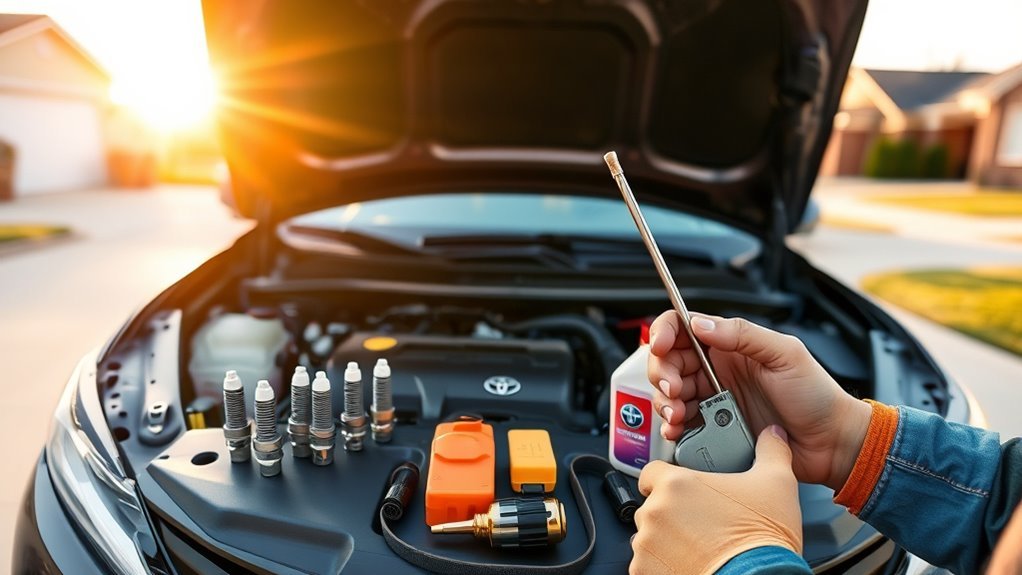
Give your Camry its best chance at a long life by following the Warranty and Maintenance Guide for its exact model year, engine, drivetrain, and operating conditions. Do not apply one oil, coolant, spark-plug, or transmission-service interval to every Camry. The site’s Camry maintenance schedule guide explains how the 5,000-mile service checkpoints differ from oil-change intervals on many newer models.
Use Toyota’s manuals and warranties lookup to select the vehicle. Severe heat, dust, frequent short trips, repeated idling, towing, and other special operating conditions may change the required service.
[Products Worth Considering]

This KAX combo kit includes both an engine air filter and a cabin air filter for compatible Toyota and Lexus hybrid models, making routine maintenance simple and convenient. It helps support cleaner cabin air and reliable engine airflow with multi-layer filtration and activated charcoal odor control. Designed for easy installation, it offers a practical all-in-one replacement solution for scheduled upkeep.

This engine water pump kit is designed to help maintain reliable cooling performance across a wide range of compatible Toyota, Lexus, Scion, and Pontiac vehicles. Built with aluminum and tested for leak-free operation, it offers a direct replacement solution that supports engine efficiency and long-term service life. The kit includes a professional water pump and gasket for a convenient installation-ready repair.

This brake bleeder bottle is designed to make fluid bleeding easier for one-person use with a built-in check valve and magnetic mount. The flexible hose fits most bleeder valves and helps reduce the chance of air entering the system during service. With a practical fluid capacity and universal fit, it is a handy tool for brake maintenance and repair.
Regular Oil and Filter Changes
Oil service is one of the most important routine tasks for a gas or hybrid Camry engine. Correct oil reduces friction, carries heat, supports hydraulic components, and helps control deposits.
Use the viscosity and specification listed for the exact engine. Check the dipstick between services, especially on an older car or one with an unknown history. A scheduled oil change cannot protect an engine that runs low before the next appointment.
Keep receipts showing the date, mileage, oil specification, filter, and service provider. If you buy a used Camry without a dependable oil history, arrange an inspection and establish a documented maintenance baseline instead of assuming previous work was completed.
Timing Belt, Timing Chain, and Water Pump
Older Camry engines may use a timing belt, while many later engines use a timing chain. Confirm the system by VIN, engine code, owner’s manual, maintenance guide, Toyota parts catalog, or a qualified technician before approving service.
If the engine uses a timing belt, follow its model-specific inspection and replacement requirements. When a water pump is driven by or accessed through the same labor-intensive area, a technician can explain whether replacing related wear parts together is economical.
Note: A timing chain may not have a routine replacement interval, but low oil, dirty oil, worn guides, or a weak tensioner can still create noise and timing problems.
Brake and Tire Maintenance
Brake and tire care protects safety while limiting secondary damage. Inspect brake pads, rotors, calipers, hoses, and brake fluid during scheduled service. Replace worn pads before metal contact damages the rotors.
Check tire pressure at least monthly when the tires are cold and use the pressure printed on the vehicle placard, not the maximum pressure molded into the tire sidewall. NHTSA also recommends checking the owner’s manual for the rotation schedule. When the manufacturer recommends rotation, a common range is 5,000 to 8,000 miles, or sooner when uneven wear appears. Review the NHTSA tire-maintenance guidance.
Hybrid Battery and Cooling Care
A Camry Hybrid needs the same basic engine, tire, brake-fluid, coolant, and suspension attention as another Camry, plus checks for the high-voltage system. Ask for a diagnostic scan that can identify stored hybrid-system codes and battery imbalance concerns. Review the Camry Hybrid maintenance checklist for battery-cooling, brake, tire, fluid, and warning-sign checks.
Keep the hybrid battery cooling intake clear of lint, pet hair, luggage, and debris. Reduced airflow can increase battery temperature. Confirm the intake location and cleaning instructions in the manual for the exact model year rather than removing trim without guidance.
Inspection Checklist for Buying a High-Mileage Camry
Start with the service history. Look for regular oil services, cooling-system work, brake maintenance, tire records, transmission or transaxle care, timing-belt documentation when applicable, recall repairs, and evidence that warning lights received prompt attention.
Then inspect the car in person. A vehicle-history report may reveal useful events, but it cannot replace a physical check under the vehicle, under the hood, through a diagnostic scan, and during a test drive.
[Products Worth Considering]

This coolant electric water pump is designed as a replacement for select Toyota vehicles, helping maintain proper engine cooling performance and reliable temperature control. Built to OE specifications, it offers fitment support for compatible Avalon, Camry, and RAV4 models with 2.5L L4 engines. It also includes cross-reference part numbers for easier matching and comes with after-sales support for covered defects.

This A-Premium serpentine belt drive kit is designed for compatible Toyota Camry, RAV4, and Scion tC models with a DOHC 2.5L L4 engine. It includes a serpentine belt and belt tensioner to help maintain smooth engine operation, reduce noise, and support reliable power transfer. Built for dependable replacement performance, it also comes with a one-year unlimited-mileage guarantee for added peace of mind.

This A-Premium cartridge engine oil filter is designed for a wide range of Toyota and Lexus vehicles, helping support cleaner oil flow and dependable engine protection. With high filtration efficiency and included O-rings, it offers a practical replacement solution for routine maintenance. Built for extended service intervals, it is suitable for conventional or synthetic oil applications.
Service History Review
Ask for the complete service file before negotiating. Useful records show the date, mileage, work performed, parts or fluids used, and the repair facility. Steady routine care is generally more reassuring than one large repair bill immediately before sale.
Look for repeated repairs to the same system. Several battery replacements may indicate a charging or parasitic-draw problem. Repeated overheating notes may indicate an unresolved leak, fan problem, restricted radiator, water-pump issue, or internal engine damage.
Pro tip: Pay a qualified independent mechanic for a pre-purchase inspection before buying a high-mileage Camry, especially when records are incomplete.
Drivetrain and Engine
Request a cold start when practical. Listen for knocking, persistent ticking, rattling, long cranking, or rough idle. Look for blue exhaust smoke, persistent white smoke after warm-up, oil leaks, coolant residue, low fluids, and signs that the engine bay was freshly washed to hide leakage.
During the test drive, check acceleration, engine temperature, transmission response, braking, steering, and vibration at different speeds. Delayed engagement, slipping, harsh shifting, shuddering, abnormal noise, or an illuminated warning light requires diagnosis before purchase.
| Check | What to Look For |
|---|---|
| Cold start | Long cranking, smoke, warning lights, rough idle, knocking, or persistent rattling |
| Fluids | Leaks, low levels, contamination, burnt odor, or incorrect fluid |
| Service history | Oil, coolant, brake, transmission, hybrid, and timing-component records where applicable |
| Transmission or transaxle | Prompt engagement, smooth operation, no slipping, shuddering, warning codes, or leakage |
| Test drive | Stable temperature, straight braking, predictable steering, and no speed-related vibration |
| Diagnostic scan | Current, pending, permanent, history, and hybrid-system trouble codes |
Rust and Structural Integrity
If the car spent time near salted roads or coastal air, inspect the undercarriage carefully. Light surface corrosion may be manageable, but deep corrosion near suspension mounts, brake lines, subframes, rocker panels, seat-belt anchors, or jacking points can create serious repair and safety concerns.
Look for bent metal, damaged seam sealer, cracked undercoating, mismatched paint, fresh welds, overspray, and uneven panel gaps. New undercoating may protect clean metal, but it can also conceal existing corrosion. Ask the inspector to lift the car before you decide.
Recall and VIN Check
Enter the 17-character VIN in the Toyota recall and service-campaign lookup. Toyota’s tool covers open safety recalls and service campaigns released since 1999 for supported U.S.-market Toyota, Lexus, and Scion vehicles.
Also check the NHTSA recall database. Confirm whether an open safety recall has an available remedy and request documentation after the repair is completed.
Repair, Keep, or Replace a High-Mileage Camry?
Use four factors instead of mileage alone: records, structure, operation, and economics. A Camry remains a reasonable keeper when its body is solid, major systems operate correctly, maintenance is documented, and upcoming costs remain predictable.
Replacement becomes more reasonable when deep rust, repeated overheating, severe oil consumption, transmission failure, hybrid-system failure, collision-related structural damage, or recurring electrical faults make future costs difficult to control.
Use a three-part decision test: (1) safety and structure, (2) engine, drivetrain, and hybrid-system trend, and (3) total cost for the next 12 months. If the car fails the safety or structural test, a favorable repair quote does not make it a good keeper. If it passes those tests, compare the complete cost of repair with the complete cost and condition of a replacement vehicle.
| Condition | Best Action | Why It Makes Sense |
|---|---|---|
| Solid structure, good records, normal operation, no urgent warning lights | Keep and maintain | The vehicle may continue providing predictable transportation |
| One diagnosed wear item with a reasonable repair cost | Repair | A targeted repair may restore dependable use without replacing the vehicle |
| Several upcoming wear items but a solid engine, drivetrain, and body | Compare totals | Bundled repair costs may still be lower than replacing and registering another car |
| Deep structural rust, severe overheating damage, major drivetrain failure, or repeated unresolved faults | Consider replacement | Repair cost and future uncertainty may exceed the car’s practical value |
Add the current repair quote, expected repairs during the next year, tires, inspection needs, registration, insurance, taxes, financing costs, and the condition of any replacement vehicle. Comparing the complete cost prevents a single large repair estimate from distorting the decision.
[Products Worth Considering]
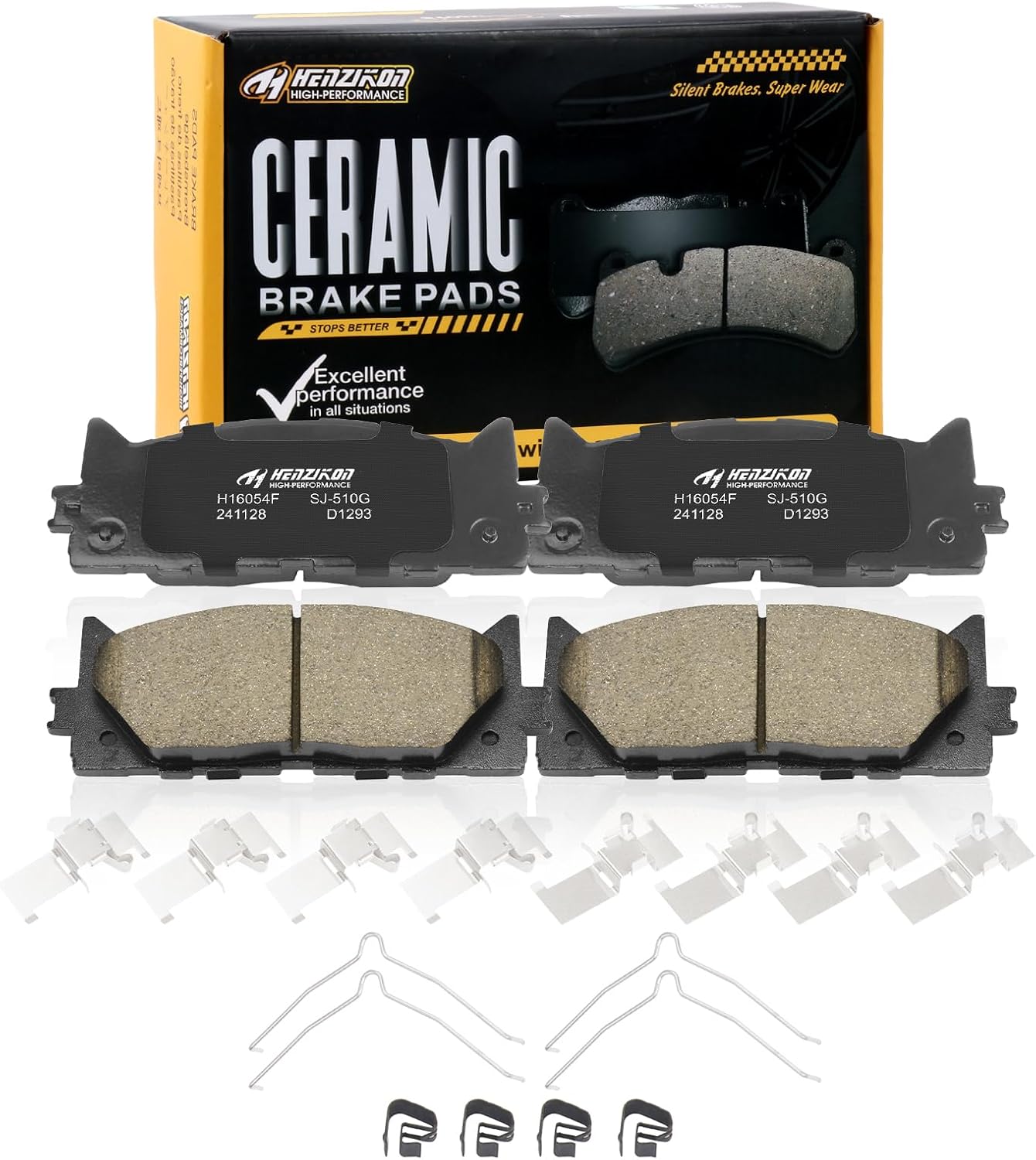
These ceramic front brake pads are designed for compatible Toyota Avalon, Camry, and Lexus ES-series vehicles, offering dependable stopping power and smooth, consistent braking performance. Built with included hardware for easier installation, they help reduce squealing and brake dust while supporting long-term durability for everyday driving.

This replacement filter set is designed for a range of Toyota hybrid vehicles, including popular models like RAV4 Hybrid, Camry Hybrid, Highlander Hybrid, Sienna, Venza, and more. It combines cabin and engine filtration to help support cleaner airflow, reduce dust and odors, and protect your HVAC and engine systems. Built for easy installation and extended service life, it offers a convenient maintenance upgrade for compatible hybrid and gas-only Corolla models.
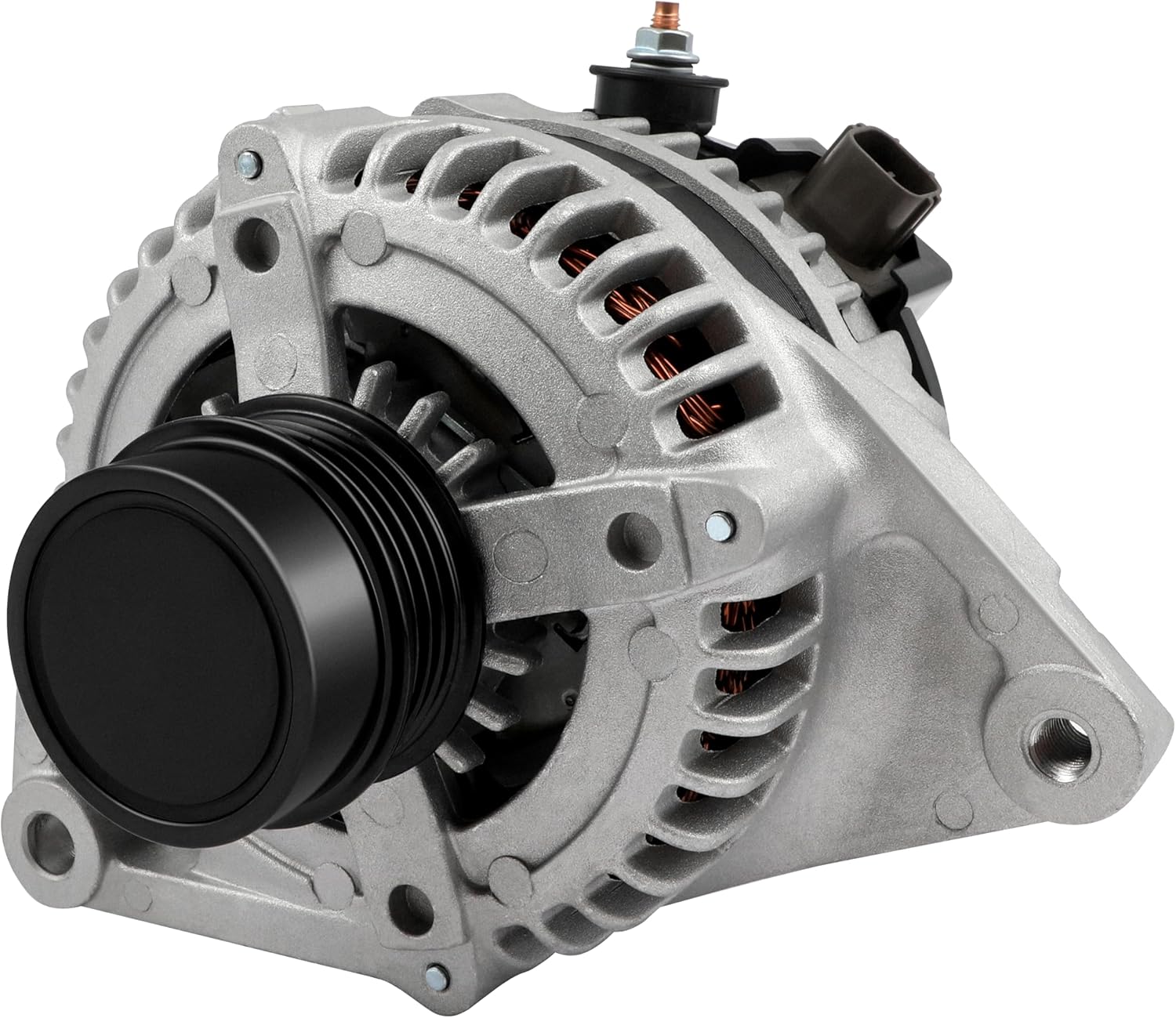
This high output alternator is designed to fit select Toyota, Scion, and RAV4 2.5L applications, delivering reliable charging performance for everyday driving. Built with a 12-volt, 100-amp design and precision-engineered components, it helps support battery recharge, stable electrical output, and consistent operation when your vehicle shows signs of charging issues.
Practical Tips to Maximize Lifespan After You Buy
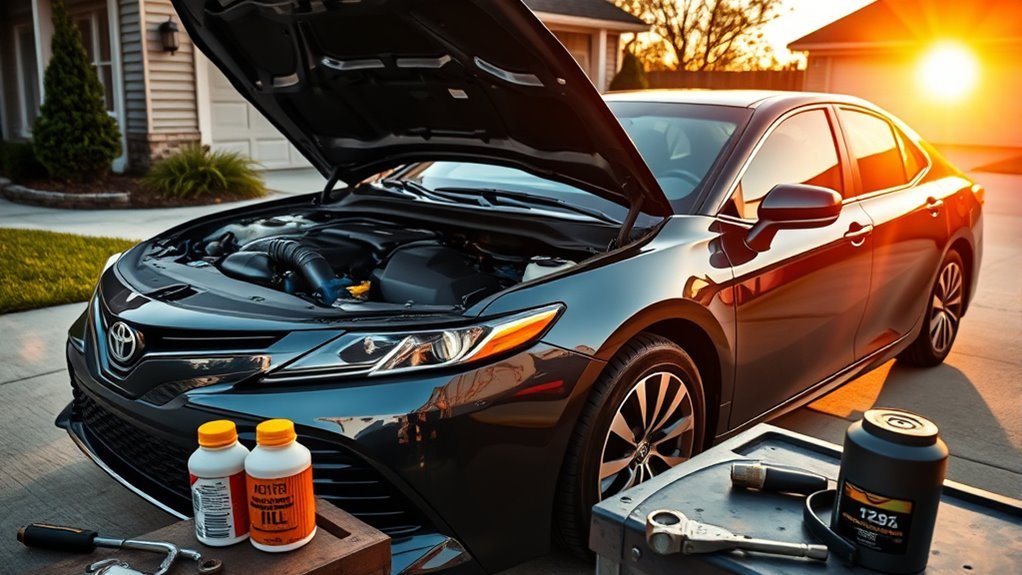
Treat routine maintenance as a predictable ownership cost rather than an optional purchase. Follow Toyota’s schedule, keep the engine oil at the correct level, inspect the cooling system, replace filters as required, and check brakes, tires, suspension, belts, hoses, and seals before a small defect causes secondary damage.
Respond to warning lights, new noises, vibration, fluid odors, reduced fuel economy, charging problems, or changes in steering and braking. Early diagnosis is usually more useful than replacing parts based only on mileage.
- Use the oil grade and specification listed for your exact engine.
- Check the oil level regularly, especially on an older or newly purchased Camry.
- Check cold tire pressure monthly and rotate tires according to the vehicle guide.
- Inspect coolant, brake fluid, transmission fluid, and other serviceable fluids listed for your model.
- Avoid driving an overheating engine or one showing a low-oil-pressure warning.
- Wash the underbody after exposure to winter road salt or coastal contamination.
- Keep invoices and inspection reports so you can identify patterns and prove maintenance.
- Check for new recalls periodically rather than only when buying the car.
Part quality and installation also matter. Choose parts that meet the vehicle’s requirements and use a qualified installer for safety-critical brake, suspension, steering, cooling, timing, electrical, and hybrid-system work.
Sources and Methodology
This guide combines Toyota owner resources, NHTSA safety guidance, current iSeeCars model-level lifespan estimates, the 2025 iSeeCars longest-lasting-vehicle study, and practical used-car inspection criteria. The iSeeCars figures are modeled population estimates. They do not guarantee that every Camry will reach a specific mileage or that one component will fail at a fixed odometer reading.
- iSeeCars Toyota Camry reliability data for current modeled average lifespan and 200,000-mile probability
- iSeeCars Toyota Camry Hybrid reliability data
- 2025 iSeeCars longest-lasting vehicles study for 250,000-mile probability and methodology
- Toyota manuals and warranties for vehicle-specific maintenance and warranty information
- Toyota warning-light guidance
- Toyota recall and service-campaign lookup
- NHTSA recall lookup
- NHTSA TireWise maintenance guidance
Frequently Asked Questions
Can a Camry go 500,000 miles?
Do not use 500,000 miles as a normal Camry lifespan expectation. The model-level datasets reviewed in this guide estimate survival only at lower mileage thresholds and do not establish a dependable 500,000-mile probability. Verify any individual high-mileage claim with odometer, title, and service records. A car at that mileage would normally have accumulated extensive wear and may have received major engine, transmission, suspension, cooling, electrical, interior, or body repairs.
Is 200,000 miles a lot for a Toyota Camry?
Yes, 200,000 miles is high mileage, but it does not automatically make a Camry unsuitable to own or buy. A documented, rust-free car that starts cleanly, maintains oil and coolant levels, shifts properly, and passes an inspection may remain useful. A neglected 120,000-mile Camry can present more risk than a carefully maintained 200,000-mile example.
How long does a Toyota Camry last in years?
At 12,000 miles per year, reaching 200,000 miles takes about 16.7 years, while reaching 300,000 miles takes 25 years. Climate, corrosion, storage, accident history, maintenance, and annual mileage can shorten or extend the usable life. Low annual mileage does not stop seals, rubber, wiring, paint, and structural metal from aging.
Do Toyota Camry Hybrids last as long as gas Camrys?
A Camry Hybrid can achieve high mileage, but its condition must include the hybrid battery, inverter, cooling system, electronic controls, engine, and transaxle. Request a complete diagnostic scan and battery-health assessment before buying a high-mileage hybrid. For U.S. model-year 2020 and newer Toyota hybrids, the hybrid battery warranty is 10 years or 150,000 miles from the original date of first use, whichever comes first, subject to Toyota’s terms.
What is considered high mileage for a Toyota Camry?
Toyota does not publish an official high-mileage cutoff. For used-car screening, 150,000 miles is a reasonable point to demand stronger records and a deeper inspection, while 200,000 miles is very high mileage. Neither number automatically makes the car unsuitable. Oil control, cooling-system history, rust, diagnostic results, drivetrain operation, and repair economics matter more than the label.
How many miles is too many for a used Toyota Camry?
There is no single disqualifying mileage. Above 200,000 miles, buy only when the structure is sound, the car has strong service records, the engine and transmission or transaxle operate normally, the diagnostic scan is acceptable, and the price leaves room for near-term repairs. Walk away at any mileage when you find structural rust, repeated overheating, severe oil loss, major drivetrain symptoms, flood damage, or unresolved safety faults.
What maintenance helps a Camry last the longest?
The most important steps are keeping the engine oil at the correct level, following the model-specific service guide, preventing overheating, maintaining tires and brakes, repairing leaks promptly, checking recall status, and responding quickly to warning lights or new symptoms. No maintenance schedule can compensate for driving with low oil, severe overheating, structural rust, or an unresolved safety problem.
What matters more on a used Camry: age or mileage?
Neither age nor mileage should be judged alone. Mileage reflects use, while age affects rubber, corrosion, paint, wiring, seals, and stored fluids. Use service records, structural condition, diagnostic results, operating behavior, and expected repair costs to judge the car as a complete system.
Final Takeaway
A Toyota Camry can reach 200,000 miles, but current model-level estimates place the average usable lifespan at about 164,028 miles for the Camry and 172,612 miles for the Camry Hybrid. Those figures are context, not a ceiling. The odometer cannot tell you whether a specific car will beat the average. Maintenance records, oil and coolant control, structural rust, warning lights, drivetrain operation, hybrid-system health, and repair economics provide a more dependable answer.
If you are buying a high-mileage Camry, verify the VIN, check recalls, request a cold start and diagnostic scan, inspect the underbody, and pay for an independent pre-purchase inspection. If you already own one, follow the exact Toyota maintenance guide and investigate new symptoms before they become larger repairs.