
What’s in This Article
- Does a Toyota Camry Use DOT 3 Brake Fluid?
- What DOT 3 Is and Why Camry Uses It
- DOT 3 vs DOT 4: Boiling Points and Performance
- Mixing Fluids: What’s Safe With DOT 3?
- Why Water in DOT 3 Makes Camry Brakes Spongy
- Recommended DOT 3 Service Interval for Camry
- Signs Your Camry Needs an Immediate Brake-Fluid Flush
- How to Check, Top Off, and Flush DOT 3 Fluid
- When Camry Owners Should Consider DOT 4 or DOT 5.1
- Frequently Asked Questions
- Conclusion
Your Toyota Camry usually uses glycol-based DOT 3 brake fluid that meets SAE J1703 or FMVSS No. 116 DOT 3. Federal standards set DOT 3 minimum boiling points at 401°F dry and 284°F wet, so it suits normal street driving when you keep it clean and dry. Toyota owner materials also warn that brake fluid absorbs moisture from the air, so use fluid from a newly opened container and check the reservoir before you top it off.
Quick Answer
Your Camry usually needs DOT 3 brake fluid, or a fluid that your owner’s manual lists as compatible. You can top up with fresh DOT 3 from a sealed bottle, and you can use DOT 4 only when the label and manual support it. Don’t mix glycol fluids with silicone DOT 5, and flush old fluid when it looks dark, tests wet, or gives you a soft pedal.
Key Takeaways
- Use DOT 3 brake fluid that meets SAE J1703 or FMVSS No. 116 unless your Camry manual says otherwise.
- DOT 3 must meet a 401°F dry boiling point and a 284°F wet boiling point under federal standards.
- Moisture lowers brake fluid performance and can make your brake pedal feel soft or spongy.
- Check the reservoir level between the MIN and MAX marks before you add any fluid.
- Flush the fluid on the schedule in your owner’s manual, or sooner if testing shows moisture or contamination.
Does a Toyota Camry Use DOT 3 Brake Fluid?
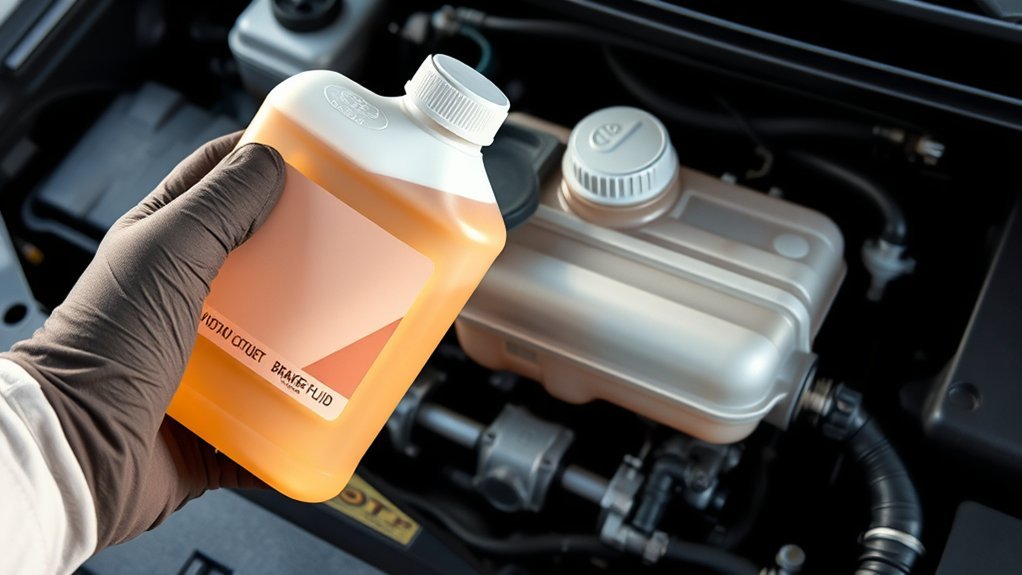
Yes, most Toyota Camry owner materials call for DOT 3 brake fluid that meets SAE J1703 or FMVSS No. 116. This fluid uses a glycol-based formula, so it works with the hydraulic brake system, rubber seals, anti-lock braking system (ABS) parts, and calipers when you use the correct grade.
DOT 3 gives your Camry enough heat resistance for daily driving. Federal standards require DOT 3 to meet a minimum dry boiling point of 401°F and a minimum wet boiling point of 284°F. If you drive in steep mountains, tow, or brake hard often, your mechanic may suggest DOT 4, but you should still check your manual first.
Use only clean brake fluid from a sealed bottle. Once you open a bottle, the fluid starts to absorb moisture from the air, and that moisture can reduce braking performance.
Do All Camry Model Years Use the Same Brake Fluid?
Many Camry manuals list DOT 3, SAE J1703, or FMVSS No. 116 DOT 3 brake fluid, but you should not rely on a general rule for every year and market. Check the cap on your brake fluid reservoir and the maintenance section in your owner’s manual before you add fluid.
If the manual lists DOT 3, use DOT 3. If it lists another approved grade, follow that exact specification instead of guessing from another Camry model year.
What DOT 3 Is and Why Camry Uses It
DOT 3 brake fluid is a glycol-based hydraulic fluid. It transfers pedal force from the master cylinder to the brake calipers and wheel cylinders. Toyota uses DOT 3 in many Camry models because it balances cost, seal compatibility, corrosion control, and heat resistance for normal road use.
DOT 3 also gives you simple maintenance. You can find it widely, and most repair shops know how to test, flush, and bleed it correctly.
Why Toyota Chooses DOT 3
Toyota chooses DOT 3 because it works well with the Camry’s brake system materials and daily driving needs. It also meets clear federal performance limits, which helps drivers and shops identify the right fluid grade.
You don’t need racing fluid for normal commuting. You need clean fluid that matches Toyota’s specification, stays within its service life, and resists vapor formation during braking.
DOT 3 Performance Traits
DOT 3 gives you a dry boiling point of at least 401°F and a wet boiling point of at least 284°F under FMVSS No. 116. The dry number applies to fresh fluid, while the wet number reflects fluid after controlled moisture exposure in lab testing.
Those numbers matter because brake fluid faces heat every time you slow the car. When moisture builds up, the boiling point drops, and the pedal can feel soft during hard braking.
DOT 3 vs DOT 4: Boiling Points and Performance
Compare brake fluids by specification first, then by how you drive. DOT 4 gives higher boiling-point minimums than DOT 3, but that does not mean every Camry needs DOT 4.
- DOT 3: 401°F dry and 284°F wet minimum, suitable for normal street driving.
- DOT 4: 446°F dry and 311°F wet minimum, better for higher brake heat.
- DOT 3: a practical choice when your Camry manual calls for it.
- DOT 4: useful only when your manual, fluid label, or mechanic confirms compatibility.
Choose DOT 3 when your manual specifies it and your driving stays normal. Consider DOT 4 only when you need more heat margin and you can confirm that your brake system accepts it.
Note: A higher DOT number does not always mean a better choice for your Camry, because the correct fluid must match the system specification.
[Products Worth Considering]
This one-man brake bleeding kit helps flush old brake fluid and remove trapped air for firmer, more responsive braking without the hassle of a second person. Its improved sealing and translucent catch bottle help prevent leaks while making fluid level checks easy during use. With multiple adapter sizes for many vehicle makes, it is a practical tool for clean, efficient brake system maintenance.

This brake bleeder bottle is designed to make fluid bleeding easier for one-person use with a built-in check valve and magnetic mount. The flexible hose fits most bleeder valves and helps reduce the chance of air entering the system during service. With a practical fluid capacity and universal fit, it is a handy tool for brake maintenance and repair.

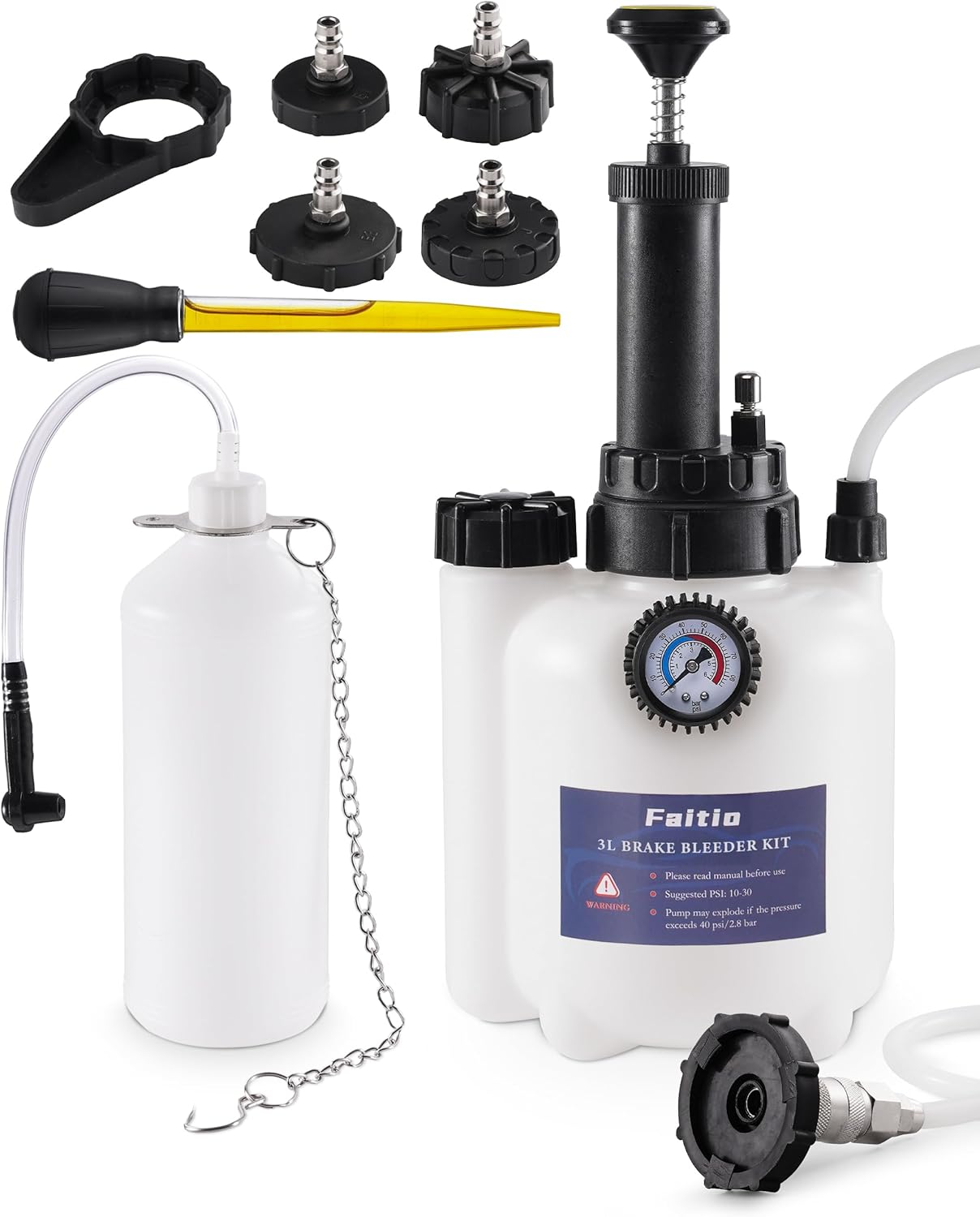
This universal brake bleeder kit makes one-person brake and clutch line bleeding simple by using compressed air to create stable vacuum-assisted fluid flow. Its extra-large 3L tank helps complete full-system flushes with fewer interruptions, while the included refill bottle, flexible hose, and universal adapter support clean, efficient use on standard and ABS brake systems.
Mixing Fluids: What’s Safe With DOT 3?
You can mix DOT 3 with DOT 4 or DOT 5.1 in limited situations because those fluids use glycol-based chemistry. Still, mixing should not replace a proper flush, and the final fluid blend may not perform like a full system of fresh higher-grade fluid.
Never mix glycol-based DOT 3, DOT 4, or DOT 5.1 with silicone-based DOT 5. Silicone DOT 5 does not belong in a system designed for glycol brake fluid unless the manufacturer clearly approves it.
For the safest top-off, use the same grade that your owner’s manual lists. If you add a different glycol-based grade in an emergency, schedule a complete brake-fluid service soon and document what you used.
[Products Worth Considering]

This brake bleeder hose kit helps remove old brake fluid and air from motorcycle brake and clutch systems quickly and efficiently. Its one-way check valve prevents air from being drawn back into the system, while the easy-to-connect clips make bleeding simple for routine maintenance. Built for reliable use, it is a practical tool for keeping motorcycle braking performance responsive.
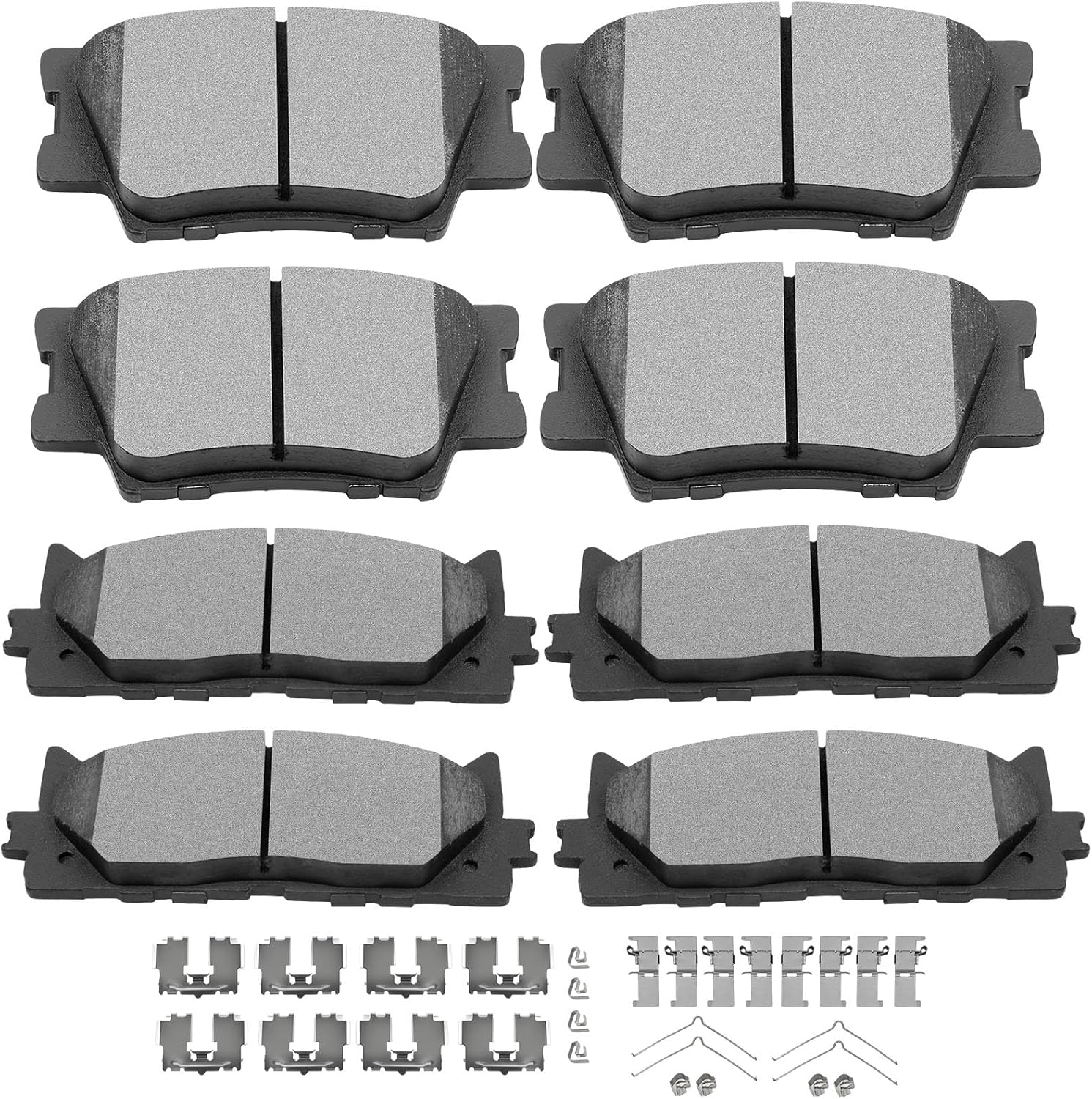
This ceramic front and rear brake pad set is designed as a direct replacement for select Lexus and Toyota models, helping restore reliable stopping performance. The pads feature a scorch-treated friction surface for quicker break-in and consistent wear, while the included gasket design helps reduce vibration and noise for quieter braking. Built for easy installation, this kit comes ready to fit compatible vehicles without modification.

This brake bleeder bottle helps simplify brake fluid replacement by draining old fluid while reducing air in the line. Its rubber connector fits most bleed screws, and the included hose and chain help keep the bottle securely in place during use. Built from durable, corrosion-resistant plastic, it is suitable for a wide range of vehicles including cars, motorcycles, ATVs, dirt bikes, and scooters.
Why Water in DOT 3 Makes Camry Brakes Spongy
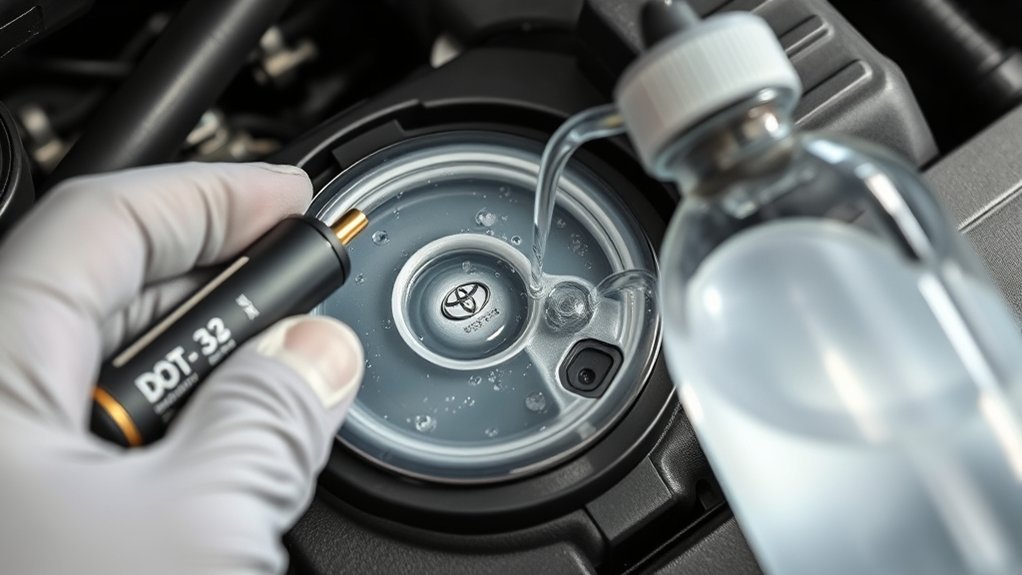
You may feel a spongy brake pedal when moisture lowers the fluid’s boiling point. Under hard braking, water-contaminated fluid can boil sooner and form vapor in the hydraulic lines.
Brake fluid should transfer force because liquid does not compress much. Vapor compresses under pedal pressure, so the pedal travels farther and the calipers receive less force.
Moisture Lowers Boiling Point
DOT 3 absorbs moisture from the air over time. Toyota owner materials warn that excess moisture can cause a dangerous loss of braking efficiency, which is why fresh fluid and a sealed container matter.
- Check the fluid level and color during routine service.
- Use a brake-fluid tester or ask a shop to test the boiling point.
- Flush the system when testing shows high moisture or poor boiling performance.
- Keep the reservoir cap clean and tight to limit contamination.
Vapor Causes Pedal Softness
When fluid vaporizes, gas bubbles enter the hydraulic system. Those bubbles compress as you press the pedal, so your Camry may need more pedal travel before the brakes bite.
This problem can show up during steep descents, repeated hard stops, towing, or humid driving conditions. Treat a sudden soft pedal as a safety issue, not a comfort issue.
Recommended DOT 3 Service Interval for Camry
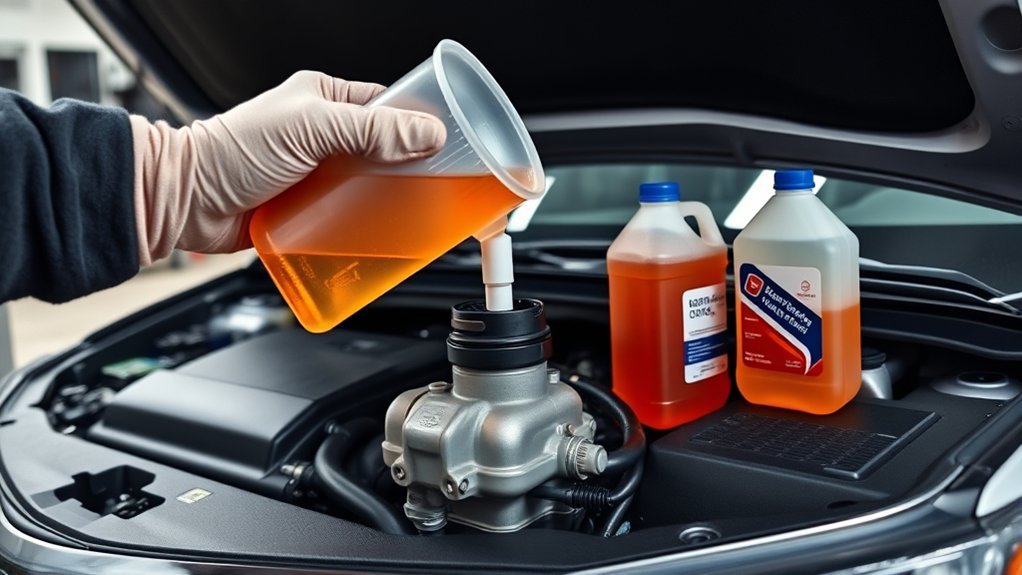
Follow the maintenance schedule for your exact Camry model year first. Many shops use a practical 2-3 year brake-fluid service interval, and some drivers also track it around 30,000-40,000 miles, but your owner’s manual and inspection results should guide the final choice.
Brake fluid ages faster when heat, humidity, towing, mountain driving, or stop-and-go traffic stress the system. Test the fluid sooner if your brake pedal changes or the fluid looks dark.
- Check fluid clarity and level during routine service.
- Ask a shop to test moisture or boiling point if you drive in harsh conditions.
- Replace fluid sooner if you tow, descend steep grades, or drive in high humidity.
- Use only the fluid type listed in your owner’s manual.
Clean fluid helps protect the master cylinder, calipers, ABS parts, and brake lines from moisture-related damage.
Signs Your Camry Needs an Immediate Brake-Fluid Flush
Get your Camry checked right away if you see dark or cloudy brake fluid, feel a spongy pedal, or notice the brake warning light. These signs can point to moisture, contamination, air in the lines, a leak, or low fluid.
Low brake fluid can also come from worn brake pads because the caliper pistons sit farther out as pads wear. Frequent refilling may point to a leak, so do not keep topping off the reservoir without finding the cause.
- Dark fluid can mean age, heat damage, or contamination.
- A soft pedal can mean air, vapor, or moisture in the system.
- A falling level can mean worn pads or a leak.
- A warning light needs prompt inspection before you keep driving.
Warning: Do not drive a Camry with a sinking pedal, brake-fluid leak, or brake warning light unless a qualified mechanic says it is safe.
How to Check, Top Off, and Flush DOT 3 Fluid
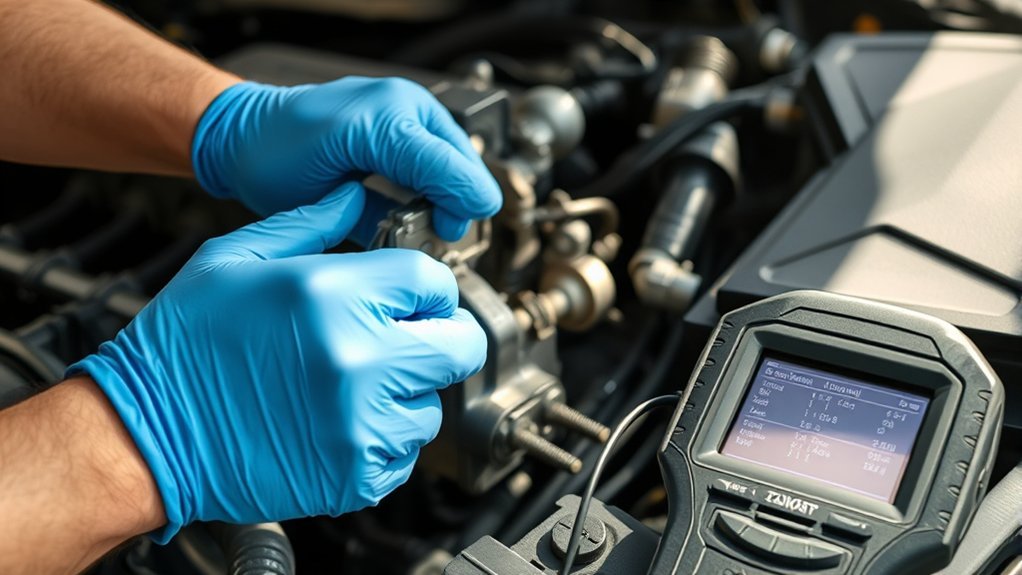
Start by parking on level ground and letting the engine cool. Find the brake-fluid reservoir under the hood, then check whether the level sits between the MIN and MAX marks.
Wipe the cap before you open it so dirt cannot enter the reservoir. If the level sits low, add only the fluid type listed in your Camry manual, and use a clean funnel if needed.
- Check the reservoir level through the clear plastic tank before opening it.
- Inspect the fluid color and avoid topping off fluid that looks very dark or dirty.
- Use fresh DOT 3 from a sealed container when your manual calls for DOT 3.
- Flush by removing old fluid and bleeding each brake line until clean, air-free fluid exits.
A full flush and brake bleed require care because trapped air can reduce braking force. If you have not done brake bleeding before, let a qualified mechanic handle it.
Pro tip: Write the brake-fluid service date and mileage in your maintenance log so you don’t guess at the next flush.
[Products Worth Considering]
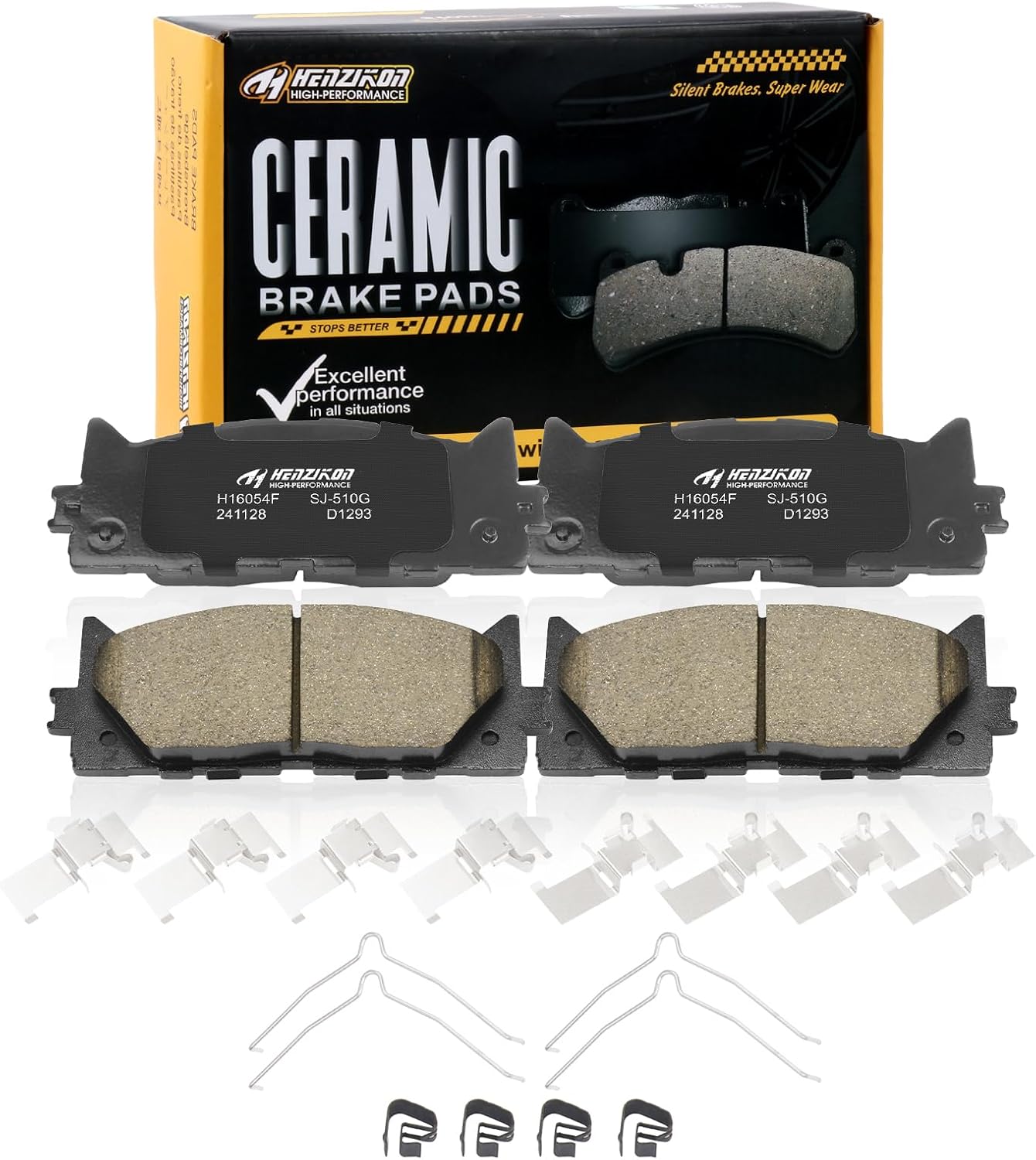
These ceramic front brake pads are designed for compatible Toyota Avalon, Camry, and Lexus ES-series vehicles, offering dependable stopping power and smooth, consistent braking performance. Built with included hardware for easier installation, they help reduce squealing and brake dust while supporting long-term durability for everyday driving.
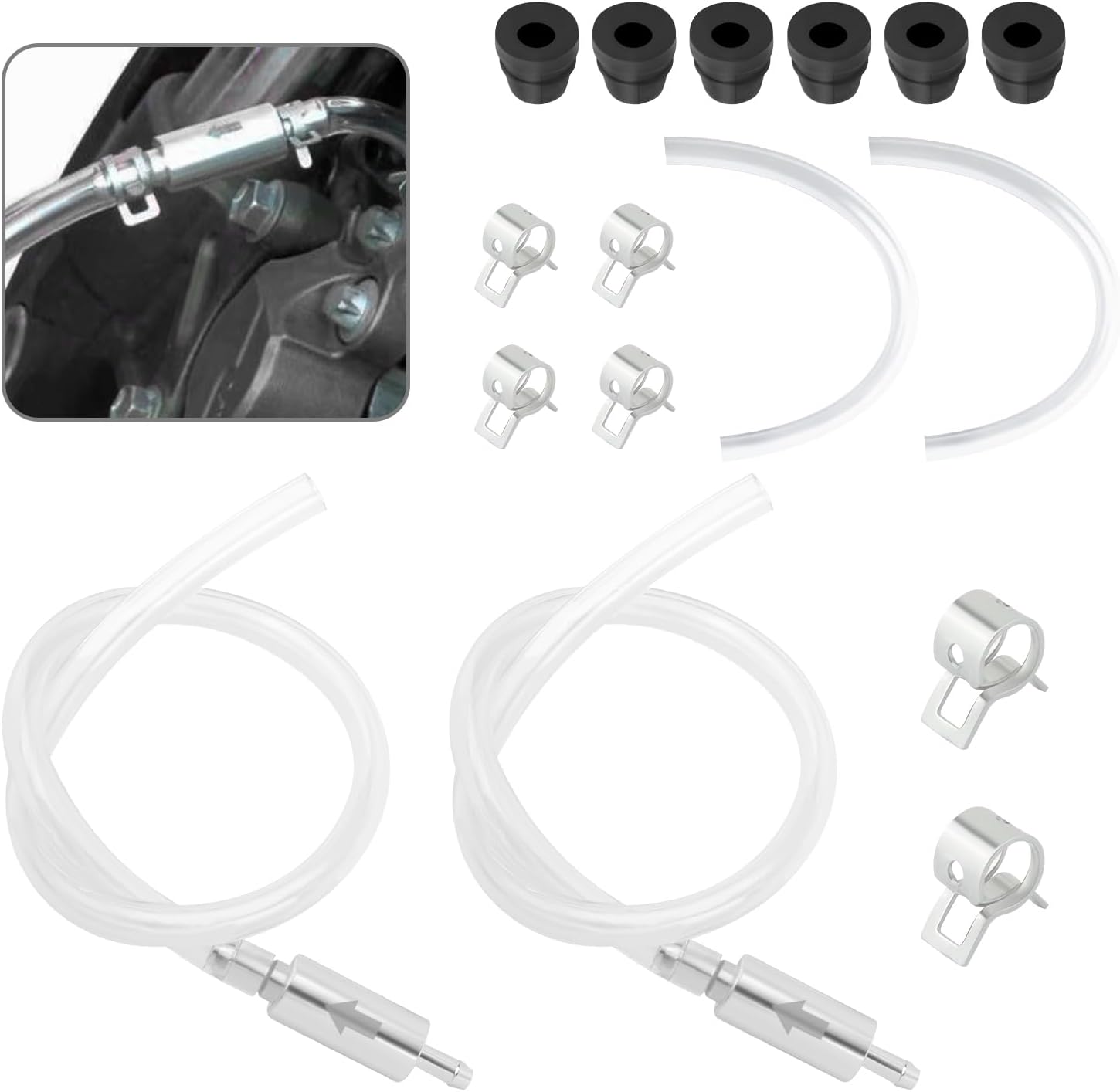
This brake bleeder kit helps make hydraulic brake bleeding easier on motorcycles, cars, and bikes with a simple one-way valve setup that helps prevent air and contamination from entering the system. It includes multiple hoses, clamps, and dust-proof screw caps for a cleaner, more controlled bleeding process. Durable rubber tubing and rust-resistant valves support repeated use and flexible installation around different brake layouts.

This universal brake bleeding kit lets you flush brake, clutch, and other hydraulic systems by yourself with fast, efficient vacuum-assisted operation. Built with a durable aluminum alloy pump, silicone tubing, and secure fittings, it helps maintain a tight seal for cleaner, easier service. The included blow-molded case keeps every part organized for convenient storage and transport between jobs.
When Camry Owners Should Consider DOT 4 or DOT 5.1
You may consider DOT 4 when your Camry sees repeated heavy braking, hot climates, steep grades, or towing. DOT 4 has higher federal boiling-point minimums than DOT 3, which can give more heat margin.
DOT 5.1 is also glycol-based, unlike silicone DOT 5. Some DOT 5.1 products offer high boiling points and lower cold-temperature viscosity, which can help certain ABS designs. That still does not mean you should upgrade without checking your manual.
If you switch from DOT 3 to DOT 4 or DOT 5.1, perform a full flush rather than a casual top-off. Follow the vehicle manufacturer’s recommendation, and never add silicone DOT 5 to a DOT 3 system.
Frequently Asked Questions
Should I use DOT 3 or DOT 4 in a Toyota Camry?
Use DOT 3 when your Camry owner’s manual calls for DOT 3. You can consider DOT 4 only if your manual, fluid label, or mechanic confirms that it suits your model.
What kind of brake fluid does a Toyota Camry take?
Most Toyota Camry manuals list SAE J1703 or FMVSS No. 116 DOT 3 brake fluid. Check your reservoir cap and owner’s manual before adding fluid because model-year guidance can vary.
What exactly is DOT 3 brake fluid?
DOT 3 brake fluid is a glycol-based hydraulic fluid for brake systems. It must meet federal minimum boiling-point and performance standards before manufacturers can label it as DOT 3.
How often should DOT 3 be changed?
Follow your Camry maintenance schedule first. Many shops recommend a 2-3 year interval, but you should flush sooner if testing shows moisture, the fluid turns dark, or the pedal feels soft.
Can I use an opened bottle of brake fluid?
Avoid using old opened brake fluid because it can absorb moisture from the air. Use a newly opened container when you top off or flush the system.
Safety Disclaimer: This article gives general brake-fluid information only. Brake work affects stopping safety, so use your owner’s manual and contact a qualified mechanic if you feel unsure.
Conclusion
Your Camry usually needs DOT 3 brake fluid that meets Toyota’s listed specification. Keep the fluid clean, dry, and matched to the owner’s manual because moisture can lower boiling point and make the pedal feel soft. Check the reservoir level during routine service, and schedule a flush when the fluid looks dirty, tests wet, or passes its service interval. If you need more heat resistance, ask a qualified mechanic whether DOT 4 or DOT 5.1 suits your exact Camry before you switch.
References
- 49 CFR 571.116, Standard No. 116: Motor Vehicle Brake Fluids – Electronic Code of Federal Regulations, current standard.
- Toyota Camry Owner’s Manual, Brake Fluid Section – Toyota, official owner manual.
- Federal Motor Vehicle Safety Standards: Motor Vehicle Brake Fluids – Federal Register, 2010.
- DOT 5.1 Brake Fluid Technical Data Sheet – Motul, 2025.



[…] to Check Brake Fluid Level in a Toyota […]