Last updated: July 23, 2026 — revised for model-year brake-fluid differences, Camry Hybrid bleeding cautions, and brake-warning triage.
A soft brake pedal in a Toyota Camry usually means the hydraulic brake system is not building or holding pressure normally. Air in the lines, a fluid leak, a flexible hose that expands, an internal master-cylinder fault, or a problem left after recent brake service can all cause a spongy or low pedal. A pedal that repeatedly sinks while you hold steady pressure is more urgent than one that merely feels softer than expected.
Do not drive if the pedal approaches the floor, stopping performance has changed, fluid is below the MIN mark, you see a leak, or a red brake warning remains on. Arrange towing when a red brake warning appears with the ABS warning or the car cannot stop predictably.
Quick Answer
A Toyota Camry soft brake pedal most often points to air in the hydraulic system, brake-fluid loss, hose expansion, excessive component movement, or a master cylinder that cannot hold pressure. Check the reservoir level through the side of the container and look for obvious wetness without crawling under an unsupported car. Do not treat topping off fluid as a repair. Leave the Camry parked and arrange service or towing if the pedal sinks toward the floor, braking distance increases, fluid is below MIN, a leak is visible, or the red brake and ABS warnings appear together. Camry Hybrid and electronically controlled brake systems may require a model-specific Toyota bleed procedure and scan tool.
Key Takeaways
- A spongy pedal that firms after pumping can point to trapped air, hose expansion, or excess brake-component clearance.
- A pedal that repeatedly sinks under steady pressure can indicate an external leak or internal master-cylinder bypass.
- Brake-fluid specifications vary by Camry model year and powertrain. Use only the fluid listed on the reservoir cap or in the exact owner’s manual.
- Do not drive with reduced braking, fluid below MIN, active leakage, a pedal near the floor, or simultaneous red brake and ABS warnings.
- Camry Hybrid and electronically controlled brake systems may require a scan-tool bleed and a Toyota-specified procedure.
At a Glance: What Your Brake Pedal May Be Telling You
| What You Notice | Possible Causes | Safest Next Step |
|---|---|---|
| Spongy or springy pedal | Air in the system, hose expansion, fluid overheating, or excess component movement | Leave the car parked if braking has changed; inspect fluid and arrange diagnosis |
| Pedal firms after pumping | Trapped air, excessive rear-brake clearance on applicable older systems, or component movement | Do not rely on pumping as a repair; have the hydraulic and mechanical systems checked |
| Pedal repeatedly sinks under steady pressure | External hydraulic leak or internal master-cylinder bypass | Do not drive; arrange towing and pressure diagnosis |
| Low fluid or visible wetness | Pad wear may lower the level gradually, but sudden loss suggests a leak | Do not top off and continue driving; find the cause first |
| Hard pedal or hissing with high effort | Brake-assist, booster, vacuum, pump, or related control fault | Treat it as a separate brake-assist problem and obtain prompt service |
| Pulsation or kickback | Rotor, hub, tire, suspension, or ABS-related condition | Use the separate Camry brake pedal pulsation guide |
What’s in This Article
- Before You Start: Safety Checks
- What Causes a Soft Brake Pedal in Toyota Camrys?
- How to Fix a Soft Brake Pedal
- How Can You Identify Air in the Brake System?
- Signs of Fluid Leaks in Your Brake System
- Why Contaminated Brake Fluid Can Be a Big Problem
- The Importance of the Brake Booster Pin Gap
- How to Diagnose Master Cylinder Issues
- Checking for Problems With Brake Hoses and Calipers
- Steps to Bleed Your Brake System Correctly
- When to Get Professional Brake Help
- Frequently Asked Questions
Before You Start: Safety Checks
Park your Camry on level ground, switch the vehicle off, set the parking brake, and keep the key away from the car while you perform a visual check. Wear gloves and eye protection. Brake fluid can irritate your skin or eyes and can damage painted surfaces.
Check the reservoir through its translucent side before removing the cap. Do not crawl under a vehicle supported only by a jack, and do not open a hydraulic fitting merely to see whether fluid comes out.
Warning: Do not drive your Camry if the pedal approaches the floor, stopping performance has changed, fluid is below the MIN mark, you see active leakage, the red brake warning remains on, or the red brake and ABS warnings appear together.
Brake-fluid specifications vary by Camry model year and powertrain. Some Camry manuals list FMVSS No. 116 DOT 3 or SAE J1703 fluid, while newer models may also allow FMVSS No. 116 DOT 4 or SAE J1704. Check the reservoir cap and the Toyota owner’s manual for your exact model year before adding any fluid. Do not substitute a grade that is not listed.
For a closer look at the reservoir and safe level checks, see how to check the brake fluid level in a Toyota Camry.
What Causes a Soft Brake Pedal in Toyota Camrys?
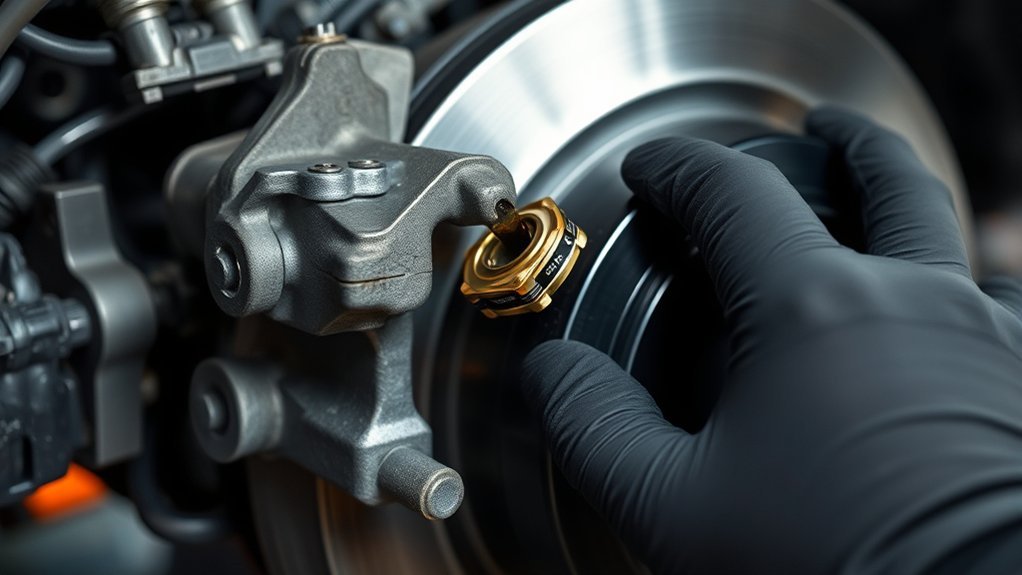
A Toyota Camry soft brake pedal usually means pressure is being lost, delayed, or absorbed somewhere in the braking system. The most common categories are trapped air, fluid leakage, flexible-hose expansion, excessive mechanical movement, contaminated or overheated fluid, and internal master-cylinder bypass.
Air in the brake system compresses when you press the pedal. That compression creates the springy or spongy feel that hydraulic fluid alone should not produce. Air often enters after a hydraulic component is opened, a leak develops, or the reservoir runs too low during service.
External leakage can occur at a brake line, hose, fitting, bleeder screw, caliper seal, wheel cylinder on applicable older systems, master-cylinder area, or hydraulic control unit. Fluid loss reduces the amount of hydraulic pressure available and may allow air to enter.
Flexible brake hoses can deteriorate internally or expand under pressure. A damaged hose may produce excess pedal movement even when no large external leak is visible.
Master-cylinder seal failure can allow pressure to bypass internally. The pedal may repeatedly sink while you hold steady force even though the outside of the cylinder appears dry.
A leaking caliper seal, excessive caliper movement, seized slide, incorrect component installation, or excessive rear-brake clearance on an applicable older system can also change pedal travel. Normal pad wear can gradually lower the reservoir level as caliper pistons move outward, but pad wear alone should not be assumed to explain a suddenly soft or sinking pedal.
How to Fix a Soft Brake Pedal
Fixing a soft Camry brake pedal starts with diagnosis, not bleeding or replacing parts at random. Identify when the symptom began, check the fluid level and dashboard warnings, look for leakage, and determine whether the pedal is spongy, sinking, hard, or pulsating.
[Products Worth Considering]
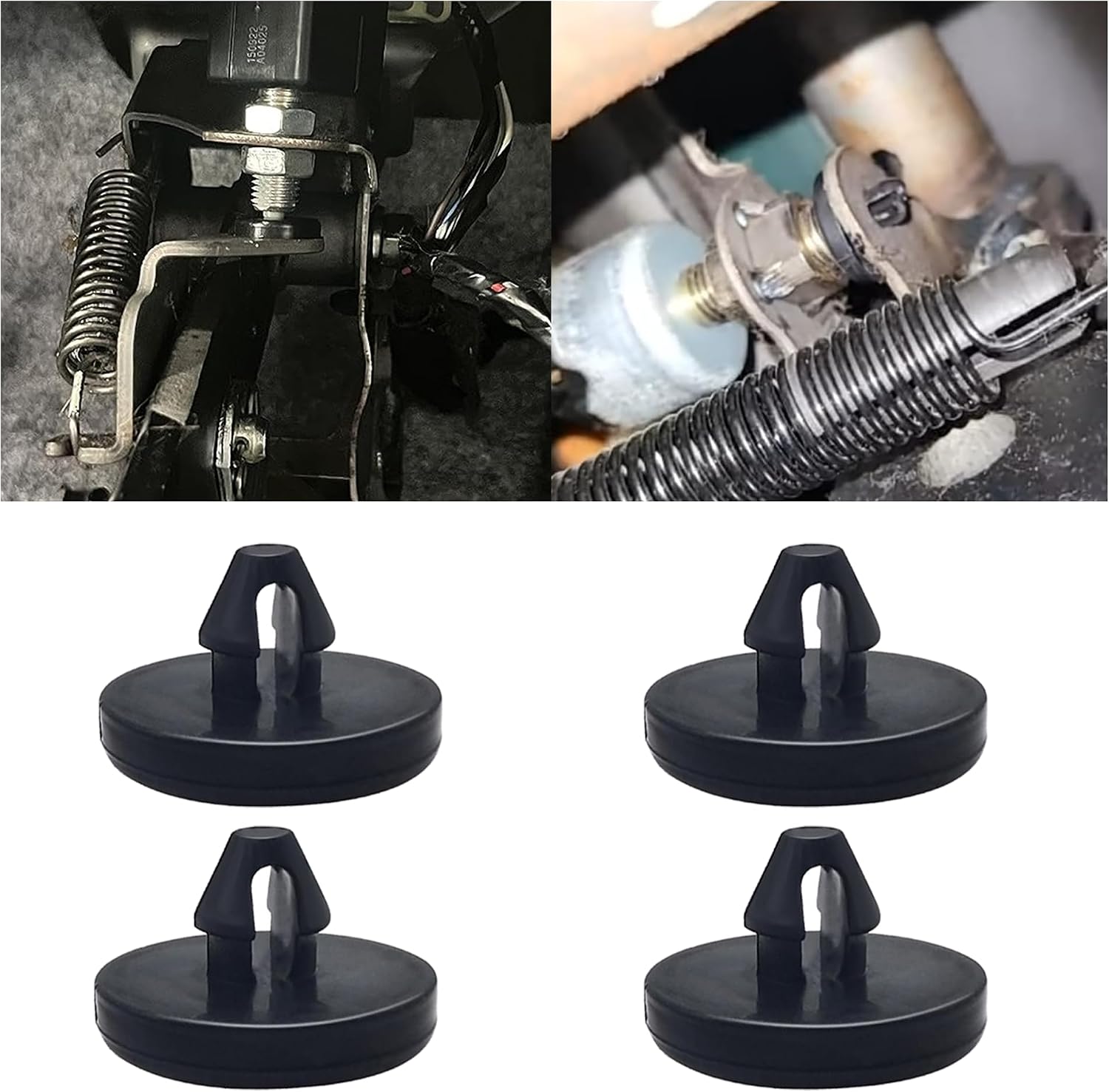
This brake pedal stop pad set is designed as an OEM replacement for compatible Toyota, Lexus, and Scion models, helping restore proper brake light switch function when the brake light stays on. Made from durable nylon, these compact stoppers are built for reliable long-term use and quick, tool-free installation. The set includes multiple pieces for convenient replacement and sharing.

This universal brake bleeding kit lets you flush brake, clutch, and other hydraulic systems by yourself with fast, efficient vacuum-assisted operation. Built with a durable aluminum alloy pump, silicone tubing, and secure fittings, it helps maintain a tight seal for cleaner, easier service. The included blow-molded case keeps every part organized for convenient storage and transport between jobs.

This universal brake bleeder kit makes one-person brake and clutch line bleeding simple by using compressed air to create stable vacuum-assisted fluid flow. Its extra-large 3L tank helps complete full-system flushes with fewer interruptions, while the included refill bottle, flexible hose, and universal adapter support clean, efficient use on standard and ABS brake systems.
Common Diagnostic Steps
Start by noting the exact conditions:
- Did the pedal change suddenly or gradually?
- Did the problem begin immediately after pad, rotor, caliper, hose, master-cylinder, or fluid service?
- Does the pedal firm up after pumping?
- Does it repeatedly sink while held under steady pressure?
- Is the fluid below MIN, and does the level continue to fall?
- Are the red brake, ABS, electronic parking-brake, or other brake-control warnings on?
- Is the Camry a gasoline model or a hybrid with electronically controlled braking?
Look for wetness around visible brake lines, flexible hoses, calipers, wheel cylinders on applicable models, bleeder screws, and the master-cylinder area. Check beneath each wheel without placing any part of your body under an unsupported vehicle.
A pedal that temporarily firms after pumping can point toward trapped air, hose expansion, excess brake clearance, or component movement. A pedal that repeatedly sinks during normal stationary braking can point toward external leakage or internal master-cylinder bypass.
On newer Camrys, certain driver-assistance functions can briefly change pedal response while they are operating. That documented operating characteristic is different from a persistent soft or sinking pedal, reduced braking, fluid loss, or an active warning.
Effective Repair Techniques
Repair every confirmed leak before bleeding the system. Bleeding cannot permanently correct a leaking line, hose, caliper, wheel cylinder, fitting, master cylinder, or hydraulic control unit.
After recent brake service, check for:
- A reservoir that was allowed to run low during bleeding
- A loose fitting or bleeder screw
- A caliper installed with its bleeder below the trapped air pocket
- A master cylinder that was not prepared according to its service procedure
- Air trapped in the ABS or electronically controlled hydraulic unit
- An incorrect model-specific bleed sequence or power-switch state
- Damaged hoses, seals, or components disturbed during the repair
If the pedal still sinks after leaks are ruled out and the system is correctly bled, a shop can isolate hydraulic circuits, test pressure retention, inspect component movement, and determine whether the master cylinder or brake-control unit is bypassing pressure.
| Action | Why It Matters | What It Helps Confirm |
|---|---|---|
| Inspect fluid level and warnings | Identifies immediate stop-driving conditions | Whether fluid loss or a brake-control fault may be present |
| Repair confirmed leaks | Restores the sealed hydraulic circuit | Whether fluid and air were escaping at a component |
| Bleed with the exact procedure | Removes trapped air without introducing more | Whether air caused the spongy response |
| Measure component movement | Finds excess clearance, hose expansion, or caliper movement | Whether pedal travel is being used before the brakes clamp |
| Pressure-test the system | Checks whether hydraulic pressure holds | Whether the master cylinder or another component bypasses internally |
How Can You Identify Air in the Brake System?
Air commonly produces a springy or spongy pedal because gas compresses under pressure. The pedal may travel farther than normal and may become temporarily firmer after several pumps.
[Products Worth Considering]

This brake bleeder hose kit helps remove old brake fluid and air from motorcycle brake and clutch systems quickly and efficiently. Its one-way check valve prevents air from being drawn back into the system, while the easy-to-connect clips make bleeding simple for routine maintenance. Built for reliable use, it is a practical tool for keeping motorcycle braking performance responsive.

This brake bleeder bottle is designed to make fluid bleeding easier for one-person use with a built-in check valve and magnetic mount. The flexible hose fits most bleeder valves and helps reduce the chance of air entering the system during service. With a practical fluid capacity and universal fit, it is a handy tool for brake maintenance and repair.

This brake bleeder bottle helps simplify brake fluid replacement by draining old fluid while reducing air in the line. Its rubber connector fits most bleed screws, and the included hose and chain help keep the bottle securely in place during use. Built from durable, corrosion-resistant plastic, it is suitable for a wide range of vehicles including cars, motorcycles, ATVs, dirt bikes, and scooters.
Symptoms of Air Presence
Common signs include:
- A soft or springy pedal rather than a firm hydraulic stop
- More pedal travel before the brakes respond
- Temporary improvement after pumping the pedal
- A problem that began after a line, hose, caliper, master cylinder, or hydraulic unit was opened
- Visible bubbles during a correctly performed bleed procedure
These signs do not prove that air is the only fault. Hose expansion, excessive component movement, low fluid, a leak, or master-cylinder bypass can imitate part of the same pedal behavior.
A hard pedal that requires unusually high effort points toward a brake-assist, booster, vacuum, pump, or control problem rather than trapped air. A pulsating pedal follows a different diagnostic path.
Bleeding Techniques Overview
Bleeding removes compressible air by moving clean, specified brake fluid through the hydraulic circuit. The correct wheel order, vehicle power state, scan-tool steps, and actuator procedure vary by model year and system design.
- Use only the fluid specification listed for the exact Camry.
- Use fluid from a newly opened, clean container.
- Keep dirt and moisture away from the reservoir.
- Never allow the reservoir to run below the safe level during the procedure.
- Follow the Toyota repair procedure rather than assuming the farthest-wheel-first order applies.
- Use the required scan-tool bleed function when the service information specifies one.
Pro tip: If a Camry Hybrid or electronically controlled brake system stays soft after a basic wheel bleed, stop repeating the same procedure. The hydraulic control unit may require Toyota’s prescribed scan-tool routine.
After bleeding, the pedal should hold consistently, every opened fitting must remain dry, the reservoir must be at the proper level, and no brake warning should remain. Do not road-test a vehicle with an unresolved soft or sinking pedal.
Signs of Fluid Leaks in Your Brake System
A brake-fluid leak can reduce pressure, increase pedal travel, and allow air into the system. Treat active leakage or repeated fluid loss as a stop-driving condition.
Look for:
- Fluid below the reservoir’s MIN mark
- A sudden level drop or repeated need to add fluid
- Wetness at a caliper, wheel cylinder, hose, line, fitting, or bleeder screw
- Wetness at the master cylinder or where it meets the brake-assist unit
- Fluid on the inside of a wheel or tire
- A slick clear, amber, or brown liquid beneath the vehicle
- A persistent red brake warning or changed stopping response
Normal brake-pad wear can gradually lower the reservoir level because more fluid remains behind the extended caliper pistons. That does not make a low level harmless. A sudden drop, fluid below MIN, repeated refilling, or visible wetness requires immediate inspection.
Brake fluid can damage paint. Rinse a spill from painted surfaces promptly with plenty of water, following the product and vehicle safety instructions.
[Products Worth Considering]
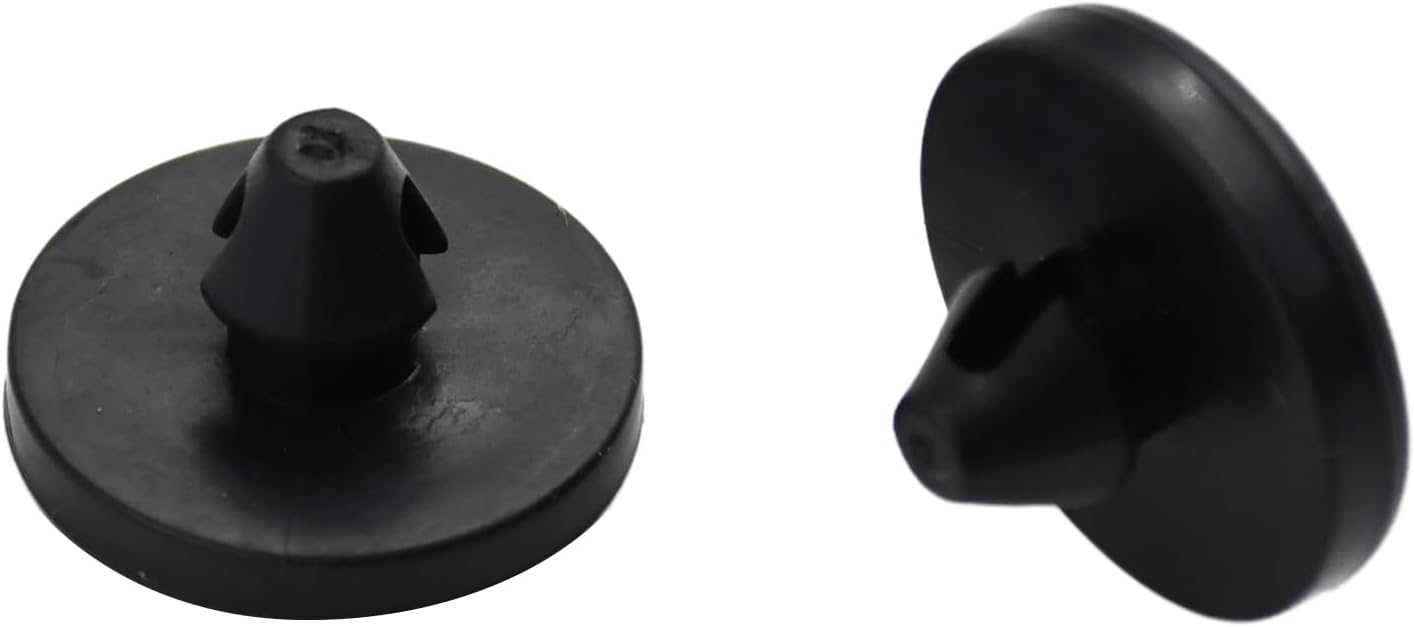
This brake switch stopper set helps restore proper brake pedal and brake light switch operation on a wide range of Toyota, Lexus, and Scion vehicles. Designed as a direct replacement part, it supports reliable pedal contact and can help fix worn or missing stoppers that affect brake light function. The package includes two stoppers for convenient replacement or spare use.
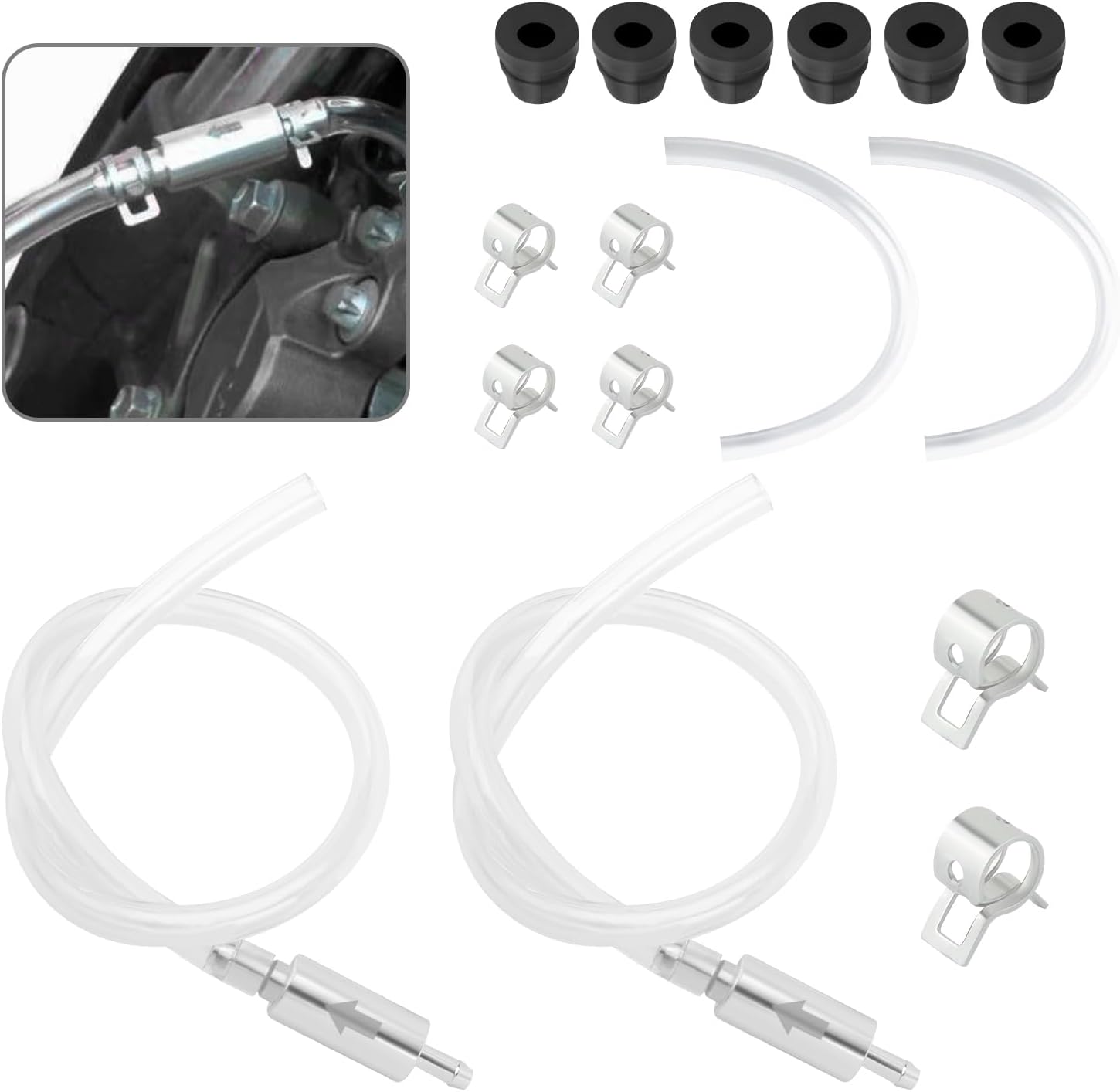
This brake bleeder kit helps make hydraulic brake bleeding easier on motorcycles, cars, and bikes with a simple one-way valve setup that helps prevent air and contamination from entering the system. It includes multiple hoses, clamps, and dust-proof screw caps for a cleaner, more controlled bleeding process. Durable rubber tubing and rust-resistant valves support repeated use and flexible installation around different brake layouts.

This smart tire tread depth gauge provides quick, accurate readings from 0 to 1 inch in 1/32-inch increments, helping drivers assess tire wear with confidence. Its color-coded display makes it easy to see tread condition at a glance, while the pocket clip adds convenient portability for garages, glove boxes, and on-the-go inspections. Designed for use on trucks, motorcycles, automobiles, and other passenger vehicles, it is a simple tool for safer tire maintenance.
Why Contaminated Brake Fluid Can Be a Big Problem
Brake fluid must stay clean and dry. Moisture, dirt, petroleum contamination, or an unapproved fluid can change boiling performance, damage seals, obstruct small passages, and contribute to corrosion.
Federal Motor Vehicle Safety Standard No. 116 sets separate minimum dry and wet boiling points. DOT 3 fluid has a minimum dry boiling point of 401°F and a minimum wet boiling point of 284°F. DOT 4 has a minimum dry boiling point of 446°F and a minimum wet boiling point of 311°F. See 49 CFR 571.116.
The lower wet values show why absorbed moisture matters. During repeated or heavy braking, fluid that reaches its boiling point can form compressible vapor, increasing pedal travel and reducing consistent braking response.
Brake fluid appearance alone cannot confirm that the fluid is dry, uncontaminated, or suitable for continued service.
- Moisture lowers the fluid’s boiling margin.
- Dirt can damage seals, valves, and narrow hydraulic passages.
- Petroleum contamination can harm brake-system rubber components.
- An unapproved fluid may not meet the vehicle’s required specification.
- Old or wet fluid can contribute to internal corrosion.
Use only the listed fluid from a sealed container. If the fluid is cloudy, contains particles, smells like a petroleum product, or may have been mixed with an unknown substance, do not perform a blind top-off. Arrange professional service.
The Importance of the Brake Booster Pin Gap

The brake-assist pushrod-to-master-cylinder relationship can affect pedal travel after the booster, actuator, or master cylinder has been replaced. It is not a normal first diagnostic step for every soft pedal.
Too much clearance can delay master-cylinder piston movement and add pedal travel. Too little clearance can prevent complete pressure release, causing brake drag, heat, and accelerated wear.
| Pushrod Condition | Possible Effect |
|---|---|
| Within the exact service specification | Supports the designed engagement and release |
| Too much clearance | Can delay master-cylinder movement and increase travel |
| Too little clearance | Can prevent full release and cause brake drag or overheating |
Do not adjust the pushrod by pedal feel or guesswork. Toyota service information for the exact model year, powertrain, and installed components must provide the measurement and procedure.
Many newer and hybrid Camrys use electronically controlled brake assistance with procedures that differ from a conventional vacuum-booster system. A soft pedal should not automatically be blamed on a booster adjustment.
How to Diagnose Master Cylinder Issues
A master cylinder may be faulty when the hydraulic system cannot hold pressure even though no external leak is visible. The classic concern is a pedal that repeatedly sinks while steady pressure is maintained during normal stationary braking.
Check the surrounding evidence before replacing it:
- Inspect the master-cylinder exterior and nearby brake-assist unit for wetness.
- Confirm that the fluid level is not dropping.
- Rule out leaks at every line, hose, caliper, wheel cylinder, fitting, and bleeder.
- Confirm that the system was bled with the correct model-specific procedure.
- Check for flexible-hose expansion or excessive caliper and pad movement.
- Review any ABS, brake-control, or electronic parking-brake fault codes.
A brief change in pedal response during operation of a documented driver-assistance function is not the same as a pedal that persistently sinks during ordinary braking. Any repeated sinking, reduced stopping performance, fluid loss, or warning light still requires professional diagnosis.
If replacement is confirmed, prepare the master cylinder exactly as the service information requires and bleed the complete system using the correct Toyota procedure. Confirm pressure retention and warning-light status before the vehicle returns to public roads.
Checking for Problems With Brake Hoses and Calipers
Brake hoses and calipers can create a soft pedal through leakage, expansion, excessive movement, or incorrect installation. They can also create pulling, drag, overheating, and uneven pad wear.
| Inspection Area | Key Issues | Required Response |
|---|---|---|
| Flexible brake hoses | Cracks, bulges, rubbing, leakage, or expansion under pressure | Replace a damaged hose and bleed with the correct procedure |
| Caliper seals | Wetness, fluid on the wheel, or a falling reservoir level | Repair or replace the leaking component before bleeding |
| Caliper slides and piston | Binding, uneven wear, drag, or excess movement | Inspect, measure, and service according to Toyota specifications |
| Caliper installation | Loose hardware, twisted hose, or bleeder below the air pocket | Correct the installation and repeat the approved bleed procedure |
| Brake-line fittings | Wetness, corrosion, cross-threading, or loose connections | Repair the fault and verify pressure retention |
After service, a technician should verify that each wheel releases normally, the brakes do not drag, the pedal holds, and every connection remains dry. Do not spin or work around a wheel unless the vehicle is supported with the correct equipment and procedure.
Steps to Bleed Your Brake System Correctly
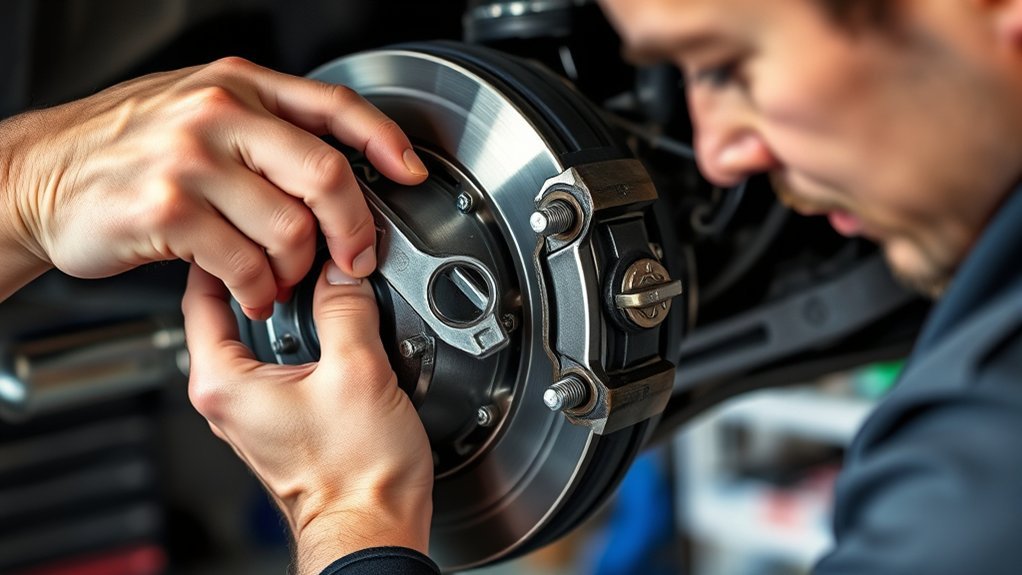
Brake bleeding must follow the procedure for the exact Camry. The outline below describes the conventional two-person method only. It is not a substitute for Toyota repair information.
Hybrid and electronic-brake warning: Do not apply this generic sequence to a Camry Hybrid or electronically controlled brake system unless the exact Toyota procedure authorizes it. The system may require a prescribed power-switch state, actuator operation, diagnostic mode, or scan-tool bleed function.
For a conventional system whose Toyota procedure specifies a two-person bleed:
- Confirm that every leak and installation fault has been repaired.
- Verify the exact fluid specification and bleed order in the service information.
- Clean around the reservoir cap and fill to the specified level with newly opened fluid.
- Attach a clear hose to the specified wheel’s bleeder screw and place the other end in a suitable container.
- Have an assistant apply the pedal slowly and hold it only as directed by the procedure.
- Open the bleeder to release fluid and air, then close it before the pedal is released.
- Repeat until the specified result is reached, watching the reservoir continuously.
- Top up the reservoir before it can draw air into the master cylinder.
- Continue through the exact wheel sequence listed for that Camry.
- Inspect every opened fitting for leakage and set the final reservoir level.
- Confirm that the pedal holds, warnings are off, and the required stationary verification passes.
Do not assume the wheel farthest from the master cylinder must be first. Hydraulic routing, ABS components, electronically controlled braking, and hybrid systems can require another order or an automated procedure.
If the reservoir runs dry, the pedal will not firm, warning lights appear, the hydraulic unit has been opened, or air may be trapped in the actuator, stop and use the full Toyota procedure or obtain professional service.
When to Get Professional Brake Help
Arrange professional brake diagnosis when the pedal feels different and the cause is not immediately clear. Arrange towing instead of driving when any of these conditions applies:
- The pedal approaches or reaches the floor
- The pedal repeatedly sinks under steady pressure
- Stopping distance or braking response has changed
- Fluid is below MIN or continues to drop
- You see active fluid leakage
- The red brake warning stays on after the parking brake is released
- The red brake and ABS warnings appear together
- The vehicle pulls severely, grinds, drags, or overheats a wheel
- A Camry Hybrid or electronic brake system remains soft after service
For symbol-specific guidance, see the Toyota Camry brake warning light guide.
A qualified shop may use hydraulic pressure gauges, line-blocking tools, dial indicators, scan-tool active tests, ABS or brake-control fault data, and Toyota’s model-specific bleed routine. These tests can distinguish trapped air from a leak, hose expansion, component movement, master-cylinder bypass, or hydraulic-control-unit trouble.
Frequently Asked Questions
What Are the Most Common Causes and Fixes for Spongy Brake Pedal Feel?
A spongy Toyota Camry brake pedal commonly comes from trapped air, fluid leakage, flexible-hose expansion, excessive brake-component movement, contaminated or overheated fluid, or an internal master-cylinder fault. Repair confirmed leaks and installation problems first. Then bleed the system using the procedure for the exact model year and powertrain. Camry Hybrid and electronically controlled systems may require a scan tool.
How Do You Troubleshoot a Soft Brake Pedal?
Start by identifying whether the pedal is spongy, sinking, hard, or pulsating. Check dashboard warnings and view the reservoir level through the container. Look for visible leakage around the wheels and master-cylinder area. Note whether the problem began after brake service and whether pumping temporarily firms the pedal. Do not drive when braking has changed or the pedal sinks toward the floor.
Can You Drive a Camry With a Soft Brake Pedal?
Do not drive if the pedal approaches the floor, repeatedly sinks, the car takes longer to stop, fluid is below MIN, a leak is visible, or a red brake warning remains on. Arrange towing when the red brake and ABS warnings appear together or the car cannot stop predictably.
Why Is My Brake Pedal Still Soft After Bleeding?
The system may still contain air because the wrong sequence was used, the reservoir ran low, a caliper’s bleeder is not at the top of the air pocket, or the ABS hydraulic unit needs a scan-tool procedure. A leak, expanding hose, excessive component movement, incorrect master-cylinder preparation, or internal master-cylinder bypass can also keep the pedal soft.
What Brake Fluid Should a Toyota Camry Use?
Use the specification printed on the reservoir cap or listed in the owner’s manual for the exact model year and powertrain. Some Camry manuals specify FMVSS No. 116 DOT 3 or SAE J1703, while newer manuals may also allow DOT 4 or SAE J1704. Do not rely on a universal Camry recommendation or substitute an unlisted fluid.
What Is the Difference Between a Soft, Sinking, and Hard Brake Pedal?
A soft or spongy pedal feels springy and often points to air, hose expansion, or excess movement. A sinking pedal continues moving under steady pressure and can indicate a leak or internal hydraulic bypass. A hard pedal requires unusually high effort and more often points to a brake-assist, booster, pump, vacuum, or related control problem.
Can You Use a Normal Bleeding Procedure on a Camry Hybrid?
Do not assume a conventional two-person procedure is correct for a Camry Hybrid. Depending on the model year and work performed, Toyota may require a specific power-switch state, diagnostic mode, actuator sequence, or scan-tool bleed function. Use the exact Toyota repair procedure for the VIN.
Automotive Safety Disclaimer: This article is for informational purposes only and does not replace the Toyota owner’s manual, factory repair information, or professional brake diagnosis. Brakes affect vehicle safety. Leave the vehicle parked and arrange towing when the pedal feels unsafe, braking performance changes, fluid is lost, or a serious brake warning remains on.
Conclusion
A Toyota Camry soft brake pedal needs a symptom-based diagnosis. A springy pedal may point to air, hose expansion, or excess movement, while a pedal that repeatedly sinks can indicate a hydraulic leak or internal master-cylinder bypass. Check the reservoir and visible components without disassembling the system, and do not top off falling fluid as a substitute for repair.
Use the brake-fluid specification and bleeding procedure for the exact model year and powertrain. Camry Hybrid and electronically controlled systems may need scan-tool operation that a generic bleeding method cannot provide. If the pedal approaches the floor, braking changes, fluid is below MIN, leakage is visible, or serious warnings remain on, leave the car parked and arrange towing.
References
- Toyota Manuals and Warranties, Toyota, accessed July 2026
- Toyota Owner’s Manual, DOT 3/SAE J1703 Brake-Fluid Example, Toyota
- 2025 Toyota Camry Hybrid Owner’s Manual Portal, Toyota
- 2025 Camry Owner’s Manual Excerpt for Driving Support Systems, Toyota
- 49 CFR 571.116, Standard No. 116, Motor Vehicle Brake Fluids, Electronic Code of Federal Regulations, accessed July 2026
- Toyota Genuine Brake Fluid, Toyota Genuine Parts, accessed July 2026