
Getting tire pressure right is simple, but timing matters. The PSI listed on your vehicle’s tire placard is a cold tire pressure number, so the best reading comes before the tires heat up from driving. Check them cold, use the vehicle’s recommended PSI, and avoid adjusting based only on a hot reading.
Quick Answer
Check tire pressure when the tires are cold, ideally after the vehicle has been parked for at least three hours or driven less than one mile. Warm tires can read several PSI higher after driving, so use the cold PSI on the driver’s door placard or owner’s manual as your target.
Key Takeaways
- The recommended PSI for most passenger vehicles is a cold inflation pressure, not a hot tire reading.
- A cold tire usually means the vehicle has been parked for at least three hours or driven less than one mile.
- Tire pressure can rise after driving and can also change about 1–2 PSI for every 10°F change in outside temperature.
- Use the tire placard or owner’s manual, not the maximum PSI molded into the tire sidewall, as your normal inflation target.
- Check all tires, including the spare if your vehicle has one, at least monthly and before long trips.
At a Glance
| Time Required | 5–10 minutes |
| Difficulty | Easy |
| Tools Needed | Tire pressure gauge and access to an air compressor |
| Cost | Usually free at home if you own a gauge; low-cost at many gas stations or tire shops |
Understanding Cold vs Warm Tire Pressure
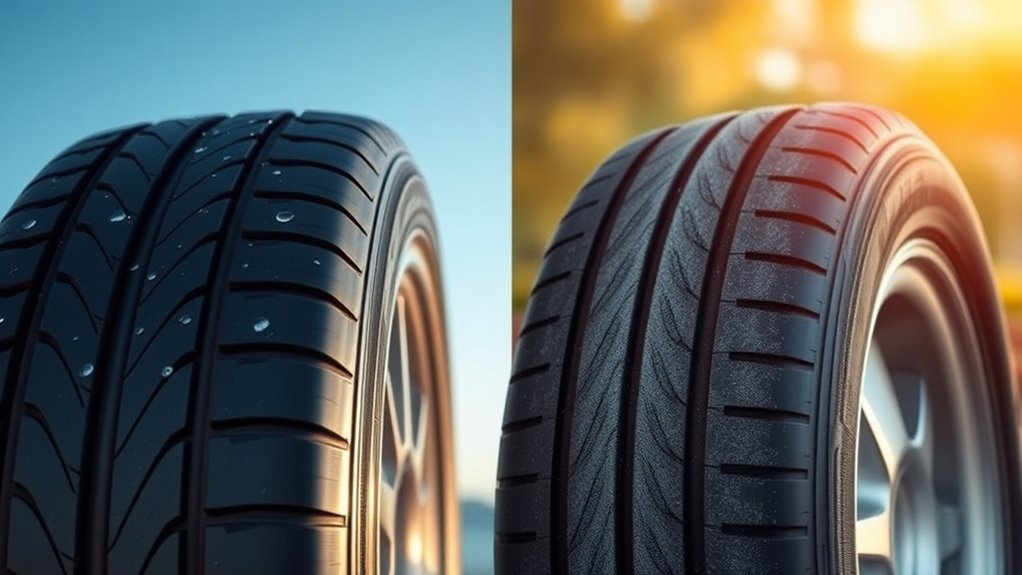
Cold tire pressure means the tire has not been heated by recent driving. In practical terms, that usually means the vehicle has been parked for at least three hours or has been driven less than one mile. That is the condition your vehicle manufacturer uses for the recommended PSI on the tire information placard.
Warm tire pressure is the reading after the tires have heated up from driving, sunlight, road temperature, or heavy load. As the air inside the tire warms, pressure rises. That is why a tire may look “overinflated” on a gauge right after a drive even if it was correct before you left.
For the most accurate reading, check your tires first thing in the morning, before your first drive, and away from direct sun when possible. If the pressure is low, inflate the tire to the recommended cold PSI listed by your vehicle manufacturer.
Note: “Cold” does not mean the weather outside must be cold. It means the tire has not been warmed by driving.
[Products Worth Considering]

The Masoll M13 Tire Pressure Monitoring System helps monitor tire pressure for sedans, SUVs, pickup trucks, RVs, and travel trailers with four tires. It features automatic reference pressure calibration, alerting you when pressure changes fall outside the set range, while solar charging and auto wake-up support convenient everyday use. With precise pressure detection, an easy-to-read color LCD, and adaptive backlighting, it is designed to improve driving safety and help protect tire life.

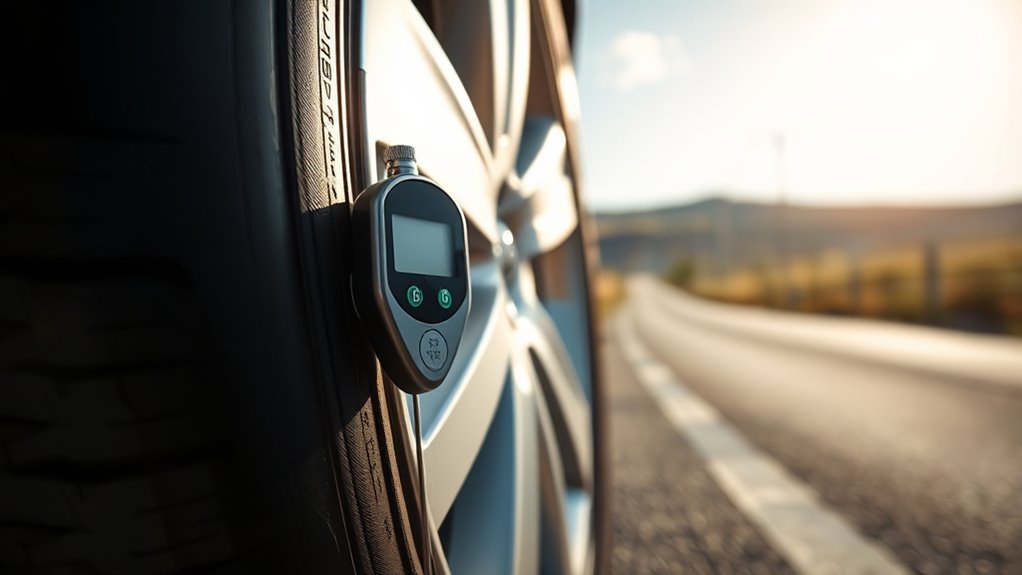
The JACO ElitePro Digital Tire Pressure Gauge delivers shop-grade accuracy with a clear digital readout, making it easy to maintain proper tire pressure for safer driving and better performance. Built with rugged brass and steel components, a protective guard, and a flexible air hose, it is designed for reliable use across cars, trucks, motorcycles, bikes, RVs, and trailers. The lock-on display, built-in bleeder valve, and bright backlit screen add convenience in any lighting condition.
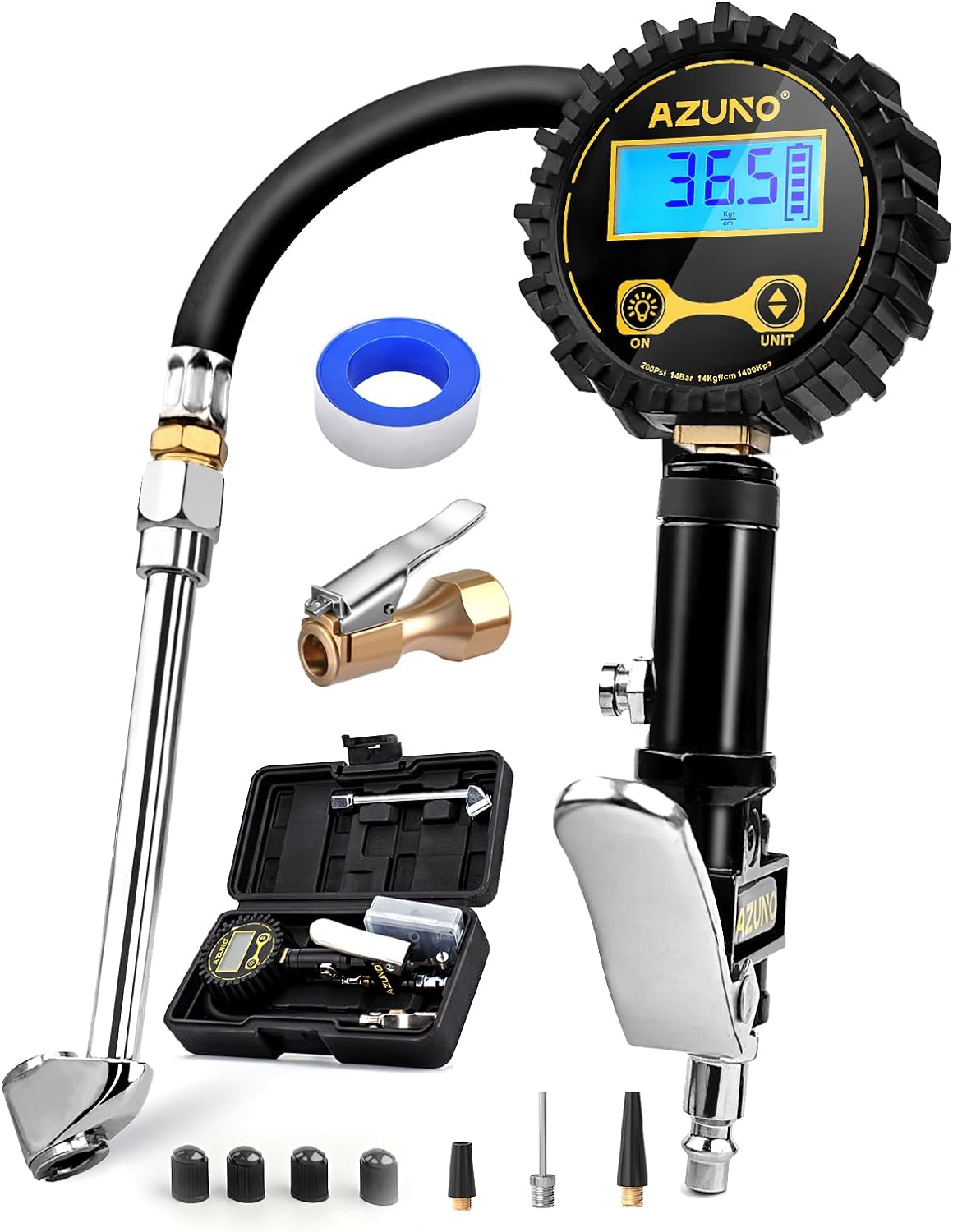
This digital tire inflator delivers accurate, easy-to-read pressure measurements with a bright backlit LCD and precise 0.1 resolution for confident inflation. Designed for single-handed use, it makes it simple to inflate or deflate tires while staying organized in the included portable carrying box. Built for a wide range of vehicles, it is a practical air compressor accessory for cars, trucks, SUVs, motorcycles, and more.
Where to Find the Correct Tire Pressure
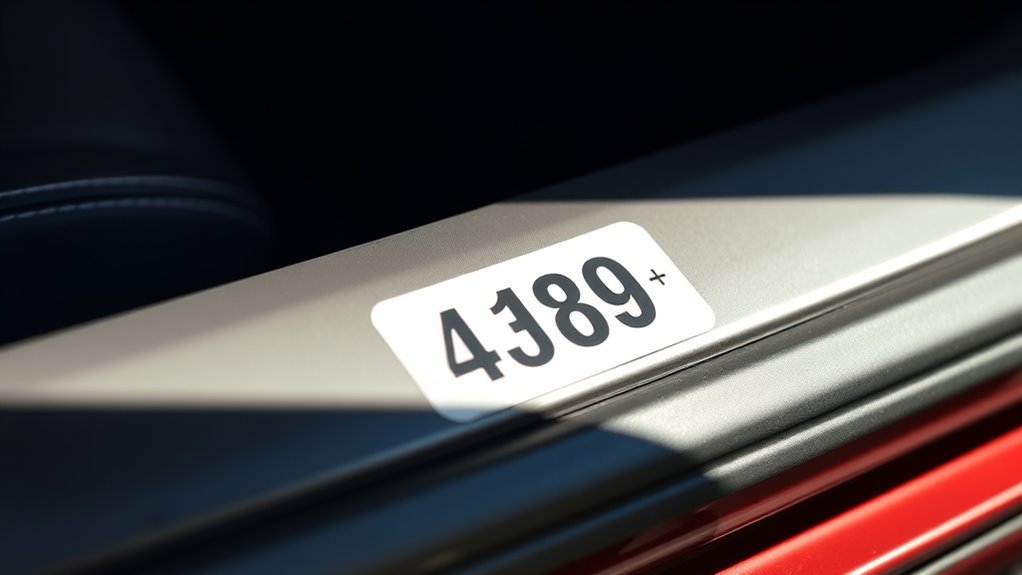
The correct tire pressure is usually on the vehicle tire information placard inside the driver’s door jamb. It may also be in the owner’s manual. Use that number as your normal target, unless your owner’s manual gives a different pressure for heavy loads, towing, or unusual use.
Do not use the maximum PSI molded into the tire sidewall as your everyday pressure target. That sidewall number is a tire limit, not the vehicle manufacturer’s recommended cold inflation pressure for your specific car, SUV, van, or truck.
Warning: Never inflate above the tire sidewall maximum pressure. If your placard is missing, damaged, or does not match the tires currently on the vehicle, check the owner’s manual or ask a qualified tire professional.
[Products Worth Considering]

This portable tire inflator delivers quick, convenient inflation for cars and other inflatables with a digital pressure display and automatic shut-off for accurate results. Its low-noise, low-vibration design helps keep use stable, while the included adapters make it versatile for tires, balls, and more. Designed for continuous use across multiple tires, it is a practical tool for everyday roadside and garage needs.

This dial type tire tread depth gauge helps you quickly check tread wear on motorcycles, cars, trucks, and buses with easy-to-read 1/32-inch increments. Its colorful zone markings make it simple to assess tire condition for safer driving in different weather, while the durable zinc cast body and legible dial provide dependable everyday use.

This digital tire tread depth gauge helps you check tire wear quickly and accurately with fractional inch, decimal inch, and millimeter readouts. Its large LCD screen, zero reset function, and automatic shutoff make it easy to use for cars, motorcycles, SUVs, trucks, and pickups. Designed for clear readings and dependable measurement, it is a practical tool for routine tire safety checks.
How Temperature Affects Tire Pressure Readings
Temperature changes can move tire pressure up or down even when there is no leak. The U.S. Tire Manufacturers Association advises that tire pressure can change about 1–2 PSI for every 10°F change in temperature. In Celsius terms, that is roughly about 2–4 PSI for every 10°C, depending on the tire, starting pressure, and conditions.
Temperature Impact on Pressure
When outside temperatures drop, tire pressure drops. When temperatures rise, tire pressure rises. That is why a TPMS light often appears on a cold morning and may turn off later in the day after the tires warm up.
| Condition | Typical Effect | What to Do |
|---|---|---|
| Cold weather | Pressure drops as air contracts | Check cold PSI and add air to the placard pressure |
| Hot weather or direct sun | Pressure rises as air expands | Avoid bleeding air from a hot tire if it was correct when cold |
| After highway driving | Pressure may read several PSI higher | Recheck after the tires cool or follow the warm-tire safety guidance below |
Cold vs. Hot Readings
A hot tire reading is not useless, but it needs context. If your tires were set correctly when cold, a higher reading after driving is normal. Do not release air from a hot tire simply because the gauge reads above the placard PSI.
If you check a warm tire and it is still below the recommended cold PSI, it is likely underinflated. The National Highway Traffic Safety Administration says it is safer to add air to the recommended cold pressure than to keep driving on a significantly underinflated tire. Recheck and fine-tune the pressure later when the tires are cold.
Why Cold Tire Pressure Is Essential for Vehicle Safety
Cold tire pressure is the baseline because it gives you the most consistent reading. Correct inflation helps the tire keep the right shape, maintain proper contact with the road, control heat buildup, and wear more evenly.
| Aspect | Why It Matters | Risk When Ignored |
|---|---|---|
| Safety | Proper pressure helps handling, braking, and heat control | Higher risk of tire damage or failure |
| Fuel economy | Properly inflated tires reduce unnecessary rolling resistance | Lower gas mileage and higher fuel cost |
| Tread life | Correct pressure helps tires wear evenly | Premature edge wear from underinflation or center wear from overinflation |
| Ride and handling | The tire keeps the shape intended by the vehicle maker | Sluggish steering, harsh ride, or reduced stability |
FuelEconomy.gov reports that underinflated tires can lower gas mileage by about 0.2% for every 1 PSI drop in the average pressure of all tires.
How Warm Tire Pressure Affects Your Vehicle’s Performance
Warm tire pressure is usually higher because driving creates heat. That higher number can tempt you to bleed air out, but doing that can leave the tire underinflated once it cools back down.
Overinflation and underinflation can both cause problems. Too little pressure allows extra sidewall flex and heat buildup. Too much pressure can reduce ride comfort and make the tire more vulnerable to impact damage. For everyday driving, the best target is still the manufacturer’s recommended cold PSI.
Pro Tip: Keep a small digital or dial gauge in the glove box. Gas-station gauges can be useful, but your own gauge makes it easier to compare readings consistently.
Debunking Common Myths About Tire Pressure Measurement

Tire pressure myths usually start with one mistake: using a number that was not meant to be the everyday cold PSI target. The placard pressure, tire sidewall pressure, TPMS warning threshold, and hot tire reading all mean different things.
Myth 1: You Can Check Tire Pressure Any Time
You can check tire pressure any time for a rough safety check, but the most accurate maintenance reading is cold. If you check after driving, write the reading down and recheck when the tires have cooled. If a warm tire is already below the placard PSI, add air and recheck cold later.
Myth 2: More Tire Pressure Is Always Better
Higher pressure is not automatically safer or more efficient. The vehicle maker chooses the recommended cold PSI to balance load capacity, handling, braking, tire wear, and ride quality. Inflating far above that number can create uneven wear and a harsher ride.
Myth 3: TPMS Replaces Manual Checks
A tire pressure monitoring system is a helpful warning system, not a replacement for a gauge. Under Federal Motor Vehicle Safety Standard No. 138, TPMS must warn by the required low-pressure threshold, which is based on pressure being 25% below the manufacturer’s recommended cold inflation pressure or the specified minimum pressure, whichever is higher. Some systems may alert earlier, but you should not wait for the light to check your tires.
Myth 4: The Sidewall PSI Is the Number to Use
The PSI molded into the sidewall is not usually the daily inflation target for your vehicle. Use the driver’s door placard or owner’s manual. Tire Rack also notes that the right inflation pressure comes from the vehicle manufacturer, not the maximum pressure branded on the tire sidewall.
How to Check Your Tire Pressure Like a Pro
Checking tire pressure takes only a few minutes. The key is to measure cold, use a reliable gauge, and compare each tire with the vehicle placard.
- Park long enough for a cold reading. Wait at least three hours after driving, or check before your first trip of the day.
- Find the recommended PSI. Look at the driver’s door placard or owner’s manual. Front and rear tires may have different recommended pressures.
- Remove the valve cap. Keep it in your pocket so it does not roll away.
- Press the gauge firmly onto the valve stem. A brief hiss is normal, but a steady hiss usually means the gauge is not seated correctly.
- Read the PSI. Compare it with the placard pressure.
- Add air if the tire is low. Add small bursts, then recheck.
- Release a little air only if the tire is cold and over the target. Do not bleed air from a hot tire just because the warm reading is higher.
- Replace the valve cap. Repeat for all tires, including the spare if your vehicle has one.
Note: If one tire keeps losing pressure faster than the others, inspect it for a nail, valve-stem leak, wheel damage, or bead leak. A tire shop can check it safely.
[Products Worth Considering]
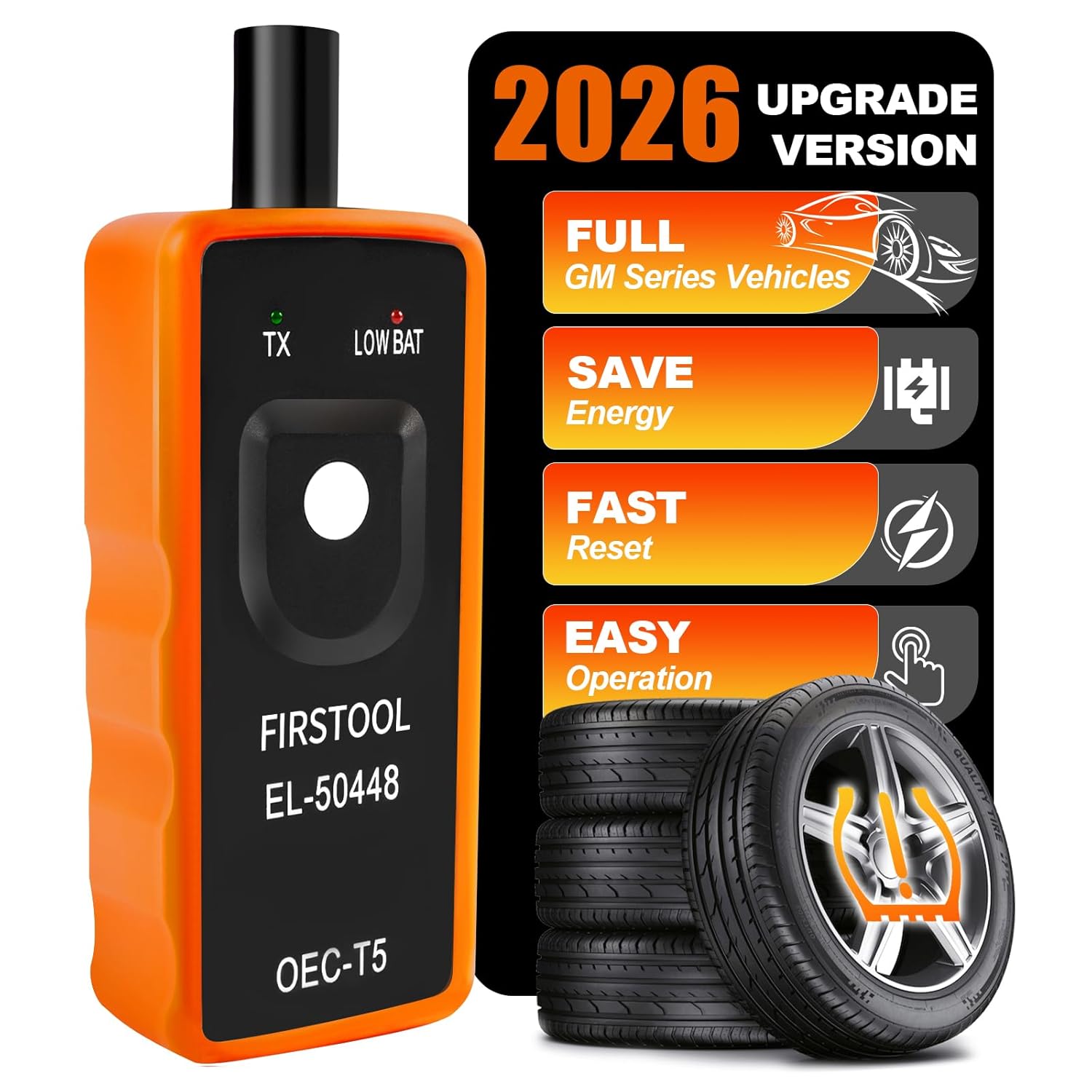
This EL-50448 TPMS relearn tool helps quickly activate and reset tire pressure sensors so your vehicle’s monitoring system stays accurate after tire rotations, sensor replacement, or seasonal tire changes. Designed for many GM-related vehicles and compatible with common 315 and 433 MHz TPMS systems, it offers simple one-button operation and reliable performance for clearing warning lights and relearning sensor positions.

This 50-pack of tire tread depth gauges offers a simple way to check tire wear quickly and accurately. Color-coded reading zones make it easy to see tread condition at a glance, while the compact design and pocket clip support convenient everyday carry. Built for repeated use, these gauges help drivers monitor tire safety with confidence.

This tire inflator attachment combines accurate pressure reading and easy inflation in one heavy-duty tool for maintaining tire pressure with less hassle. A longer hose and 360-degree swivel air chuck help create a secure seal while giving you better control during use. Designed for universal compressor compatibility, it measures, inflates, and deflates without batteries.
What to Do If You Must Check Tires Hot
Cold readings are best, but real life does not always wait. If you are on a trip and a tire looks low, check it even if it is warm. A warm reading that is below the recommended cold PSI usually means the tire needs air.
Add air to at least the placard PSI, drive carefully, and recheck when the tires are cold. Do not use this as a final adjustment unless your owner’s manual gives specific hot-pressure guidance.
Year-Round Tire Pressure Maintenance
Check tire pressure at least once a month and before long trips. Also check it when seasons change, because a big temperature swing can move pressure enough to trigger a TPMS light or make a tire underinflated.
Make tire checks part of a quick tire-care routine:
- Check pressure when the tires are cold.
- Inspect tread depth and look for uneven wear.
- Look for cuts, bulges, screws, nails, or sidewall damage.
- Check the spare tire if your vehicle has one.
- Reset TPMS only after the tires are correctly inflated, and follow your owner’s manual.
Frequently Asked Questions
When should you check tire pressure, cold or hot?
Check tire pressure cold whenever possible. A cold tire has usually been parked for at least three hours or driven less than one mile. Warm readings can be higher because driving heats the air inside the tire.
What is the 3% tire rule?
The 3% tire rule is sometimes used informally when people compare tire pressure changes, but it is not the main rule for everyday drivers. For normal road use, follow the cold PSI listed on your vehicle’s tire placard or owner’s manual.
What is the 4 PSI rule?
The 4 PSI rule usually refers to the idea that tire pressure can rise several PSI after driving. It is not a replacement for the vehicle placard. Set pressure when the tire is cold, then treat a higher hot reading as normal unless your owner’s manual says otherwise.
What is the 5 PSI rule?
Some drivers use “5 PSI” as a rough reminder that hot tires can read several PSI higher than cold tires. For regular vehicle maintenance, do not use it as your target. Use the recommended cold PSI from the door placard.
Should I let air out if my tires are hot?
Usually, no. If the tires were set correctly when cold, a higher hot reading is normal. Bleeding air from a hot tire can make it underinflated after it cools.
Why did my TPMS light come on in cold weather?
Cold air lowers tire pressure. If the pressure drops enough, the TPMS light may turn on. Check the tires cold with a gauge and inflate them to the recommended PSI on the placard.
Conclusion
Cold tire pressure is the number that matters most because it matches the way your vehicle’s recommended PSI is set. Check your tires after they have been parked for at least three hours, use the driver’s door placard or owner’s manual, and do not bleed air from hot tires just because the gauge reads higher after driving. A monthly cold-pressure check helps protect safety, handling, fuel economy, and tire life.
Sources
- NHTSA TireWise: Tire Safety Ratings and Awareness — cold tire pressure, tire placard, and safety guidance.
- U.S. Tire Manufacturers Association: Tire Care Essentials — monthly checks, cold tire guidance, and temperature-pressure changes.
- 49 CFR § 571.138: Tire Pressure Monitoring Systems — federal TPMS warning threshold.
- FuelEconomy.gov: Keeping Your Vehicle in Shape — fuel economy effects of proper tire inflation.
- Tire Rack: Checking Tire Inflation Pressure — vehicle placard pressure vs tire sidewall maximum pressure.
- Michelin: Tire Pressure Guide — tire pressure, safety, wear, grip, and fuel consumption guidance.


[…] check all four tires with a reliable gauge when the tires are cold, then inflate them to the cold tire pressure listed on the driver-side door-jamb tire label or in your Toyota owner’s manual. If the […]