What’s in This Article
- The Dangers of Underinflated Tires
- How Underinflation Leads to Blowouts and Accidents
- The Impact of Underinflated Tires on Vehicle Handling
- Why Braking Distances Increase With Low Tire Pressure?
- How Underinflated Tires Decrease Fuel Efficiency
- Uneven Tire Wear: Causes and Consequences
- How to Identify Underinflated Tires
- Best Practices for Maintaining Proper Tire Pressure
- The Need for Regular Tire Inspections
- Frequently Asked Questions
A soft tire can turn a normal drive into a safety problem fast. Low pressure makes your tires run hotter, grip worse, and wear out sooner. It can also make your vehicle harder to stop and control when you need it most. This guide explains why underinflated tires matter and how you can keep your tire pressure in a safe range.
Quick Answer
Underinflated tires can raise your risk of blowouts, longer stops, poor handling, uneven tread wear, and lower fuel economy. Check your tire pressure at least once a month and before long trips. Use the pressure listed on your vehicle’s door placard or owner’s manual, not the number printed on the tire sidewall.
Key Takeaways
- Underinflated tires create more heat, which can raise the risk of tire damage and blowouts.
- Low tire pressure can reduce steering response, cornering control, and braking performance.
- Proper inflation helps your tires wear evenly and last longer.
- Correct tire pressure can improve fuel economy and lower operating costs.
- Monthly pressure checks help you catch slow leaks before they become safety issues.
The Dangers of Underinflated Tires
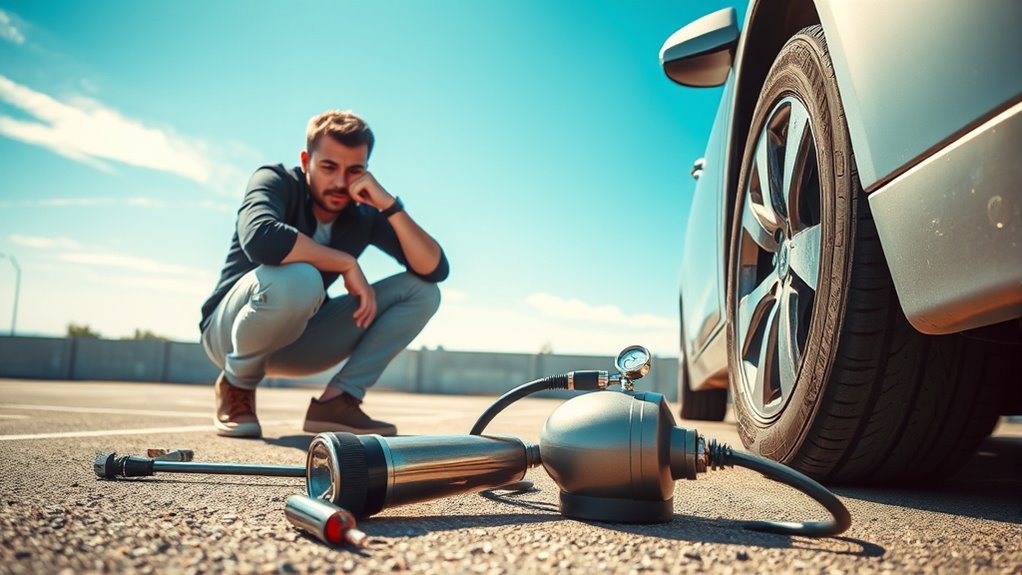
Underinflated tires can put your safety at risk every time you drive. Low pressure lets the tire flex more than it should, which builds heat and can damage the tire structure. That extra flex also reduces control, especially during sudden stops, quick turns, or highway driving.
Low tire pressure can also cost you money. It increases rolling resistance, which means your engine must work harder to move the vehicle. It also causes uneven tread wear, so you may need new tires sooner than expected.
Warning: A tire can look normal and still be several pounds under the recommended pressure, so don’t rely on sight alone.
How Underinflation Leads to Blowouts and Accidents
When tire pressure drops below the manufacturer’s recommended level, more of the tire touches the road. That larger contact patch creates extra friction and heat. Over time, this heat can weaken the tire and raise the risk of a blowout, especially at high speeds.
Underinflation can also make your vehicle harder to control. Steering may feel slow, and the vehicle may not respond as sharply during an emergency move. Longer stopping distances can increase the chance of a crash when traffic changes fast.
The Impact of Underinflated Tires on Vehicle Handling
Underinflated tires reduce your vehicle’s steering response and cornering stability. The tire sidewalls flex too much, so the tread does not stay as stable on the road. You may feel slower handling, more body movement, or less confidence during turns.
This weaker response becomes more serious in rain, on rough roads, or during quick lane changes. Good tire pressure helps the tread keep firm contact with the road. That steady contact supports safer handling and more predictable control.
Reduced Steering Responsiveness
Driving on underinflated tires can make your steering feel dull or delayed. Low pressure lets the sidewalls bend too much, which keeps the tire from holding its shape during turns. That makes it harder to place the vehicle where you want it.
The loss of grip can also raise the risk of skidding in wet or loose conditions. Check your tire pressure often to keep the tire’s contact patch even. Proper pressure helps your steering feel more direct and stable.
Compromised Cornering Stability
Cornering stability drops when low pressure lets the tire sidewall flex too much. The tire may roll slightly under the wheel during a turn, which reduces grip and control. This can make corners feel sloppy or unsafe.
Emergency turns demand quick tire response. Underinflated tires can slow that response and make the vehicle harder to correct. Proper inflation supports stable handling when you need it most.
| Tire Pressure | Handling Impact | Safety Risk |
|---|---|---|
| Recommended pressure | Stable response | Lower accident risk |
| Slightly low pressure | Slower response | Higher risk |
| Noticeably low pressure | Poor stability | High accident risk |
Keeping tires at the recommended pressure helps your vehicle stay predictable while cornering.
Increased Accident Risk
Low tire pressure can raise accident risk because it affects braking, steering, and stability at the same time. Your vehicle may take longer to stop and may not turn as cleanly during a sudden move. These problems matter most when you have little room to react.
Underinflated tires can also heat up faster because they flex more with each rotation. Extra heat can damage the tire and increase the chance of failure. Routine tire checks reduce those risks and help keep your vehicle safer.
Why Braking Distances Increase With Low Tire Pressure?
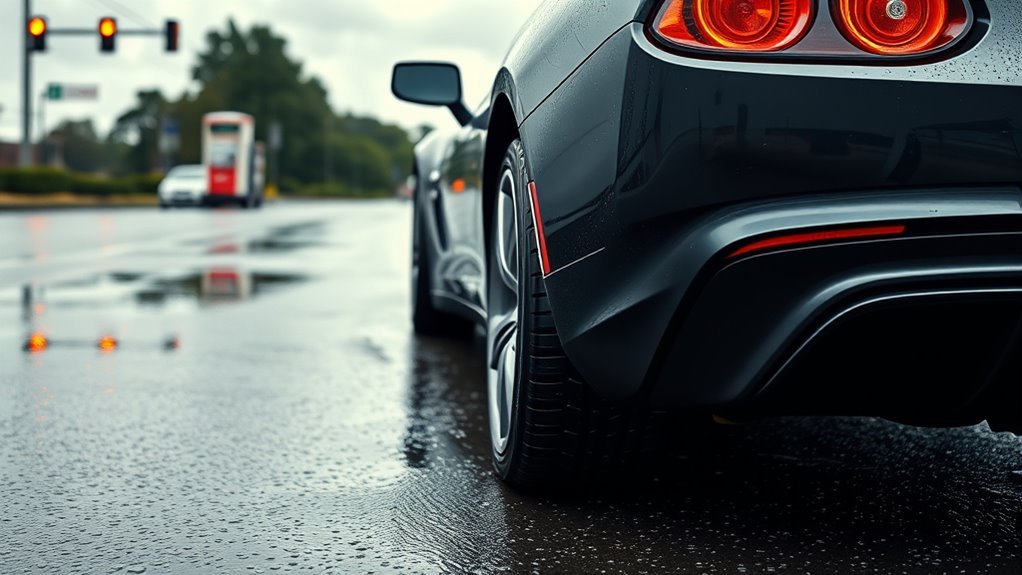
Low tire pressure can increase braking distance because the tire does not keep its intended shape. The tread may not press against the road as evenly as it should. That can reduce grip and make each stop less effective.
Heat also plays a role. Underinflated tires flex more during braking, which builds heat and can weaken the tire. Proper pressure helps the tire stay firm, grip well, and respond better when you brake.
Increased Rolling Resistance
Underinflated tires increase rolling resistance because they flatten more against the road. Your vehicle needs more energy to overcome that drag. The same drag can also affect braking feel and tire temperature.
Rolling resistance does not just affect safety. It also raises fuel use and speeds up tire wear. Correct pressure helps your vehicle roll more freely and stop more predictably.
| Tire Pressure Condition | Rolling Resistance Impact | Braking Impact | Safety Risk | Fuel Use Impact |
|---|---|---|---|---|
| Low pressure | Increases | Can lengthen stops | Higher | Can increase |
| Recommended pressure | Stays lower | More predictable | Lower | More efficient |
Proper tire inflation supports safety, tire life, and fuel economy.
Reduced Tire Grip
Low tire pressure can reduce grip because the tire no longer holds its designed shape. The tread may wear more on the outer edges and may not meet the road evenly. That uneven contact can hurt braking and steering.
Grip matters in every stop, but it matters even more on wet roads. A tire with poor pressure control may lose traction sooner. Keep each tire near the recommended pressure to help maintain road contact.
Heat Buildup Effects
Underinflated tires build heat because they flex more than properly inflated tires. Heat can weaken rubber, damage internal tire parts, and raise the risk of failure. The risk grows during long drives, heavy loads, and highway speeds.
Heat can also make braking less consistent. As the tire works harder, it may feel less stable under load. Maintaining proper tire pressure helps reduce excess heat and supports safer braking.
How Underinflated Tires Decrease Fuel Efficiency
Underinflated tires reduce fuel efficiency by increasing rolling resistance. Your engine must use more energy to move tires that sag and drag against the road. Even small pressure drops can add up over time.
Proper inflation helps the vehicle roll with less effort. That can lower fuel use, reduce tire wear, and save money over the life of the tire. It also helps reduce avoidable emissions from wasted fuel.
Uneven Tire Wear: Causes and Consequences
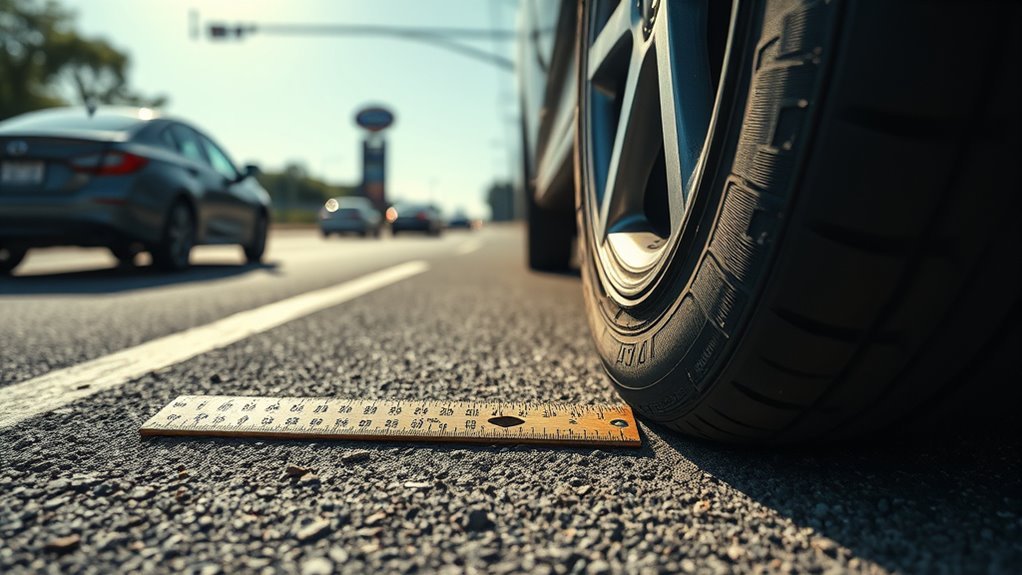
Tire pressure directly affects how the tread meets the road. Underinflated tires often wear more on the outer edges because the center of the tread does not carry the load evenly. That pattern shortens tire life and can reduce grip.
Uneven tire wear can also make the vehicle vibrate, pull to one side, or feel less stable. Once wear becomes severe, adding air will not restore the lost tread. Regular checks help you catch pressure problems before they ruin the tire.
Watch for these common signs and causes:
- Outer-edge tread wear from low tire pressure.
- Excess sidewall flex during turns and braking.
- Slow air loss from temperature changes or small leaks.
- Longer braking distances from reduced grip.
- Higher replacement costs from faster tire wear.
[Products Worth Considering]
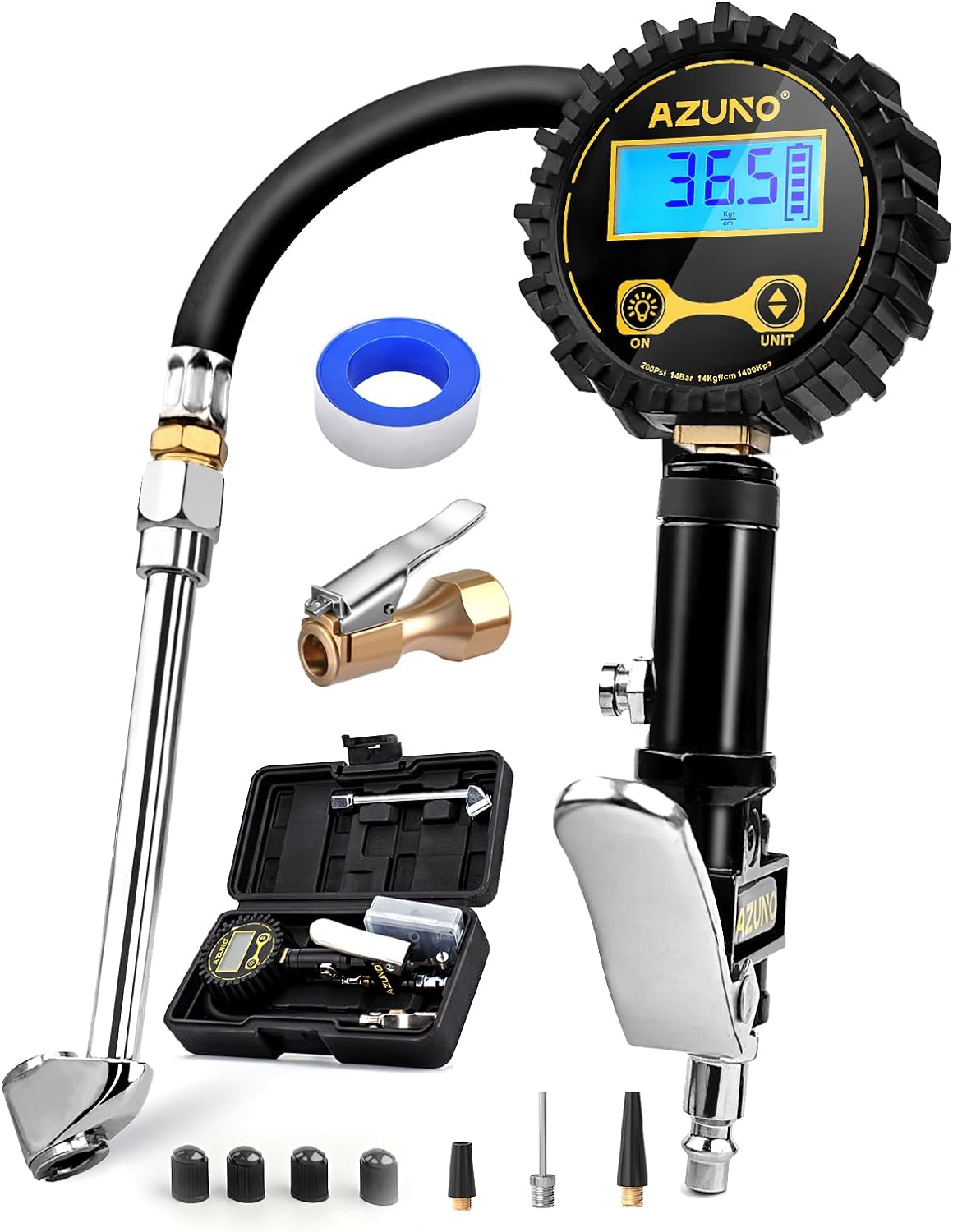
This digital tire inflator delivers accurate, easy-to-read pressure measurements with a bright backlit LCD and precise 0.1 resolution for confident inflation. Designed for single-handed use, it makes it simple to inflate or deflate tires while staying organized in the included portable carrying box. Built for a wide range of vehicles, it is a practical air compressor accessory for cars, trucks, SUVs, motorcycles, and more.

This smart color coded tire tread depth gauge makes it easy to check tread wear at a glance with clear red, yellow, and green ranges. Calibrated from 0 to 1 inch in 1/32 inch increments, it helps you quickly assess tire condition for safer driving and timely replacements. The pocket clip design makes it convenient to carry and use on trucks, motorcycles, cars, and other passenger vehicles.
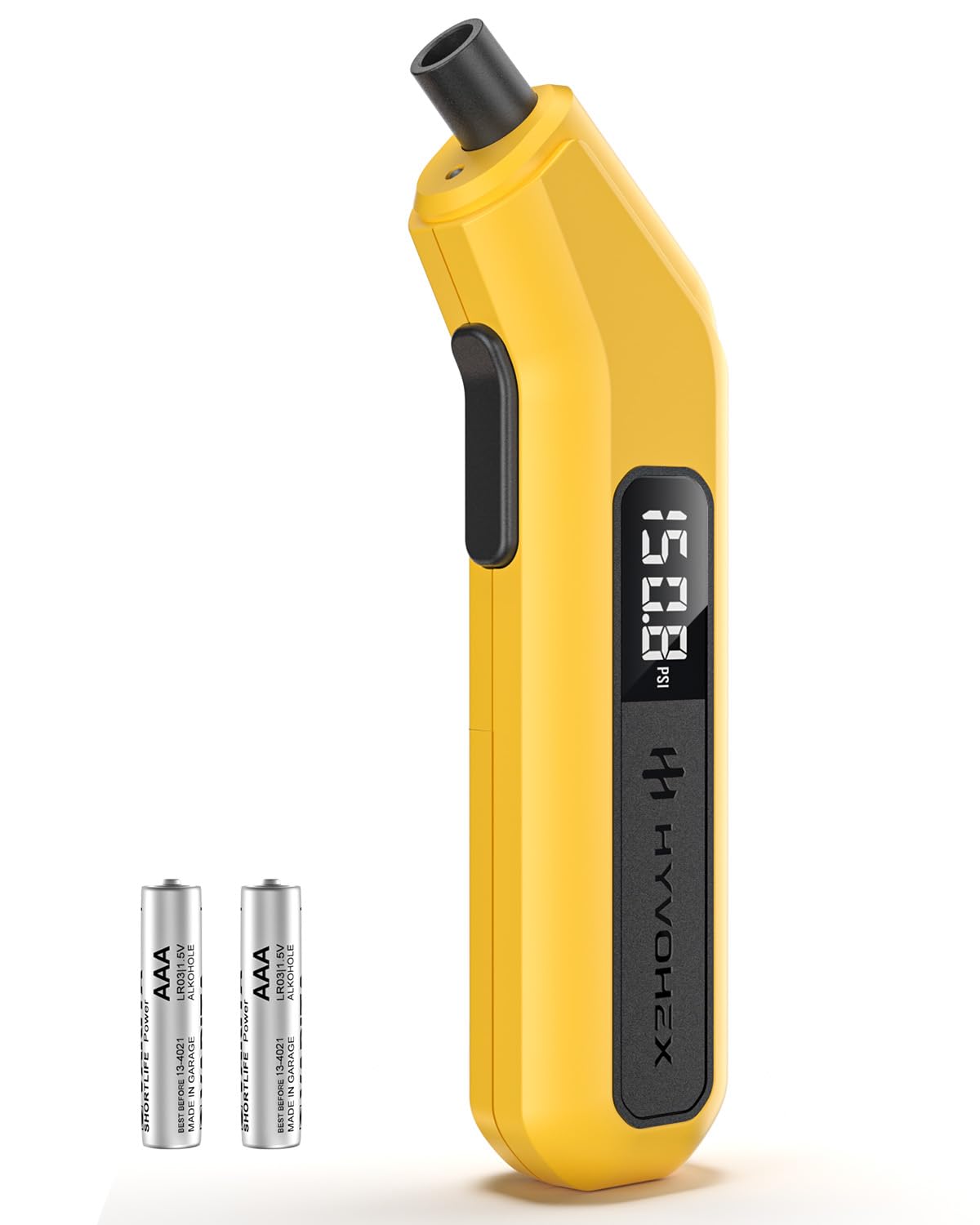
HYVOHEX digital tire pressure gauge delivers fast, accurate readings with an easy-to-read LED backlit display and a high-sensitivity sensor for reliable tire checks. Its valveless one-click operation, rotating valve head, and broad compatibility make it a practical tool for cars, bikes, and trucks. Built with a durable rubber shell and aluminum nozzle, it is compact enough to keep in your glove box or tool bag.
How to Identify Underinflated Tires

You can sometimes spot an underinflated tire by looking for sagging sidewalls or uneven tread contact. A low tire may look flatter at the bottom than the others. But visual checks can miss small pressure losses, so use a tire gauge.
Your Tire Pressure Monitoring System (TPMS) can also warn you about low pressure. Do not ignore the warning light. Check all four tires and the spare if your vehicle has one.
Note: The TPMS light may not turn on until pressure drops well below the recommended level.
[Products Worth Considering]

This heavy-duty digital tire pressure gauge delivers quick, accurate readings with a clear backlit LCD and built-in flashlight for easy use in low light. Designed for RVs, trucks, cars, motorcycles, and bicycles, it features a durable stainless steel build, ergonomic grip, multiple unit options, and auto shut-off for convenience.

The ETENWOLF T300 digital tire pressure gauge delivers accurate readings for cars, trucks, RVs, bikes, and heavy-duty vehicles with a wide pressure range and reliable calibration. It is built to perform in extreme temperatures, includes an LED light for dark conditions, and uses replaceable AAA batteries for long-term convenience. Its durable design and automatic shut-off make it a practical, dependable tool for everyday tire maintenance.
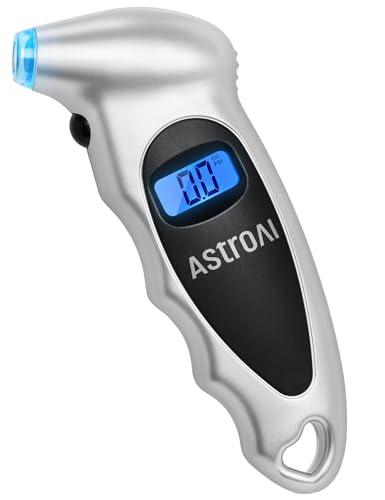
Accurate, Dependable Readings: Factory‑calibrated to ±1 PSI, so you can confidently match your vehicle’s recommended PSI (check the door jamb sticker). Ideal for monthly checks and road trips — consistent results every time, cold or warm.
Best Practices for Maintaining Proper Tire Pressure
Good tire pressure habits take only a few minutes, but they can prevent major problems. Check pressure when the tires are cold, before you drive or at least three hours after parking. Use the pressure listed on the driver-side door placard or in the owner’s manual.
Follow these simple tire pressure habits:
- Check tire pressure at least once a month.
- Check pressure before long trips or heavy loads.
- Measure pressure when tires are cold.
- Use the vehicle manufacturer’s recommended pressure.
- Inspect tires for nails, cracks, bulges, and uneven wear.
Pro tip: Keep a tire gauge in your glove box so you can check pressure before road trips.
[Products Worth Considering]

RUGGED DESIGN: The stainless steel components prevent rust and corrosion while the precision-crafted nozzle seamlessly seals onto the valve stems for highly accurate readings (±2% span). We also provide 4 valve stem caps for convenient replacement.

EXPERT-GRADE CALIBRATION: Each AstroAI Tire Pressure Gauge is calibrated with professional-grade tools, ensuring quick and accurate measurement results within plus-minus 1PSI. Stay prepared for any roadside emergency and travel with peace of mind.
The Need for Regular Tire Inspections
Regular tire inspections help you find small problems before they become costly or unsafe. Look for low pressure, uneven wear, cuts, cracks, bulges, and objects stuck in the tread. These checks can reveal issues that a dashboard warning may not catch.
Cold weather can lower tire pressure, and normal air loss can happen over time. A monthly inspection helps you keep pressure in range through seasonal changes. It also helps your tires last longer and perform better.
Frequently Asked Questions
How Often Should I Check My Tire Pressure?
You should check your tire pressure at least once a month and before long trips. Check it more often during major temperature swings or if one tire seems to lose air faster than the others.
Can Underinflated Tires Affect My Vehicle’s Warranty?
Underinflated tires can affect warranty claims if poor maintenance causes tire or vehicle damage. Follow your owner’s manual and tire warranty terms, and keep records of tire rotations, pressure checks, and service visits.
What Tools Are Needed to Check Tire Pressure?
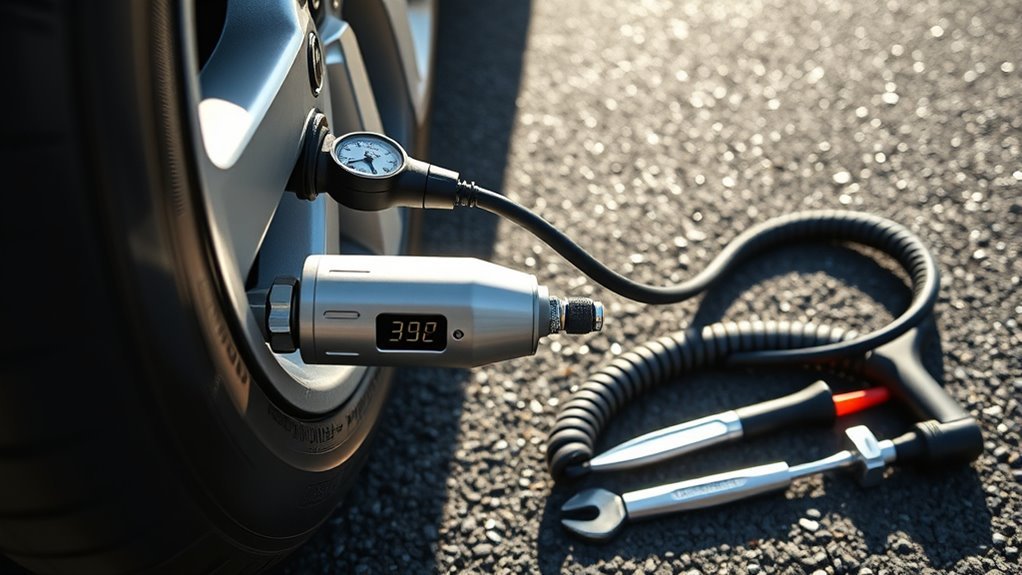
You need a tire pressure gauge to check tire pressure. You may also need an air compressor or tire inflator to add air, plus valve caps to help keep dirt and moisture out of the valve stem.
Are There Specific Temperatures for Checking Tire Pressure?
Check tire pressure when the tires are cold for the most accurate reading. Driving heats the tires and can raise the pressure reading, which may make a low tire seem properly inflated.
How Do I Know the Correct Tire Pressure for My Vehicle?
Find the correct tire pressure on the driver-side door placard or in your owner’s manual. Do not use the maximum pressure printed on the tire sidewall as your normal setting because that number does not replace the vehicle manufacturer’s recommendation.
Conclusion
Proper tire pressure helps protect your safety, your fuel budget, and your tires. Underinflated tires can make your vehicle harder to stop, steer, and control when road conditions change. Check your tire pressure each month and fix slow leaks before they cause damage. Healthy tires give you a safer, smoother, and more efficient drive.
References
- Tires — National Highway Traffic Safety Administration
- Tires — U.S. Department of Energy
- Tire Pressure Monitoring System Effectiveness — National Highway Traffic Safety Administration