

You can reset the TPMS light on a 2024 Toyota Land Cruiser only after you confirm the tires are actually inflated correctly. Start with a cold tire-pressure check, use the pressure shown on the driver-door Tire and Loading Information label, then use the driver display’s TPWS settings or the physical reset switch if your Land Cruiser is equipped with one.
Quick Answer
Inflate all tires to the cold pressure listed on the driver-door placard, then open the Land Cruiser’s driver display settings and choose the TPWS tire-pressure reset option. If your vehicle has a physical reset switch, use it only after correcting pressure. Do not reset a flashing TPMS malfunction light.

Key Takeaways
- Always check tire pressure first. A reset should not be used to hide a real leak or underinflated tire.
- Use the pressure on the driver-door placard, not the maximum pressure printed on the tire sidewall.
- A solid TPMS light usually points to low pressure. A flashing light that turns solid usually points to a TPMS malfunction.
- 4Runner wheels or aftermarket wheels may need compatible sensors and ID registration before the warning light clears.
- If the light returns after correct pressure and a reset, use a TPMS tool or Toyota-capable diagnostic scan.
At a Glance
| Time Required | 10 to 30 minutes, plus any drive time needed for the system to update |
| Difficulty | Easy if tire pressure is correct; moderate if sensors need diagnosis |
| Tools Needed | Accurate tire-pressure gauge, air compressor, owner’s manual, and TPMS scan tool if the light does not clear |
| Cost | Usually free for a pressure check and reset; sensor diagnosis or replacement varies by shop |
What the TPMS Light Means Before You Reset It
The TPMS or TPWS warning light is not just a nuisance light. It warns you that at least one tire may be significantly underinflated, or that the tire-pressure warning system has a fault. The safest first step is always to check the tires, not to reset the warning.
- Solid TPMS light: Check all tire pressures as soon as you can safely stop. Inflate any low tire to the vehicle’s recommended cold pressure.
- Light turns on and off during cold mornings: Pressure may be close to the warning threshold. Check the tires cold and adjust them to the placard pressure.
- Flashing light, then solid light: Treat this as a likely TPMS malfunction. A reset may not fix it.
- Light returns after a reset: Recheck pressure, inspect for leaks, and scan the sensors if pressure is correct.
Warning: Do not use a TPMS reset to clear a warning from a leaking tire, damaged tire, bent valve stem, or incompatible wheel sensor. Fix the pressure or fault first, then reset the system.
Prep Checklist: Pressures, Spare, and Sensor Compatibility
Before you reset the TPMS light, park on a level surface and let the tires cool if you recently drove. Tire pressure rises as tires warm up, so a hot reading can mislead you. For the correct pressure, use the Tire and Loading Information label on the driver-side door area or check the Toyota owner’s manual lookup page for your exact vehicle.
- Check the pressure of all four road tires with a reliable gauge.
- Inflate each tire to the cold pressure shown on the driver-door placard.
- Check the spare manually, even if your display does not show spare pressure.
- Look for nails, cuts, bulges, cracked sidewalls, or a slow leak before resetting.
- Confirm that any replacement wheels use compatible TPMS sensors.
- Make sure the sensor IDs are registered if wheels or sensors were changed.
Pro Tip: Check pressure before the first drive of the day. A tire is considered cold when the vehicle has been parked for at least three hours or has been driven only a very short distance.
A TPMS warning is a backup alert, not a replacement for monthly tire-pressure checks with a gauge.
[Products Worth Considering]

This GM TPMS relearn tool helps reset tire sensors, clear warning lights, and match tire positions after rotation quickly at home. Designed for Chevrolet, GMC, Cadillac, and Buick vehicles, it offers one-button operation, fast activation, and broad compatibility with many GM models. It is best suited for OE/OEM sensors and includes paper instructions plus video guidance for easier DIY use.
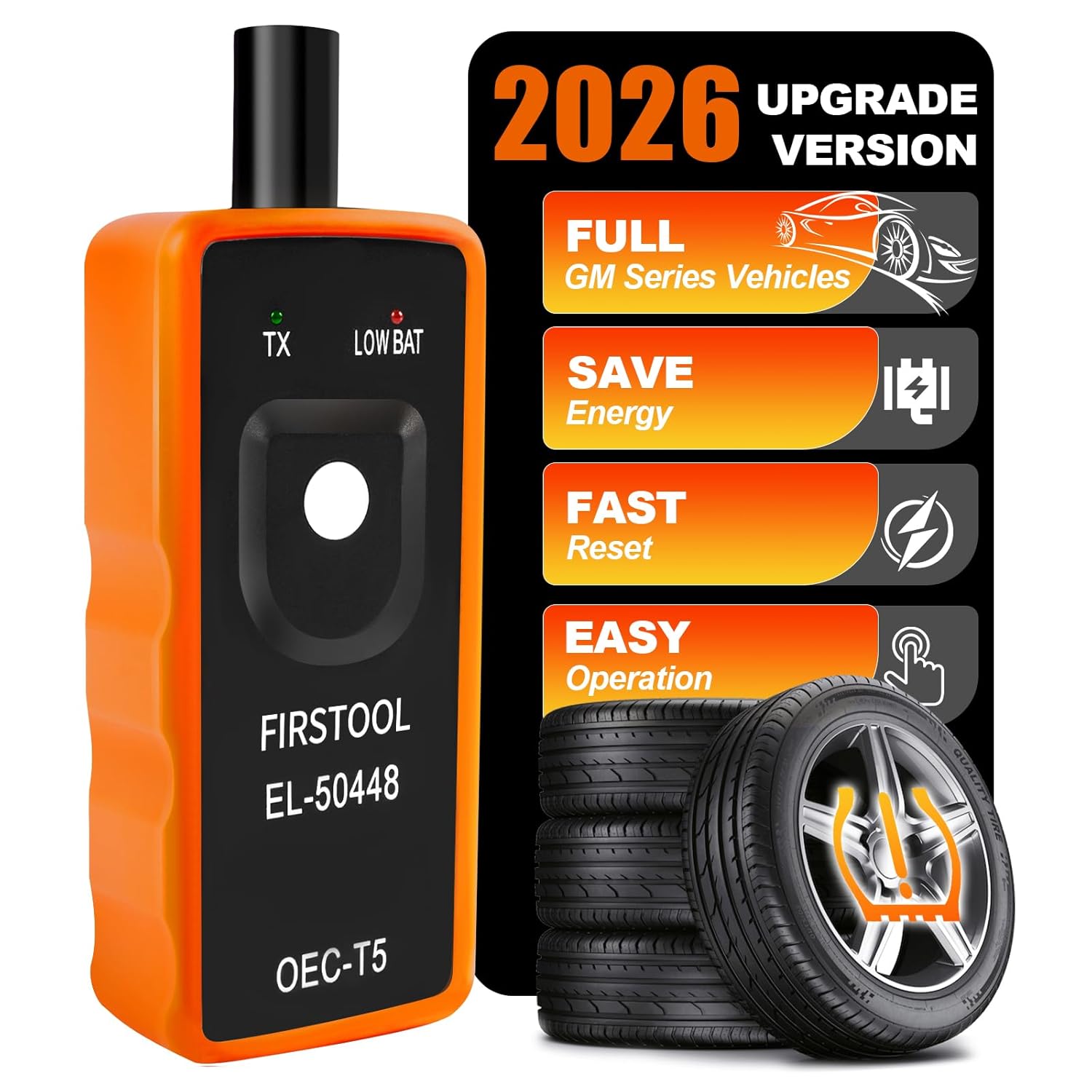
This EL-50448 TPMS relearn tool helps quickly activate and reset tire pressure sensors so your vehicle’s monitoring system stays accurate after tire rotations, sensor replacement, or seasonal tire changes. Designed for many GM-related vehicles and compatible with common 315 and 433 MHz TPMS systems, it offers simple one-button operation and reliable performance for clearing warning lights and relearning sensor positions.

This TPMS sensor training tool is designed for Ford, Lincoln, and Mercury vehicles with compatible tire pressure sensors, helping activate sensors after tire rotations or sensor replacement. It supports relearning and warning light reset workflows with a simple one-button operation, making tire pressure maintenance easier and faster. Built for reliable use and broad vehicle compatibility, it is a practical accessory for TPMS service and sensor activation.
Reset via Driver Display Menu
Most 2024 Toyota Land Cruiser owners should start with the driver display method. The exact wording can vary by market and software version, so use the menu labels on your vehicle and confirm the steps in the owner’s manual.
Access Vehicle Settings
Turn the vehicle to ON or READY according to the manual, then use the steering-wheel controls to open the driver display settings. Look for a vehicle settings menu, then find the TPWS, Tire Pressure Warning System, or similar tire-pressure setting.
- Use the steering-wheel controls to open the settings menu.
- Choose the vehicle settings area.
- Select the tire-pressure warning system option.
- Confirm all tire pressures are correct before selecting reset or set pressure.
- Follow the on-screen prompts until the display confirms the process has started.
Reset TPWS/TPMS
After you choose the tire-pressure warning option, the system stores the current corrected pressures as its reference. Do this only after all tires match the recommended cold pressure. If one tire is still low, the warning may return quickly.
| Step | Action | Why It Matters |
|---|---|---|
| 1 | Check and correct cold tire pressure. | The system should learn correct pressure, not low pressure. |
| 2 | Open Vehicle Settings in the driver display. | This is the normal access point for many modern Toyota settings. |
| 3 | Choose TPWS or Tire Pressure Warning System. | Toyota often uses TPWS wording for this system. |
| 4 | Select reset, initialize, or set pressure if shown. | The exact label can vary, so follow your display prompt. |
| 5 | Drive normally if the manual or display asks for a learning period. | Some systems need wheel-speed or sensor data before the light clears. |
Reset With the TPMS Button, If Equipped
Some Toyota models use a physical tire-pressure reset switch, but you should not assume every 2024 Land Cruiser has one in the same location. If your owner’s manual or vehicle trim includes a physical switch, it may be near the lower dash, steering column area, or another driver-side control area.
- Inflate all tires to the recommended cold pressure first.
- Turn the vehicle to the ON position as directed by the manual.
- Press and hold the TPMS or tire-pressure reset switch if your vehicle has one.
- Release the switch when the display or warning light indicates the reset process has started.
- Let the vehicle complete the learning process, then drive if the manual requires it.
Note: If you cannot find a physical reset switch, do not force panels open. Use the driver display method or check the official Toyota manual for your exact vehicle.
What to Do After the Reset
After the reset begins, give the system time to update. If the display asks you to drive, drive at normal road speeds in a safe area. Then park and confirm the warning light stays off.
- If the light goes out and stays off, the reset worked.
- If the light returns, recheck every tire with a gauge.
- If one tire is low again, inspect for a puncture, leaking valve stem, or wheel damage.
- If pressure is correct but the light returns, scan the TPMS sensors.
- If the light flashes first and then stays on, schedule a system inspection.
According to NHTSA tire safety guidance, newer vehicles have TPMS, but the warning usually appears only after a tire is significantly underinflated. You should still check pressure monthly with a gauge.
Swapping Wheels: Will 4Runner TPMS Sensors Work?

If you’re swapping 4Runner wheels onto a 2024 Land Cruiser, do not assume the TPMS sensors will work automatically. Wheel fitment and sensor compatibility are separate issues. A wheel can bolt on and still have sensors that the Land Cruiser does not recognize.
Before you install the wheels, confirm the sensor part number, sensor frequency, valve-stem fit, and ID registration requirements. If the sensors are not compatible, the Land Cruiser may show a warning even when all tires are properly inflated.
- Record the TPMS sensor part number from the 4Runner wheels.
- Compare it with the correct Land Cruiser sensor specification.
- Confirm the sensors are not damaged and the valve stems are not leaking.
- Use a TPMS scan tool to read each sensor ID and pressure signal.
- Register the sensor IDs to the Land Cruiser if required.
- Use correct Land Cruiser sensors if compatibility is uncertain.
If you change sensors, wheels, or tire positions and the warning light stays on, use a TPMS tool or a Toyota-capable scan tool. Toyota’s Technical Information System is the official service-information source for Toyota diagnostics and repair information in North America.
[Products Worth Considering]

These custom floor mats are designed to fit the Toyota Land Cruiser GX550 with a 5-seat layout for a precise, secure install. Made from durable TPE, they help shield your interior from spills, mud, snow, dirt, sand, pet hair, and everyday debris while making cleanup quick and easy.

The AICEL TPMS Relearn Tool helps quickly reset and relearn tire pressure sensors on compatible GM vehicles after tire rotation, sensor replacement, or warning light issues. Designed for easy handheld use, it works with most cars, SUVs, and pickup trucks and can save time by eliminating unnecessary trips to the auto store. Its durable ABS housing and simple activation process make it a practical tool for keeping the tire pressure monitoring system operating properly.

The VXDAS 2-in-1 TPMS relearn tool is designed to activate and reset tire pressure sensors on compatible GM and Ford vehicles with an easy model switch button for quick use. It helps complete TPMS relearning after tire rotation, sensor replacement, or warning light resets, making it a practical tool for drivers and technicians who want a fast, cost-effective solution.
Troubleshooting Common TPMS Issues and Thresholds
TPMS troubleshooting starts with pressure, then moves to leaks, sensors, and system faults. Federal TPMS rules require a warning when tire pressure reaches a significant underinflation threshold, including pressure about 25% below the vehicle placard pressure or the applicable standard threshold, whichever is higher. You can review the federal rule in 49 CFR 571.138.
[Products Worth Considering]

Custom-fit floor mats and cargo liner designed to provide edge-to-edge protection for the Toyota Land Cruiser Prado. Made from durable TPE material, they offer all-weather defense against rain, slush, snow, mud, and everyday dirt while remaining easy to install, clean, and maintain. The odorless, non-slip design helps keep your interior safer, cleaner, and more comfortable in every season.

The XTOOL TP150 is a universal TPMS service tool designed to activate, relearn, program, diagnose, and reset tire pressure sensors with ease. It supports dual-frequency sensors and multiple relearn modes, helping DIY users and professionals quickly clear DTCs, reset warning lights, and verify sensor health across a wide range of vehicles. Built with physical buttons and lifetime updates, it is a practical solution for efficient TPMS maintenance in the garage or on the road.
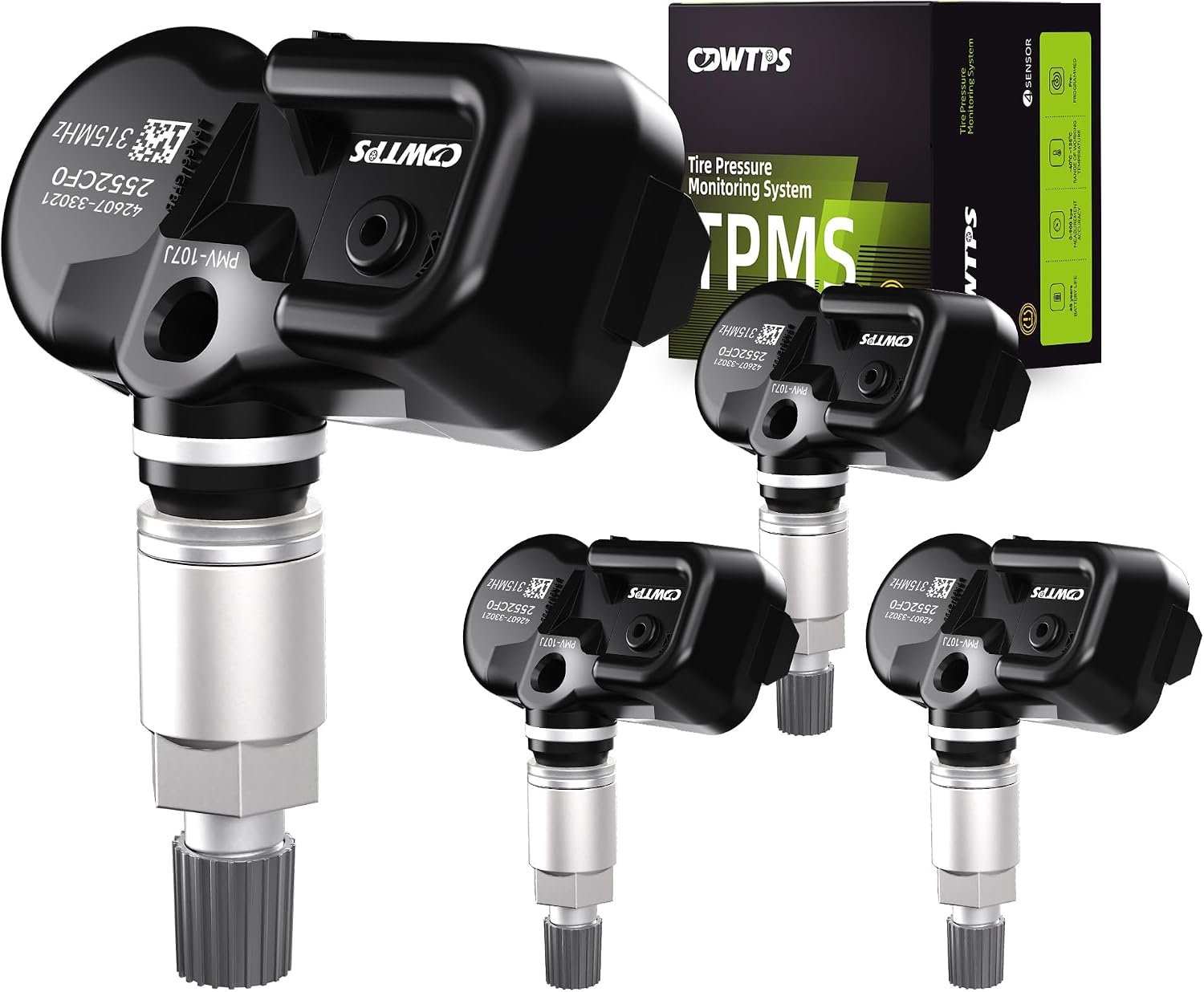
This set of four pre-programmed TPMS sensors is designed as a direct-fit replacement for compatible Toyota, Lexus, and Scion vehicles. It helps restore accurate tire pressure monitoring without sensor programming, and each unit is factory-tested for dependable performance. Built for long service life, these sensors offer a convenient solution for replacing worn or failed tire pressure monitors.
Alert Activation Thresholds
Do not wait for the TPMS light before maintaining your tires. The light is designed to warn you after pressure becomes significantly low. Your job is to keep pressure correct before the warning appears.
- Use the placard pressure as the target.
- Measure pressure when the tires are cold.
- Check pressure at least monthly and before long trips.
- Check the spare manually, especially before off-road travel.
- Recheck pressure after major temperature changes.
Reset and Relearn
If the pressures are correct and no tire damage is visible, repeat the reset once. Follow the driver display prompts or the physical switch method if equipped. If the warning returns again, stop repeating the reset and move to diagnosis.
- Confirm pressure with a second gauge if the reading seems suspicious.
- Spray soapy water around valve stems to check for leaks.
- Inspect tread for nails, screws, or cuts.
- Check that all sensors are transmitting with a TPMS scan tool.
- Register sensor IDs again after wheel or sensor replacement.
Sensor Battery Failures
Direct TPMS sensors use sealed electronics inside the wheel. Over time, a sensor battery can weaken, the transmitter can stop sending a reliable signal, or the valve stem can leak. When this happens, adding air or resetting the system will not solve the fault.
- One dead sensor may show as one missing tire reading.
- Multiple missing readings can point to sensor registration or receiver issues.
- Intermittent readings can happen when a sensor is weak or damaged.
- Valve-stem corrosion or damage can cause slow pressure loss.
- Sensor replacement usually requires tire dismounting and ID registration.
When to Get a Pro or Use Techstream Diagnostics
Get professional help if the TPMS light stays on after you verify correct tire pressure, perform one reset, and inspect for obvious leaks. A shop with a TPMS tool can wake each sensor, read its ID, check pressure data, and confirm whether the Land Cruiser receives the signal.
Use dealer-level or Toyota-capable diagnostics when the light flashes before staying on, when several sensors fail at once, or when wheels from another Toyota model were installed. Techstream-level diagnostics can help read tire-pressure warning system data and fault codes, so the technician can repair the real cause instead of guessing.
Ask for an estimate before approving work. Cost depends on your area, labor rate, sensor type, and whether the tire must be dismounted. A basic reset should not cost much, but sensor replacement, ID registration, or wiring diagnosis can add labor.
Frequently Asked Questions
Can cold weather cause the TPMS light to turn on?
Yes. Cold weather can lower tire pressure enough to trigger the TPMS light, especially if a tire was already close to the warning threshold. Check all tires cold and inflate them to the driver-door placard pressure.
Does using tire sealant damage TPMS sensors?
Some sealants can coat or contaminate a sensor inside the wheel. Use only sealant that is marked TPMS-safe, follow the product directions, and tell the tire shop if sealant was used before they service the tire.
How long do Land Cruiser TPMS sensors last?
TPMS sensors use sealed electronics and can fail as they age. Heat, corrosion, tire service damage, and battery age can all shorten sensor life. If one sensor stops transmitting, replacement and ID registration may be required.
Can a weak 12-volt battery prevent a TPMS reset?
A weak or dead 12-volt battery can interrupt vehicle electronics and prevent a reset from completing. Restore stable vehicle power first, then repeat the tire-pressure reset steps after confirming the tires are inflated correctly.
Are aftermarket TPMS sensors legal for highway use?
Aftermarket sensors can be used when they meet applicable requirements and are compatible with your Land Cruiser. They must be programmed or registered correctly so the vehicle can detect low tire pressure and TPMS malfunctions.
Do I need to drive after resetting the TPMS light?
You may need to drive for the system to update, depending on the exact reset method and system status. Follow the driver display or owner’s manual prompts. If the light remains after normal driving, recheck pressure and scan the sensors.
Can I reset the TPMS light without a scan tool?
Yes, if the only issue was low tire pressure and your Land Cruiser accepts the driver display or switch reset. You need a scan tool when sensors are missing, unregistered, damaged, or not transmitting correctly.
Conclusion
Resetting the TPMS light on a 2024 Toyota Land Cruiser is simple when the tires are healthy and inflated correctly. Check cold pressure first, use the driver-door placard, reset through the driver display or the physical switch if equipped, then confirm the light stays off.
If the warning returns, treat it as a real problem. Look for a leak, damaged valve stem, incompatible wheel sensor, missing sensor ID, or TPMS malfunction. When pressure is correct but the light still flashes or stays on, use a TPMS tool or a Toyota-capable diagnostic scan.
Sources
- Toyota Manuals and Warranties — official owner’s manual lookup for vehicle-specific instructions.
- NHTSA TireWise — tire pressure checks, TPMS warning meaning, monthly maintenance, and tire safety guidance.
- 49 CFR 571.138 — federal TPMS performance requirements and warning threshold language.
- Toyota Technical Information System — Toyota service information and diagnostic resources.


[…] not tape over, unplug, or bypass the TPMS warning light. Fix the pressure or system fault so the warning can protect […]