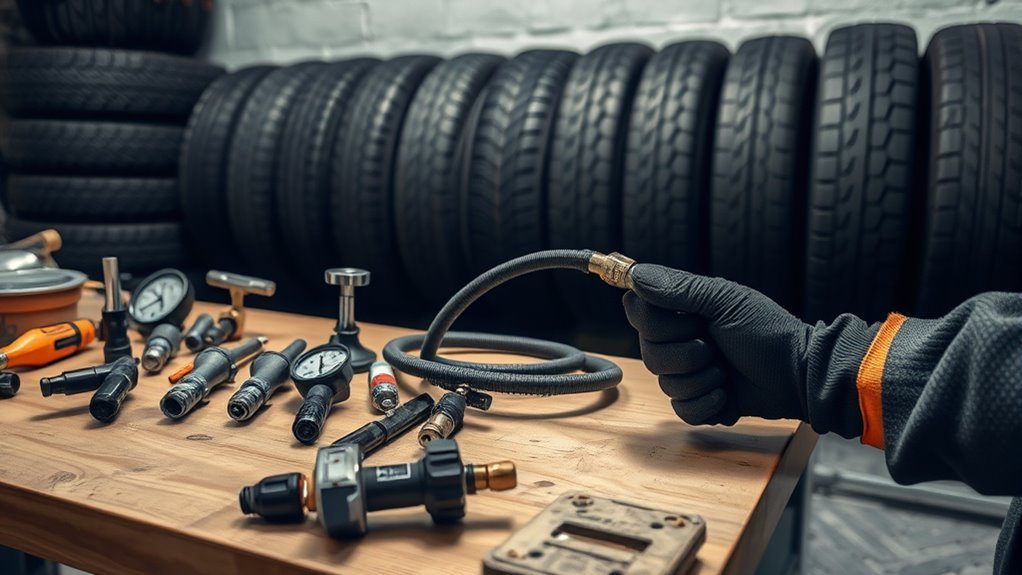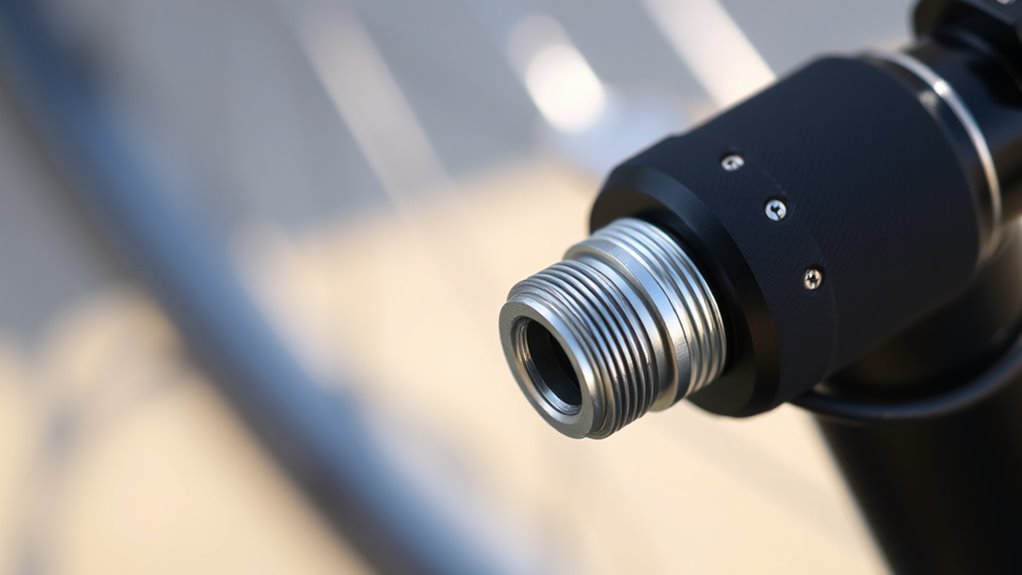
A Presta valve, also called a French or Sclaverand valve, is the slim bicycle tire valve commonly found on road bikes, gravel bikes, many mountain bikes, and other performance-focused wheels. It uses a narrow valve stem, a small threaded tip, and a knurled lock nut that must be opened before you inflate the tire.
Quick Answer
A Presta valve is a narrow bike tire valve used on many road, gravel, and performance bicycles. To inflate it, remove the cap, loosen the small knurled nut at the tip, press the tip briefly to open the seal, attach a Presta-compatible pump, inflate to the tire’s pressure range, then tighten the nut by hand.
Key Takeaways
- Presta valves are narrower than Schrader valves, so they fit smaller rim holes and are common on narrow or performance bicycle rims.
- You need a Presta-compatible pump, a dual-head pump, or a Presta-to-Schrader adapter to inflate one correctly.
- Always loosen the small tip nut before pumping and tighten it only by hand after inflation.
- For deep rims, choose a longer valve or use a valve extender so enough stem remains exposed for the pump head.
- Many tubeless Presta valves have removable cores, which help with sealant injection and clogged-valve maintenance.
At a Glance
| Time Required | 1–3 minutes per tire |
| Difficulty | Easy once you know how the tip nut works |
| Tools Needed | Presta-compatible pump, dual-head pump, or Presta-to-Schrader adapter; pressure gauge recommended |
| Cost | Usually $0 if your pump fits Presta; a small adapter is typically inexpensive |
What Is a Presta Valve and Why Is It Important?
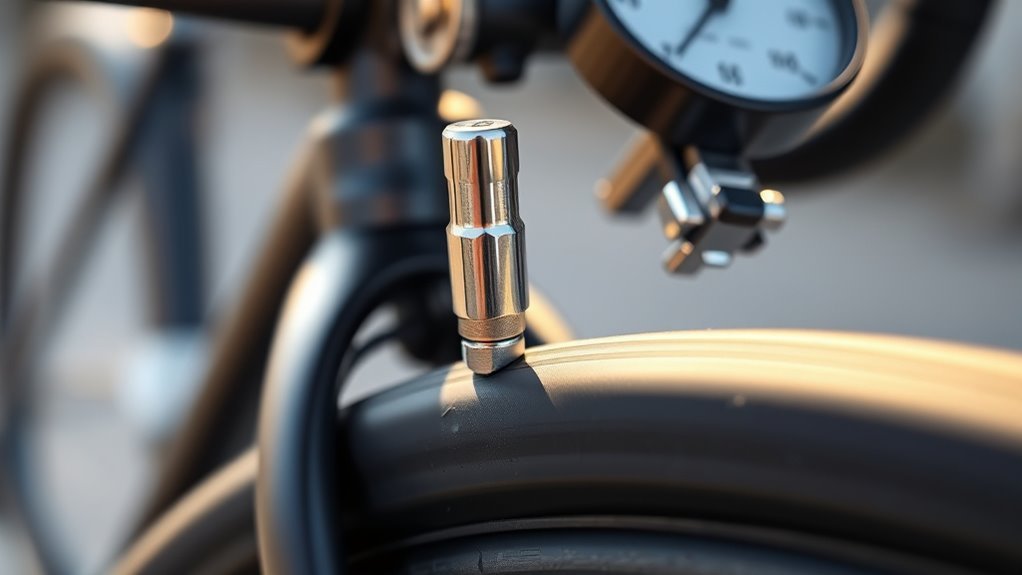
A Presta valve is a narrow bicycle valve with a small threaded tip at the top. It differs from a Schrader valve, the wider car-style valve found on many casual bikes, cars, and motorcycles. Bike tire manufacturers commonly describe the Presta/Sclaverand valve as about 6 mm wide, compared with about 8 mm for car-style valves.
That smaller size is useful on narrow bicycle rims because the rim needs a smaller valve hole. A smaller hole can leave more material around the valve opening, which is one reason Presta valves are common on road, gravel, racing, and many higher-end bike wheels.
Presta valves matter because pump compatibility, tube choice, rim compatibility, and tire pressure checks all depend on the valve type. Buying the wrong spare tube or using the wrong pump head can turn a quick inflation job into a frustrating roadside problem.
Note: Presta valves are also called French valves or Sclaverand valves. Those names usually refer to the same slim valve style.
How to Identify a Presta Valve
You can identify a Presta valve by looking for three features:
- A narrow metal stem: It is slimmer than a Schrader/car valve.
- A small threaded tip: The top has a tiny nut that opens and closes the valve.
- No spring-loaded center pin: Unlike a Schrader valve, a Presta valve opens when you loosen and press the small tip.
If your valve looks like the valve on a car tire, it is probably a Schrader valve. If it is slim, metal, and has a tiny nut at the top, it is probably a Presta valve.
Key Features of Presta Valves
Presta valves look simple, but a few details affect how easy they are to inflate and maintain. The most important features are valve length, removable cores, and pump compatibility.
Valve Stem Length Options
Valve length matters because the stem must pass through the rim and still leave enough exposed length for a pump head to grip. Standard shallow rims can use shorter valves, while deep-section aero rims usually need longer Presta valves or valve extenders.
A practical rule is to choose a valve that leaves about 10–15 mm of usable stem outside the rim after the wheel is assembled. The exact length depends on your rim depth and pump head. If the pump barely fits or pops off, the valve is probably too short.
Removable Core Benefits
Many, but not all, Presta valves have a removable valve core. A removable core is useful because it lets you:
- Add tubeless sealant through the valve stem.
- Replace a bent or leaking core instead of replacing the whole tube or valve.
- Clean dried sealant from the valve when airflow becomes slow.
- Install some types of valve extenders for deep rims.
To check whether your Presta core is removable, look for two small flat sides on the valve core. Use a proper valve-core tool rather than pliers, because the small parts are easy to damage.
Pump Compatibility
A Presta valve needs one of these pump setups:
- Presta-only pump head: Made specifically for Presta valves.
- Dual-head pump: Has separate Presta and Schrader openings.
- Switchable pump head: Uses an internal gasket that can be flipped or adjusted for Presta.
- Presta-to-Schrader adapter: Screws onto the open Presta valve so a Schrader pump or gas-station air hose can fit.
Pro Tip: Keep a tiny Presta-to-Schrader adapter in your saddle bag. It weighs almost nothing and can save a ride if the only available pump is a Schrader-style pump.
How to Inflate a Presta Valve: A Step-by-Step Guide
Inflating a Presta valve is easy once you know the order. The most common mistake is attaching the pump before opening the small tip nut.
Warning: Always follow the pressure range printed on your tire sidewall or recommended by the tire/wheel maker. Do not blast air into a bicycle tire with a compressor. Add air gradually, check pressure often, and stop if the tire bead looks uneven or starts lifting from the rim.
Prepare Your Equipment
Before you start, gather:
- A Presta-compatible pump, dual-head pump, or Presta-to-Schrader adapter
- A pressure gauge, if your pump does not have one
- A valve-core tool, if you are working with removable cores or tubeless sealant
- The recommended tire pressure range printed on the tire sidewall
Open the Valve
- Remove the plastic dust cap, if one is installed.
- Unscrew the small knurled nut at the top of the valve. Turn it counterclockwise until it stops. Do not remove it completely.
- Press the valve tip briefly. You should hear a tiny puff of air. This confirms the valve is open and not stuck.
Attach the Pump
- Push the pump head straight onto the valve. Avoid bending the thin tip.
- Lock the pump head if your pump has a lever.
- If air leaks around the pump head, remove it, check that the valve is open, and reattach it more squarely.
Inflate the Tire Properly
- Pump air until the tire reaches the desired pressure within the tire’s safe range.
- Unlock and remove the pump head in a straight motion.
- Tighten the small top nut clockwise by hand. It only needs to be snug.
- Replace the dust cap if you use one.
How to Use a Presta-to-Schrader Adapter
If you only have a Schrader pump, use an adapter:
- Remove the Presta valve cap.
- Loosen the small Presta tip nut.
- Press the tip once to release a quick puff of air.
- Screw the adapter onto the open Presta valve.
- Attach the Schrader pump or air hose to the adapter.
- Inflate slowly and check pressure often.
- Remove the pump, unscrew the adapter, tighten the Presta tip nut by hand, and reinstall the cap.
Identifying Common Problems With Presta Valves
Most Presta valve problems come from pump fit, a loose removable core, dried sealant, or a bent tip. Use this table to diagnose the issue quickly.
| Problem | Likely Cause | Fix |
|---|---|---|
| Pump will not attach | Wrong pump head or valve too short | Use the Presta side of the pump, an adapter, or a longer valve/extender |
| Air leaks while pumping | Pump head not seated straight | Remove and reattach the pump squarely; check the pump gasket if leaks continue |
| Valve core unscrews with pump | Removable core is loose | Tighten the core gently with a valve-core tool |
| Slow or no airflow | Closed tip nut, clogged core, or dried sealant | Open the nut fully, tap the tip, or clean/replace the removable core |
| Valve tip bends | Pump head pushed on at an angle | Attach and remove the pump straight; replace badly bent cores when possible |
What Maintenance Does Your Presta Valve Need?
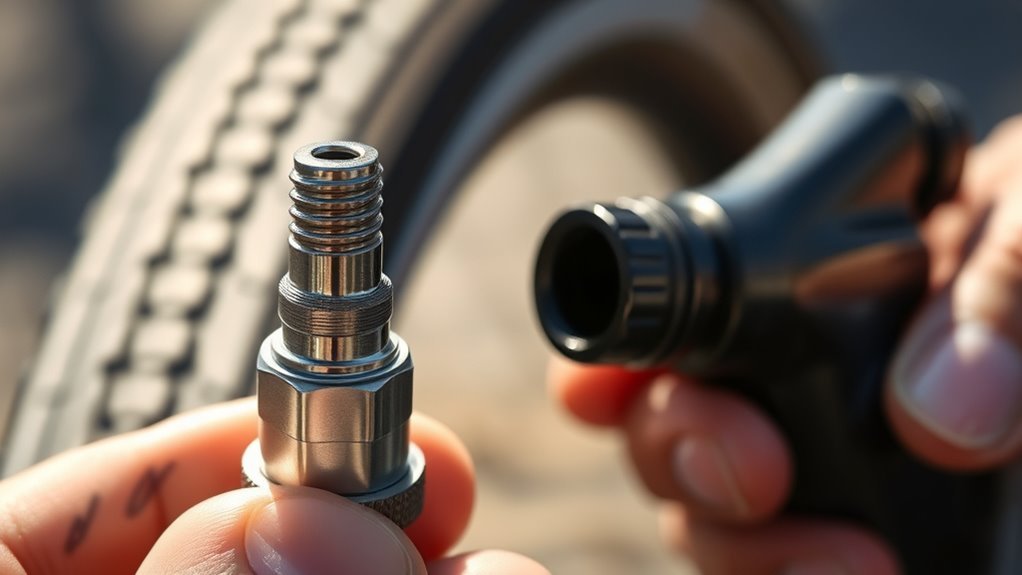
A Presta valve does not need much maintenance, but a few simple checks prevent most problems.
Regular Cleaning Procedures
- Wipe dirt from the valve stem before attaching the pump.
- Keep the dust cap on if you ride in mud, dust, or wet conditions.
- Do not use pliers to tighten the small tip nut or rim nut.
- Check that the valve stands straight through the rim.
- For tubeless tires, clean dried sealant from the valve core if inflation becomes slow.
Checking Valve Core Integrity
If your Presta valve has a removable core, make sure the core is snug. A loose core can leak air or unscrew when you remove the pump. Use a valve-core tool and tighten gently; overtightening can damage the core or valve stem.
Replace the valve core if it is bent, clogged with sealant, or still leaks after gentle tightening. On an inner tube with a non-removable leaking valve, replacing the tube is usually the simplest fix.
How Presta Valve Extenders Enhance Compatibility With Deep Rims
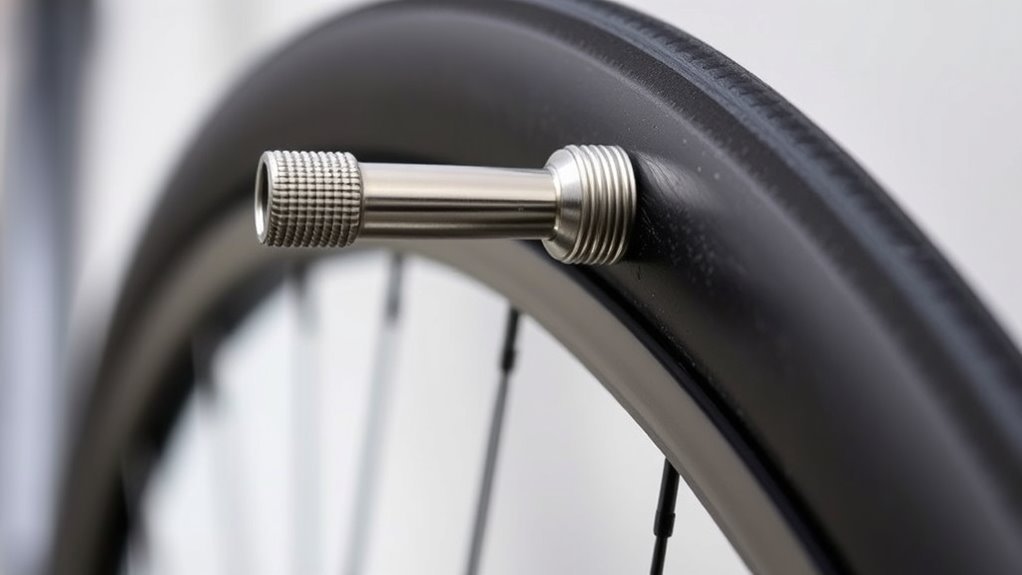
Deep-section rims often need longer valves. If the valve is too short, the pump head may not grip it well enough to inflate the tire. A Presta valve extender adds reach so the valve can work with deeper rims.
There are two common extender styles:
- External extenders: Screw onto the outside of an opened Presta valve. They are simple but can make pressure checks less precise on some setups.
- Removable-core extenders: Require removing the valve core, adding the extender, then reinstalling the core at the end of the extender. These are often preferred for deep rims because the actual valve mechanism moves outward.
Before buying tubes or tubeless valves for deep wheels, check your rim depth and choose a valve long enough for your pump head. A valve that technically pokes through the rim may still be too short if the pump cannot lock onto it.
[Products Worth Considering]

These universal tire valve stem caps are designed to help protect tire valves from moisture and debris while adding a clean, customized look to your vehicle. Suitable for cars, trucks, motorcycles, SUVs, and bikes, they offer easy push-on installation and durable everyday use. Their personalized design makes them a simple accessory for enhancing both style and tire protection.

These universal valve stem caps help protect tire valves from water, dust, and sand while supporting a tighter seal to reduce air leakage. Made from durable aluminum alloy, they are easy to install by hand and fit a wide range of vehicles, including cars, SUVs, trucks, motorcycles, and bicycles. The sleek black finish adds a clean look and makes them a practical accessory for everyday vehicle maintenance.

These aluminum alloy tire stem valve caps provide a stylish, protective upgrade for your vehicle’s valve stems while helping keep out dirt, dust, and road debris. Designed for easy hand installation, they fit most cars, SUVs, trucks, motorcycles, and bicycles, making them a practical accessory for everyday maintenance and a thoughtful gift for drivers.
Presta Valves vs. Schrader Valves: Key Differences Explained
Presta and Schrader valves both hold air, but they are built for different uses. Schrader valves are wider and common on cars, motorcycles, and many casual bicycles. Presta valves are narrower and common on road bikes, gravel bikes, and many performance bicycles.
| Feature | Presta Valve | Schrader Valve |
|---|---|---|
| Stem width | Narrow, about 6 mm | Wider, about 8 mm |
| Common use | Road, gravel, racing, and many higher-end bikes | Cars, motorcycles, kids’ bikes, casual bikes, some mountain bikes |
| How it opens | Loosen the small top nut, then press the tip | Pump or gauge presses the spring-loaded center pin |
| Pump access | Needs Presta-compatible pump or adapter | Works with most gas-station and car-style inflators |
| Best fit | Narrow rims and wheels drilled for Presta | Rims drilled for Schrader valves |
[Products Worth Considering]

This AC Schrader valve tool is designed for leak-free removal and replacement of valve cores in automotive air conditioning systems filled with refrigerant. It helps prevent refrigerant loss, secures the valve core during installation or removal, and simplifies servicing with included guidance. Built from brass and aluminum alloy and stored in a protective EVA case, it offers a practical solution for both high and low pressure valve core work.
These metal tire valve stem caps are designed to protect tire valves from dust, moisture, corrosion, and air leakage while adding a clean, stylish look to your wheels. Made from durable aluminum alloy with rubber sealing rings, they are easy to install without tools and help support stable tire pressure for safer driving.

Add a clean, patriotic finishing touch to your wheels with these DECURCAR tire valve stem caps. The aluminum outer shell with plastic liner helps resist corrosion and supports a reliable seal, while the easy hand-tightened design makes installation simple. Built for wide compatibility with standard Schrader valves, this set is a practical upgrade for cars, trucks, motorcycles, bikes, and more.
When Should You Pick Presta Valves Instead of Schrader Valves?
Choose Presta valves when your wheel is drilled for Presta, when you ride road or gravel wheels with narrow rims, or when your tubeless setup uses Presta valves. Also choose Presta if your deep rims need longer valve options or removable-core extenders.
Choose Schrader valves when your rim is drilled for Schrader, when gas-station inflation convenience matters most, or when your bike already uses Schrader tubes and wheels.
Warning: Do not drill a Presta rim to fit a Schrader valve unless the rim manufacturer says it is safe. Enlarging the valve hole can weaken or damage the rim.
[Products Worth Considering]

These aluminum alloy tire valve stem caps provide durable, corrosion-resistant protection for your vehicle’s valve stems while helping maintain stable tire pressure. The rubber seal design helps block dust, moisture, and debris, reducing the risk of air leakage and valve damage. Easy to install and styled for a clean look, they fit a range of cars, SUVs, trucks, and motorcycles.

These aluminum alloy valve stem caps provide durable, corrosion-resistant protection for your tires while helping maintain stable tire pressure. The rubber seal design helps block dust, moisture, and debris from entering the valve stem, reducing the risk of air leakage and valve damage. Easy to install and designed for a wide range of vehicles, they also add a clean, polished look to your wheels.

This AC valve core removal and installer set is designed for efficient servicing of automotive and HVAC refrigerant systems. It includes high- and low-pressure quick connectors with ball valves to help reduce refrigerant leakage during valve core replacement. Built with durable brass, stainless steel, and aluminum components, it offers reliable grip, easy operation, and broad compatibility for air conditioning maintenance and repair.
Can You Use a Presta Tube in a Schrader Rim?
A Presta tube can sometimes fit through a larger Schrader rim hole, but it is not ideal for long-term use unless you use the proper adapter or rim grommet. Without support, the smaller Presta stem can move in the larger hole, and the rim edge may damage the valve base over time.
If you are making an emergency roadside repair, a Presta tube in a Schrader-drilled rim may get you home. For regular use, match the tube valve to the rim hole or use the correct reducer hardware recommended by the rim or tube manufacturer.
Troubleshooting Presta Valve Issues
If a Presta valve will not inflate, start with the simple checks before replacing anything.
- Check the top nut: Make sure the small nut is loosened all the way before attaching the pump.
- Tap the valve tip: A quick press can unstick the seal and confirm airflow.
- Check pump orientation: Many dual-head pumps have one side for Presta and one side for Schrader.
- Check valve length: If the pump cannot grip the stem, use a longer valve or extender.
- Check the valve core: If the valve leaks or unscrews, tighten or replace the removable core.
- Check for sealant clogs: On tubeless tires, remove and clean the core if airflow is restricted.
- Check the tube or tubeless seal: If the valve is fine but pressure drops quickly, inspect the tire, tube, rim tape, and bead seal.
Newer Valve Options to Know About
Presta and Schrader valves are still the most common valves most riders need to understand. However, newer systems such as the Schwalbe Clik Valve aim to make inflation easier by changing how the pump head connects to the valve. Some modern tubeless systems also use high-flow valve designs to reduce clogging and make tubeless setup easier.
For most riders, the practical advice stays simple: identify the valve already on your wheel, carry the right pump or adapter, and choose replacement tubes or tubeless valves that match your rim.
Frequently Asked Questions
How do you put air in a Presta valve?
Remove the cap, loosen the small nut at the tip, press the tip once to open the valve, attach a Presta-compatible pump, inflate to the tire’s safe pressure range, remove the pump straight, and tighten the tip nut by hand.
What is the difference between a Presta valve and a regular valve?
Most people mean a Schrader valve when they say “regular valve.” A Presta valve is narrower, has a small lock nut at the tip, and is common on road and performance bikes. A Schrader valve is wider, spring-loaded, and similar to the valve on a car tire.
Do you need a special pump for Presta valves?
You need a pump that fits Presta valves, but it does not have to be Presta-only. A dual-head pump, switchable pump, or Presta-to-Schrader adapter will work. If your pump only fits Schrader valves, use an adapter after opening the Presta tip nut.
What is better, Presta or Schrader?
Neither is always better. Presta is better for many narrow and performance bicycle rims because it uses a smaller rim hole and comes in long lengths. Schrader is better for easy inflation with car-style pumps and gas-station air hoses. The best choice is the valve your rim is designed to use.
Why is my Presta valve leaking after I pump it?
The top nut may still be open, the removable valve core may be loose, or the core may be damaged. Tighten the top nut by hand first. If it still leaks and the core is removable, gently tighten or replace the core with a valve-core tool.
Can I inflate a Presta valve at a gas station?
Yes, but you need a Presta-to-Schrader adapter. Open the Presta tip nut first, screw on the adapter, and inflate carefully. Gas-station compressors can add air very quickly, so use short bursts and check pressure often.
Conclusion
A Presta valve is not difficult to use; it is just different from the car-style Schrader valve many people know first. Once you understand the small top nut, pump compatibility, and valve length, inflation becomes quick and reliable.
For the best results, match the valve to your rim, use the correct pump or adapter, inflate within the tire’s safe pressure range, and keep removable cores clean and snug. Those simple habits prevent most Presta valve problems and keep your bike ready to ride.
Sources
- Schwalbe — Bike Tire Valves — supports Presta/Sclaverand valve width, rim-hole fit, knurled nut use, and valve-tip caution.
- Continental — Tire Knowledge: Tubes — supports valve-type selection and valve length guidance for rim depth.
- Park Tool — Tire, Wheel and Inner Tube Fit Standards — supports common bicycle valve types and Presta/Schrader fit basics.
- Park Tool — VC-1 Valve Core Tool — supports removable Presta core and valve-extender maintenance.
- Stan’s — Tubeless Tape & Valves — supports tubeless valve and removable-core use with sealant systems.
- Schwalbe — Clik Valve — supports newer bicycle valve compatibility context.