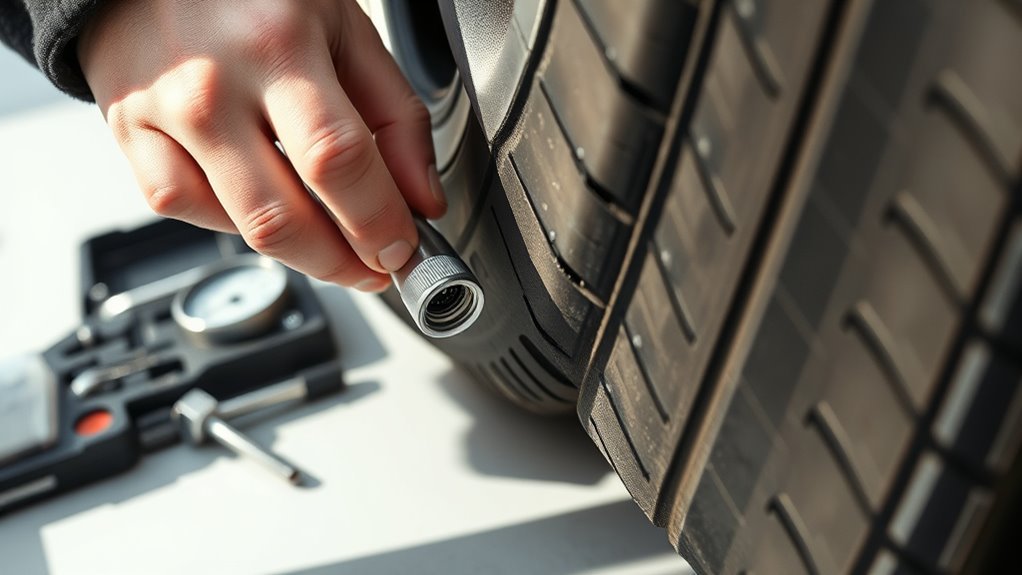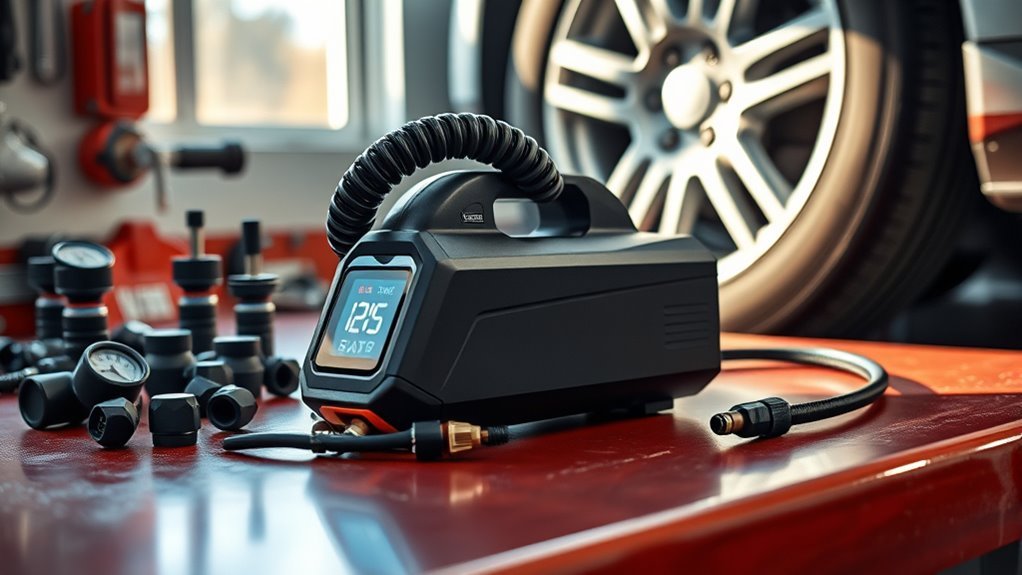
If your tire inflator is not working, match the fix to the symptom. No power usually points to the outlet, plug, fuse, battery, charger, cord, or switch. A motor that runs without inflating usually points to a loose chuck, blocked hose, damaged adapter, leaking valve, or tire problem. Repeated shutoffs often mean the target pressure was reached, the battery is weak, or the motor needs to cool. Use the correct cold tire pressure from your vehicle’s door placard or owner’s manual before inflating.
Last updated: July 15, 2026
By · AutoReviewNest
Quick Answer
A tire inflator usually fails because it has no power, a loose or leaking hose connection, a blocked nozzle, an incorrect pressure preset, a weak battery, or an overheated motor. Confirm the power source, reseat the hose on the valve stem, check for leaks, let the unit cool, and compare its gauge with a trusted tire gauge.
Key Takeaways
- Use the vehicle’s recommended cold tire pressure from the driver-side door label or owner’s manual, not the maximum pressure printed on the tire sidewall.
- If the inflator will not turn on, check the outlet, 12-volt plug, fuse, battery pack, charger, and power switch before assuming the motor is bad.
- If inflation is slow, inspect the hose, chuck, valve stem, nozzle, and tire for leaks or blockages.
- If the inflator keeps shutting off, it may be overheating, reaching the auto-stop pressure, running on a weak battery, or hitting its built-in thermal protection.
- Stop using the inflator if it smokes, smells burned, sparks, leaks badly, or cannot be controlled with the power switch.
At a Glance
Warning: Read your inflator manual before troubleshooting. Wear eye protection, keep children away, do not use the inflator in wet or damp areas, and never exceed the pressure rating of the tire or item being inflated. If you run the vehicle engine while using a 12-volt inflator, keep the vehicle outside or in an open, well-ventilated area.
What Tire Inflator Problem Are You Seeing?
Most tire inflator troubleshooting starts with one question: what symptom are you seeing? A unit that will not power on needs a different check than one that runs but does not move air. Use the quick guide below before taking anything apart. For a deeper walkthrough of either failure mode, see our full won’t-turn-on troubleshooting guide or our not-inflating guide — or keep reading for the full symptom-by-symptom path below. It also helps to understand how a tire inflator works before you start.
Fast Isolation Test
- Confirm power: Test the outlet with a known-good device, or try a charged compatible battery if your cordless model allows it.
- Confirm airflow: Disconnect the hose from the tire and briefly run the inflator only if the manual permits open-nozzle operation. If no air comes out, stop and follow the manual’s service guidance.
- Confirm the connection: Attach the chuck straight to a known-good valve within the inflator’s rated use. A loud hiss usually means the seal is poor.
- Confirm the reading: Compare the inflator display with a trusted gauge while the tire is cold.
- Confirm temperature: If the case is hot or the unit stopped during a long run, disconnect it and follow the manual’s cool-down period before testing again.
Check the Correct Tire Pressure Before Inflating
Before you add air, find the right number. The recommended tire pressure is listed in your vehicle owner’s manual and on the tire information label, usually on the driver-side door frame. The pressure printed on the tire sidewall is the tire’s maximum pressure, not the normal target pressure for your vehicle. The National Highway Traffic Safety Administration also recommends checking tires when they are cold, meaning they have not been driven on for at least three hours.
Note: A tire may read higher after driving because heat raises pressure. If possible, troubleshoot and inflate when the tires are cold for the most accurate reading.
How Do You Troubleshoot a Tire Inflator?
Use this step-by-step process to narrow the problem without guessing. If your inflator shows signs of electrical damage, do not open the case unless the manual specifically allows it; most consumer inflators are not meant for internal user repair.
[Products Worth Considering]
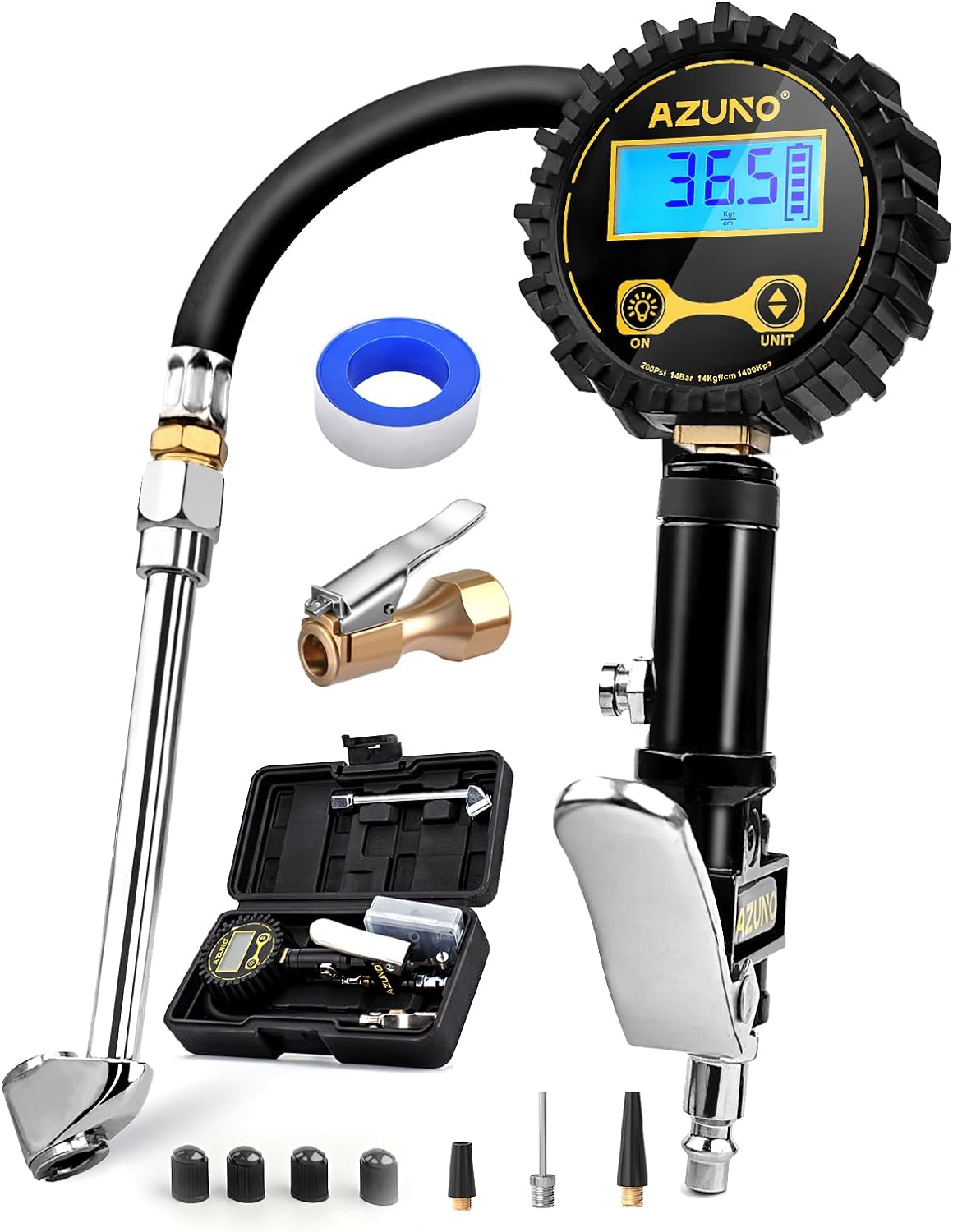
This digital tire inflator delivers accurate, easy-to-read pressure measurements with a bright backlit LCD and precise 0.1 resolution for confident inflation. Designed for single-handed use, it makes it simple to inflate or deflate tires while staying organized in the included portable carrying box. Built for a wide range of vehicles, it is a practical air compressor accessory for cars, trucks, SUVs, motorcycles, and more.

This compact vehicle power inverter converts DC power to AC, giving you reliable off-grid charging for laptops, small appliances, and everyday electronics while traveling. It includes dual AC outlets and USB ports for convenient multi-device charging, plus built-in safety protections and a cooling fan for dependable use on the road.

This portable 12V tire inflator delivers fast, convenient inflation for cars, SUVs, trucks, motorcycles, and other inflatables. It features a digital display, bright LED lighting, auto shutoff, and multiple nozzle adapters to help you inflate accurately and safely, even in low-light situations. The long power cord and air hose make it easy to reach all tires and handle roadside emergencies or routine maintenance.
If the Tire Inflator Will Not Turn On
- Check the power switch and mode: Some inflators have separate switches for high-pressure tires, high-volume inflatables, lights, and deflation.
- For 12-volt inflators: Push the plug firmly into the vehicle outlet. Try another 12-volt outlet if your vehicle has one. Some outlets only work when the ignition is in accessory mode or the engine is running.
- Check the fuse: Many 12-volt plugs have a small replaceable fuse inside the plug tip. Replace it only with the exact fuse type and rating listed in the manual — see our step-by-step guide to replacing a blown inflator fuse if you’re not sure how.
- For AC inflators: Test the wall outlet with another device. Check the cord for cuts, crushed spots, or heat damage.
- For cordless inflators: Remove and reseat the battery pack. Make sure the pack is charged and locked into the tool. Try a known-good compatible battery if you have one.
- Power-cycle the unit: Unplug it or remove the battery for 30 seconds, then reconnect it. Use a reset button only if your manual says your model has one.
For a deeper breakdown of every power-related check, including outlet current requirements and reset sequences, see our full tire inflator won’t turn on guide.
If the Motor Runs but No Air Goes Into the Tire
Most of these failures come down to one mechanical detail: a Schrader valve, the type used on nearly all car, SUV, and light-truck tires, has a small spring-loaded pin in the center of the stem. Air only flows once the chuck pushes that pin down and holds it open. A chuck that is threaded on at an angle, stopped half a turn short, or not locked/pressed firmly enough can look fully attached, let the motor run, and even show a brief pressure blip on the display — while adding almost no air to the tire. That’s why “reseating the chuck straight and firmly, until you feel it seat” fixes more of these cases than any other single step.
- Reseat the chuck: Remove the hose from the valve stem and attach it again straight. A tilted chuck can sound connected while leaking most of the air.
- Inspect the valve stem: Look for a bent, cracked, dirty, or loose valve core. Replace the valve cap after checking.
- Check the hose path: Straighten kinks and make sure the hose is not pinched under the tire or wheel.
- Remove debris: Dirt in the nozzle, adapter, or valve can block airflow. Wipe the connection with a clean cloth. If you’re using a Presta, needle, or high-volume adapter, confirm it’s the right connector type for the valve.
- Try another tire or inflatable: If the inflator works elsewhere, the issue may be the tire valve, not the inflator.
If Inflation Is Slow
Slow inflation usually means the inflator is losing air, losing power, getting hot, or being asked to fill a tire larger than it is designed for. Check the hose, nozzle, and valve stem first. Then compare the job to your inflator’s rating. A compact emergency inflator may handle a passenger-car tire slowly but struggle with truck, RV, trailer, or high-volume tires. For more detail on slow or failed inflation specifically, see our not-inflating troubleshooting guide.
Pro Tip: To find a small leak, spray soapy water around the valve stem, hose connection, chuck, and adapter. Bubbles show where air is escaping. Tighten the connection or replace the faulty adapter before continuing.
If the Inflator Keeps Shutting Off
A portable tire inflator may shut off because the target pressure has been reached, the battery is low, the pressure preset is wrong, or the motor has overheated. Many small inflators have a duty cycle, which means they can run only for a limited time before they need to cool. Some manuals give a specific cool-down period, so follow your model’s instructions.
- Check the preset pressure: Make sure the auto-stop target is set above the tire’s current pressure and in the correct unit, such as PSI, BAR, or kPa.
- Let it cool: Turn the inflator off, disconnect it, and let it cool on a hard, open surface with clear airflow.
- Check the air vents: Do not cover vents with carpet, plastic bags, floor mats, or luggage.
- Check battery level: Cordless models may stop early when the battery voltage drops under load.
- Use the right size inflator: If the unit repeatedly overheats on one tire, it may be too small for the tire size or pressure demand.
If the Gauge Reading Is Inaccurate
Built-in inflator gauges are convenient, but they should be checked against a trusted handheld tire pressure gauge. If the built-in gauge is consistently different from a trusted gauge, use the separate gauge as your final reading and contact the manufacturer if the inflator is still under warranty.
- Check the unit setting: PSI, BAR, and kPa can be confused on digital inflators.
- Reconnect the hose: A poor seal can make the reading jump or drop.
- Release residual hose pressure: Disconnect and reconnect the chuck before taking a final reading.
- Check cold tires: Readings taken right after driving can be higher than cold pressure.
- Look for leaks: A leaking valve or chuck can make the gauge appear inaccurate.
How Do You Maintain a Tire Inflator?
Regular maintenance helps your tire inflator work reliably when you need it. Keep the hose clean, dry, and free of sharp bends. Before each use, check the hose for cracking, soft spots, worn fittings, and loose connections. If you find damage, stop using the inflator until the hose or unit is repaired or replaced.
- Store it correctly: Keep the inflator indoors in a cool, dry place away from direct sun, moisture, and extreme heat.
- Protect the cord and hose: Do not wrap them tightly around sharp corners. Avoid carrying the inflator by the hose or cord.
- Keep vents clear: Dust and lint can trap heat. Wipe the exterior with a dry or slightly damp cloth, following the manual.
- Check adapters: Make sure needle, Presta, Schrader, and high-volume adapters are clean and not stripped.
- Follow battery instructions: For cordless models, use only the approved charger and battery. Recharge periodically so the inflator is ready for emergencies.
- Test it before road trips: Briefly power the unit on and confirm the display, hose, and auto-stop function work before relying on it away from home.
[Products Worth Considering]
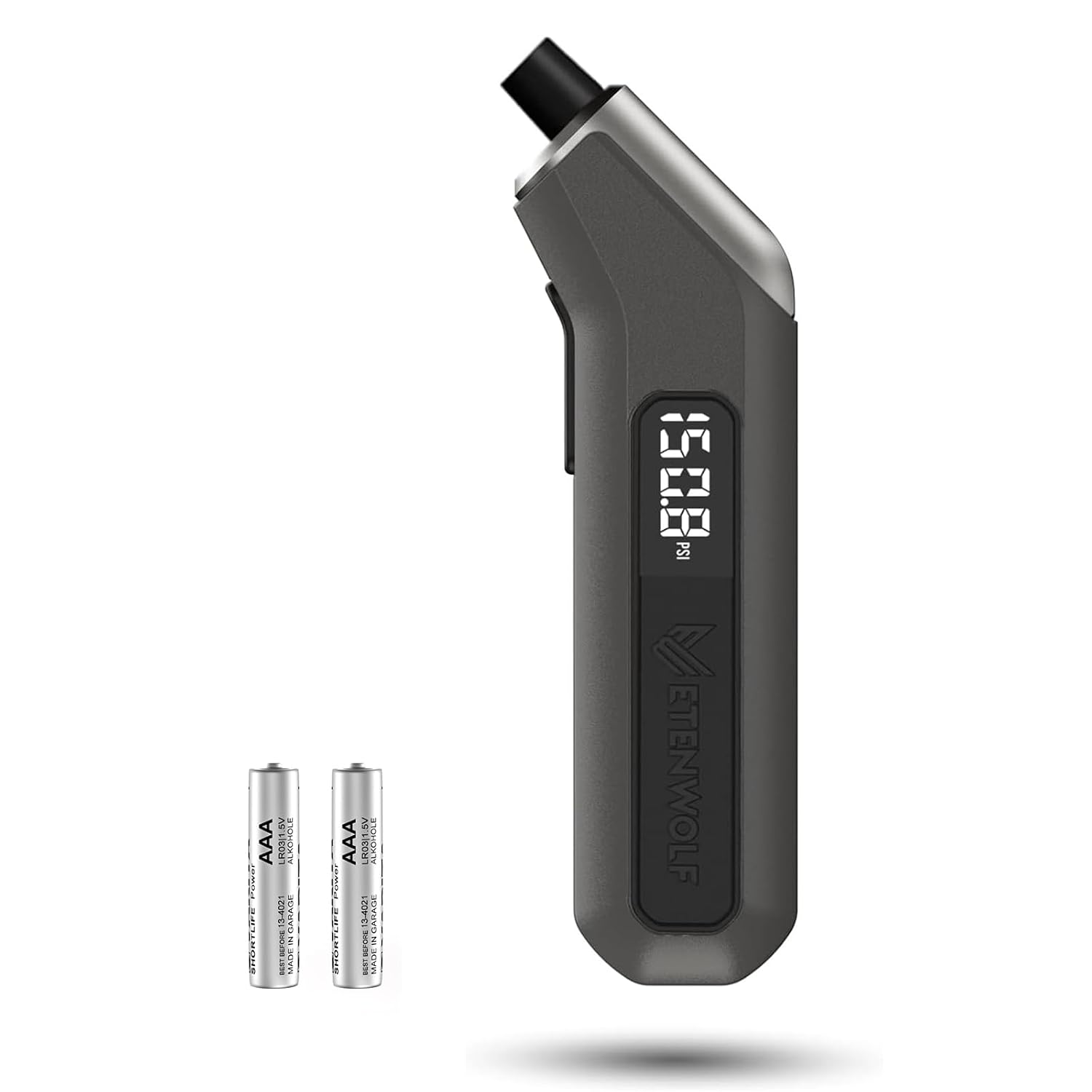
The ETENWOLF T300 digital tire pressure gauge delivers precise readings for cars, RVs, trucks, bikes, and heavy-duty vehicles with a wide measuring range and consistent accuracy. It is built to perform in extreme temperatures, includes a bright LED light for low-visibility use, and uses replaceable AAA batteries for convenient long-term operation. Durable enough to withstand rugged use, it is a practical tool for maintaining proper tire pressure across a variety of vehicles.

The JACO ElitePro Digital Tire Pressure Gauge delivers shop-grade accuracy with a clear digital readout, making it easy to maintain proper tire pressure for safer driving and better performance. Built with rugged brass and steel components, a protective guard, and a flexible air hose, it is designed for reliable use across cars, trucks, motorcycles, bikes, RVs, and trailers. The lock-on display, built-in bleeder valve, and bright backlit screen add convenience in any lighting condition.

Widely Applicable: The tire inflation extension tube is designed to be used with the inflator to quickly connect to the tire for inflation and is suitable for inflating the tires of most vehicles including cars, motorcycles, bicycles and electric cars
How Do You Check Tire Pressure Accurately?
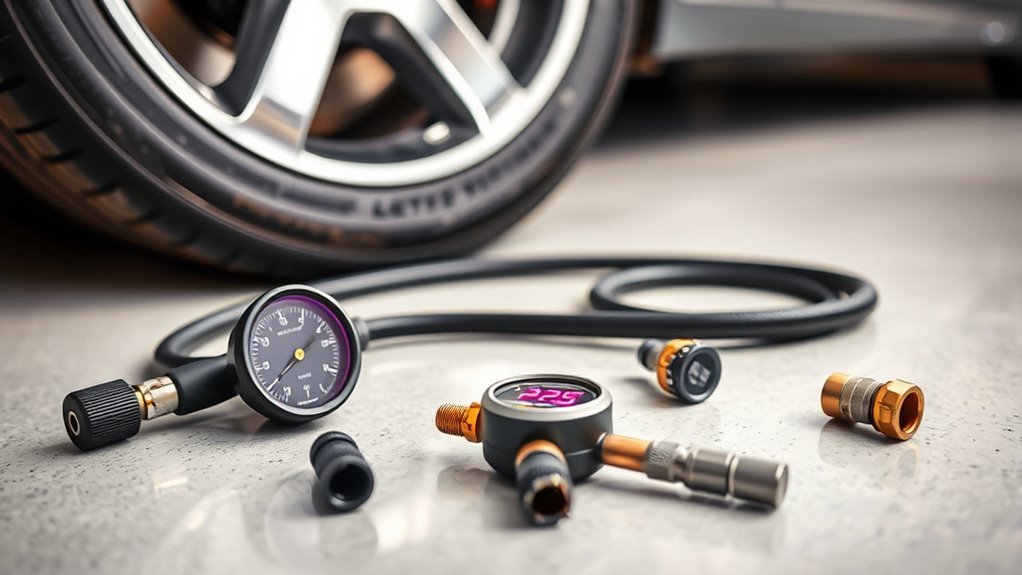
Accurate tire pressure readings are essential for safe handling, even tire wear, and fuel efficiency. The NHTSA recommends checking tire pressure at least once a month and when the tires are cold. For the best result, use this process:
- Find the correct cold PSI: Use the driver-side door label or owner’s manual.
- Use a trusted gauge: Check the tire with a separate gauge before and after using the inflator.
- Attach the chuck firmly: Press or thread it on straight until the hissing stops.
- Inflate in short checks: Add air, pause, and recheck. Do not rely only on the inflator’s live display.
- Do not over-inflate: If you add too much air, bleed pressure slowly and recheck.
- Replace the valve cap: It helps keep dirt and moisture out of the valve core.
When Is the Tire the Problem, Not the Inflator?
A working inflator cannot make a damaged tire hold air. Suspect the tire or valve when the motor runs, air reaches the chuck, and pressure still falls quickly after you disconnect the hose. A standard tire inflator only adds air; it does not repair a puncture, damaged sidewall, leaking bead, or broken valve stem.
- Rapid pressure loss: Listen for hissing and use soapy water around the tread, valve stem, and rim edge. Continuous bubbles indicate a leak.
- Visible tire damage: Do not inflate a tire with a sidewall bulge, exposed cords, deep cut, or separated tread. Install the spare or arrange roadside help.
- Valve damage: A bent stem, loose core, or cracked rubber base can leak faster than the inflator adds air.
- Tire pulled away from the rim: A small portable inflator may not provide the airflow needed to reseat the bead. Have a tire professional inspect it.
If the tire cannot hold pressure, repeated inflation is only a temporary response and may be unsafe. Repair or replace the tire before normal driving.
[Products Worth Considering]

[🔨PROFESSIONAL QUALITY ] - AUTOWN Tire Repair Kits are made of refined high-quality steel, AUTOWN upgraded tire patch kits comply with exacting standards of audit, can repair the toughest tires on the market.

100% safe for tire and rim and TPMS sensor
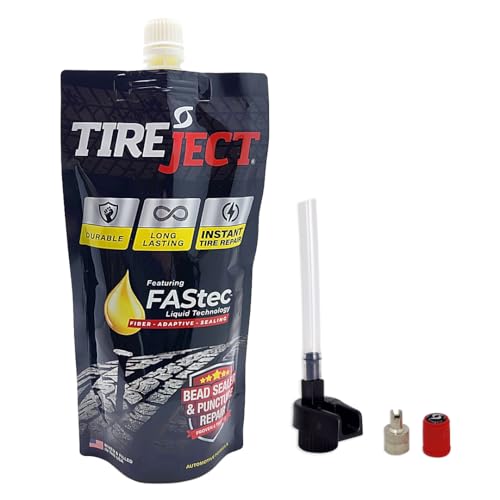
Includes: 8oz Automotive Tire Sealant Pouch, Dispensing cap for easy install, Metal valve core remover tool, 1 x TireJect valve stem cap
When to Seek Professional Help for Tire Inflator Issues?
Some tire inflator issues are not worth a DIY repair. Stop using the inflator and contact the manufacturer, an authorized service center, or a qualified technician if you notice any of these signs:
- The inflator smokes, sparks, smells burned, or gets unusually hot during normal use.
- The power switch does not reliably turn the unit on or off.
- The cord, plug, battery pack, charger, or outlet connection is melted, cracked, or loose.
- The hose leaks from a fixed fitting that cannot be tightened or replaced safely.
- The gauge is clearly inaccurate even after comparing it with a trusted gauge.
- The unit runs but never builds pressure, even with a good hose seal and clear nozzle.
- The case is cracked, the vents are damaged, or the motor makes grinding or rattling noises.
If the inflator is inexpensive, out of warranty, or too small for your tires, replacement may be safer and more cost-effective than repair. For larger tires, frequent use, or truck/SUV applications, choose an inflator with a duty cycle and pressure rating that match the job.
What to Record Before a Warranty Claim
Write down the model number, power source, starting pressure, target pressure, run time before shutoff, displayed error code, and whether the same problem occurs on another compatible outlet, battery, or valve. Photos of a damaged plug, hose, or display can help the manufacturer identify the fault without opening the case.
Frequently Asked Questions
Why is my tire inflator not working?
Your tire inflator may not be working because it has no power, a dead battery, a blown fuse, a loose 12-volt plug, a damaged cord, a faulty switch, a blocked hose, or a bad valve connection. Start with the power source, then check the hose, chuck, and valve stem for leaks or blockages.
How do you reset a portable tire inflator?
For a basic reset, turn the inflator off, unplug it or remove the battery, wait about 30 seconds, then reconnect power. If your model has a reset button or special sequence, follow the user manual. Do not keep resetting a unit that overheats, smokes, sparks, or smells burned.
What is the most common problem with a tire inflator or small air compressor?
The most common problems are weak power, air leaks, overheating, and poor hose or nozzle connections. For small portable inflators, slow inflation is often caused by a loose chuck, a leaking valve stem, a kinked hose, low battery voltage, or a motor that needs time to cool.
Why does my portable tire inflator keep shutting off?
It may be reaching the auto-stop pressure, running on a weak battery, overheating, or hitting its thermal protection limit. Check that the pressure target is set correctly, confirm the unit is set to PSI if needed, let it cool, and make sure the vents are not blocked.
Why is my tire inflator taking a long time to reach the target pressure?
Slow inflation usually means the inflator is losing air through a leak, running on weak power, getting hot, or being asked to fill a tire larger than it is rated for. Check the hose, chuck, and valve stem for leaks with soapy water first, then compare the tire size with your inflator’s rated capacity.
Why is my tire inflator gauge different from my tire pressure gauge?
The built-in gauge may be less accurate, the hose may not be sealed well, the tire may be warm, or the inflator may be set to the wrong unit. Reconnect the hose, check the tire when cold, and compare the reading with a trusted handheld tire pressure gauge.
Can a tire inflator overheat?
Yes. Compact inflators can overheat during long inflation sessions, especially on larger tires or when airflow vents are blocked. Follow your manual’s duty cycle, let the unit cool between runs, and stop using it if it smells hot, smokes, or shuts off repeatedly.
Can a tire inflator fix a puncture?
No. A standard tire inflator only adds air. It cannot repair a puncture, sidewall damage, bead leak, or broken valve stem. If the tire loses pressure again, install the spare if available or have the tire inspected and repaired before normal driving.
Should the car be running when using a 12-volt tire inflator?
Follow the inflator and vehicle manuals. Some 12-volt outlets work only in accessory mode or with the engine running, while some inflators connect directly to the battery. If the engine must run, keep the vehicle outdoors or in an open, well-ventilated area.
Why does the tire inflator fuse keep blowing?
A fuse that blows repeatedly can indicate an overloaded outlet, damaged plug or cord, internal short, or the wrong fuse rating. Stop using the inflator, inspect the power components, and replace a fuse only with the exact type and rating listed in the manual. Never install a higher-rated fuse.
Conclusion
Keeping your tire inflator in good condition makes roadside tire pressure checks easier and safer. Start with the basics: correct cold PSI, secure power, a tight hose connection, clear airflow, and a cool motor. If the problem is a leak, loose adapter, weak battery, or wrong pressure preset, you can often fix it in minutes. If the inflator has electrical damage, a faulty switch, smoke, a burning smell, or persistent pressure problems, stop using it and seek professional help or replace the unit.
Sources
- NHTSA TireWise — tire safety, maintenance, and consumer tire-care guidance
- NHTSA Tire Safety Month — monthly tire pressure checks, cold tire guidance, and tire maintenance basics
- NHTSA Winter Weather Driving Tips — cold tire pressure, door-label PSI, and sidewall maximum-pressure warning
- Husky 120-Volt Inflator Use and Care Guide — inflator safety, cool-down guidance, ventilation warning, and operating precautions
- RIDGID 18 Volt Inflator with Digital Gauge Operator’s Manual — hose inspection, damaged-tool warnings, switch safety, and service guidance