
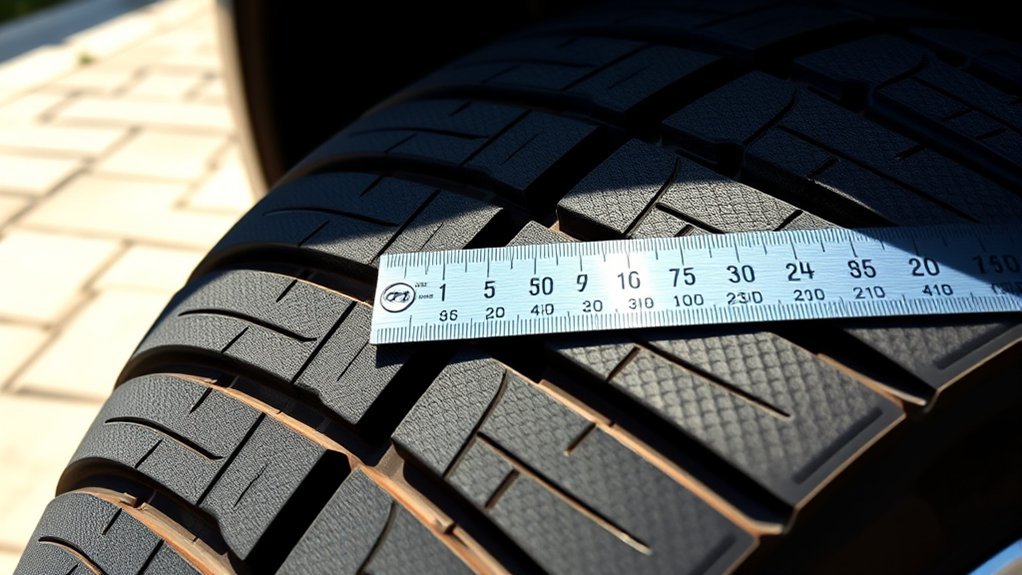
Measuring tire tread depth on your Hyundai Sonata is quick, but it needs to be done the right way. You can use a penny for a fast safety check, or a tread depth gauge for a more accurate reading. The goal is simple: catch worn tires before they reduce wet-road grip, braking control, and everyday driving safety.
Quick Answer
To check Hyundai Sonata tire tread depth, place a penny into the tread groove with Lincoln’s head upside down and facing you. If you can see the top of Lincoln’s head, the tire is at or near 2/32 inch and should be replaced. For best accuracy, use a tread depth gauge and check several grooves on each tire.
Key Takeaways
- Use the penny test for a quick check, but use a tread depth gauge when you want a precise reading.
- Replace tires when tread reaches 2/32 inch, or sooner if you drive often in rain, snow, or highway traffic.
- Measure the inner, center, and outer tread grooves because uneven wear can hide on one side of the tire.
- Check cold tire pressure monthly using the Sonata’s driver-door placard, not the number printed on the tire sidewall.
- Get professional help if you see cords, bulges, cracks, repeated air loss, vibration, or uneven tread wear.
At a Glance
| Time Required | 3 to 5 minutes for all four tires |
| Difficulty | Easy |
| Tools Needed | Penny, tread depth gauge, flashlight, tire pressure gauge |
| Cost | Free with a penny; usually low cost for a basic tread depth gauge |
Why Tire Tread Depth Is Crucial for Safety
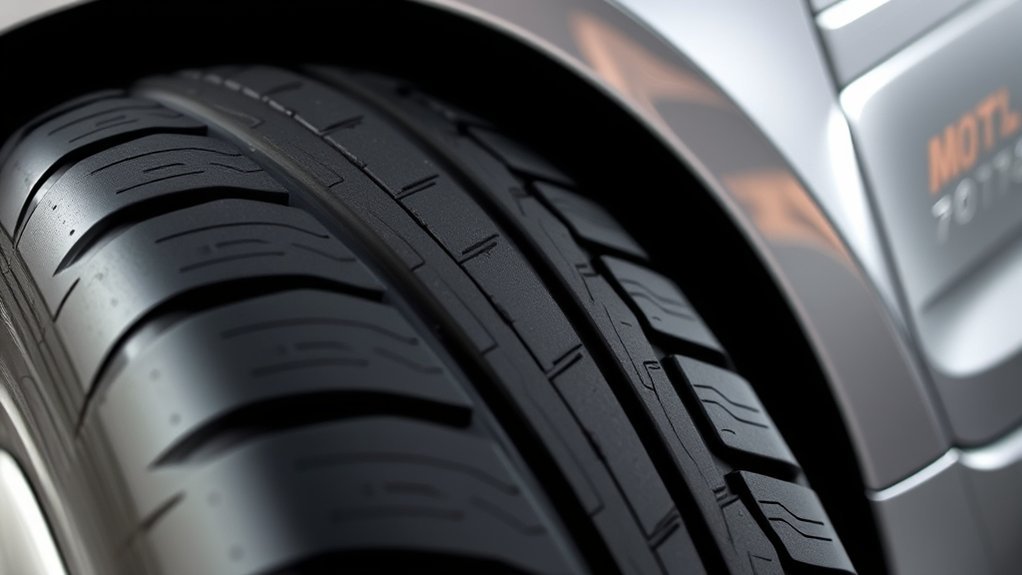
Your Hyundai Sonata’s tires are the only parts of the car that touch the road, so tread depth affects braking, steering, wet-road traction, and stability. Deep enough tread helps the tire move water away from the contact patch. When the grooves get too shallow, the tire has a harder time gripping wet pavement, and the risk of hydroplaning increases.
The National Highway Traffic Safety Administration says tires are not safe and should be replaced when tread is worn down to 2/32 of an inch. That is about 1.6 mm. Do not wait until the tire looks completely bald. By that point, wet-road control may already be poor.
NHTSA reported 511 deaths in tire-related crashes in 2024, which is why tread, pressure, rotation, and visual tire checks should be part of regular maintenance.
Warning: If you can see cords, steel belts, bulges, deep cracks, or a sidewall bubble, do not rely on the penny test. Have the tire inspected before driving farther.
How to Use the Penny Test for Tread Depth
The penny test is the fastest way to check whether your Sonata tires are near the replacement point. It is not as precise as a tread depth gauge, but it can quickly tell you when a tire is no longer safe to ignore.
[Products Worth Considering]

This dial type tire tread depth gauge helps you quickly check tread wear on motorcycles, cars, trucks, and buses with easy-to-read 1/32-inch increments. Its colorful zone markings make it simple to assess tire condition for safer driving in different weather, while the durable zinc cast body and legible dial provide dependable everyday use.

This color coded tire tread depth gauge helps you quickly check tire wear and monitor when replacement is needed. Calibrated in easy-to-read 32nds with clear red, yellow, and green ranges, it offers fast visual results for cars, trucks, motorcycles, and other passenger vehicles. The pocket clip makes it simple to keep on hand for routine maintenance and safety checks.

This 50-pack of tire tread depth gauges offers a simple way to check tire wear quickly and accurately. Color-coded reading zones make it easy to see tread condition at a glance, while the compact design and pocket clip support convenient everyday carry. Built for repeated use, these gauges help drivers monitor tire safety with confidence.
Performing the Penny Test
- Park safely on level ground. Set the parking brake and turn the front wheels slightly if you need more room to see the tread.
- Use a clean penny. Hold the penny so Lincoln’s head is upside down and facing you.
- Insert the penny into a main tread groove. Push it into the groove between the raised tread blocks, not on top of the tread.
- Look at Lincoln’s head. If you can see the top of his head, the tire is at or near 2/32 inch and needs replacement.
- Check several spots. Test the inner, center, and outer grooves on every tire. Repeat the test around the tire, not just in one place.
Pro Tip: If the penny test looks borderline, do not guess. Use a tread depth gauge or ask a tire shop to measure the tires. The lowest reading on the tire is the one that matters.
Why One Spot Is Not Enough
A Sonata tire can wear unevenly. The center may look acceptable while the inner edge is nearly bald, or the outer shoulder may wear faster because of alignment or pressure issues. That is why you should check multiple grooves and several points around each tire.
If one tire is much lower than the others, check for underinflation, overinflation, alignment problems, suspension wear, or missed rotations. Uneven wear can shorten tire life even when the rest of the tread still looks usable.
How to Measure Tread Depth With a Gauge
A tread depth gauge gives you a clear number, usually in 32nds of an inch. This is the best tool when you want to know whether your tires are safe for rain, close to replacement, or wearing unevenly.
- Place the gauge probe into a main tread groove. Avoid tiny sipes and decorative grooves.
- Press the gauge base flat against the tread blocks. Keep it straight so the reading is not angled.
- Record the reading. Write down the inner, center, and outer groove readings for each tire.
- Repeat on all four tires. Check at least three spots around each tire.
- Use the lowest number. A tire is only as safe as its shallowest tread area.
| Tread Reading | What It Means | What To Do |
| 6/32 inch or more | Usually healthy tread for normal driving | Keep checking monthly and before long trips |
| 4/32 to 5/32 inch | Reduced wet-weather safety margin | Start planning replacement, especially if rain or snow is common |
| 3/32 inch | Very close to the replacement point | Shop for tires now and avoid delaying |
| 2/32 inch or less | At NHTSA replacement threshold | Replace the tire |
[Products Worth Considering]

This digital tire tread depth gauge helps you check tire wear quickly and accurately with fractional inch, decimal inch, and millimeter readouts. Its large LCD screen, zero reset function, and automatic shutoff make it easy to use for cars, motorcycles, SUVs, trucks, and pickups. Designed for clear readings and dependable measurement, it is a practical tool for routine tire safety checks.

This LUMITECO tire tread depth gauge set makes it easy to monitor tire wear and maintain safer driving performance. The color-coded scale provides quick, easy-to-read measurements, while the compact pocket-size design and included clip make it convenient to keep in your vehicle or toolbox. Suitable for cars, trucks, motorcycles, and more, it offers a simple reusable way to check tread depth whenever needed.

This smart tire tread depth gauge provides quick, accurate readings from 0 to 1 inch in 1/32-inch increments, helping drivers assess tire wear with confidence. Its color-coded display makes it easy to see tread condition at a glance, while the pocket clip adds convenient portability for garages, glove boxes, and on-the-go inspections. Designed for use on trucks, motorcycles, automobiles, and other passenger vehicles, it is a simple tool for safer tire maintenance.
Understanding Legal Tread Depth Standards by Region
Tread-depth rules vary by location, so do not treat one number as a worldwide law. In the United States, the common safety replacement point is 2/32 inch, and federal tire standards require treadwear indicators that visually show when tread has worn to 1/16 inch. You should still check your state or local rules if your tire is close to the limit.
Winter driving rules can be stricter. For example, the Government of British Columbia says a legal winter tire on a standard passenger vehicle must have at least 3.5 mm of tread depth. B.C. also requires winter tires or chains on most designated routes from October 1 to April 30, with some routes ending March 31.
Note: Legal minimums are not always the same as best safety practice. If your Sonata sees heavy rain, snow, mountain roads, or frequent highway speeds, replace tires before they reach the bare minimum.
Key Signs Your Tires’ Tread Depth Signals Replacement
Your Hyundai Sonata likely needs tire replacement soon if you notice any of these signs:
- The top of Lincoln’s head is visible in the penny test. This means the tire is at or near the 2/32 inch replacement point.
- Wear bars are flush with the tread. Treadwear indicators are raised bars inside the main grooves. When the tread is level with them, the tire is worn out.
- Wet-road grip feels worse. If the car slides, hydroplanes, or needs more distance to stop in rain, inspect the tires immediately.
- One edge is lower than the rest. Inner or outer shoulder wear can point to alignment, camber, or suspension issues.
- The tire has visible damage. Cracks, cuts, bulges, exposed cords, or sidewall damage are warning signs, even if tread depth looks acceptable.
If only one tire is badly worn, do not replace it blindly with a mismatched tire. Match size, load rating, speed rating, and tread type. If your owner’s manual gives special tire-matching instructions for your trim, follow those first.
Essential Tools for Measuring Tire Tread Depth
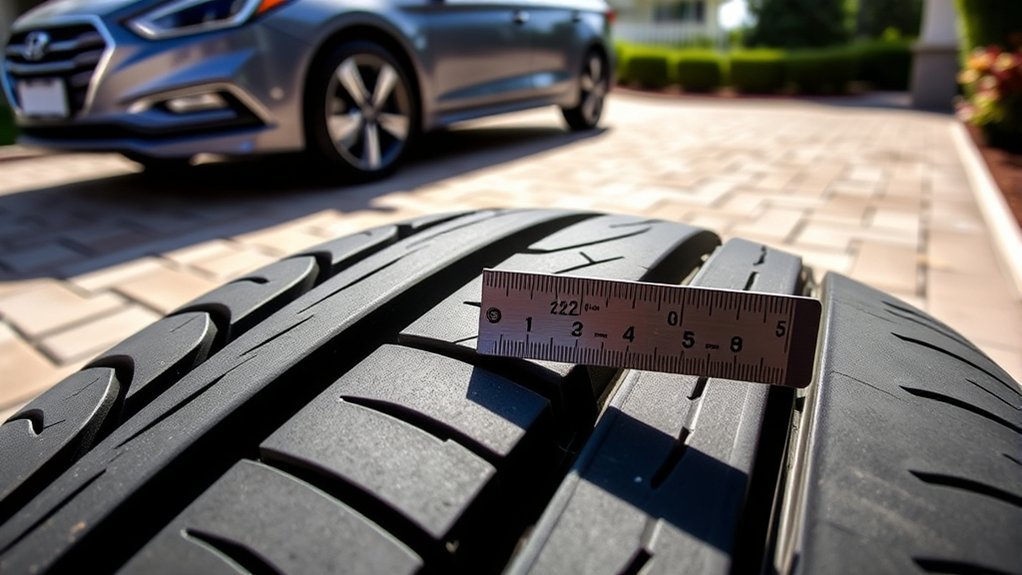
You do not need expensive equipment to check Sonata tread depth. These simple tools cover most home checks:
- Penny: Best for a quick replacement check at about 2/32 inch.
- Tread depth gauge: Best for accurate readings in 32nds of an inch or millimeters.
- Flashlight: Helpful for checking inner-edge wear and cracks inside the grooves.
- Tire pressure gauge: Important because incorrect pressure can cause uneven tread wear.
Check tire pressure when the tires are cold, meaning the car has been parked for at least three hours. Use the recommended pressure on your Sonata’s Tire and Loading Information Label on the driver-side doorjamb or in the owner’s manual. Do not use the maximum pressure printed on the tire sidewall as your normal setting.
[Products Worth Considering]

This smart color coded tire tread depth gauge makes it easy to check tread wear at a glance with clear red, yellow, and green ranges. Calibrated from 0 to 1 inch in 1/32 inch increments, it helps you quickly assess tire condition for safer driving and timely replacements. The pocket clip design makes it convenient to carry and use on trucks, motorcycles, cars, and other passenger vehicles.

This tire inflator attachment combines accurate pressure reading and easy inflation in one heavy-duty tool for maintaining tire pressure with less hassle. A longer hose and 360-degree swivel air chuck help create a secure seal while giving you better control during use. Designed for universal compressor compatibility, it measures, inflates, and deflates without batteries.

This cabin and engine air filter kit is designed for compatible Hyundai Sonata gas models from 2015 to 2019 with a 2.4L engine. It helps improve airflow, capture dust and impurities, and support cleaner cabin air and efficient engine performance. The kit is engineered for long service life and simple installation, making routine maintenance easier.
Expert Recommendations for Optimal Tread Depth
For everyday driving, treat 2/32 inch as the “replace now” point, not the target. A safer habit is to start shopping earlier, especially if you drive in rain or cold weather. Once the tread drops to around 4/32 inch, wet-road performance can feel weaker, and the tire has less room to move water away from the road surface.
For winter driving, do not rely on a nearly worn tire just because it passes the penny test. Snow, slush, and cold rain need more tread depth than dry pavement. If you travel in areas with winter tire laws, mountain passes, or chain routes, check those local rules before the season starts.
You should also rotate your Sonata tires based on the maintenance schedule in the owner’s manual. NHTSA advises checking the owner’s manual for rotation frequency and pattern, and notes that tires may commonly be rotated every 5,000 to 8,000 miles when recommended by the manufacturer.
How Tread Depth Maintenance Impacts Safety and Performance
Good tread depth helps your Sonata brake, steer, and accelerate with better control. It also helps the tires push water through the grooves instead of riding on top of it. When tread gets shallow, the tire has less grip available, especially during hard braking or quick lane changes.
Tread depth also works with tire pressure. Underinflated tires often wear on the outer edges. Overinflated tires often wear faster in the center. Low pressure can also build heat inside the tire, which can increase the risk of tire failure. That is why a tread check and pressure check belong together.
Once a month, do this simple routine:
- Check cold tire pressure on all four tires.
- Inspect tread depth in several grooves.
- Look for nails, cuts, cracks, bulges, and uneven wear.
- Check whether the steering wheel shakes or the car pulls to one side.
- Schedule rotation, alignment, or replacement if the readings are uneven or low.
Top Tire Care Mistakes That Lead to Early Wear
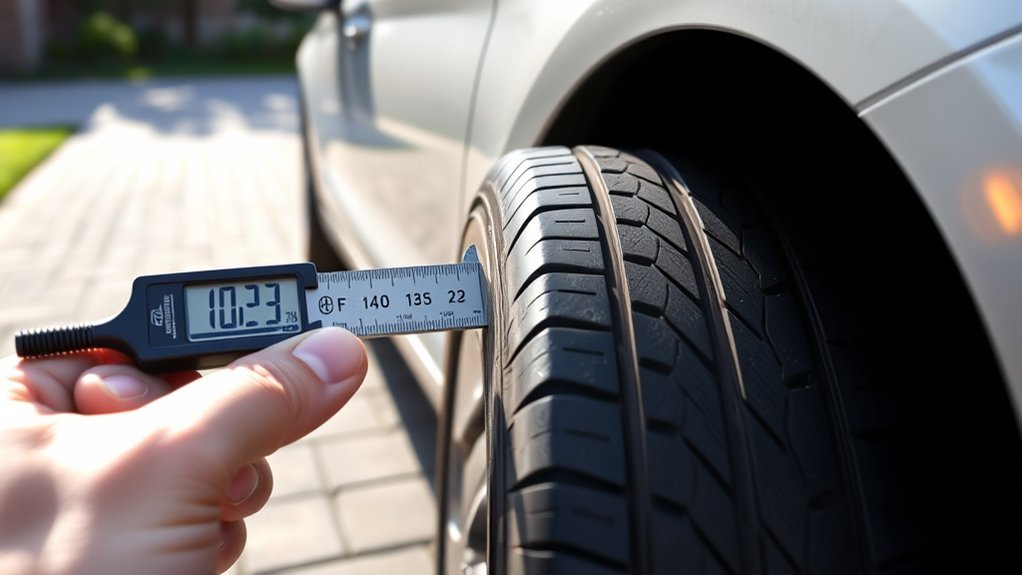
Many tread problems start with small maintenance mistakes. Avoid these common issues to help your Sonata tires last longer:
- Ignoring tire pressure: Low pressure can wear both outer shoulders. High pressure can wear the center faster.
- Skipping tire rotation: Front tires often wear faster because they handle steering and much of the braking load.
- Driving with poor alignment: If the car pulls, the steering wheel is off-center, or one edge wears quickly, schedule an alignment check.
- Waiting for the wear bars: Wear bars show the tire is already at the replacement point. Shop earlier if wet traction matters.
- Replacing only by appearance: A tire can look fine from the outside while the inner shoulder is dangerously low.
- Ignoring vibration: Vibration can come from balance, tire damage, bent wheels, or uneven wear.
When to Seek Professional Help for Tire Issues
Get a tire professional to inspect your Hyundai Sonata if any tire measures at or below 2/32 inch, if the tread is much lower on one side, or if you see physical damage. You should also schedule service if the car pulls to one side, the steering wheel vibrates, or one tire keeps losing air.
Professional help is also smart when the tread readings are uneven between tires. A shop can check alignment, balance, suspension parts, and tire pressure history. Replacing tires without fixing the cause of uneven wear can make the new tires wear out too soon.
Warning: Do not drive on a tire with exposed cords, a sidewall bulge, a deep sidewall cut, or a tire that loses air rapidly. Install the spare if safe to do so and get roadside or tire-shop help.
Frequently Asked Questions
What should my Hyundai Sonata tires be at?
For tread depth, replace tires at 2/32 inch and start planning earlier if you drive often in rain, snow, or highway traffic. For air pressure, use the cold tire pressure listed on the driver-side doorjamb placard or in your Sonata owner’s manual, not the maximum pressure on the tire sidewall.
What does 2/32 of an inch look like on a tire?
At 2/32 inch, the tread is very shallow. The tire’s wear bars are usually level with the tread, and the penny test will show the top of Lincoln’s head. At this point, the tire should be replaced.
Is the penny test enough for a Hyundai Sonata?
The penny test is enough for a quick warning check, but a tread depth gauge is better. A gauge gives an exact reading and helps you spot uneven wear between the inner, center, and outer grooves.
How often should I check Sonata tire tread depth?
Check tread depth at least once a month, when you check cold tire pressure. Also check before long road trips, before winter driving, and after hitting a pothole or curb.
Should I replace one tire or all four?
It depends on tread depth difference, tire age, tire type, and your Sonata’s specific trim. At minimum, replacement tires should match the correct size, load rating, speed rating, and tread type. If the other tires are also worn, replacing a pair or full set may be safer.
Conclusion
Checking Hyundai Sonata tire tread depth is a simple habit that can prevent bigger safety problems. Use the penny test for a fast warning, use a tread depth gauge for accuracy, and measure more than one groove on every tire. If the tread is at 2/32 inch, if the wear bars are flush, or if the tire shows damage, replace it. A few minutes of tire care each month helps protect braking, handling, fuel economy, and peace of mind.
Sources
- NHTSA TireWise Tires — tire tread, penny test, tire pressure, rotation, and tire safety guidance
- eCFR 49 CFR 571.139 — federal light-vehicle tire standard and treadwear indicator requirement
- Hyundai Manuals & Warranties — official owner’s manual resource for Sonata-specific tire pressure and maintenance schedules
- Government of British Columbia Passenger Vehicle Tire and Chain Requirements — B.C. winter tire tread depth requirement
- Government of British Columbia Winter Tire and Chain Routes — winter tire and chain route dates and enforcement overview

[…] tires first: Set cold tire pressure to the door-label specification, then inspect tread depth, cupping, feathering, inner-edge wear, outer-edge wear, and sidewall […]
[…] rotation, check tread depth, valve stems, brake pad condition, wheel seating, and the tire pressure warning system if […]
[…] inflators are convenient for garages because they use household AC power for routine tire maintenance at […]
[…] tread depth, uneven wear, cracks, cuts, bulges, and embedded objects at the same […]
[…] one-sided shoulder wear, feathering, cupping, flat spots, cracks, bulges, exposed cords, and low tread depth. Correct cold pressure first. Then arrange an alignment, balance, brake, wheel, or suspension […]
[…] not rely on FCA to compensate for worn tires, poor visibility, distracted driving, excessive speed, or following too […]
[…] when tires are cold, compare the reading directly with the driver-side door placard, and inspect tread depth across the inner, center, and outer grooves. One-sided wear, cupping, steering vibration, or […]
[…] you are already checking the tires, you can also review how to measure tire tread depth on a Hyundai Sonata. For TPMS, start with the driver’s door placard, the cluster display, and the exact Sonata […]