The Electronic Stability Control (ESC) system in a Hyundai Sonata is a built-in safety feature that helps the car stay pointed where you intend during slippery roads, sudden steering, or sharp cornering. It does this by comparing your steering input with the vehicle’s actual movement, then reducing engine power or braking individual wheels when it senses a possible skid.
Quick Answer
ESC in a Hyundai Sonata helps prevent skidding by monitoring steering direction, wheel speed, and vehicle movement. If the car starts to oversteer, understeer, or lose traction, ESC can reduce engine power and apply braking force to specific wheels to help the driver maintain control.
Key Takeaways
- ESC helps stabilize your Sonata during cornering, slippery-road driving, and sudden evasive maneuvers.
- A blinking ESC light usually means the system is actively working; a steady ESC light may mean the system needs inspection.
- ESC is not a substitute for safe speed, proper tires, or careful driving.
- Only turn ESC off briefly in specific situations, such as freeing the vehicle from snow or mud.
How ESC Enhances Vehicle Stability in the Hyundai Sonata

Electronic Stability Control actively improves vehicle stability by checking where you are steering and where the vehicle is actually moving. Hyundai’s owner information explains that ESC can apply braking pressure to individual wheels and intervene in engine management to help the vehicle stay on the intended path.
That matters most during situations where the Sonata may begin to slide, push wide through a turn, or rotate more than intended. ESC cannot break the laws of physics, but it can react faster than most drivers by making small braking and power adjustments before a skid becomes harder to correct.
Warning: ESC does not prevent every crash. Excessive speed, abrupt steering, worn tires, hydroplaning, and poor road conditions can still cause loss of control. Always slow down for the road, weather, and traffic conditions.
When ESC activates, the ESC indicator light typically blinks. You may also feel a slight change in acceleration or braking because the system is trying to maintain traction and stability. If cruise control or smart cruise control is active, it may disengage when ESC intervenes.
Key Functions of Electronic Stability Control
The Hyundai Sonata’s ESC system works with braking, traction control, steering input, wheel-speed data, and engine management. Its main job is to reduce the risk of directional loss of control, especially during understeer, oversteer, or slippery-road driving.
| Function | What It Does | What You May Notice |
|---|---|---|
| Stability Monitoring | Compares steering direction with the vehicle’s actual path. | No warning light during normal driving. |
| Individual Wheel Braking | Applies brake force to selected wheels to help correct a skid. | Blinking ESC indicator, brake noise, or pedal feedback. |
| Engine Power Adjustment | Reduces engine output when needed to help maintain traction. | RPM may not rise even when pressing the accelerator. |
| Malfunction Warning | Alerts the driver when the ESC system may not be operating normally. | ESC light stays on after startup or while driving. |
| Automatic Reactivation | Turns ESC back on after the vehicle is restarted. | ESC returns to normal ready mode after restart. |
Under U.S. Federal Motor Vehicle Safety Standard No. 126, ESC systems for light vehicles are designed to improve directional stability by applying individual wheel brake torque and limiting oversteer and understeer. This is why ESC is considered a major safety system, not just a convenience feature.
ESC is most helpful when the vehicle starts to travel in a different direction than the driver intended, but it still depends on proper tires, reasonable speed, and driver control.
How ESC Functions in Challenging Conditions
In rain, snow, mud, gravel, or sharp cornering, ESC watches for signs that the Sonata is losing its intended path. If it detects instability, it can reduce power and brake one or more wheels to help bring the car back in line.
ESC Activation in Slippery Conditions
On slippery roads, the ESC system may limit engine RPM even if you press the accelerator. This does not always mean something is wrong. It may mean the system is reducing power to help maintain traction and prevent wheel spin.
You may notice the ESC indicator blinking when the system is active. In that moment, avoid sudden steering, hard acceleration, or turning the system off. Ease off the accelerator, keep the steering smooth, and slow down until traction improves.
Note: ESC works best when all four tires are the correct size, type, and condition. Mismatched tires or unevenly worn tires can interfere with stability-control performance.
ESC and Cornering Stability
During cornering, ESC helps manage two common stability problems: understeer and oversteer. Understeer happens when the front of the car pushes wide instead of turning as much as you expect. Oversteer happens when the rear of the vehicle rotates more than intended.
ESC can respond by applying braking force to individual wheels and adjusting engine output. This helps create a correcting force that supports the driver’s steering input. It does not let you take corners faster than the road allows, but it can help reduce the chance of a skid when traction suddenly changes.
Understanding ESC Indicator Lights and Their Meanings
The ESC indicator lights on your Hyundai Sonata tell you whether the system is ready, active, turned off, or possibly malfunctioning. The exact display can vary by model year and trim, so always confirm details in your owner’s manual.
| Light or Message | Likely Meaning | What To Do |
|---|---|---|
| ESC light comes on briefly at startup | Normal bulb/system check. | No action needed if it turns off after a few seconds. |
| ESC light blinks while driving | ESC is actively helping stabilize the car. | Slow down and avoid sudden acceleration or steering. |
| ESC light stays on | Possible ESC malfunction. | Have the vehicle inspected by an authorized Hyundai dealer or qualified technician. |
| ESC OFF light is on | ESC or traction control has been disabled. | Turn ESC back on for normal driving. |
If the ESC light remains on, your Sonata may still have normal braking, but the stability-control assist may not be available. Drive carefully, avoid poor-weather driving when possible, and schedule an inspection as soon as practical.
When Is It Safe to Disable ESC?

You should leave ESC on for normal driving. The ESC OFF mode is mainly for short, specific situations where wheel spin may help the vehicle get unstuck, such as snow, mud, or a controlled service test.
[Products Worth Considering]

This DIY toe alignment tool kit helps home mechanics quickly check and adjust front-end toe after suspension, steering, or tire service. Stainless steel toe plates and dual tape measures provide a simple, reliable reference for reducing uneven tire wear and improving straight-line tracking without needing a full alignment machine.

This Yuirote universal car motor diagnostic tool helps drivers quickly detect engine fault codes and identify system issues for routine inspections and maintenance. It also supports electronic parking brake reset and emergency release functions, making it useful for handling EPB-related problems without a repair shop visit. Its compact, ergonomic design and broad vehicle compatibility make it a practical choice for car owners and DIY repair enthusiasts.

This automotive test light combines a bright LED voltage display with quick polarity indication for fast, accurate circuit checks in a wide range of vehicle systems. It helps diagnose battery, charging, lighting, and fuse issues with a sharp stainless probe, long spring wire, and easy-to-use alligator clip for efficient troubleshooting.
Snow and Mud Conditions
If your Hyundai Sonata is stuck in snow or mud, briefly turning ESC off may allow more wheel spin so the tires can build momentum and move the vehicle free. Use this only on a safe, flat surface and only for as long as needed.
Once the vehicle is free, turn ESC back on or restart the vehicle so the system returns to normal. Do not keep ESC off for everyday driving, especially on wet, icy, or winding roads.
Pro Tip: If the car is stuck, use gentle throttle, clear snow or mud around the tires, and avoid prolonged wheel spin. Excessive wheel spin can overheat components and may damage the drivetrain or tires.
Dynamometer Testing Requirements
ESC may also need to be turned off during dynamometer or emissions-related testing so the system does not interfere with the test. Hyundai owner information notes that ESC should be off during dynamometer operation and turned back on afterward.
| Action | Purpose | Safety Note |
|---|---|---|
| Press ESC OFF briefly | Disables traction-control engine management on many Hyundai models while retaining brake-control support. | Use only when conditions call for it. |
| Hold ESC OFF for about 3 seconds or more | Disables both traction-control and stability-control functions on many Hyundai models. | Not recommended for normal road driving. |
| Restart the vehicle | ESC normally turns back on automatically. | Confirm warning lights go out after startup. |
How Can You Test and Troubleshoot Your ESC?

You should not try to force the Sonata into a skid just to test ESC. A safer first check is to watch the dashboard lights during startup and pay attention to any steady warning lights, warning messages, or unusual braking behavior while driving normally.
At a Glance
| Time Required | 5–15 minutes for basic checks |
| Difficulty | Easy for visual checks; professional diagnostics for warning lights |
| Tools Needed | Owner’s manual, tire-pressure gauge, OBD-II scan tool if available |
| Cost | Free for basic checks; diagnostic fees vary by shop or dealer |
[Products Worth Considering]

The GEARWRENCH Professional Bi-Directional Diagnostic Scan Tool brings OE-level diagnostics to your smart device for efficient troubleshooting and repair. It offers full bi-directional control, live actuation testing, live data mapping, freeze frame capture, and support for 23 reset and relearn functions to help technicians complete complex jobs with confidence. With software updates included, broad vehicle coverage, and a two-year warranty, it delivers powerful shop-ready capability without ongoing fees.

The Autel MaxiCOM MK900BT is a professional bidirectional diagnostic scan tool built for modern vehicles with advanced system coverage and fast, accurate troubleshooting. It supports 3000+ active tests, 40+ service functions, all-system diagnostics, Auto VIN, pre/post scan reports, and newer vehicle protocols for broad compatibility. Designed for technicians and serious DIY users, it delivers efficient maintenance, smarter diagnostics, and expanded service capabilities across a wide range of makes and models.

This wheel alignment tool makes it easy to check and adjust toe-in and toe-out at home for better handling, stability, and more even tire wear. Designed for one-person use, it includes tape-measure slots for simple setup and accurate measurements without extra help. Its stainless steel construction and broad vehicle compatibility make it a practical addition to any DIY garage.
Basic ESC Checks You Can Do
- Start the vehicle and confirm the ESC and ESC OFF lights illuminate briefly, then turn off.
- Check that the ESC OFF light is not on during normal driving.
- Inspect tire pressure and confirm all four tires are the correct size for your Sonata.
- Look for related warning lights, including ABS, brake, tire-pressure, or electronic parking brake warnings.
- If the ESC light stays on, avoid harsh driving and schedule a diagnostic inspection.
Common Causes of an ESC Warning Light
A steady ESC warning light can come from several issues, including a wheel-speed sensor fault, steering-angle sensor problem, low battery voltage, ABS-related fault, mismatched tires, or a malfunctioning ESC switch. Because ESC works with other braking and traction systems, a scan tool may be needed to read the stored diagnostic trouble codes.
Warning: Do not ignore a steady ESC warning light. The car may still brake normally, but the stability-control safety assist may not work when you need it most.
Why Regular Maintenance Is Crucial for ESC Performance
ESC depends on accurate sensor data and proper tire grip. That means routine maintenance directly affects how well the system can help. Tire size, tread depth, tire pressure, wheel alignment, brake condition, ABS sensors, and battery health can all influence stability-control performance.
| Maintenance Item | Why It Matters for ESC |
|---|---|
| Tire Size and Type | Different-sized tires can confuse wheel-speed readings and reduce ESC accuracy. |
| Tire Pressure | Underinflated or unevenly inflated tires can reduce grip and handling stability. |
| Brake System | ESC uses the brakes to stabilize the vehicle, so brake problems can affect performance. |
| Wheel-Speed Sensors | ESC relies on wheel-speed data to detect slip and instability. |
| Warning Light Diagnosis | Prompt diagnostics prevent small ESC, ABS, or sensor issues from becoming larger safety concerns. |
[Products Worth Considering]

The ANCEL BA101 helps diagnose 12V batteries quickly with clear readings for battery health, charge level, voltage, CCA, cranking, and charging system performance. Designed for a wide range of vehicles and battery types, it offers easy-to-read results, reliable clamp connections, and built-in protection to make testing safer and more convenient.
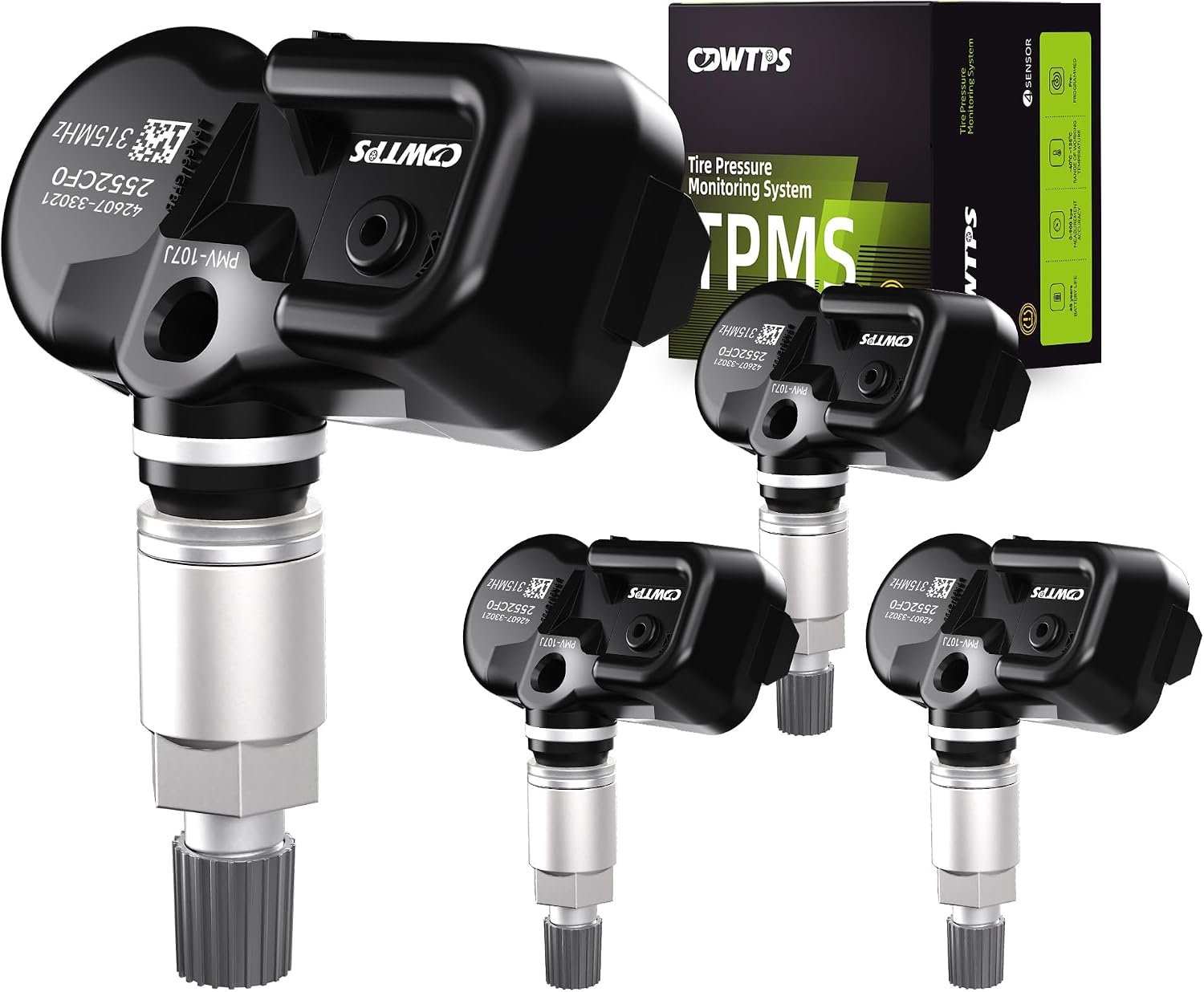
This set of four pre-programmed TPMS sensors is designed as a direct-fit replacement for compatible Toyota, Lexus, and Scion vehicles. It helps restore accurate tire pressure monitoring without sensor programming, and each unit is factory-tested for dependable performance. Built for long service life, these sensors offer a convenient solution for replacing worn or failed tire pressure monitors.

This enhanced OBD2 scanner helps drivers quickly diagnose check engine light issues, read and clear trouble codes, and check emissions readiness before a smog test. It also adds EVAP and O2 sensor testing, live data, freeze frame capture, and a one-click battery health check in a simple plug-and-play tool with a bright color screen.
Frequently Asked Questions
What is ESC on a Hyundai Sonata?
ESC stands for Electronic Stability Control. In a Hyundai Sonata, it helps stabilize the vehicle by monitoring steering direction and actual vehicle movement, then applying individual wheel braking or reducing engine power when it detects possible loss of control.
What does it mean when the ESC light blinks?
A blinking ESC light usually means the system is actively working to help stabilize the vehicle. Slow down, steer smoothly, and avoid hard acceleration until traction improves.
Can I still drive with the ESC light on?
If the ESC light stays on, the system may have a malfunction. You may still have normal braking, but stability-control assist may be unavailable. Drive carefully and have the vehicle inspected by an authorized Hyundai dealer or qualified technician as soon as possible.
When should I turn ESC off in a Hyundai Sonata?
Leave ESC on for normal driving. Turn it off only briefly when trying to free the vehicle from snow or mud, or when required for dynamometer testing. Turn it back on once the situation is over.
What are common Hyundai ESC problems?
Common ESC-related problems include a steady ESC warning light, faulty wheel-speed sensors, steering-angle sensor issues, ABS-related faults, mismatched tire sizes, low battery voltage, or a faulty ESC OFF switch. A diagnostic scan is usually needed to confirm the cause.
Does turning ESC off affect ABS?
Hyundai owner information states that turning ESC off does not affect the standard brake system or ABS operation. However, stability-control and traction-control support may be reduced or disabled depending on how ESC OFF is activated.
Conclusion
ESC in a Hyundai Sonata is one of the most important safety systems working quietly in the background. It helps the car stay stable by monitoring steering input, vehicle movement, wheel behavior, and traction, then stepping in with brake or engine-power adjustments when needed. Keep it on for normal driving, pay attention to warning lights, maintain matching tires, and have the system inspected if the ESC light stays on. When the road gets slippery or a sudden maneuver catches you off guard, a healthy ESC system can make a real difference.
Sources
- Hyundai Owner’s Manual — Electronic Stability Control — backs up ESC operation, indicator lights, ESC OFF use, tire-size warning, and dynamometer guidance.
- Hyundai Owner’s Manual — Warning and Indicator Lights — backs up ESC warning-light behavior and inspection guidance.
- 49 CFR § 571.126 — Electronic Stability Control Systems for Light Vehicles — backs up federal ESC performance purpose and system definition.
- NHTSA Crash Stats — Statistical Analysis of ESC Systems — backs up ESC’s safety role in reducing loss-of-control crashes.
- Traffic Injury Prevention / PubMed — Effects of Electronic Stability Control: An Update — backs up research on ESC effectiveness in reducing single-vehicle crash risk.