
The correct Hyundai Sonata maintenance schedule depends on the car’s model year, engine or hybrid powertrain, market, and whether it is driven under normal or severe conditions. Do not assume every Sonata uses the same 7,500-, 15,000-, or 60,000-mile service pattern. As a current-generation example, the 2025 U.S. gasoline Sonata uses an 8,000-mile or 12-month normal-service interval for engine oil, the oil filter, and tire rotation, while other components have their own schedules.
Quick Answer
Check the maintenance table for your exact Sonata year and powertrain. For a 2025 U.S. gasoline Sonata under normal use, Hyundai specifies oil/filter replacement and tire rotation every 8,000 miles or 12 months. Severe-use rules can shorten some intervals, while brakes, belts, spark plugs, coolant, and other items follow separate schedules.
Key Takeaways
- Use the maintenance schedule for your exact model year and powertrain; older Sonatas may use different intervals.
- Follow both mileage and time limits. When Hyundai lists both, service is due when the first limit is reached.
- For a 2025 U.S. gasoline Sonata under normal use, oil/filter service and tire rotation are due every 8,000 miles or 12 months.
- Severe-use maintenance is component-specific, so do not shorten every interval by the same amount.
- Keep dated receipts and mileage records so you can document maintenance and see what is due next.
At a Glance
| Time Required | About 5–10 minutes to confirm your schedule; routine DIY checks usually take 10–15 minutes |
| Difficulty | Easy for checking the schedule, tires and fluid levels; moderate to advanced for actual service work |
| Tools Needed | Owner’s manual or Hyundai digital manual, tire-pressure gauge, maintenance log, and basic inspection light |
| Cost | Varies by model year, service due, labor rate and parts; inspections cost less than major fluid or component replacement |
Why Follow the Hyundai Sonata Maintenance Schedule
Routine maintenance helps you catch worn parts, low fluids, tire problems and other developing issues before they become more expensive or affect safety. The key is following Hyundai’s schedule for your vehicle instead of applying one mileage number to every Sonata.
Start with the Hyundai Digital Owner’s Manual. Select the correct year and model, then check the normal-maintenance and severe-use tables. A current Sonata can also have different service needs depending on powertrain. For example, the 2026 Sonata lineup includes gasoline, turbocharged and hybrid configurations.
Note: Mileage numbers in this article use the 2025 U.S. gasoline Sonata as a verified current-generation example. Your Sonata may have different intervals. The schedule for your exact year, engine, drivetrain and country takes priority.
First Scheduled Service: A Current-Generation Example
For the 2025 U.S. gasoline Sonata under normal operating conditions, Hyundai specifies engine oil and oil-filter replacement every 8,000 miles (13,000 km) or 12 months, whichever comes first. Tire rotation follows the same 8,000-mile/12-month interval.
That makes 8,000 miles—not 7,500 miles—the first major recurring service point for this specific schedule. At the visit, the vehicle may also receive the inspections that Hyundai lists for that interval, such as brake-system, battery, suspension, air-conditioning and other applicable checks.
Older Sonata model years can use different intervals, including schedules built around 7,500-mile service points. That is why a model-year-specific manual is more reliable than a generic Sonata mileage chart.
Every Scheduled Service: Oil, Tires and Core Inspections
At each routine maintenance visit, complete the work actually due in your Sonata’s maintenance table. On the 2025 U.S. gasoline example, the recurring 8,000-mile/12-month work includes engine oil and filter replacement and tire rotation. Several safety and mechanical components are also inspected at specified intervals.
- Replace the engine oil and oil filter with oil meeting Hyundai’s required specification and viscosity for your engine.
- Rotate the tires at the prescribed interval and inspect tread wear and tire condition.
- Check tire pressures against the cold-pressure specification on the driver-side Tire and Loading Information label.
- Inspect brake components, fluid and hoses when the maintenance table calls for them.
- Check the battery, suspension, steering, air-conditioning system and other listed components at their scheduled intervals.
- Investigate leaks, warning lights, unusual noises or changes in braking or steering immediately rather than waiting for the next scheduled service.
NHTSA recommends checking tire pressure at least once a month when the tires are cold. The correct pressure comes from the vehicle placard or owner’s manual, not the maximum pressure molded into the tire sidewall.
[Products Worth Considering]

The JACO ElitePro Digital Tire Pressure Gauge delivers shop-grade accuracy with a clear digital readout, making it easy to maintain proper tire pressure for safer driving and better performance. Built with rugged brass and steel components, a protective guard, and a flexible air hose, it is designed for reliable use across cars, trucks, motorcycles, bikes, RVs, and trailers. The lock-on display, built-in bleeder valve, and bright backlit screen add convenience in any lighting condition.

The S ZEVZO ET03 is a powerful 12V jump starter designed to revive gas and diesel vehicles quickly, including cars, trucks, motorcycles, lawnmowers, and boats. It also doubles as a portable power bank with USB charging ports, a bright LED flashlight, and an LCD display for added convenience during roadside emergencies. Built with multiple safety protections and included carrying case, it offers dependable backup power whenever you need it.

This tire repair screw kit offers a fast, simple way to seal punctures without removing the tire or visiting a shop. Made with durable carbon steel and rubber, the pre-sealed plugs help create a secure repair for tubeless tires in emergency situations. With two convenient sizes and portable individual packaging, it is a handy solution for cars, motorcycles, bicycles, trucks, and other compatible vehicles.
16,000- and 24,000-Mile Service: What Gets Added
There is no universal factory “15,000-mile Sonata service.” On the 2025 U.S. gasoline schedule, maintenance continues in 8,000-mile increments, while individual components have their own inspection or replacement patterns. By the 16,000- and 24,000-mile marks, additional inspections and filter work may become due depending on the component.
This item-by-item approach is important. A service shop may sell a bundled “15K,” “30K” or “60K” package, but the package name itself does not prove that every included service is required by Hyundai. Compare the estimate with the maintenance table for your exact vehicle.
Expanded Brake Inspections
Brake maintenance should be based on both Hyundai’s inspection schedule and the actual condition of the parts. On the 2025 gasoline schedule, brake lines and hoses, brake fluid, discs and pads are inspected regularly. Hyundai specifies brake-fluid inspection every 8,000 miles or 12 months and replacement every 48,000 miles or 48 months for this model-year example.
- Check brake pads and discs for excessive or uneven wear.
- Inspect brake hoses and lines for leaks, cracks or damage.
- Check brake-fluid level and condition.
- Investigate pedal changes, pulling, grinding, vibration or warning lights immediately.
Warning: A low brake-fluid level can indicate worn brake components or a leak. Do not simply keep topping up the reservoir without finding the cause. Brake-fluid replacement and bleeding affect a safety-critical system and should be done correctly with the specified fluid.
Fuel System Checks
The fuel system also follows item-specific intervals. The 2025 gasoline schedule calls for periodic inspection of the vapor hose, fuel filler cap, fuel tank, fuel-tank air filter, fuel lines, hoses and connections.
The engine fuel filter should not be described as an automatic 7,500-mile replacement item. Hyundai describes the fuel filter on this current-generation gasoline example as generally maintenance-free, although fuel quality or symptoms can require attention. Restricted fuel flow, surging, loss of power or hard starting are reasons to have the system inspected.
Fluid and Filter Updates
Do not replace every fluid at each oil-change visit. Each fluid has its own requirement. For the 2025 U.S. gasoline example, brake fluid has a defined 48,000-mile/48-month replacement interval, while engine coolant has a much longer normal-service replacement schedule.
The engine air-cleaner filter is inspected and replaced according to its own pattern. Cabin-air-filter replacement also follows a separate schedule. Dusty conditions can justify more frequent filter service.
Pro Tip: Ask the shop to identify each recommended service by the maintenance-table item and interval. This makes it easier to separate factory-scheduled work from optional cleaning services, additives or dealer packages.
48,000 Miles and Beyond: Belts, Brake Fluid, Spark Plugs and Coolant
Instead of treating 60,000 miles as one universal “major service,” use the component milestones in the maintenance table. For a 2025 U.S. gasoline Sonata under normal conditions, several important items fall before or after 60,000 miles.
| Maintenance item | 2025 U.S. gasoline Sonata normal-use example |
|---|---|
| Engine oil and filter | Replace every 8,000 miles or 12 months |
| Tire rotation | Every 8,000 miles or 12 months |
| Brake fluid | Inspect every 8,000 miles/12 months; replace every 48,000 miles/48 months |
| Drive belts | First inspect at 48,000 miles or 72 months; then every 8,000 miles or 12 months |
| 2.5 GDI spark plugs | Replace every 96,000 miles |
| 2.5 T-GDI spark plugs | Replace every 48,000 miles |
| Engine coolant | First replace at 120,000 miles or 120 months; then every 24,000 miles or 24 months |
These intervals show why engine identification matters. A naturally aspirated 2.5 GDI and a 2.5 T-GDI Sonata do not even use the same spark-plug replacement interval.
Valve clearance is another example. The 2025 maintenance information does not make it a blanket 60,000-mile procedure. Hyundai tells owners to have valve clearance inspected when there is excessive valve noise and/or engine vibration and adjusted if necessary.
[Products Worth Considering]

Bosch ICON beam wiper blades are designed to make windshield replacement simple with a vehicle-specific two-blade bundle for driver and passenger sides. The exclusive dual rubber technology helps resist heat and ozone damage for longer-lasting performance, while the beam design and asymmetric spoiler improve windshield contact and visibility in harsh weather. Installation is quick with the included hook adapter, making it a reliable upgrade for compatible vehicles.
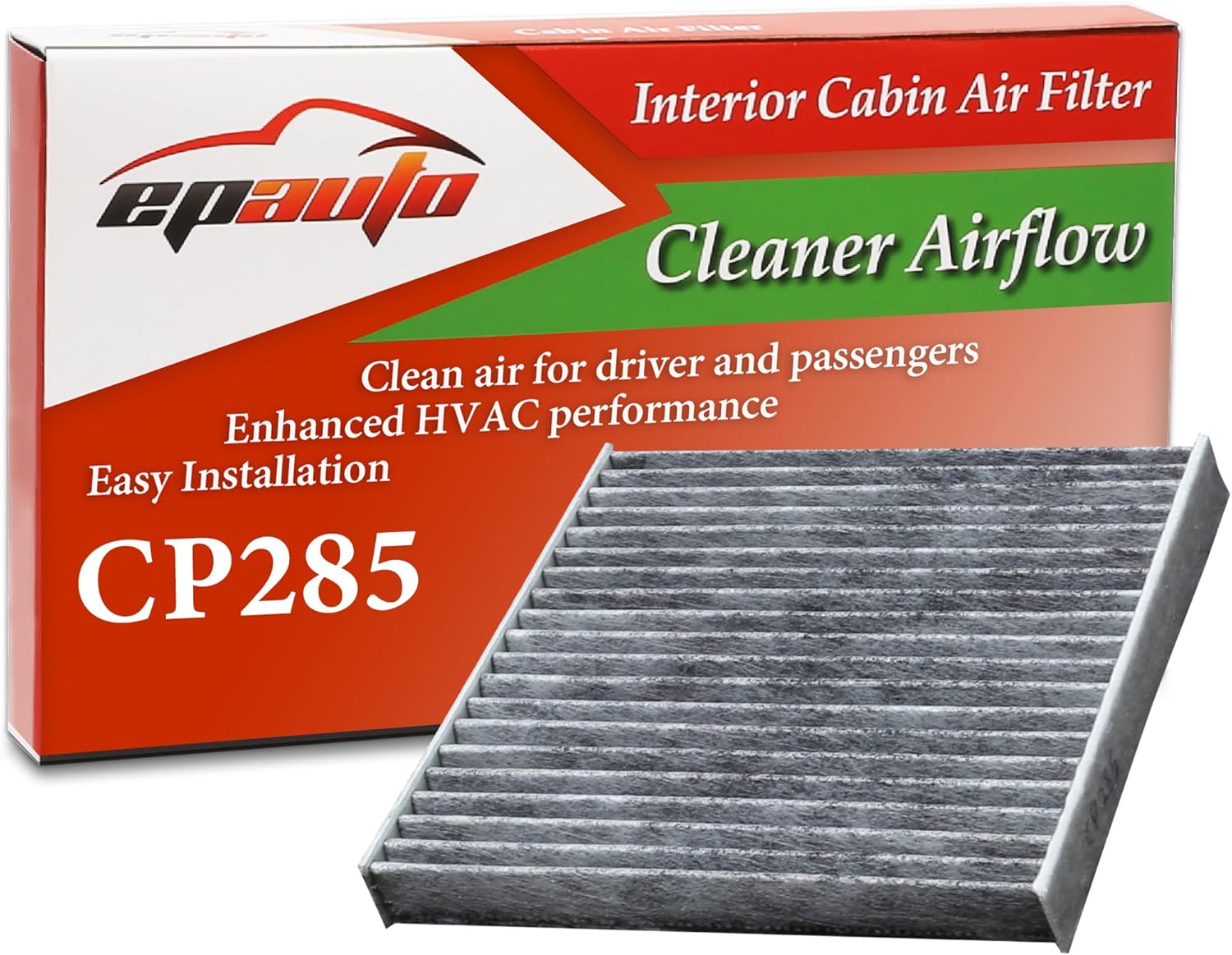
EPAuto CP285 premium cabin air filter helps keep the vehicle interior air cleaner by trapping dust and supporting fresh airflow through the HVAC system. It includes activated carbon and soda to help reduce odors while promoting better cabin comfort for drivers and passengers. Designed as a replacement filter for a wide range of compatible vehicles, it is recommended to replace it regularly for consistent performance.

Genuine OEM part
Normal vs. Severe-Use Maintenance
Hyundai provides a separate severe-use maintenance table because certain operating conditions place extra stress on specific components. Severe use can include conditions such as repeated short trips, long periods of idling or low-speed operation, rough or dusty roads, corrosive or very cold environments, heavy traffic, mountain driving, towing or roof loads, commercial use, frequent high-speed or rapid acceleration/deceleration, and repeated stop-and-go operation.
Do not assume every severe condition changes every service interval. Hyundai ties individual maintenance items to specific severe-use conditions. For example, the 2025 U.S. gasoline Sonata severe-use table specifies engine oil and filter replacement every 5,000 miles or 6 months for the severe conditions assigned to that item. It also gives separate severe-service rules for air filters, brakes and transmission fluids.
Warning: Do not choose a severe-use interval from a generic chart and assume it applies to every Sonata. Check the severe-use table for your exact model year because both the listed conditions and affected components can differ.
[Products Worth Considering]
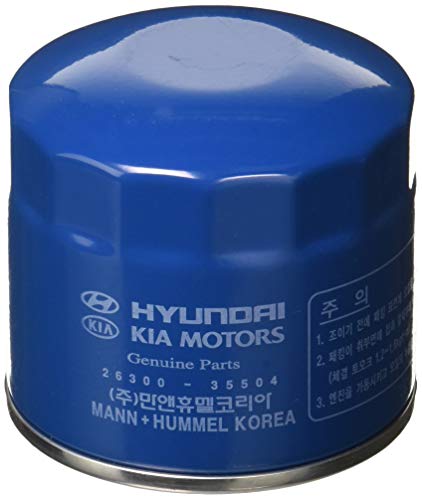
Genuine OEM

Compatible with Hyundai Azera (2012-2017), Santa Fe (2010-2012), Sonata Gas (2011-2014), Sonata Hybrid (2011-2015)

[Vehicle Fitment]: Compatible with Hyundai Sonata 2016-2019 2.0L (Hybrid Model); Sonata 2015-2019 2.4L (No Hybrid Model); Compatible with Kia Optima 2017-2020 2.0L (Hybrid Model); Optima 2016-2020 2.4L (No Hybrid Model)
Additional Inspections for Long-Term Reliability
Parking-brake components, vapor hoses, the fuel filler cap and related systems still deserve attention, but they should be checked at the intervals specified for the exact Sonata rather than automatically every 7,500 miles.
Parking Brake Functionality Checks
Inspect the parking-brake system at the scheduled interval and sooner if operation changes. Depending on the Sonata, this may involve an electronic parking brake rather than the older cable-and-lever arrangement.
- Confirm that the parking brake engages and releases normally.
- Watch for parking-brake or brake-system warning messages.
- Have abnormal noises, weak holding ability or failure to release diagnosed promptly.
- Under applicable severe-use conditions, follow Hyundai’s more frequent parking-brake inspection guidance.
Vapor Hose and Filler Cap
The vapor hose, fuel filler cap and related evaporative-emissions components should be inspected at the intervals in the maintenance schedule. Look for obvious physical damage, but leave leak diagnosis or EVAP-system testing to appropriate service equipment when a warning light or fault is present.
| Item inspected | What to look for | Action |
|---|---|---|
| Vapor hose | Cracks, chafing, deterioration or leakage | Inspect professionally and replace if damaged |
| Connections | Visible damage, looseness or leakage | Repair correctly before continued leakage causes an EVAP fault |
| Filler cap | Damaged seal, poor fit or failure to close correctly | Replace with the correct cap if defective |
DIY Checks Between Services to Avoid Breakdowns
A short inspection between scheduled services can catch obvious problems early. These checks do not replace Hyundai’s maintenance schedule, but they help you notice leaks, tire damage and changing fluid levels before the next appointment.
- Tires: Check cold tire pressure at least monthly and before long trips. Use the pressure listed on the driver-side Tire and Loading Information label or in the owner’s manual.
- Tread: Look for uneven wear, cuts, bulges, embedded objects and tread approaching the wear indicators.
- Engine oil: Check the level according to the procedure in your owner’s manual and investigate unexplained oil loss.
- Coolant: Check the reservoir only as directed in the manual and look for leaks or overheating symptoms.
- Brake fluid: Visually monitor the reservoir. Have an unexplained low level or leak inspected rather than repeatedly topping it off.
- Washer fluid and wipers: Keep the reservoir filled with appropriate washer fluid and replace damaged or streaking blades.
- Lights and warnings: Check exterior lights and do not ignore brake, oil-pressure, coolant-temperature or check-engine warnings.
Warning: Never open the cooling system when the engine is hot. Hot coolant can be under pressure and may cause serious burns.
When to Visit a Dealer or Qualified Service Center

You can perform simple visual checks yourself, but many scheduled jobs require proper tools, specifications, diagnostic equipment or vehicle-specific procedures. Use an authorized Hyundai dealer or another qualified repair facility that can document the work and follow the correct Hyundai service information.
When choosing a service center, ask for an itemized estimate and compare each recommended service with your owner’s manual. Confirm the correct oil specification, filters, brake fluid, coolant and replacement parts for your exact vehicle.
Hyundai also offers a separate Complimentary Maintenance program for eligible vehicles. For new 2025 Hyundai vehicles covered by that program, Hyundai describes four basic maintenance services usable during the first three years or 36,000 miles, whichever comes first. Covered basic service includes Hyundai-approved oil/filter changes, tire rotation and multi-point inspection. Severe-use maintenance and additional parts or services are not included in that basic benefit.
Note: The complimentary-maintenance program and the vehicle’s full maintenance schedule are not the same thing. Your car can require inspections or other maintenance that is not included in the complimentary program.
How to Track Service Intervals and Keep Your Sonata on Schedule
Record both the date and odometer reading every time maintenance is completed. This matters because many Hyundai intervals are based on mileage or elapsed time, whichever occurs first. A low-mileage Sonata can therefore need time-based maintenance before reaching the listed mileage.
- Record the date, mileage, service performed and parts or fluids used.
- Keep invoices and receipts with the vehicle records.
- Set reminders for both mileage and calendar deadlines.
- Review the normal and severe-use tables whenever your driving pattern changes.
- Check the maintenance schedule again after buying a used Sonata, especially if previous records are incomplete.
A simple maintenance log is especially helpful around larger milestones because different components come due at different times. It also prevents you from treating every 30,000-, 60,000- or 80,000-mile dealer package as automatically required.
Gas vs. Hybrid Sonata Maintenance
Do not copy a gasoline Sonata schedule directly to a Sonata Hybrid. Current Sonata models are sold with both combustion-only and hybrid powertrains, and the hybrid maintenance table contains powertrain-specific items. Likewise, the turbocharged N Line can have different component intervals from the non-turbo gasoline car.
The safest process is simple: identify the model year and powertrain first, then open that vehicle’s maintenance table. This avoids applying a gasoline spark-plug, belt, transmission-fluid or cooling-system interval to the wrong vehicle.
Sources
- Hyundai Digital Owner’s Manual — official source for model- and year-specific maintenance information.
- 2025 Hyundai Sonata U.S. Owner’s Manual — supports the current-generation gasoline maintenance example and component guidance.
- Hyundai USA — 2026 Sonata — confirms current gasoline, turbo and hybrid Sonata powertrain choices.
- Hyundai Complimentary Maintenance — program coverage, eligible services and limitations.
- NHTSA TireWise — tire-pressure, tread, rotation and general tire-safety guidance.
Frequently Asked Questions
What are the Hyundai Sonata service intervals?
There is no single interval that applies to every Sonata. Use the schedule for your exact model year and powertrain. As one current-generation example, the 2025 U.S. gasoline Sonata calls for normal oil/filter replacement and tire rotation every 8,000 miles or 12 months, whichever comes first.
Is a Hyundai Sonata serviced every 7,500 miles?
Some older Sonata schedules may use 7,500-mile intervals, but it should not be treated as a universal rule. For example, the 2025 U.S. gasoline Sonata uses an 8,000-mile/12-month normal oil and tire-rotation interval. Check your own owner’s manual before scheduling service.
What is the maintenance schedule for a Hyundai Sonata?
The schedule combines recurring oil, tire and inspection intervals with separate replacement intervals for items such as brake fluid, spark plugs, belts, filters and coolant. Mileage, elapsed time, powertrain and severe-use conditions can all change when a particular item is due.
What is the 80,000-mile service on a Hyundai Sonata?
There is not one universal factory “80,000-mile service” package for every Sonata. On a schedule that uses 8,000-mile increments, 80,000 miles is another scheduled maintenance point, but the work due depends on the model year, powertrain, elapsed time and the individual component intervals. Compare any shop’s 80K package with your owner’s manual.
What counts as severe driving for a Hyundai Sonata?
Hyundai severe-use tables can include conditions such as frequent short trips, long idling or low-speed driving, rough or dusty roads, corrosive or very cold conditions, heavy traffic, mountain driving, towing or roof loads, commercial use, frequent high-speed or rapid acceleration/deceleration, and repeated stop-and-go use. Check the exact table because each maintenance item is tied to specific conditions.
Do the Sonata Hybrid and gasoline Sonata use the same maintenance schedule?
Not necessarily. Hybrid, naturally aspirated gasoline and turbocharged versions can have different components and intervals. Use the maintenance schedule for the exact powertrain instead of copying a gasoline or hybrid chart from another Sonata.
Conclusion
The safest way to maintain a Hyundai Sonata is to stop thinking in terms of one universal 7,500-, 15,000- or 60,000-mile package. Start with the owner’s manual for your exact model year and powertrain, follow mileage or time limits as specified, and use the severe-use table when your operating conditions qualify.
For the 2025 U.S. gasoline Sonata example, normal oil/filter service and tire rotation are due every 8,000 miles or 12 months, while brake fluid, drive belts, spark plugs, coolant and other components follow their own intervals. Keep accurate service records, perform simple monthly checks, and address warning lights, leaks, unusual noises or changes in braking and steering promptly.




[…] Do not copy one Sonata year’s intervals to another. Older 2.0L, 2.0T, 2.4L, hybrid, and current Smartstream engines can use different oil specifications, spark-plug intervals, fluid requirements, and inspection schedules. For a dedicated mileage reference, see the Sonata maintenance schedule by mileage guide. […]