Winter tire pressure should be set to your vehicle manufacturer’s recommended cold PSI, not to a universal winter number. For many passenger cars, that number is often around 30 to 35 PSI, but the correct pressure is the one printed on the driver-side door placard or listed in your owner’s manual. Cold weather can drop tire pressure quickly, so checking it regularly is one of the simplest ways to protect traction, braking, fuel economy, and tire life.
Quick Answer
In winter, inflate your tires to the cold PSI listed on your vehicle’s door placard or owner’s manual. Do not use the maximum PSI on the tire sidewall. Tire pressure commonly drops about 1 to 2 PSI for every 10°F temperature drop, so check it cold at least monthly and before long trips.
Key Takeaways
- Use the vehicle placard PSI first; 30 to 35 PSI is only a common range for many passenger vehicles, not a rule for every car, SUV, truck, or tire size.
- Check pressure when tires are cold, ideally before driving or after the vehicle has been parked for at least three hours.
- Expect pressure to fall about 1 to 2 PSI for every 10°F drop in outside temperature.
- Do not rely only on TPMS. A tire pressure monitoring system may not warn you until pressure is already significantly low.
- If one tire keeps losing air after you inflate it, have it checked for a puncture, leaking valve stem, bead leak, or wheel damage.
At a Glance
| Time Required | 5 to 10 minutes |
| Difficulty | Easy |
| Tools Needed | Accurate tire pressure gauge, air compressor or service-station air pump, valve caps |
| Cost | Usually free to a few dollars for air; about $5 to $20 for a basic gauge |
Why Tire Pressure Matters for Winter Driving
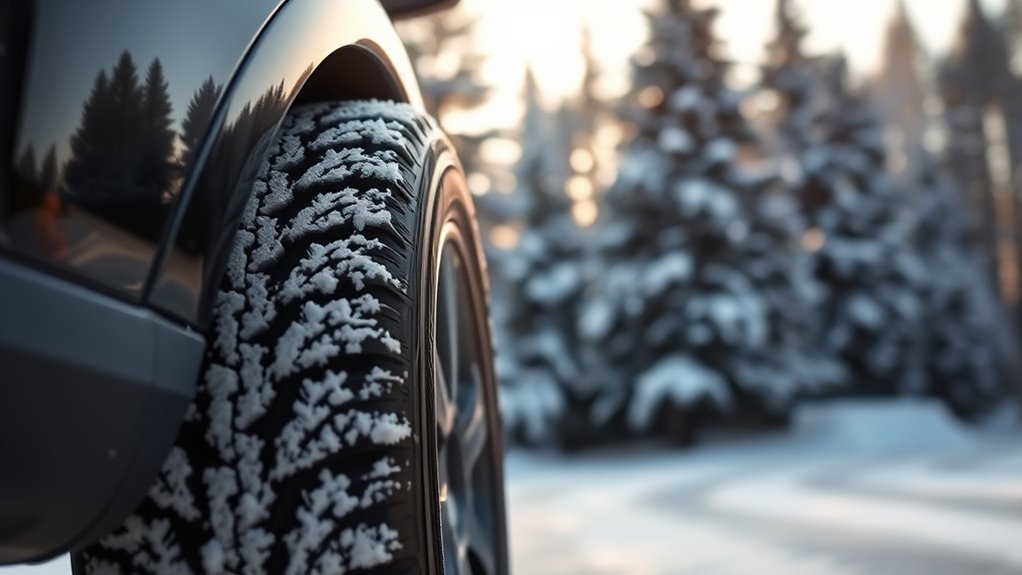
When temperatures drop, the air inside your tires contracts. According to the U.S. Tire Manufacturers Association, passenger and light truck tires may lose 1 to 2 PSI per month under normal conditions and another 1 to 2 PSI for every 10°F temperature drop. That means a tire set correctly in mild fall weather can become underinflated after the first hard cold snap.
Proper tire pressure helps your tires keep the right shape and contact patch on the road. Underinflated tires can reduce steering response, increase heat buildup, speed up uneven wear, and lower fuel economy. The U.S. Department of Energy says underinflated tires can lower gas mileage by about 0.2% for every 1 PSI drop in all four tires.
A 40°F temperature swing can reduce tire pressure by roughly 4 to 8 PSI, depending on the tire, starting pressure, and conditions.
What PSI Should Tires Be in Winter?
Your winter tire pressure should match the vehicle manufacturer’s recommended cold tire pressure. You can usually find it on the Tire and Loading Information label on the driver-side door edge or door jamb. It may also be listed in your owner’s manual. Some vehicles use different front and rear pressures, so check both values before adding air.
For many passenger cars, the recommended cold pressure is often around 30 to 35 PSI, but trucks, SUVs, EVs, performance vehicles, and vehicles carrying heavy loads may require different pressures. Always follow the placard or manual for your exact vehicle, tire size, and load condition.
Warning: Do not inflate your tires to the maximum PSI printed on the tire sidewall unless your vehicle manufacturer specifically calls for it. The sidewall number is the tire’s maximum allowed pressure, not the normal operating pressure for your vehicle.
Use this temperature rule as a quick planning guide:
- 10°F colder: expect about 1 to 2 PSI lower pressure.
- 20°F colder: expect about 2 to 4 PSI lower pressure.
- 40°F colder: expect about 4 to 8 PSI lower pressure.
If the weather warms back up, tire pressure can rise again. That is normal. The goal is to keep the tires at the recommended cold PSI for the conditions you are driving in.
[Products Worth Considering]
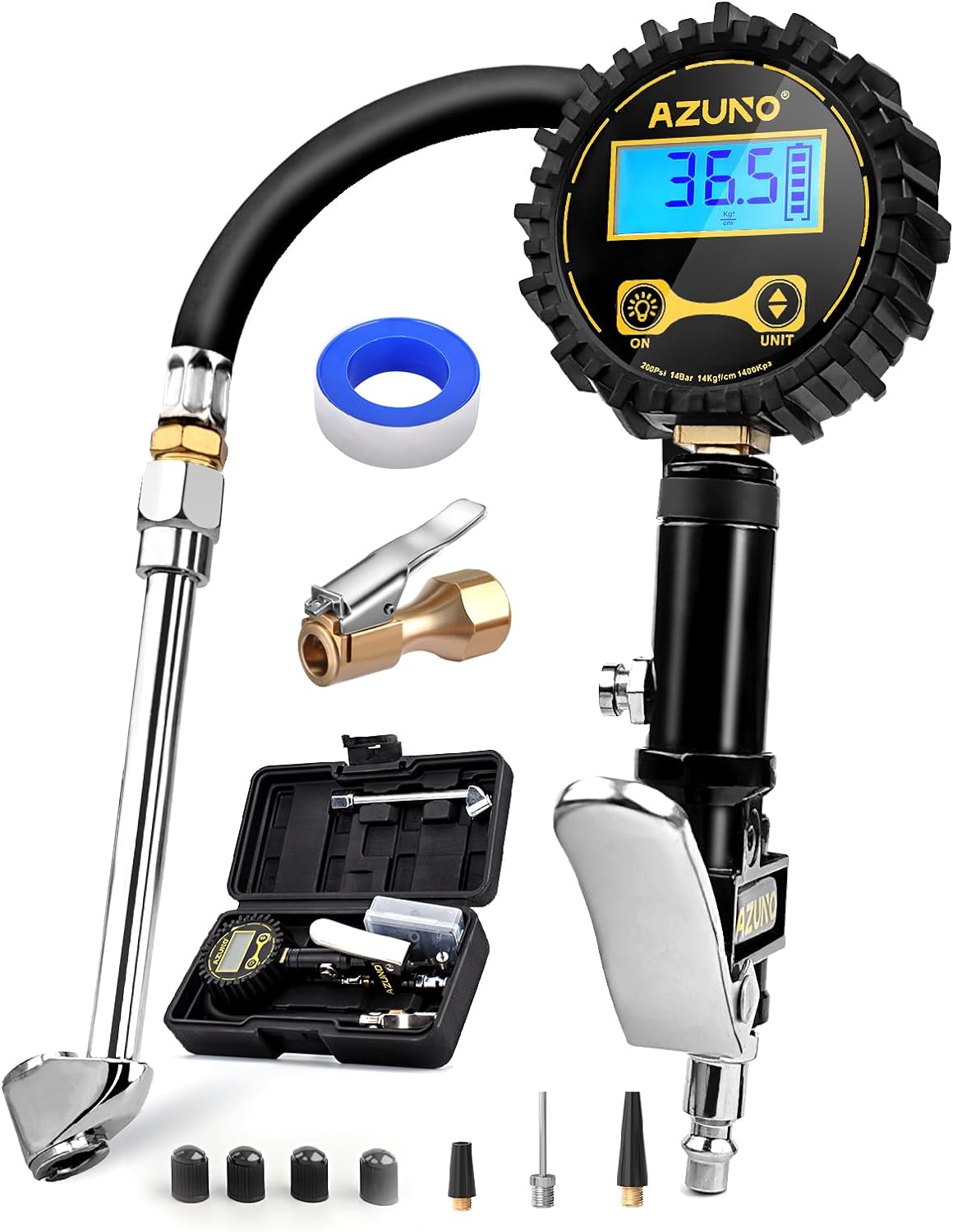
This digital tire inflator delivers accurate, easy-to-read pressure measurements with a bright backlit LCD and precise 0.1 resolution for confident inflation. Designed for single-handed use, it makes it simple to inflate or deflate tires while staying organized in the included portable carrying box. Built for a wide range of vehicles, it is a practical air compressor accessory for cars, trucks, SUVs, motorcycles, and more.

This smart color coded tire tread depth gauge makes it easy to check tread wear at a glance with clear red, yellow, and green ranges. Calibrated from 0 to 1 inch in 1/32 inch increments, it helps you quickly assess tire condition for safer driving and timely replacements. The pocket clip design makes it convenient to carry and use on trucks, motorcycles, cars, and other passenger vehicles.
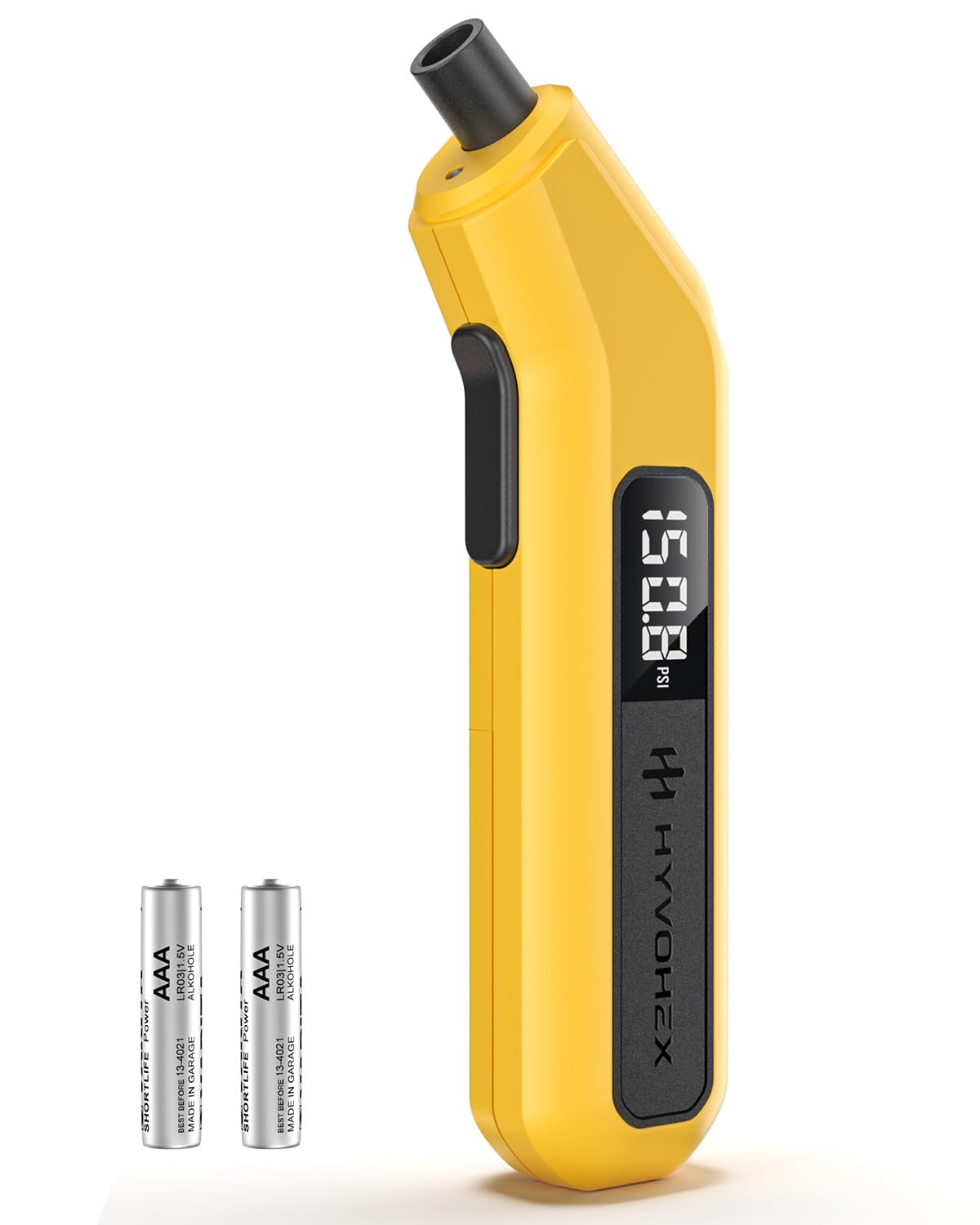
HYVOHEX digital tire pressure gauge delivers fast, accurate readings with an easy-to-read LED backlit display and a high-sensitivity sensor for reliable tire checks. Its valveless one-click operation, rotating valve head, and broad compatibility make it a practical tool for cars, bikes, and trucks. Built with a durable rubber shell and aluminum nozzle, it is compact enough to keep in your glove box or tool bag.
How to Check and Adjust Your Tire Pressure
Checking and adjusting tire pressure is simple, but doing it the right way matters. The National Highway Traffic Safety Administration recommends using the vehicle placard or owner’s manual, checking all tires, and adjusting pressure to the correct cold PSI.
- Park long enough for a cold reading. Check pressure before driving or after the vehicle has been parked for at least three hours. If you must drive first, keep the trip short and recheck later when the tires are cold.
- Find the correct PSI. Look on the driver-side door placard or in the owner’s manual. Note if front and rear tires have different pressures.
- Remove the valve stem cap. Put the cap somewhere clean so it does not pick up snow, slush, or grit.
- Press the gauge firmly onto the valve stem. A brief hiss is normal, but a steady hiss means the gauge is not sealed. Re-seat it and read the pressure.
- Add air if the tire is low. Add the missing PSI slowly, then recheck with the gauge. If you add too much, release a small amount of air and check again.
- Repeat for every tire, including the spare if your vehicle has one. Temporary spare tires often require a much higher pressure than road tires, so check the spare’s label or manual.
- Replace the valve caps. A good valve cap helps keep dirt, moisture, and road salt out of the valve stem.
Note: Tire pressure rises after driving because tires heat up. Do not bleed air from hot tires just because the reading is above the placard PSI. Recheck when the tires are cold.
[Products Worth Considering]

This heavy-duty car ramp set provides a stable, reliable lift for routine maintenance like oil changes, tire rotations, brake work, and undercarriage inspections. Built from high-impact poly with a non-skid tread and rubber feet, it helps keep vehicles secure while offering a lightweight, corrosion-resistant alternative to steel ramps. The wide, gradual design supports a broad range of vehicles, from compact cars to trucks, SUVs, and vans.

This portable 12V tire inflator delivers fast, convenient inflation for cars, SUVs, trucks, motorcycles, and other inflatables. It features a digital display, bright LED lighting, auto shutoff, and multiple nozzle adapters to help you inflate accurately and safely, even in low-light situations. The long power cord and air hose make it easy to reach all tires and handle roadside emergencies or routine maintenance.
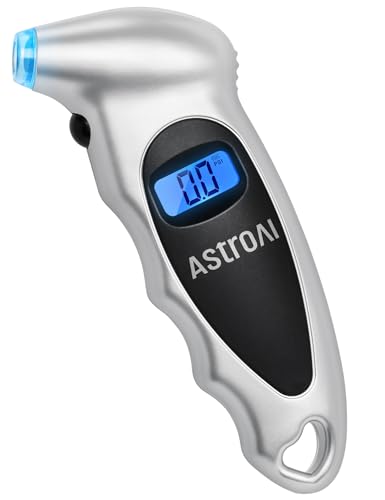
Accurate, Dependable Readings: Factory‑calibrated to ±1 PSI, so you can confidently match your vehicle’s recommended PSI (check the door jamb sticker). Ideal for monthly checks and road trips — consistent results every time, cold or warm.
What to Do If Your TPMS Light Comes On in Cold Weather
A tire pressure monitoring system, or TPMS, is helpful, but it should not replace manual pressure checks. NHTSA explains that a TPMS light on a cold morning can appear when pressure dips below the warning threshold overnight and then turn off after the tires warm up. Even if the light goes away, you should still check the pressure with a gauge.
If the TPMS light stays on, flashes, or returns soon after you inflate the tires, inspect the tires as soon as possible. Look for nails, screws, sidewall bulges, cracked valve stems, bent wheels, or uneven wear. A tire that repeatedly loses air may have a puncture, bead leak, valve issue, or wheel damage.
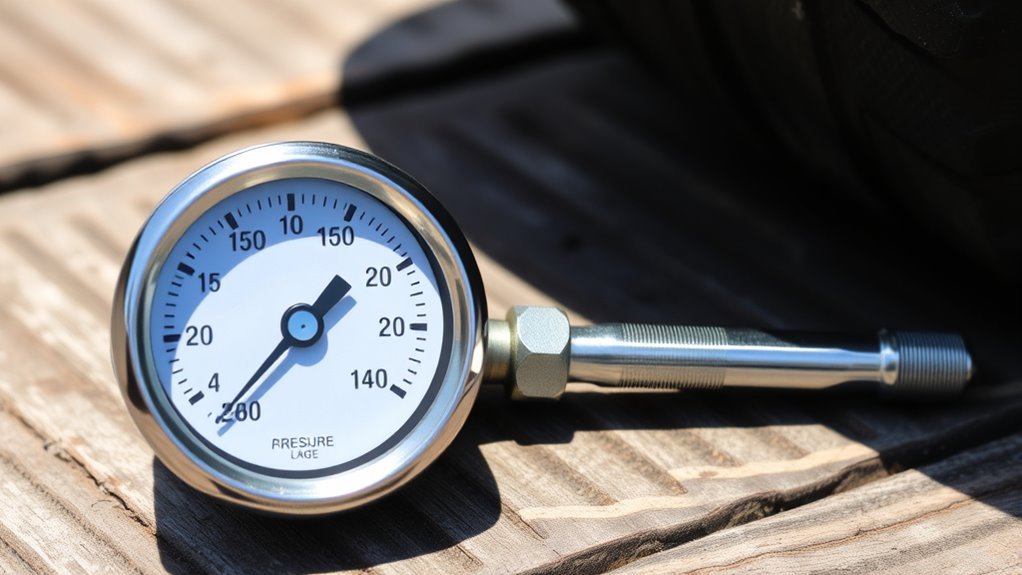
Pro Tip: Keep a small digital or dial tire gauge in your glove box. Gas-station gauges can be dropped, worn, or inaccurate, so your own gauge gives you a more consistent reading.
[Products Worth Considering]

🌟KEEP YOUR TIRES IN TOP SHAPE: VXDAS GM TPMS Relearn Tool Plus is a 2 in 1 tool that resets your sensor and maintains tire pressure. Works for GM vehicles (Chevy / Buick / GMC / Opel /Cadillac etc)equipped with 315/433 MHz.

PROCESS LEVEL ACCURACY: Each ETENWOLF’s digital tire pressure gauge is calibrated manually to ANSI B40.7 Grade 2A(plus-minus 1 PSI).Presta valve adapter not included, if used for bicycles, it must be purchased separately

[Accurate Real-time Monitoring & Multi-Alert System]: Tymate TM7 tpms sensor can be used to monitor your tires’ pressure and temperature data within robust accuracy of ±1.5 PSI or ±3°F (The units can be displayed as ℃ or ℉ & BAR or PSI). Designed with six distinct alarm modes: high/low pressure, fast leakage, high temperature, sensor low battery, and sensor signal lost. This system is a reliable tool for maintaining tire health, and it is especially beneficial for DIY enthusiasts and pre-owned vehicle markets, where constant vigilance on tire conditions is paramount for safety and vehicle longevity
Common Causes of Low Tire Pressure and How to Fix Them
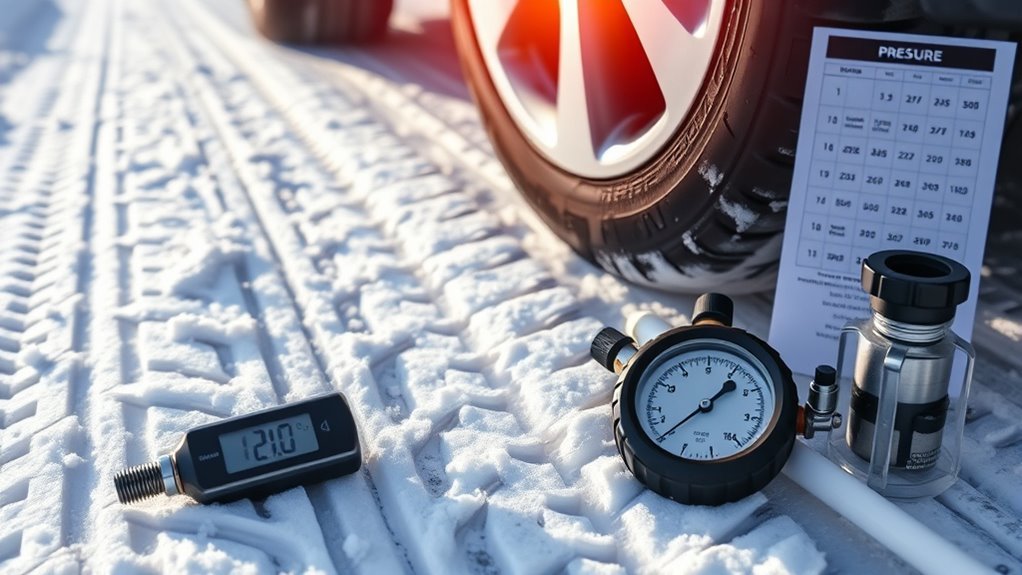
Cold weather is a major reason tire pressure drops, but it is not the only cause. If one tire is much lower than the others, or the same tire keeps losing air, treat it as a possible leak instead of assuming it is only the weather.
- Cold temperature drop: Add air to the placard PSI when the tires are cold. Recheck after the next major temperature swing.
- Normal air loss over time: Tires can gradually lose pressure even without a puncture. Monthly checks help catch this before the tire becomes noticeably low.
- Punctures: Nails, screws, glass, and road debris can cause slow leaks. Do not ignore a tire that keeps dropping after you refill it.
- Valve stem leaks: A damaged valve stem, missing cap, or faulty valve core can leak air, especially in freezing weather.
- Bead or rim leaks: Corrosion, dirt, old sealant, or wheel damage can prevent a tight seal where the tire meets the rim.
- Recent tire service: After installation, rotation, repair, or seasonal tire changeover, recheck pressure to confirm all tires were set correctly.
Warning: If a tire is visibly flat, has sidewall damage, has a bulge, or loses pressure quickly after inflation, do not keep driving on it. Install the spare if safe to do so or contact roadside assistance or a tire professional.
Tips for Maintaining Optimal Tire Pressure in Winter
Keeping your tires properly inflated during winter improves safety, handling, and tire life. Add these habits to your winter driving routine:
- Check pressure at least once a month. Also check before long trips, before towing, and after sharp cold snaps.
- Check tires cold. Morning is usually the best time, before sunlight or driving warms the tires.
- Use the placard PSI. Do not guess based on tire appearance; radial tires can look normal while underinflated.
- Check all four tires and the spare. The spare is easy to forget until you need it.
- Inspect tread and sidewalls. Look for uneven wear, cracks, cuts, bulges, embedded objects, and exposed cords.
- Keep valve caps installed. They help protect the valve stem from water, dirt, and winter road salt.
- Adjust for load only when your manual says to. Some vehicles list a higher pressure for heavy loads or towing. Follow the manual, not a guess.
Do not lower tire pressure on regular roads to “get more grip” in snow. Underinflation can make steering less stable, increase heat buildup, and damage the tire. For normal winter driving, the safe choice is the manufacturer’s recommended cold PSI.
Enhancing Safety and Performance With Proper Tire Maintenance
Tire pressure is only one part of winter readiness. Your tires also need enough tread, the correct size and load rating, and the right type for the weather you drive in. Proper maintenance gives the tire the best chance to grip, brake, and handle predictably on cold, wet, snowy, or icy roads.
Regular Pressure Checks Essential
As winter temperatures change, pressure checks should become a routine. Check monthly at minimum, and check more often if temperatures swing sharply. If your tire pressure was set at 50°F and the temperature falls to 10°F, your tires may be several PSI low even without a leak.
Even vehicles with TPMS still need manual checks. TPMS is a warning system, not a maintenance plan, and some systems may not alert you until pressure is already well below the recommended level.
Importance of Winter Tires
Winter tires are designed for cold temperatures, not just deep snow. Michelin recommends installing winter tires when daily temperatures consistently fall below 45°F because winter tire compounds stay more flexible in cold conditions. If you regularly drive in snow, ice, slush, freezing rain, or mountain conditions, winter tires can be a major safety upgrade.
For balanced handling, install winter/snow tires on all four wheel positions. The USTMA winter/snow tire bulletin warns against putting winter tires only on the front axle because it can create unstable handling. If you use studded tires, check your local laws first because rules vary by state and region.
Proper Tire Maintenance Tips
To keep your winter tires performing at their best, pair correct pressure with basic tire care:
- Rotate tires on schedule. Follow the interval and pattern in your owner’s manual.
- Watch for uneven wear. Feathering, cupping, or one-sided wear can point to alignment, balance, suspension, or inflation problems.
- Check tread depth. Tires with low tread struggle to clear slush and water, increasing the risk of sliding or hydroplaning.
- Store off-season tires correctly. Keep them clean, dry, and away from heat, sunlight, and chemicals.
- Use matching tires when possible. Mixing tire types, tread depths, or traction levels can reduce stability in winter conditions.
Frequently Asked Questions
What PSI should my tires be at during winter?
Use the cold PSI listed on your vehicle’s driver-side door placard or in the owner’s manual. Many passenger cars are around 30 to 35 PSI, but your exact number may be different, and some vehicles have different front and rear pressures.
What is the 7/7 rule for winter tires?
The 7/7 rule is a common winter tire reminder: when temperatures are consistently below about 7°C, or 45°F, winter tires are a better choice for cold-weather grip. It is a tire-changeover rule, not a tire-pressure rule.
What is the 4 PSI rule?
For winter pressure, think of 4 PSI as a rough example: a 40°F temperature drop can lower tire pressure by about 4 PSI or more. It is not a replacement for your door-placard PSI. Always set tires to the recommended cold pressure for your vehicle.
Is 40 PSI too much for winter tires?
It depends on the vehicle. If your door placard calls for 40 PSI cold, then 40 PSI is correct. If your placard calls for 32 PSI, then 40 PSI is too high and may reduce ride comfort, grip, and even tread contact. Follow the placard or owner’s manual.
Should I overinflate tires in winter to prevent pressure loss?
No. Set the tires to the recommended cold PSI for your vehicle. If pressure drops after a cold snap, add air back to the placard value. Do not add extra pressure beyond the manufacturer’s recommendation unless your manual gives a specific loaded-vehicle or towing pressure.
Why does my tire pressure light come on when it gets cold?
Cold air contracts, which lowers tire pressure. A cold morning can push a slightly low tire below the TPMS warning threshold. Check all tires with a gauge, inflate them to the correct cold PSI, and inspect for leaks if the warning returns.
Can I use nitrogen-filled tires in winter?
Yes, but nitrogen does not eliminate the need for pressure checks. Whether your tires are filled with air or nitrogen, pressure still needs to be checked and maintained regularly, especially during winter temperature swings.
Conclusion
Correct winter tire pressure is not a special seasonal guess; it is your vehicle’s recommended cold PSI, checked more often because cold weather lowers pressure. Use the driver-side door placard or owner’s manual, check tires cold at least monthly, and top them up after major temperature drops. Proper inflation supports safer handling, better tire life, and better fuel economy. If one tire keeps losing air, treat it as a possible leak and have it inspected before winter roads make the problem more serious.
Sources
- NHTSA TireWise: Tire Safety Ratings and Awareness — proper tire pressure location, cold-tire checks, TPMS guidance, and tire safety basics.
- NHTSA Tire Safety Month — monthly tire pressure, tread, spare tire, and maintenance recommendations.
- U.S. Department of Energy Gas-Saving Tips — fuel-economy effect of underinflated tires and warning not to use the tire sidewall maximum as normal pressure.
- USTMA Care and Service of Passenger and Light Truck Tires — pressure loss from temperature changes, monthly checks, TPMS limitations, spare tire checks, and tire service safety.
- USTMA Application of Winter/Snow Tires and Studded Winter/Snow Tires — winter tire fitment and all-wheel-position safety guidance.
- Michelin Winter Tire Timing & PSI Tips — 45°F winter tire timing and cold-weather tire pressure advice.