

By Merrick Vaughn · Source-checked against Toyota specifications, an archived Toyota eBrochure, and current vehicle-comparison data.
Last updated: July 31, 2026. This update adds Toyota’s current 2026 turning-circle figure, corrects the 2017 18-inch figure to 36.7 feet, and replaces blanket fifth-generation claims with configuration-specific checkpoints.
Verified Toyota RAV4 turning-circle figures range from 34.8 feet for 2017 configurations with 17-inch wheels to 37.4 feet for a displayed 2019 configuration with 19-inch wheels. Toyota’s current comparison page lists a 36.9-foot turning circle for the displayed 2026 RAV4 configuration with 17-inch wheels. Because Toyota’s available pages do not form one complete year-and-trim matrix, check the exact model year, trim, and wheel package before treating any number as universal.
The published number is normally the full curb-to-curb turning circle, also called turning diameter. The corresponding turning radius is half that figure. A 36.9-foot circle therefore equals an approximate 18.45-foot radius.
For broader model information, see the Toyota RAV4 overview.
What’s in This Article
- How Tight Is the RAV4’s Turning Radius?
- Verified RAV4 Turning-Circle Figures
- Turning Radius vs. Turning Circle
- How the RAV4 Compares to Rivals
- Which RAV4 Turns Tightest?
- Why the Number Changes
- Parking, U-Turns, and Off-Road Use
- What Can and Cannot Change the Circle
- How to Measure Your RAV4
- Frequently Asked Questions
Quick Answer
Toyota’s verified RAV4 figures include 34.8 feet for 2017 configurations with 17-inch wheels, 36.7 feet for 2017 configurations with 18-inch wheels, 37.4 feet for a displayed 2019 configuration with 19-inch wheels, 36.1 feet for selected 2022 configurations and the displayed 2025 LE, and 36.9 feet for the displayed 2026 configuration. These are curb-to-curb diameters, not radius measurements.
Key Takeaways
- Turning circle is the full curb-to-curb diameter. Turning radius is half that number.
- The smallest verified figure in this guide is 34.8 feet for 2017 configurations with 17-inch wheels.
- The displayed 2019 19-inch configuration is listed at 37.4 feet, 1.3 feet wider than the displayed 2025 LE at 36.1 feet.
- Toyota’s current 2026 comparison configuration is listed at 36.9 feet with 17-inch wheels.
- Wheel diameter alone does not determine the result. Steering stops, tire dimensions, offset, suspension clearance, and trim-specific hardware also matter.
- Pressure and alignment can restore normal steering feel or correct an abnormal measurement, but they do not normally redesign the factory steering geometry.
How Tight Is the RAV4’s Turning Radius? (Quick Answer)

The displayed 2026 Toyota RAV4 configuration has a 36.9-foot curb-to-curb turning circle, equal to an approximate 18.45-foot radius. For comparison, verified RAV4 checkpoints in this guide extend from 34.8 feet for 2017 17-inch configurations to 37.4 feet for a displayed 2019 19-inch configuration.
A smaller number requires less theoretical pavement width for a complete circle. It does not guarantee that every U-turn will work. The vehicle’s body overhang, curb clearance, road width, parked vehicles, steering approach, and driver position also affect the maneuver.
The difference between 34.8 and 36.9 feet is 2.1 feet across the full circle, or 1.05 feet of radius. That can matter in a cramped parking structure, but it is smaller than the clearance normally needed to protect the bumper, wheels, and surrounding vehicles.
Toyota RAV4 Turning Circle by Year and Wheel Size
The table below presents configuration-specific checkpoints rather than assigning one number to every trim in a generation. Toyota’s comparison pages are useful sources, but Toyota notes that the JATO-powered comparison data may not be comprehensive. The exact build sheet, model-year specification document, or vehicle-specific documentation remains the best final check.
Methodology: This is a source-verified specification guide, not a physical test of every RAV4 trim. Figures are tied to the wheel configuration shown in the cited Toyota material wherever possible.
| RAV4 Model / Configuration | Wheel Package Shown | Curb-to-Curb Turning Circle | Approx. Radius | Source Status |
|---|---|---|---|---|
| 2017 RAV4 configurations | 17-inch wheels | 34.8 ft | 17.4 ft | Archived Toyota eBrochure |
| 2017 RAV4 configurations | 18-inch wheels | 36.7 ft | 18.35 ft | Archived Toyota eBrochure |
| Displayed 2019 RAV4 configuration | 19-inch wheels, 235/55R19 tires | 37.4 ft | 18.7 ft | Toyota comparison page |
| Selected 2022 RAV4 comparison configurations | Configuration-specific | 36.1 ft | 18.05 ft | Toyota comparison page |
| Displayed 2025 RAV4 LE configuration | 17-inch wheels, 225/65R17 tires | 36.1 ft | 18.05 ft | Toyota comparison page |
| Displayed 2026 RAV4 configuration | 17-inch wheels, 235/65R17 tires | 36.9 ft | 18.45 ft | Current Toyota comparison page |
| Other model-year and trim combinations | Varies | [VERIFY: exact configuration] | [VERIFY] | Check the corresponding Toyota specification document |
These checkpoints show why a trim-specific approach is safer than saying every fifth-generation RAV4 with a particular wheel diameter shares one figure. Wheel diameter may correspond with a different steering or tire package, but the wheel diameter is not necessarily the sole cause of the change.
What Does “Turning Radius” Mean for RAV4 Drivers?
Measurement note: “Curb-to-curb” follows the full circle swept by the outer front tire. “Wall-to-wall” also accounts for bodywork and overhang, so it is normally larger.
Turning radius is half of the full turning circle or turning diameter. A RAV4 with a 36.9-foot curb-to-curb circle has an approximate 18.45-foot curb-to-curb radius. Specifications are commonly published as the full circle, even though shoppers frequently search for the word “radius.”
Always identify both the measurement type and the unit before comparing vehicles. A listed 18-foot radius and a listed 36-foot diameter can describe approximately the same maneuver. Comparing those two raw numbers without checking the label would make one vehicle appear twice as maneuverable.
Curb-to-curb and wall-to-wall figures are also not interchangeable. The body can extend beyond the tire path, especially at the front corners. A curb-to-curb diameter therefore should not be treated as the minimum safe width between walls, parked vehicles, posts, or other obstacles.
How Does the RAV4’s Turning Radius Compare to Rivals?
In a current test-vehicle comparison, the 2026 RAV4 was listed at 36.9 feet and the 2026 Honda CR-V at 37.0 feet. That 0.1-foot difference is about 1.2 inches across the full circle, too small to treat as a meaningful universal advantage without considering the exact trims, tires, and test conditions.
| Test Configuration | Turning Circle, Curb-to-Curb | Practical Reading |
|---|---|---|
| 2026 Toyota RAV4 test configuration | 36.9 ft | Compact-SUV benchmark for the tested vehicle |
| 2026 Honda CR-V test configuration | 37.0 ft | Essentially the same diameter on paper |
| Difference | 0.1 ft / about 1.2 in | Unlikely to decide a purchase by itself |
Use turning circle as one decision factor, not a complete maneuverability score. Seating position, mirror coverage, camera views, steering effort, hood visibility, rear-wheel path, and body width can make two vehicles with similar published circles feel different in the same parking space.
[Products Worth Considering]

These grille retainer clips provide a reliable replacement for the OEM Toyota 90467-12040 part number, helping restore secure body panel attachment on compatible vehicles. Designed for a tight push-in fit, they are made from durable black nylon to resist wear, corrosion, and cracking during everyday use. This set of 10 is ideal for keeping spare clips on hand for grille and trim repairs.
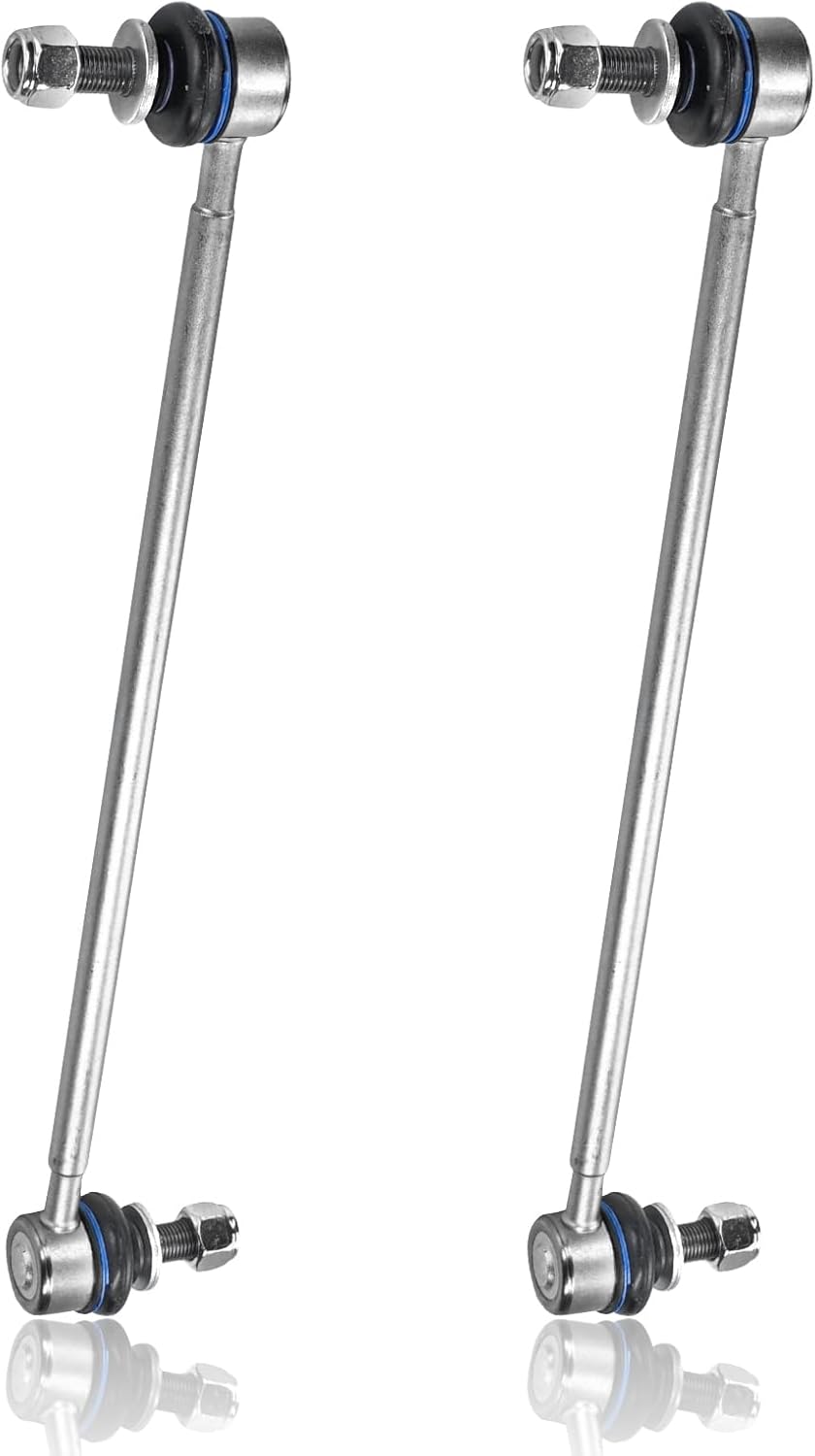
These front stabilizer sway bar end links are designed to restore smooth, stable handling and reduce noise and vibration during turns and over bumps. Compatible with select Toyota, Prius, and Scion models, they offer a reliable replacement built to meet manufacturing standards with corrosion-resistant coating and a strong, durable body.
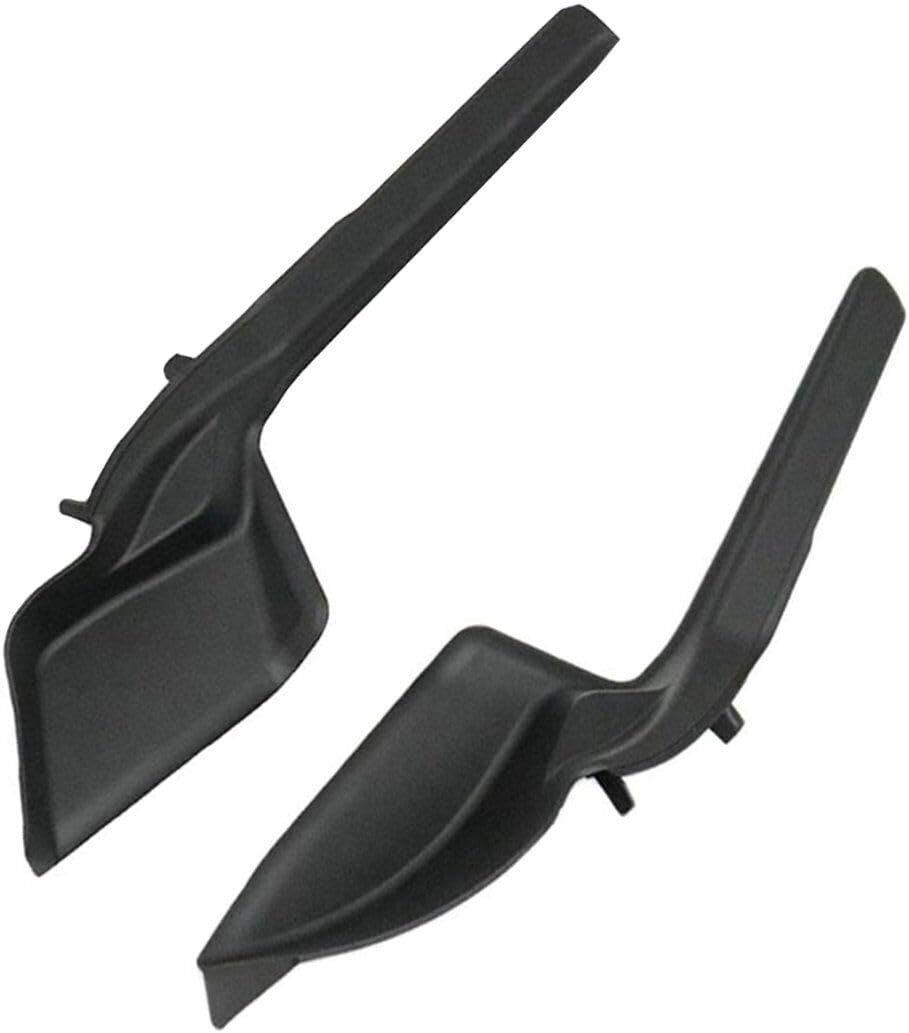
Upgrade the front-end look of your vehicle with this windshield wiper side cowl extension cover trim designed for select RAV4 models. It helps protect the wiper area from weather exposure while delivering a cleaner, more polished appearance. With a straightforward installation process and vehicle-specific fitment, it is a simple way to enhance both style and function.
Which RAV4 Years and Trims Turn Tightest?

Among the configurations verified in this guide, the 2017 RAV4 with 17-inch wheels turns in the smallest published circle at 34.8 feet. The same model-year brochure lists 36.7 feet for the 18-inch-wheel configurations.
Compared with the displayed 2026 configuration at 36.9 feet, the 2017 17-inch setup uses 2.1 feet less diameter. That equals a 1.05-foot reduction from the center of the circle to the outer tire path. Compared with the displayed 2019 19-inch configuration at 37.4 feet, the difference is 2.6 feet across the full circle.
For the fifth generation, the displayed 2025 LE configuration at 36.1 feet is tighter on paper than the displayed 2019 19-inch configuration at 37.4 feet. The difference is 1.3 feet of diameter, or 0.65 foot of radius.
Do not assume every RAV4 fitted with the same nominal wheel diameter matches these checkpoints. Verify the actual model year, trim, tire size, and specification source before buying on this factor alone.
See the Toyota RAV4 generations guide for the broader differences between the fourth-, fifth-, and sixth-generation models.
[Products Worth Considering]

This front left door lock actuator assembly is a direct replacement for select Toyota and Lexus models, helping restore reliable power door locking and latch operation. Built as an OEM-quality aftermarket part, it includes the latch assembly and is factory tested for dependable performance. It is designed for driver-side front door fitment across a wide range of compatible vehicles and comes with replacement support for added peace of mind.

This driver side sun visor is a direct replacement for compatible Toyota RAV4 models from 2006 to 2013, helping restore shade and visibility control on the front left side. It includes a vanity light and extension for added convenience, along with an easy no-screw installation designed to match the original fit and function. Built for dependable daily use, it offers a practical solution for replacing a worn or damaged visor.

This left driver side sun visor is designed for Toyota RAV4 models from 2006 through 2013 and provides a direct replacement fit for the original part. It includes wiring for vehicles equipped with a lamp and is intended to restore sun protection and interior functionality with a gray finish that matches the vehicle interior.
How Wheelbase, Steering, and Tires Affect Turning Radius
A vehicle’s turning circle is determined by the combined geometry of its wheelbase, maximum front-wheel steering angle, track width, steering stops, suspension layout, tire dimensions, wheel offset, and available clearance. Wheel size is only one visible part of that system.
The archived 2017 Toyota brochure lists a 104.7-inch wheelbase and electric power-assisted rack-and-pinion steering. Toyota’s displayed 2019 and 2026 configurations use a 105.9-inch wheelbase. A longer wheelbase can contribute to a wider path, but it does not predict the final turning circle without knowing the available steering angle and the rest of the geometry.
A larger wheel package may be accompanied by wider tires, a different offset, trim-specific suspension components, or steering stops that protect the tire and body liner at full lock. That is why the 2017 brochure can list different circles for its 17- and 18-inch configurations without proving that wheel diameter alone caused the entire difference.
Do not remove steering stops or choose an aggressive offset to chase a smaller number. Tire-to-liner contact, reduced component clearance, altered scrub radius, damaged suspension parts, and poor steering return are more important safety concerns than gaining a few inches in a parking maneuver.
[Products Worth Considering]
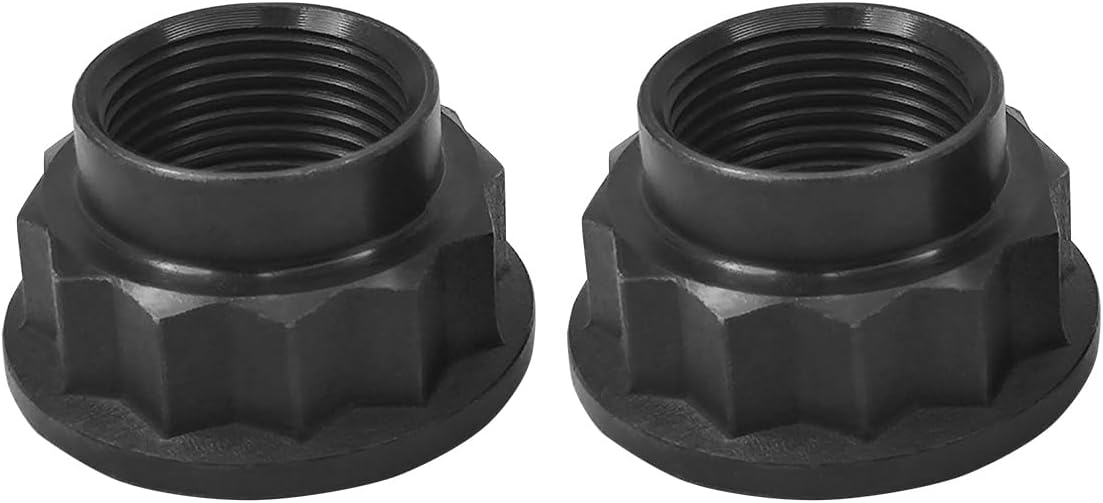
This pair of front axle shaft nuts is designed to secure CV joints and wheel bearings on compatible Toyota and Lexus front drive axles. Built from heat-treated carbon steel for durability and corrosion resistance, it helps maintain proper torque and reliable power transfer. It is a direct replacement for several factory part numbers and is recommended for paired replacement.

This center console armrest cover is designed to fit the 2026 Toyota RAV4 for added comfort and a cleaner interior look. Made with breathable vegan leather and a thick cushioned feel, it helps reduce arm fatigue on long drives while protecting the console from pet paws, dirt, and sticky fingerprints. The band-secured design installs easily with no tools required and blends with the OEM-style interior.

This wheel alignment tool makes it easy to check and adjust toe-in and toe-out at home for better handling, stability, and more even tire wear. Designed for one-person use, it includes tape-measure slots for simple setup and accurate measurements without extra help. Its stainless steel construction and broad vehicle compatibility make it a practical addition to any DIY garage.
How Turning Radius Affects Parking, U-Turns, and Off-Road Maneuvering
A smaller curb-to-curb circle reduces the theoretical width needed by the outer front tire, but it does not equal the minimum safe road width. Body overhang, curb height, the starting position, lane markings, parked vehicles, and the rear-wheel path all require additional clearance.
For a RAV4 listed at 36.9 feet curb-to-curb, the tire-path radius is approximately 18.45 feet. Allow additional space for the body, nearby obstacles, and steering error.
- Parking lots: A smaller tire path can reduce the amount of repositioning, but camera coverage and front-corner visibility may matter more when the difference is only a few inches.
- U-turns: Compare the full turning diameter with the usable paved width, then leave extra clearance for the body and curb.
- Driveways: Gateposts, walls, drainage edges, and parked vehicles make the wall-to-wall path more relevant than the curb-to-curb tire measurement.
- Off-road trails: A smaller circle can help with switchbacks, while ground clearance, breakover angle, traction, and trail width remain separate limits.
For related clearance information, see the Toyota RAV4 ground-clearance guide.
What Can and Cannot Change the RAV4’s Turning Circle?

Maintenance can restore normal steering behavior when a RAV4 feels unusually heavy, rubs at full lock, or turns differently from one side to the other. It does not normally shrink the factory-designed steering geometry below its intended specification.
| Can Restore Normal Feel or Travel | Does Not Safely Guarantee a Smaller Factory Circle |
|---|---|
| Correcting tire pressure to the door-jamb placard | Overinflating tires |
| Using four matching, correctly sized tires | Installing undersized tires solely to chase a smaller number |
| Correcting an out-of-spec alignment | Using extreme wheel offset or unverified spacers |
| Repairing bent, worn, or damaged steering parts | Removing or grinding steering stops |
| Correcting tire or liner contact caused by improper fitment | Forcing the steering beyond its designed full-lock position |
Pro tip: Check the placard pressure before comparing two measurements. An under-inflated tire can increase steering effort and distort a chalk- or water-mark test even though it has not changed the vehicle’s designed steering stops.
Use the RAV4 tire-pressure and TPMS guide if the warning light is on. If the vehicle pulls, has an off-center steering wheel, shows irregular tire wear, or turns noticeably differently left versus right, review the RAV4 alignment symptoms guide.
Driver technique can reduce corrections without changing the specification. Begin from a suitable position, scan the exit before committing, use a slow steady speed, and track both the front corner and inside rear wheel. Practice in an empty lot rather than discovering the vehicle’s path beside a curb or post.
How to Measure Your RAV4’s Turning Radius and Test It Yourself
A driveway or parking-lot test can give you an approximate turning-circle measurement for your exact tires and current steering condition. It is not a certified substitute for Toyota’s specification process, and small differences between repeated tests are normal.
Measure the full outside tire-path diameter first. Divide that result by two only when you need the approximate radius.
- Use a flat, dry, traffic-free paved area with enough clearance around the complete circle.
- Set all four tires to the door-jamb placard pressure and record the tire size, wheel size, load, and surface condition.
- Mark the outside edge of the outer front tire’s path with washable chalk, water, or a helper placing removable markers.
- Turn the steering smoothly to full lock and drive one slow continuous circle without forcing the steering wheel against the stop.
- Measure across the widest outside edges of the marked tire path.
- Repeat the test in the opposite direction and perform at least two runs each way.
A small difference between runs can come from marking or steering variation. A large, repeatable left-right difference can justify checking tire fitment, liner contact, alignment, or steering components. Do not diagnose a failed component from the turning-circle test alone.
Frequently Asked Questions
What Is the Turning Radius of a Toyota RAV4?
The answer depends on the exact year and configuration. Verified curb-to-curb circles in this guide range from 34.8 feet for 2017 configurations with 17-inch wheels to 37.4 feet for a displayed 2019 configuration with 19-inch wheels. Those figures equal approximate radii of 17.4 and 18.7 feet.
What Is the 2026 Toyota RAV4 Turning Circle?
Toyota’s current comparison page lists a 36.9-foot turning circle for the displayed 2026 RAV4 configuration with 17-inch wheels. That equals an approximate turning radius of 18.45 feet. Confirm another 2026 trim against its exact specification because wheel and tire packages vary.
Which RAV4 Has the Smallest Verified Turning Circle?
Among the configurations verified here, the 2017 RAV4 with 17-inch wheels has the smallest published curb-to-curb circle at 34.8 feet. The archived 2017 brochure lists 36.7 feet for its 18-inch-wheel configurations.
Is Turning Radius the Same as Turning Circle?
No. Turning circle or turning diameter is the full width of the circular path. Turning radius is half that number. A 36.9-foot turning circle equals an approximate 18.45-foot radius.
Does Wheel Size Change the RAV4 Turning Circle?
Different wheel packages can correspond with different published turning-circle figures, as the 2017 brochure demonstrates. Wheel diameter alone is not necessarily the cause. Tire width, overall diameter, offset, steering stops, suspension clearance, and trim-specific hardware can also influence the available steering angle.
Does Turning Radius Affect Fuel Efficiency in the RAV4?
Turning circle is not a meaningful fuel-economy specification. Speed, acceleration, temperature, traffic, tire pressure, vehicle load, drivetrain, and maintenance have much larger effects on fuel consumption.
Can Electronic Steering Assist Alter the RAV4’s Turning Radius?
Electronic power steering changes steering assistance and feel. It does not normally change the mechanical steering stops or suspension geometry that set the maximum wheel angle. A fault may reduce available steering travel, but normal assist operation does not switch the vehicle between different factory turning circles.
Do Aftermarket Wheels or Tires Void Warranty Related to Steering Components?
Aftermarket wheels or tires do not automatically void the entire vehicle warranty. In the U.S., coverage may be denied for damage the manufacturer or dealer can show was caused by the aftermarket part or its installation. Use an appropriate size, offset, load rating, and installation method, and retain fitment and alignment records.
How Does AWD Influence Turning Radius Versus FWD RAV4 Models?
AWD does not automatically make a RAV4’s turning circle larger or smaller. Compare the exact year and trim because the wheel package, tires, steering hardware, and suspension specification may differ. See the Toyota RAV4 AWD system guide for drivetrain details.
Do Parking Sensors or Cameras Change the Turning Circle?
No. Parking sensors and cameras help the driver judge clearance, but they do not alter the steering geometry. A wheel, tire, suspension, bumper, or camera change may require inspection or calibration under the applicable Toyota repair procedure, depending on the model year and equipment.
Conclusion
The Toyota RAV4 does not have one turning-radius figure that applies to every year and trim. Verified curb-to-curb checkpoints include 34.8 feet for 2017 17-inch configurations, 36.7 feet for 2017 18-inch configurations, 37.4 feet for a displayed 2019 19-inch configuration, 36.1 feet for selected 2022 configurations and the displayed 2025 LE, and 36.9 feet for Toyota’s displayed 2026 configuration.
Use the full turning-circle number when estimating road or parking-lot width. Divide it by two only when you specifically need the radius. Before buying or changing wheels, confirm the exact vehicle configuration and test its low-speed maneuverability in a safe area.
References
- 2017 Toyota RAV4 eBrochure, archived copy — turning-circle, steering, and wheelbase specifications.
- 2019 Toyota RAV4 Comparison Specifications — displayed 19-inch configuration and 37.4-foot turning circle.
- 2022 Toyota RAV4 Comparison Specifications — selected configurations listed at 36.1 feet.
- 2025 Toyota RAV4 Comparison Specifications — displayed LE configuration, wheels, tires, and 36.1-foot turning circle.
- 2026 Toyota RAV4 Comparison Specifications — displayed configuration, wheels, tires, wheelbase, and 36.9-foot turning circle.
- Toyota Debuts the All-New 2026 RAV4 — sixth-generation and electrified-lineup context.
- 2026 Toyota RAV4 vs. Honda CR-V Comparison Test — configuration-specific rival turning-circle comparison.
- Auto Warranties and Auto Service Contracts — U.S. Federal Trade Commission guidance on aftermarket parts and warranty coverage.

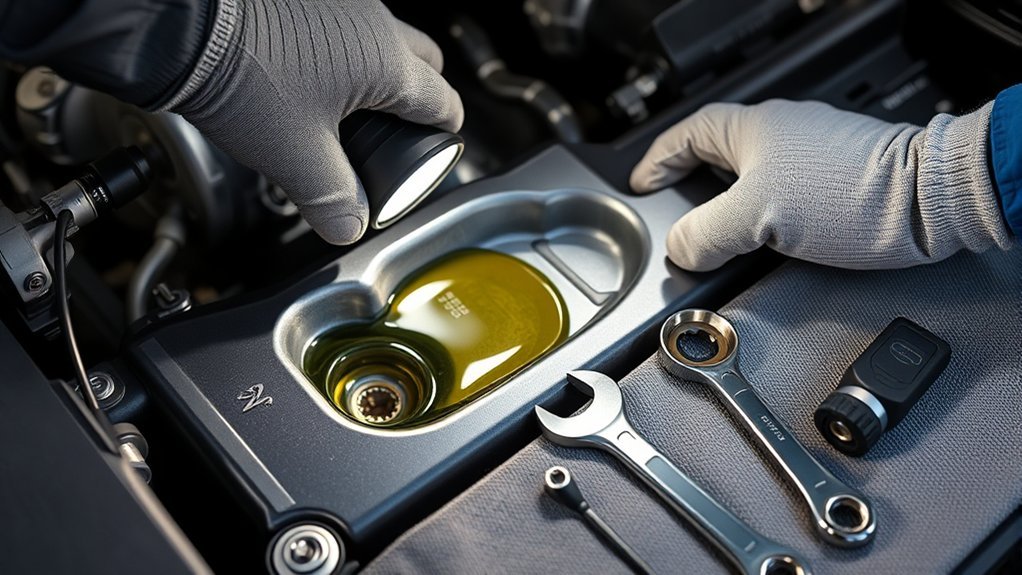
[…] dog crate can fit a 2019 Toyota RAV4, but a few inches can decide whether the hatch closes. The rear seat angle, wheel wells, crate […]