

Brake fluid is easy to forget because it sits in a closed reservoir, but it does not stay “new” forever. In a Toyota RAV4, old or moisture-contaminated brake fluid can make the pedal feel soft, reduce high-heat braking performance, and speed up corrosion inside brake lines, calipers, the master cylinder, and ABS components.
Quick Answer
Your RAV4 needs brake fluid that matches Toyota’s approved specification for your model year, usually DOT 3 or DOT 4 as listed in the owner’s manual. Flush it when the fluid is dark, moisture tests high, the pedal feels spongy, or your maintenance schedule calls for replacement.
Key Takeaways
- Brake fluid transfers pedal force through the hydraulic brake system, so clean fluid is a safety item, not just a maintenance detail.
- DOT 3 and DOT 4 brake fluids absorb moisture over time, which can lower boiling performance and increase corrosion risk.
- Dark fluid, a soft pedal, warning lights, low fluid, or a high moisture reading are reasons to inspect the system and consider a flush.
- Use only the brake fluid type approved in your RAV4 owner’s manual, and never use silicone DOT 5 unless Toyota specifically approves it for your vehicle.
What Is Brake Fluid and Why Is It Important?
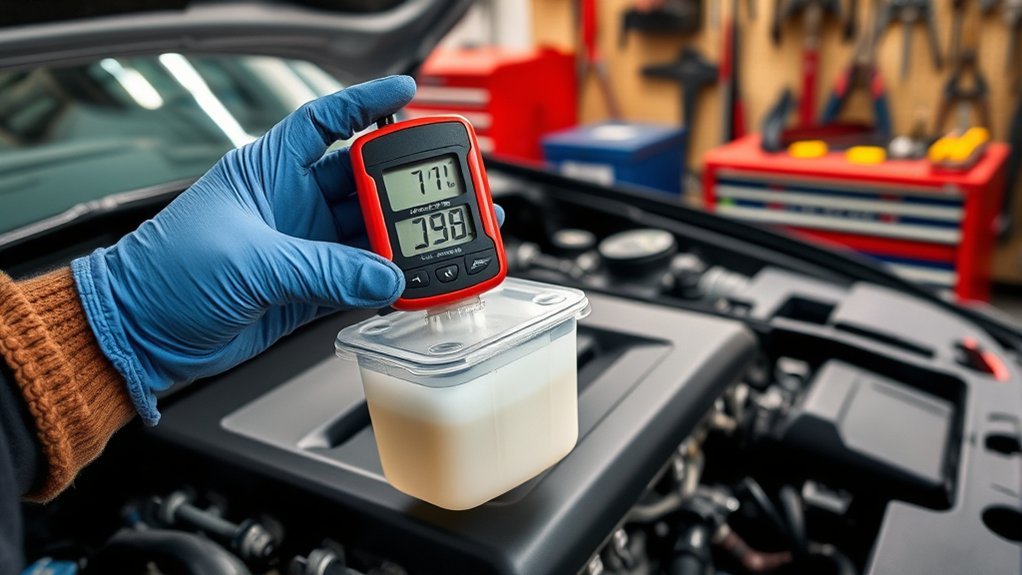
Brake fluid is the hydraulic fluid that helps move force from the brake pedal to the brake calipers or wheel cylinders. When you press the pedal, the fluid carries pressure through the brake lines so the pads can clamp the rotors and slow the vehicle.
That is why fluid condition matters. If the fluid is contaminated with water, dirt, or petroleum-based products, braking performance can suffer and repairs can become expensive. The National Highway Traffic Safety Administration warns that brake fluid should be kept clean and dry because contamination may result in brake failure or costly repairs.
Most RAV4 models use glycol-based DOT brake fluid, commonly DOT 3 or DOT 4 depending on model year and market. Always confirm the exact specification in your owner’s manual or with a Toyota service source before topping off or flushing the system.
Warning: Brake fluid can damage paint. If you spill it on painted surfaces, rinse it off immediately with plenty of water and avoid wiping it across the finish.
Why Moisture Harms Your Brake Fluid Performance
Brake fluid in normal passenger vehicles is designed to handle heat, pressure, and rubber brake-system parts. The problem is that common glycol-based fluids are hygroscopic, meaning they can absorb moisture over time. Moisture enters slowly through venting, seals, service openings, old hoses, and humid air exposure.
Moisture Lowers Boiling Performance
Under hard braking, the brake system gets hot. Fresh DOT fluid has a much higher boiling point than water-contaminated fluid. Under FMVSS No. 116, DOT 3 brake fluid must meet a minimum dry boiling point of 401°F and DOT 4 must meet 446°F. Their required wet boiling points are lower: 284°F for DOT 3 and 311°F for DOT 4.
Moisture does not just “dirty” brake fluid. It lowers boiling resistance, which can allow vapor bubbles to form during heavy braking and make the pedal feel soft or ineffective.
Moisture Can Increase Corrosion
Water in the brake fluid can promote corrosion inside steel lines, calipers, the ABS hydraulic unit, and the master cylinder. That corrosion may create debris, damage seals, and reduce the life of expensive brake parts.
Moisture Can Affect Pedal Feel
When contaminated fluid overheats, vapor can form in the hydraulic system. Vapor compresses more than liquid, so the brake pedal may feel spongy, travel farther than usual, or require more effort to stop the RAV4.
Signs Your RAV4 Needs a Brake Fluid Flush
A brake fluid flush is not only about mileage. Your RAV4 may need service sooner if the fluid condition or pedal feel changes. Watch for these signs:
- Spongy or soft brake pedal: A pedal that feels softer than normal can point to air, moisture, or another hydraulic issue.
- Dark, cloudy, or dirty fluid: Healthy DOT 3 and DOT 4 fluid is usually clear to amber. Very dark fluid suggests age or contamination.
- Brake warning light: A warning light may indicate low fluid, hydraulic issues, or another brake-system fault.
- Longer stopping distance: If the RAV4 takes more room to stop, inspect the entire braking system immediately.
- High moisture test reading: If a brake fluid tester or strip shows excessive moisture, a complete fluid exchange is usually the next step.
- Recent brake hydraulic repair: Replacing calipers, hoses, a master cylinder, or ABS components often requires proper bleeding and fresh fluid.
Note: A low brake fluid level can also mean the brake pads are worn or there is a leak. Do not simply top off the reservoir without checking why the level dropped.
When to Change Brake Fluid in Your RAV4
The safest rule is to follow the maintenance schedule for your exact RAV4 model year, engine, trim, and market. Toyota’s own brake fluid product guidance says replacement should follow the applicable vehicle manual, and fresh fluid supports consistent brake response and planned brake-system maintenance.
As a practical maintenance check, inspect the reservoir level and fluid appearance during regular service. Many repair shops also test brake fluid moisture during brake inspections, especially on vehicles driven in humid climates, mountain areas, heavy traffic, towing conditions, or frequent short trips.
Flush or exchange the fluid when any of the following apply:
- Your maintenance schedule calls for it. Use the owner’s manual as the final authority.
- The fluid tests high for moisture. Moisture lowers boiling performance and raises corrosion risk.
- The fluid is dark or contaminated. Color is not a perfect test, but very dark fluid is a warning sign.
- You have brake pedal symptoms. A soft pedal, excess travel, or reduced braking response needs immediate diagnosis.
- The system was opened for repair. Hydraulic work requires proper bleeding and may justify fresh fluid.
How to Flush Your Brake Fluid: A Step-by-Step Guide

Flushing brake fluid is a moderate DIY job. If you are not comfortable lifting the vehicle, opening bleeder screws, or bleeding an ABS-equipped system, have a qualified technician do it. A mistake can introduce air into the brake system and reduce braking power.
At a Glance
| Time Required | 60–120 minutes for an experienced DIYer |
| Difficulty | Moderate; safety-critical work |
| Tools Needed | Correct DOT brake fluid, jack stands, wheel chocks, line wrench, clear hose, catch bottle, gloves, eye protection, turkey baster or fluid extractor |
| Cost | Usually the cost of fluid and tools for DIY; shop pricing varies by area and service method |
[Products Worth Considering]
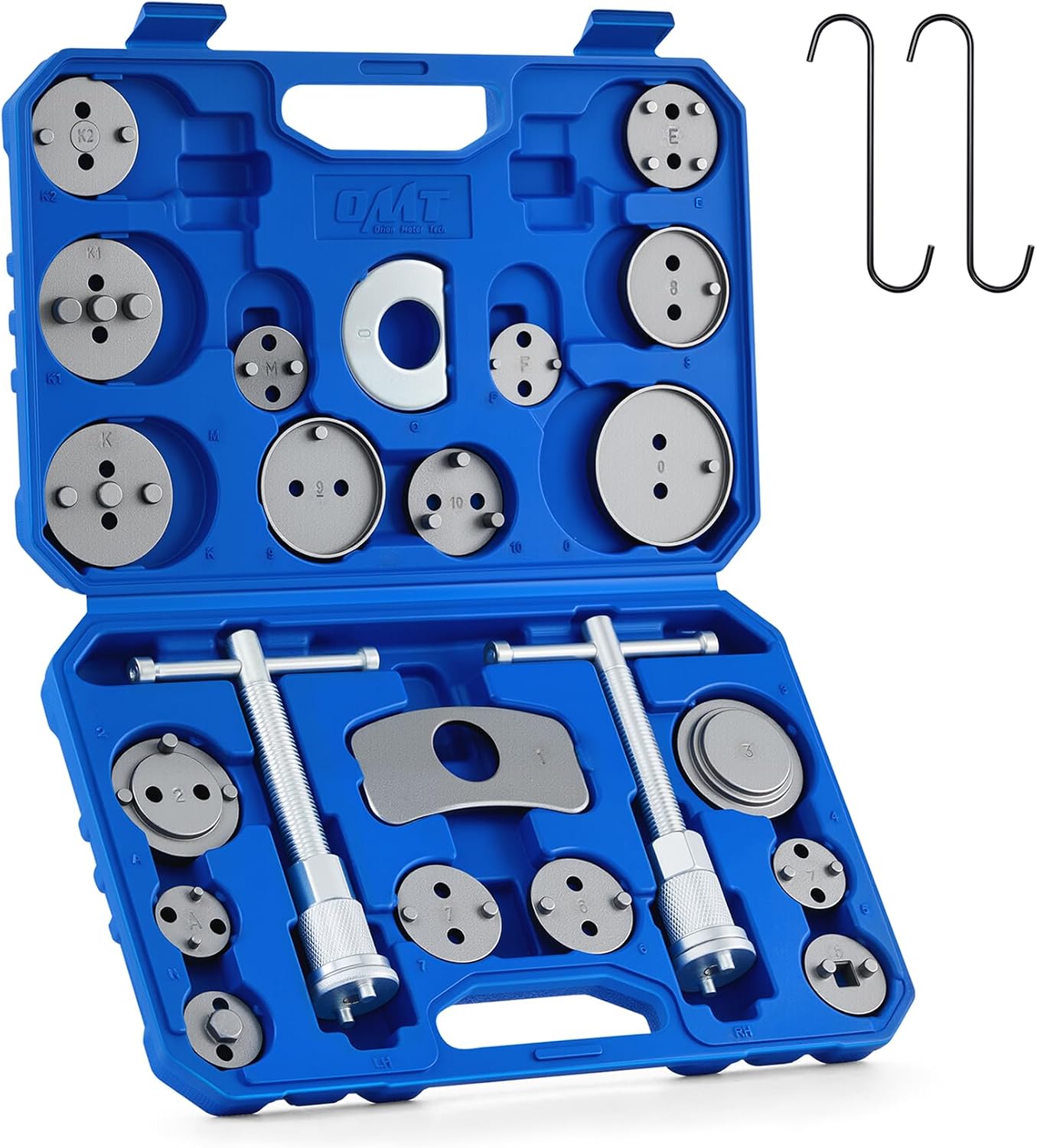
This 24-piece brake caliper compression tool set helps you quickly and safely rotate pistons back into the caliper during brake pad service. It includes multiple adapters, retaining plates, thrust bolt assemblies, and hangers for broad vehicle compatibility, while the heavy-duty steel construction and organized storage case make it ideal for reliable shop or home repairs.
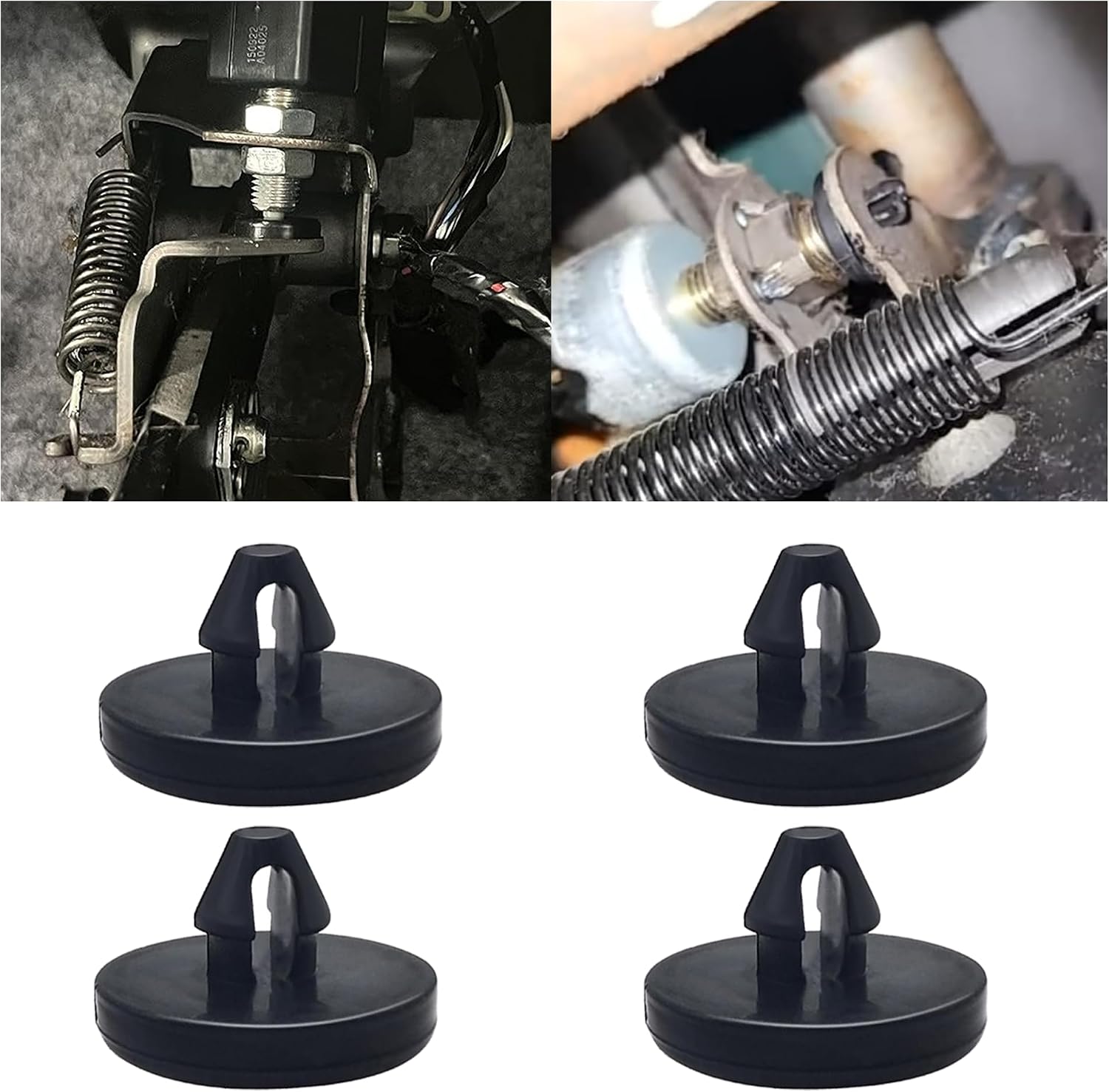
This brake pedal stop pad set is designed as an OEM replacement for compatible Toyota, Lexus, and Scion models, helping restore proper brake light switch function when the brake light stays on. Made from durable nylon, these compact stoppers are built for reliable long-term use and quick, tool-free installation. The set includes multiple pieces for convenient replacement and sharing.

Bosch QuietCast premium ceramic rear brake pads are engineered for quiet, reliable stopping power with low dust performance. Featuring pre-attached multilayer shims, corrosion-resistant backing plates, and OE-style slots and chamfers, this set is designed for smooth fitment and long-lasting durability. It includes pads for one axle, plus hardware and lubricant where available, making installation easier for compatible Lexus, Pontiac, and Toyota vehicles.
Before You Start
- Park on a flat surface and chock the wheels.
- Use only new brake fluid from a sealed container.
- Confirm whether your RAV4 calls for DOT 3, DOT 4, or another approved specification.
- Do not let the brake fluid reservoir run dry during bleeding.
- Use jack stands if lifting the vehicle; never rely on a jack alone.
Basic Flush Process
- Open the reservoir. Clean around the cap first so dirt does not fall into the system.
- Remove old reservoir fluid. Use a clean fluid extractor or turkey baster, but do not expose the ports at the bottom of the reservoir.
- Refill with fresh fluid. Fill to the MAX line with the approved brake fluid.
- Attach a bleeder hose. Put a clear hose on the bleeder screw and route it into a catch bottle.
- Bleed one wheel at a time. Open the bleeder, press the pedal slowly, close the bleeder, then release the pedal. Repeat until clean fluid appears and no bubbles are seen.
- Keep the reservoir full. Check it often. Running it dry can pull air into the master cylinder and ABS hydraulic unit.
- Repeat at each wheel. Follow the bleeding order recommended for your RAV4 service information.
- Check pedal feel. The pedal should feel firm before driving.
- Inspect for leaks. Look at each bleeder screw, hose, caliper, and the master cylinder area.
- Test carefully. Start with a slow test in a safe area before returning to normal traffic.
Pro Tip: Use a line wrench on bleeder screws when possible. Open-end wrenches can round off stuck bleeders, turning a simple fluid service into a caliper repair.
Busting Myths About Brake Fluid Maintenance
Myth: Clear Fluid Is Always Good
Clear fluid can still contain moisture. Color is useful for a quick look, but moisture testing gives better information about the fluid’s condition.
Myth: The Brake System Is Perfectly Sealed
The brake hydraulic system is protected, but it is not immune to moisture over years of service. Reservoir venting, rubber components, service openings, and temperature changes can all contribute to moisture exposure.
Myth: Topping Off Is the Same as a Flush
Topping off only adds fluid to the reservoir. It does not remove old fluid trapped in the lines, calipers, or ABS hydraulic unit.
Myth: DOT 5 Is an Upgrade for Every Vehicle
DOT 5 silicone brake fluid is not the same as DOT 5.1. Unless Toyota specifically approves DOT 5 for your vehicle, do not use it in a RAV4 braking system designed for DOT 3 or DOT 4 glycol-based fluid.
How ABS Affects Brake Fluid Management
Your RAV4’s Anti-lock Braking System depends on clean hydraulic fluid, valves, sensors, and an ABS actuator. If fluid becomes dirty or moisture-heavy, corrosion and debris can affect delicate hydraulic passages.
Some ABS systems require a scan tool or special procedure to cycle the ABS pump and valves during a full fluid exchange. That does not mean every simple bleed requires dealer-only equipment, but it does mean you should follow the correct service procedure for your exact RAV4.
Warning: If the brake pedal goes to the floor, the ABS light stays on, or the brake warning light appears after fluid service, do not keep driving. Recheck the system or have the RAV4 towed to a qualified repair shop.
Comparing Brake Flush Costs: Dealer vs. Independent Shops
Brake fluid flush pricing depends on your location, labor rate, fluid type, whether ABS scan-tool activation is needed, and whether the shop performs a simple bleed or a complete fluid exchange.
| Option | Pros | Watch Outs |
|---|---|---|
| Toyota dealer | Factory information, Toyota fluid options, warranty-friendly documentation | Often higher labor rate |
| Independent repair shop | Often lower cost, convenient scheduling, experienced brake technicians | Confirm they use the correct fluid and bleeding procedure |
| DIY | Lowest parts cost if you already have tools | Safety-critical; mistakes can leave air in the brake system |
Do not choose a shop based only on price. Ask what fluid they use, whether they exchange fluid at all four wheels, and whether they follow the correct ABS procedure when needed.
[Products Worth Considering]

This flexible oil funnel is designed to make fluid changes cleaner and easier by guiding oil around obstacles like skid plates and crossmembers. Its shape-retaining core and silicone body can be molded for custom positioning, while the heat-resistant, leak-proof design helps prevent spills during draining and filter removal. Reusable and easy to clean, it works well for cars, trucks, motorcycles, and other hard-to-reach fluid fill or drain applications.

These Amazon Basics steel jack auto stands provide dependable support for vehicle maintenance with a self-locking ratchet design for easy height adjustment. Built from durable steel with a rustproof coating, they meet recognized safety standards and are designed for sedans and urban SUVs. The pair offers a stable, easy-to-read solution for routine garage work and comes backed by a limited warranty.
This genuine Toyota fuel tank cap assembly is designed for vehicle-specific fitment and reliable performance. As an OEM part, it delivers Toyota quality assurance and backed manufacturer warranty support, making it a dependable replacement choice for maintaining proper fuel system sealing and function.
How to Test Your Brake Fluid Moisture at Home
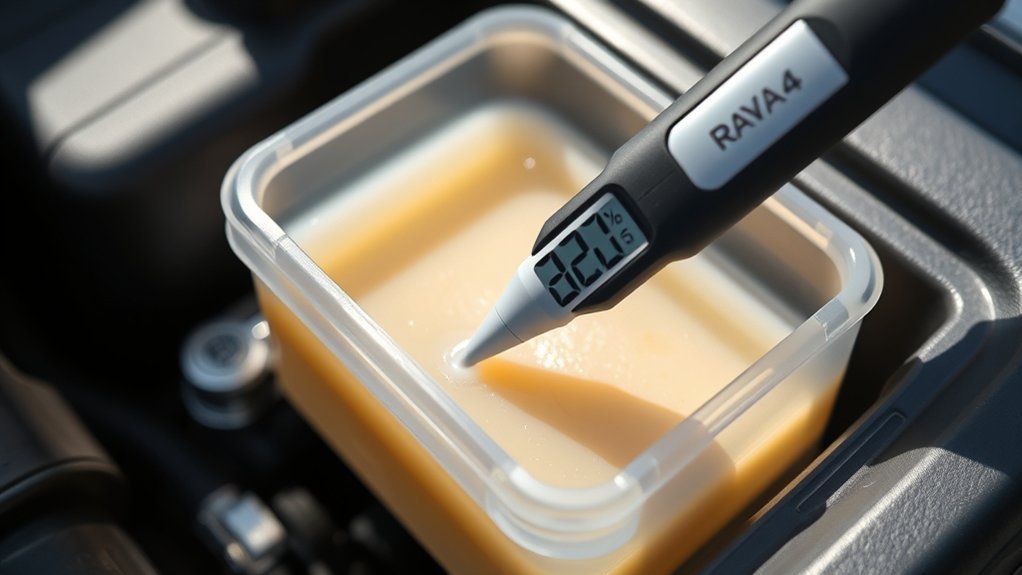
You can do a basic brake fluid check at home, but treat it as screening, not a full brake diagnosis. If the pedal feels abnormal, the fluid level is dropping, or warning lights appear, have the system inspected.
1. Visual Check
Look at the reservoir level and color. Fluid should be between the MIN and MAX lines. DOT 3 and DOT 4 fluid is usually clear to amber when fresh. Very dark, cloudy, or dirty fluid should be investigated.
2. Moisture Test Strips
Brake fluid test strips are dipped into a small sample of fluid and read by color change. Follow the strip manufacturer’s instructions carefully because reading time matters.
3. Electronic Brake Fluid Tester
Electronic testers estimate moisture content by measuring electrical conductivity. They are convenient, but cheap testers can vary in accuracy. Use the result as a guide and compare it with symptoms, age, and service history.
4. Boiling-Point Test
Some professional tools test boiling point directly. This is often more useful for diagnosing heat-related brake fade, but it is usually done in a repair shop rather than at home.
How to Choose the Right Brake Fluid for Your RAV4
Start with the owner’s manual, reservoir cap, or Toyota service information for your exact RAV4. Toyota’s genuine Brake Fluid #00475-1BF03 is listed as an OEM-specification Toyota brake fluid, but you should still confirm fitment and specification for your vehicle.
Use these rules when buying brake fluid:
- Match the specification. Use DOT 3 or DOT 4 only if your RAV4 calls for it.
- Use a sealed bottle. Once opened, brake fluid begins absorbing moisture from air.
- Avoid old opened containers. Do not use a half-empty bottle that has been sitting on a shelf for months.
- Do not mix unknown fluids. If you do not know what is in the system, a complete exchange is safer than guessing.
- Do not use petroleum products. Oil, power steering fluid, or other fluids can damage brake rubber parts.
[Products Worth Considering]

This genuine Toyota fuel tank cap assembly is designed for a direct fit and dependable replacement on compatible vehicles. As an OEM factory original part, it helps maintain proper fuel system sealing and supports reliable everyday driving. Built to Toyota quality standards, it offers trusted fitment and long-lasting performance.
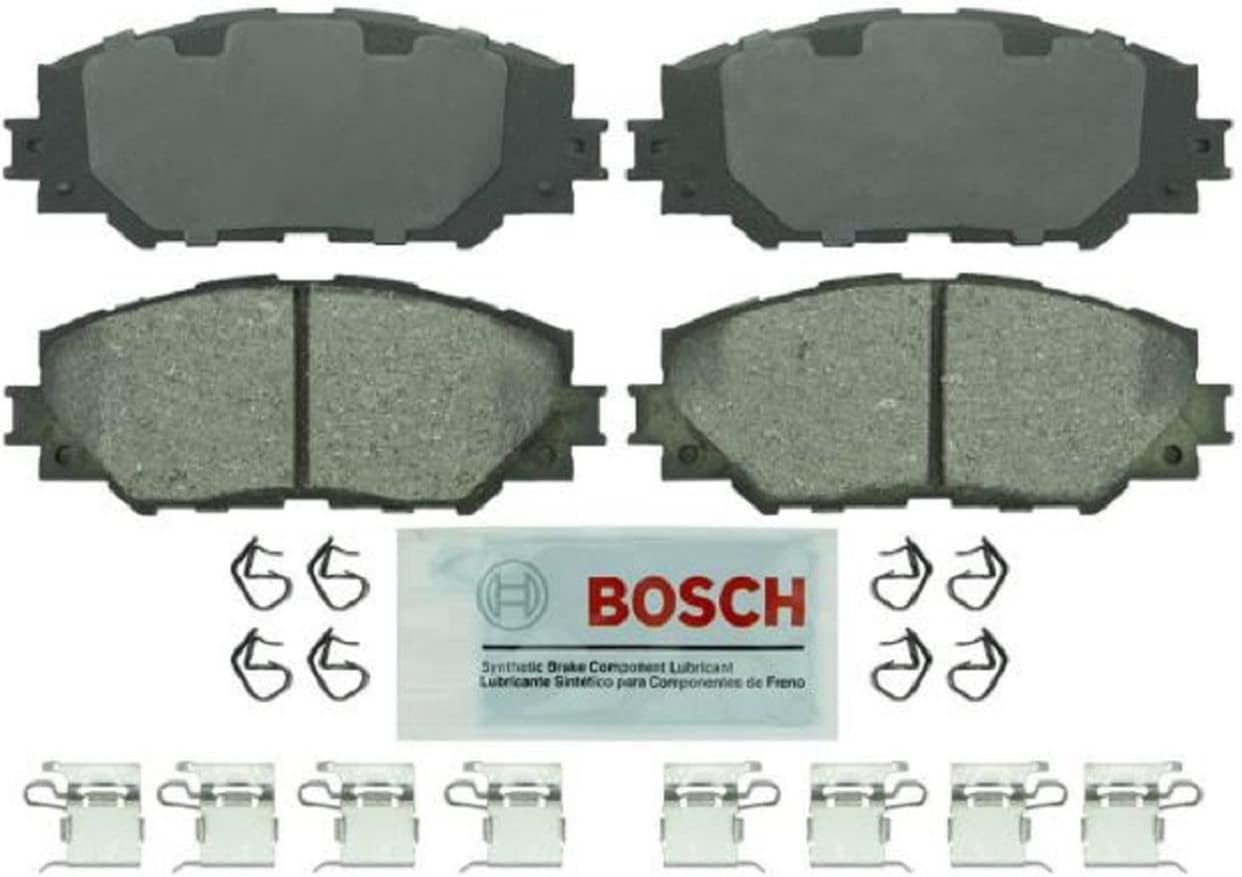
Bosch Blue ceramic front brake pads deliver dependable stopping power with platform-specific friction material designed for select Lexus, Pontiac, Scion, and Toyota vehicles. OE-style shims, slots, and chamfers help promote quiet braking, while the rust-inhibitive coating supports long-lasting performance and cleaner operation. The set includes hardware and synthetic lubricant for easier installation on one axle.

Bendix Premium Ceramic Front Brake Pads are engineered to match original equipment fit, form, and function for a straightforward replacement. Built with durable materials to help resist wear and corrosion, they support consistent braking performance and reduced brake fade for everyday driving. These pads are a dependable choice for compatible Pontiac, Scion, Toyota, and related vehicles.
Common Mistakes to Avoid
- Letting the reservoir run dry: This can pull air into the system and make bleeding harder.
- Using the wrong fluid: Wrong fluid can damage seals or reduce braking performance.
- Ignoring leaks: Brake fluid does not normally disappear quickly. A dropping level needs diagnosis.
- Overtightening bleeder screws: This can damage threads or snap the bleeder.
- Skipping a road test: Always confirm firm pedal feel and normal braking before driving in traffic.
Frequently Asked Questions
How often should brake fluid be changed on a Toyota RAV4?
Follow the maintenance schedule for your exact RAV4. If the schedule is unclear, have the fluid inspected during regular brake service and replace it when it is contaminated, moisture tests high, or brake hydraulic work has been performed.
What does moisture in brake fluid mean?
Moisture means water has been absorbed into the brake fluid. This can lower boiling performance, increase the chance of vapor-related brake fade, and contribute to corrosion inside hydraulic brake parts.
Can I just add brake fluid instead of flushing it?
You can top off low fluid only with the correct specification, but topping off does not remove old fluid or moisture from the lines and calipers. Also, a low level may indicate worn pads or a leak, so inspect the brake system first.
Is dark brake fluid always dangerous?
Dark fluid is a warning sign, but color alone does not prove the exact moisture level. If the fluid is very dark, cloudy, or dirty, test it and consider a flush based on test results, service history, and brake feel.
Can I use DOT 4 instead of DOT 3 in a RAV4?
Use only what Toyota approves for your specific model year. Some Toyota manuals allow DOT 3 and DOT 4, while others may specify one primary standard. When in doubt, check the owner’s manual or ask a Toyota service department.
Conclusion
Maintaining your RAV4’s brake fluid protects both safety and repair costs. Moisture-contaminated fluid can reduce boiling performance, contribute to corrosion, and make the brake pedal feel soft during demanding stops. Check the fluid level and condition regularly, use only the correct DOT fluid, and flush the system when testing, symptoms, or the maintenance schedule say it is time.
Sources
- eCFR: 49 CFR 571.116, Motor Vehicle Brake Fluids — DOT brake fluid boiling point, wet boiling point, color, packaging, and contamination requirements.
- NHTSA FMVSS No. 116 Interpretation — brake fluid cleanliness, dryness, contamination, and storage warnings.
- Toyota Genuine Brake Fluid #00475-1BF03 — Toyota brake fluid product guidance and scheduled service support.
- Toyota Owners Manuals and Warranty Guides — model-specific owner’s manual and maintenance schedule lookup.
- SAE J1703 Motor Vehicle Brake Fluid — SAE brake fluid standard reference.

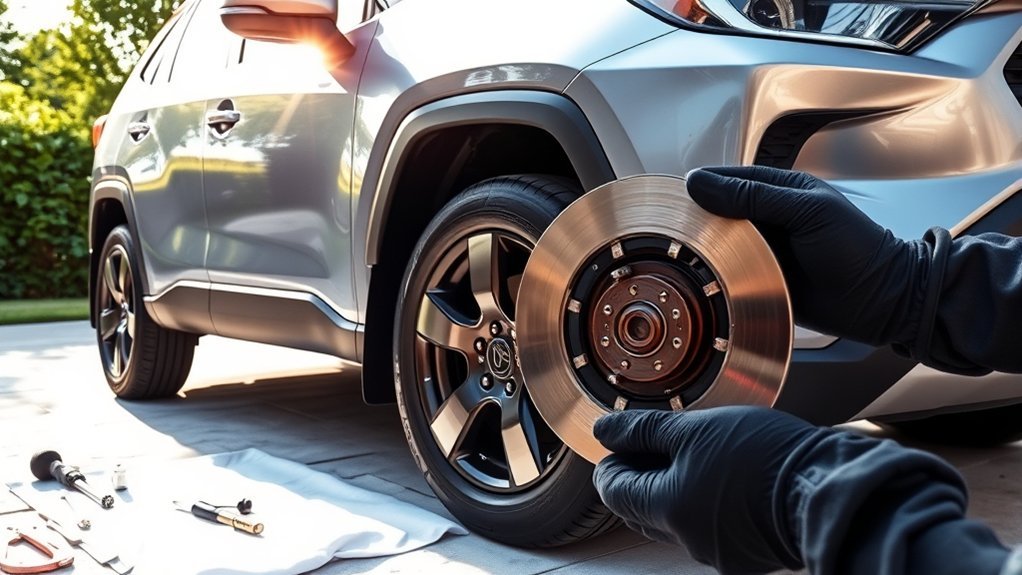
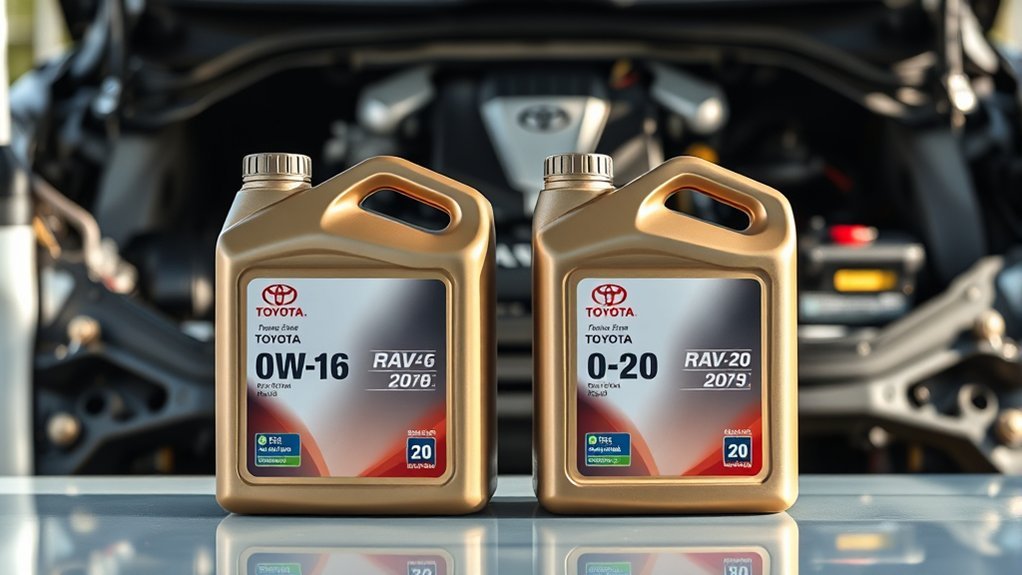
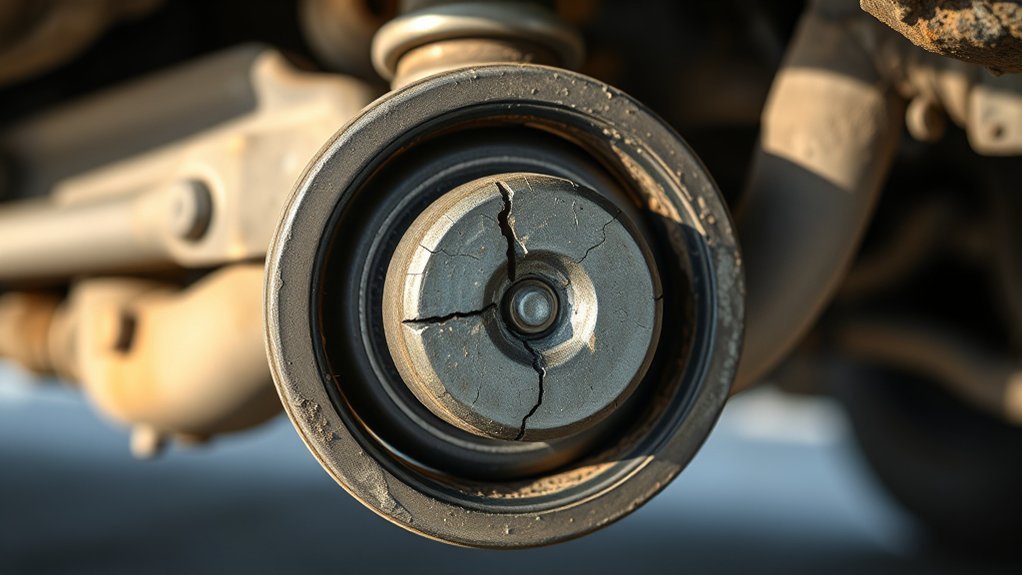

[…] Color alone cannot measure moisture or boiling point. Use it as a reason to inspect the fluid, not as the sole pass/fail test. For more detail, see the dedicated RAV4 brake-fluid moisture and flushing guide. […]