
How to Change Oil on a Toyota RAV4
What’s in This Article
- What Oil and Filter Your RAV4 Needs
- Check Your RAV4 Model Before Buying Oil
- What You’ll Need Before You Start
- Quick 8-Step RAV4 Oil Change Overview
- Drain the Oil and Remove the Old Filter Step by Step
- Install the New Filter, Refill With 0W-16, and Check the Level
- Check for Leaks, Reset Maintenance Light, and Common Fixes
- Dispose of Used Oil and Filter Safely
- Frequently Asked Questions
You can change the oil on many Toyota RAV4 models at home if you use the right oil, the right filter, and safe lifting steps. Most recent U.S. 2.5L gas RAV4 models use 0W-16 full synthetic oil, but you should confirm the exact capacity and filter by owner’s manual or vehicle identification number (VIN). This guide shows you how to drain the oil, replace the filter, refill the engine, check for leaks, reset the reminder, and recycle the used oil safely.
Quick Answer
For many recent U.S. Toyota RAV4 2.5L gas models, you’ll need about 4.8 quarts of 0W-16 full synthetic oil, a VIN-matched Toyota oil filter, a new drain plug washer, basic sockets, ramps or jack stands, and safety gear. Drain the old oil, replace the washer and filter, refill slowly, run the engine, check for leaks, verify the dipstick level, and reset the maintenance reminder.
Key Takeaways
- Confirm your oil capacity and filter by owner’s manual or VIN before you buy parts.
- Use 0W-16 full synthetic oil when your RAV4 manual calls for it.
- Replace the drain plug washer at each oil change to reduce leak risk.
- Start with a slightly lower refill amount, then top off by dipstick reading.
- Recycle used oil and the used filter through an approved local collection point.
What Oil and Filter Your RAV4 Needs
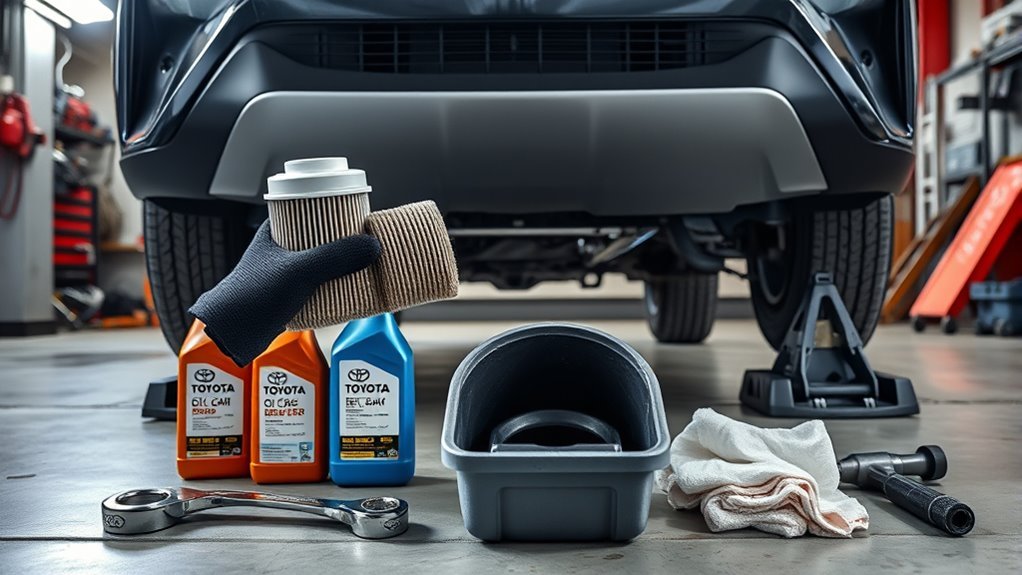
For many recent U.S. Toyota RAV4 2.5L gas models, Toyota owner data lists 0W-16 engine oil and about 4.8 quarts with the oil filter changed. Treat that amount as a refill target, not a blind pour. Add most of the oil first, then use the dipstick to finish the level check.
Use a Toyota oil filter that matches your exact RAV4 by VIN. Common Toyota filter numbers for compatible applications include 90915-YZZN1 or superseded numbers such as 90915-YZZF2, but your engine and market can change the correct part. A VIN-based parts lookup gives you the safest answer.
Replace the drain plug crush washer at each oil change. A fresh washer helps the plug seal cleanly and lowers the chance of a slow drip. A reused washer may still seal, but it raises the risk of leaks after you refill the engine.
Follow your owner’s manual for the service interval. Many modern Toyota synthetic-oil schedules allow oil changes at 10,000 miles or 12 months under normal use, while severe use can require 5,000 miles or 6 months. Severe use can include repeated short trips, heavy idling, dusty roads, towing, or frequent low-speed driving.
Check Your RAV4 Model Before Buying Oil
RAV4 oil needs can change by model year, engine, hybrid system, trim, and country. A U.S. gas RAV4 may not share the same refill amount as a hybrid, plug-in hybrid, or non-U.S. model. Check your owner’s manual before you open the drain plug.
Look for three details before you buy oil and parts:
- The engine oil viscosity, such as 0W-16.
- The refill capacity with filter replacement.
- The exact oil filter and drain plug washer for your VIN.
Note: Buy a 5-quart jug if your manual lists about 4.8 quarts, but do not pour the full jug without checking the dipstick.
What You’ll Need Before You Start
Estimated total time: Plan on 30 to 60 minutes for a careful DIY oil change. Your first attempt may take longer because you’ll spend more time setting up, checking fitment, and cleaning spills.
Gather your tools and supplies before you raise the vehicle. Good setup helps you avoid rushed steps while oil drains.
- 0W-16 full synthetic oil, if your manual calls for it.
- VIN-matched Toyota oil filter or exact equivalent.
- New drain plug crush washer.
- 14mm socket for many RAV4 drain plugs.
- 10mm socket if your underbody panel or skid plate uses 10mm fasteners.
- Correct end-cap or filter wrench for your filter.
- Oil drain pan with enough capacity.
- Oil fill funnel.
- Ramps or jack stands rated for your vehicle.
- Wheel chocks, gloves, eye protection, rags, and absorbent material.
- Sealable container for used oil.
Warning: Never work under a vehicle supported only by a jack, because a jack can lose pressure or shift.
Park your RAV4 on firm, level ground. Set the parking brake and chock the wheels that stay on the ground. Let the engine cool until the oil feels warm, not hot, so it drains well without burning your skin.
Quick 8-Step RAV4 Oil Change Overview
Use this overview before you start, then follow the detailed steps below. Each step protects the engine, prevents leaks, or keeps you safe while you work.
| Step | Action | Purpose |
|---|---|---|
| 1 | Raise vehicle and secure supports | Create safe access |
| 2 | Remove access panel if needed | Reach drain plug and filter |
| 3 | Remove drain plug with 14mm socket | Drain old oil |
| 4 | Replace crush washer | Reduce leak risk |
| 5 | Remove old filter and clean surface | Prepare the seal area |
| 6 | Oil new filter seal and install by hand | Create a clean seal |
| 7 | Refill with oil and check level | Set correct oil level |
| 8 | Run engine, check leaks, and reset light | Confirm safe operation |
- Raise and secure the RAV4. Use ramps or jack stands on firm, level ground, then chock the wheels.
- Remove the access panel. Use the 10mm socket if your RAV4 has a panel blocking the drain plug or filter.
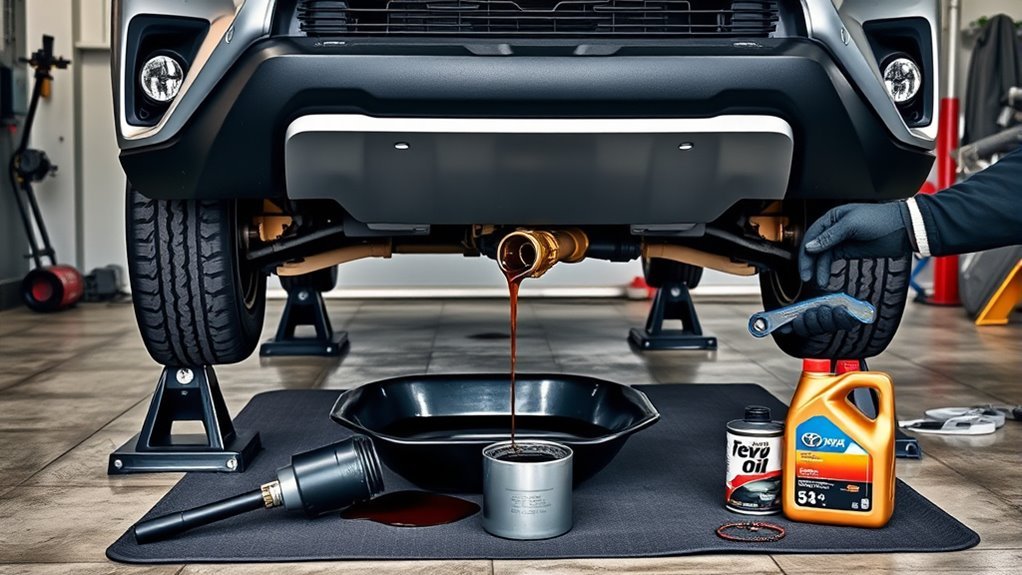
- Drain the old oil. Place the drain pan under the oil pan, loosen the plug, and let the oil flow fully.
- Replace the washer. Remove the old crush washer and install a new one before you reinstall the drain plug.
- Remove the old filter. Keep it upright when possible and catch any oil in the drain pan.
- Install the new filter. Oil the rubber seal, thread it by hand, and tighten it as the filter instructions direct.
- Refill the engine. Add oil slowly, check the dipstick, and top off in small amounts.
- Check your work. Run the engine, inspect for leaks, verify the level again, and reset the maintenance reminder.
[Products Worth Considering]
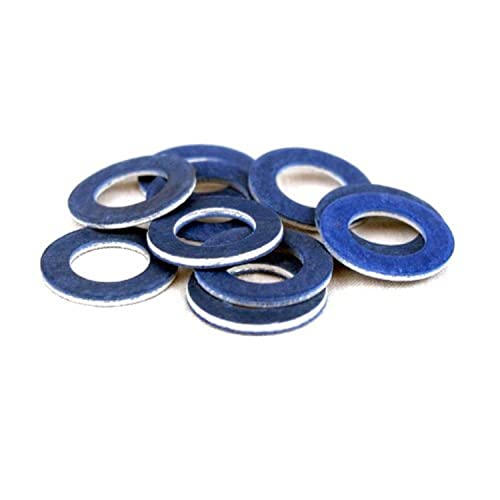
Genuine Toyota - Oil Drain Plug Gaskets (QTY10)

REPLACEMENT-Includes 24 Pcs Aluminum Oil Drain Plug Gaskets,regular replacement of the oil drain plug gasket can better protect your engine

Leak-Proof Oil Seal: Features a Bakelite-Aluminum layer that expands with oil to form a tight, reliable seal; stops oil leaks around the drain plug, protecting the engine from oil loss and potential damage for consistent daily performance
Drain the Oil and Remove the Old Filter Step by Step

Position the drain pan under the oil pan. Loosen the 14mm drain plug slowly, then remove it by hand once the threads feel loose. Keep your hand out of the oil stream because warm oil can move fast at first.
Let the old oil drain until the flow drops to slow drips. Inspect the drain plug threads and remove the old crush washer. Wipe the plug clean, fit the new washer, and keep the plug in a clean place until you reinstall it.
Use the correct filter removal tool to loosen the old filter. Hold the filter upright as you remove it so less oil spills onto the engine or underbody panel. Let the filter drain into the pan.
Inspect the mating surface on the engine. Make sure the old rubber gasket did not stick to the engine. A double gasket can cause a major leak after startup, so clean the surface before you install the new filter.
Install the New Filter, Refill With 0W-16, and Check the Level
Apply a thin bead of fresh 0W-16 oil to the new filter’s rubber seal. Thread the filter onto the mounting boss by hand until the seal touches. Tighten it by hand as the filter instructions direct, and do not crush the seal with a tool.
Reinstall the drain plug with the new washer. Use the torque value from your service data if you have it. If you do not have a torque wrench, tighten the plug firmly without forcing it, because stripped threads can turn a simple oil change into a costly repair.
Place the oil fill funnel in the oil fill port. Pour in less than the full listed capacity first, then pause. For a 4.8-quart target, start around 4.5 quarts, wait a moment, and check the dipstick.
Pro tip: It’s safer to add oil in small amounts than to overfill the engine and drain oil back out.
Replace the oil fill cap securely. Start the engine and let it idle for about one to three minutes while you watch the filter and drain plug areas. Shut the engine off, wait a few minutes, then check the dipstick again.
The oil should sit between the low and full marks. Aim near the full mark without going above it. Add small amounts if the level reads low.
Check for Leaks, Reset Maintenance Light, and Common Fixes
Start the engine and inspect the filter, drain plug, and ground under the vehicle. A dry engine area tells you the seal and plug likely seated well. Any fresh drip means you should shut the engine off and fix the leak before driving.
- Tighten and verify. If you see a slow drip at the drain plug, confirm the washer sits flat and tighten the plug to the correct spec.
- Check for a double gasket. If oil pours from the filter area, remove the filter and check whether the old gasket stayed on the engine.
- Clean the mating surface. Dirt, old gasket pieces, or a dry seal can stop the new filter from sealing.
- Correct the oil level. If the dipstick reads low, add oil in small amounts. If it reads high, drain a small amount and recheck.
- Reset the reminder. Use your vehicle settings menu to reset the maintenance or oil reminder after the job passes inspection.
The reset path can vary by model year and display type. Look for settings such as “Vehicle Settings,” “Scheduled Maintenance,” “Oil Maintenance,” or “Maintenance Reset.” Check your owner’s manual if the menu labels differ.
Dispose of Used Oil and Filter Safely
Pour the used oil into a clean, sealed container. Do not pour it onto the ground, into a drain, or into a storm sewer. Used motor oil can pollute soil and water if you handle it the wrong way.
The U.S. Environmental Protection Agency advises DIY oil changers to recycle used oil and drain used oil filters. Many auto parts stores, repair shops, recycling centers, and local waste programs accept used motor oil. Check local rules because drop-off limits and filter rules can vary.
Frequently Asked Questions
What sockets do I need to change oil on my RAV4?
Many RAV4 oil changes use a 14mm socket for the drain plug and a 10mm socket for the access panel or skid plate. You may also need a filter wrench that matches your exact oil filter style.
How many quarts of oil does my RAV4 take?
Many recent U.S. 2.5L gas RAV4 models take about 4.8 quarts with a filter change. Hybrid, plug-in hybrid, older, and non-U.S. models can differ, so confirm the exact amount in your owner’s manual.
Can I use 0W-20 instead of 0W-16 in a RAV4?
Use the viscosity your owner’s manual lists for your engine. Some Toyota manuals allow 0W-20 only when 0W-16 is unavailable, then direct you to switch back at the next oil change. Do not guess on oil grade if your manual gives a specific rule.
How often should I change RAV4 oil?
Follow your owner’s manual and maintenance guide. Many Toyota synthetic-oil schedules allow 10,000 miles or 12 months under normal use, while severe use may call for 5,000 miles or 6 months.
What should I do if my RAV4 leaks after an oil change?
Shut the engine off and inspect the filter seal, drain plug, and washer. Do not drive until you fix the leak and confirm the dipstick level. A double gasket at the filter can cause a fast leak and needs immediate correction.
Safety Disclaimer: This article is for informational purposes only and does not replace professional automotive advice. If you feel unsure about lifting the vehicle, selecting parts, tightening the drain plug, or checking leaks, ask a qualified mechanic to do the service.
Conclusion
A safe RAV4 oil change depends on the right oil, the right filter, a new washer, careful lifting, and a final leak check. Confirm your exact oil capacity and filter before you start. Recheck the dipstick after the engine runs, reset the maintenance reminder, and recycle the used oil properly. Take your time, and you can complete the job with less mess and more confidence.
References
- 2020 RAV4 Maintenance Data — Toyota Owner’s Manual, accessed 2026
- What are the oil change intervals using synthetic oil? — Toyota Support, accessed 2026
- Toyota Oil Filter 90915-YZZN1 — Toyota Auto Parts, accessed 2026
- Managing, Reusing, and Recycling Used Oil — U.S. Environmental Protection Agency, last updated 2025



[…] parts, electrical modules, or hybrid-related components. For a related maintenance example, see the Toyota RAV4 oil-change guide, then confirm the oil filter and other model-specific parts by […]
[…] without Toyota approval. For the service procedure, capacity check, and refill steps, use this Toyota RAV4 oil change guide together with your owner’s […]
[…] For complete step-by-step DIY procedures, consult our dedicated RAV4 oil change guide. […]