

Last updated: July 31, 2026
What changed: Added a symptom-based diagnosis path, clarified the inside-versus-outside fog fix, and linked to deeper Camry HVAC and water-leak checks.
Toyota Camry windshield fogging happens when moisture condenses on glass that is colder than the air touching it. For fog on the inside, select the front windshield defog setting, use a warm temperature, keep the A/C enabled, raise the fan speed, and turn recirculation off. For fog on the outside in hot, humid weather, use the wipers and reduce excessive windshield cooling by raising the cabin temperature slightly or lowering the A/C intensity.
Do not drive until the windshield and front side windows provide a clear view. If fog keeps returning after rain, A/C use, or overnight parking, check for wet mats, damp carpet, blocked drains, dirty glass, weak airflow, or reduced A/C performance instead of treating it as a settings-only problem.
Quick Answer
To clear fog from the inside of a Camry windshield, start the vehicle or place a hybrid in READY, press the front windshield defog control, set a warm temperature, keep A/C on, increase fan speed, and switch recirculation off. If the moisture is on the outside, use the wipers and make the glass less cold by raising the temperature slightly or reducing A/C cooling.
Key Takeaways
- Identify whether the fog is inside or outside before changing climate settings.
- For inside fog, use front defog, warm air, A/C, high fan speed, and outside-air mode.
- For outside fog, use the wipers and reduce excessive windshield cooling from the A/C.
- Use the timing of the fog—after rain, after A/C use, with passengers, or overnight—to choose the next check.
- Check mats, carpets, seals, drains, and the cabin filter when fog keeps returning.
- Arrange professional service if airflow is weak, the A/C does not cool, or you find coolant odor, oily film, or persistent wet carpet.
What’s in This Article
- Is the Fog Inside or Outside the Windshield?
- Quick Fix: Clear a Fogged Camry Windshield Now
- Why Your Camry Fogs in Garages: Humidity, Temperature, and Moisture
- How Your Camry’s HVAC and A/C Clear Windshield Fog
- Fast Moisture Checks: Seals, Carpets, Drains, Seats, and Cabin Filter
- Prevent Windshield Fog: Settings, Mats, Dehumidifiers, and Maintenance
- When Fogging Signals an A/C or Leak Problem
- Daily Habits That Help Stop Windshield Fog
- Frequently Asked Questions
- Conclusion
Toyota Camry Windshield Fogging: Inside or Outside?
Run a clean finger across a small corner of the glass while the vehicle is safely parked. A clear streak on the cabin side means the fog is inside. If the inside stays unchanged, briefly use the wipers to check for moisture on the outside. This distinction matters because the correct climate adjustment is different.
60-Second Fog Diagnosis
- Confirm the surface. Test the cabin side first, then use the wipers to check the exterior.
- Note when it started. Passenger entry points to cabin humidity; fog after rain or a car wash points toward trapped water or a leak.
- Check airflow. Compare low and high fan speeds and confirm air reaches the windshield vents.
- Check for warning clues. Sweet odor, greasy film, falling coolant, or persistently wet carpet needs professional diagnosis.
| Fog Pattern | Likely Cause | First Action |
|---|---|---|
| Fog is on the inside after passengers enter | Warm, moist cabin air meets cooler glass | Use front defog, warm air, A/C, and outside air |
| Fog is on the outside during hot, humid weather | The A/C has cooled the glass below the outdoor air’s dew point | Use wipers and raise the temperature or reduce A/C cooling |
| Fog returns after rain or a car wash | Wet mats, damp carpet, worn seals, or blocked drains | Lift mats and inspect floor, trunk, and door-sill areas |
| Fog has a sweet odor or leaves a greasy film | Possible coolant vapor or heater-core leak | Stop if visibility is affected and arrange professional inspection |
| Fog clears slowly and vent airflow feels weak | Clogged cabin filter or an HVAC airflow fault | Check filter condition and compare airflow at each fan speed |
Quick Fix: Clear a Fogged Camry Windshield Now

[Products Worth Considering]
Chemical Guys Headlight Restore & Protect is an all-in-one solution designed to clean, restore, and shield cloudy plastic lenses for better clarity and safer nighttime driving. It removes yellowing, haze, oxidation, and light surface marks while leaving a durable protective layer that helps resist future fading and discoloration. Suitable for headlights, taillights, fog lights, and turn signals, it delivers quick, easy results by hand or machine.

This DIY headlight restoration kit removes oxidation, haze, and yellowing from cloudy plastic lenses to bring back clear, brighter headlights. It includes a restoration compound, HydroCharge ceramic protection, an applicator, and a microfiber towel to help restore visibility and help guard against future UV damage. Designed for use by hand or with a machine, it works on headlights, taillights, and clear plastic trim.

EPAuto CP134 is a premium cabin air filter designed to help keep the air inside your vehicle cleaner and fresher. It includes activated carbon to help reduce odors and support a more comfortable ride for drivers and passengers. Built as a replacement option for many Honda and Acura models, it offers broad compatibility and dependable cabin air filtration.
How to Clear Fog From Inside the Windshield
- Start the vehicle or place a hybrid in READY, then select front windshield defog. This directs airflow toward the windshield and front side windows.
- Set a warm temperature and raise the fan speed. Warm, moving air heats the glass and helps moisture evaporate.
- Keep the A/C enabled. The A/C system dehumidifies the air before it reaches the windshield. Some Camry climate systems enable it automatically in defog mode.
- Turn recirculation off. Outside-air mode reduces repeated recirculation of moisture from passengers, wet clothing, and damp cabin materials.
- Crack a window briefly if needed. This can speed the exchange of humid cabin air when conditions allow.
Toyota’s 2025 Camry Hybrid Quick Reference Guide identifies the windshield defogger and says to use outside air in windshield airflow mode to reduce window fogging. Control behavior can vary by model year and trim, so follow the labels in your Camry and check its owner’s manual when the controls differ. See the 2025 Toyota Camry Hybrid Quick Reference Guide.
Warning: If fog blocks your view while driving, slow down, signal, and pull over safely before wiping the glass or making extended climate-control adjustments.
How to Clear Fog From Outside the Windshield
Exterior fog often appears in hot, humid weather when strong A/C cooling makes the windshield colder than the outdoor air. Use the wipers first, then raise the temperature slightly, reduce the A/C intensity, or redirect very cold air away from the windshield. Make gradual adjustments until the glass warms enough that condensation stops forming on the outside.
Clean the inside and outside of the windshield with an automotive glass cleaner. Fingerprints, smoke film, vaping residue, and dashboard products can leave a film that makes moisture more visible and harder to clear.
Why Your Camry Fogs in Garages: Humidity, Temperature, and Moisture
Your Camry fogs when moist air touches glass at or below the air’s dew point. The National Weather Service describes dew point as a direct measure of moisture in the air. When glass becomes cold enough, water vapor condenses into fine droplets that scatter light and reduce visibility. See the National Weather Service explanation of dew point.
A garage can make the problem worse when it holds damp air overnight. Wet shoes, cloth mats, damp upholstery, umbrellas, and a closed cabin can raise interior humidity. Because a parked cabin has little air exchange, moisture can remain trapped until the glass temperature changes.
Garage Versus Cabin Humidity
When you move a Camry from a warm, damp garage into cooler air, moisture inside the cabin can condense on the windshield quickly. The reverse can happen in summer when cold glass meets warm, humid outdoor air. Both cases come from the glass temperature crossing the dew point.
Before driving, open a door briefly if the cabin smells damp or the glass already looks hazy. Run the fan in outside-air mode. Remove wet items and dry visible moisture on mats, seats, door sills, or the trunk liner.
Temperature Change Condensation
Rapid temperature changes can make a dry-feeling cabin fog within seconds. Warmer air can reach saturation with more water vapor than colder air, but condensation starts when the glass becomes cool enough for vapor to turn into droplets.
Note whether fog appears after leaving the garage, after starting the A/C, after passengers enter, or after rain. The timing helps you decide whether you need a climate-setting change, a moisture check, or professional leak diagnosis.
Trapped Moisture Sources
Look for water from wet mats, damp shoes, recent detailing, wet cargo, or a small body leak. Press the carpet, seat bases, and trunk liner with a clean paper towel. A damp mark helps identify where to inspect more closely.
Do not assume a newer Camry cabin is dry. Delivery, detailing, rain, wet floor mats, and damp cargo can leave moisture in carpet padding, upholstery, or the trunk liner even when the visible surface feels dry.
How Your Camry’s HVAC and A/C Clear Windshield Fog
Your Camry’s heating, ventilation, and air conditioning system clears inside fog by sending moving, dehumidified air toward the windshield. The front defog setting controls airflow direction. A/C removes moisture, warm air helps heat the glass, and outside-air mode helps stop repeated recirculation of damp cabin air.
| Control | What It Does | When to Use It |
|---|---|---|
| Front windshield defog | Directs HVAC airflow toward the windshield | Inside fog or frost on the front glass |
| A/C | Dehumidifies air before it reaches the glass | Inside fog in cool, rainy, or humid conditions |
| Recirculation off | Reduces repeated recirculation of moisture already inside the cabin | Inside fog caused by passengers or wet items |
| Warm temperature | Raises glass temperature and supports evaporation | Inside fog or frost |
| Rear window defogger | Heats the rear glass through its electrical grid | Fog, frost, or light ice on the rear window |
If the front glass clears slowly, compare airflow at low and high fan speeds and confirm air reaches the windshield vents. Weak airflow can point to a dirty cabin filter, blocked cowl intake, blower problem, or airflow-door fault. Keep papers, mats, phone mounts, and other objects away from the defog outlets at the base of the windshield.
If the fan runs but air does not reach the windshield, or the rear grid does not clear the glass, use the separate Toyota Camry defroster troubleshooting guide. If airflow is weak, see the Camry cabin air filter guide. If the air also fails to cool, ask a qualified technician to test the A/C system and inspect for leaks. Do not open refrigerant lines or release refrigerant at home.
[Products Worth Considering]
These MOTIUM windshield wiper blades deliver clear, streak-free wiping for improved visibility in rain, snow, and extreme heat. Designed for quiet, smooth operation and easy installation, they include both driver and passenger blades for a quick replacement solution that helps keep driving safer in all seasons.

This cabin air filter with activated carbon helps improve in-vehicle air quality by trapping dust, pollen, and other airborne contaminants before they enter the passenger compartment. Designed as a replacement for select Toyota and Lexus models, it supports cleaner airflow and a more comfortable driving experience. The activated carbon layer also helps reduce unwanted odors for fresher cabin air.

[Custom Fit for Toyota Camry] Designed specifically for 2018 2019 2020 2021 2022 2023 2024 Toyota Camry, our windshield sun shade offers a 100% perfect fit for your vehicle’s front window.
Fast Moisture Checks: Seals, Carpets, Drains, Seats, and Cabin Filter
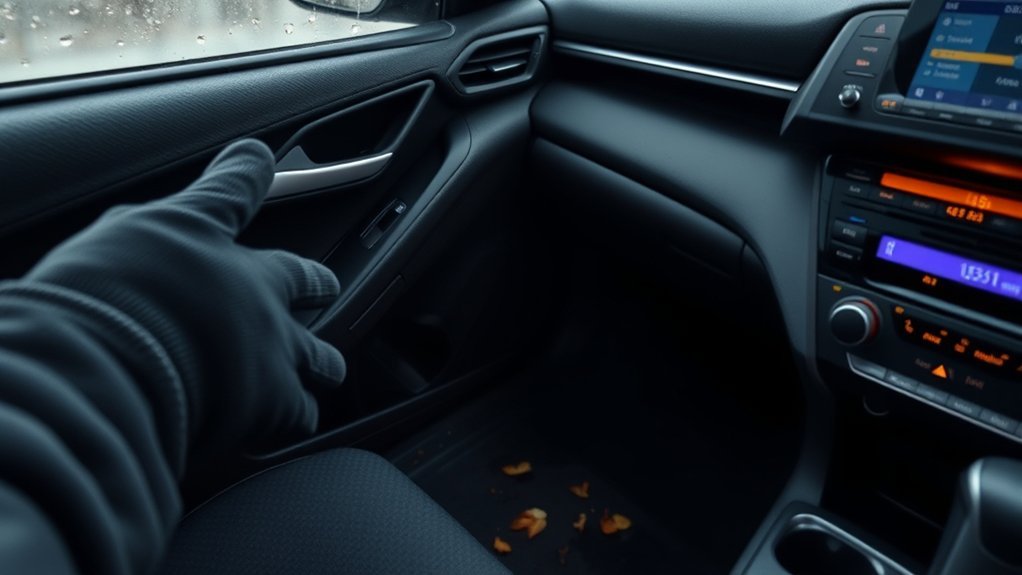
After you confirm the climate controls are set correctly, inspect the cabin for moisture that keeps feeding the fog. Start with the easiest areas, record where moisture appears first, and check again after the condition that triggers the fog.
- Inspect door, window, trunk, and moonroof seals, if equipped, for cracks, gaps, loose sections, or water tracks.
- Lift floor mats and press the carpet, especially in the front footwells and along the door sills.
- Check the trunk liner and spare-tire well for hidden water.
- Look for debris near the cowl intake at the base of the windshield.
- Have the cowl, door, A/C evaporator, and moonroof drains, if equipped, checked when dampness keeps returning.
- Inspect the cabin air filter if airflow feels weak or the vents smell musty.
Dry wet mats outside the vehicle instead of leaving them on damp carpet. Use towels and ventilation for small wet areas. Deeply saturated carpet needs professional inspection because water can remain in the padding and reach wiring or metal floor panels. For a step-by-step leak test, see Camry wet carpet causes and leak checks.
Match the Fog to the Trigger
- After rain or a car wash: inspect the windshield edge, cowl, door seals, body seams, trunk, and moonroof drains if equipped.
- After running the A/C: check whether condensation drips beneath the passenger-side firewall area and whether the passenger carpet becomes damp.
- With several passengers: use front defog, A/C, higher fan speed, and outside-air mode before looking for a mechanical fault.
- After sitting overnight: check hidden carpet padding, wet cargo, trunk moisture, and musty odor.
The U.S. Environmental Protection Agency advises drying wet materials promptly, keeping drain lines clear, and reducing moisture through ventilation and air movement. Although its guidance addresses buildings, the same moisture-control principles support a dry vehicle cabin. See the EPA moisture-control guidance.
Prevent Windshield Fog: Settings, Mats, Dehumidifiers, and Maintenance
Use outside-air mode for the final few minutes of a wet-weather drive when practical and when outdoor conditions allow. Keep the A/C enabled with front defog when the inside glass begins to haze. This can reduce moisture that would otherwise remain trapped after parking.
Pro tip: After carrying wet passengers or gear, remove the wet items and run outside-air mode for a few minutes before parking.
Use rubber mats during wet seasons and empty pooled water before it spills onto the carpet. Clean both sides of the windshield with an automotive glass product and a clean microfiber towel. Avoid household coatings or social-media anti-fog mixtures unless the glass or vehicle manufacturer approves them.
A purpose-made vehicle desiccant bag can reduce minor parked-cabin humidity, but it cannot fix a leak or dry saturated carpet padding. Follow the product instructions, secure it where it cannot interfere with pedals or airbags, and recharge or replace it as directed.
[Products Worth Considering]

Instantly removes fog and condensation from auto windows and mirrors

Ultimate Moisture Absorption: These rechargeable desiccant packs will absorb all moisture from the air. This will help keep your belongings dry and safe.

ULTIMATE MOISTURE ABSORPTION: Our 100g rechargeable desiccant packs provide powerful moisture absorption, keeping your valuables safe and dry even in high humidity. Perfect for preventing mold, rust, and corrosion in any storage environment.
When Fogging Signals an A/C or Leak Problem (What to Tell the Dealer)
Persistent fog can point to more than normal humidity. This guide covers condensation when the climate system still operates. If there is no airflow, air comes from the wrong vents, or the rear grid fails, use the separate Camry defroster-not-working guide.
Arrange service when the A/C does not cool, vent airflow stays weak at high fan speed, water returns after rain, or the cabin develops a persistent musty odor. A sweet coolant-like odor, falling coolant level, or greasy windshield film can indicate a coolant leak that needs prompt diagnosis. See the Camry intermittent A/C guide for cooling faults and the Camry coolant leak guide for coolant-loss symptoms.
Federal Motor Vehicle Safety Standard No. 103 requires covered vehicles to have windshield defrosting and defogging systems. That requirement reflects the importance of maintaining a clear forward view. See 49 CFR § 571.103.
A/C and Airflow Warning Signs
- Air stays warm when you select a cold setting.
- Vent airflow remains weak at higher fan speeds.
- The system develops new grinding, scraping, or other harsh mechanical noise.
- A climate-control warning or abnormal indicator appears.
- Fog returns even after you use front defog, A/C, warm air, and outside-air mode correctly.
Ask the shop to test cooling performance, system pressures, compressor operation, blower output, airflow-door movement, and leak indicators. Exact components vary by Camry model year and powertrain.
Interior Moisture Sources
Tell the technician whether the fog appears after rain, after a car wash, during cold starts, with several passengers, or after the car sits overnight. Also report wet floor areas, trunk dampness, musty odors, or water tracks around seals.
If the glass develops a greasy film and the cabin smells like coolant, avoid continued driving when visibility is reduced or the coolant level is low. Have the cooling and heater systems inspected before the condition worsens.
Dealer Diagnostic Requests
- Inspect the cabin air filter and measure airflow at the defog vents.
- Check for water leaks around doors, trunk, moonroof, cowl, and body seams.
- Inspect the moonroof, cowl, door, and A/C evaporator drains.
- Test A/C cooling performance, pressures, compressor operation, and leak indicators.
- Check the heater core and cooling system if coolant odor, oily film, or coolant loss is present.
- Document damp carpet padding, failed seals, blocked drains, and test results on the repair order.
Keep the repair order and your notes. If the fog returns, the records help the shop compare conditions and avoid repeating the same basic checks.
Daily Habits That Help Stop Windshield Fog
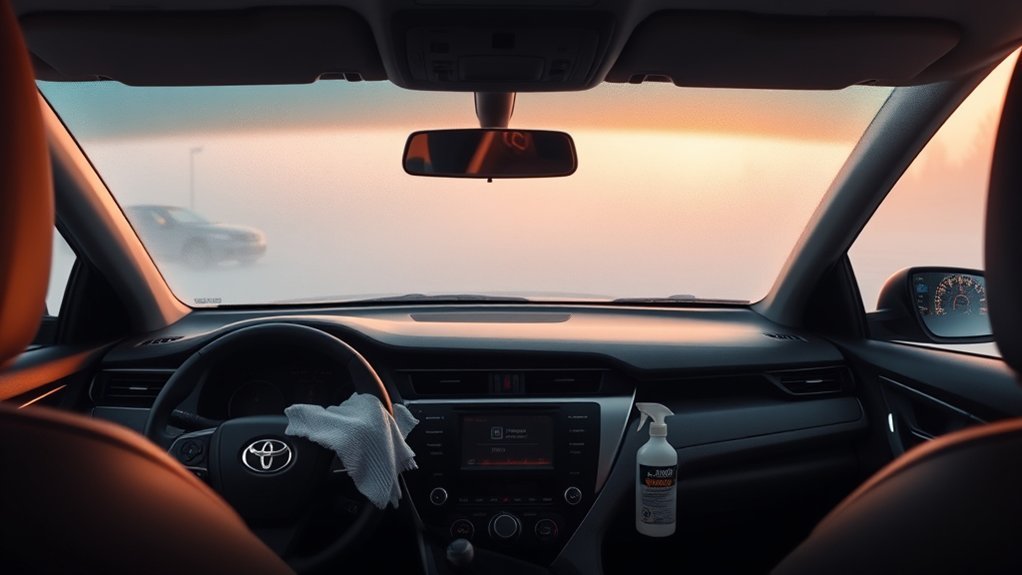
Before a wet or cold drive, start the vehicle or place a hybrid in READY, select front defog, keep A/C enabled, use a warm temperature, and switch recirculation off. Wait until the windshield and front side windows are fully clear.
Keep the glass clean. Oils from hands, smoke, vaping, dashboard products, and dust can create haze and make condensation harder to see through. Use separate clean microfiber towels for washing and final drying.
Remove wet coats, umbrellas, shoes, gym bags, towels, and pet gear as soon as possible. Dry rubber mats outside the vehicle after heavy rain. Check the carpet again the next day if water spilled or passengers entered with soaked footwear.
Frequently Asked Questions
How do you fix a Toyota Camry windshield that keeps fogging up?
For inside fog, start the vehicle or place a hybrid in READY, then use front windshield defog, a warm temperature, A/C, high fan speed, and outside-air mode. If the fog returns, clean the glass, remove wet items, lift the mats, inspect the carpet and trunk, and check airflow through the cabin filter.
Should A/C be on when defogging a Camry windshield?
Yes, for inside fog, A/C helps dehumidify the air before it reaches the windshield. You can use warm air at the same time. Some Camry climate systems enable A/C automatically when you select front defog.
Should you use hot or cold air to defog a windshield?
Use warm, dehumidified air for fog on the inside because it heats the glass and supports evaporation. Keep A/C enabled to dry the air. For outside fog in hot weather, reduce excessive A/C cooling and use the wipers.
Why does my Camry windshield fog in the garage?
A garage can hold humid air, while the cabin can hold moisture from mats, carpets, clothing, detailing, or a leak. Fog forms when that moist air reaches glass at or below its dew point.
Why does fog form on the outside of a Camry windshield?
Exterior fog can form when strong A/C cooling makes the windshield colder than warm, humid outdoor air. Use the wipers, raise the cabin temperature slightly, or reduce A/C intensity until the glass warms.
Can a dirty cabin filter cause window fogging?
A dirty cabin filter does not create moisture, but it can reduce airflow and make the defogger clear the glass more slowly. Inspect or replace it according to the maintenance guidance for your Camry’s model year.
What does the Camry front defogger symbol look like?
The front windshield defogger control normally uses a curved windshield outline with three rising wavy arrows. Do not confuse it with the rear-window defogger symbol, which uses a rectangular window outline. Button location and control layout vary by Camry model year and trim.
Is windshield fogging the same as a defroster failure?
No. Normal fogging is condensation that clears when the HVAC settings are correct. A defroster fault is more likely when the fan does not run, airflow does not reach the windshield, air stays at the wrong temperature, or the rear defogger grid clears only in strips.
When should you take your Camry to a dealer or repair shop for fogging?
Arrange service if fog returns after basic checks, the A/C does not cool, airflow is weak, carpet stays wet, coolant level drops, or the windshield develops a sweet odor or greasy film. These signs can indicate an HVAC fault, water leak, blocked drain, or coolant leak.
Safety Disclaimer: This article provides general information. If fog blocks your view, pull over safely before adjusting settings or wiping the glass. A qualified technician should diagnose refrigerant problems, coolant leaks, persistent water intrusion, and electrical or HVAC faults.
Conclusion
Start by identifying whether your Camry’s windshield fog is inside or outside. Clear inside fog with front defog, warm air, A/C, high fan speed, and outside-air mode. Clear outside fog with the wipers and a smaller temperature difference between the glass and humid outdoor air.
If the problem keeps returning, match it to the trigger: passengers, rain, A/C use, or overnight parking. Then inspect wet mats, carpet, trunk areas, seals, drains, glass film, the cabin filter, and HVAC airflow in that order. Arrange professional diagnosis when the A/C does not cool, water keeps entering the cabin, coolant odor appears, or visibility remains difficult to maintain.
References
- 2025 Toyota Camry Hybrid Quick Reference Guide, Toyota, 2025
- Dew Point Versus Humidity, National Weather Service
- A Brief Guide to Mold, Moisture and Your Home, U.S. Environmental Protection Agency, updated February 18, 2026
- 49 CFR § 571.103, Windshield Defrosting and Defogging Systems, Legal Information Institute

[…] moonroof-drain problems, spills, or damp carpet can make air from the vents smell musty. See the Camry windshield fogging and cabin-moisture guide for related […]