What’s in This Article
- Why Your Camry AC Works Intermittently
- Symptoms of Intermittent AC Problems in Your Camry
- Common Causes of Intermittent Camry AC Cooling
- Step-by-Step Checks for Camry AC Problems
- Simple Maintenance Checks That Help AC Performance
- When to Call a Professional for Camry AC Problems
- Frequently Asked Questions
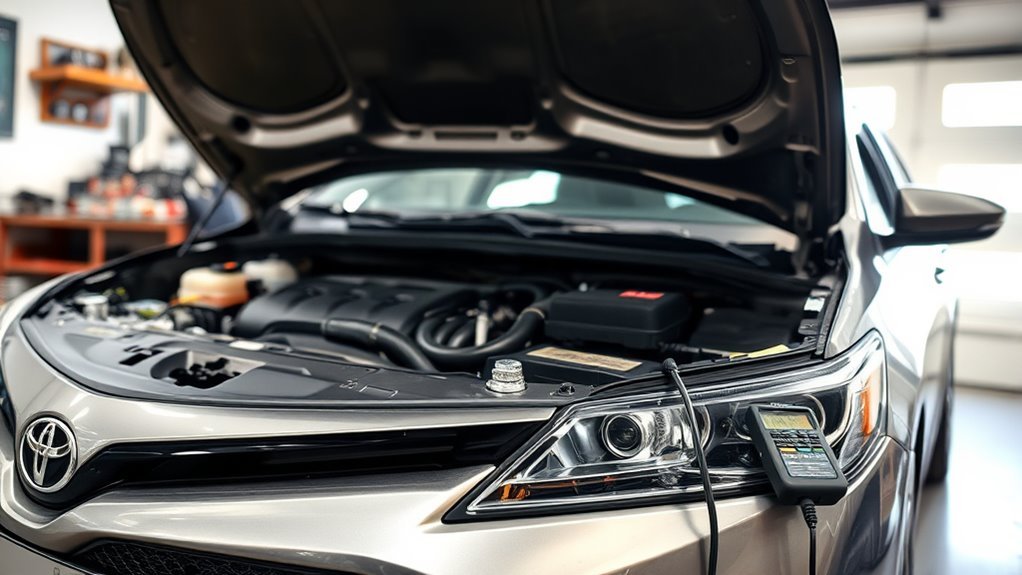
If your Camry’s A/C works sometimes and then suddenly blows warm air, you need to narrow the problem down in the right order. Low refrigerant, weak airflow, a compressor clutch fault, a bad sensor, or an electrical issue can all cause intermittent cooling. This guide shows you the main symptoms, the likely causes, and the checks you can do before you call a technician.
Quick Answer
Your Camry’s A/C may work intermittently because the system has low refrigerant, restricted airflow, a failing compressor clutch, a faulty A/C amplifier, or a weak electrical connection. Start with the simple checks: cabin air filter, condenser airflow, cooling fans, and visible wiring. Leave refrigerant charging, leak repair, and pressure diagnosis to a trained technician if you are not equipped for safe A/C service.
Key Takeaways
- Check airflow first because a clogged cabin air filter can make cooling feel weak or uneven.
- Treat low refrigerant as a possible leak, not as normal wear.
- Watch the compressor clutch because rapid cycling can point to low refrigerant or an electrical fault.
- Keep the condenser and cooling fans clear so heat can leave the A/C system.
- Call a technician if you see ice buildup, hear compressor noise, or need refrigerant service.
Why Your Camry AC Works Intermittently

Your Camry’s A/C depends on steady refrigerant flow, clean airflow, working fans, and proper compressor control. When one part works only part of the time, the system may cool well for a few minutes and then blow warm air.
Toyota’s own A/C guidance lists low refrigerant, dirty or blocked condensers, compressor problems, and leaks around seals, hoses, fittings, or the condenser as common causes of poor cooling. A low refrigerant charge often means the sealed system has a leak that needs diagnosis.
A clogged cabin air filter can also reduce airflow through the vents. It may not stop the compressor by itself, but it can make the cabin feel warm even when the A/C system still produces cold air.
Your Camry also uses climate-control electronics, including an air conditioner amplifier assembly on many models. If that control circuit, a sensor, or a connector fails, the compressor may not engage at the right time.
Symptoms of Intermittent AC Problems in Your Camry
Intermittent A/C problems often show a pattern. Your vents may blow cold air at first, then shift to warm air while you sit in traffic, accelerate, or drive in high heat. You may also hear the compressor click on and off more often than normal.
Common Warning Signs
Watch for these signs before you start testing parts:
- Temperature changes: The vents blow cold air, then switch to warm air without warning.
- Weak airflow: The fan runs, but little air comes through the vents.
- Compressor cycling: The compressor clutch clicks on and off quickly or fails to stay engaged.
- Warm lines or poor cooling: The system runs, but the cabin never cools well.
- Ice or moisture signs: Frost, ice, or water around A/C parts can point to flow or moisture problems.
What Intermittent Cooling Usually Feels Like
Intermittent cooling can feel random, but the symptom often points toward the cause. Use this table as a starting point, not as a final diagnosis.
| Symptom | Possible Cause |
|---|---|
| Cold air turns warm | Low refrigerant, compressor clutch fault, or sensor issue |
| No cooling at times | Refrigerant leak, electrical fault, or A/C amplifier issue |
| Weak vent airflow | Clogged cabin air filter or blower airflow restriction |
| Cooling worsens at idle | Cooling fan problem or condenser airflow blockage |
| Ice buildup | Moisture, airflow restriction, or refrigerant flow problem |
Check the easiest items first. A clean filter, clear condenser, and working fan can rule out simple airflow problems before you move to deeper electrical or refrigerant checks.
Common Causes of Intermittent Camry AC Cooling
You can narrow the cause by separating airflow problems from refrigerant and electrical problems. These are the most common areas to inspect:
- Low refrigerant charge: Low refrigerant can reduce cooling and make the compressor cycle too often. A low charge usually points to a leak.
- Clogged cabin air filter: A dirty filter restricts cabin airflow, so the vents may feel weak even when the evaporator cools.
- Blocked condenser airflow: Leaves, dirt, or bent fins can stop the condenser from releasing heat.
- Cooling fan problems: Weak or failed fans can hurt A/C performance, especially when your car idles.
- Electrical faults: Loose wiring, a weak relay, a bad sensor, or an A/C amplifier issue can interrupt compressor operation.
- Moisture or ice in the system: Ice can restrict refrigerant flow and stop cooling until the system thaws.
Do not assume one forum fix applies to every Camry. Owner reports can give you clues, but your car still needs a step-by-step diagnosis.
[Products Worth Considering]

The OEMTOOLS coolant vacuum refill kit helps quickly refill a vehicle’s cooling system while removing trapped air that can lead to overheating and engine damage. It also performs vacuum leak tests to help confirm system integrity and reduce the chance of repeat repairs. With multiple bushings, adapters, and a tapered cone seal, it is designed for flexible use on many radiator and coolant bottle necks.

This coolant electric water pump is designed as a replacement for select Toyota vehicles, helping maintain proper engine cooling performance and reliable temperature control. Built to OE specifications, it offers fitment support for compatible Avalon, Camry, and RAV4 models with 2.5L L4 engines. It also includes cross-reference part numbers for easier matching and comes with after-sales support for covered defects.

This JADODE combo includes engine and cabin air filters designed to help keep passenger air cleaner while supporting efficient HVAC performance. The activated carbon layer helps absorb odors, exhaust fumes, and pollution, while filtration captures dirt, dust, and pollen for OE-comparable protection. It is compatible with a wide range of Toyota, Scion, Lexus, and Pontiac applications for convenient replacement maintenance.
Step-by-Step Checks for Camry AC Problems
Start with safe visual checks before you touch any pressure fittings. This order helps you find simple problems first and avoid extra cost.
- Inspect the cabin air filter. Remove the filter and check for dirt, leaves, dust, or blockage. Replace it if light cannot pass through it easily.
- Check vent airflow. Run the fan at different speeds and feel each vent. Weak airflow may point to a clogged filter, blower issue, or blocked duct.
- Look at the condenser. Check the front of the condenser for leaves, plastic, bugs, or debris. Clean the area gently without bending the fins.
- Confirm cooling fan operation. With the A/C on, check whether the radiator and condenser fans run when they should.
- Watch the compressor clutch. If the clutch clicks on and off quickly, low refrigerant or an electrical fault may exist.
- Inspect visible wiring and connectors. Look for loose plugs, damaged wires, corrosion, or signs of heat near A/C components.
- Check for ice or oily residue. Ice can point to airflow or refrigerant flow issues. Oily residue near fittings can point to a leak.
Warning: Do not vent refrigerant or open A/C lines because refrigerant can injure skin and U.S. motor vehicle A/C service may require EPA Section 609 certification.
A manifold gauge set can show high-side and low-side pressures, but pressure readings require training. Wrong readings can lead you to overcharge the system, miss a leak, or damage the compressor.
If you suspect low refrigerant, ask a trained technician to perform a leak test and proper recharge. Toyota warns that refrigerant service should avoid accidental release because the refrigerant can become extremely cold and harm skin.
[Products Worth Considering]

This cabin air filter with activated carbon helps improve in-vehicle air quality by trapping dust, pollen, and other airborne contaminants before they enter the passenger compartment. Designed as a replacement for select Toyota and Lexus models, it supports cleaner airflow and a more comfortable driving experience. The activated carbon layer also helps reduce unwanted odors for fresher cabin air.

KAX CA10171 premium engine air filter is designed as a direct replacement for select Toyota Camry and Venza models, helping maintain clean airflow to protect critical engine components. Its high-performance filter media delivers strong filtration efficiency and long service life for dependable everyday driving. With a precise rectangular fit and easy replacement design, it supports better acceleration, consistent performance, and improved fuel economy.

This all-in-one radiator pressure tester and vacuum refill kit helps diagnose cooling system leaks, measure temperature, and refill coolant efficiently. It includes a wide range of adapters for broad vehicle compatibility, plus a pressure tester, vacuum refiller, thermometer, and storage case for organized use. Designed for DIY mechanics and professionals, it simplifies coolant service while reducing guesswork and unnecessary repairs.
Simple Maintenance Checks That Help AC Performance

Good maintenance cannot fix every A/C fault, but it can prevent airflow and heat-transf
::contentReference[oaicite:0]{index=0}
[Products Worth Considering]

This PHILTOP engine air filter is designed to help protect your engine by capturing debris and fine particles while maintaining strong airflow. Its progressive density media supports cleaner combustion, improved fuel economy, and reduced emissions, and the direct-fit design allows for quick installation without special tools. Built for select Toyota Camry and Venza models, it is a practical replacement choice for regular maintenance.

This EPAuto engine air filter is designed as an OEM replacement for select Toyota Camry and Venza models with 4-cylinder gas engines. It helps protect the engine by filtering dust, dirt, and debris from incoming air while supporting efficient performance and improved fuel mileage. Built for a precise fit, it is a practical replacement choice for routine maintenance.
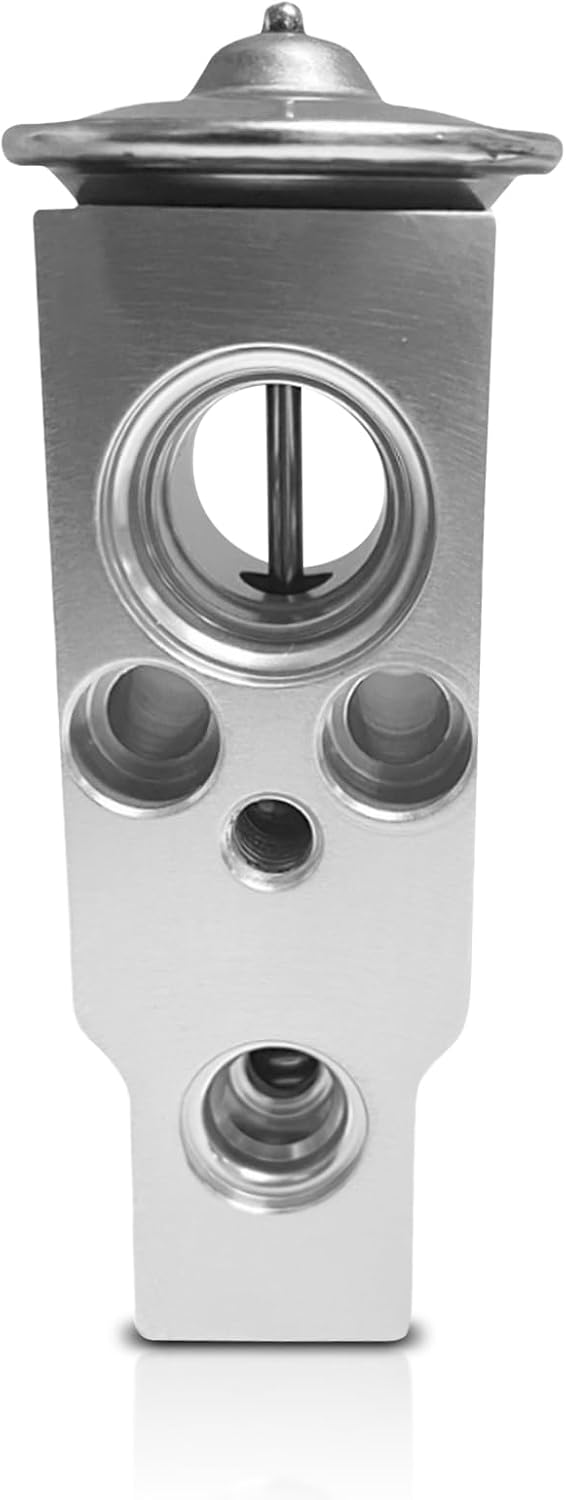
This automotive A/C expansion valve helps regulate refrigerant flow for efficient cooling and stable climate control performance. Built from durable metal for reliable resistance to wear, rust, and corrosion, it is designed to handle demanding vehicle conditions while supporting long-lasting operation. It is a practical replacement part for compatible Lexus, Honda, Toyota, Suzuki, Jaguar, and Land Rover models.