
When your Toyota Camry’s low tire pressure warning light comes on, treat it as a tire-safety alert first and a TPMS reset issue second. The right order is simple: get to a safe place, inspect the tires, check the cold tire pressure with a gauge, inflate to the PSI on the driver-side door placard, then reset or initialize the TPMS only if the warning light does not clear.
Quick Answer
If your Camry shows a low tire pressure warning, pull over when safe, check all tires with a reliable gauge, inflate them to the cold PSI listed on the driver-side door placard, and inspect for damage. If the light stays on after the pressures are correct, reset the TPMS using your model year’s procedure.
Key Takeaways
- Do not reset the TPMS before adjusting the tires to the correct cold pressure.
- Use the PSI on the Camry’s tire placard, not the maximum PSI printed on the tire sidewall.
- A solid TPMS light usually means low pressure; a light that blinks for about a minute and then stays on usually points to a TPMS malfunction.
- If a tire is visibly flat, damaged, punctured, or bulging, do not keep driving on it.
At a Glance
| Time Required | 5–15 minutes for pressure check and inflation; 10–30 minutes of driving may be needed after some TPMS initializations |
| Difficulty | Easy |
| Tools Needed | Tire pressure gauge, air compressor or service-station air pump |
| Cost | Usually free to a few dollars for air; more if a tire leak or TPMS sensor needs repair |
What the Low Tire Pressure Warning Means
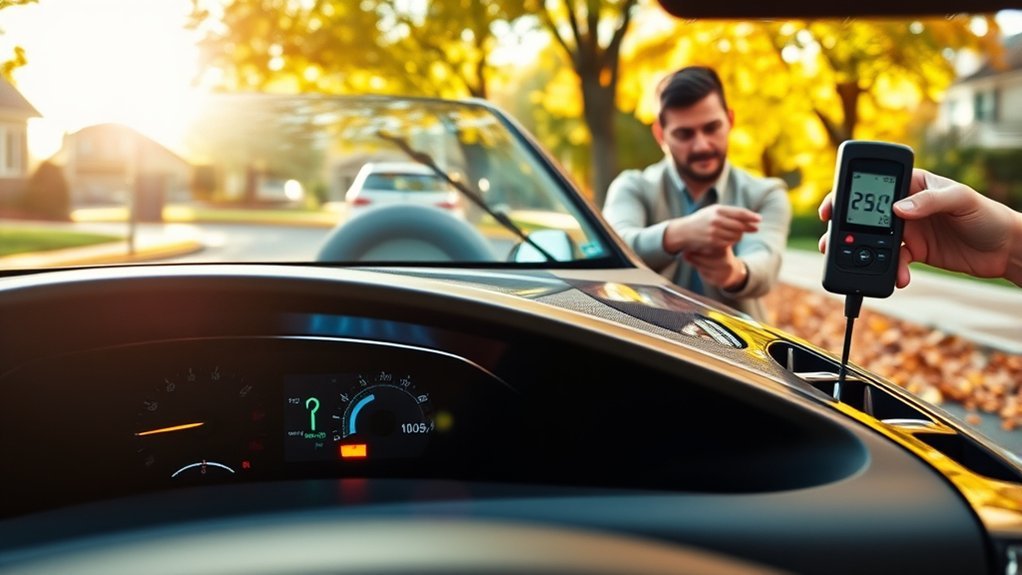
Your Camry’s tire pressure warning system is designed to alert you when one or more tires are significantly underinflated. Toyota explains that when the system senses seriously low pressure, the low tire pressure icon appears in the instrument display and may be paired with a warning message in the multi-information display.
A solid tire pressure light usually means at least one tire needs air or has a leak. A light that blinks for about 60 to 90 seconds and then stays on usually indicates a TPMS malfunction, such as a sensor, transmitter, registration, or system issue.
TPMS is a warning system, not a replacement for a monthly tire pressure check with a gauge.
Safe First Steps When the TPMS Light Comes On
Do not ignore the warning light, especially if the car feels unstable, pulls to one side, vibrates, or rides roughly. Follow this order:
- Slow down and find a safe place to stop. Avoid hard braking unless traffic requires it.
- Look at each tire. Check for a flat tire, sidewall bulge, nail, screw, cut, or obvious damage.
- Check pressure with a gauge. Do not rely only on appearance; underinflated tires can look normal.
- Inflate to the door-placard PSI. The placard is usually on the driver-side doorjamb or door edge.
- Recheck the pressure. Make sure each tire is at the correct cold inflation pressure.
- Reset or initialize TPMS only after the pressures are correct.
Warning: If a tire is flat, visibly damaged, bulging, or losing air quickly, do not keep driving on it. Pull over safely and use roadside assistance, a spare tire if equipped and safe to use, or professional tire repair.
Why Proper Tire Pressure Matters for Safety and Performance
Correct tire pressure affects steering, braking, traction, ride comfort, tire life, and fuel use. Underinflated tires flex more than they should, which can build heat inside the tire and increase the risk of tire damage or failure. Overinflated tires can also reduce ride quality and make tires more vulnerable to impact damage from potholes or road debris.
For fuel economy, FuelEconomy.gov says keeping tires properly inflated can improve gas mileage by 0.6% on average and up to 3% in some cases. It also notes that underinflated tires can reduce gas mileage by about 0.2% for every 1 PSI drop in the average pressure of all tires.
How to Check Your Camry Tire Pressure Accurately
For the most accurate reading, check tire pressure when the tires are cold. The National Highway Traffic Safety Administration defines cold tires as tires that have not been driven on for at least three hours. Heat from driving raises pressure temporarily, which can hide an underinflation problem.
- Find the recommended PSI on the tire and loading information label on the driver-side doorjamb or in the owner’s manual.
- Remove the valve cap from the tire.
- Press a reliable tire pressure gauge firmly onto the valve stem.
- Compare the reading to the placard PSI.
- Add air if the tire is low, or release a little air if it is too high.
- Recheck the pressure after adjusting.
- Reinstall the valve cap securely.
Pro Tip: Keep a small digital tire pressure gauge in the glove box. It is faster and usually easier to read than the worn analog gauges attached to some public air pumps.
Check all four tires and the spare tire if your Camry has one. Many TPMS systems do not monitor the spare, so a spare can be dangerously low even when the dashboard warning light is off.
[Products Worth Considering]

This smart color coded tire tread depth gauge makes it easy to check tread wear at a glance with clear red, yellow, and green ranges. Calibrated from 0 to 1 inch in 1/32 inch increments, it helps you quickly assess tire condition for safer driving and timely replacements. The pocket clip design makes it convenient to carry and use on trucks, motorcycles, cars, and other passenger vehicles.

The NOCO Boost X GBX155 is a powerful portable jump starter designed to deliver reliable starts for large gas and diesel engines with advanced UltraSafe 2.0 protection. It also doubles as a USB-C power bank and includes a bright LED flashlight with multiple modes, making it a versatile emergency tool for roadside use, travel, and everyday charging needs.
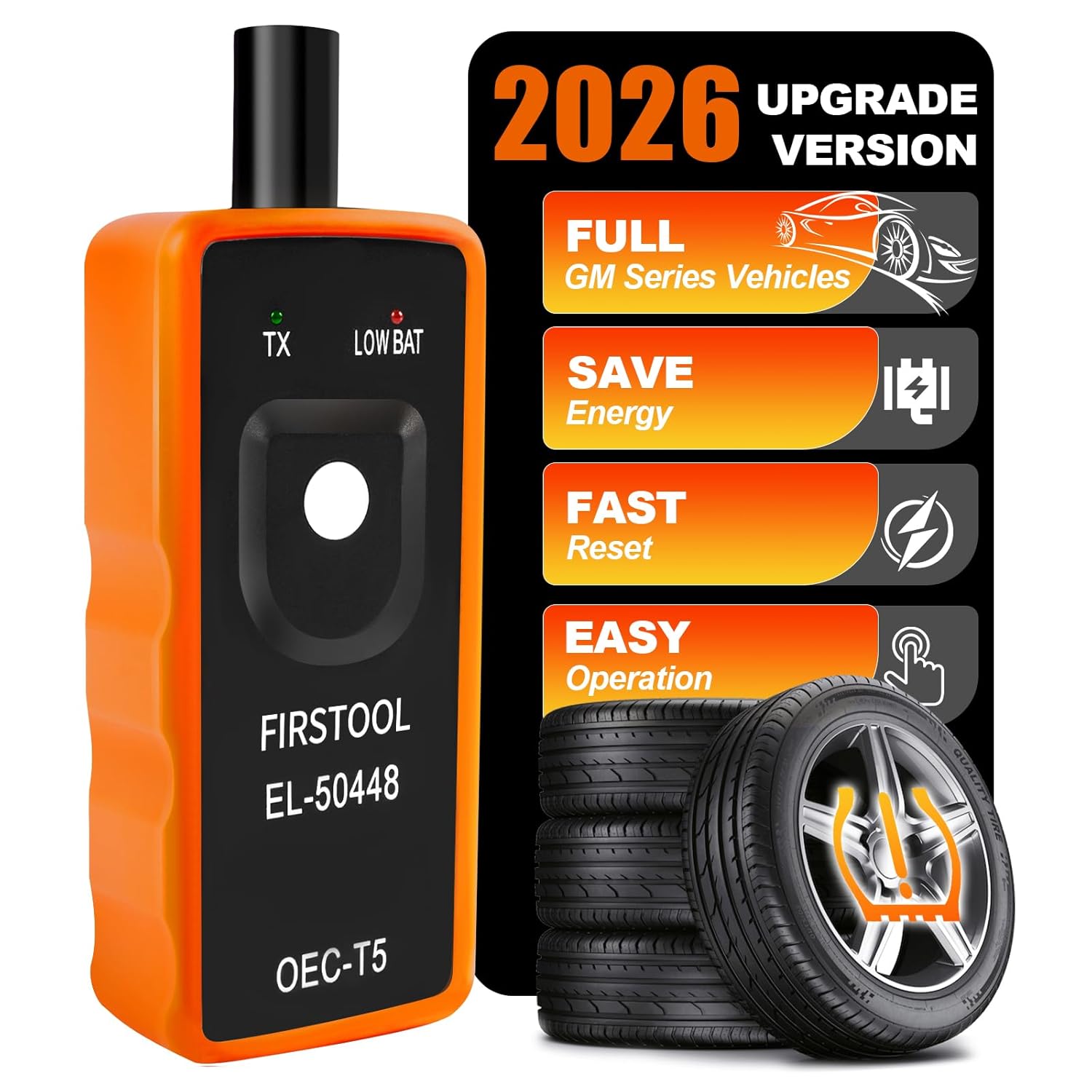
This EL-50448 TPMS relearn tool helps quickly activate and reset tire pressure sensors so your vehicle’s monitoring system stays accurate after tire rotations, sensor replacement, or seasonal tire changes. Designed for many GM-related vehicles and compatible with common 315 and 433 MHz TPMS systems, it offers simple one-button operation and reliable performance for clearing warning lights and relearning sensor positions.
How to Reset TPMS for 2007–2017 Toyota Camry Models
Many 2007–2017 Camry models use a physical tire pressure warning reset switch. The exact location can vary by year and trim, but it is commonly found low under the dashboard, near the lower steering-column or driver knee-panel area, or around the glove-box area. If you cannot find it, check your Camry owner’s manual.
- Park in a safe place.
- Adjust all tires to the specified cold tire inflation pressure on the door placard.
- Turn the ignition to ON without starting the engine, or switch to ignition-on mode if equipped with a smart key system.
- Press and hold the tire pressure warning reset switch until the TPMS warning light blinks slowly three times.
- Release the switch and wait a few minutes while the system stores the new baseline.
- Drive normally and confirm the light stays off.
Warning: Do not press the reset switch before adjusting the tires to the correct cold pressure. Resetting too early can teach the system the wrong baseline and delay future warnings.
[Products Worth Considering]

Fix-A-Flat provides a quick emergency solution for temporary flat tire repair and inflation, helping drivers get back on the road without a jack, spare tire, or tools. Its formula seals small tread punctures in seconds, is safe for tires and TPMS systems, and offers an eco-friendly alternative for roadside emergencies. Designed for standard tires, it is easy to keep in the trunk for dependable peace of mind.
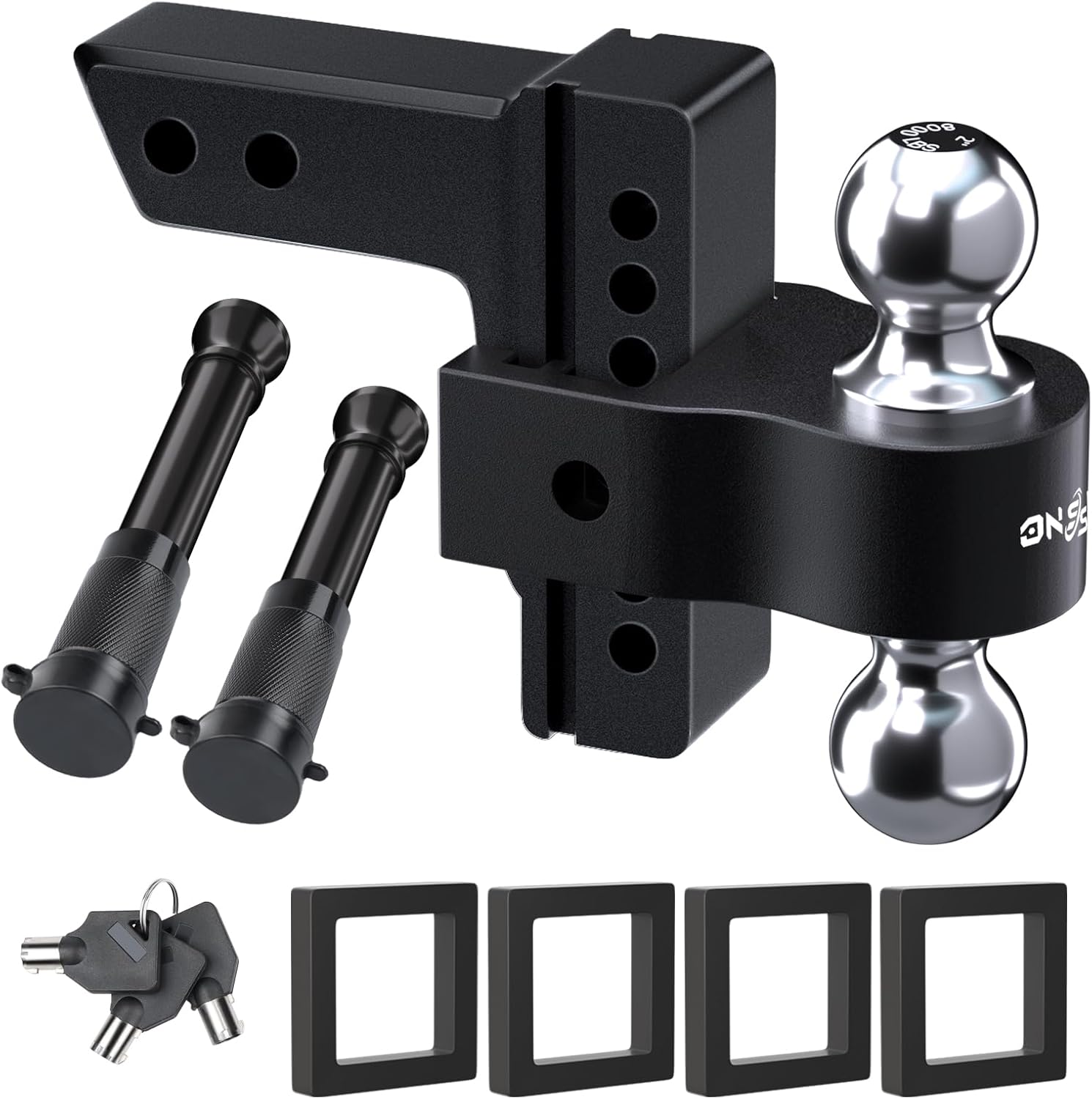
This adjustable trailer hitch is designed for 2-inch receivers and offers flexible towing with a 6-inch drop and rise range. Dual ball sizes help support different trailer setups, while the high-strength aluminum construction is built for dependable performance on tough jobs. Included hitch locks and silencers add security and help reduce noise for a smoother towing experience.

🚚 [Application-1] 🔺 :-Toyota Camry (2007-2025) | Avalon (2006-2022). ✨ [Frequency] 315MHz ⚙ [Replace OE Numbers] PMV-107J,PMV-C010,PMV-C015,42607-06011 etc
How to Reset TPMS for 2018–2024 Toyota Camry Models
Most 2018–2024 Camry models use the multi-information display instead of a physical reset button. The exact menu names can vary slightly by trim and display type, but the usual path is through vehicle settings and TPWS.
- Park the vehicle safely and let the tires cool if you have been driving.
- Adjust all tires to the specified cold PSI on the driver-side tire placard.
- Start the engine or turn the vehicle to ignition-on mode.
- Use the steering-wheel controls to open the settings menu on the multi-information display.
- Select Vehicle Settings.
- Select TPWS or Tire Pressure Warning System.
- Select Set Pressure.
- Press and hold the OK/select button until the tire pressure warning light blinks three times.
- If your Camry displays individual tire pressures, drive at about 25 mph or faster for 10–30 minutes so the system can finish learning the tire positions and pressures.
Note: During initialization, some Camry displays may show “–” instead of individual tire pressures. That can be normal until the vehicle is driven long enough for the system to complete the process.
[Products Worth Considering]

【2-in-1 TPMS Relearn Tool】Dual-mode design works with most GM and Ford series vehicles and supports both 315MHz and 433MHz TPMS sensors, providing wider vehicle compatibility and convenient sensor relearning
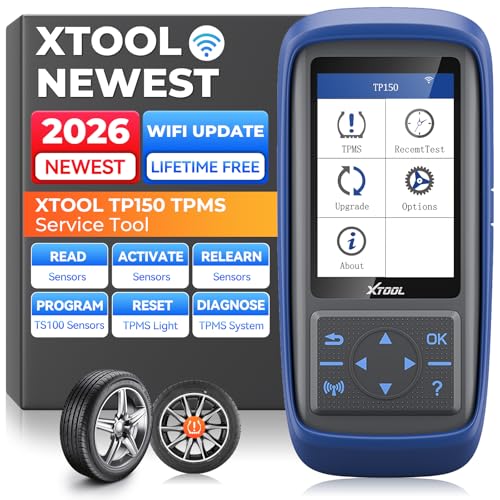
Why XTOOL TP150 TPMS Relearn Tool Stands Out: Perfect for DIYers and professional technicians, the XTOOL TP150 TPMS Reset Tool combines TPMS diagnostics, sensor activation, relearn, reset and sensor programming with XTOOL TS100 Sensors in one portable tool, making common TPMS service easier in one device. Its durable physical button interface is easy to operate with greasy gloves, making it ideal for garages, workshops, or roadside use. Check tire pressure, reset TPMS warning lights, and simplify sensor service with simple, easy-to-use controls. Supports the newest car models with frequent lifetime software updates and 13+ languages. 𝐍𝐎𝐓𝐄: TPMS Programming for XTOOL Sensors Only.

Warm Note: 1.TP150 tpms tool is not for all sensors, but only works for pre-programmed sensors or XTOOL TS100/ TS100 PRO sensors. 2. Need to update the TP150 tire pressure sensor reset tool but shows system configuration error? Please follow the user maual first install "TP200 software" from xtooltech, and connect TP150 with Windows PC(ios cannot be supported), go "settings – About" to check the SN and pasword required, and click the TP150 disk and the mouse right button to format it and then upload the software again. Any issue you can find XTOOL for help
What About 2025 and Newer Camry Models?
The 2025 and newer Toyota Camry generation uses current Toyota owner-manual guidance and may have menu differences from the 2018–2024 models. The safe process is still the same: set the tires to the correct cold PSI first, then use the TPWS or tire pressure warning settings in the vehicle menu if the warning light needs initialization.
For a 2025 or newer Camry, use the current Toyota Owners manuals and warranties portal and select your exact year, model, and trim before following the reset steps.
Why the TPMS Light Stays On After Adding Air
If the TPMS light does not turn off after you inflate the tires and perform the reset, do not keep resetting it blindly. A persistent warning usually means there is still a pressure issue, a slow leak, or a TPMS system problem.
| Symptom | Likely Cause | What to Do |
|---|---|---|
| Light stays solid | One or more tires still low, pressure checked while hot, or slow leak | Recheck all tires cold, inspect for nails or leaks, inflate to placard PSI |
| Light turns off, then returns days later | Slow puncture, leaking valve stem, bead leak, or temperature drop | Check pressure trend and have the tire leak-tested |
| Light blinks for about a minute, then stays on | TPMS malfunction, sensor battery, missing sensor, ID registration issue | Have the TPMS scanned by a Toyota dealer or qualified tire shop |
| Pressure readings show “–” after reset | Initialization still in progress or sensor communication issue | Drive as directed by the manual; if it does not complete, seek diagnosis |
Common Causes of Repeat TPMS Warnings
- Cold weather: Tire pressure often drops as outside temperature falls.
- Small puncture: A nail or screw can leak slowly enough that the tire looks normal.
- Valve-stem leak: Air can escape around a damaged or corroded valve stem.
- TPMS sensor battery: Sensor batteries can weaken with age and trigger malfunction warnings.
- Aftermarket wheels or tire changes: Sensors may be missing, damaged, or not registered.
- Incorrect reset: Initializing the system before setting cold pressure can store the wrong baseline.
Essential Tips for Maintaining Proper Tire Pressure and TPMS
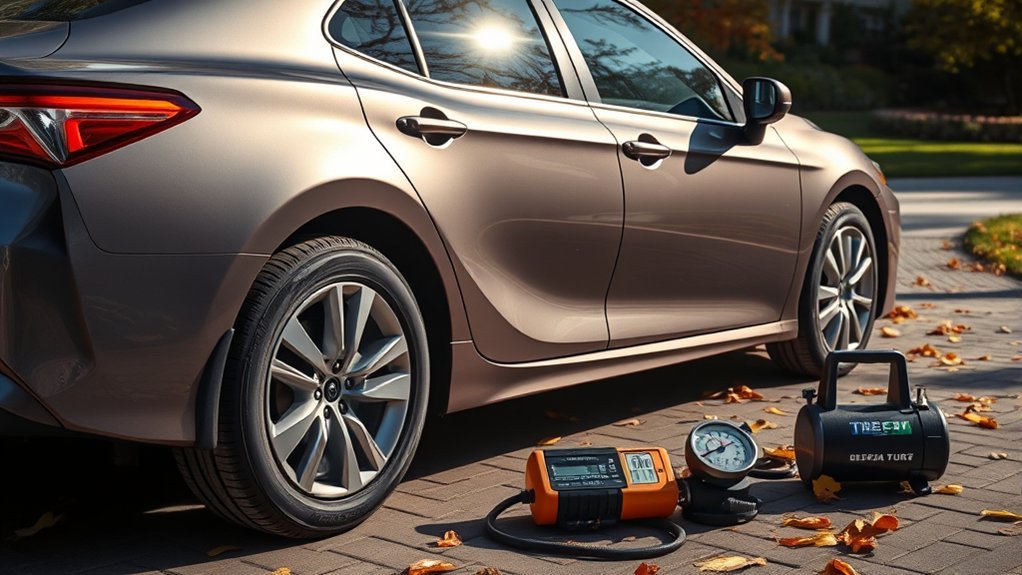
Good tire pressure habits prevent most TPMS surprises. Check your Camry’s tire pressure at least once a month, before long trips, before carrying heavy loads, and when seasons change. The U.S. Tire Manufacturers Association also recommends checking tires when they are cold and checking the spare tire too.
- Use the driver-side door placard PSI, not the tire sidewall maximum.
- Check pressure when tires are cold whenever possible.
- Inspect tread depth and look for uneven wear monthly.
- Keep valve caps installed to protect the valve stems.
- Rotate tires according to the maintenance schedule in your owner’s manual.
- Have alignment checked if the Camry pulls, the steering wheel is off-center, or tire wear looks uneven.
- Replace or professionally inspect tires with cracks, bulges, exposed cords, repeated flats, or severe tread wear.
Frequently Asked Questions
How do I get rid of the low tire pressure light on a Toyota Camry?
Check all tires with a gauge, inflate them to the cold PSI listed on the driver-side door placard, then drive for a few minutes. If the light stays on after the pressures are correct, reset or initialize the TPMS using the correct procedure for your model year.
Do I need to fix low tire pressure immediately?
Yes. Low tire pressure can affect handling, fuel economy, tire wear, and heat buildup. If the tire looks flat or damaged, stop driving and get help. If the tire is only slightly low, inflate it to the correct PSI as soon as safely possible.
What does it mean if my Camry tire pressure light blinks and then stays on?
A blinking TPMS light that stays on usually means the tire pressure monitoring system has a malfunction. The tires may still need air, so check them first, but the TPMS itself may need sensor diagnosis, sensor replacement, or ID registration.
Can cold weather turn on the Toyota Camry tire pressure light?
Yes. Tire pressure drops as temperatures fall, so a cold morning can push a marginally low tire below the TPMS warning threshold. Check and adjust the tires when they are cold instead of simply waiting for the light to turn off later in the day.
Should I use the PSI on the tire sidewall?
No. The number on the tire sidewall is usually the tire’s maximum pressure, not the recommended operating pressure for your Camry. Use the tire and loading information label on the driver-side doorjamb or your owner’s manual.
Conclusion
Your Camry’s low tire pressure warning is not something to ignore or reset away. Check the tires first, inflate them to the correct cold PSI, inspect for damage, and only then reset the TPMS if needed. If the light blinks, returns repeatedly, or stays on after proper inflation, have the system scanned by a Toyota dealer or qualified tire shop. A few minutes with a pressure gauge can protect your tires, fuel economy, handling, and safety on every drive.
Sources
- Toyota Owners Manuals & Warranties — model-specific owner manual and TPWS guidance
- Toyota Support: Tire Pressure Monitor System — what Toyota’s tire pressure warning indicates
- NHTSA TireWise — cold tire pressure checks, TPMS meaning, tire maintenance, and blowout safety
- FuelEconomy.gov: Keeping Your Vehicle in Shape — fuel economy effect of proper tire inflation
- U.S. Tire Manufacturers Association: Tire Care Essentials — monthly pressure checks, temperature effects, and TPMS limitations



[…] TPMS light signals low tire pressure or a faulty sensor. Stop and inspect all four tires. Check the pressure with an accurate gauge and […]