
By Daxon Steele · Published March 22, 2026 · Last updated July 31, 2026
Update note: Added the 2012–2013 Camry A/C-drain safety recall, clarified the 2018 cowl-sealer bulletin, and corrected the EPA carpet-drying timeline.
Toyota Camry wet carpet usually comes from rainwater entering through the windshield, cowl, door, body seam, or sunroof drainage path; A/C condensation failing to drain outside; or coolant leaking from the heating system. Match the wet location with when it appears and what the liquid smells or feels like. On certain 2012–2013 Camry and Camry Hybrid vehicles, an A/C drain-related safety recall addressed water that could reach the airbag control module, so check the VIN before treating the problem as an ordinary drain clog. Dry enough of the area to detect fresh moisture, test one zone at a time, and do not apply sealant until you prove the entry path.
30-Second Diagnosis
Wet after rain: test the lower doors and cowl first, then the windshield edge and sunroof drains if equipped. Wet after A/C use: check whether condensation drains beneath the passenger-side firewall area. Sweet-smelling or slick liquid, greasy windshield film, or falling coolant level: arrange cooling-system diagnosis. For a 2012–2013 Camry or Camry Hybrid, check safety recall 13V442000 by VIN. Extract standing water now and dry the carpet backing and padding, not only the visible surface.
What’s in This Article
- Why Is My Toyota Camry Carpet Wet?
- Camry Water-Leak Recall and TSB Alerts
- Before You Begin: Tools and Safety Checks
- How to Find Where Water Is Entering a Camry
- Can a Clogged Camry A/C Drain Wet the Passenger Floor?
- Can Clogged Camry Sunroof Drains Cause Wet Carpet?
- How to Dry Wet Camry Carpet Safely
- When Should a Shop Diagnose the Leak?
- Frequently Asked Questions
Key Takeaways
- Use the leak’s location, timing, smell, and first visible entry point before choosing a repair.
- Rain leaks and A/C drain problems can wet the same floor area, so reproduce the condition before replacing seals.
- Certain 2012–2013 Camry and Camry Hybrid vehicles are covered by safety recall 13V442000 for an A/C drain-related water-leak risk near the airbag control module.
- Dry the carpet face, backing, padding, and floor pan within 48 hours when possible if the water is clean.
- Sweet-smelling or slick liquid, greasy glass, or falling coolant level requires cooling-system diagnosis.
- Stop DIY work if water reaches wiring, airbag trim, electronic modules, or areas that require unsafe under-car access.
Why Is My Toyota Camry Carpet Wet?
A Camry floor can become wet even when the leak starts several inches or feet away. Water may travel behind the dashboard, pillar trim, carpet backing, or door-sill trim before it reaches the lowest part of the floor. Treat the wet spot as a clue, not automatic proof of the source.
Use four clues in this order: where the water collects, when it appears, what the liquid smells and feels like, and where fresh moisture appears first during a controlled test.
| Symptom | Source to Test First | First Check |
|---|---|---|
| Wet floor after heavy rain or a car wash | Windshield edge, cowl, door sealing, body seam, or sunroof drain | Dry the area, then use a low-flow water test on one exterior zone at a time. |
| Wet passenger floor after using A/C | Blocked, pinched, or disconnected evaporator drain | Run the A/C in humid conditions and check for condensation dripping outside. |
| Water near the headliner or pillar trim | Sunroof drain or drain-hose connection, if equipped | Test each roof-tray corner separately with a small amount of clean water. |
| Musty smell with damp padding | Moisture trapped beneath the carpet face | Remove the mat and press the carpet backing at the lowest floor points. |
| Sweet smell, slick liquid, greasy glass, or low coolant | Possible heater-core or cooling-system leak | Stop treating it as rainwater and arrange a cooling-system inspection. |
| 2012–2013 Camry with A/C-related wetness, an airbag warning light, or steering-assist change | Safety recall 13V442000 on certain Camry and Camry Hybrid vehicles | Check the VIN through Toyota or NHTSA and arrange dealer inspection if the recall is open. |
| Rear floor wet while the visible front carpet seems drier | Water migrating beneath the carpet from a front, door, roof-drain, or body-seam leak | Press the padding forward of the wet spot and test the nearest exterior zone before assuming the leak starts in the rear. |
| 2018 Camry with right-front wetness or musty odor | Cowl or apron sealing covered by Toyota bulletin T-SB-0042-18 | Ask a dealer to compare the VIN, production cutoff, and symptoms with the bulletin. |
Toyota bulletin T-SB-0042-18 covers right-front floor wetness or musty odor in certain 2018 Camry and Camry Hybrid vehicles built before its listed production-change VINs. The repair procedure directs technicians to inspect the right-side cowl sealer and, when required, the apron-sealer area. It does not mean every wet 2018 Camry has that defect.
Does Your Camry Have a Water-Leak Recall or TSB?
Two model-year alerts deserve attention before routine troubleshooting. A safety recall can involve a safety defect and should be checked by VIN. A technical service bulletin (TSB) gives technicians a repair procedure for a defined condition, but it is not automatically a recall or a promise of free repair.
| Camry Model Years | Official Alert | What It Covers | Owner Action |
|---|---|---|---|
| Certain 2012–2013 Camry and Camry Hybrid | NHTSA safety recall 13V442000 | A clogged A/C drain hose could allow water to leak from the HVAC housing onto the airbag control module. Toyota’s filing says this could illuminate the airbag warning light, disable or inadvertently deploy airbags, or in limited cases affect power-steering assist. | Use the Toyota recall lookup or NHTSA recall lookup with the VIN. Contact a Toyota dealer if the campaign is open or warning symptoms appear. |
| Certain 2018 Camry and Camry Hybrid | Toyota T-SB-0042-18 | Right-front floor wetness or musty odor associated with defined right-side cowl or apron sealing conditions on vehicles built before listed production-change VINs. | Ask a dealer or qualified shop to compare the VIN, symptoms, and leak path with the bulletin. Do not assume the bulletin applies only because the carpet is wet. |
Safety alert: On a 2012–2013 Camry, stop DIY diagnosis and arrange prompt dealer or roadside guidance if wet carpet appears with an airbag warning light, unexpected airbag behavior, or a sudden change in steering assist.
Before You Begin: Tools and Safety Checks
Gather a flashlight, absorbent towels, a wet/dry vacuum, a small cup of clean water, flexible nylon line, gloves, and a fan or dehumidifier. A helper can watch inside while you apply water outside. Avoid metal wire, harsh chemicals, pressure washers, and high-pressure compressed air around small drain hoses. For a 2012–2013 Camry or Camry Hybrid, check recall 13V442000 by VIN before treating an A/C-related leak as a routine clog.
Warning: Stop DIY work if you find soaked wiring, electronic modules, warning lights, coolant, or water near side-curtain airbag trim. Do not remove pillar trim unless you understand the airbag layout. Never crawl under a vehicle supported only by a jack.
If an A/C drain outlet cannot be reached safely from beside the vehicle at ground level, use properly rated ramps or jack stands on a stable surface, or let a shop inspect it. Do not reach near moving belts, hot exhaust parts, or a running engine.
If the water may be contaminated by flooding, sewage, fuel, chemicals, or biological waste, do not treat it as an ordinary clean-water carpet leak. The EPA’s drying guidance distinguishes clean water from contaminated water and advises professional help when contamination is suspected.
Clean and test the suspected area before applying sealant. Sealant placed over the wrong seam can hide the path, trap moisture, or block a drain that must remain open.
[Products Worth Considering]

This custom-fit floor mat set is designed for Toyota Camry models from 2018 through 2024 and includes coverage for the front, rear, trunk, and windshield. With deep grooves, raised edges, and a non-slip surface, it helps protect your interior from dirt, spills, snow, mud, and everyday messes while staying easy to install and clean.
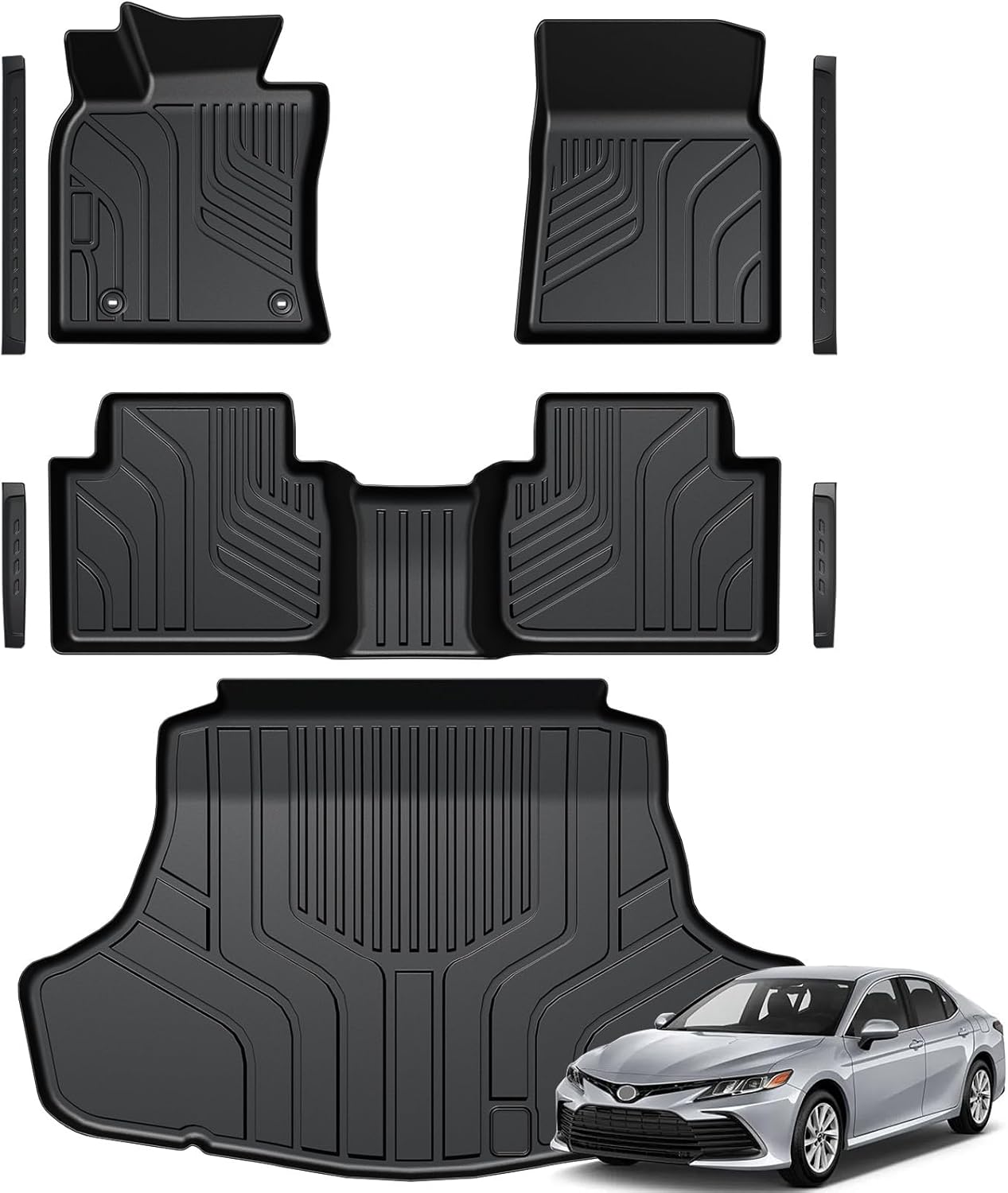
Custom-fit floor mats and accessories designed for 2018-2024 Toyota Camry gas FWD models provide full-coverage protection for the cabin, trunk, and door sills. Built with all-weather materials and raised edges, they help block dirt, spills, and debris while staying securely in place for everyday driving. The set is easy to install, simple to clean, and made to keep your vehicle looking neat and protected.
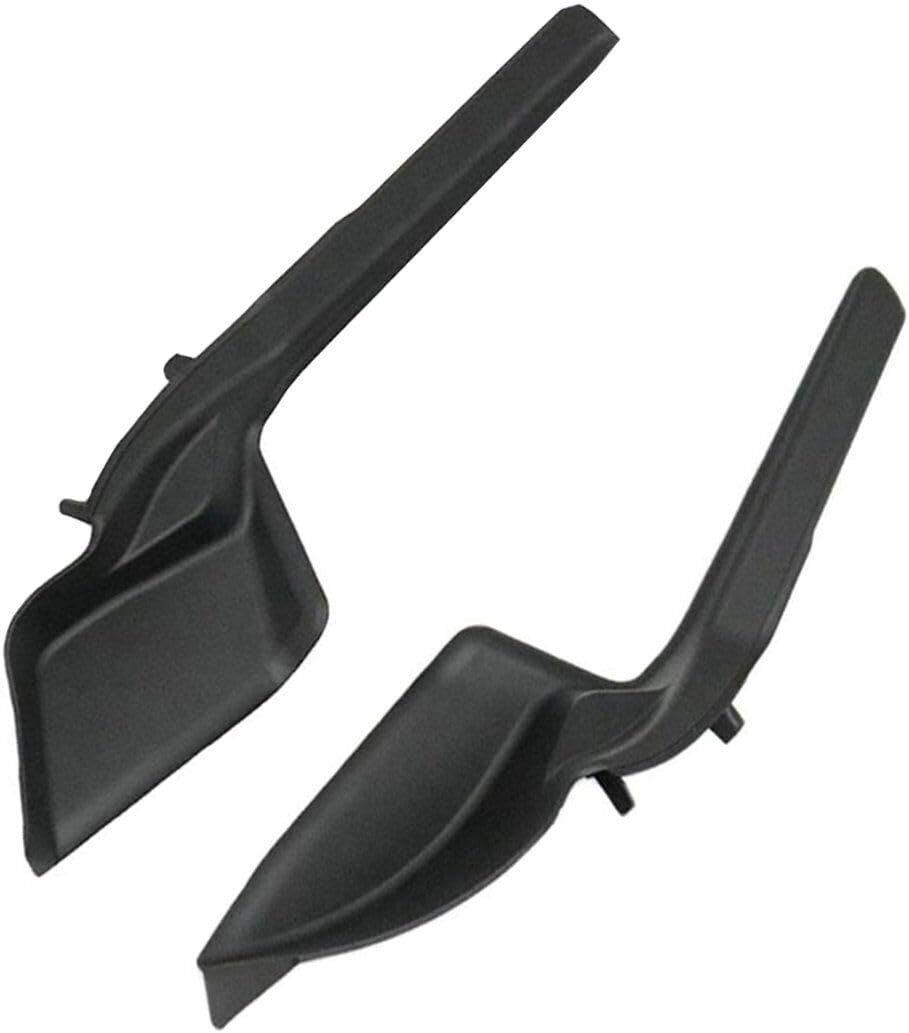
Upgrade the front-end look of your vehicle with this windshield wiper side cowl extension cover trim designed for select RAV4 models. It helps protect the wiper area from weather exposure while delivering a cleaner, more polished appearance. With a straightforward installation process and vehicle-specific fitment, it is a simple way to enhance both style and function.
How Do You Find Where Water Is Entering a Camry?
Find the entry path by drying the floor enough to reveal new water, placing dry towels at likely seams, and testing one exterior zone at a time. Start by removing the floor mat and checking the carpet face, backing, door-sill edge, kick panel, firewall edge, and area beneath the front seat. Press several spots rather than checking only the visible puddle. Padding can hold much more water than the carpet surface shows.
- Extract existing water. Remove enough moisture that new water will be easy to identify.
- Place dry towels at likely entry points. Put them along the firewall edge, kick panel, door sill, lower pillar area, and beneath the dashboard.
- Test one exterior zone. Use a gentle stream rather than a spray nozzle or pressure washer.
- Start low and move upward. Test the lower door and cowl area before moving to the windshield edge or roof.
- Stop at the first fresh moisture. Record the exterior area being tested and the first towel or seam that becomes wet.
Do not wet the windshield, roof, door frame, and cowl at the same time. Water entering from several directions makes the result difficult to interpret. Let each zone drain before moving to the next one.
Inspect the windshield perimeter and door weatherstripping for loose molding, visible gaps, folds, tears, or packed dirt. At each door, confirm that the drain slots along the lower edge are open and that test water exits outside instead of crossing the inner trim or sill. Check the cowl area for leaves and debris, but do not dismantle the wiper cowl unless you know how its clips, seals, and wiring are arranged. If the leak began after windshield replacement or body repair, tell the shop because the bond or repaired seam deserves targeted testing.
Note: Clear, odorless water is consistent with rainwater or A/C condensation. Sweet-smelling, slick, colored, or greasy fluid should be treated as possible coolant.
[Products Worth Considering]
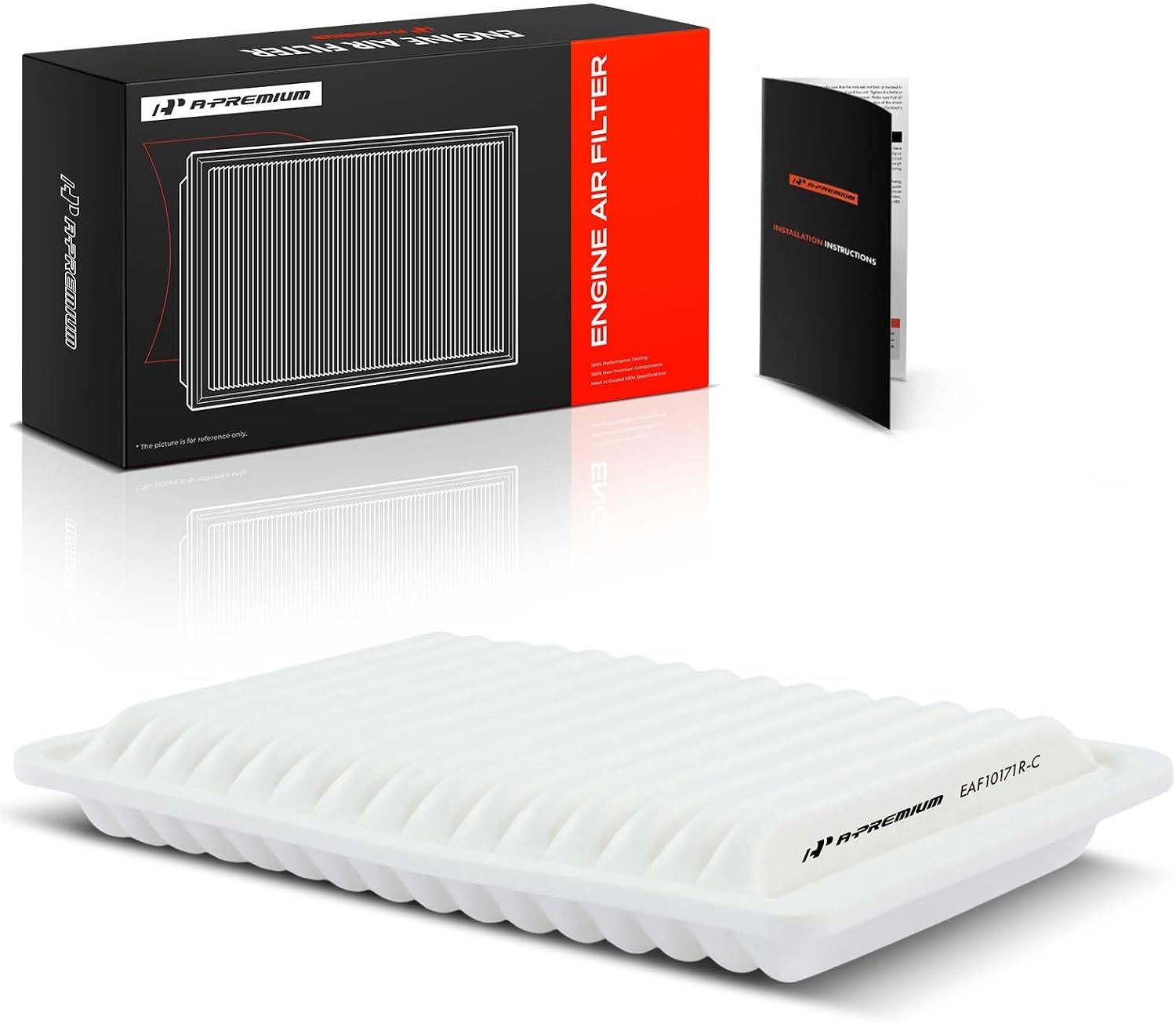
This A-Premium engine air filter is designed to help Toyota Camry and Venza models maintain cleaner airflow and stronger engine performance. Its fine filtration media captures debris while keeping air moving efficiently, and the rectangular, front-mounted design offers a direct replacement fit for select vehicles. Replace it regularly to support engine efficiency and cleaner intake air.

Custom-fit floor mats and cargo liner designed for Toyota Camry models from 2018 through 2024 with front-wheel drive only. Made for all-weather protection, they help trap mud, snow, spills, and debris while the anti-slip surface and secure clips keep everything in place. Easy to install and simple to clean, these liners offer reliable everyday protection for your vehicle interior.
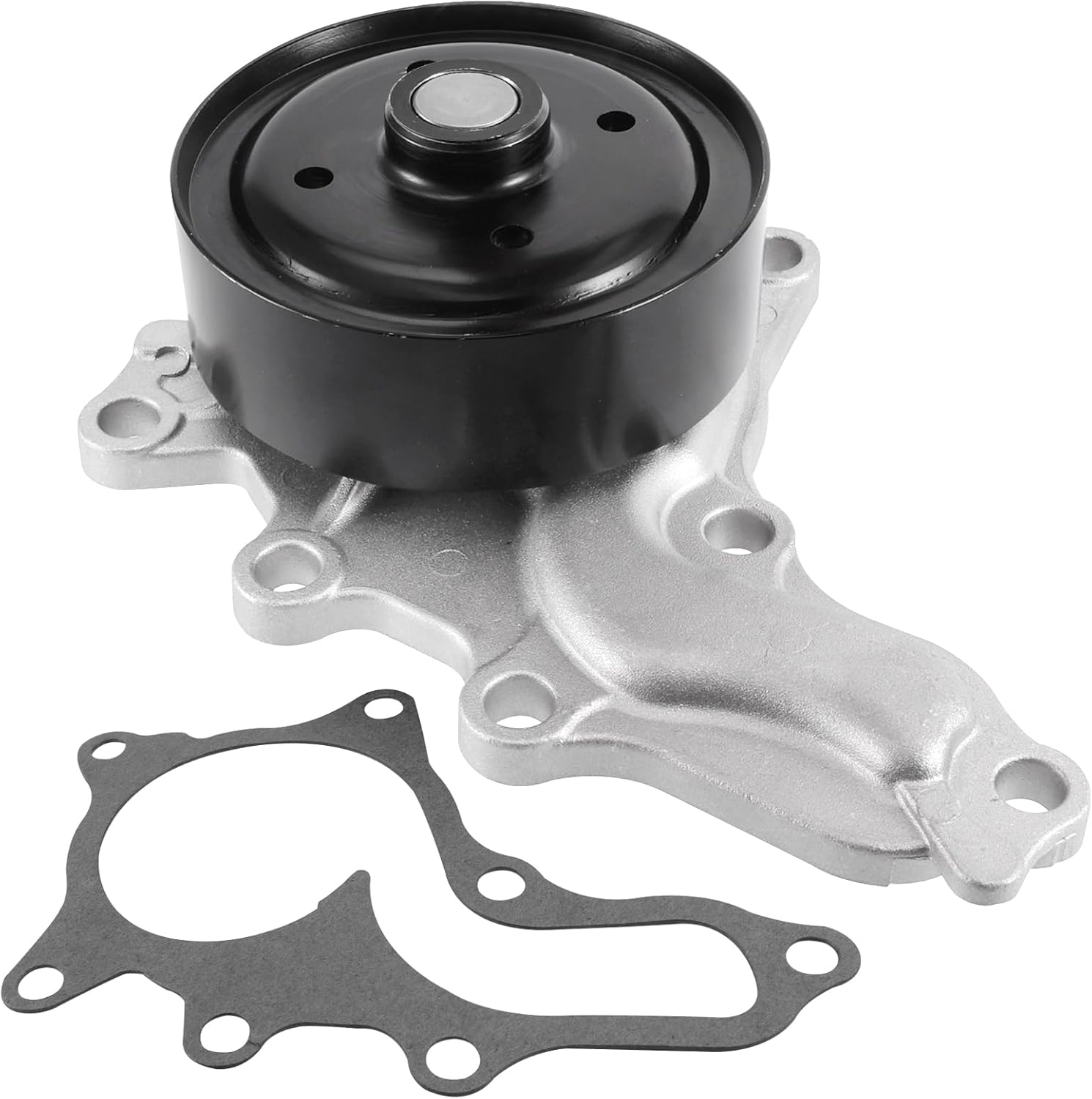
This AW6252 water pump is designed for a wide range of Toyota, Scion, and Lexus applications, helping maintain reliable engine cooling across compatible models. It features case hardened bearings for durability, a graphite-impregnated gasket for a secure seal, and 100% function and leakage testing for dependable performance. Built in TS16949 certified facilities, it offers a strong replacement option backed by service support.
Can a Clogged Camry A/C Drain Wet the Passenger Floor?
Yes. A blocked, pinched, or disconnected A/C evaporator drain can keep condensation inside the HVAC housing until it reaches the passenger-side carpet. Common clues include dampness after A/C use, a musty odor, or a sloshing sound behind the dashboard. No outside drip by itself is not proof of a clog, but it becomes a stronger clue when the cabin gets wet after the A/C runs in humid conditions.
In many vehicles, the drain outlet sits beneath the passenger side near the firewall, but the exact Camry location and access method vary by model year and powertrain. Run the A/C in humid conditions, park on a dry surface, and look for water dripping beneath the passenger-side firewall area. A musty vent odor without wet carpet may also involve the filter, evaporator surface, or HVAC debris; see the related Camry cabin-filter and A/C odor checks.
2012–2013 recall check: Certain Camry and Camry Hybrid vehicles were recalled because a clogged A/C drain hose could allow water to reach the airbag control module. Check recall 13V442000 by VIN before clearing the drain yourself, especially if an airbag warning light or steering-assist change is present.
If no outside drip appears and the cabin continues to get wet, switch off the engine before inspecting an accessible outlet. Remove only visible debris at the opening. Use flexible nylon line only when the outlet is clearly accessible and the line moves without force; stop at firm resistance. Do not force metal wire into the hose, insert a tool deep into the HVAC case, or blast high-pressure air into the drain.
After clearing the outlet, run the A/C again and confirm that condensation drains outside. Then dry the carpet and recheck it after another A/C cycle. If the outside drain flows but the floor becomes wet again, inspect for a disconnected hose, rain entry, or another HVAC housing problem.
Can Clogged Camry Sunroof Drains Cause Wet Carpet?
Yes. Clogged, pinched, or disconnected Camry sunroof drains can overflow the roof tray and send water into the headliner, pillar area, dashboard, or floor. The glass seal does not have to be visibly damaged: water that reaches the surrounding tray should leave through corner drains and hoses.
Open the roof glass if it operates normally and locate the tray’s drain openings. Pour a small amount of clean water into one corner at a time. Watch for prompt discharge beneath the vehicle before testing the next corner.
Slow flow, bubbling, or water backing up in the tray suggests a restriction. Use flexible nylon line only when the opening is accessible and the line moves without force. Do not use stiff wire, enlarge the opening, or apply strong compressed air that could separate a hose behind the trim.
If water appears at the headliner, pillar trim, dashboard, or airbag area during the test, stop. A shop may need to inspect the hose connection without damaging trim or disturbing the side-curtain airbag system.
Pro tip: Remove leaves and needles from the roof opening and cowl before they break down into smaller debris that can enter a drain.
How Do You Dry Wet Camry Carpet Safely?
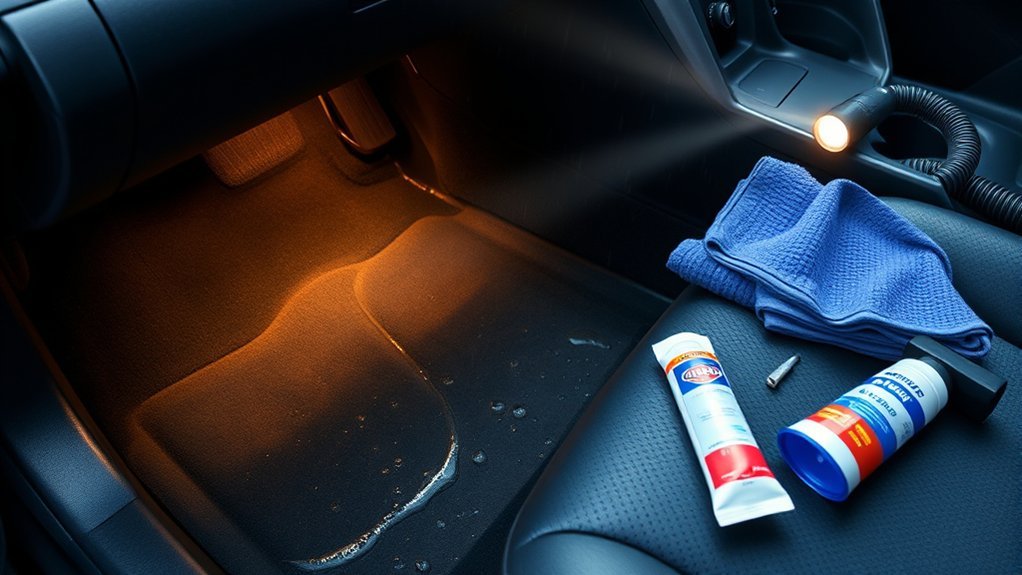
Use a wet/dry vacuum to remove standing water from the floor, mats, carpet face, and exposed seams. Do not use a household dry-only vacuum. Remove the floor mats and dry them outside the car when weather conditions allow.
The EPA’s general mold guidance says carpet and backing should be dried within 48 hours. It recommends water extraction, lifting the carpet and pad from the floor, airflow, and dehumidification. In a Camry, surface drying is not enough when the padding underneath remains soaked.
Contaminated-water caution: Do not use fans to spread air through the cabin until you know the water is clean. Floodwater, sewage, fuel, or chemical contamination requires protective equipment and professional assessment.
- Blot seams and low points after extracting standing water.
- Use fans to move dry air across the carpet rather than only across the seats.
- Run a dehumidifier near the open cabin in a secure, dry location, and do not leave electrical equipment unattended.
- Check beneath removable mats and along the door-sill edge several hours later.
- Have a shop lift the carpet when the padding remains heavy, spongy, or musty.
Do not apply permanent sealant until the leak path has been reproduced. After a repair, repeat the rain or A/C condition that caused the leak. Check the carpet backing immediately, then check it again several hours later because moisture can travel slowly beneath the surface.
[Products Worth Considering]
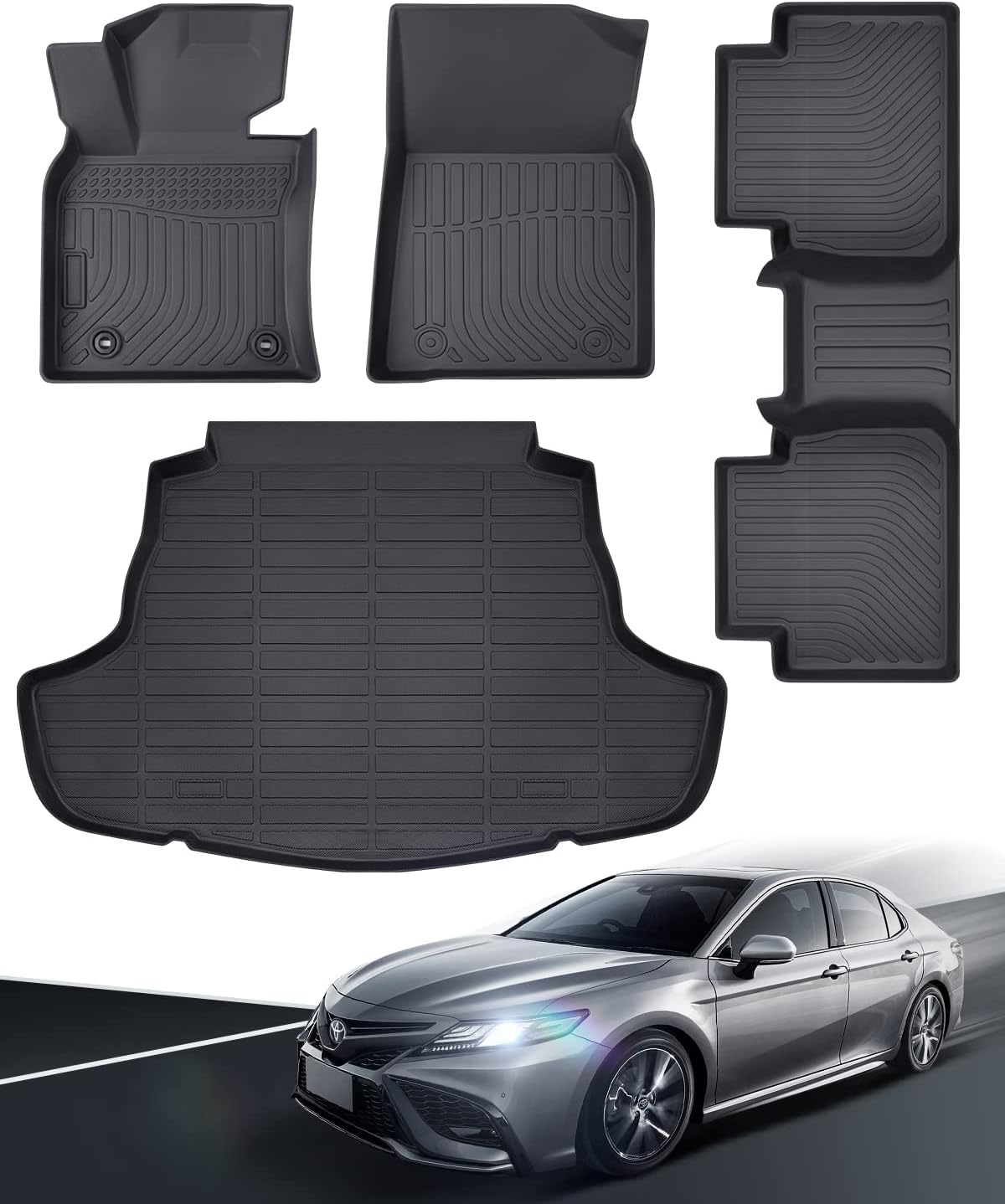
This custom floor mat and cargo liner set is designed to help protect the interior of Toyota Camry models from everyday messes like mud, spills, snow, and pet hair. Made for a precise fit on compatible 8th Gen FWD trims, it offers full coverage for both the cabin and trunk while remaining easy to remove, clean, and reinstall. The odorless TPE construction is built for all-weather durability and long-lasting comfort.

These custom-fit floor mats and door sill protectors are designed specifically for Toyota RAV4 2026 Hybrid models to help keep the interior cleaner and better protected. Made with all-weather TPE material and molded using vehicle-specific measurements, they provide coverage for dirt, mud, snow, and everyday wear while helping maintain a tidy factory look. Easy to install, remove, and clean, this set adds practical protection for daily driving and frequent passenger entry.

This coolant electric water pump is designed as a replacement for select Toyota vehicles, helping maintain proper engine cooling performance and reliable temperature control. Built to OE specifications, it offers fitment support for compatible Avalon, Camry, and RAV4 models with 2.5L L4 engines. It also includes cross-reference part numbers for easier matching and comes with after-sales support for covered defects.
When Should a Shop Diagnose a Camry Water Leak?
Book professional diagnosis when basic drain and seal checks do not identify the source, water returns after cleaning, or moisture reaches wiring and electronic components. Water can travel behind trim before reaching the carpet, so the lowest wet spot may be far from the actual opening.
A leak diagnosis should identify the failed part or path, not only dry the floor. Ask the estimate to name the clogged outlet, disconnected hose, failed weatherstrip, windshield-bond problem, body-seam gap, cowl-sealer defect, or HVAC housing issue. The amount of labor depends on whether the technician must remove trim, lift carpet, access the cowl, or work behind the dashboard.
Dealer inspection is especially important for a 2012–2013 Camry or Camry Hybrid that may have an open safety recall 13V442000, and useful for a 2018 model with right-front wetness or musty odor that may match T-SB-0042-18. The recall and bulletin apply only when the VIN and condition meet their criteria. Ask the dealer to document whether the VIN is included, whether the campaign is complete, and whether the leak matches the official repair path.
Seek prompt diagnosis when the liquid smells sweet, feels slick, leaves a greasy film on the windshield, or accompanies falling coolant level. Those signs fit a possible heater-core or cooling-system leak rather than ordinary rainwater or A/C condensation. The related Camry coolant-leak guide explains other coolant-loss clues and when to stop driving.
Frequently Asked Questions
Why does my Camry carpet get wet when it rains?
Rainwater can enter through the windshield bond, cowl area, door weatherstripping, a body seam, or a blocked sunroof drain if the car has a sunroof. Dry the floor enough to detect new water, then test one exterior zone at a time with a gentle stream.
Why is only the passenger-side Camry carpet wet?
Passenger-side wetness after A/C use makes the evaporator drain a priority check. Passenger-side wetness after rain may come from the cowl, windshield edge, door sealing, sunroof drain, or a body seam. Smell and feel the liquid before assuming it is water rather than coolant.
Why does water seem to come up through the carpet?
The padding beneath the carpet can absorb water and release it when you press or step on the floor. The visible carpet may feel nearly dry while the backing and padding remain soaked. Extraction and airflow must reach those lower layers.
Can a clogged A/C drain make a Camry floor wet?
Yes. A clogged, pinched, or disconnected evaporator drain can keep condensation inside the HVAC housing until it reaches the passenger floor. Check whether water drips outside while the A/C runs in humid conditions.
How can I tell coolant from rainwater or A/C condensation?
Rainwater and A/C condensation are usually clear, thin, and nearly odorless. Coolant may smell sweet, feel slick, leave a greasy film on the glass, have a color, or appear with a falling coolant level. Suspected coolant needs prompt professional diagnosis.
Does Toyota bulletin T-SB-0042-18 apply to every 2018 Camry?
No. It covers a specified right-front wetness or musty-odor condition in certain 2018 Camry and Camry Hybrid vehicles built before listed production-change VINs. A dealer should compare your VIN and symptoms with the bulletin before using its repair procedure.
Is there a Toyota Camry recall for water on the passenger floor?
Yes, for certain 2012–2013 Camry and Camry Hybrid vehicles. NHTSA safety recall 13V442000 addressed an A/C drain-hose condition that could let water reach the airbag control module. Check the VIN through Toyota or NHTSA because model year alone does not confirm that a specific vehicle is included or that the recall remains open.
Is it safe to drive a Camry with wet carpet?
Do not keep driving if wet carpet appears with an airbag warning light, unexpected airbag behavior, a sudden steering-assist change, a temperature warning, falling coolant, or soaked wiring or modules. A small clean-water leak without warning symptoms may not immediately affect operation, but it still needs prompt drying and diagnosis to prevent hidden electrical damage, corrosion, odor, and mold.
Why is the rear Camry carpet wet when the front seems dry?
Water can travel beneath the carpet backing from a front footwell, door sill, roof-drain hose, or body seam and collect at a lower rear floor area. Press the padding between the visible wet spot and the front of the cabin, then reproduce one rain or A/C condition at a time to find where fresh moisture starts.
How do I know whether the Camry carpet is fully dry?
Press the carpet backing and low floor areas after the surface feels dry. Check again several hours later for coolness, dampness, odor, or moisture returning at the seams. Soaked padding may require the carpet to be lifted for complete drying.
Conclusion
A wet Camry carpet requires two separate results: the entry source must stop, and the carpet backing, padding, and floor pan must dry completely. Begin with four clues: location, timing, fluid identity, and the first point where new moisture appears. Test rain zones separately, confirm whether A/C condensation drains outside, and treat sweet or slick liquid as possible coolant.
Check safety recall 13V442000 by VIN on a 2012–2013 Camry or Camry Hybrid, and compare a qualifying 2018 right-front leak with Toyota bulletin T-SB-0042-18. After any repair, reproduce the original condition and recheck the carpet backing later the same day. Arrange professional diagnosis when water returns, reaches wiring or airbag trim, produces warning lights, or requires unsafe access.
References
- NHTSA Campaign 13V442000: Toyota Defect Information Report for Certain 2012–2013 Camry, Camry Hybrid, Avalon, Avalon Hybrid, and Venza Vehicles (Toyota Motor Engineering & Manufacturing North America, October 17, 2013)
- Toyota Safety Recall and Service Campaign Lookup (Toyota)
- Toyota Technical Service Bulletin T-SB-0042-18: Water Entry on RH Front Floor Area (Toyota Motor Sales, USA, June 12, 2018)
- Mold Course Chapter 4: Dry Quickly (U.S. Environmental Protection Agency, updated December 1, 2025)
- Where Is the A/C Evaporator Drain Located? (CarParts.com, reviewed by an ASE-certified master automobile technician, 2024)
- Signs That Your Car Heater Core Is Leaking (AutoZone)



[…] A Camry water leak usually comes from a failed trunk seal, tail light gasket, door weatherstrip or vapor barrier, cowl drain, sunroof drain, A/C evaporator drain, windshield or rear-glass seal, or body seam. Confirm it by drying the area, mapping where water collects, and running one controlled test at a time. For floor-only symptoms, use this Camry wet-carpet and A/C leak guide. […]
[…] other Toyota Camry wet-carpet causes for a broader diagnosis covering rainwater, A/C condensation, and heater-system […]
[…] This page covers roof-drain location, flow testing, and light inlet cleaning. For rainwater, A/C condensation, coolant, windshield, cowl, door, and body-seam checks, use the Camry wet-carpet diagnosis guide. […]