Why Your 2000 Toyota Camry Vents Smell Musty
If your 2000 Toyota Camry’s vents smell musty, dusty, sour, or stale, first pay attention to when the smell appears. An odor that is strongest just after the A/C starts usually points to moisture or odor buildup on the evaporator or a condensate-drain problem. An odor that appears mainly in fresh-air mode can come from debris near the cowl intake. Sweet coolant, gasoline, exhaust, or burning smells need a different diagnosis and should not be treated as a simple HVAC-cleaning problem.
Last updated: September 16, 2026 — clarified 2000 Camry cabin-filter fitment and added Toyota BO028-00 body-vent guidance for moisture and odor problems.
Quick Answer
A musty smell from a 2000 Toyota Camry’s vents is most often associated with a damp A/C evaporator, a restricted condensate drain, or wet debris around the outside-air intake. For a U.S.-market 2000 Camry, do not buy a replacement cabin filter until you physically confirm that your car has a serviceable filter housing. If the cabin or trunk stays damp even when the A/C is not being used, also consider the quarter-panel air-duct issue covered by Toyota bulletin BO028-00 for 1997–2001 U.S.-produced Camrys.
Key Takeaways
- The timing of the odor matters: A/C startup, fresh-air mode, heater use, and constant dampness point to different causes.
- For a U.S.-market 2000 Camry, verify the physical filter housing or VIN-specific parts information before buying a cabin filter.
- A restricted A/C drain or damp evaporator can make a musty or sour smell return after surface vent cleaning.
- Toyota bulletin BO028-00 identifies loose or missing quarter-panel air-duct flaps as another moisture-and-odor path on 1997–2001 U.S.-produced Camrys.
- Gasoline, exhaust, burning electrical, or strong sweet-coolant smells require diagnosis outside normal odor-cleaning steps.
At a Glance
| Best First Check | Identify when the odor appears, inspect the cowl intake and passenger carpet, and confirm whether A/C condensate is draining |
| Difficulty | Basic inspection is beginner-friendly; evaporator, body-water-leak, heater-core, fuel, exhaust, and electrical diagnosis may require a professional |
| Tools Needed | Flashlight, gloves, shop vacuum, microfiber towel, automotive HVAC cleaner if needed, flexible plastic line for the drain, and appropriate eye/respiratory protection when disturbing moldy debris |
| Parts Warning | Cabin-filter listings for 2000 Camrys are inconsistent. Verify the actual housing or VIN-specific Toyota parts information before ordering a filter. |
Quick Diagnostic Guide: Why Your Camry’s Vents Smell
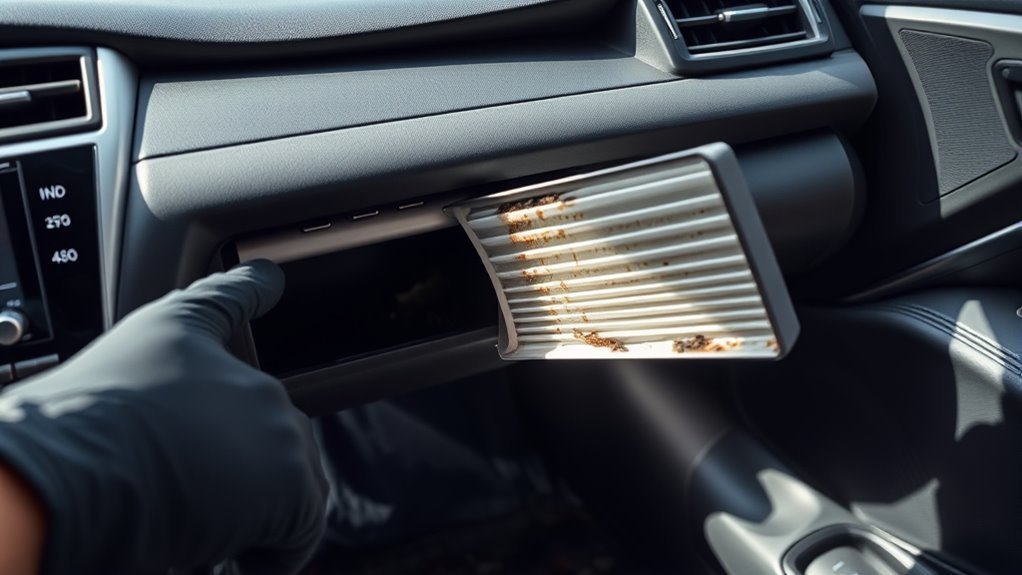
Before you remove trim or spray anything into the HVAC system, match the odor to both its smell and its timing. That distinction can separate an evaporator problem from outside-air debris, a heater-core leak, or a body-water leak.
| Smell or Pattern | When It Is Strongest | Likely Cause | What To Check First |
| Musty or mildew | Right after A/C startup, especially after the car has been parked | Moisture or odor buildup on the evaporator, restricted A/C drain, wet debris in the HVAC case | Condensate drain flow, passenger carpet, evaporator area |
| Dusty or dirty | Fresh-air mode or high blower speed | Leaves, pollen, dirt, or debris near the cowl intake or blower | Windshield-base intake grilles, blower area, verified filter housing if present |
| Sour or vinegar-like | A/C startup or shortly after A/C use | Odor buildup on a damp evaporator | Drain flow, evaporator drying, automotive evaporator cleaner if needed |
| Sweet syrup | Heater use, defrosting, or continuously | Possible coolant leak or heater-core problem | Coolant level, windshield film, damp passenger carpet; professional diagnosis if a leak is suspected |
| Gasoline, exhaust, or burning | With the engine running, regardless of HVAC mode | Possible fuel, exhaust, oil, belt, or electrical fault | Stop treating it as an HVAC odor and have the relevant system inspected |
| Persistent damp or stale cabin/trunk odor | Even with A/C off | Body-water intrusion or, on applicable U.S.-produced 1997–2001 Camrys, loose or missing quarter-panel air-duct flaps | Trunk moisture, quarter-panel vent area, body seals, Toyota bulletin BO028-00 |
Warning: A gasoline, exhaust, burning-plastic, or strong coolant smell is not a normal HVAC odor. Park safely and have the fuel, exhaust, cooling, or electrical system inspected if the smell is strong or persistent.
Does a 2000 Toyota Camry Have a Cabin Air Filter?
For a U.S.-market 2000 Camry, treat a serviceable cabin air filter as unconfirmed until you inspect the car or verify it by VIN. Toyota’s 2000 owner information covers the HVAC controls, fresh-air intake, and operating tips, but it does not present the dedicated air-conditioning-filter inspection and replacement procedure that appears in Toyota’s 2002 Camry manual. Aftermarket catalogs and non-U.S. configurations can conflict, so physical verification matters more than a generic online fitment listing.
Start with Toyota’s 2000 Camry owner information. For comparison, Toyota’s 2002 Camry owner’s manual includes a dedicated air-conditioning-filter service procedure. If a catalog and the physical HVAC housing disagree, use VIN-specific Toyota parts information or ask a Toyota parts department to verify the car before ordering anything.
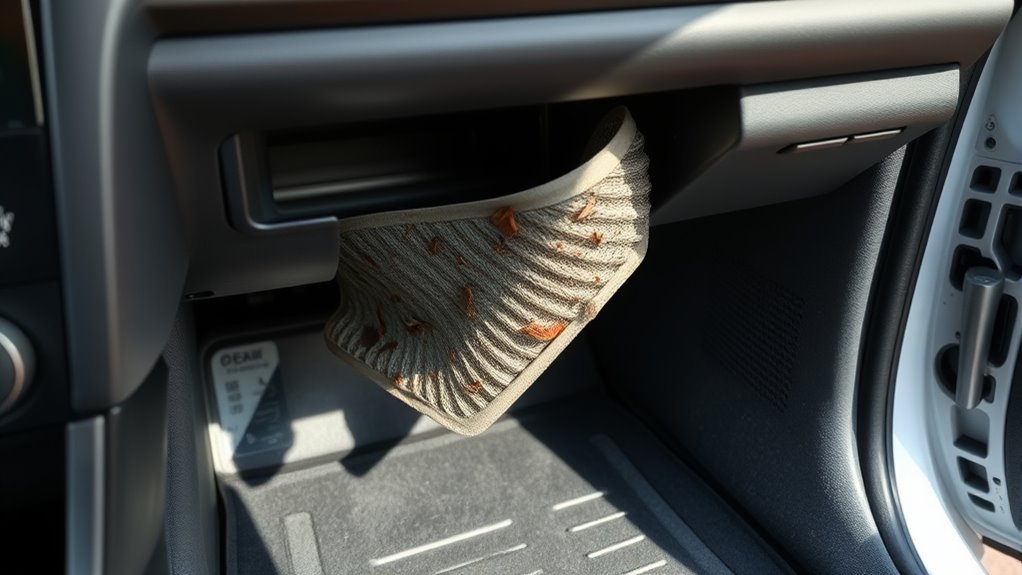
How To Check Behind the Glovebox
- Turn the ignition off and empty the glovebox.
- Use a flashlight to inspect the HVAC housing behind and below the glovebox without forcing any trim or plastic.
- Look for a clearly removable rectangular filter access cover or filter tray.
- If no obvious service door is visible, stop before cutting, drilling, or prying the HVAC case.
- If glovebox removal is required for a closer inspection, follow repair information for the 1997–2001 Camry rather than assuming a 2002+ filter-access procedure applies.
Note: If there is no serviceable filter housing, focus on the cowl intake, blower area, A/C drain, evaporator, and possible water intrusion instead of buying a replacement filter.
Top Causes of Dust and Musty Smells From Camry Vents
A musty odor that appears after A/C use usually points toward retained moisture or odor buildup in the evaporator case. Dusty smells are more likely when leaves, pollen, or dirt collect near the outside-air intake or blower. A restricted condensate drain can make either condition worse because moisture remains in the HVAC case instead of draining under the car.
Toyota’s later HVAC odor bulletin explains that interior and exterior odors can accumulate in an air-conditioning system and on the evaporator, then become noticeable as the evaporator changes temperature. However, Toyota T-SB-0010-20 applies to 2007–2017 Camry models, not a 2000 Camry. Use it here only as general Toyota HVAC-odor guidance, not as a 2000-specific parts or maintenance specification.
[Products Worth Considering]
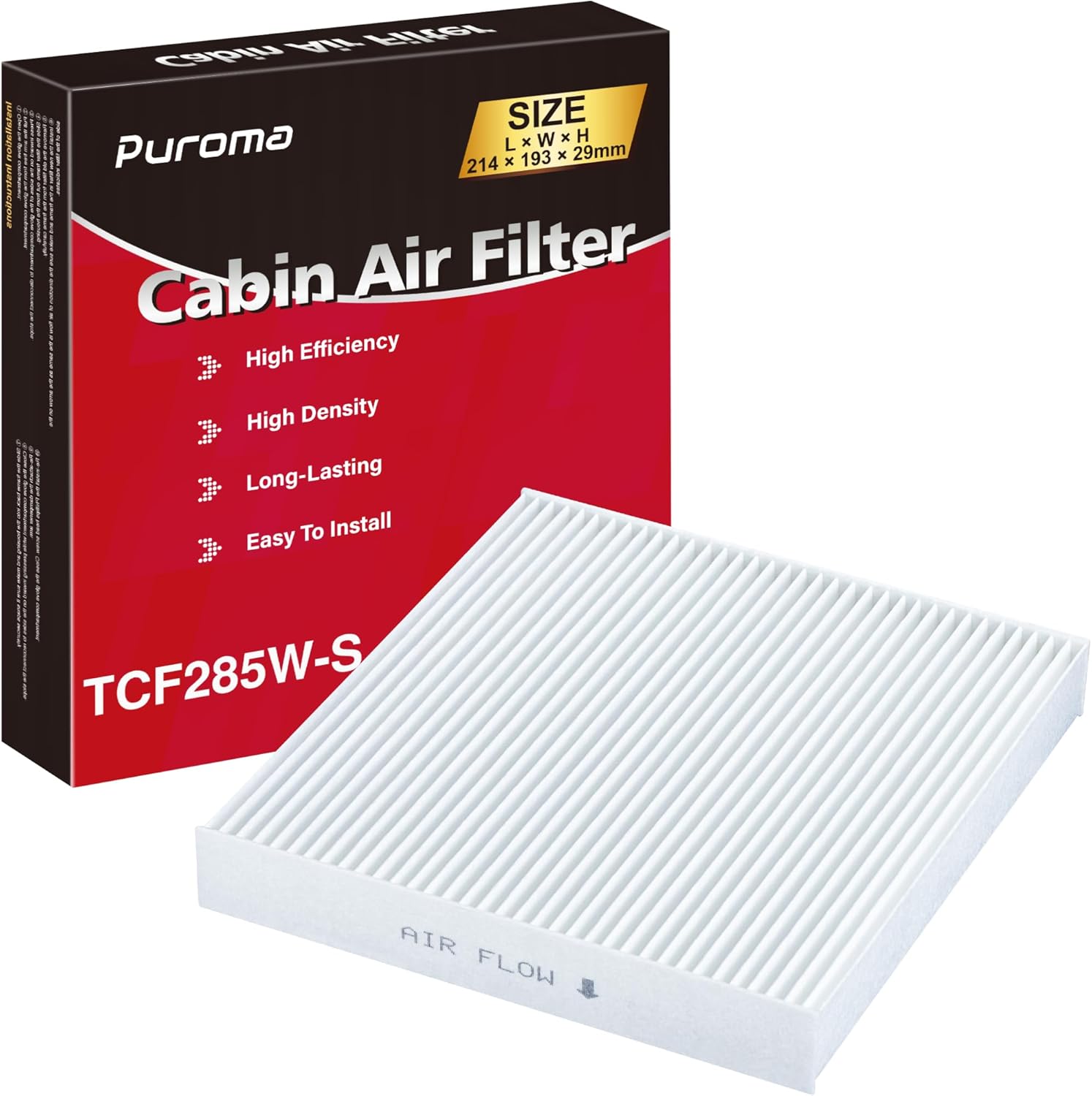
This Puroma cabin air filter helps keep your vehicle interior supplied with cleaner air while supporting efficient HVAC performance. Its multi-layer design helps reduce odors and trap airborne particles, making daily driving more comfortable. With wide compatibility across many Toyota, Lexus, Subaru, and other models, it is designed for quick replacement and easy installation.

Puroma cabin air filter helps deliver cleaner, fresher air inside your vehicle while supporting efficient HVAC airflow. Its multi-layer design helps reduce stale odors and capture airborne particles, making daily driving more comfortable. Designed for easy installation and broad fitment across many Toyota, Lexus, Mazda, and Subaru models.

This Puroma cabin air filter uses activated carbon and a close-meshed non-woven layer to help block airborne particles and reduce unwanted odors inside the vehicle. It supports cleaner cabin air and improved HVAC airflow, helping maintain comfortable heating and cooling performance. Designed for quick installation, it is compatible with a wide range of Toyota, Lexus, Mazda, and Subaru models.
Common Odor Sources
- Wet debris in the cowl intake: Leaves and dirt at the windshield base can feed stale odors directly into fresh-air mode.
- Serviceable filter, only if actually present: A dirty or damp filter can hold odor, but first confirm that your car has a replaceable filter housing.
- Damp evaporator core: Moisture left after A/C operation can hold odor on the evaporator fins.
- Restricted condensate drain: Poor drainage can leave the HVAC case wet or contribute to a damp passenger footwell.
- Dirty blower housing: Leaves and debris near the blower wheel can cause dusty smells, noise, and weaker airflow.
- Body-water intrusion: Water entering the trunk or cabin can create a musty smell even when the HVAC system is not the original source.
A 2000-Specific Check: Toyota BO028-00
Toyota bulletin BO028-00, dated November 3, 2000, applies to 1997–2001 U.S.-produced Camrys and addresses moisture and odors permeating into the vehicle when quarter-panel air-duct flaps become loose or go missing. The prescribed repair is replacement of the affected quarter-panel air duct. This is separate from an evaporator odor problem, so it becomes especially relevant when the trunk or cabin is damp and the smell is present even with the A/C off. A service bulletin is repair information, not the same thing as a safety recall. A published copy of the bulletin summary is available at Toyota TSB BO02800 / NHTSA communication 616095.
How to Check and Replace the Cabin Air Filter, If Equipped
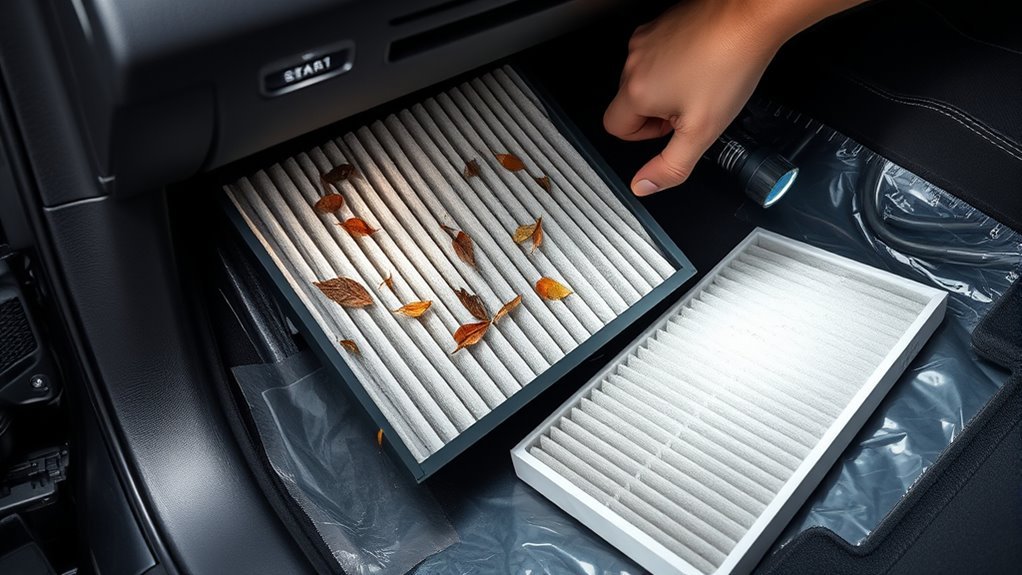
Only follow this replacement procedure after you have confirmed that your specific car has a removable filter tray or housing. Do not modify the HVAC case to make a later-model filter fit.
- Turn the ignition off and confirm the location of the serviceable filter access door.
- Note how the existing cover, tray, and filter are installed before removing them.
- Open the access cover using its intended clips or fasteners.
- Slide the existing filter out without forcing the surrounding HVAC case.
- Inspect it for leaves, dust, dampness, staining, or odor.
- Match the replacement to the filter you removed and confirm vehicle fitment before installation.
- Follow the airflow-direction markings on the filter or housing.
- Reinstall the cover securely and run the blower to confirm normal airflow.
Pro Tip: If a verified filter is wet, do not assume the filter itself is the root cause. Check for poor A/C drainage or another source of water intrusion.
[Products Worth Considering]

This Puroma cabin air filter helps keep your vehicle’s interior air cleaner by trapping particles and reducing unwanted odors with an activated carbon layer. It supports efficient HVAC airflow for improved heating and cooling performance while offering a simple, quick installation. Designed for a wide range of Toyota, Lexus, Mazda, and Subaru models, it is a practical replacement filter for maintaining a fresher driving experience.

Puroma cabin air filter helps keep your vehicle’s interior air fresher by capturing airborne particles while supporting strong HVAC airflow. Its multi-layer design helps reduce stale odors and promotes a cleaner, healthier driving environment. Designed for easy installation and broad fitment across select Toyota, Lexus, Mazda, and Subaru models, it’s a practical maintenance upgrade for more comfortable everyday driving.
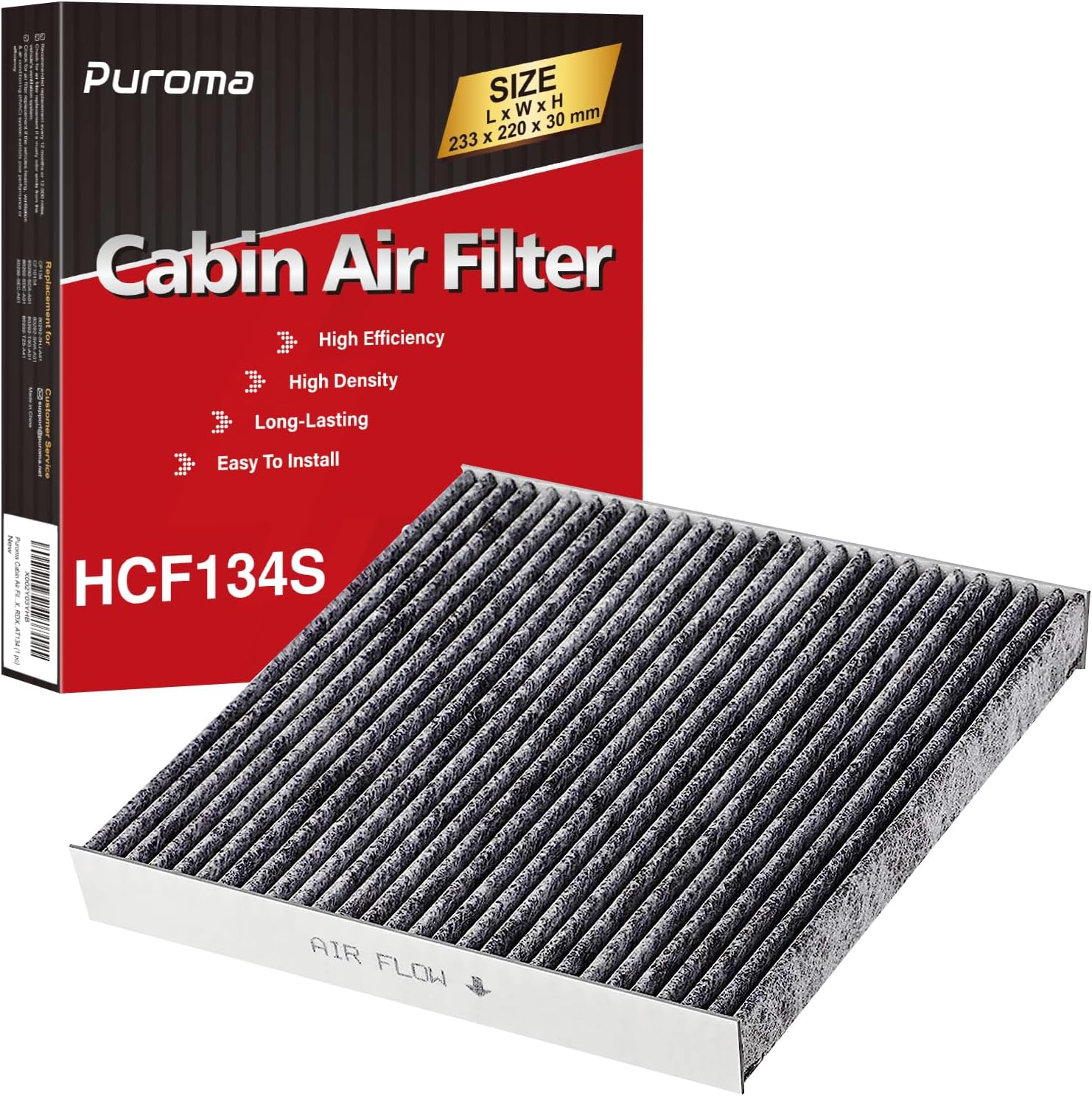
Puroma cabin air filter helps keep your vehicle interior fresher by capturing odor-causing contaminants and supporting cleaner airflow through the HVAC system. Its close-meshed filter layer and activated carbon design improve filtration performance while helping maintain efficient heating and air conditioning. Designed for a wide range of Honda and Acura models, it offers a straightforward installation and reliable passenger compartment protection.
What To Do If Your Camry Has No Serviceable Cabin Filter
A 2000 Camry without a replaceable cabin filter can still accumulate leaves, dust, moisture, and odor in the intake, blower, and evaporator areas.
- Clean the cowl intake: Remove leaves and dirt from the air-intake area at the base of the windshield and keep its water paths clear.
- Vacuum accessible debris: Use a shop vacuum around accessible lower-dash, blower, and intake areas.
- Listen to the blower: New vibration or rattling can indicate debris near the blower wheel.
- Inspect the passenger carpet: Dampness can point to an A/C drain problem, heater-core leak, or body-water intrusion.
- Check the trunk as well: Persistent moisture or odor away from A/C operation makes the BO028-00 quarter-panel vent issue more relevant on applicable U.S.-produced cars.
Deep Clean the Evaporator, Drain Tube, and Ducts for Mold
If the smell is strongest just after the A/C comes on, the evaporator and condensate drain deserve attention. The evaporator removes moisture from cabin air, and that water should leave the HVAC case through the drain. Poor drainage or persistent dampness allows odors to return even after the visible vents have been cleaned.
Warning: Wear gloves, eye protection, and at least a NIOSH-approved N95 respirator when disturbing moldy debris. The CDC advises people with allergies, immune suppression, asthma, COPD, or underlying lung disease not to take part in mold cleanup. CDC mold cleanup guidance
[Products Worth Considering]

ECOGARD XC10621C is a premium cabin air filter designed to help keep your vehicle’s interior air cleaner by trapping dust, pollen, pet dander, and other airborne debris. Its activated carbon layer also helps reduce common odors from traffic and outside air while supporting steady HVAC airflow for reliable climate system performance. It is engineered for a wide range of Toyota, Lexus, and Subaru applications.

This Toyota replaceable air filter element is designed to help keep your engine intake clean by effectively removing contaminants. Built for reliable fit and routine maintenance, it supports cleaner airflow and helps protect engine performance over time. It is a practical replacement part for drivers looking to maintain proper filtration in compatible Toyota vehicles.

KAX CA10171 premium engine air filter is designed as a direct replacement for select Toyota Camry and Venza models, helping maintain clean airflow to protect critical engine components. Its high-performance filter media delivers strong filtration efficiency and long service life for dependable everyday driving. With a precise rectangular fit and easy replacement design, it supports better acceleration, consistent performance, and improved fuel economy.
How To Check the A/C Drain
- Park on a safe, level surface.
- Run the A/C long enough for normal condensation to form, especially in humid weather.
- Look under the passenger side for water draining from the HVAC condensate outlet.
- If there is no drain water and the passenger carpet or HVAC case is damp, investigate a possible restriction.
- If the drain outlet is accessible, clear it gently with a flexible plastic line. Avoid metal tools and avoid forcing high-pressure air into the HVAC case.
How To Clean the Evaporator and Ducts
- Choose an automotive HVAC evaporator cleaner made for vehicle A/C systems.
- Follow the product label exactly, including ventilation, application point, and dwell time.
- Apply cleaner only through an access point approved by that product’s instructions.
- Allow the cleaner to work and drain as directed.
- Run the blower according to the cleaner instructions so the system can dry.
- Confirm that the condensate drain remains open afterward.
Do not pour household cleaner into the vents or mix cleaning chemicals. If you need a deeper procedure after the basic diagnosis, see the site’s Toyota Camry A/C evaporator cleaning guide, while still following year-specific access information for a 2000 model.
Short-Term Fixes and Long-Term Prevention for HVAC Odors
Quick Odor Remedies
Air fresheners can cover a smell temporarily, but they do not correct trapped moisture, debris, a restricted drain, or a water leak. Work from the odor source outward.
- Remove visible debris from the cowl intake.
- Verify normal condensate drainage when the A/C is operating.
- Inspect damp carpet or trunk areas for water intrusion.
- Use an automotive evaporator cleaner if the odor pattern points to the evaporator and the product is suitable for the vehicle.
- Replace a cabin filter only if a serviceable filter has been positively identified.
Preventive Maintenance Steps
Toyota’s later-model HVAC odor bulletin recommends outside/fresh-air mode when parking and evaporator cleaning when odor persists. That bulletin applies to later Camrys, so its filter interval should not be copied directly onto a 2000 model. For this car, use the preventive habits that apply regardless of filter fitment and service any verified filter according to the correct part or maintenance information.
- Before parking after heavy A/C use: Switch to fresh-air mode and, when practical, run the blower with the A/C compressor off briefly to help the HVAC case dry.
- After leaves or heavy debris collect: Clear the windshield-base cowl and outside-air intake.
- If the passenger carpet becomes damp: Check drain flow and investigate water or coolant intrusion instead of masking the odor.
- If the trunk stays damp: Inspect body-water paths and consider the BO028-00 quarter-panel air-duct issue on applicable U.S.-produced cars.
- If a serviceable cabin filter is verified: Follow the correct filter or vehicle service interval rather than assuming a later-model Camry interval applies.
The useful question is not “What can I spray into the vents?” It is “Where is the moisture, debris, or outside odor entering the system?”
When to Call a Pro: Inspections and What to Expect
Call a professional mechanic or automotive HVAC technician if the odor remains after basic cleaning, airflow is weak, the carpet or trunk repeatedly becomes wet, or you smell gasoline, exhaust, coolant, or burning. A shop can inspect the evaporator case, drain tube, blower housing, heater core, body-water paths, fuel system, and exhaust system without relying on guesswork.
Expect the technician to:
- Confirm the odor type and exactly when it occurs.
- Inspect the cowl intake, blower housing, and HVAC case.
- Verify whether the specific car has a serviceable cabin filter.
- Check A/C condensate drainage.
- Inspect passenger carpet and trunk areas for water or coolant intrusion.
- Consider the quarter-panel air-duct flaps on an applicable U.S.-produced 1997–2001 Camry if moisture or odor is entering through the body.
- Check for fuel, exhaust, cooling-system, or electrical problems when the odor does not match a normal musty-HVAC pattern.
If you suspect a safety recall, use your VIN or license plate with NHTSA’s recall lookup. A service bulletin such as BO028-00 is not automatically a recall.
Frequently Asked Questions
Does a 2000 Toyota Camry have a cabin air filter?
Do not assume it does. For a U.S.-market 2000 Camry, verify a removable filter housing or confirm fitment by VIN before buying a filter. Toyota’s 2000 owner information does not show the same dedicated air-conditioning-filter service procedure found in the 2002 Camry manual, and aftermarket fitment listings can conflict.
Why does my Toyota Camry A/C smell bad when I first turn it on?
A musty or sour smell that is strongest just after A/C startup commonly points to moisture or odor buildup around the evaporator. Check condensate drainage, damp debris, and the evaporator area before trying to mask the smell with an air freshener.
Can a bad cabin filter make my car smell like gas?
A filter can retain odors, but a gasoline smell should not be diagnosed as a normal filter problem. Fuel vapor can indicate a fuel-system or evaporative-emissions issue or fumes entering the cabin. If the smell is strong or persistent, park safely and have the vehicle inspected.
Why is my 2000 Camry damp or musty even when the A/C is off?
Check for body-water intrusion as well as HVAC problems. Toyota bulletin BO028-00 covers 1997–2001 U.S.-produced Camrys and says loose or missing quarter-panel air-duct flaps can allow moisture and odors into the vehicle. Wet trunk carpeting makes this diagnosis more relevant.
What is the Toyota smell lawsuit?
The Toyota HVAC odor settlement is Salas v. Toyota. It concerns certain 2012–2015 Camry XV50 vehicles purchased or leased in California, not a 2000 Camry. The court issued final approval on January 8, 2025, and the official settlement site states that eligible claimants had to file a claim by May 31, 2026.
How do I keep the smell from coming back?
Keep leaves out of the cowl intake, make sure A/C condensate drains normally, use fresh-air mode before parking after heavy A/C use, and correct any wet carpet or trunk leak. If your specific car has a verified serviceable cabin filter, maintain it according to the correct filter or vehicle information.
Conclusion
A musty vent smell in a 2000 Toyota Camry is best diagnosed by when the odor appears. A smell at A/C startup points first toward the evaporator and drain; a smell mainly in fresh-air mode points toward the cowl intake; a constantly damp trunk or cabin can point to body-water intrusion, including the quarter-panel air-duct issue Toyota documented for applicable 1997–2001 U.S.-produced Camrys. Verify cabin-filter fitment before buying parts, and treat gasoline, exhaust, coolant, or burning smells as separate mechanical or safety problems.
Sources
- Toyota Manuals and Warranties — 2000 Camry — Toyota owner information for the 2000 model year.
- Toyota 2002 Camry Owner’s Manual OM33567U — later-generation manual containing the dedicated air-conditioning-filter service procedure used for comparison.
- Toyota HVAC Odor Maintenance Bulletin T-SB-0010-20 — general Toyota HVAC odor mechanism and prevention guidance; its Camry applicability is 2007–2017, not 2000.
- Toyota BO028-00 / NHTSA communication 616095 — bulletin summary covering moisture and odors from quarter-panel air-duct flaps on applicable 1997–2001 Camrys.
- CDC Mold Cleanup Guidelines — respiratory, eye, glove, and higher-risk-person precautions for mold cleanup.
- NHTSA Recall Lookup — VIN- and license-plate-based safety recall checks.
- Salas v. Toyota Official Settlement Website — settlement scope, final approval status, and claim deadline for certain 2012–2015 Camry XV50 vehicles.