Last updated: July 31, 2026
Your Toyota Camry’s airbag warning light should come on during the startup system check and then turn off. If it stays on, flashes after the check, returns while driving, or never lights at startup, the Supplemental Restraint System (SRS) may have a fault. Depending on the model year and code, the problem can affect airbags, seat belt pretensioners, or the front-passenger occupant classification system.
Do not reset the light blindly. Record exactly what the light does, check the vehicle identification number (VIN) for open recalls, and scan the SRS module with Toyota Techstream or a Toyota-compatible enhanced scanner. Toyota warning messages and diagnostic procedures vary by Camry generation, so confirm the result against the owner’s manual or repair information for your exact year.
Quick Answer
A Toyota Camry airbag light means the SRS has detected a possible fault or cannot complete its normal self-check. Common fault areas include low system voltage, disturbed seat or seat belt wiring, a buckle switch, a steering-wheel clock spring, the passenger occupant classification system, impact sensors, the airbag control module, previous collision repairs, or an open recall. The safe sequence is: read the SRS codes, repair the confirmed cause, clear the codes with the correct tool, and verify that the warning light completes its startup check and stays off.
Key Takeaways
- The SRS light normally illuminates briefly at startup. A light that stays on, returns, flashes as a fault indication, or never illuminates needs diagnosis.
- A generic engine-code reader may not access Toyota airbag modules. Use Toyota Techstream or an enhanced scanner that specifically supports Toyota SRS.
- Do not unplug, probe, bypass, splice, or add resistors to SRS wiring. A visual inspection is the limit of safe owner-level checking.
- Check Toyota and NHTSA recall tools by VIN. Certain 2020–2022 Camry and Camry Hybrid vehicles were included in an occupant-classification sensor recall, but coverage is VIN-specific.
- Clearing a code is not a repair. If the warning returns, the fault is still active, intermittent, or unresolved.
At a Glance
| Urgency | Prompt diagnosis; follow any Toyota or NHTSA “Do Not Drive” instruction tied to your VIN |
| Time Required | 10–20 minutes for safe checks; code-based diagnosis varies by fault |
| Difficulty | Owner-level for observation and recall lookup; professional-level for SRS testing and repair |
| Tools Needed | Owner’s manual, flashlight, VIN, and a Toyota SRS-capable scan tool |
| Cost | Recall lookup and visual checks are free; diagnostic and repair cost depends on the code, model year, and failed component |
Is the Toyota Camry Airbag Light Normal at Startup?
Brief illumination during startup is normal because the vehicle is checking the SRS. The light should then turn off. Toyota’s 2025 Camry Hybrid manual says safety-system lights come on for a system check and turn off after the hybrid system starts or after a few seconds. It also warns that an SRS light that does not come on can mean the system is unavailable and needs immediate inspection.
| Light Behavior | Likely Meaning | Next Step |
|---|---|---|
| Comes on briefly, then turns off | Normal startup self-check | No action unless another warning or symptom appears |
| Stays on after startup | The SRS detected a fault or could not complete its check | Scan the SRS module and arrange prompt diagnosis |
| Turns off, then returns while driving | An intermittent or newly detected fault may be present | Record when it happens and scan before clearing codes |
| Does not illuminate at startup | The warning circuit or SRS may not be available | Have the vehicle inspected promptly |
| Appears with “AIR BAG OFF” unexpectedly | The occupant classification system may be misreading the front passenger seat | Clear loose cargo, check seating posture, and scan for SRS/occupant-system codes |
Understanding the Toyota Camry Airbag Warning Light
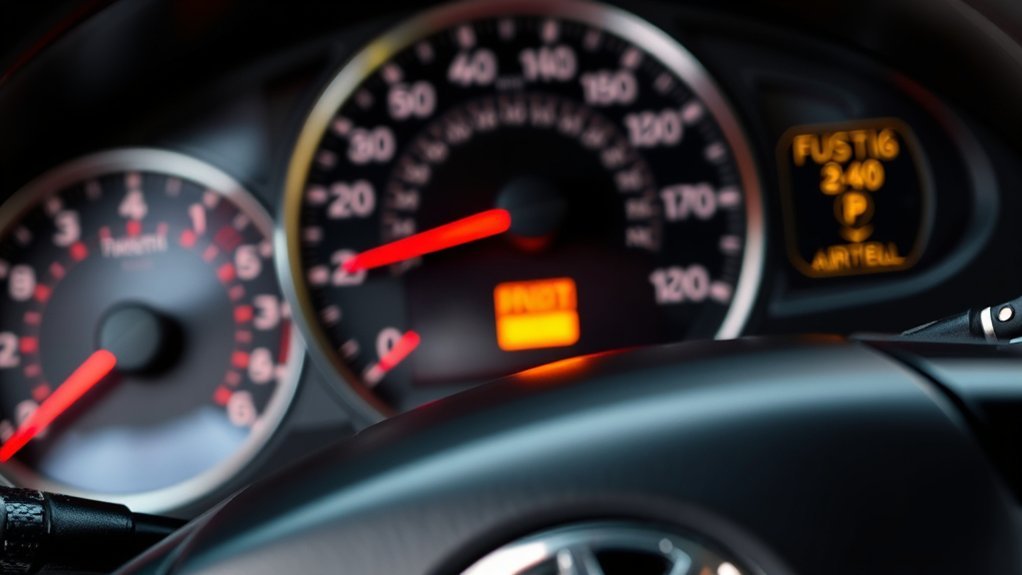
The Toyota Camry airbag warning light is commonly called the SRS light. SRS stands for Supplemental Restraint System. It is “supplemental” because airbags are designed to work with seat belts, not replace them. The system may include front airbags, side airbags, curtain shield airbags, crash sensors, seat belt pretensioners, wiring, an airbag control module, and occupant-detection components, depending on your Camry’s model year and trim.
According to NHTSA airbag safety guidance, airbags help reduce the chance that your head or upper body hits the vehicle interior during a crash, but they are not designed to deploy in every collision. That is why an active SRS fault should be taken seriously: the system may not be ready when it is needed most.
Warning: Never probe airbag wiring with a test light, unplug yellow SRS connectors casually, install bypass resistors, or try to disable an airbag. Airbag modules and seat belt pretensioners can be dangerous if handled incorrectly. Use the correct Toyota service information or have a qualified technician diagnose the system.
Airbag Light vs. Passenger Airbag Indicator
Do not confuse the SRS warning light with the front-passenger “AIR BAG ON” or “AIR BAG OFF” indicator. The passenger indicator reports how the occupant classification system is treating the front passenger seat. “AIR BAG OFF” may be normal when the seat is empty or when the system detects a small occupant or child restraint according to the owner’s manual.
The SRS warning light reports a possible malfunction. If the SRS light is on and the passenger indicator also looks wrong, the occupant classification system becomes a stronger diagnostic suspect. Do not add weight, press on the seat, or move wiring to force the indicator to change.
| Indicator | What It Reports | When to Act |
|---|---|---|
| SRS warning light | A fault in the airbag, pretensioner, sensor, wiring, power, or related control system | Act if it stays on, returns, flashes as a fault, or fails to illuminate at startup |
| “AIR BAG ON” | The system has enabled the front-passenger airbag for the detected seating condition | Check the manual if the result does not match an adult passenger seated correctly |
| “AIR BAG OFF” | The system has disabled the front-passenger airbag for the detected seating condition | Check seating posture and loose cargo; seek diagnosis if an adult is seated correctly and the result remains unexpected |
Common Causes of the Toyota Camry Airbag Warning Light
The warning light identifies a system problem, not a failed part. The exact cause must be confirmed from SRS diagnostic trouble codes and the model-year repair procedure. These are the most useful fault patterns to consider:
| Possible Cause | Clues You May Notice | Best Next Step |
|---|---|---|
| Disturbed under-seat wiring or connector | The light began after moving or removing a seat, interior cleaning, or storing items under the seat. | Look for pinched wiring, moisture, or an obviously displaced plug. Do not unplug or reseat yellow SRS connectors without the exact Toyota procedure. |
| Low 12-volt system voltage | The light appeared with a weak battery, jump-start, battery replacement, or several electrical warnings. | Test the battery and charging system. On some Camry generations, a temporary voltage drop can illuminate the SRS light without leaving a conventional stored fault. |
| Seat belt buckle switch or pretensioner circuit | The seat belt reminder behaves incorrectly, or the light appeared after seat or belt work. | Read the SRS code and inspect only the circuit identified by Toyota service information. |
| Steering-wheel clock spring | The airbag light appears with a failed horn, cruise-control switch, or steering-wheel buttons. | Have the driver-airbag circuit and clock spring diagnosed. Steering-wheel and airbag removal are not owner-level repairs. |
| Front-passenger occupant classification system | The SRS light appears with an unexpected “AIR BAG OFF” indication for a correctly seated adult. | Remove loose cargo, confirm seating posture, check the VIN for recalls, and scan the SRS/occupant classification modules. |
| Impact sensor, wiring, or airbag control module | The light appeared after a collision, water intrusion, dashboard work, or previous body repair. | Use model-specific Toyota repair information and professional diagnosis before replacing parts. |
| Deployed or incorrectly replaced SRS component | The vehicle has a crash history, rebuilt title, missing trim, or questionable prior repairs. | Have the system inspected for deployed pretensioners, counterfeit or incorrect parts, damaged wiring, and stored crash data. |
| Open recall or service campaign | The concern matches a known campaign, or the vehicle has not had recall history checked recently. | Check the VIN through Toyota’s recall lookup and NHTSA’s recall tool. Certain 2020–2022 Camry and Camry Hybrid vehicles were included in recall 23TA15/23V865 for front-passenger occupant classification sensors. |
[Products Worth Considering]
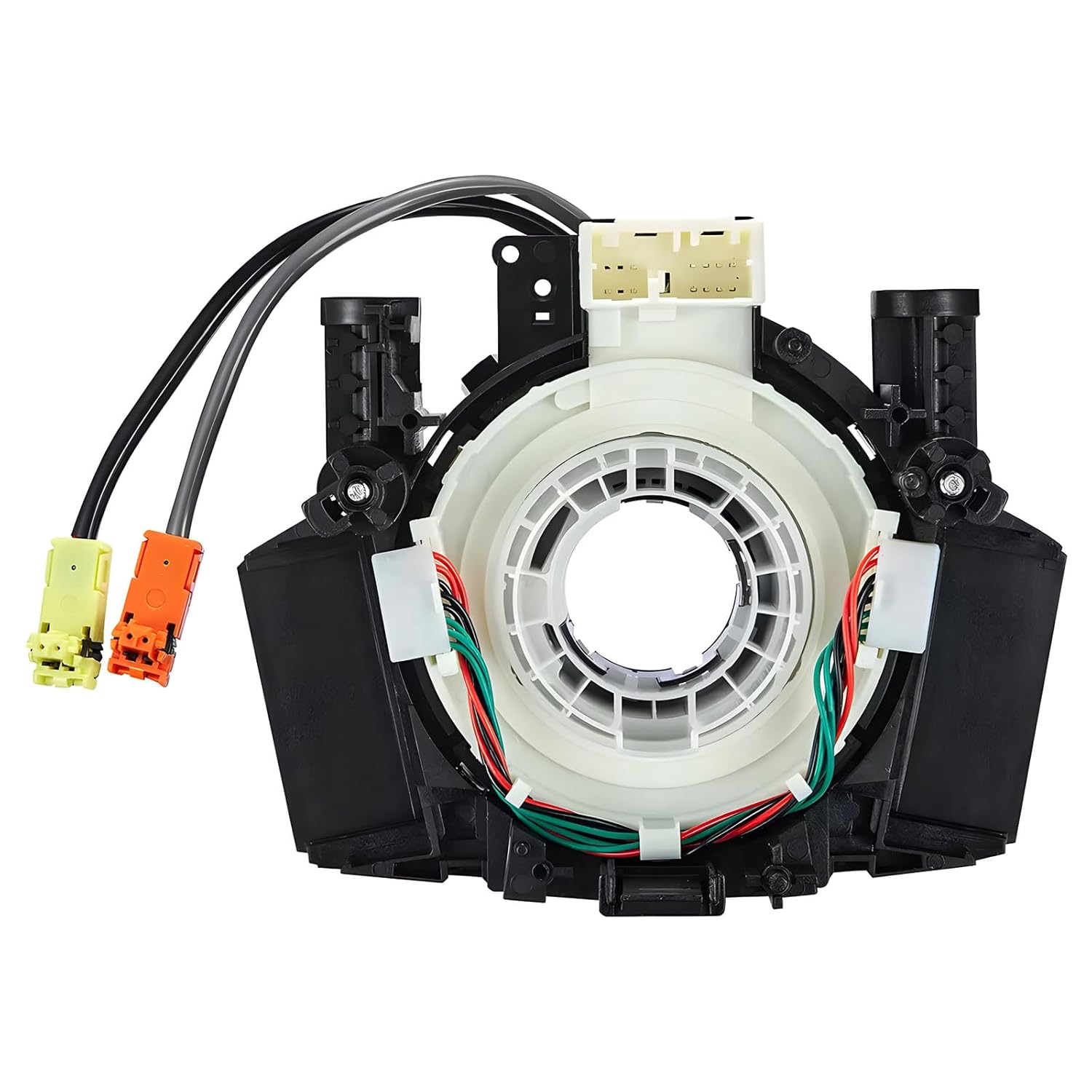
This steering clock spring assembly is an OEM-style replacement designed to restore steering wheel controls and related electronic functions in compatible Nissan vehicles. It supports audio, cruise control, and multi-function button operation while matching multiple factory part numbers for a reliable fit. Built for direct installation with vehicle-specific connectors, it helps return steering column electronics to proper working order.

This automotive test light combines a bright LED voltage display with quick polarity indication for fast, accurate circuit checks in a wide range of vehicle systems. It helps diagnose battery, charging, lighting, and fuse issues with a sharp stainless probe, long spring wire, and easy-to-use alligator clip for efficient troubleshooting.

This enhanced OBD2 scanner helps drivers quickly diagnose check engine light issues, read and clear trouble codes, and check emissions readiness before a smog test. It also adds EVAP and O2 sensor testing, live data, freeze frame capture, and a one-click battery health check in a simple plug-and-play tool with a bright color screen.
What to Do First When the Airbag Light Comes On
Start with observations and checks that do not disturb the SRS:
- Record the warning behavior. Note whether the light stays on, returns after turning off, never illuminates, or appears with another message. Also note recent seat, steering-wheel, battery, detailing, collision, or body work.
- Check the 12-volt battery and charging system. If the vehicle was recently jump-started, had a dead battery, or shows several warning lights, test system voltage before replacing SRS parts. See the site’s Camry charging-system warning guide for related electrical checks.
- Clear loose items from the front passenger seat and floor. Do not place cargo under the seat or press on the seat to change the passenger-airbag indicator. Follow the exact child-restraint instructions in your model-year owner’s manual.
- Inspect visible areas without touching SRS connectors. Use a flashlight to look for pinched wiring, moisture, or damage under the seats. Do not unplug, probe, or splice yellow SRS wiring.
- Check recalls by VIN. Use Toyota’s official recall lookup and NHTSA’s recall page before authorizing a repair.
- Scan the SRS system. Use Toyota Techstream or an enhanced scanner that can access Toyota airbag modules. A generic engine-only code reader may show no codes even when the SRS light is on. The site’s Toyota Camry OBD-II port guide explains the connector location and scanner-access limits.
Pro Tip: Save the exact SRS code, code status, and available data-list information before clearing anything. Also record the Camry’s year, trim, and whether it is a hybrid, because code definitions and test steps can vary.
How to Diagnose Toyota Camry Airbag System Issues
The diagnosis should begin with the SRS code, not with part replacement. Toyota’s Technical Information System provides factory repair information and Techstream diagnostic resources for North American Toyota vehicles. Toyota’s current factory scan platform is Techstream ADVi, while older service documents may refer to Techstream 2.0, TIS Techstream, or the Diagnostic Tester.
[Products Worth Considering]

This steering clock spring is designed to restore reliable steering wheel controls across a wide range of Toyota models. It supports audio, cruise control, and other multifunction commands while matching OEM part numbers for confident replacement fitment. Built for dependable signal transfer and straightforward installation, it is an effective solution for repairing steering column control issues.

The OBDMATE OM901 is a handheld car diagnostic scanner designed to read and clear fault codes across ABS, SRS, engine, and transmission systems. It also offers full OBD2 functions like live data, freeze frame, I/M readiness, VIN retrieval, O2 sensor testing, EVAP testing, and onboard monitoring, making it useful for quick troubleshooting and emissions checks. With a large screen, battery voltage monitoring, DLC pin testing, and a protective carrying case, it is a practical tool for DIY drivers and professionals alike.

FOXWELL NT201 is an easy-to-use OBD2 scanner designed to help drivers quickly read and clear check engine codes, view live engine data, and check emissions readiness. Its color screen, one-key I/M readiness test, and broad compatibility with most gasoline vehicles since 1996 make it a practical tool for everyday diagnostics and maintenance. With plug-and-play operation and lifetime free updates, it offers a simple way to understand vehicle issues without expensive shop visits.
What Does the SRS Code Tell You?
An SRS code usually identifies a circuit, signal, or module that failed a check. It does not always prove that the named component itself is bad. For example, a driver-airbag circuit code can be caused by the airbag, clock spring, connector, wiring, or control module. A passenger-occupant code can involve the seat sensors, seat frame, calibration, wiring, or control unit. Follow the model-year diagnostic tree before ordering parts.
Which Scanner Reads Toyota Camry Airbag Codes?
A basic OBD-II reader often accesses only standardized engine and emissions information. For this warning, use a tool that explicitly lists Toyota SRS or airbag-module coverage for your Camry’s year.
| Tool | Purpose | Important Limit |
|---|---|---|
| Toyota-compatible SRS scan tool | Reads and clears airbag codes; may show module data | Coverage must include the exact Camry year and SRS module |
| Toyota Techstream / Techstream ADVi | Toyota-specific codes, data, utilities, and guided service information | Some functions require professional access, current software, and model-specific procedures |
| Digital multimeter | Battery, charging, ground, and non-deployment-circuit checks | Do not measure squib or inflator circuits unless the Toyota procedure explicitly requires it |
| Flashlight and inspection mirror | Non-invasive visual inspection | Do not disturb yellow connectors or seat wiring |
| Model-year Toyota repair information | Code definitions, connector views, precautions, and test sequence | Generic procedures can be wrong for a different generation or hybrid system |
When Is Professional Diagnosis Necessary?
Use a qualified technician when the code points to an airbag, pretensioner, crash sensor, clock spring, occupant classification system, control module, damaged harness, water intrusion, or previous crash repair. These systems contain deployment devices and backup power. Correct repair can also require calibration, initialization, code clearing, and confirmation that all related modules communicate normally.
Note: Tell the technician if the light began after seat removal, interior detailing, water intrusion, collision repair, steering-wheel work, battery service, or aftermarket electrical installation. The event history often narrows the diagnostic path.
How to Safely Reset the Airbag Light
The safe way to reset a Toyota Camry airbag light is to read the code, repair the confirmed cause, and then clear the SRS memory with the correct scan tool. Battery disconnection, ignition-key sequences, jumper wires, and internet “manual reset” tricks are not universal Camry procedures. They can erase useful information, fail to clear the fault, or encourage unsafe work around deployment circuits.
| Step | Safe Action |
|---|---|
| 1. Read codes first | Use an SRS-capable scanner and save the code information before clearing anything. |
| 2. Repair the cause | Address the wiring, sensor, buckle, battery, module, recall, or clock spring issue confirmed by diagnosis. |
| 3. Clear the code | Use the proper scanner after the repair is complete. |
| 4. Verify the light | Restart the vehicle and confirm the SRS light turns off and stays off. |
Warning: Do not short diagnostic-terminal pins, add resistors, clear the light to pass inspection, or hide the warning from another driver. If the SRS light returns, stays on, or fails its next startup check, the repair is not verified.
[Products Worth Considering]

The BLCKTEC 460T is a professional-level OBD2 diagnostic scanner designed for home mechanics and repair shops that need broad vehicle coverage and advanced service functions. It reads and clears engine, ABS, SRS, and transmission codes, performs all-system diagnostics, supports live data graphing, and includes popular reset services such as oil, TPMS, EPB, BMS, SAS, DPF, and throttle relearn. With AutoVIN, AutoScan, free lifetime updates, and RepairSolutions2 app integration, it helps simplify troubleshooting and maintenance for many OBD2-compliant vehicles.

This auxiliary jack adapter restores a broken or missing AUX connection so you can stream audio from your device through your Toyota stereo system. It is designed for compatible Toyota models and uses an 8-pin connector for a direct plug-and-play replacement. Built for reliable audio transmission, it helps bring back clear in-car sound without complicated installation.

The GEARWRENCH Professional Bi-Directional Diagnostic Scan Tool brings OE-level diagnostics to your smart device for efficient troubleshooting and repair. It offers full bi-directional control, live actuation testing, live data mapping, freeze frame capture, and support for 23 reset and relearn functions to help technicians complete complex jobs with confidence. With software updates included, broad vehicle coverage, and a two-year warranty, it delivers powerful shop-ready capability without ongoing fees.
Can You Drive a Toyota Camry With the Airbag Light On?
The Camry may still move normally, but you should not assume the airbags or pretensioners will work correctly. Avoid unnecessary driving and arrange diagnosis promptly. If the light appeared after a collision, flood or water intrusion, seat removal, steering-wheel work, or dashboard repair, have the vehicle inspected before returning it to normal use.
Use the Toyota and NHTSA VIN tools before driving farther. If the recall result or owner notice includes a “Do Not Drive” instruction, follow it and arrange dealer guidance, mobile repair, or towing. NHTSA also states that a deployed airbag cannot be reused and must be replaced without delay by an authorized service technician.
What Can You Check Without Touching the SRS?
You do not need to disassemble the airbag system during routine maintenance. The useful owner checks are behavioral and visual: watch the startup light, keep the cabin dry, keep cargo away from seat wiring, review recall status, and report any recent work that could have disturbed the system.
Watch the Startup Self-Check
The SRS light should illuminate during startup and then turn off after the system check. A light that does not illuminate is also a fault clue, not proof that the system is fine. Compare the exact light and message with the owner’s manual for your Camry year.
Airbags supplement seat belts; they do not replace them. An active SRS warning means you should verify system readiness instead of assuming every restraint will operate in a crash.
Record the Event That Triggered the Light
Timing can be as useful as the code. Note whether the warning began after a dead battery, jump-start, seat adjustment, interior cleaning, water leak, stereo installation, collision repair, steering-wheel work, or a road impact. That context helps a technician test the most likely circuit first.
- Watch the light at every startup. Confirm that it comes on and then turns off normally.
- Save the diagnostic record. Do not clear codes before recording them.
- Check recalls twice a year. NHTSA recommends regular VIN checks because new recalls and VIN coverage can be added over time.
Check Used-Camry Repair History
On a used or rebuilt Camry, ask for collision and SRS repair records. A warning light can point to an unreplaced deployed component, damaged harness, incorrect seat, counterfeit replacement inflator, or a module that was not repaired and verified correctly. A pre-purchase SRS scan is more useful than accepting a seller’s explanation that the light “only needs a reset.”
Testing Your Airbag System After a Reset
After the repair and code clear, test the system without disturbing airbag components. Start the vehicle and watch the SRS warning light. It should complete its normal startup check and then turn off. If it stays on, flashes, or returns during a short drive, the problem is not resolved.
- Confirm the full startup check. The SRS light should illuminate and then turn off. A light that never comes on is not a successful test.
- Re-scan the SRS module. Confirm that no current fault remains and save any history information required by the repair procedure.
- Check the passenger indicator normally. Remove cargo and use the seating instructions in the owner’s manual. Do not test the occupant system with improvised weights.
- Verify related functions. Report horn, cruise-control, or steering-wheel button problems because they can support a clock-spring diagnosis.
Preventing Future Airbag System Issues
To help prevent future Toyota Camry airbag warning light problems, keep the cabin dry, handle seat wiring carefully, avoid unapproved electrical modifications, and use replacement parts that match the vehicle’s year and trim. Airbag systems are sensitive to resistance, connector condition, and correct installation, so even small wiring changes can create a warning light.
Also check for recalls at least twice a year. You can use Toyota’s official safety recall and service campaign lookup or the NHTSA recall lookup with your VIN. Recall repairs are typically performed by the dealer at no charge when your VIN is included in an active safety recall.
Frequently Asked Questions
Why is my airbag light on in my Toyota Camry?
The SRS detected a fault or could not complete its self-check. Common fault areas include low 12-volt system voltage, disturbed seat wiring, a seat belt buckle or pretensioner circuit, a clock spring, the passenger occupant classification system, an impact sensor, a control module, previous collision repair, or an open recall. Read the SRS code before replacing parts.
How do you reset a Toyota Camry airbag light?
Read the SRS codes, repair the confirmed cause, clear the SRS memory with a compatible scanner, and verify the startup self-check. Do not rely on battery disconnection, jumper wires, ignition sequences, or code clearing without a repair.
Can I drive my Camry with the airbag light on?
The car may still move normally, but the SRS may not protect occupants as designed. Avoid unnecessary driving and arrange diagnosis promptly. Do not drive if a Toyota or NHTSA recall notice for your VIN specifically says “Do Not Drive.”
Will a regular OBD-II scanner read Toyota airbag codes?
Many basic OBD-II readers access only engine and emissions data. Use Toyota Techstream or an enhanced scanner that explicitly supports Toyota SRS modules for your Camry’s model year.
Can a weak battery cause the airbag light to come on?
Yes. Low system voltage can illuminate the SRS warning on some Camry generations, especially after a dead battery, jump-start, or battery replacement. Test the battery and charging system, but still scan the SRS because another fault may be present.
Why did the airbag light come on after moving or removing a seat?
Seat movement or removal can disturb wiring for a side airbag, buckle switch, pretensioner, seat-position sensor, or occupant classification system. Do not unplug or reseat yellow connectors casually. Save the SRS code and use the model-year Toyota procedure.
What if the SRS light does not come on at startup?
That is also a fault condition. Toyota warns that a safety-system light that does not illuminate during startup may mean the system is not available to protect occupants. Have the vehicle inspected promptly.
Conclusion
A Toyota Camry airbag warning light is a diagnosis warning, not a reset reminder. First record how the light behaves and what work happened before it appeared. Then check the 12-volt system, look up the VIN for recalls, and read the SRS codes with a Toyota-compatible scanner. Do not disturb yellow connectors or test deployment circuits.
If the light stays on, returns, never comes on at startup, or appears after a crash or water intrusion, arrange qualified diagnosis promptly. The next practical step is to save the code report and give the technician the Camry’s exact year, trim, hybrid status, recent repair history, and recall result.
Sources
- Toyota Owners Manuals and Warranties: official Toyota resource for model-year owner information.
- 2025 Toyota Camry Hybrid Warning Lights and Indicators: official startup system-check and SRS warning guidance.
- 2025 Toyota Camry SRS Airbag System: official information on SRS components and operation.
- Toyota Technical Information System: Toyota factory repair information and diagnostic resources.
- NHTSA Vehicle Air Bags and Injury Prevention: federal airbag safety and replacement guidance.
- NHTSA Recall Lookup: VIN-based open-recall lookup and recall guidance.
- Toyota Safety Recalls and Service Campaigns: Toyota’s VIN lookup for recalls and campaigns.
- Toyota 2020–2022 Occupant Classification Sensor Recall Notice: manufacturer notice describing the OCS sensor concern.
- NHTSA Part 573 Safety Recall Report 23V-865: federal filing listing affected vehicle groups, including certain 2020–2022 Camry and Camry Hybrid vehicles.