
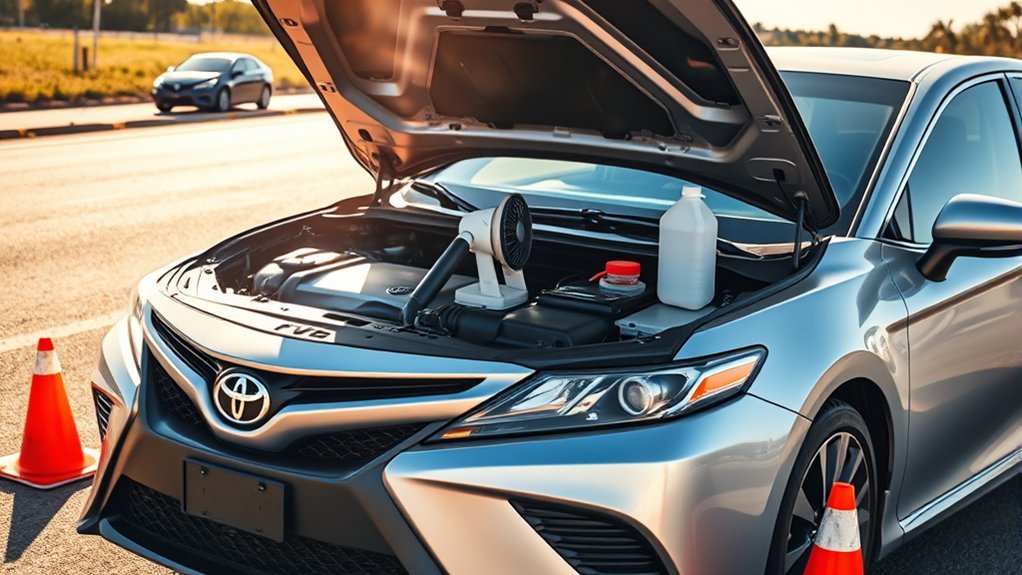
Editorial Team · Reviewed for accuracy · Last updated: August 21, 2026
If your Toyota Camry starts overheating in hot weather, turn off the A/C, move to a safe location, power the vehicle off, and let the cooling system cool completely. Do not open the hood while steam is escaping, and never remove a hot radiator or pressurized coolant cap. After the engine is fully cold, check the reservoir level and look for leaks. Repeat overheating usually points to low coolant, poor airflow, a failed fan, a thermostat problem, a weak water pump, trapped air, or an internal engine fault.
What’s in This Article
- What Overheating Pattern Points to Which Problem?
- Before You Begin: Tools and Safety Checks
- Quick Actions When Your Toyota Camry Overheats
- How to Check Coolant and the Radiator Safely
- How to Handle Possible Air Pockets Safely
- How to Diagnose Fan, Thermostat, and Water Pump Problems
- Signs of a Clogged Radiator or Poor Coolant Flow
- Why a Camry Overheats in Traffic but Cools at Speed
- Summer Cooling-System Maintenance Checklist
- Can You Keep Driving an Overheating Camry?
- When to See a Toyota Technician
- Safe Temporary Steps and Products to Avoid
- Frequently Asked Questions
Quick Answer
To prevent Toyota Camry overheating in hot weather, check the cold coolant level, repair leaks, keep the radiator and A/C condenser clear, and confirm the cooling fans work correctly. Use the coolant and service procedure listed for your exact model year and engine. If a warning appears or the gauge rises, stop safely and power the vehicle off. Let it cool completely before inspecting the reservoir. Do not keep driving through steam, coolant loss, a red-zone gauge, or an overheating warning.
Key Takeaways
- Stop driving when the gauge reaches the danger zone, an overheating warning appears, or steam escapes.
- Use a fully cold engine, not a fixed waiting time, before checking coolant or opening any pressure cap.
- Overheating mainly in traffic often points to a fan, relay, wiring, sensor, or airflow problem.
- Do not follow a universal coolant-bleeding method because Camry procedures vary by year and engine.
- Repeated overheating needs pressure testing, scan data, and a proper cooling-system diagnosis.
What Overheating Pattern Points to Which Problem?
The pattern helps narrow the diagnosis, but it does not confirm a failed part by itself. Record when the warning starts, whether the A/C is on, whether cabin heat changes, and whether the problem improves at road speed.
| Symptom pattern | Possible areas to test | Safest next step |
|---|---|---|
| Overheats in traffic but improves at highway speed | Cooling fan, relay, fuse, wiring, fan control, blocked fins | Stop if the warning returns and have the fan circuit tested |
| Temperature rises quickly after a cold start | Low coolant, trapped air, thermostat, pump, internal leak | Power off, cool fully, then check level and leaks |
| Gauge fluctuates and cabin heat turns weak or cold | Low coolant, air pocket, poor circulation | Avoid driving and use the exact refill or bleed procedure |
| Coolant level keeps dropping | External leak, weak cap, heater core, water pump, internal engine leak | Request a cold pressure test and leak inspection |
Before You Begin: Tools and Safety Checks
Confirm your Camry’s model year, engine, and whether it is a gasoline or hybrid model before you open, refill, or bleed the cooling system. Camry generations have used several engines — including four-cylinder and V6 gasoline engines and hybrid powertrains — and fan, thermostat, and pump behavior can differ between them. [VERIFY: confirm exact engine codes/names and model-year ranges before publishing] Toyota publishes year-specific manuals through its manual and warranty selector.
Keep these items in your Camry before hot-weather driving:
- The exact coolant specified for your model year, preferably premixed.
- Clean water for a short-term emergency only.
- Gloves, a flashlight, a funnel, and a clean rag.
- Your owner’s manual or saved roadside-assistance information.
- A phone or notepad for recording warnings, temperatures, and coolant loss.
Warning: Never remove a radiator or pressurized coolant cap while the system is hot. Cooling fans can start without warning. On a Camry Hybrid, keep hands and tools away from orange high-voltage cables and components.
Quick Actions When Your Toyota Camry Overheats
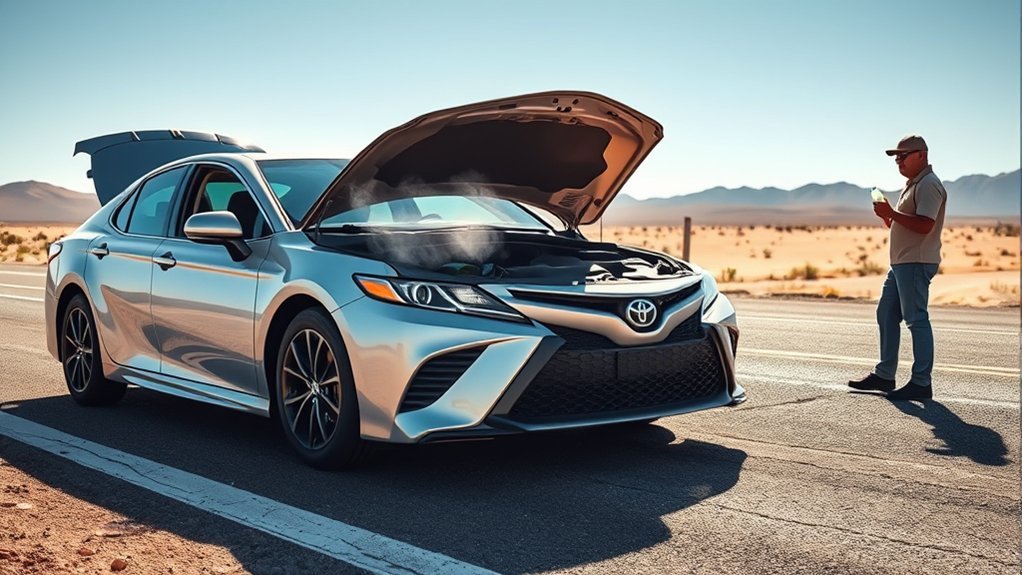
Turn off the A/C and move to a safe place as soon as traffic conditions allow. Power the vehicle off, switch on the hazard lights, and keep passengers away from moving traffic. If steam is escaping, do not open the hood until the steam stops.
Wait until the engine and cooling system are fully cold. Do not rely on a 15-minute or 30-minute timer because cooling time changes with ambient temperature, engine load, and the cause of the overheat. When the system is cold, inspect the coolant reservoir and the ground under the car without touching caps or hoses.
If the temperature begins rising while you are moving to the nearest safe stopping place, switching the heater to full hot may remove a small amount of engine heat. Treat this only as an emergency step to reach safety. It does not make continued driving safe or repair the fault.
Call for roadside help when the warning stays on, the gauge remains high, coolant is leaking, the engine loses power, or overheating returns after the vehicle cools.
[Products Worth Considering]

This spill-proof radiator coolant filling funnel kit helps you refill cooling systems cleanly while reducing trapped air pockets that can affect heater and engine performance. It includes a 5-inch extension bar and 45-degree elbow for easier access under shrouds or at awkward angles. Color-matched caps for dedicated adapters make setup simpler and more organized.

This engine water pump kit is designed to help maintain reliable cooling performance across a wide range of compatible Toyota, Lexus, Scion, and Pontiac vehicles. Built with aluminum and tested for leak-free operation, it offers a direct replacement solution that supports engine efficiency and long-term service life. The kit includes a professional water pump and gasket for a convenient installation-ready repair.

This coolant electric water pump is designed as a replacement for select Toyota vehicles, helping maintain proper engine cooling performance and reliable temperature control. Built to OE specifications, it offers fitment support for compatible Avalon, Camry, and RAV4 models with 2.5L L4 engines. It also includes cross-reference part numbers for easier matching and comes with after-sales support for covered defects.
How to Check Coolant and the Radiator Safely
Check coolant only with the vehicle parked on level ground and the engine fully cold. Read the reservoir markings and compare the level with the range listed in your owner’s manual. A low level is a symptom, not a complete diagnosis, so look for the reason coolant escaped.
Inspect the visible radiator area, hoses, reservoir, and ground for stains, wet spots, crusted deposits, cracks, bulges, or damaged fins. Do not squeeze hot hoses or open a pressure cap to confirm the level.
[Products Worth Considering]

AISIN OE matched engine coolant thermostat delivers consistent temperature control for reliable cooling system performance. Built with high-quality materials and designed for perfect OE form, fit, and function, it helps maintain efficient engine operation across a wide range of compatible Lexus, Scion, and Toyota vehicles. The correct OE specified operating temperature supports dependable cooling, while note that a gasket is not included.

The OEMTOOLS coolant vacuum refill kit helps quickly refill a vehicle’s cooling system while removing trapped air that can lead to overheating and engine damage. It also performs vacuum leak tests to help confirm system integrity and reduce the chance of repeat repairs. With multiple bushings, adapters, and a tapered cone seal, it is designed for flexible use on many radiator and coolant bottle necks.
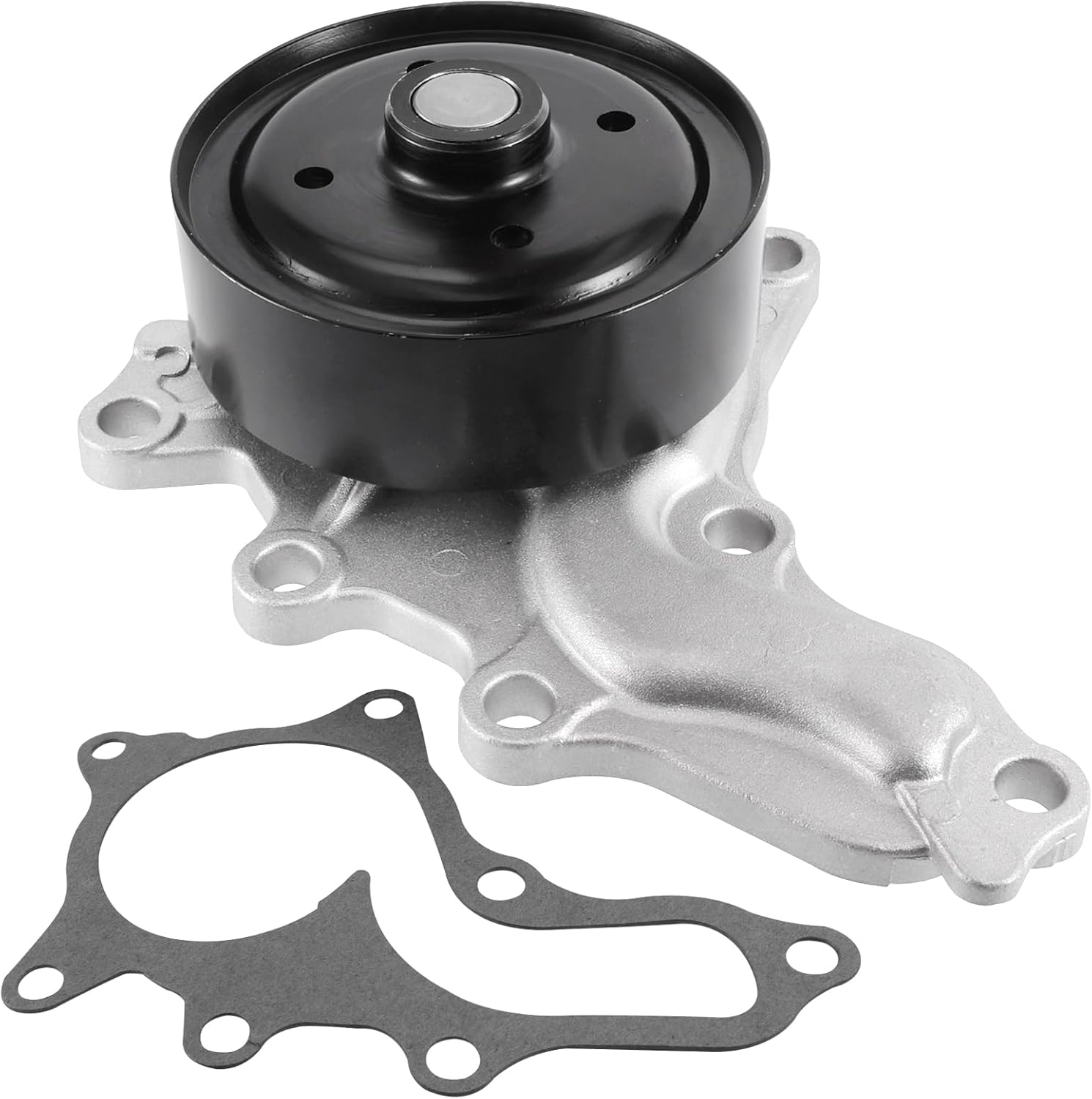
This AW6252 water pump is designed for a wide range of Toyota, Scion, and Lexus applications, helping maintain reliable engine cooling across compatible models. It features case hardened bearings for durability, a graphite-impregnated gasket for a secure seal, and 100% function and leakage testing for dependable performance. Built in TS16949 certified facilities, it offers a strong replacement option backed by service support.
Check Coolant Safely
Use the coolant specification listed for your exact Camry year and engine. Most Camrys from roughly the 2004 model year on take Toyota Super Long Life Coolant (SLLC) — a pink, pre-mixed, silicate-free, hybrid organic acid technology coolant. Camrys built before that generally used red Toyota Long Life Coolant (LLC), which is a concentrate diluted before use. [VERIFY: confirm exact model-year cutover, dilution ratio, and current part number against your Camry’s owner’s manual] Do not choose coolant by color alone, and do not mix unknown coolant types. If the reservoir is low, add only the approved fluid after the system is fully cold and only when no major leak is visible.
Plain water lacks the corrosion, boiling, and freezing protection of the correct coolant. Use clean water only as a short-term emergency measure when the manual allows it, then restore the correct coolant mixture as soon as possible.
Mark or photograph the cold reservoir level after a top-off. If the level drops again, stop treating the problem as routine evaporation and have the system tested for a leak or pressure loss. For a full drain-and-refill walkthrough on this model, see this Toyota Camry coolant change guide.
Inspect the Radiator Visually
Look through the grille for leaves, plastic bags, insects, mud, or bent fins that block airflow through the A/C condenser and radiator. Clean only when the vehicle is cold. Use a soft brush or low-pressure water, and avoid a pressure washer that can flatten fins.
Check for dried coolant residue around hose connections, radiator seams, the reservoir, and the pressure cap area. A cap can look normal and still fail to hold pressure, so repeated overheating may require a professional cap and cooling-system pressure test.
Do not use your hand to search for hot and cold spots. A technician can compare scan-tool coolant temperature with infrared measurements while keeping clear of moving fans and hot coolant.
How to Handle Possible Air Pockets Safely
Air can enter after a coolant drain, hose repair, thermostat replacement, water-pump repair, or leak. Common clues include gurgling, unstable cabin heat, a fluctuating temperature reading, or a coolant level that changes sharply after service.
- Start cold: Park on level ground and let the cooling system cool completely.
- Check for leaks first: Bleeding will not fix a system that cannot hold coolant or pressure.
- Use exact service information: Confirm whether your year and engine use a bleeder, a vacuum-fill procedure, a scan-tool routine, or a different refill method. This step-by-step Camry coolant change guide covers the refill and bleed sequence in more detail.
- Keep clear of fans: Electric fans and hybrid-system components may operate without warning.
- Stop for any warning: Power the vehicle off if temperature rises, coolant surges, or steam appears.
- Recheck fully cold: Inspect the reservoir after a complete heat cycle and another full cool-down.
Confirm Whether Your Camry Has a Bleeder
Do not assume every Camry has a bleeder valve near the thermostat housing or radiator. Location and procedure vary by model year, engine, and market. Using the wrong bolt or opening a pressurized point can cause coolant loss, burns, or an incomplete refill.
If your service information identifies a bleeder, use the listed tool, opening sequence, fill point, and tightening specification. If it does not identify one, do not create a universal procedure from another engine.
Run the Engine and Heater Only When the Procedure Requires It
Some refill procedures require a controlled warm-up with the heater set to a specified position. Others use a vacuum-fill tool or a different sequence. Follow the exact instructions for your Camry instead of running the engine with an open cap or bleeder by default.
Never leave the vehicle unattended during a service warm-up. Keep hands, clothing, and tools away from fans and belts. On a hybrid model in READY mode, the gasoline engine may start or stop automatically.
Know When to Stop DIY Bleeding
Stop and arrange professional service if the heater remains cold, the temperature warning returns, the reservoir repeatedly empties, or coolant pushes out. These signs can come from trapped air, a leak, a thermostat fault, a weak pump, a blocked radiator, or combustion gas entering the cooling system.
A repair shop can vacuum-fill the system, command fans with a scan tool, verify coolant-temperature data, and pressure-test the system without relying on guesswork.
Pro tip: Photograph the cold reservoir level before service and after the next full cool-down. A clear before-and-after record helps confirm whether coolant is still escaping.
How to Diagnose Fan, Thermostat, and Water Pump Problems
Start with the coolant level, visible leaks, blocked airflow, and any stored diagnostic trouble codes. Then test the fan circuit, thermostat operation, and coolant-pump performance with service information for the exact engine.
A Camry that overheats mainly while idling or moving slowly may have poor airflow. Possible causes include a failed fan motor, fuse, relay, wiring fault, sensor input, fan-control problem, or debris blocking the condenser and radiator. On most Camry engines, the electric cooling fans are commanded on in the neighborhood of the mid-190s°F coolant temperature. [VERIFY: confirm exact commanded fan-on temperature by engine and model year against Toyota service data] Fans can start without warning, so use scan-tool commands or professional testing instead of reaching near the blades.
A thermostat stuck closed can cause a rapid temperature rise and poor radiator flow. A thermostat stuck open usually causes slow warm-up rather than hot-weather overheating. A failed coolant-temperature sensor is a separate possibility worth ruling out — it can cause a false high (or false normal) gauge reading without the cooling system itself being at fault. Confirm the pattern before replacing parts.
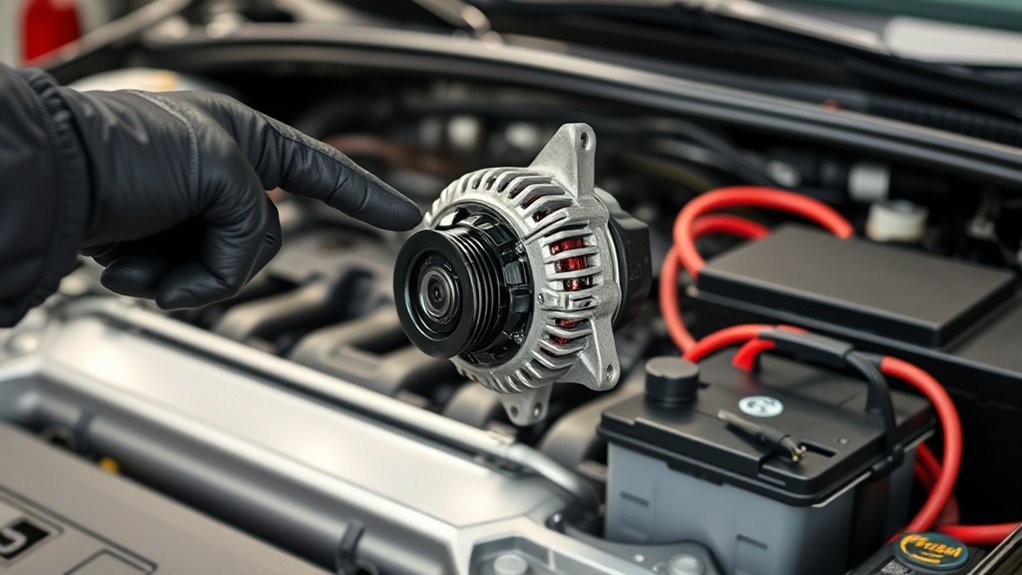
Water-pump design varies across Camry generations and engines. Older mechanical pumps may leak or develop bearing noise, while newer electrically controlled pumps may set fault codes or lose commanded flow without a loose pulley. Test the design fitted to your vehicle.
On a Camry Hybrid, engine cooling and hybrid-related cooling components require model-specific diagnosis. Do not touch high-voltage wiring or assume a gasoline-only fan test applies.
[Products Worth Considering]

This replacement engine thermostat is designed for a wide range of Toyota, Lexus, and Scion vehicles, offering direct-fit compatibility and dependable cooling-system performance. It is rigorously tested before shipping and built from durable materials to support long-lasting reliability. Verify your part number and vehicle fitment before purchase for the best installation experience.

This coolant thermostat is a direct replacement designed for a wide range of Toyota, Lexus, and Scion vehicles. It helps maintain proper engine temperature, supports reliable cooling system performance, and installs easily without special tools or programming. Built to meet OEM standards, it offers durable, stable operation and dependable fitment for compatible models.

This professional water pump kit is designed as a direct OE replacement for select Toyota and Lexus 3.5L V6 vehicles, helping restore reliable engine cooling performance. Built to strict quality standards and tested for leak-free operation, it includes the necessary gasket for easier installation and a secure fit. It offers a practical upgrade for drivers seeking dependable cooling system maintenance and long-lasting performance.
Signs of a Clogged Radiator or Poor Coolant Flow
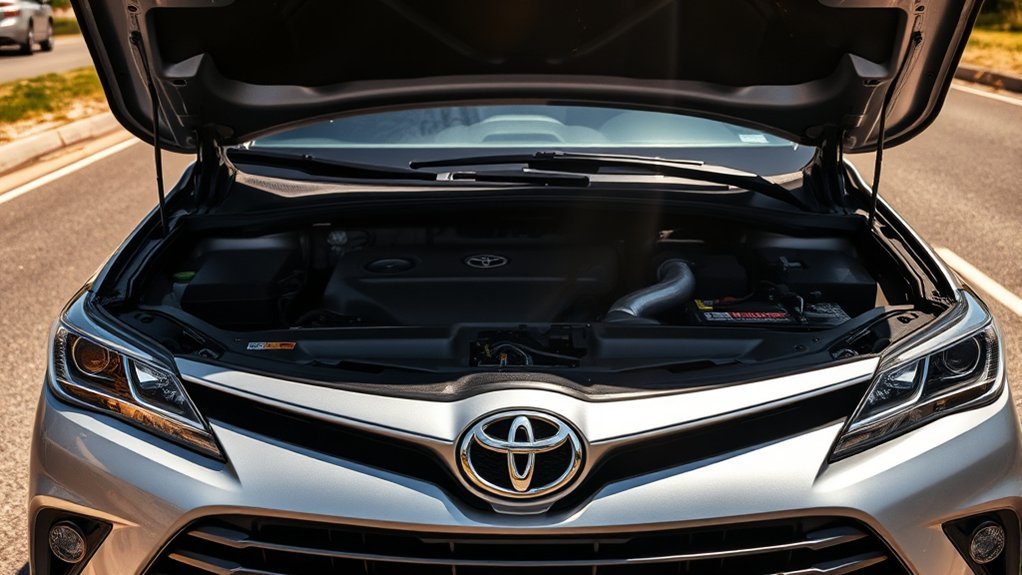
Poor coolant flow can come from an internally restricted radiator, collapsed hose, stuck thermostat, weak pump, trapped air, or low coolant. The engine may run hotter during traffic, climbing, or A/C use because the system has less cooling reserve.
Useful clues include weak cabin heat, repeated temperature swings, coolant loss, or a large temperature difference across the radiator. Do not check those differences by touch. A technician can use an infrared thermometer, scan data, and flow or pressure tests.
Reduced Coolant Flow
- Temperature rises soon after startup or under moderate load.
- Cabin heat becomes weak or changes as the gauge moves.
- Coolant returns low after the engine fully cools.
- Gurgling appears after recent cooling-system service.
Stop driving when the warning returns. Continued operation can turn a repairable flow problem into cylinder-head, head-gasket, or engine damage.
Restricted Radiator Core
External debris reduces airflow, while internal scale or contamination reduces coolant flow. Cleaning the outside helps only when the fins are blocked. A chemical flush will not repair cracked tanks, separated seams, severely corroded tubes, or a core with permanent internal restriction.
Ask for test results before replacing the radiator. Temperature mapping, coolant condition, pressure testing, and inspection of the thermostat and pump help prevent an unnecessary parts swap.
Why Does a Camry Overheat in Traffic but Cool Down at Highway Speed?

At highway speed, natural airflow moves through the condenser and radiator. In slow traffic, the electric cooling fans must provide most of that airflow. If a fan, relay, fuse, sensor, wiring connection, or fan-control command fails, the temperature may rise at idle and fall once road speed increases.
The A/C adds heat in front of the radiator through the condenser and usually requests fan operation. If the gauge or warning rises with the A/C on, switch the A/C off and stop safely. That pattern supports an airflow or fan diagnosis, but it does not prove the fan motor alone is faulty.
Overheating in traffic but not at speed is an airflow clue, not permission to keep driving.
- Check for blocked fins: remove leaves, bags, mud, and heavy insect buildup when the vehicle is cold.
- Test the full fan circuit: include fuses, relays, wiring, sensors, control modules, and fan motors.
- Do not blame tire pressure: under-inflation raises rolling resistance, but it is rarely the root cause of an overheating Camry.
Summer Cooling-System Maintenance Checklist
Check the cooling system before long trips, during scheduled service, and whenever the reservoir level or temperature display changes. Use the interval and coolant specification listed for your exact Camry rather than a universal flush schedule.
- Check the coolant reservoir with the engine fully cold.
- Look for wet spots, dried residue, odors, or puddles.
- Inspect visible hoses for cracks, swelling, abrasion, or soft areas.
- Keep the condenser and radiator face clear of airflow blockage.
- Note whether overheating happens at idle, with A/C, on hills, or at road speed.
- Have the cap, fan circuit, and cooling system tested when symptoms repeat.
Dirty, rusty, oily, or milky coolant needs diagnosis before a routine fluid exchange. Contamination can point to corrosion, mixed coolant, oil entry, or another internal problem.
Can You Keep Driving an Overheating Camry?
Do not plan to keep driving an overheating Camry. Stop as soon as you can do so safely when the gauge reaches the danger zone, an overheating warning appears, steam escapes, the heater suddenly turns cold, or engine power drops.
If the temperature only begins to rise while you are moving out of an unsafe traffic position, turn off the A/C and use the heater only long enough to reach the nearest safe stopping place. Power the vehicle off and arrange help if the warning remains or returns.
Keep an emergency kit in the trunk:
- The correct premixed coolant for your model.
- Clean emergency water, a funnel, gloves, and a rag.
- A flashlight, reflective warning device, and phone charger.
- Roadside-assistance and repair-shop contact information.
When to See a Toyota Technician
Arrange diagnosis after any repeated overheat, unexplained coolant loss, recurring sweet odor, unstable cabin heat, or temperature warning that returns after a top-off. Repeatedly adding coolant without finding the cause can hide a worsening leak.
Ask the technician to document the tests performed. Useful checks may include a cold cooling-system pressure test, pressure-cap test, scan-tool coolant-temperature review, commanded fan test, thermostat and pump evaluation, radiator temperature mapping, and a combustion-gas or internal-leak test when symptoms support it.
Choose a Toyota-trained or ASE-certified technician when possible, and request the fault evidence before approving a thermostat, fan, pump, radiator, or head-gasket repair. A relay, fuse, or sensor repair is typically inexpensive; a head-gasket or internal engine repair is not — this is exactly why a documented diagnosis matters before authorizing work. [VERIFY: do not add specific dollar figures unless sourced from current, verifiable pricing data]
Safe Temporary Steps and Products to Avoid
A cold coolant top-off may help only when the system still holds fluid, no major leak is visible, and the temperature remains normal afterward. Use the exact approved coolant and monitor the cold level. Stop driving if it drops again.
Do not use coolant additives as a substitute for diagnosis. Avoid stop-leak products unless a repair professional recommends one for a specific situation. Sealers can restrict small passages in the radiator, heater core, thermostat housing, or pump.
- Top off only after the cooling system is fully cold.
- Use clean water only as a short-term emergency measure.
- Do not mix unknown coolant types or choose by color alone.
- Do not mask repeat coolant loss with sealant.
- Do not run the engine with an open cap unless the exact service procedure requires it.
Note: A temporary top-off is not a repair. If the warning returns, tow the vehicle or arrange roadside service instead of testing how far it can drive.
Frequently Asked Questions
How do you stop a car from overheating in hot weather?
Turn off the A/C, pull over safely, power the vehicle off, and wait until the cooling system is fully cold. Do not open the hood while steam is escaping or remove a hot pressure cap. Check the cold reservoir and visible leaks, then arrange help if the warning remains or returns.
Can using the heater help when a Camry overheats?
Yes, the heater can remove a small amount of engine heat while you move to the nearest safe stopping place. It is not a repair and should not be used to justify continued driving when the gauge is high, steam appears, or an overheating warning stays on.
Why does my Toyota Camry keep overheating?
Common causes include low coolant, an external or internal leak, poor radiator airflow, a failed fan circuit, a stuck thermostat, weak pump flow, a restricted radiator, or trapped air after service. Repeated overheating needs testing rather than another blind top-off.
Why does my Camry overheat in traffic but not on the highway?
This pattern often points to inadequate airflow at low speed. The fan motor, fuse, relay, wiring, sensor input, control command, or blocked condenser and radiator fins may be involved. Road speed can temporarily hide the fault by forcing air through the radiator.
What does the Camry’s overheating warning zone look like?
Normal running temperature sits around the gauge’s center mark. The red zone near “H,” or a coolant-temperature warning icon or message on digital clusters, signals overheating. Treat either signal as a reason to stop, not to keep monitoring while you continue driving. [VERIFY: confirm exact needle behavior and icon wording by cluster type and model year]
Can low tire pressure make overheating worse?
Low tire pressure raises rolling resistance and engine load, but it is rarely the root cause of a Camry overheating. Treat it as a separate maintenance issue and diagnose the cooling system when the gauge or warning rises.
Can you add water to a Camry coolant reservoir?
Use the correct approved coolant whenever possible. Clean water may be used only as a short-term emergency measure after the system is fully cold and when the owner’s manual permits it. Restore the correct coolant mixture promptly and repair any leak.
When should you stop driving an overheating Camry?
Stop when the gauge reaches the danger zone, an overheating warning appears, steam escapes, coolant leaks, cabin heat suddenly turns cold, or engine power drops. Power the vehicle off and arrange roadside help if the condition does not fully clear.
Safety Disclaimer: This article is for informational purposes only and does not replace the owner’s manual, model-specific service information, or professional diagnosis. If your Camry overheats repeatedly, leaks coolant, or shows warning lights, do not keep driving it.
Conclusion
Preventing Toyota Camry overheating in hot weather starts with a cold coolant check, clear radiator airflow, a working fan circuit, and the correct model-specific service procedure. If a warning appears, stop safely, let the system cool completely, and look for coolant loss. Repeated overheating needs pressure testing and scan-based diagnosis before more driving causes expensive engine damage.


[…] driving if the temperature gauge climbs high or the Camry overheating warning signs […]