
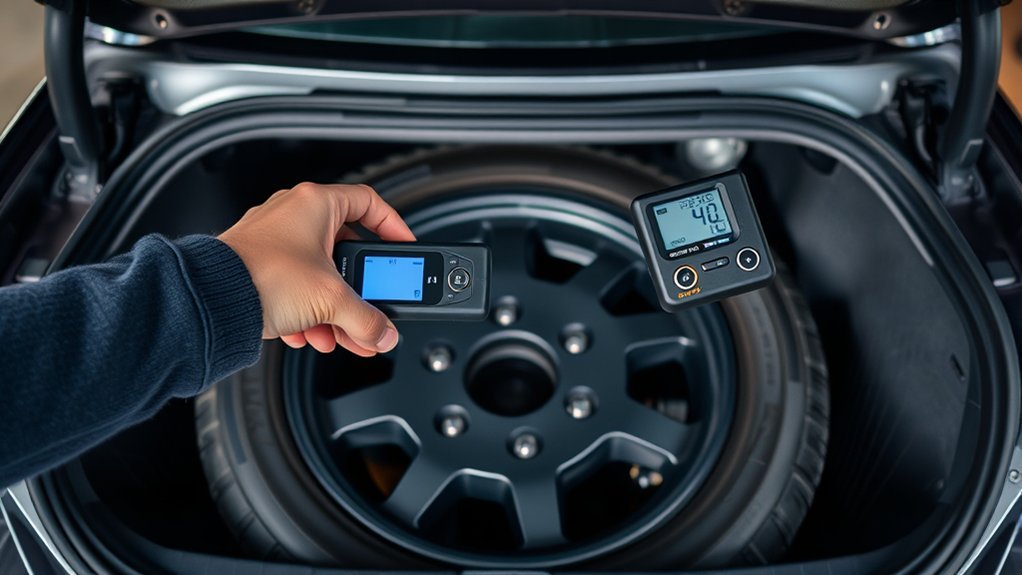
Checking the spare tire pressure in a Toyota Camry takes only a few minutes, but it can save you from being stranded with a flat spare during an emergency. Most Camry spare tires are stored in the trunk or cargo-area well, and the pressure should be checked with a tire pressure gauge when the tire is cold.
Quick Answer
To check Toyota Camry spare tire pressure, lift the trunk floor cover, remove the spare tire valve cap, press a tire pressure gauge firmly onto the valve stem, and compare the reading with the PSI printed on the spare tire sidewall or listed in your owner’s manual. Compact temporary spares are generally 60 PSI cold.
Key Takeaways
- Check the spare tire when it is cold, ideally before driving or after the car has been parked for at least three hours.
- Most compact temporary spare tires are marked for 60 PSI cold, but always verify the number on your Camry’s spare tire sidewall, tire label, or owner’s manual.
- Do not rely on the Tire Pressure Monitoring System to protect the spare. Check it manually at least once a month.
- If you install a compact spare, treat it as temporary only and drive cautiously until the regular tire is repaired or replaced.
At a Glance
| Time Required | 5–10 minutes |
| Difficulty | Easy |
| Tools Needed | Tire pressure gauge, portable air compressor or service-station air pump, flashlight if needed |
| Cost | Usually free if you already have a gauge; low-cost if buying one |
Why Regularly Checking Spare Tire Pressure Is Crucial for Your Safety
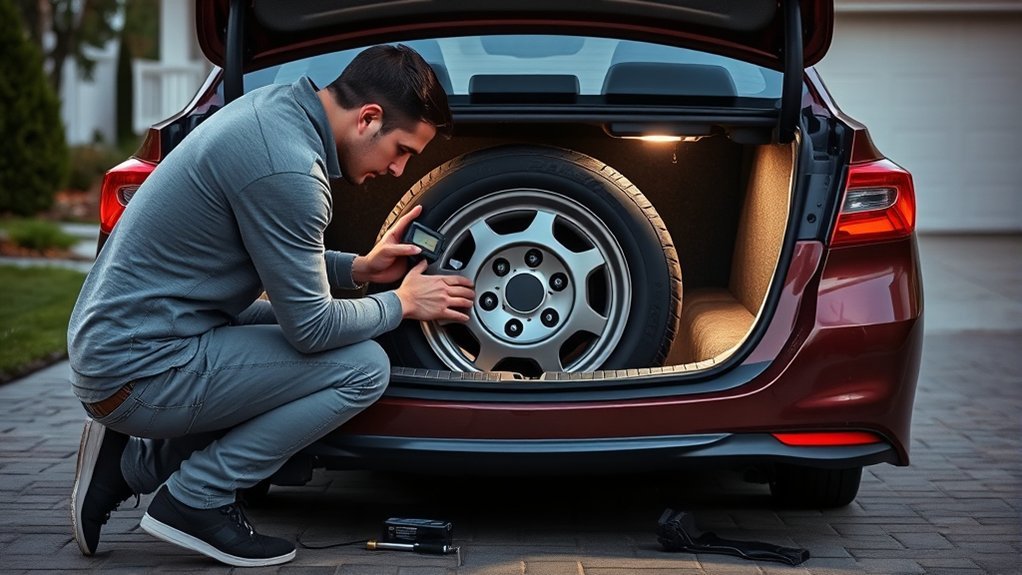
Regularly checking your spare tire pressure is important because the spare may sit unused for months or years while slowly losing air. If it is flat or badly underinflated when you need it, it may not safely support the vehicle.
The National Highway Traffic Safety Administration recommends checking the pressure of all tires, including the spare, at least once a month when the tires are cold. NHTSA also notes that proper tire pressure affects safety, tire durability, and fuel consumption.
Note: Do not judge spare tire pressure by appearance alone. Underinflated tires can be difficult to spot visually, so always use a tire pressure gauge.
Locating the Spare Tire in Your Toyota Camry
In many Toyota Camry models equipped with a spare, the spare tire is stored under the trunk floor cover or in the cargo-area well. Toyota’s support guidance describes the space-saving compact spare as being located in the cargo area, but availability can vary by model grade and market, so your owner’s manual is the final authority.
Where to Find the Spare
Open the trunk and remove loose cargo first. Lift the trunk floor mat or cargo floor panel. The spare tire is usually secured underneath with a hold-down fastener, and the jack and lug wrench are often stored nearby in the same compartment or a side storage area.
Accessing the Trunk Compartment
Once the trunk floor panel is raised, look for a round hold-down bolt or fastener in the center of the spare. Turn it counterclockwise by hand until the spare can be lifted out or tilted enough to access the valve stem. You do not always need to remove the spare completely just to check the pressure, but moving it slightly can make the valve easier to reach.
Check Your Exact Storage Setup
Most Camry sedans keep the spare in the trunk area rather than under the vehicle. Still, equipment differs by year, trim, and market. If you do not see a spare under the trunk floor, check your Toyota owner’s manual to confirm whether your Camry has a compact spare, a full-size spare, or a tire repair kit.
What’s the Right Pressure for Your Spare Tire?
The right pressure is the number Toyota or the tire manufacturer specifies for your exact spare. For a compact temporary spare, the pressure is usually printed directly on the tire sidewall and is commonly 60 PSI cold. Goodyear’s spare tire guide also notes that compact temporary spares generally require a higher inflation pressure, usually 60 PSI.
If your Camry has a full-size spare, do not inflate it to compact-spare pressure. A full-size spare should normally follow the vehicle’s recommended tire pressure shown on the Tire and Loading Information Label on the driver’s side door edge or doorjamb, unless the tire or owner’s manual says otherwise.
Warning: Never inflate a full-size spare to 60 PSI unless that pressure is specifically listed for that tire. Overinflation can reduce traction, create a harsh ride, and increase the risk of tire damage.
[Products Worth Considering]
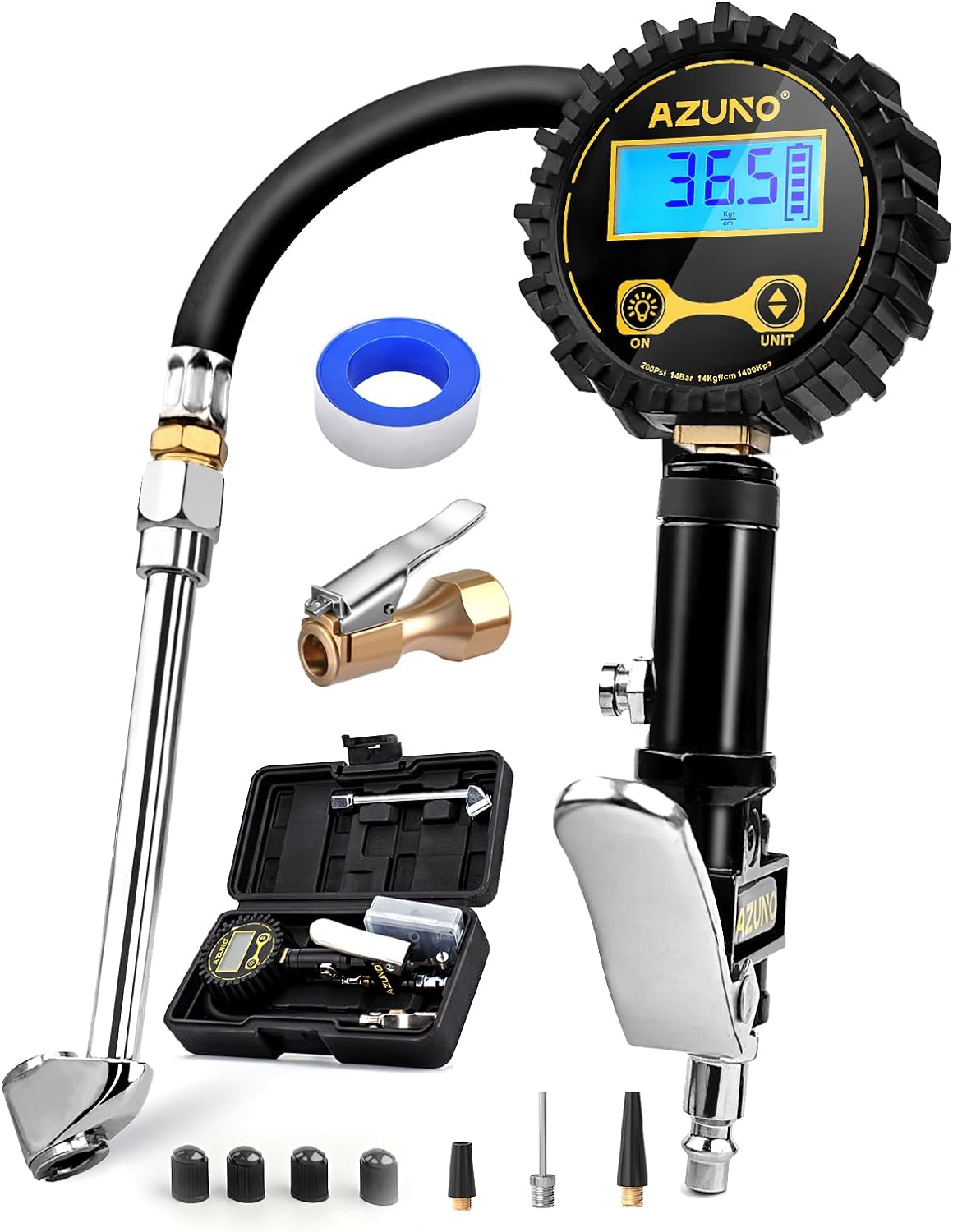
This digital tire inflator delivers accurate, easy-to-read pressure measurements with a bright backlit LCD and precise 0.1 resolution for confident inflation. Designed for single-handed use, it makes it simple to inflate or deflate tires while staying organized in the included portable carrying box. Built for a wide range of vehicles, it is a practical air compressor accessory for cars, trucks, SUVs, motorcycles, and more.

The JACO ElitePro Digital Tire Pressure Gauge delivers shop-grade accuracy with a clear digital readout, making it easy to maintain proper tire pressure for safer driving and better performance. Built with rugged brass and steel components, a protective guard, and a flexible air hose, it is designed for reliable use across cars, trucks, motorcycles, bikes, RVs, and trailers. The lock-on display, built-in bleeder valve, and bright backlit screen add convenience in any lighting condition.
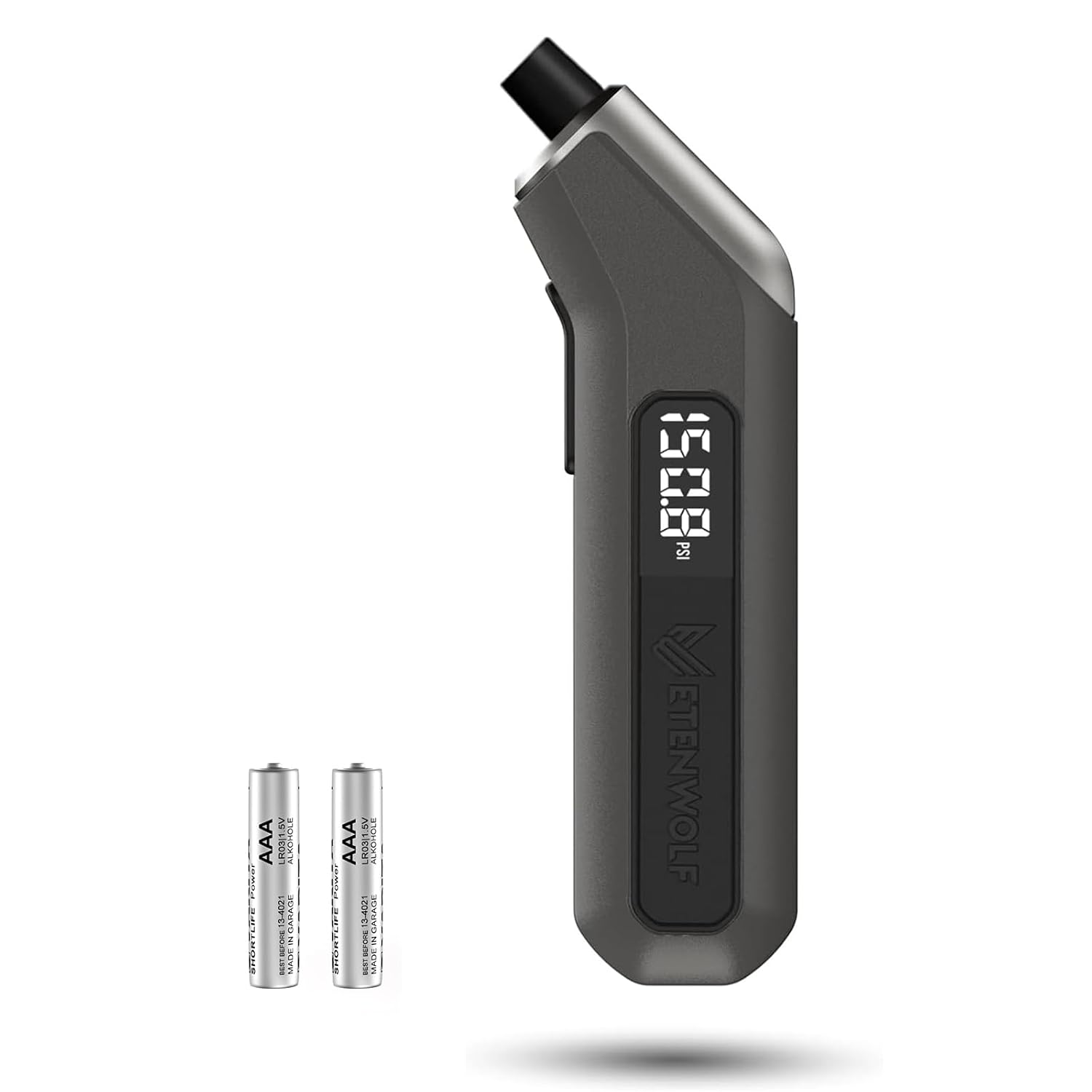
The ETENWOLF T300 digital tire pressure gauge delivers precise readings for cars, RVs, trucks, bikes, and heavy-duty vehicles with a wide measuring range and consistent accuracy. It is built to perform in extreme temperatures, includes a bright LED light for low-visibility use, and uses replaceable AAA batteries for convenient long-term operation. Durable enough to withstand rugged use, it is a practical tool for maintaining proper tire pressure across a variety of vehicles.
Using a Tire Pressure Gauge: Step-by-Step
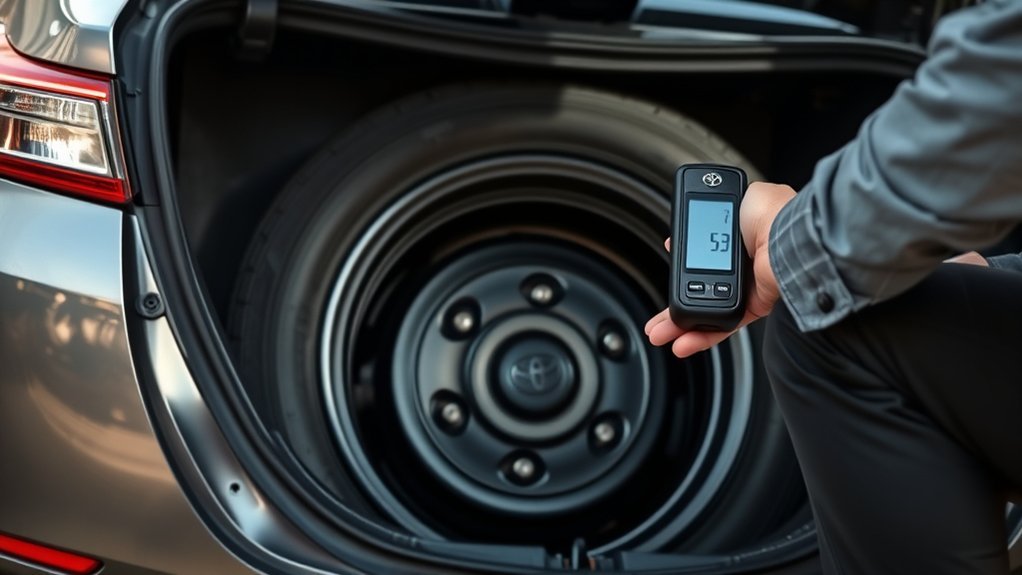
A tire pressure gauge is the most reliable way to check your Camry spare tire. A pencil-style, dial, or digital gauge can work as long as it reads accurately at the pressure your spare requires.
[Products Worth Considering]

The ETENWOLF T300 digital tire pressure gauge delivers accurate readings across a wide pressure range, making it ideal for cars, trucks, and other vehicles. It is built to perform reliably in extreme temperatures and features replaceable AAA batteries plus an LED light for easier checks in low-light conditions. Designed for durability, it can withstand tough use while maintaining dependable performance.
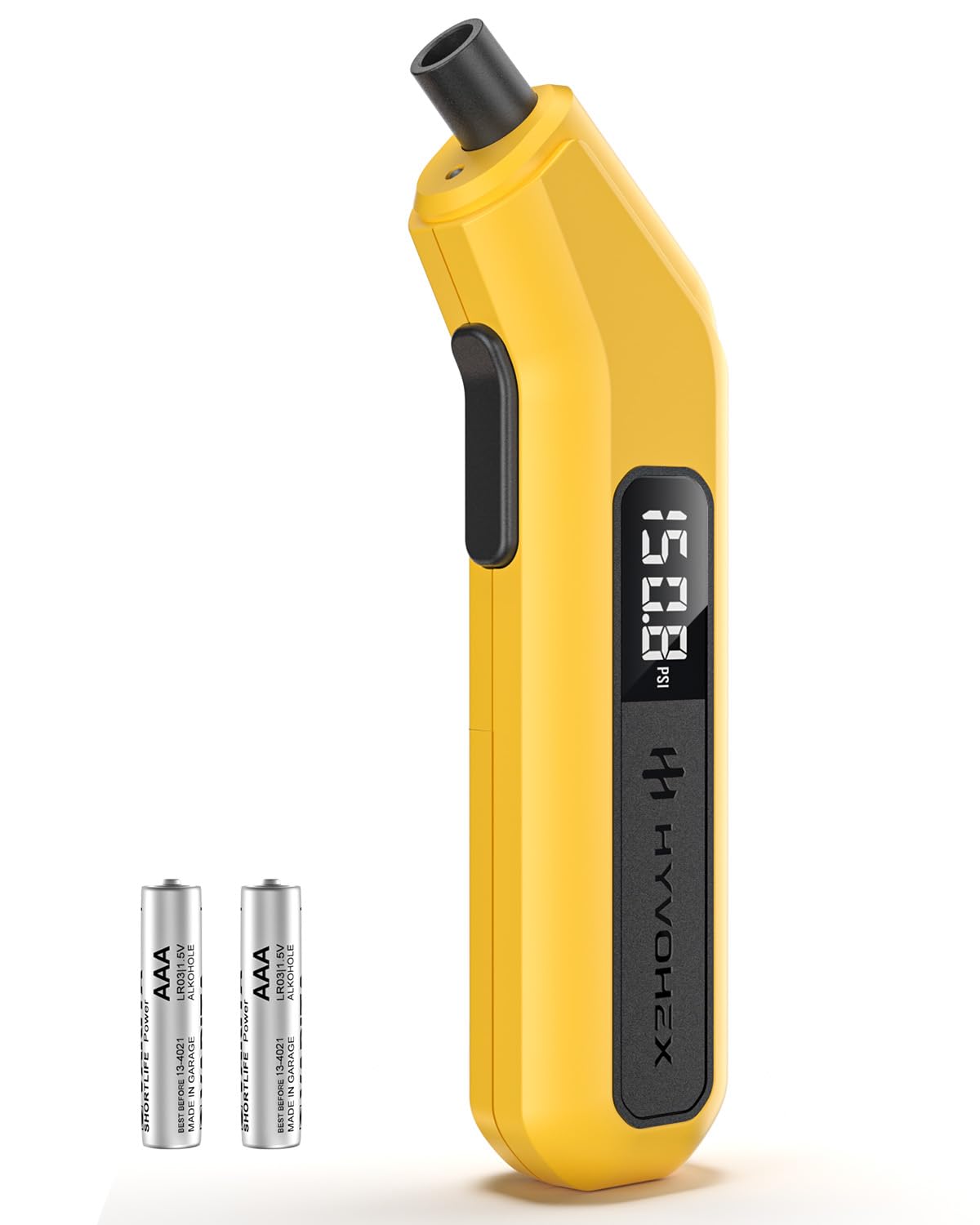
HYVOHEX digital tire pressure gauge delivers fast, accurate readings with an easy-to-read LED backlit display and a high-sensitivity sensor for reliable tire checks. Its valveless one-click operation, rotating valve head, and broad compatibility make it a practical tool for cars, bikes, and trucks. Built with a durable rubber shell and aluminum nozzle, it is compact enough to keep in your glove box or tool bag.

HYVOHEX digital tire pressure gauge delivers fast, highly accurate readings with an easy-to-read LED backlit display for convenient checking in any lighting. Its valveless one-click operation, 360-degree rotating valve, and wide PSI range make it a practical tool for cars, bikes, and trucks. Built with a durable aluminum nozzle and rubberized shell, it is designed for everyday use and easy storage in your vehicle or tool bag.
Check the Tire When It Is Cold
For the most accurate reading, check the spare when it is cold. NHTSA defines cold tire pressure as pressure measured when the vehicle has not been driven for at least three hours. Because the spare is stored in the trunk, it usually stays cold unless it has recently been used on the road.
How to Use the Tire Pressure Gauge
- Open the trunk and lift the floor cover to reach the spare tire.
- Find the valve stem and remove the small valve cap.
- Press the tire pressure gauge straight and firmly onto the valve stem.
- If you hear air hissing, reseat the gauge until the sound stops.
- Read the PSI on the gauge.
- Compare the reading with the PSI printed on the spare tire sidewall or listed in your Camry’s owner’s manual.
- Reinstall the valve cap after checking or inflating.
Regular Maintenance Practices
Add your spare tire to your normal tire-maintenance routine. A simple monthly check can prevent a surprise when you need the spare most.
| Action | Recommended Frequency |
|---|---|
| Check spare tire pressure with a gauge | Monthly and before long trips |
| Inspect for cracks, punctures, or sidewall damage | Monthly |
| Confirm jack, lug wrench, and valve cap are present | Before long trips |
| Check tire age using the DOT date code | At least twice a year |
Steps to Inflate Your Spare Tire to the Correct Pressure
If the spare tire is below the recommended PSI, inflate it before relying on it. A portable 12-volt air compressor is helpful because many service-station air pumps may be difficult to use with a spare stored low in the trunk.
- Confirm the correct PSI on the spare tire sidewall, tire label, or owner’s manual.
- Attach the air hose firmly to the valve stem.
- Add air in short bursts, especially if using a high-flow compressor.
- Stop and recheck the pressure with your gauge.
- If you overinflate it, release air by gently pressing the valve core, then recheck.
- Reinstall the valve cap tightly to help keep dirt and moisture out of the valve.
- Secure the spare, tools, and trunk floor cover before driving.
Pro Tip: Keep a small digital tire gauge and portable compressor in the Camry. That way you can check the spare at home instead of discovering low pressure on the roadside.
[Products Worth Considering]

This tire inflator attachment combines accurate pressure reading and easy inflation in one heavy-duty tool for maintaining tire pressure with less hassle. A longer hose and 360-degree swivel air chuck help create a secure seal while giving you better control during use. Designed for universal compressor compatibility, it measures, inflates, and deflates without batteries.

The AstroAI Digital Tire Pressure Gauge with Inflator combines accurate pressure checking, inflation, and deflation in one easy-to-use tool. Designed for compatibility with standard Schrader valves and common air compressor outputs, it delivers precise digital readings for cars, trucks, motorcycles, SUVs, RVs, and more. Its durable construction and leak-resistant chuck help support safer driving, better tire performance, and improved fuel efficiency.

This tire valve stem removal tool kit provides an easy way to remove, install, and service valve cores on a variety of vehicles. It includes multiple tool styles plus valve caps and cores, making it useful for routine tire maintenance and unexpected roadside repairs. The compact design supports convenient storage and transport, while the included 4-way tool adds extra functions for valve-related tasks.
Signs of Underinflation and Overinflation to Watch For
A pressure gauge should always be your first check, but a visual inspection can still catch obvious damage.
| Problem | What You May Notice | What to Do |
|---|---|---|
| Underinflation | Low gauge reading, soft sidewall, visible sag, poor handling if installed | Inflate to the specified cold PSI and recheck |
| Overinflation | Gauge reading above the listed PSI, overly firm tire, reduced contact patch | Release air slowly and recheck |
| Slow leak | Pressure drops again after inflation | Have the tire and valve stem inspected |
| Aged or damaged spare | Cracks, dry rot, bulges, punctures, or very old DOT date | Replace the spare before relying on it |
How Tire Pressure Affects Your Vehicle’s Performance
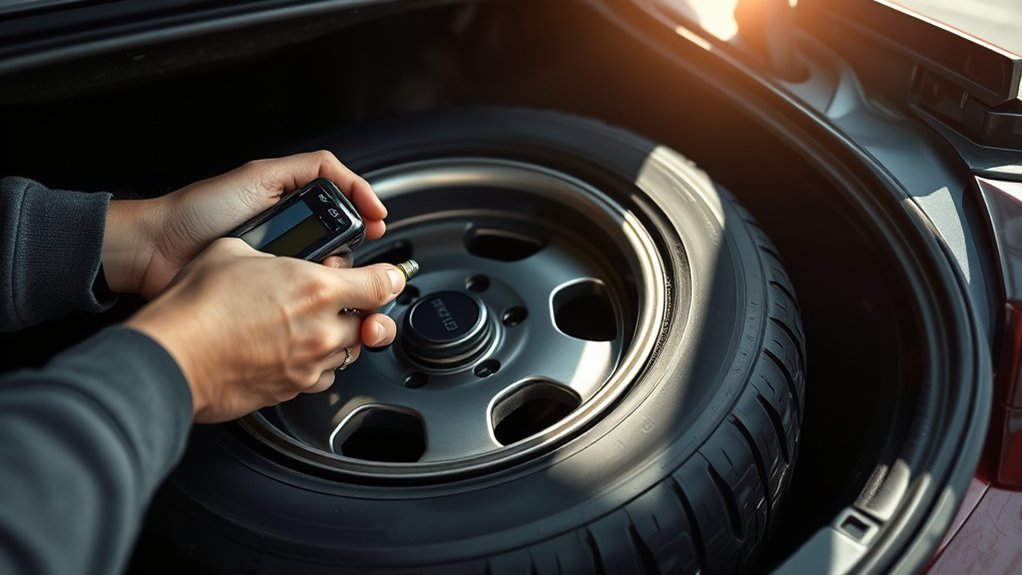
Correct tire pressure helps the tire support the vehicle, maintain stable contact with the road, and avoid excess heat buildup. Underinflation can increase tire flex and heat, while overinflation can reduce the tire’s contact area and traction.
This matters even more with a compact temporary spare because it is smaller, narrower, and designed only for temporary use. Tire Rack notes that temporary compact spares are designed for short-term mobility, commonly maintained at 60 PSI cold, and restricted to no more than 50 mph.
Identifying and Resolving Common Spare Tire Pressure Problems
If your spare tire pressure is wrong once, it may simply need air. If it keeps dropping, treat it as a problem that needs attention before your next emergency.
| Problem | Likely Cause | Best Fix |
|---|---|---|
| Pressure is low every month | Slow leak, loose valve core, damaged valve stem, or puncture | Have a tire shop inspect it |
| Air leaks while inflating | Poor hose connection or damaged valve | Reseat the hose; replace the valve stem if needed |
| Missing valve cap | Cap was lost during a prior check | Install a replacement cap |
| Spare looks cracked or dry | Age, heat, or long storage | Replace the spare tire |
| TPMS light stays on after using spare | The system may not be receiving normal sensor readings | Repair the original tire and have TPMS checked if the light remains on |
Note: Tire Pressure Monitoring Systems are helpful, but they are not a replacement for manual tire checks. Federal TPMS owner-manual language still tells drivers to check each tire, including the spare if provided, monthly when cold.
Safe Driving Rules After Installing a Compact Spare
A compact spare is not a normal tire. It is meant to help you reach a safe place for repair, not to continue normal driving for days.
- Follow the speed warning printed on the spare tire. Many compact temporary spares are limited to 50 mph.
- Drive the shortest practical distance to a repair shop or safe location.
- Avoid hard braking, sharp turns, and high-speed highway driving when possible.
- Do not tow with a compact spare installed unless your owner’s manual specifically allows it.
- Repair or replace the regular tire as soon as possible.
Warning: Do not continue driving on a flat tire except as needed to get safely off the road. Driving on a flat can destroy the tire, damage the wheel, and make the vehicle harder to control.
When to Get Professional Tire Help
Get professional tire help if the spare will not hold pressure, shows cracks or bulges, has a damaged valve stem, or is too old to trust. Also get help if your TPMS warning light remains on after your regular tire is repaired and reinstalled.
| Warning Sign | Action Required |
|---|---|
| Spare loses pressure after inflation | Ask a tire specialist to inspect for leaks |
| Cracks, bulges, punctures, or dry rot | Replace the spare |
| Valve stem leaks or cap is missing | Repair or replace the valve hardware |
| Spare is old or DOT date is hard to read | Have the tire inspected and consider replacement |
| You do not have the jack or lug wrench | Replace the missing tools before a roadside emergency |
Frequently Asked Questions
How do you check spare tire air pressure on a Toyota Camry?
Open the trunk, lift the floor cover, find the spare tire valve stem, remove the valve cap, and press a tire pressure gauge firmly onto the valve. Read the PSI and compare it with the pressure printed on the spare sidewall or listed in your owner’s manual.
What is the PSI for a Toyota Camry spare tire?
If your Camry has a compact temporary spare, it is commonly marked for 60 PSI cold. Always confirm the exact PSI on the spare tire sidewall, Tire and Loading Information Label, or your Toyota owner’s manual. If your Camry has a full-size spare, use the vehicle’s recommended full-size tire pressure unless instructed otherwise.
Does the Toyota Camry spare tire have TPMS?
Do not assume the spare tire is monitored by TPMS. Even when your Camry has a tire pressure warning system, you should still manually check the spare at least once a month because TPMS is not a substitute for regular tire maintenance.
How often should I check my Camry spare tire pressure?
Check it at least once a month and before long trips. The best time is when the tire is cold, before driving or after the car has been parked for at least three hours.
Can I drive normally on a Toyota Camry compact spare?
No. A compact spare is for temporary emergency use. Follow the speed and distance limits printed on the spare and in your owner’s manual. Many compact temporary spares are limited to no more than 50 mph and should be replaced with a repaired or full-service tire as soon as possible.
How do I know which tire is low on a Toyota Camry?
If the TPMS light comes on, safely stop and check all four road tires with a gauge. Some Camry models may show individual tire pressures, but you should still verify with a gauge. Also check the spare manually during routine maintenance because it may not be included in the TPMS display.
Conclusion
Your Toyota Camry spare tire is easy to forget until you need it. Check it monthly with a gauge, confirm the correct PSI from the spare sidewall or owner’s manual, and keep it properly inflated when cold. If it is low, damaged, too old, or unable to hold pressure, fix the problem before your next trip. A ready spare turns a flat tire from a roadside crisis into a manageable delay.
Sources
- Toyota Owners Manuals & Warranties — model-specific owner’s manual lookup and vehicle guidance.
- Toyota Support: Compact Spare Tire Location — Toyota guidance on compact spare location and model-grade availability caveat.
- NHTSA TireWise — monthly cold tire pressure checks, spare tire checks, TPMS limitations, and tire safety guidance.
- 49 CFR § 571.138 — federal TPMS owner-manual language about monthly checks, including the spare if provided.
- Goodyear Spare Tire Guide — spare tire types and general compact temporary spare pressure guidance.
- Tire Rack Temporary / Compact Spare Tire Guide — compact-spare pressure, 50 mph limit, and temporary-use cautions.


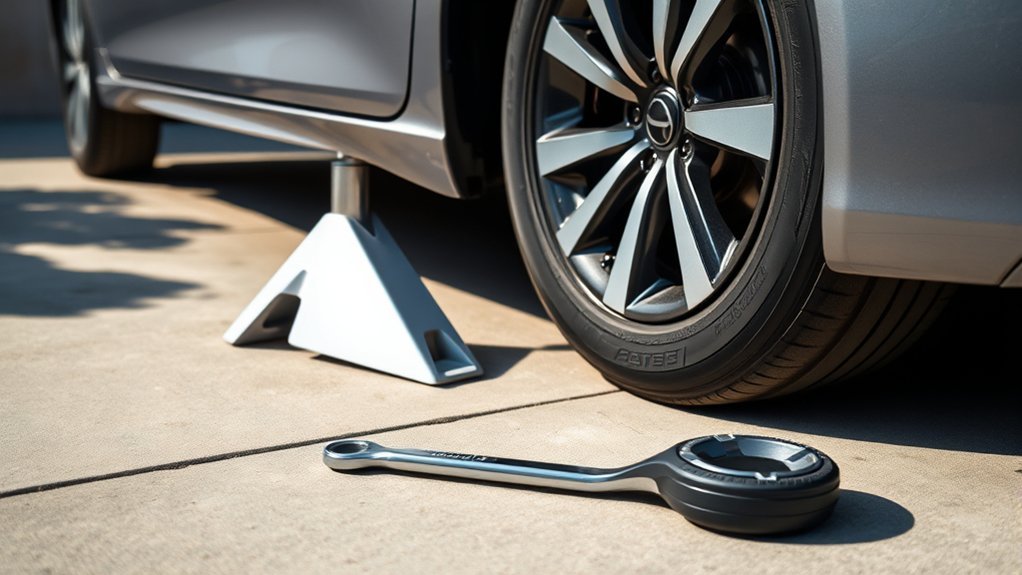
[…] jack, wheel-nut wrench, spare tire, wheel chock or sturdy wedge, flashlight, tire-pressure gauge, torque wrench if […]