
Last updated: July 14, 2026
How this guide was checked: Oil-grade claims were reviewed against Toyota owner resources, API oil-category guidance, and EPA disposal guidance.
Yes, synthetic oil is good for a Toyota Camry when it matches the SAE viscosity and oil standard in the owner’s manual. It generally handles cold starts, heat, and oxidation better than conventional oil. The correct grade depends on the Camry’s model year and engine; common examples include 0W-20 and 0W-16, while Toyota’s cited 2025 U.S. Camry Hybrid manual lists 0W-8. Check the oil cap and owner’s manual before buying oil.
Quick Answer
Yes. Choose a full synthetic oil that matches the exact viscosity and certification in your Camry’s owner’s manual. Common grades include 0W-20 and 0W-16; Toyota’s cited 2025 U.S. Camry Hybrid manual lists 0W-8. Follow the maintenance schedule for your exact model year and driving conditions.
Key Takeaways
- Do not choose oil by “Camry” alone. Choose it by your model year, engine, oil cap, and owner’s manual.
- 0W-20 synthetic oil is correct for many Camry models, but other model years may specify 0W-16; Toyota’s cited 2025 U.S. Camry Hybrid manual lists 0W-8.
- Toyota’s general U.S. guidance says vehicles that require 0W-20 may qualify for a 10,000-mile or 12-month oil-change interval, but the exact Camry maintenance guide controls.
- Conventional oil is only a reasonable choice when your specific Camry manual permits it and the oil meets every listed viscosity and performance requirement.
- After switching an older, high-mileage Camry to synthetic, check the oil level and inspect for seepage during the first 1,000 miles as a precaution.
Is Synthetic Oil Good for a Toyota Camry?
If your Camry specifies 0W-20, 0W-16, or 0W-8, choose a full synthetic product that carries the required certification. If an older manual permits conventional oil, synthetic remains the stronger all-around option for cold starts, high temperatures, short trips, and deposit control, provided it meets the same required grade and standard.
Do not assume every Camry uses the same oil. The cited 2025 U.S. Camry Hybrid manual lists SAE 0W-8 oil meeting JASO GLV-1, while many earlier Camrys used 0W-20 or 0W-16. The correct oil is the one that matches Toyota’s specification for your exact vehicle.
Warning: Do not use a thicker or thinner oil just because it is cheaper, easier to find, or recommended by a generic parts lookup. The wrong viscosity can affect cold-start flow, fuel economy, and variable valve timing operation.
Which Oil Grade Does a Toyota Camry Need?
The safest answer is simple: open the owner’s manual, check the oil-filler cap, and use the listed SAE viscosity and performance standard. Toyota has changed Camry oil recommendations over the years, so the correct grade can vary by engine and model year.
| Camry Type | Oil Guidance | What to Check |
|---|---|---|
| 2025 U.S.-market Camry Hybrid | Toyota’s cited manual lists SAE 0W-8 with JASO GLV-1. It also permits temporary use of 0W-16 when 0W-8 is unavailable, with a return to 0W-8 at the next oil change. | Owner’s manual maintenance data section |
| Late-model Camry gasoline and hybrid models | Many use 0W-20 or 0W-16 synthetic oil, depending on engine and year. | Oil cap and owner’s manual |
| Older Camry models | Some older engines may allow conventional oil or older viscosity grades such as 5W-30, depending on the year and engine. | Printed manual or Toyota manual lookup |
For many Camry owners, 0W-20 synthetic oil is the correct and practical choice. If your manual calls for 0W-16 or 0W-8, do not substitute 0W-20 unless Toyota specifically allows it for your exact model year and engine.
The three-check rule: Match the SAE viscosity, match the required oil certification, and follow the exact maintenance interval. Brand names and “high mileage” marketing come after those three checks.
[Products Worth Considering]

The WIX 57060XP XP Oil Filter is engineered for synthetic oil users who need dependable protection in demanding driving conditions. Its advanced synthetic-blended media delivers high filtration efficiency and supports extended service intervals, while the precise fit makes installation quick and straightforward. Built for severe-duty performance, it helps maintain cleaner oil flow and reliable engine protection during towing, stop-and-go traffic, and long highway trips.

Castrol EDGE 0W-20 advanced full synthetic motor oil is engineered for drivers seeking strong wear protection, excellent viscosity control, and thermal stability. It delivers superior performance in critical engine areas, including fuel economy, high-temperature protection, sludge control, and wear defense. Designed for extended oil-change intervals, it helps keep modern engines running smoothly under demanding conditions.

Castrol GTX Full Synthetic 5W-30 motor oil is designed to deliver maximum engine protection in severe driving conditions. It helps fight wear, control sludge, and resist viscosity breakdown while supporting longer intervals between oil changes. Formulated to meet or exceed key industry and vehicle manufacturer specifications, it offers dependable performance for modern engines.
Why Toyota Recommends Specific Oil Viscosity and Specs
Toyota matches engine oil to tight engine clearances, fuel-economy targets, emissions systems, and components such as variable valve timing. The first number in a grade such as 0W-20 describes cold-start flow. The second number describes viscosity at operating temperature. A lower winter rating helps oil move quickly when the engine is cold, while the hot rating helps maintain the right oil film once the engine warms up.
Modern oil specifications matter too. For many gasoline engines using 0W-20, look for oil that meets API SP and ILSAC GF-6A when the manual calls for those standards. API identifies GF-6B as the specification for SAE 0W-16 oils. For the cited 2025 U.S. Camry Hybrid 0W-8 application, Toyota lists JASO GLV-1. Match the bottle label to the standard in your manual.
Note: The “best” oil is not the thickest oil. It is the oil that reaches critical parts quickly, maintains the correct film strength, and meets the manufacturer’s exact performance standard.
Synthetic vs. Conventional: Protection, Cold Starts, and Sludge
When both oils meet the same required viscosity and performance standard, full synthetic usually gives a Camry more margin against oxidation, temperature extremes, and deposit formation than basic conventional oil. The correct grade still matters more than the base-oil marketing label.
Cold-Start Protection
Cold starts are hard on an engine because oil must reach bearings, camshafts, timing components, and cylinder walls quickly. Among oils that meet the same required grade, a quality synthetic formulation generally maintains more consistent low-temperature flow than basic conventional oil.
Heat and Breakdown Resistance
Camry engines can see high oil temperatures during long highway drives, summer traffic, mountain driving, or stop-and-go commuting. Synthetic oil resists oxidation and thermal breakdown better than conventional oil, which helps it maintain protection for the full service interval.
Sludge and Deposit Control
Sludge forms when oil oxidizes, thickens, and mixes with contaminants. Synthetic oil is not magic, but it generally does a better job resisting deposit formation when changed on time. That helps keep oil passages, piston rings, and variable valve timing components cleaner.
A clean, correct-grade synthetic oil is one of the simplest ways to protect a Camry engine from cold-start wear, heat stress, and sludge buildup.
How Often Should You Change Synthetic Oil in a Camry?

Synthetic oil costs more per quart, but a longer approved interval can reduce the number of oil changes. Toyota’s general U.S. guidance says vehicles that require 0W-20 oil may qualify for an oil-change interval of 10,000 miles or 12 months, whichever comes first. Vehicles where 0W-20 is only an alternative to mineral oil may still require 5,000-mile or 6-month oil changes.
Use that guidance only as a starting point. Your exact Camry maintenance guide controls, and other services such as inspections or tire rotations may still be due at shorter mileage intervals. Severe driving can also shorten oil life, even when you use synthetic oil.
[Products Worth Considering]

The Funnel King 32950 Oil Drain Pan is a compact fluid catch basin designed for clean, easy draining during routine maintenance. Its open shape and pour edge help transfer used oil, coolant, and other shop fluids with less mess, while the lightweight polypropylene construction stands up to common automotive chemicals. Sized to fit under many cars and small engines, it is a practical choice for garages, workshops, and DIY oil changes.
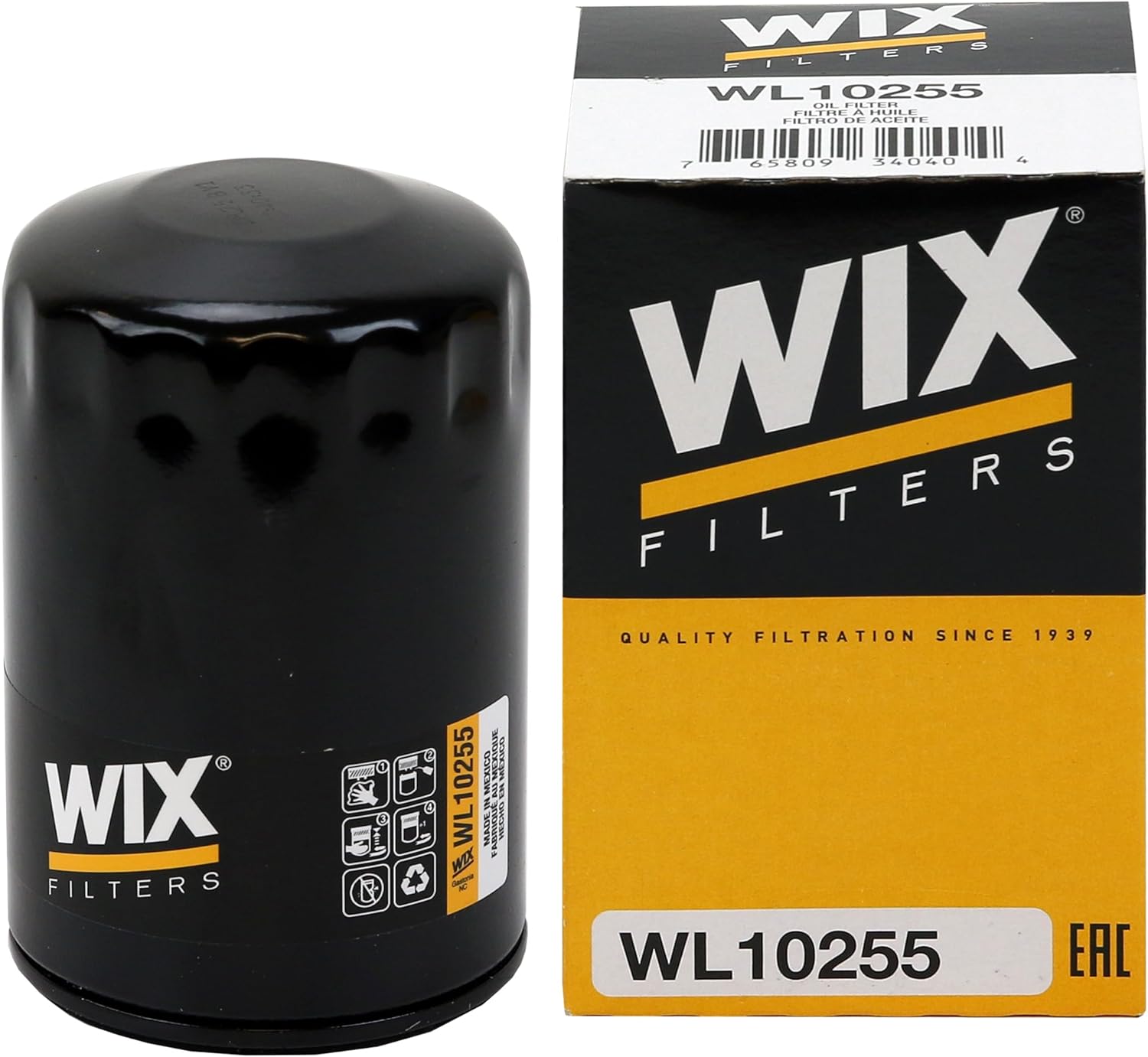
WIX WL10255 is a premium oil filter designed for synthetic and high-mileage oils, delivering reliable protection in everyday driving, towing, stop-and-go traffic, and long highway trips. Its advanced blended media captures fine contaminants with high efficiency, while the silicone anti-drainback valve helps prevent dry starts and supports dependable engine performance over extended service intervals.

These genuine Toyota oil drain plug gaskets are designed to help maintain a reliable seal during oil changes, reducing the chance of leaks and supporting proper engine maintenance. With an OEM fit and trusted Toyota quality, they are a practical choice for routine service on compatible vehicles. The convenient quantity pack is ideal for keeping multiple maintenance intervals covered.
Severe Driving That Can Shorten Oil Life
- Frequent short trips where the engine does not fully warm up
- Stop-and-go city driving or rideshare/delivery use
- Driving in extreme heat, extreme cold, dust, or heavy traffic
- Long idling periods
- Mountain driving or regularly carrying heavy loads
- High-mileage engines that consume oil between changes
Pro Tip: Even if your Camry qualifies for a 10,000-mile oil-change interval, check the oil level monthly. A long interval only works if the engine stays properly filled.
Can You Use Conventional Oil in a Toyota Camry?
Conventional oil is acceptable only when your Camry’s manual allows it and the oil meets the required viscosity and performance rating. This is more likely on older Camry models than on newer ones. Do not substitute a conventional product that lacks the approvals listed for your engine.
If you drive an older Camry that permits conventional oil, change it on the shorter interval listed in the maintenance guide. Conventional oil can work, but it usually does not offer the same cold-flow performance, high-temperature stability, or deposit control as synthetic oil.
Can You Switch an Older Camry to Synthetic Oil?
Switching a Camry from conventional oil to synthetic is usually safe when the engine is in good condition and the new oil meets the required specification. Synthetic oil does not normally damage healthy seals. However, aged gaskets or seals may already be seeping, so inspect the engine and monitor the oil level after the change.
At a Glance
| Time Required | 30–60 minutes for an oil and filter change |
| Difficulty | Easy to moderate for DIY owners |
| Tools Needed | Correct oil, new filter, drain pan, wrench, funnel, gloves, rags, and ramps or jack stands if needed |
| Cost | Usually higher than conventional oil, but often offset by longer service intervals on models designed for synthetic |
- Confirm the exact oil spec. Check the owner’s manual, oil cap, and Toyota maintenance guide before buying oil.
- Use a fresh filter. Do not switch to synthetic and reuse an old oil filter.
- Inspect common leak areas. Look around the valve cover gasket, oil pan, drain plug, timing cover area, and oil filter housing.
- Record the baseline level. After the oil change, park on level ground, wait a few minutes, and verify the dipstick reading.
- Monitor for 1,000 miles. Check the dipstick weekly and look for drips under the car or oil smell near the exhaust.
- Respond quickly. If you see new leaks, smell burning oil, notice smoke, or find a meaningful drop on the dipstick between checks, have the engine inspected.
How to Choose the Right Synthetic Oil for a Camry
Use this checklist at the parts store or repair shop:
- Match the SAE viscosity: Use the exact grade listed for your Camry, such as 0W-20, 0W-16, or 0W-8.
- Match the performance standard: Look for API SP, ILSAC GF-6A, GF-6B, JASO GLV-1, or the exact standard named in your manual.
- Use the correct filter: A quality filter matters because long oil intervals also require strong filtration.
- Avoid mystery additives: Do not add aftermarket oil treatments unless Toyota or a qualified technician recommends them for a specific problem.
- Keep receipts: Save oil and filter receipts in case you need service records for resale or warranty questions.
[Products Worth Considering]

This 12-pack oil filter and drain plug washer set is designed for a wide range of Toyota and Scion vehicles, helping support clean oil flow and dependable engine performance. It replaces several common OE part numbers and offers an easy-fit solution for routine maintenance. Built with corrosion-resistant materials and efficient filtration, it helps keep engine contaminants out and supports longer service life.

This 2-piece oil control variable valve timing solenoid set is designed to help restore proper VVT operation and engine performance across a wide range of Toyota, Lexus, Scion, and Pontiac applications. Built to meet or exceed OE performance, it uses quality seals for reliable oil control and helps reduce issues caused by improper oil flow. It is a practical replacement choice for maintaining smooth engine timing and dependable drivability.

The ECOGARD S5608 is a premium cartridge oil filter designed for vehicles using synthetic oil and extended drain intervals. It delivers long-lasting engine protection with high filtration capacity, silicone anti-drain back, and durable construction for dependable performance. Built for a wide range of Toyota, Lexus, and Scion applications, it helps maintain clean oil flow and consistent engine health over time.
Do Not Dump Used Motor Oil
If you change your Camry’s oil yourself, pour the used oil into a sealed, leak-proof container and take it to a recycling center, auto-parts store, repair facility, or local collection site. The U.S. Environmental Protection Agency says used oil from one oil change can contaminate one million gallons of fresh water. EPA recommends recycling used oil and drained filters because the oil can be re-refined into lubricants or processed for other uses.
Frequently Asked Questions
Is synthetic oil good for a Toyota Camry?
Yes. Synthetic oil is good for a Toyota Camry when it matches the required viscosity and specification in the owner’s manual. Full synthetic usually offers more margin against oxidation, temperature extremes, and deposits than basic conventional oil.
Does it matter if I use conventional or synthetic oil in my Camry?
Yes. It matters most on Camrys that specify a low-viscosity oil such as 0W-20, 0W-16, or 0W-8. Use a product that meets the exact grade and performance standard. If an older Camry allows conventional oil, follow the shorter maintenance interval listed for that vehicle.
Can I use 0W-20 in every Toyota Camry?
No. 0W-20 is correct for many Camrys, but not all. Some model years use 0W-16, and Toyota’s cited 2025 U.S. Camry Hybrid manual lists 0W-8. Always check your exact manual before substituting a different viscosity.
How often should I change synthetic oil in a Toyota Camry?
Toyota’s general U.S. guidance allows up to 10,000 miles or 12 months for vehicles that require 0W-20, whichever comes first. Some vehicles still require 5,000-mile or 6-month oil changes, especially where 0W-20 is optional. Follow the maintenance guide for your exact Camry and shorten the interval when its severe-service conditions apply.
Will synthetic oil make an older Camry leak?
Synthetic oil does not normally damage healthy seals. A high-mileage engine may already have aged gaskets or seepage, so check the oil level and inspect for drips after switching.
Is full synthetic better than synthetic blend for a Camry?
Full synthetic is usually the stronger choice for temperature stability and oxidation resistance, but the label alone does not make an oil suitable. A synthetic blend is acceptable only when it meets the exact viscosity and performance standard required by your Camry’s manual.
Conclusion
Synthetic oil is the best all-around choice for most Toyota Camry owners, but the exact grade and certification matter more than the word “synthetic” on the bottle. Check the oil cap and owner’s manual, match the listed SAE viscosity and oil standard, use a quality filter, and follow the correct mileage or time interval. Those four checks give your Camry the protection Toyota designed for its engine.
Sources
- Toyota Owners: 2025 Camry Hybrid Maintenance Data — confirms 0W-8, JASO GLV-1, and temporary 0W-16 guidance for 2025 Camry Hybrid.
- Toyota Support: Synthetic Oil Change Intervals — explains Toyota’s 10,000-mile/12-month interval for vehicles requiring 0W-20 synthetic oil and shorter intervals where 0W-20 is optional.
- Toyota Owners: Camry Manuals and Warranties — official Toyota manual lookup for model-specific maintenance and warranty information.
- American Petroleum Institute: Latest Oil Categories — backs API SP and ILSAC GF-6 oil-category guidance.
- U.S. Environmental Protection Agency: Managing, Reusing, and Recycling Used Oil — supports safe used-oil and filter recycling guidance.




[…] It must still match the SAE grade and applicable certification required for your Camry. See the Toyota Camry synthetic oil guide for a fuller comparison of oil formulations and service […]