Your Camry’s MPG drops on short trips because the engine spends too much of the drive cold. A cold engine uses a richer fuel mixture, thicker fluids create more friction, and accessories like heat and defrost add load. According to the U.S. Department of Energy, cold weather can cut gas mileage by as much as 24% on short 3- to 4-mile trips. Once you understand why this happens, you can plan trips better and protect your fuel economy.
Quick Answer
Your Camry loses MPG on short trips because the engine does not stay warm long enough to run at peak efficiency. Cold starts, stop-and-go driving, low tire pressure, and heavy heater use all add fuel demand. Longer combined trips usually return better mileage than several short errands.
Key Takeaways
- Combine errands so your Camry spends more time with a warm engine.
- Drive gently during the first few minutes after a cold start.
- Check the tire pressure on the driver’s door-jamb label, not the tire sidewall.
- Limit long warm-up idling because idling gets 0 miles per gallon.
- Follow your owner’s manual for oil, maintenance, and hybrid battery checks.
Understanding How Short Trips Impact Camry MPG
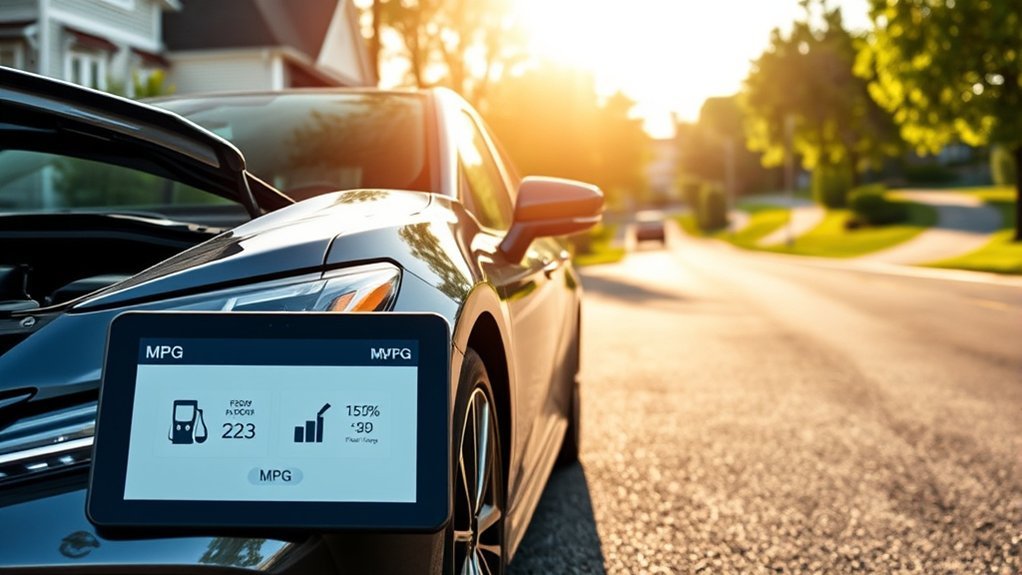
When you take short trips in your Camry, you may notice a fast drop in MPG. Trips under 6 miles often end before the engine reaches its best operating temperature. During these cold starts, your car burns extra fuel to warm the engine, catalytic converter, cabin, and fluids.
Cold weather makes this effect stronger. The U.S. Department of Energy says gasoline cars can lose 10% to 20% fuel economy in city driving during cold conditions, and short trips can lose 15% to 33%. Hybrid models can lose even more because cold batteries and cabin heat can make the gas engine run more often.
Stop-and-go driving also hurts your results. Each hard launch from a stop uses more fuel than steady cruising. Short trips stack these losses because your Camry has less time to recover that early fuel use.
Why Engine Temperature Matters for Mileage
Although it may seem small, engine temperature plays a key role in your Camry’s fuel efficiency. A cold engine needs more fuel at start-up and faces more friction from cold oil and other fluids. The engine runs cleaner and more efficiently after it warms up.
Keep these points in mind:
- Cold starts need extra fuel because the engine runs a richer mixture.
- Cold oil and transmission fluid increase friction during the first few minutes.
- Short trips give the engine less time to reach its best temperature.
- Cold batteries can limit hybrid system efficiency and regenerative braking support.
- Heavy heater, defroster, and heated-seat use adds more power demand.
You cannot remove every cold-start loss, but you can reduce the impact. Combine errands, drive gently, and avoid long idle warm-ups before you leave.
How Cold Starts Impact Your Fuel Efficiency
Cold starts can hurt your Camry’s fuel efficiency, especially in cold weather. When you start the engine in low temperatures, it takes longer to reach its ideal operating range. During that time, your Camry uses more fuel than it would on a warm, steady drive.
| Factor | Impact on Fuel Efficiency |
|---|---|
| Short Trips (3-4 miles) | Up to 24% mileage drop in cold-weather tests |
| Engine Temperature | Delayed warm-up |
| Cold Air | More aerodynamic drag |
| Accessory Use | Extra power demand |
| Overall Efficiency | Lower MPG until the car warms up |
For hybrids, cold conditions can cause larger losses because the gas engine may run more often. FuelEconomy.gov says hybrid fuel economy can drop about 30% to 34% under cold-weather conditions. Your exact drop depends on temperature, route, speed, traffic, and trim.
[Products Worth Considering]

The NOCO GENIUS5 is an all-in-one battery charging and maintenance solution for 6V and 12V lead-acid and lithium batteries. It features temperature compensation, dead-battery recovery, desulfation, and safe long-term maintenance to help extend battery life and performance. Compact and versatile, it works with a wide range of vehicles and comes with mounting accessories and a warranty.

Castrol EDGE 0W-20 advanced full synthetic motor oil is engineered for drivers seeking strong wear protection, excellent viscosity control, and thermal stability. It delivers superior performance in critical engine areas, including fuel economy, high-temperature protection, sludge control, and wear defense. Designed for extended oil-change intervals, it helps keep modern engines running smoothly under demanding conditions.

These adjustable oil filter pliers are designed to help remove engine filters, conduit, and fittings with better reach and control in tight spaces. The bent head design improves access, while soft nonslip grips add leverage and comfort during use. Built with high carbon steel and a Permalock fastener, they offer dependable strength and long-lasting performance.
Key Driving Conditions That Lower MPG on Short Trips
Driving in short bursts can lower your Camry’s MPG because several small losses happen at the same time. These factors matter most when your trip ends before the car warms up.
- Cold Starts: The engine uses more fuel during the first few minutes.
- Urban Driving: Frequent stops and starts reduce steady, efficient driving time.
- Cabin Heat: The heater, fan, defroster, and heated seats add load.
- Cold Weather: Dense air, cold fluids, and lower tire pressure add resistance.
- Short Distances: Trips under 6 miles often end before the engine runs at its best.
How to Boost Fuel Efficiency on Short Trips
To boost fuel efficiency on short trips, focus on habits that reduce cold-start losses. Combine errands into one route, accelerate gently, and keep your speed steady when traffic allows. Check tire pressure often because low pressure adds rolling resistance.
[Products Worth Considering]

This cabin air filter with activated carbon helps improve in-cabin air quality by trapping dust, pollen, and other airborne contaminants while reducing unwanted odors. Designed as a replacement for a wide range of Honda and Acura vehicles, it offers broad fitment coverage and reliable compatibility. It is an easy maintenance upgrade for fresher, cleaner airflow through the vehicle's climate system.

MaxxHaul 50515 car ramps provide a stable, elevated platform for performing vehicle repairs and maintenance beneath your car. Built from heavy-duty plastic with rubber stops and a ridged surface, they help keep tires securely positioned during use. Their compact ramp design offers dependable access and support for everyday garage work.
Optimize Driving Habits
Short trips can reduce your Camry’s fuel efficiency, but smart driving habits can help. Start with the farthest errand first when possible, then handle shorter stops on the way back while the engine stays warm.
- Maintain a steady speed when traffic allows.
- Accelerate gently and avoid hard braking.
- Use eco mode if your Camry includes it.
- Combine errands into one longer trip.
- Drive away gently after a short warm-up instead of idling for a long time.
Pro tip: Plan your route so the longest drive happens first and the engine warms up sooner.
Regular Maintenance Checks
Regular maintenance helps your Camry use fuel more efficiently, especially during repeated short trips. Use the oil grade and service schedule in your owner’s manual. For modern fuel-injected cars, a clogged air filter may hurt acceleration more than MPG, but you should still replace it when Toyota recommends it.
Use this table as a simple guide, then confirm the exact interval for your model year and trim.
| Maintenance Task | Frequency | Why It Matters |
|---|---|---|
| Oil and Filter Service | Follow owner’s manual | Reduces friction and protects the engine |
| Air Filter Check | Follow owner’s manual | Supports airflow and engine response |
| Battery Check | At routine service | Supports starts and hybrid system performance |
| Exhaust and Emissions Check | When warning signs appear | Helps catch faults that can waste fuel |
Monitor Tire Pressure
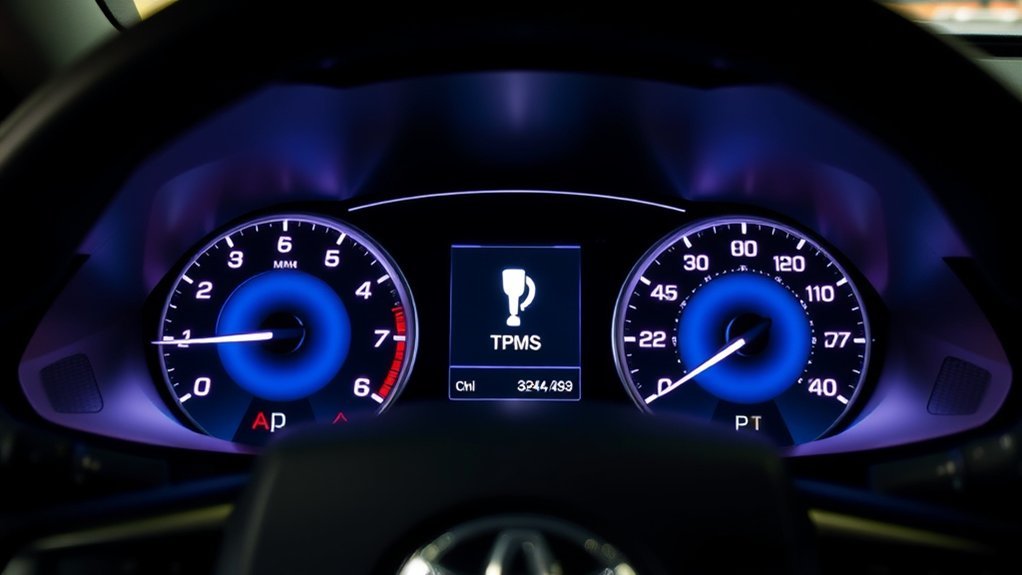
Maintaining proper tire pressure helps your Camry roll with less resistance. The Department of Energy says under-inflated tires can lower gas mileage by 0.2% for every 1 psi drop in the pressure of all four tires. Proper pressure also helps your tires last longer.
- Check tire pressure at least once a month.
- Use the pressure listed on the driver’s door-jamb label or in the owner’s manual.
- Check pressure when the tires are cold for the best reading.
- Remember that tire pressure can drop as temperatures fall.
- Do not use the maximum pressure printed on the tire sidewall as your target.
Warning: Do not overinflate tires to chase MPG because poor grip and uneven wear can create safety risks.
How Does Short Trip MPG Compare to Highway Driving?
When you take short trips, especially under 6 miles, your Camry may show much lower MPG because the engine stays cold for much of the trip. Highway driving gives your car more time to warm up and hold a steady pace. That steady operation usually brings your MPG closer to its official estimate.
Toyota lists the current Camry with up to 51 combined EPA-estimated MPG, depending on trim and drivetrain. Short city trips may fall far below that number in cold weather or heavy traffic. Your display may look worse after several short errands than it does after one longer drive.
Short Trips Fuel Impact
A quick errand may look harmless, but short trips can cut fuel efficiency in several ways:
- Cold starts use more fuel before the engine warms up.
- Cold fluids create more friction in the engine and drivetrain.
- Frequent acceleration and braking waste energy.
- Cabin heat and defrost use more power in cold weather.
- Low tire pressure adds rolling resistance.
These factors can make your short-trip MPG look much worse than your highway MPG. One longer route often uses fuel more efficiently than several separate cold starts.
Highway Efficiency Advantage
Highway driving gives your Camry a clear efficiency advantage. The engine reaches a warm operating range, the hybrid system can manage power more steadily, and you avoid many stop-and-go losses. Smooth cruising also reduces hard acceleration, which helps fuel economy.
Cold weather can still lower highway MPG, especially with strong wind, dense air, or heavy heater use. Even so, a warm engine and steady speed usually beat repeated cold starts. This explains why your fuel gauge may drop faster during short city errands than during a longer road trip.
Engine Warm-Up Necessity
Engine warm-up matters most during the first part of your drive. A cold engine needs extra fuel, and the catalytic converter also needs heat to work well. Short trips often end before the car reaches its most efficient state.
- Cold starts increase fuel use during the first few minutes.
- Short 3- to 4-mile trips can lose up to 24% MPG in cold-weather tests.
- Hybrid vehicles can show larger cold-weather losses.
- Highway driving helps the engine stay warm.
- Several short trips can make your average MPG drop quickly.
You do not need to idle for a long time to warm the car. Most manufacturers recommend driving gently after a short start-up period because the engine warms faster while you drive.
When Low MPG May Signal a Real Problem
Short trips explain many MPG drops, but they do not explain every case. If your MPG falls suddenly in mild weather, or if it stays low after longer drives, check for a maintenance issue. Warning lights, rough idle, fuel smell, dragging brakes, or weak acceleration need prompt attention.
Start with simple checks: tire pressure, old oil, dirty filters, and extra cargo. If those items look fine, scan for diagnostic trouble codes or ask a qualified technician to inspect the car. A bad oxygen sensor, fuel system issue, stuck brake caliper, or hybrid system fault can waste fuel.
Frequently Asked Questions
Why Is My Gas Mileage Going Down so Quickly?
Your gas mileage may drop quickly because short trips keep your engine cold. Cold starts, stop-and-go traffic, low tire pressure, and heavy heater use can all reduce MPG. If the drop happens during longer warm drives too, check for a maintenance issue.
Does Idling Warm Up My Camry and Save Gas?
Long idling does not save gas because idling gets 0 miles per gallon. A short start-up period followed by gentle driving usually warms the engine faster. Avoid hard acceleration until the temperature rises.
Is Short-Trip MPG Worse for a Camry Hybrid?
A Camry Hybrid can show a bigger MPG drop during cold short trips. The gas engine may run more often to warm the system and cabin. Cold battery performance can also reduce hybrid efficiency for a short time.
What Tire Pressure Should I Use for My Camry?
Use the pressure listed on your driver’s door-jamb label or in your owner’s manual. Do not use the maximum pressure printed on the tire sidewall as your target. Camry tire pressure varies by model year, trim, tire size, and load.
How Can I Improve MPG If I Only Drive Short Distances?
Combine errands, drive gently, keep tires properly inflated, and avoid carrying extra weight. Limit long idle warm-ups and use heat or defrost only as much as you need. Walk or cycle very short trips when that option fits your route and safety conditions.
Conclusion
Your Camry’s MPG suffers on short trips because the engine spends much of the drive below its best temperature. Cold starts, traffic, low tire pressure, and accessory use can turn a quick errand into an inefficient drive. Combine trips when you can, keep up with basic maintenance, and drive gently during the first few minutes. Small habits can help you get more miles from every gallon.
References
- Fuel Economy in Cold Weather — U.S. Department of Energy, 2026
- Gas Mileage Tips: Keeping Your Vehicle in Shape — FuelEconomy.gov, U.S. DOE and EPA
- Gas-Saving Tips — U.S. Department of Energy Vehicle Technologies Office, 2017
- 2026 Toyota Camry — Toyota, 2026