
Reviewed for accuracy · Last updated: August 31, 2026
This update was checked against Hyundai’s current U.S. Sonata specifications, Hyundai owner-manual guidance, Hyundai recall/campaign information, and NHTSA-hosted Hyundai transmission bulletins.
Hyundai Sonata transmission problems usually show up as delayed engagement, hard or jerky shifts, slipping, repeated shuddering, warning lights, fluid leaks, a burnt odor, or loss of drive. Stop driving and arrange a tow if the Sonata cannot accelerate safely, will not move in Drive or Reverse, leaks heavily, produces smoke, or smells like an electrical fire. If a dual-clutch transmission warning says the temperature is high, stop safely, select Park, keep the engine running, and wait for the system to confirm that the transmission has cooled.
This guide helps you triage the symptom and prepare for diagnosis. It cannot identify the failed part without the model year, transmission type, diagnostic codes, fluid condition, and a road test. Your Sonata may have a conventional automatic, a dual-clutch transmission, or a hybrid automatic depending on its year, engine, and trim.
Quick Answer
Common Hyundai Sonata transmission problem signs include delayed engagement, slipping, rough shifts, repeated shuddering, rising RPM without matching acceleration, leaks, warning messages, and whining, clunking, or grinding noises. For a DCT temperature warning without smoke or a heavy leak, follow the cluster instructions: stop safely, select Park, leave the engine running, and wait for the cooled-down message. Arrange a tow if the car loses drive, cannot shift safely, leaks heavily, or produces smoke.
Key Takeaways
- A Sonata that hesitates, slips, bangs into gear, or will not move in Drive or Reverse needs prompt diagnosis.
- A burning smell may come from an overheated transmission, but brakes, engine oil, coolant, belts, wiring, and road debris can create a similar odor.
- Transmission design varies by year and trim. Confirm the engine, trim, transmission, and VIN before applying model-specific advice.
- Do not guess the fluid type, level, or service procedure. Incorrect fluid and overfilling can create additional problems.
- Several Sonata generations have transmission-related recalls, campaigns, or service bulletins, but eligibility and coverage are vehicle-specific.
At a Glance
| Best First Step | Identify the exact symptom, note any warning message, and check whether the car can move and accelerate safely. |
| Safe Home Checks | Look for leaks, smoke, unusual smells, battery problems, brake-light operation, and visible damage. |
| Shop Diagnosis | May require a TCM-capable scan, road test, leak inspection, fluid-level procedure, wiring checks, and transmission pressure or clutch testing. |
| Tow Instead of Driving | No movement, unsafe slipping, heavy leakage, smoke, repeated overheating, grinding, or sudden loss of motive power. |
| Repair Cost | Varies from an electrical or software repair to internal transmission work. Ask for codes and a written diagnosis before authorizing major parts. |
Hyundai Sonata Transmission Symptom-to-Action Guide
Use this table to decide what to do next. It identifies the level of urgency, not the exact failed component.
| What You Notice | What It May Indicate | Best Next Step |
|---|---|---|
| Brief delay when selecting Drive or Reverse | Fluid-pressure, sensor, valve-body, clutch, or control issue | Avoid hard acceleration and schedule a scan and inspection. |
| Engine RPM rises without matching road speed | Transmission slip, pressure loss, clutch slip, or torque-converter problem | Reduce load. Tow the car if acceleration is weak or unpredictable. |
| Shifter will not leave Park | Brake-light switch, shift interlock, battery, selector, or shift-cable problem | Check brake lights and battery condition. Do not force the selector. |
| Drive or Reverse is selected but the car will not move | Disabled clutch, severe pressure loss, axle failure, or internal damage | Stop attempting to move the vehicle and arrange a tow. |
| Transmission-temperature warning | DCT clutch or transmission overheating | Stop safely, select Park, keep the engine running, and wait for the cooled-down message. |
| Fresh fluid puddle or active dripping | Transmission, engine, coolant, or brake-system leak | Identify the fluid if safe. Tow for a heavy leak or any suspected brake-fluid leak. |
| Smoke, electrical smell, grinding, or sudden power loss | Potential safety hazard or serious mechanical failure | Pull over, switch off the vehicle when safe, exit if necessary, and request roadside help. |
What Are the Main Hyundai Sonata Transmission Problem Signs?
Sonata transmission design varies by year and trim. For the 2026 U.S. lineup, standard gasoline trims use an 8-speed automatic, the N Line uses an 8-speed wet dual-clutch transmission, and the Sonata Hybrid uses a 6-speed automatic. Earlier 2015–2019 Sonata Eco models with the 1.6-liter turbo engine used a 7-speed DCT. Confirm your configuration through the owner’s manual, VIN, or Hyundai’s current Sonata specifications.
Watch for these warning signs:
- Delayed engagement: You select Drive or Reverse, but the vehicle pauses before moving.
- Harsh or jerky shifts: A shift produces a thump, kick, or sudden lurch. For a deeper guide, see Sonata hard-shifting causes and fixes.
- Slipping: Engine RPM rises, but vehicle speed does not increase at the expected rate.
- Repeated shuddering: The vehicle vibrates during clutch engagement, low-speed acceleration, or a gear change.
- Gear hunting: The transmission repeatedly shifts up and down under a steady load.
- No movement: Drive or Reverse appears selected, but the car barely moves or does not move.
- New noises: Whining, clunking, buzzing, rattling, or grinding occurs during acceleration, deceleration, or gear changes.
- Burning smell: Heat, fluid, brakes, belts, oil leaks, wiring, or debris on the exhaust may be involved.
- Fluid leaks: Red, pink, amber, brown, or dark oily spots require identification and inspection.
- Warning lights or messages: A malfunction indicator lamp, transmission-temperature message, flashing gear indicator, or power-limited message requires attention.
Warning: Arrange a tow if the Sonata loses drive, cannot accelerate safely, leaks heavily, produces smoke, smells like an electrical fire, or makes a grinding noise. For a DCT temperature warning without smoke or a major leak, follow Hyundai’s procedure: stop safely, select Park, keep the engine running, and wait for the cooled-down message. If the warning remains or returns repeatedly, have the vehicle inspected.
Why Won’t My Hyundai Sonata Shift Gears?
“Won’t shift” can describe several different failures. Identify which situation you have before assuming the transmission itself has failed.
| Failure Type | Common Clues | Systems to Check |
|---|---|---|
| Shifter is stuck in Park | Selector will not move, brake lights may not work, or the gear indicator may not respond normally | Battery voltage, brake-light switch, shift interlock, selector assembly, shift cable, and related wiring |
| Drive or Reverse is selected but the car does not move | Engine revs, vehicle barely moves, warning appears, or a DCT clutch is disabled | Fluid pressure, DCT overheating, axle or driveline failure, clutch operation, valve body, and internal components |
| Transmission is stuck in one gear | Limited acceleration, high engine speed, check engine light, or fail-safe operation | Speed sensors, range sensor, solenoids, wiring, TCU communication, fluid pressure, and internal faults |
A weak battery or charging problem can also disrupt shift-by-wire operation and control-module communication. If the problem started after a dead battery or jump-start, check battery voltage and connections as part of the diagnosis. See the Sonata jump-start guide for safe battery procedures.
A generic engine-code reader may not retrieve every transmission-control code. Ask for a scan tool that can access the transmission control module, freeze-frame data, live sensor values, and manufacturer-specific faults. You can find the diagnostic connector using the Hyundai Sonata OBD-II port guide.
Note: Many newer Sonatas do not have a normal owner-serviceable transmission dipstick. If the owner’s manual does not describe a dipstick procedure, have the level checked with the correct fluid-temperature and fill-plug method. Do not add fluid by guesswork.
[Products Worth Considering]

The TOPDON BT100 helps you quickly check the health and charge status of 12V lead-acid batteries with clear analytical results, including state of health, state of charge, voltage, and cranking performance. It supports a wide range of battery types and vehicles, making it a practical tool for diagnosing starting and charging issues at home or in the shop. Compact and easy to use, it provides fast, reliable testing without needing to charge the device first.

The ANCEL AD410 helps drivers quickly read and clear engine-related fault codes, view live data, and understand why the check engine light is on before heading to a repair shop. With built-in code definitions, readiness checks, and support for common OBD2 functions, it makes basic diagnostics straightforward for beginners and DIY users. Powered directly from the vehicle and easy to use with no app required, it offers practical value for everyday vehicle troubleshooting.

This smart color coded tire tread depth gauge makes it easy to check tread wear at a glance with clear red, yellow, and green ranges. Calibrated from 0 to 1 inch in 1/32 inch increments, it helps you quickly assess tire condition for safer driving and timely replacements. The pocket clip design makes it convenient to carry and use on trucks, motorcycles, cars, and other passenger vehicles.
What Causes Hyundai Sonata Transmission Problems?
Transmission symptoms can come from the transmission, engine, electrical system, software, mounts, axles, or brakes. Before approving replacement, ask for the stored codes, fluid findings, leak location, test-drive results, and the reason the shop ruled out related systems.
[Products Worth Considering]

This heavy-duty car ramp set provides a stable, reliable lift for routine maintenance like oil changes, tire rotations, brake work, and undercarriage inspections. Built from high-impact poly with a non-skid tread and rubber feet, it helps keep vehicles secure while offering a lightweight, corrosion-resistant alternative to steel ramps. The wide, gradual design supports a broad range of vehicles, from compact cars to trucks, SUVs, and vans.
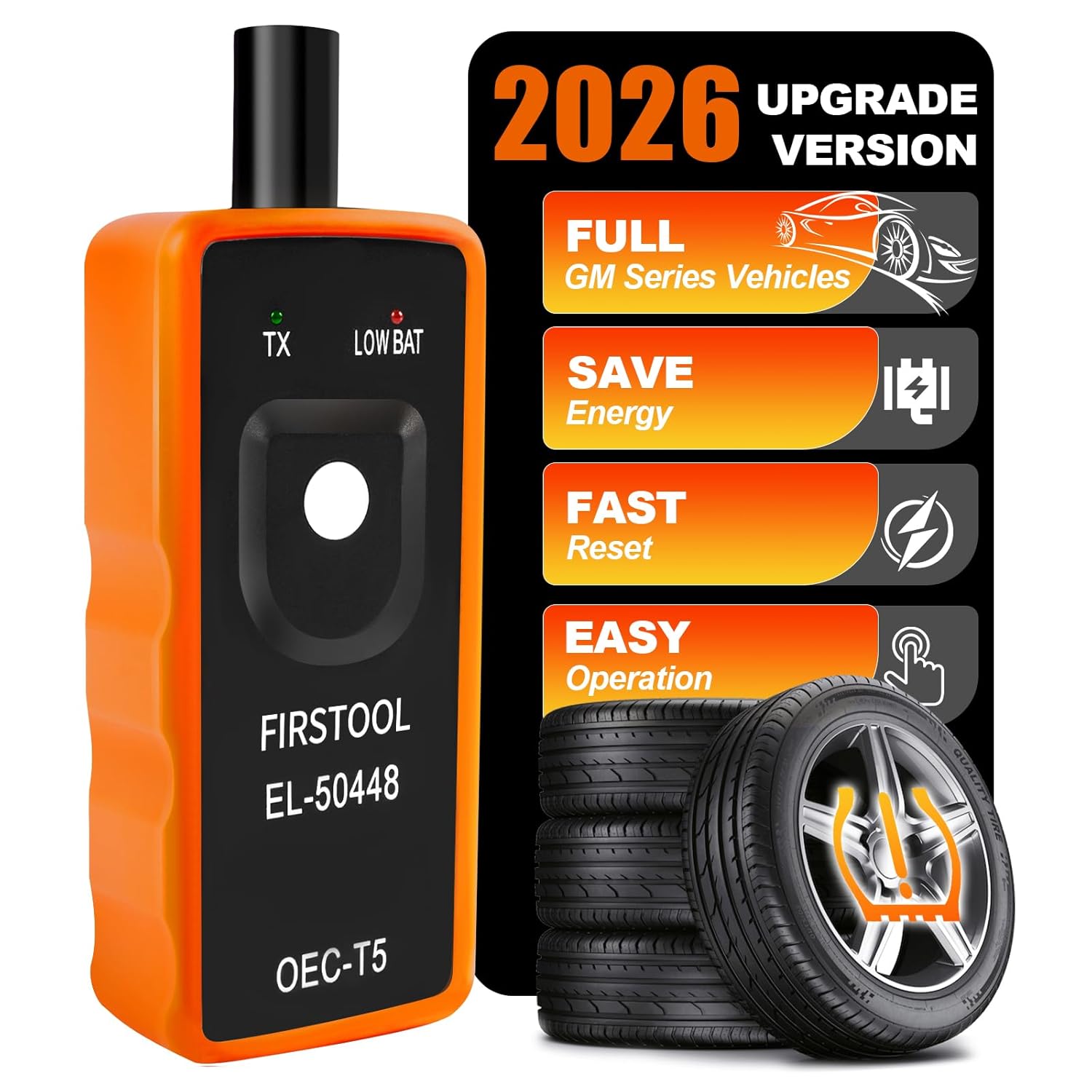
This EL-50448 TPMS relearn tool helps quickly activate and reset tire pressure sensors so your vehicle’s monitoring system stays accurate after tire rotations, sensor replacement, or seasonal tire changes. Designed for many GM-related vehicles and compatible with common 315 and 433 MHz TPMS systems, it offers simple one-button operation and reliable performance for clearing warning lights and relearning sensor positions.

For use in 95% of vehicles including most CVTs in operation with US registered light duty applications
Low, Degraded, or Incorrect Transmission Fluid
Transmission fluid provides hydraulic control, cooling, lubrication, and clutch operation. A leak, incorrect level, contaminated fluid, or wrong specification can contribute to delayed engagement, slip, overheating, or harsh shifting. Fluid requirements vary by transmission, so use the owner’s manual, Hyundai service information, or a VIN-based parts source.
Transmission or DCT Overheating
Repeated stop-and-go launches, steep grades, sudden acceleration, and holding a DCT-equipped car on an incline with the accelerator can raise clutch and transmission temperature. Hyundai instructs the driver to use the brake on a steep grade and to stop in Park with the engine running when the high-temperature message appears. Read the official Hyundai DCT warning-message instructions for the exact dashboard sequence.
Faulty Sensors, Solenoids, Wiring, or Control Inputs
The transmission control system depends on speed, range, pressure, temperature, brake, throttle, and engine data. A failed sensor, pressure-control solenoid, connector, damaged wire, poor ground, or communication fault can cause delayed shifts, harsh shifts, an incorrect gear display, or fail-safe operation.
Engine, Mount, Axle, or Brake Problems
An engine misfire can feel like a transmission shudder. Worn engine or transmission mounts can cause a clunk when torque changes. An axle problem can produce vibration or no movement, while a dragging brake can create heat, poor acceleration, and a burning smell. Diagnosis should compare engine speed, road speed, selected gear, misfire data, and the conditions that trigger the symptom.
Valve Body, Torque Converter, Clutch, or Internal Wear
The valve body directs hydraulic pressure through the transmission. Sticking valves, pressure loss, debris, worn clutches, bearing damage, gear damage, or a failing torque converter can create slipping, RPM flares, delayed engagement, shuddering, or noise. For symptoms tied specifically to converter lockup or shudder, see the Sonata torque-converter guide.
Software, Adaptation, or Campaign-Related Conditions
Some Sonata shift-quality concerns have documented TCU or ECM update procedures. Software should not be treated as a universal fix, but the dealer should check the VIN for open recalls and campaigns before major parts are approved.
For 2.5T Sonata N Line models with the 8-speed wet DCT, Hyundai TSB 26-AT-005H, issued in June 2026, adds an important diagnostic step for drivability or judder complaints. The bulletin applies to certain 2021–2022 U.S.-built Sonata N Line vehicles and 2021-and-later Korean-built Sonata N Line vehicles. It calls for the correct TCU software update and calibration to be matched to the transmission hardware before an 8WDCT is replaced for a drivability or judder concern. See the NHTSA-hosted Hyundai TSB 26-AT-005H.
What DCT Behavior Is Normal and What Is Not?
| Condition | How to Interpret It |
|---|---|
| Different low-speed feel | A DCT may feel different from a torque-converter automatic while its clutches engage. It should not repeatedly shudder, slip, overheat, or lose drive. |
| Steep-grade warning | Use the brake to hold the car. Do not hold or creep it on the incline with accelerator pressure. |
| Repeated judder | Persistent low-speed vibration is not something to dismiss as normal. Certain 2015–2018 1.6T models have a Hyundai diagnostic bulletin for DCT judder. |
| Temperature warning, clutch-disabled message, or loss of drive | Stop and follow the displayed cooling instructions. Arrange diagnosis if the warning persists or returns. |
What Can a Burning Smell While Driving Mean?

A burning smell deserves quick attention, but it does not prove that the transmission is failing. Transmission overheating becomes more likely when the smell appears with slipping, repeated shuddering, delayed shifts, high RPM, or a transmission-temperature warning. Brakes, engine oil, coolant, belts, wiring, or debris touching the exhaust can produce a similar odor.
Possible Causes of a Burning Smell
- Overheated transmission or clutch: Heat may appear with rough shifting, slip, or a DCT warning.
- Low fluid caused by a leak: Reduced fluid may affect pressure, lubrication, and cooling.
- Degraded or contaminated fluid: Dark fluid with a burnt odor can support an overheating or internal-wear diagnosis.
- Dragging brakes: A stuck caliper or parking-brake problem can create heat and a sharp burnt smell.
- Oil or coolant on hot components: A leaking fluid may smoke when it reaches the exhaust.
- Electrical overheating: A hot-plastic or wiring smell may indicate a fire risk.
What Should You Do Immediately?
If the smell is faint and disappears, park safely and check for smoke, active leaks, hot wheels, or warning lights. If the odor is strong, smoke appears, the car slips, or acceleration becomes unpredictable, stop driving. Switch the vehicle off when safe and arrange roadside assistance.
Pro Tip: Place clean cardboard under the front half of the parked car overnight. Photograph the location, color, and size of each spot before moving the cardboard. This gives the technician more useful evidence than a verbal description alone.
What Does a Noise in Neutral Indicate?
A noise in Neutral does not automatically identify a transmission fault. The engine, accessory drive, transmission pump, torque-converter or flywheel area, mounts, exhaust shields, and nearby components may still be moving or vibrating.
- Noise only in Drive or Reverse: Transmission load, mounts, axles, or other drivetrain components become more likely.
- Noise in Park and Neutral: Check engine accessories, pulleys, exhaust shields, engine operation, and possible transmission-pump noise.
- Noise that changes with engine RPM: Focus on engine-driven or pump-driven components.
- Noise that changes with road speed: Tires, wheel bearings, axles, differential parts, or rotating driveline components become more likely.
- Clunk when selecting a gear: Mounts, driveline slack, delayed pressure, selector operation, or internal wear may be involved.
A useful diagnosis compares the sound in Park, Neutral, Drive, and Reverse, then checks whether it follows engine RPM, road speed, steering input, braking, or load. Do not perform a brake-torque test or crawl under a running vehicle at home.
What Should You Do If the Transmission Is Slipping?
Transmission slipping means engine speed rises without the expected increase in vehicle speed, or the transmission briefly loses its hold on the selected ratio. Continued slip creates additional heat, so reduce load and diagnose the cause promptly.
- Stop hard acceleration: Avoid passing, steep climbs, towing, and aggressive launches.
- Record the conditions: Note whether the slip occurs cold, warm, during a specific shift, or under a particular throttle load.
- Save the exact warning text: Photograph the message when it is safe to do so.
- Look for leaks: Check the ground and visible lower powertrain area without crawling under an unsupported vehicle.
- Scan the correct modules: Use equipment that can access the transmission control module, not only generic engine codes.
- Verify fluid correctly: Do not add a universal ATF or perform a flush before the fluid specification, level, leak status, and fault codes are known.
- Check recalls and campaigns: A Hyundai dealer can search the VIN for open programs and software actions.
- Confirm the failure before replacement: Sensors, solenoids, wiring, mounts, axles, valve-body faults, and software can imitate a major internal failure.
Do not drive if slipping prevents safe acceleration, the vehicle loses drive, or a warning returns immediately after cooling. Arrange a tow to avoid additional heat and internal damage.
How Can You Identify a Sonata Transmission Fluid Leak?
Fluid appearance provides a clue, not a final identification. Transmission fluid may appear red, pink, amber, brown, or dark depending on its formulation, age, and contamination. Engine oil, coolant, brake fluid, and air-conditioning water can drip in nearby areas.
2025–2026 2.5L Sonata owners: Hyundai Limited Coverage Campaign LA15 / TSB 26-01-060H, issued in July 2026, covers certain Sonata (DN8) vehicles built from February 4 through July 17, 2025. Hyundai says a loose transmission oil-level plug can cause a leak at the bottom of the valve-body cover and, if enough oil is lost, may lead to automatic-transmission failure. If your car falls in this group or shows a leak in that area, ask a Hyundai dealer to check campaign eligibility and inspect the oil-level plug and transmission oil level before extended driving. See NHTSA manufacturer communication 11036095.
Simple Leak Check
- Park the Sonata on level ground after a normal drive.
- Place clean cardboard beneath the engine and transmission area.
- Check the cardboard later for the location, color, odor, and size of each spot.
- Use a flashlight to look for wet areas around the transmission case, cooler connections, axle seals, pan or case joints, and service plugs.
- Do not touch hot parts or crawl beneath a vehicle supported only by a jack.
- If the owner’s manual does not provide a dipstick procedure, have the level checked professionally.
What Different Fluids May Mean
| Fluid Appearance | Possible Source | What to Do |
|---|---|---|
| Red, pink, amber, or brown oily fluid | Transmission fluid | Schedule a leak inspection. Tow the vehicle if the leak is active or the transmission slips. |
| Black or dark brown oil | Engine oil | Check the engine-oil level and locate the leak before extended driving. |
| Green, pink, orange, or sweet-smelling liquid | Coolant | Do not drive an overheating vehicle. Allow it to cool and inspect the cooling system. |
| Clear water | Air-conditioning condensation | Usually normal after air-conditioning use when it has no oily feel or unusual odor. |
| Clear to amber slippery fluid near a wheel or brake component | Possible brake fluid | Do not drive until the braking system has been inspected. |
What Should You Record Before the Shop Visit?
A clear symptom record can shorten diagnosis and reduce unnecessary parts replacement. Write down the following before the appointment:
- Vehicle details: Model year, engine, trim, mileage, and whether it is a gasoline, hybrid, automatic, or DCT model.
- Temperature: Whether the problem occurs only when cold, only after warming up, or at all temperatures.
- Selected gear: Park, Reverse, Neutral, Drive, or a particular upshift or downshift.
- Driving condition: Stop-and-go traffic, steady cruising, hill climbing, braking, turning, or hard acceleration.
- Engine and road speed: Whether RPM rises while road speed stays the same.
- Exact warning: Photograph or copy the dashboard wording and indicator behavior.
- Diagnostic codes: Record every code and freeze-frame result before anyone clears them.
- Leak evidence: Photograph the stain, cardboard location, and visible wet area.
- Noise pattern: Note whether the sound follows engine RPM, vehicle speed, steering, braking, or gear selection.
- Recent work: Battery replacement, jump-start, fluid service, collision repair, software update, or other work performed before the symptom began.
If you read codes yourself, save them before erasing anything. Clearing the warning can remove useful fault history. See the Sonata diagnostic-code guide for the correct sequence.
When Should You Stop Driving and Call for a Tow?
Arrange urgent professional help when the Sonata cannot move or accelerate predictably. A qualified independent shop can diagnose many mechanical and electrical faults, while a Hyundai dealer is best positioned to check VIN-specific recalls, campaigns, software, and warranty coverage.
Call for a tow if:
- The Sonata will not move in Drive or Reverse.
- The transmission slips enough to make merging, climbing, or crossing traffic unsafe.
- You smell burning and see smoke.
- A transmission-temperature warning persists or returns after the required cooling procedure.
- The car enters fail-safe mode and cannot maintain a safe speed.
- A large or active fluid leak appears.
- You hear grinding or the vehicle suddenly loses motive power.
- A suspected brake-fluid leak is present.
If the symptom is mild and the car remains fully controllable, avoid aggressive driving and schedule diagnosis promptly. Do not continue driving for days while waiting to see whether repeated slipping, shuddering, or delayed engagement disappears.
Which Hyundai Sonata Transmission Recalls and Campaigns Should You Check?
A symptom does not prove recall eligibility. Safety recalls, service campaigns, and technical service bulletins apply to defined vehicles, production periods, powertrains, or diagnostic conditions. Use the VIN for the final eligibility decision.
| Sonata Group | Document or Program | Relevant Condition | Owner Action |
|---|---|---|---|
| Certain 2011–2014 Sonata vehicles covered by Recall 123 | Safety Recall 123 | The shift cable may disconnect, causing difficulty leaving or entering Park or a mismatch between lever position and the actual gear. | Check the VIN. Apply the parking brake firmly and arrange service if the gear position is uncertain. |
| Certain 2015–2017 1.6T Sonatas with 7-speed DCT | Service Campaign TWW | ECM and TCM control-logic update intended to improve DCT shift quality. | Ask a Hyundai dealer to check the VIN for completed or open campaigns. |
| Certain 2015–2018 1.6T Sonatas with 7-speed DCT | TSB 21-AT-014H | Low-speed clutch judder diagnosis, TCU update, retest, and possible double-clutch replacement. | A TSB is not automatic recall coverage. Ask whether the bulletin applies to the vehicle and repair findings. |
| Certain 2021–2022 Sonata N Line 2.5T vehicles | Safety Recall 236 | Rough upshifts, hesitation, loss of motive power, or DTC P1C2D03 related to the 8-speed wet DCT. | Check the VIN. The recall remedy includes a TCU update, with transmission replacement required under the recall when the specified MIL and code condition is present. |
| Certain 2021–2022 Sonata N Line vehicles meeting the bulletin conditions | TSB 26-AT-001H, March 2026 | 8-speed wet-DCT replacement procedure for P1C2D03, P193B79, or P086800 after confirming the bulletin applies. | Ask the technician to document the code and bulletin eligibility. A TSB does not by itself guarantee no-cost coverage. |
| Certain 2.5T Sonata N Line vehicles: 2021–2022 U.S.-built DN8A and 2021-and-later Korean-built DN8 | TSB 26-AT-005H, June 2026 | TCU software and calibration update for 8-speed wet-DCT drivability or judder concerns; the bulletin says to perform the procedure before replacing the transmission for those concerns. | Ask the dealer to confirm bulletin applicability, transmission hardware, current TCU calibration, and the completed update/learning procedure before authorizing an 8WDCT replacement for judder or drivability alone. |
| Certain 2025–2026 Sonata (DN8) 2.5L vehicles built February 4–July 17, 2025 | Limited Coverage Campaign LA15 / TSB 26-01-060H, July 2026 | A loose transmission oil-level plug may cause a leak at the bottom of the valve-body cover and, if enough oil is lost, may lead to automatic-transmission failure. | Ask a Hyundai dealer to verify eligibility and inspect the oil-level plug and transmission oil level. The bulletin includes transmission replacement when its inspection criteria require it. |
A recall, service campaign, and TSB are not the same. A safety recall addresses a safety defect in eligible vehicles. A service campaign is a manufacturer program that may have its own eligibility and completion rules. A TSB gives technicians a diagnostic or repair procedure, but payment depends on warranty, campaign, recall, and other coverage. For a step-by-step public bulletin search, see the Hyundai Sonata TSB lookup guide.
- Use Hyundai’s official Safety Recalls and Service Campaigns lookup.
- Use the NHTSA recall lookup to check open U.S. safety recalls.
- Ask the dealer to check completed and open campaigns, not only public recall results.
- Check again if a new recall or campaign is announced, because eligibility records may update.
- If you believe the issue is a safety defect, use NHTSA’s safety complaint form.
Symptoms alone cannot confirm recall or campaign eligibility. Two Sonatas from the same model year can have different engines, transmissions, production dates, and VIN status.
What Should You Ask Before Approving a Transmission Repair?
Ask for evidence that connects the symptom to the recommended repair. A written explanation is especially important before approving a valve body, clutch assembly, torque converter, or complete transmission.
- What diagnostic trouble codes were stored in the engine and transmission modules?
- Can I receive a copy of the scan report and freeze-frame data?
- Was the fluid level checked using the correct Hyundai procedure and temperature range?
- What did the fluid look and smell like, and was debris found?
- Is there a confirmed leak? Where does it begin?
- Did the technician reproduce the symptom during a road test?
- Does the symptom occur cold, warm, at a particular shift, or under a particular load?
- Were the battery, charging system, mounts, axles, brakes, and engine operation checked?
- Are any Hyundai recalls, campaigns, TSBs, or software updates relevant to the VIN and codes?
- Can the failed sensor, solenoid, valve body, clutch, or related component be serviced separately?
- What evidence shows that full transmission replacement is required?
- Does warranty, extended coverage, recall coverage, or goodwill assistance apply?
[Products Worth Considering]

CEL Doctor: The ANCEL AD310 is one of the best-selling OBD II scanners on the market and is recommended by Scotty Kilmer, a YouTuber and auto mechanic. It can easily determine the cause of the check engine light coming on. After repairing the vehicle's problems, it can quickly read and clear diagnostic trouble codes of emission system, read live data & hard memory data, view freeze frame, I/M monitor readiness and collect vehicle information

[Easy to Use—Work Out of the Box] + [FOXWELL 2026 New Version] FOXWELL NT604 Elite scan tool is the 2026 new version from FOXWELL, designed for car owners who want to figure out the cause of issues before fixing car problems by scanning common systems like ABS, SRS, engine, and transmission. The NT604 Elite obd2 scanner diagnostic tool comes with the latest software—no need to waste time downloading software first. Plug the scanner into the OBDII port with OBDII cable to start the diagnosis.

Function: Dual clutch actuator can be mounted on the tool for adjusting/resetting the actuator standard values
Frequently Asked Questions
What are the first signs of a Hyundai Sonata transmission going bad?
Early warning signs include delayed engagement, repeated rough shifts, slipping, shuddering, rising RPM without matching acceleration, new whining or clunking noises, fluid leaks, burnt odors, and warning messages. Record when the symptom occurs and arrange diagnosis before it becomes constant.
Is there a Hyundai Sonata transmission recall?
Several Sonata groups have had transmission-related actions. Recall 123 covers certain 2011–2014 Sonata vehicles with a shift-cable issue. Recall 236 covers certain 2021–2022 Sonata N Line vehicles with an 8-speed wet-DCT condition. Hyundai also issued 2026 N Line wet-DCT bulletins and Limited Coverage Campaign LA15 for certain 2025–2026 2.5L Sonatas with a transmission-oil-level-plug leak condition. These programs are not all safety recalls, so use the VIN on Hyundai’s and NHTSA’s lookup tools for the final result.
Does a Hyundai Sonata have a CVT?
Current U.S. Sonata models do not use a CVT. The 2026 lineup uses an 8-speed automatic in standard gasoline trims, an 8-speed wet DCT in the N Line, and a 6-speed automatic in the Hybrid. Older models used other automatic and DCT configurations, so confirm the exact year and trim.
Why is my Sonata stuck in Park?
Possible causes include a failed brake-light switch, shift-interlock fault, weak battery, selector problem, wiring fault, or shift-cable issue. Check whether the brake lights work and whether the gear indicator matches the selector. Do not force the shifter.
What can be mistaken for a transmission problem?
Engine misfires, ignition faults, worn mounts, axle problems, wheel bearings, dragging brakes, charging-system faults, low engine oil, and exhaust rattles can imitate transmission symptoms. A module scan, road test, and inspection help separate these systems.
Can I drive my Sonata with a slipping transmission?
Avoid driving when slipping affects acceleration, occurs repeatedly, produces a warning, or comes with a leak or burnt smell. Slipping creates heat. Arrange a tow when the car cannot accelerate predictably or loses drive.
Should I change the transmission fluid if my Sonata is already slipping?
Do not use a fluid change or flush as a blind repair. Slipping may result from an incorrect level, a leak, pressure loss, a solenoid fault, clutch wear, a valve-body problem, or internal damage. Check the codes, fluid condition, correct specification, and leak status before choosing a service.
Conclusion
Hyundai Sonata transmission problems should be handled according to the symptom and risk. Tow the car if it loses drive, cannot accelerate safely, leaks heavily, produces smoke, or makes a grinding noise. For a DCT temperature warning without smoke or a major leak, stop safely, select Park, keep the engine running, and wait for the cooled-down message.
For less urgent symptoms, record exactly when the problem occurs, scan the transmission module, check the VIN for recalls and campaigns, and ask for evidence before approving major repairs. Early diagnosis may identify a battery, sensor, software, cable, leak, valve-body, clutch, or drivetrain problem before unnecessary parts are replaced.
Sources
- Hyundai Owner’s Manual portal: official owner information by model and year.
- Hyundai USA Sonata specifications: current U.S. trim and transmission information.
- Hyundai DCT warning messages: steep-grade and transmission-overheat instructions.
- Hyundai Safety Recall 123: certain 2011–2014 Sonata shift-cable vehicles.
- Hyundai Service Campaign TWW: certain 2015–2017 Sonata 1.6T DCT control-logic update.
- Hyundai TSB 21-AT-014H: DCT judder detection, TCU update, and clutch procedure for applicable vehicles.
- Hyundai Safety Recall 236: certain vehicles with an 8-speed wet-DCT condition.
- Hyundai Recall 236 dealer document: symptoms, affected Sonata N Line vehicles, and remedy details.
- Hyundai TSB 26-AT-001H, March 2026: wet-DCT replacement procedure for specified HP EOP codes and applicable vehicles.
- Hyundai TSB 26-AT-005H, June 2026: 8-speed wet-DCT TCU update and calibration guidance for applicable 2.5T N Line drivability or judder concerns.
- NHTSA manufacturer communication 11036095 / Hyundai TSB 26-01-060H: Limited Coverage Campaign LA15 for a transmission oil-level-plug leak condition on certain 2025–2026 2.5L Sonata (DN8) vehicles.
- Hyundai USA maintenance schedule: VIN and model-based maintenance information.
- NHTSA recall lookup: U.S. government recall search.
- NHTSA Report a Safety Problem: official safety-defect complaint reporting.



[…] Some older Sonatas have model- and engine-specific campaign or warranty history. Hyundai has published engine warranty information for certain 2011–2019 Sonata vehicles equipped with specified 2.4L GDI or 2.0L Turbo GDI engines. Eligibility depends on the vehicle, so use Hyundai’s VIN resources rather than assuming every Sonata from those years is covered. If you are troubleshooting shifting rather than routine maintenance, see the Sonata transmission symptom checklist. […]