

If your Hyundai Sonata is shifting hard, start with the simple checks before assuming the transmission is failing. Low fluid, the wrong fluid, a leak, old fluid, bad shift data, a range switch issue, or a solenoid fault can all make shifts feel harsh, delayed, or clunky. The safest path is to note the symptoms, scan for codes, verify the correct fluid for your exact model year, and get professional diagnosis if the problem continues.
Quick Answer
A Hyundai Sonata usually shifts hard because of low or worn transmission fluid, the wrong ATF, a sensor or solenoid fault, a range switch or shift cable issue, or internal wear. Check for leaks, scan for transmission codes, verify the correct Hyundai fluid by model year, and stop driving if you smell burning, feel slipping, or lose normal gear engagement.
Key Takeaways
- Check symptoms first: note whether the hard shift happens cold, hot, during acceleration, when stopping, or when moving from Park to Drive or Reverse.
- Do not guess on fluid: Sonata fluid type and service procedure vary by year and transmission, so verify the correct ATF in the owner manual or with a Hyundai dealer.
- Codes matter: a scan tool can reveal transmission-related faults such as range, temperature, solenoid, pressure, or gear-ratio problems.
- Stop driving when symptoms are severe: burning smell, slipping, no movement, grinding, or delayed engagement into traffic needs urgent inspection.
At a Glance
| Time Required | 20–45 minutes for basic checks; longer if a shop performs pressure tests, relearn procedures, or internal diagnosis. |
| Difficulty | Easy for symptom logging and code scanning; moderate to professional for fluid service, relearn, and internal testing. |
| Tools Needed | Flashlight, clean white towel, OBD-II scanner that can read transmission codes, owner manual, and basic hand tools if checking linkage access. |
| Cost | $0 for symptom notes, about $20–$150 for a basic scanner or DIY supplies, low hundreds for many fluid services, and much more for internal transmission repair. |
Quick Triage: Is Your Hyundai Sonata Really Shifting Hard?

First, separate a true hard-shifting problem from normal firm engagement. A real issue often feels like a clunk, jerk, bang, flare, hesitation, or delayed gear engagement. Pay attention to when it happens: cold start, after warm-up, uphill, during stop-and-go traffic, at highway speed, or when shifting from Park to Drive or Reverse.
Write down the gear, speed, RPM, engine temperature, and road condition when the harsh shift happens. Also note whether the check engine light is on, whether the car slips before it catches, and whether the problem changes after 10–15 minutes of driving. These notes help you avoid random parts replacement and give a technician useful evidence.
Warning: Stop driving and arrange a tow or professional inspection if the Sonata has a strong burning smell, grinding noises, no Drive or Reverse, slipping with rising RPM, delayed engagement into traffic, or a warning light paired with severe shifting. Those signs can point to overheating or internal damage.
Top Causes of Hard Shifts in a Hyundai Sonata
Hard shifting usually comes from one of four areas: fluid and hydraulic pressure, electronic shift control, external gear-selection parts, or internal mechanical wear. Start with the checks that are safest and cheapest, then move toward tests that require a shop.
Transmission Fluid Issues
Transmission fluid affects pressure, lubrication, cooling, and clutch friction. Low fluid can reduce hydraulic pressure and cause delayed or harsh engagement. Old or overheated fluid can smell burnt and may lose the friction characteristics the transmission needs for smooth shifts. The wrong ATF can also create harsh shifts because different fluids behave differently inside the valve body and clutch packs.
Do not use one fluid specification for every Sonata. Hyundai fluid requirements vary by model year, engine, and transmission. Check your owner manual through Hyundai Manuals & Warranties or ask a Hyundai dealer to verify the correct ATF by VIN before adding or replacing fluid.
Note: Some Sonata model years have a traditional dipstick, while others use a sealed or service-port style check procedure. If your car does not have a dipstick, do not guess the level or overfill it. A shop may need to check fluid temperature and level with the correct procedure.
Faulty Sensors or Solenoids
Modern Sonata transmissions rely on sensor data and solenoids to choose shift timing and pressure. A bad transmission fluid temperature sensor, range switch, speed sensor, throttle input, wiring connection, or pressure-control solenoid can make the car shift too firmly, shift late, or hunt between gears.
Use an OBD-II scanner that can read transmission control module data, not just basic engine codes. Examples of codes that may guide diagnosis include P0700 for a transmission control system request, P0711 or P0713 for fluid temperature sensor faults, P0741 for torque-converter clutch performance, P075x or P076x for shift solenoid circuits, and P073x for gear-ratio errors. These codes do not automatically prove a part is bad, but they show where testing should begin.
Range Switch, Shift Cable, and Mount Issues
If the harsh feel happens mainly when moving from Park to Drive or Reverse, inspect the shifter feel, shift cable, transmission range switch, and engine or transmission mounts. A misadjusted cable or worn mount can make engagement feel like a transmission failure even when the internal gears are still working.
Look for a shifter that feels loose, sticky, or inconsistent. Also listen for a single thud when shifting into gear while stopped. If the shifter position on the dash does not match the lever position, or the vehicle starts only in certain positions, have the range switch and cable adjustment checked right away.
Mechanical Wear and Internal Damage
Internal wear can cause hard, delayed, or slipping shifts. Worn clutch packs, a sticking valve body, damaged bearings, gear wear, or contamination inside the transmission can all create harsh engagement. If the fluid is dark, smells burnt, or contains metal material, avoid aggressive DIY fixes and get a professional diagnosis.
A drain-and-fill may improve shift feel when the fluid is simply old, but it will not repair a damaged valve body, worn clutch, failing torque converter, or internal pressure loss. If the problem returns quickly after service, deeper testing is needed.
DIY Checks Today: Fluid, Leaks, and Error Codes
Use this order so you do not skip the basics:
- Log the symptom: record cold or hot, speed, RPM, gear, road condition, and whether the shift is a bang, flare, delay, or slip.
- Check for leaks: look under the car for red, brown, or dark oily fluid around the transmission, cooler lines, axle seals, and splash shield.
- Inspect fluid only if your model allows it: check level, color, and smell using the correct procedure for your Sonata. If there is no dipstick, use a shop.
- Scan for codes: read engine and transmission codes, then save freeze-frame data before clearing anything.
- Check battery voltage: weak voltage or poor grounds can create electronic shift issues on some vehicles.
- Inspect shifter behavior: note any mismatch between the lever position and the gear indicator.
Pro Tip: Do not clear codes before saving them. A cleared code can erase freeze-frame data that shows vehicle speed, temperature, load, and conditions when the hard shift happened.
[Products Worth Considering]

The FOXWELL NT301 is a plug-and-play OBD2 code reader designed to help drivers and home mechanics diagnose check engine light issues with ease. It reads fault codes, clears emissions-related warnings, displays live sensor data in graph form, and shows I/M readiness so you can quickly check vehicle status before an emissions test. With broad compatibility across many OBD2 vehicles and a clear color screen, it offers a practical, user-friendly way to monitor and troubleshoot engine performance.
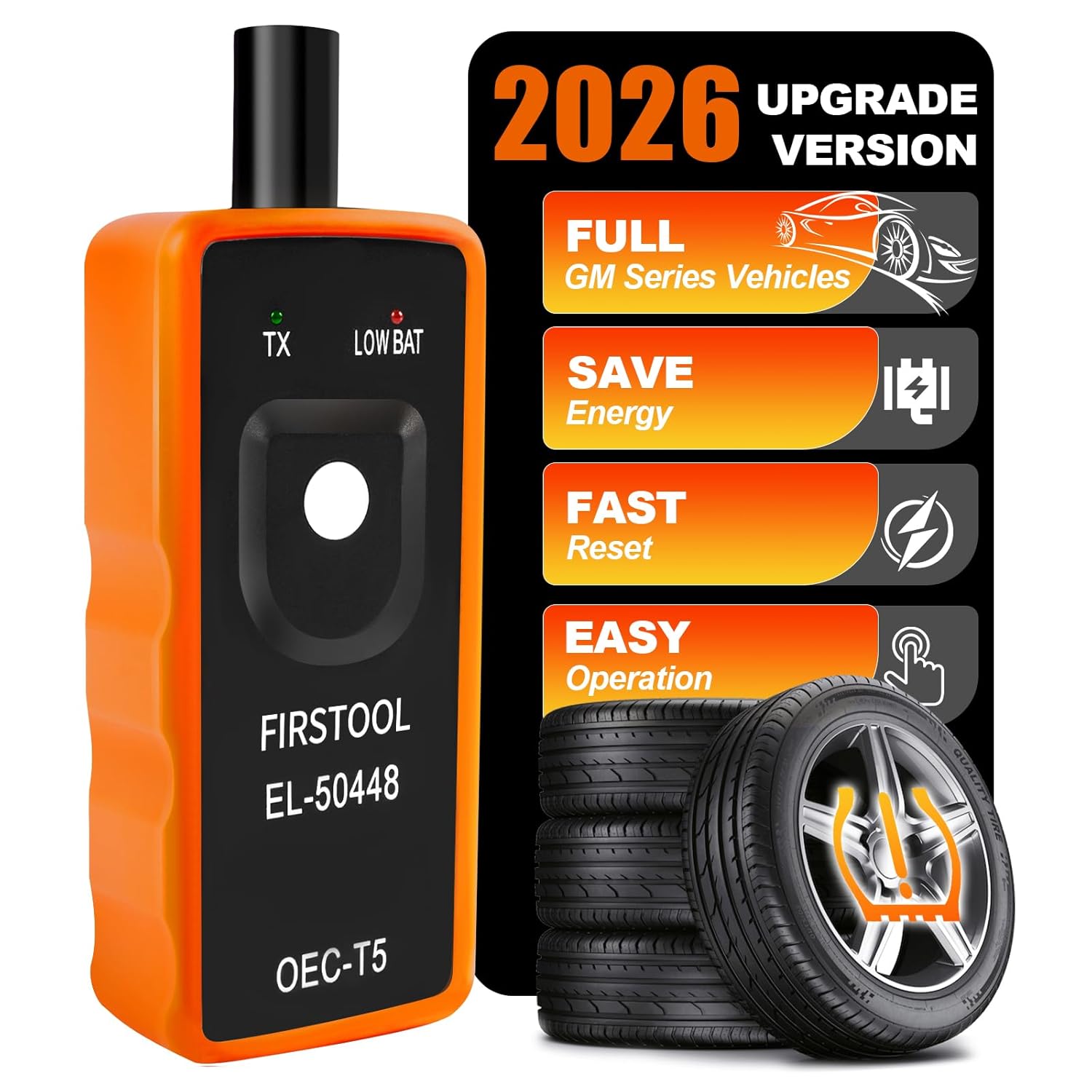
This EL-50448 TPMS relearn tool helps quickly activate and reset tire pressure sensors so your vehicle’s monitoring system stays accurate after tire rotations, sensor replacement, or seasonal tire changes. Designed for many GM-related vehicles and compatible with common 315 and 433 MHz TPMS systems, it offers simple one-button operation and reliable performance for clearing warning lights and relearning sensor positions.

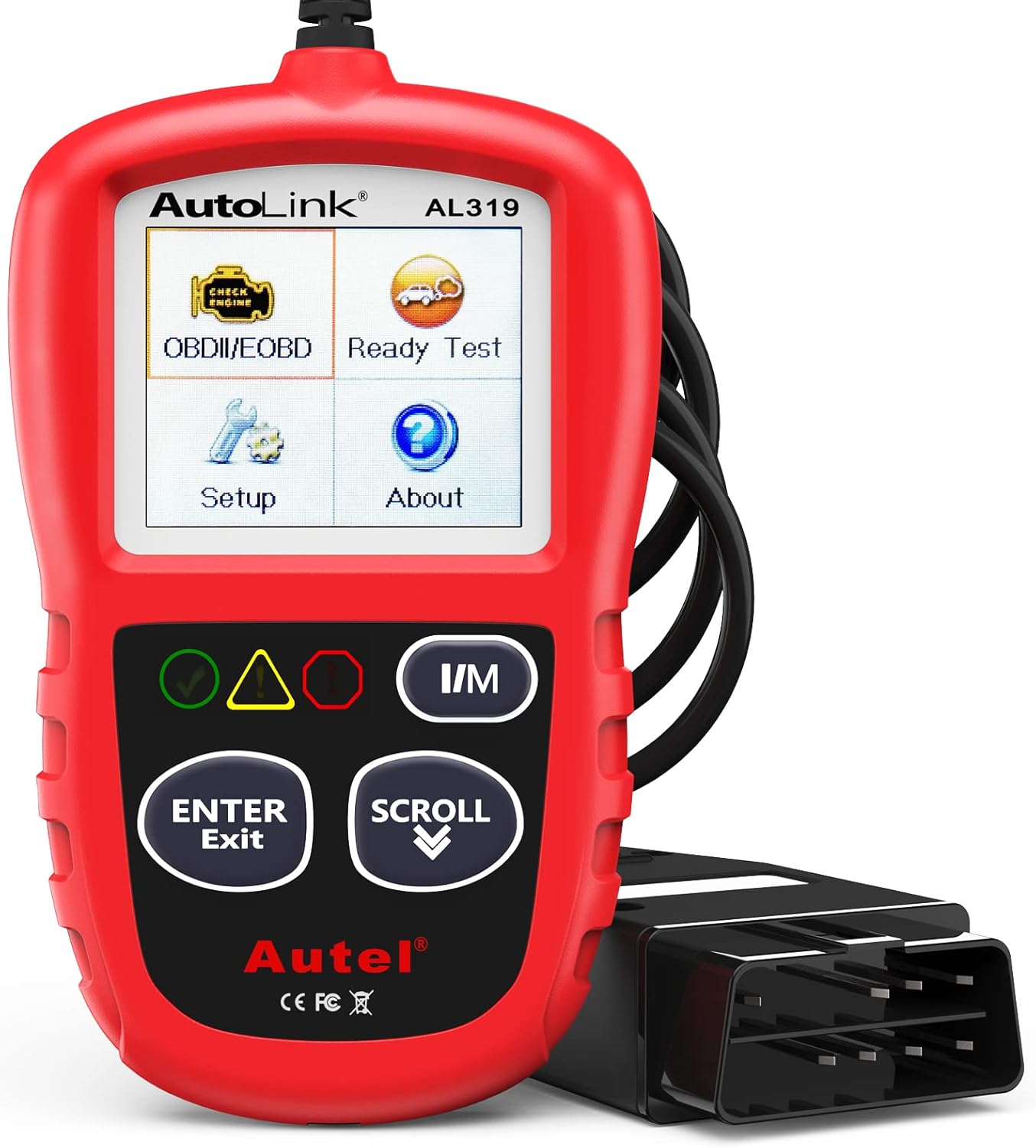
This plug-and-play OBD2 scanner helps drivers quickly read and clear engine error codes while providing live data, freeze frame information, I/M readiness, and MIL status for more confident troubleshooting. It adds a built-in voltage test and clear status indicators to support electrical checks and faster diagnostics, making it a practical choice for home users, car enthusiasts, and repair professionals. Compatible with most OBDII vehicles since 1996 and designed with an easy-to-use interface, it offers broad coverage and simple operation in one compact tool.
Resetting Transmission Adaptations: When It Helps and When It Won’t
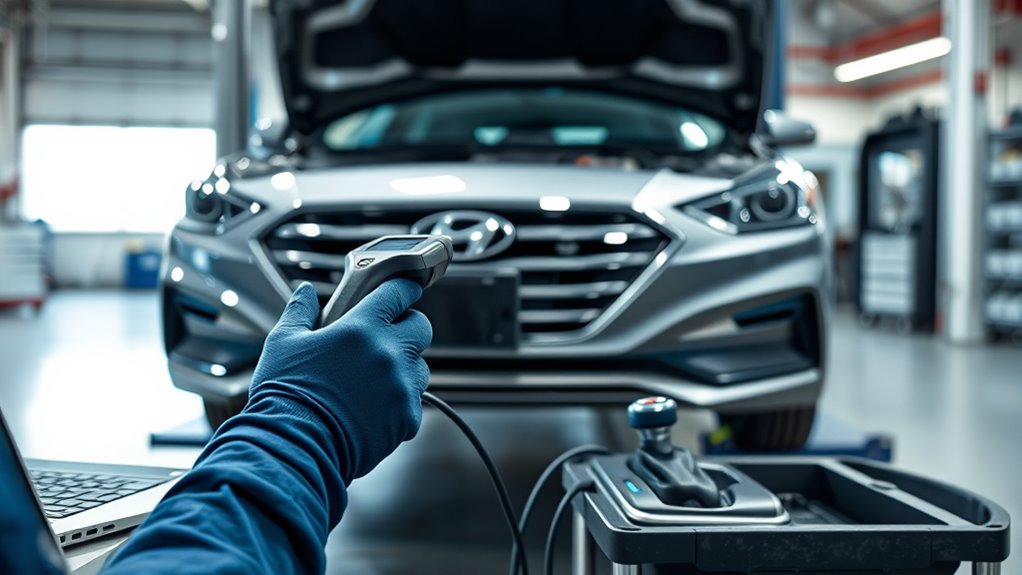
Some automatic transmissions adapt shift timing and pressure based on wear, temperature, driving style, and fluid behavior. A reset or relearn may help after a battery replacement, software update, fluid service, or repair that changed shift behavior.
Do not treat an adaptation reset as a repair for burnt fluid, slipping, solenoid failure, internal wear, or a damaged valve body. A battery disconnect may reset some learned values on some vehicles, but it can also reset other systems and may not perform the correct transmission relearn. The cleaner method is a scan-tool reset or relearn procedure that matches your model year.
After any reset, drive gently while the transmission relearns. Avoid hard launches, towing, steep grades, or repeated aggressive acceleration during the relearn period. If the Sonata still bangs into gear after the relearn, move back to diagnosis instead of repeating resets.
Fluid, Filter, and Drain-and-Fill: When to Do What
Fluid service is helpful when fluid is old, slightly dark, or overdue but the transmission still engages normally. A drain-and-fill replaces part of the fluid and is usually gentler than a power flush. A filter or pan service may be needed on designs that have a serviceable filter or pan access.
A flush is not always the right answer, especially on a high-mileage transmission with burnt fluid, slipping, or heavy debris. In those cases, the harsh shift may come from internal wear, and forcing new fluid through the unit can reveal problems that were already developing. Ask the shop whether it recommends a drain-and-fill, pan service, scan-tool relearn, pressure test, or no service until diagnosis is complete.
Always use the Hyundai-specified ATF for your exact Sonata. If you recently had a fluid service and the hard shifting started afterward, verify the fluid type, level, fill procedure, and whether the transmission relearn was completed.
[Products Worth Considering]

Turn your iPhone, Android device, or Windows PC into a professional-grade diagnostic scan tool with this Bluetooth OBD2 adapter. It is designed for broad vehicle compatibility and supports popular apps for deeper diagnostics, live data, and code clearing. Built-in protections and firmware updates help keep your vehicle and scanner safe while delivering reliable performance.

This filter combo is designed for Hyundai Sonata gas models from 2015 to 2019, including non-hybrid 2.4L vehicles, and replaces both the engine and cabin air filters in one convenient set. It helps improve engine airflow while also refreshing the cabin environment with activated carbon odor control and high-efficiency particle filtration for cleaner, quieter driving.

The TOPDON VeriDiag X800 BT is a wireless bidirectional automotive diagnostic scanner designed for full-system troubleshooting, active testing, and advanced service resets. It supports broad vehicle coverage, live data viewing, AutoVIN identification, and lifetime free updates to help DIYers and professionals diagnose issues faster and with greater confidence.
When to Stop Driving and Get Help
Some hard shifts are mild enough for a short diagnostic drive. Others are unsafe. Stop driving and get professional help if you notice any of these signs:
- Burning smell: may mean overheated fluid or slipping clutches.
- Grinding, whining, or repeated clunks: can point to internal wear or pressure problems.
- Delayed Drive or Reverse: dangerous when pulling into traffic or backing out of a space.
- RPM rises but the car barely moves: a classic slipping symptom.
- Warning light plus harsh shifts: scan the codes before more driving.
- Fluid leak: low fluid can quickly turn a minor issue into major damage.
Signs You Need a Professional Transmission Diagnosis
You need a transmission specialist or Hyundai dealer when the problem is repeatable, severe, code-related, or still present after basic checks. A professional can use a scan tool to watch live data, check commanded gear, compare input and output speed, run solenoid tests, inspect service bulletins, and perform pressure testing when needed.
[Products Worth Considering]

FOXWELL NT201 is an easy-to-use OBD2 scanner designed to help drivers quickly read and clear check engine codes, view live engine data, and check emissions readiness. Its color screen, one-key I/M readiness test, and broad compatibility with most gasoline vehicles since 1996 make it a practical tool for everyday diagnostics and maintenance. With plug-and-play operation and lifetime free updates, it offers a simple way to understand vehicle issues without expensive shop visits.

The BLCKTEC 440 Bluetooth OBD2 scanner helps drivers and DIY mechanics quickly read and clear trouble codes, monitor live data, and check emissions readiness with confidence. Its color display, graphing capabilities, and battery and charging system testing make it a versatile diagnostic tool for OBD-compliant vehicles. Designed for plug-and-play convenience, it runs directly from your vehicle and includes support for report sharing and ongoing updates.

The ANCEL AD410 PRO combines engine diagnostics and 12V battery testing in one easy-to-use tool, helping you read and clear check engine codes while checking battery health, cranking, and charging performance. It also provides live data, freeze frame details, and I/M readiness checks to help you diagnose issues faster and prepare for emissions testing. With plug-and-play operation, a clear screen, and broad vehicle compatibility, it is a practical solution for home mechanics and everyday drivers.
Persistent Hard Shifts
If your Sonata keeps shifting harshly after the fluid level, leaks, and codes have been checked, do not keep driving and hoping it improves. Persistent harsh shifts can come from a pressure-control problem, range switch fault, cable issue, software issue, mount problem, or internal wear.
Bring your notes to the shop. Include when the shift happens, whether it is worse hot or cold, and whether any recent work was done. Clear details reduce diagnostic time and help prevent unnecessary parts replacement.
Warning Light Signals
A check engine light or transmission warning paired with hard shifts needs a scan. A basic parts-store scanner may show only engine-side codes, while a professional scanner may read transmission module data and Hyundai-specific information. Ask for the exact code numbers and a written diagnostic plan before approving repairs.
Strange Noises or Smell
A burning odor, grinding, whining, or a heavy clunk during shifting is more serious than a slightly firm shift. Burnt fluid can point to overheating, and metal material in the fluid can point to internal wear. If these signs appear, limit driving and get the car inspected before the damage spreads.
Service Expectations: Costs, Warranties, and Finding Trusted Help

For simple issues, the repair may be as small as correcting fluid level, fixing a leak, replacing a sensor, adjusting a cable, updating software, or performing a relearn. More serious issues, such as a failing valve body, torque converter, clutch pack, or internal wear, can cost much more and may require specialized testing.
Ask for a written estimate that separates diagnosis, parts, labor, fluid, software work, and warranty coverage. A good shop should explain whether it found a code, confirmed a hydraulic pressure issue, verified fluid condition, checked for Hyundai service information, and ruled out external causes before recommending major transmission work.
Before paying out of pocket, check whether your Sonata has an open safety recall or service campaign. Use the Hyundai Safety Recalls and Service Campaigns page and the NHTSA recall lookup. Recall and campaign results are VIN-specific, so do not rely only on model-year rumors.
Frequently Asked Questions
How do you fix a hard-shifting Hyundai Sonata?
Start by documenting when the hard shift happens, checking for leaks, verifying fluid level and condition if your model has a safe check procedure, and scanning for engine and transmission codes. Then inspect the range switch, shift cable, mounts, and wiring. If the problem remains, have a shop test solenoids, pressure control, valve body operation, and internal wear.
Do Hyundai Sonatas have transmission issues?
Some Sonatas can develop transmission complaints as they age, especially if fluid is low, the wrong fluid was used, sensors fail, mounts wear out, or internal parts become worn. The exact risk depends on model year, mileage, maintenance history, driving conditions, and whether any VIN-specific recalls or service campaigns apply.
Why is my Hyundai Sonata switching gears harshly while driving?
Harsh gear changes while driving can come from low or degraded fluid, wrong ATF, a bad fluid temperature sensor, speed sensor issues, pressure-control solenoid faults, range switch problems, software adaptation issues, or internal wear. Scan for codes and note whether it happens under light throttle, hard acceleration, cruising, or slowing down.
Is there a Hyundai Sonata transmission recall?
There is no single transmission recall that applies to every Hyundai Sonata. Recalls and service campaigns are VIN-specific. Check your 17-character VIN on Hyundai’s safety campaign page and NHTSA’s recall lookup. If a recall or campaign appears, a Hyundai dealer can explain the repair remedy and whether it is free.
Can a transmission fluid change fix hard shifting?
It can help if the fluid is old, slightly degraded, low, or the wrong type. It usually will not fix slipping clutches, a damaged valve body, a failing torque converter, or internal wear. If the fluid smells burnt or contains metal, get a diagnosis before approving a flush.
Should I reset the transmission adaptation myself?
Only do it if you know the correct procedure for your model year. A scan-tool reset and relearn is better than guessing with a battery disconnect. Resetting adaptations may help after service or a repair, but it will not fix a mechanical, fluid, wiring, or solenoid problem.
Conclusion
A hard-shifting Hyundai Sonata is not something to ignore, but it also does not always mean the transmission is ruined. Start with the basics: document the symptom, check for leaks, verify the correct fluid, scan for codes, and inspect simple external causes like the range switch, cable, and mounts. If the car slips, smells burnt, grinds, or delays engagement, stop driving and get professional help. Fixing a small fluid, sensor, or adjustment issue early is far cheaper than waiting for a major internal failure.
Sources
- Hyundai Manuals & Warranties — owner manual and vehicle-specific maintenance reference.
- Hyundai Safety Recalls and Service Campaigns — VIN-specific Hyundai recall and service campaign lookup.
- NHTSA Recalls — official U.S. recall lookup for vehicles, investigations, complaints, and manufacturer communications.
- NHTSA Report a Safety Problem — official place to report vehicle safety defects and complaints.

[…] Harsh or jerky shifts: A shift produces a thump, kick, or sudden lurch. For a deeper guide, see Sonata hard-shifting causes and fixes. […]
[…] stalling as you stop, delayed Drive or Reverse engagement, slipping, unusually high highway RPM, or rough shifts. On a 2013 Sonata, codes such as P0741 or P0743 call for diagnosis of the torque-converter-clutch […]