

The Toyota Tacoma PreRunner is a rear-wheel-drive Tacoma built to look and behave more like an off-road truck than a basic 2WD pickup. It is best understood as a desert-inspired, light-trail-friendly truck: more ground clearance, tougher tires, and rear traction help, but no front-drive axle or low-range four-wheel drive.
Quick Answer
A Tacoma PreRunner is a 2WD Tacoma with off-road-style hardware and stance. The current TRD PreRunner is XtraCab-only, rear-wheel drive, and uses a 2.4L turbo engine, front suspension lift, all-terrain tires, and an electronically locking rear differential.
Key Takeaways
- The PreRunner is not a 4×4; it is rear-wheel drive with off-road-oriented features.
- The modern Toyota Tacoma TRD PreRunner uses an i-FORCE 2.4L turbo engine and includes an electronically locking rear differential.
- It is strongest on dirt roads, sand, mild trails, and desert-style driving, but 4WD trims are better for rocks, mud, snow, and low-speed technical terrain.
- Used older PreRunners are popular because they combine Tacoma durability, a lifted stance, and simpler 2WD running gear.
What Is the Toyota Tacoma PreRunner?
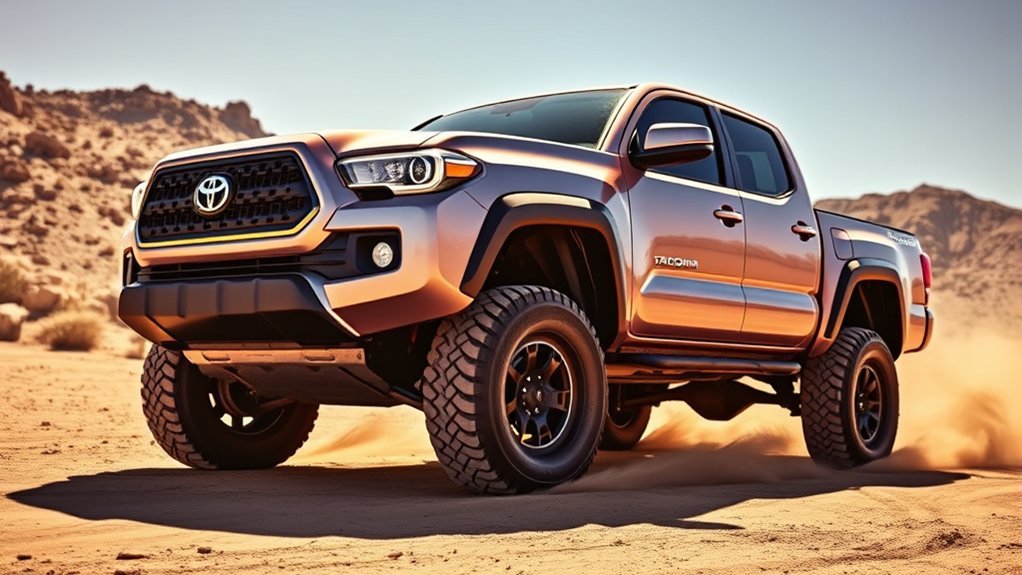
The Toyota Tacoma PreRunner is a Tacoma built for drivers who want the look, ride height, and some of the trail usefulness of an off-road truck without a full four-wheel-drive system. The formula is simple: rear-wheel drive, extra stance, off-road tires, and traction help at the rear axle.
The name comes from desert racing culture. A “pre-runner” is a vehicle used to scout or practice a race route before competition. Toyota applied that idea to Tacoma trucks by giving 2WD models some of the attitude and equipment people associated with Baja-style off-road pickups.
Earlier Tacoma PreRunner models were offered in the first and second Tacoma generations. Toyota brought the idea back for the modern Tacoma as the TRD PreRunner, which Toyota lists as a current Tacoma grade with an i-FORCE 2.4L turbocharged engine, XtraCab utility-focused storage, a 6-foot bed, and an electronically controlled locking rear differential.
Note: “PreRunner” does not mean “secret 4×4.” It means a rear-wheel-drive Tacoma with off-road-inspired equipment. That difference matters when you compare traction, towing, tire choices, and where the truck can safely go.
Key Features That Differentiate It From 4x4s
The biggest difference between a Tacoma PreRunner and a Tacoma 4×4 is the drivetrain. A 4×4 Tacoma can send power to the front and rear wheels. A PreRunner sends power to the rear wheels only.
| Feature | Tacoma PreRunner | Tacoma 4×4 |
|---|---|---|
| Drivetrain | Rear-wheel drive | Four-wheel drive |
| Front drive axle | No | Yes |
| Transfer case / low range | No | Available on 4WD models |
| Rear locker | Available or standard depending on year/trim | Available on many off-road trims |
| Best terrain | Dirt roads, sand, mild trails, desert-style driving | Mud, snow, rocks, steep climbs, technical trails |
The modern TRD PreRunner improves rear traction with an electronically controlled locking rear differential. That helps both rear wheels turn together when one tire loses grip. Still, it cannot pull from the front tires the way a 4WD Tacoma can.
Warning: Off-roading can damage the truck or cause injury if the trail exceeds the vehicle’s limits. A rear locker helps, but it does not replace 4WD, low range, recovery gear, or safe driving judgment.
Key Innovations in the Tacoma PreRunner Over the Years
The Tacoma PreRunner has changed a lot since the original late-1990s trucks. The early models used naturally aspirated four-cylinder and V6 engines. The newest TRD PreRunner uses Toyota’s turbocharged i-FORCE four-cylinder engine and a more modern interior, safety, and storage layout.
Enhanced Suspension Systems
PreRunner models have always leaned on stance and suspension tuning to create a tougher feel than a basic 2WD truck. Older models borrowed the taller look of 4WD Tacomas. The current TRD PreRunner adds a front suspension lift, all-terrain tires, and 17-inch wheels, according to Toyota’s Tacoma brochure.
The current TRD PreRunner keeps a leaf-spring rear suspension, which is useful for truck work and cargo carrying. It is not the same setup as the more advanced TRD Off-Road or TRD Pro trims, but it fits the PreRunner’s mission: simple, tough, useful, and cheaper than the most specialized off-road grades.
Increased Power Output
The power story is one of the biggest updates. Early Tacoma PreRunners could be found with engines such as a 2.7L four-cylinder or a 3.4L V6, depending on year and configuration. The current TRD PreRunner uses a 2.4L turbocharged i-FORCE engine. Toyota’s 2024 Tacoma brochure lists the TRD PreRunner at 278 horsepower and 317 lb-ft of torque with an 8-speed automatic transmission.
| Feature | Older PreRunner Era | Modern TRD PreRunner |
|---|---|---|
| Engine type | Naturally aspirated 4-cylinder or V6 | 2.4L turbocharged i-FORCE 4-cylinder |
| Drive layout | Rear-wheel drive | Rear-wheel drive |
| Transmission | Manual or automatic, depending on year | 8-speed automatic |
| Rear traction aid | Limited-slip or locking rear differential depending on model/year | Electronically controlled locking rear differential |
| Best use | Simple trail and desert-style fun | Modern daily driving, dirt roads, light off-roading, truck utility |
Unique Design Features
The PreRunner’s appeal has always been partly visual. It gives a 2WD Tacoma a more aggressive stance, which is why so many owners like the platform for desert builds and mild off-road projects.
- Lifted stance: The modern TRD PreRunner includes a front suspension lift for more off-road attitude.
- All-terrain tires: Toyota’s 2024 brochure lists 32-inch BFGoodrich all-terrain tires for the returning TRD PreRunner.
- Rear locking differential: The rear locker is the feature that most separates it from a basic 2WD pickup.
- XtraCab storage: The current version uses a no-rear-seat XtraCab layout with lockable rear storage and a 6-foot bed.
How Does the Toyota Tacoma PreRunner Perform Off-Road?
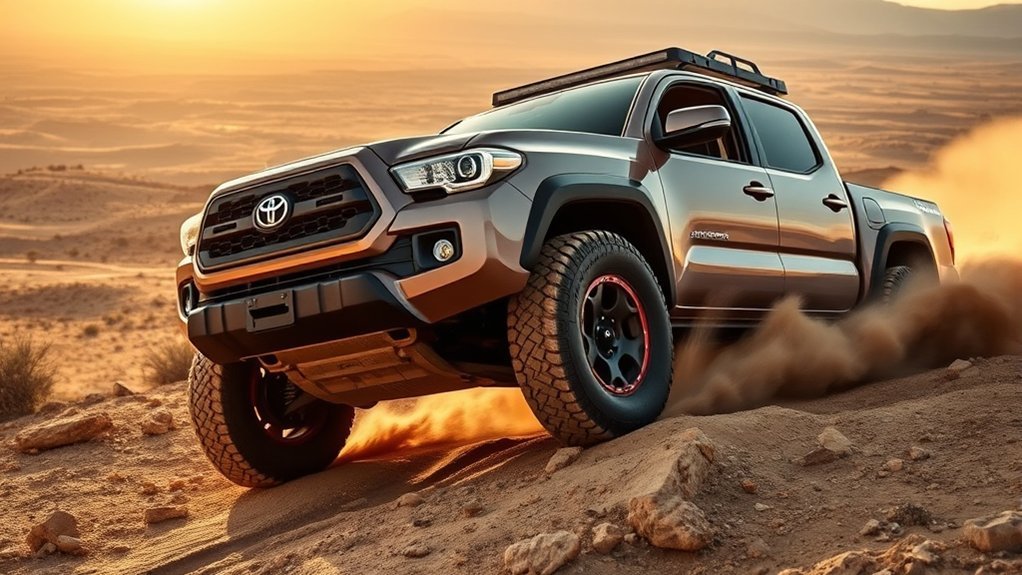
The Toyota Tacoma PreRunner performs best on fast, open, loose surfaces where rear-wheel drive, ground clearance, and tires matter more than slow-speed crawling. Think graded dirt roads, sandy washes, dry two-tracks, forest roads, and mild trails.
Its limits show up when the terrain gets slick, steep, crossed up, or rocky. Because there is no front drive axle, the front tires cannot help pull the truck forward. The locking rear differential helps when one rear tire unloads, but it does not create the same control as 4WD with low range.
The PreRunner is best for drivers who want off-road style and mild-trail confidence, not the maximum traction of a Tacoma TRD Off-Road, TRD Pro, or Trailhunter.
Where the PreRunner Does Well
- Dry dirt roads: The tires, stance, and rear locker make it more confident than a basic 2WD truck.
- Sand and desert-style terrain: Rear-wheel drive can be fun and predictable when momentum is managed carefully.
- Daily driving: It avoids some of the weight and complexity of 4WD while keeping a rugged Tacoma look.
- Truck utility: The modern XtraCab layout gives it a useful 6-foot bed and lockable in-cab storage.
Where a 4×4 Tacoma Is Better
- Deep mud: Rear-wheel drive can dig in quickly.
- Snow and ice: 4WD gives better launch traction, though tires still matter most.
- Rock crawling: Low range and front traction are major advantages.
- Steep climbs: A 4×4 can spread power across more tires and climb with more control.
How Can You Customize Your Toyota Tacoma PreRunner?
Customizing your Toyota Tacoma PreRunner can make it more capable, more comfortable, or simply more personal. The best upgrades depend on how you drive. A daily driver that sees gravel roads needs a different setup than a desert-style truck that sees frequent off-road use.
[Products Worth Considering]
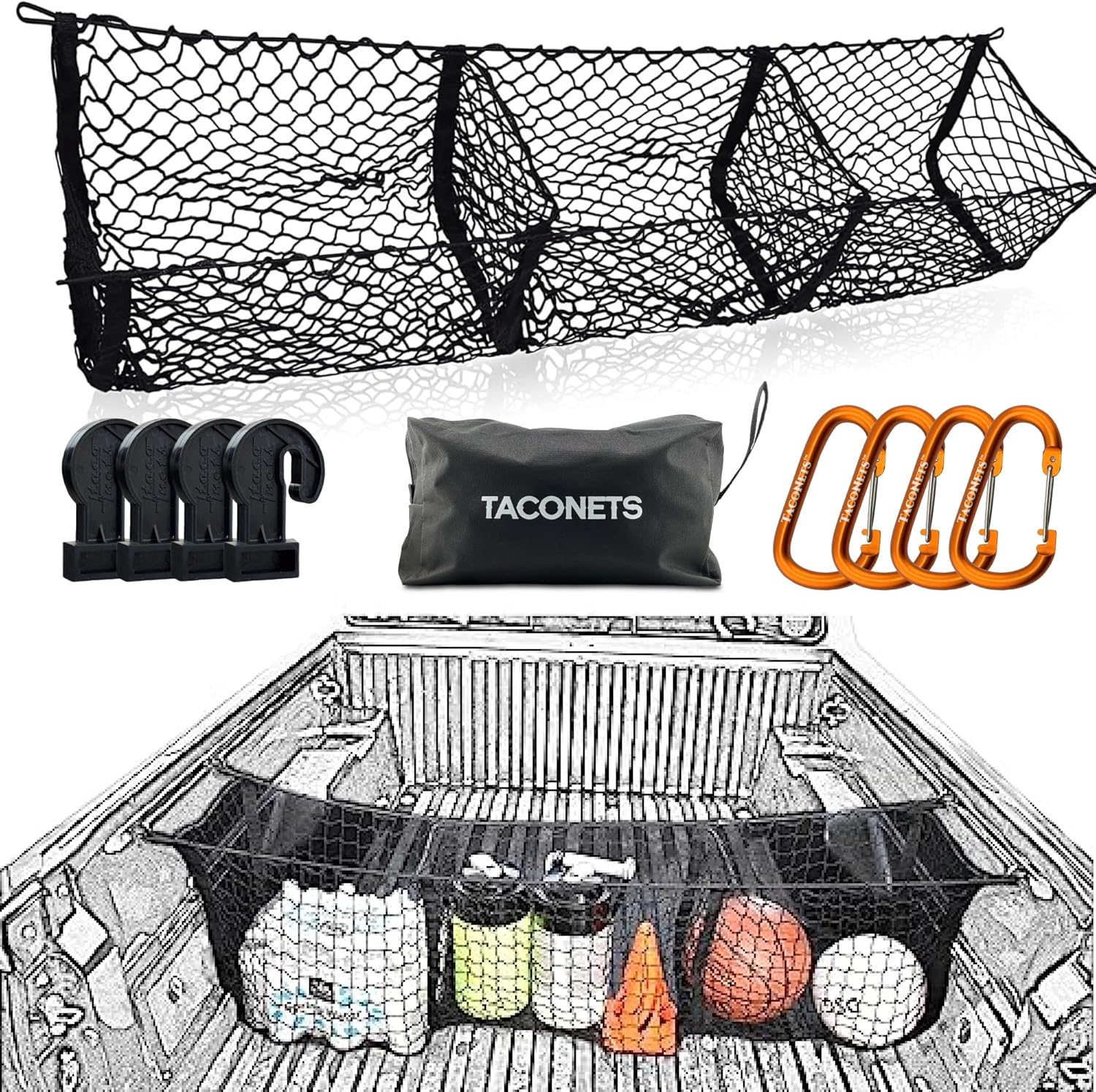
Keep your truck bed organized with this patented three-pocket cargo net designed for 2005-2026 Toyota Tacoma models with factory deck rails. It installs directly to the bed rails without extra cleats or hardware, making it a simple way to secure groceries, gear, and everyday cargo while keeping items accessible and contained.

These EZ running boards are designed to improve access to your Toyota Tacoma while maintaining the vehicle's off-road capability. Built for Double Cab and Xtra Cab front door applications, they offer a sturdy step up, simple installation, and dependable support for daily use or trail adventures.

These heavy-duty running boards are designed to improve access to your 2024-2026 Toyota Tacoma while preserving off-road clearance. Built for Double Cab and Crew Cab models, they provide a sturdy step for daily entry, loading roof gear, and rugged trail use. With a no-drill installation and durable construction, they deliver dependable support and long-lasting convenience.
Suspension Upgrade Options
Suspension is usually the first place owners look, but it is also where poor choices can hurt ride quality. A mild lift with quality shocks is often better than the tallest kit you can buy.
- Quality shocks: Better dampers can improve control on washboard roads and rough pavement.
- Coilovers: Adjustable coilovers can improve front-end control and ride height when properly set up.
- Rear leaf upgrades: Add-a-leafs or replacement leaf packs can help if you carry constant bed weight.
- Alignment correction: Any lift should be followed by a proper alignment to protect tires and handling.
Pro Tip: Choose suspension around your real use. A truck that spends 90% of its time commuting usually feels better with high-quality shocks and a modest lift than with an extreme off-road setup.
Tire and Wheel Customization
Tires make a bigger difference than almost any other upgrade. All-terrain tires are the best all-around choice for most PreRunner owners because they balance road comfort, tread life, and dirt-road grip.
| Tire Type | Best For | Trade-Off |
|---|---|---|
| Highway-terrain | Commuting, fuel economy, quiet ride | Less trail grip |
| All-terrain | Daily driving, dirt roads, light trails | Slightly more noise and weight |
| Mud-terrain | Mud, loose soil, aggressive off-road use | More noise, worse wet-road comfort, faster wear |
| Lightweight wheel/tire setup | Ride quality and acceleration | May cost more up front |
Before moving to larger tires, check clearance at full steering lock and full suspension compression. Oversized tires can rub, reduce braking feel, change speedometer accuracy, and make the truck feel slower.
Performance Enhancements Available
Performance upgrades should support reliability first. The current turbocharged engine already has strong torque, so most owners get more real-world benefit from traction, tires, suspension, and protection than from chasing horsepower.
- Skid plates: Protect vulnerable parts if you regularly leave pavement.
- Recovery points: Use properly rated recovery equipment, not random tie-down points.
- Bed storage: Lockable toolboxes, MOLLE panels, and tie-downs help organize gear.
- Lighting: Auxiliary lighting can help on rural roads and trails, but it must be aimed and wired correctly.
- Exhaust or intake upgrades: These may change sound more than performance, so check emissions rules and warranty impact first.
What’s the Buzz on the PreRunner?
The buzz comes from the PreRunner’s unusual mix of style, simplicity, and desert-truck personality. It looks tougher than a normal 2WD Tacoma, costs less than many 4WD off-road trims, and gives owners a strong base for personalization.
For many Tacoma fans, the PreRunner is not about crawling over boulders. It is about the look and feel of a Baja-inspired truck: taller stance, chunky tires, rear-drive fun, and enough capability for the trails most people actually use.
The current TRD PreRunner also stands out because it is a focused configuration. Toyota offers it as an XtraCab with a 6-foot bed, no rear seat, lockable storage, and a fold-flat passenger seat. That makes it especially appealing to people who carry gear more often than passengers.
How the Tacoma PreRunner Stacks Up Against Other Off-Road Trucks
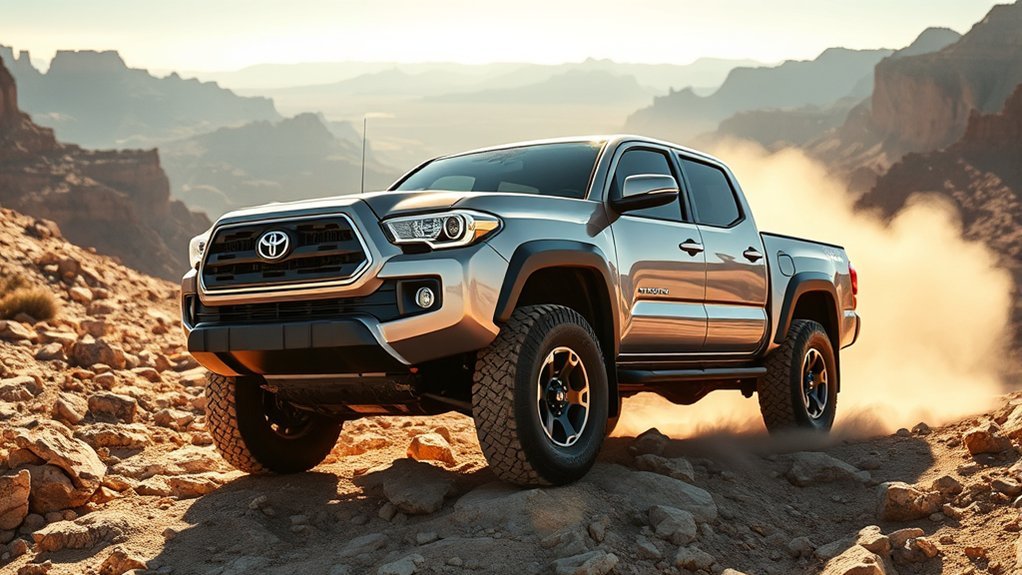
The Tacoma PreRunner is not trying to beat every off-road truck on capability. It is trying to offer a useful middle ground between a basic 2WD pickup and a more expensive 4WD off-road trim.
| Truck / Trim | Main Advantage | Best Buyer |
|---|---|---|
| Tacoma TRD PreRunner | 2WD simplicity, rear locker, rugged stance, 6-foot bed | Driver who wants mild off-road ability without 4WD |
| Tacoma TRD Off-Road | 4WD availability, Bilstein shocks, stronger trail hardware | Driver who regularly hits tougher trails |
| Tacoma TRD Pro | High-end off-road suspension and performance features | Buyer who wants factory-built high-speed off-road capability |
| Tacoma Trailhunter | Overlanding-focused equipment and hybrid torque | Buyer planning camping, gear hauling, and remote travel |
Against 4WD trucks, the PreRunner’s biggest weakness is traction. Against basic 2WD trucks, its biggest strength is the combination of stance, rear differential, tires, and Tacoma utility.
[Products Worth Considering]

This synthetic soft shackle set is designed for safer, easier off-road recovery with a simple loop-and-tighten setup that helps make vehicle pulls more straightforward. Built as a lightweight alternative to traditional metal shackles, it uses anti-scratch synthetic fiber to help protect your vehicle during recovery tasks. The two-pack format adds convenience for trail use, and Rhino USA backs the product with lifetime replacement support.

This custom-fit truck bed mat is designed for 2005-2023 Toyota Tacoma 5FT beds, using 3D scanning for full coverage and a precise fit. Its anti-slip texture helps keep cargo in place, while the high-edge design helps shield the bed from dirt, mud, rain, snow, and everyday wear. Made from durable recyclable TPE, it is built to stay flexible, resist curling, and protect your truck bed over time.
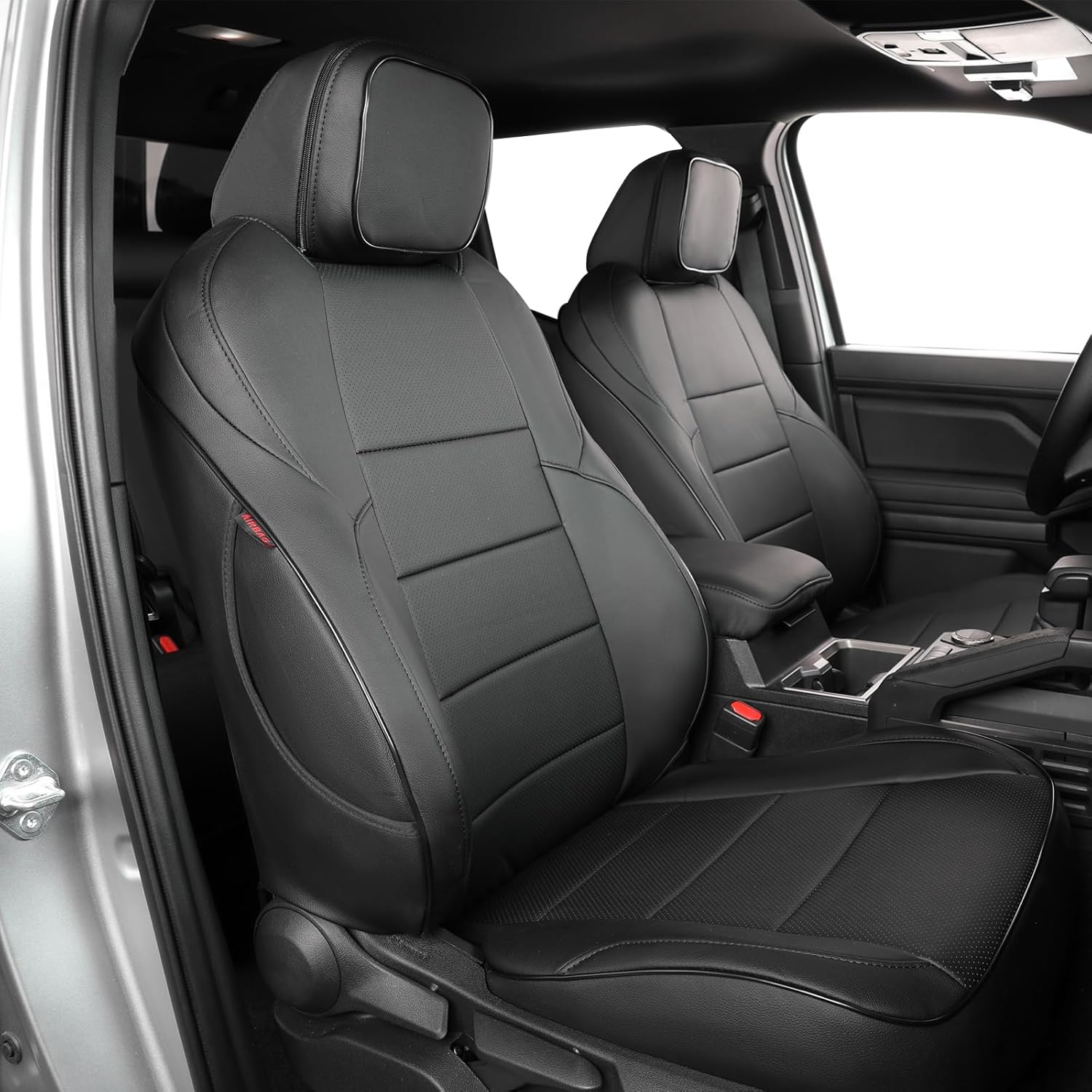
These custom-fit seat covers are designed for Toyota Tacoma DoubleCab and CrewCab models to help protect your seats from spills, stains, and everyday wear. Built with a multi-layer construction and faux leather finish, they offer a secure factory-style look, good breathability, and easy cleanup while including front and rear coverage with headrest and airbag compatibility.
The Cultural Impact of the Toyota Tacoma PreRunner in Desert Racing
The Tacoma PreRunner earned a following because it tapped into desert racing style without requiring a full race truck. Its name, stance, and 2WD layout connect naturally with the world of high-speed desert trucks, where rear-drive platforms are common and suspension setup matters as much as raw traction.
That cultural pull is why so many PreRunners end up with wider tires, fiberglass-style fenders, upgraded shocks, bed-mounted spares, light bars, and chase-truck-inspired accessories. Some builds are purely visual. Others are genuinely prepared for desert trails and rough dirt roads.
Its legacy is also practical. The PreRunner gave buyers a way to get the Tacoma’s rugged look and some added dirt-road confidence without paying for or maintaining a full 4WD system. That identity still matters today, especially now that Toyota has brought the TRD PreRunner back into the modern Tacoma lineup.
Used Tacoma PreRunner Buying Checklist
If you are shopping for an older Tacoma PreRunner, condition matters more than mileage alone. Many of these trucks have been modified, used off-road, or exposed to rust-prone climates.
- Inspect the frame carefully: Look for rust, repairs, soft spots, or heavy scaling.
- Check suspension wear: Worn ball joints, bushings, shocks, and leaf springs can make the truck feel loose or harsh.
- Look for poor lift-kit work: Bad geometry, cheap spacers, and missing alignment correction can cause tire wear and unsafe handling.
- Test the rear differential: If equipped with a locker or limited-slip unit, confirm it works correctly.
- Review engine maintenance: Older V6 trucks may have timing-belt service needs, while all used trucks should have fluid and cooling-system records.
- Check tire size and gearing: Oversized tires can hurt acceleration, braking, and fuel economy.
Note: A clean, lightly modified PreRunner is often a better buy than a heavily lifted truck with unknown parts. Pay for condition, maintenance records, and smart upgrades.
[Products Worth Considering]

Rhino USA D Ring Shackles provide a dependable recovery connection for off-road and towing setups, with a high break strength designed for demanding use. They fit most aftermarket bumpers and universal shackle mounts, and the included rubber isolator kit helps reduce noise, vibration, and wear. Built from chromoly steel with an anti-rust powder-coated finish, these shackles are made for long-lasting performance in harsh conditions.
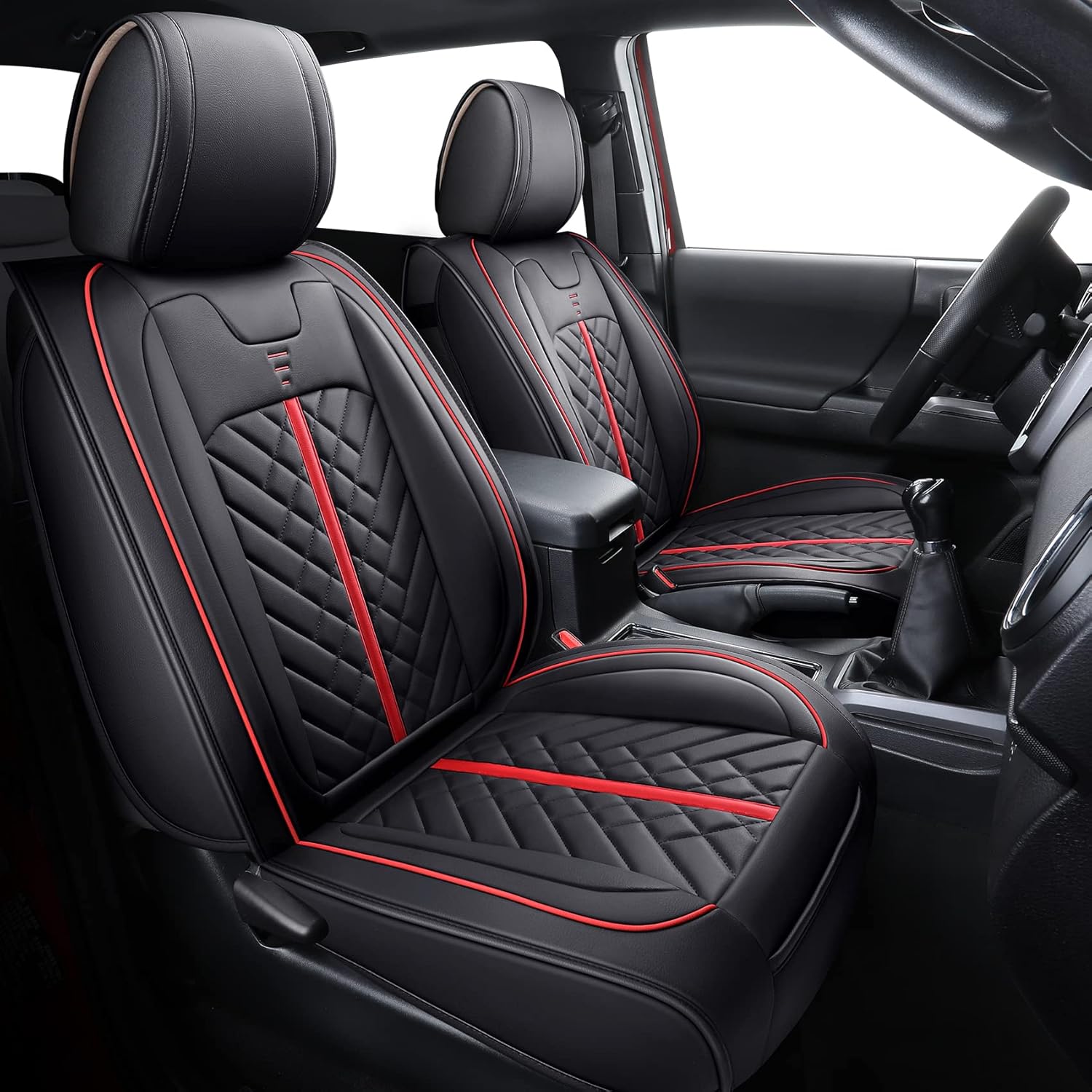
Upgrade your Tacoma’s interior with these custom-fit seat covers designed for a wide range of model years and trims. The faux leather construction offers a soft, waterproof, wear-resistant finish with a non-slip backing for a secure fit, while the airbag-compatible design helps maintain safety. Installation is straightforward, and the included fit and style make them a practical way to refresh and protect your seats.

These off-road traction boards are designed to help vehicles recover from mud, sand, and snow with reliable grip and easier ramp-up. Their double-sided diamond construction, cross-shaped teeth, and contoured ramps improve traction while the durable polypropylene build stays flexible in harsh conditions. Convenient mounting points, ergonomic handles, and a visible leash make them practical to carry, store, and retrieve when recovery is needed.
Frequently Asked Questions
What is the difference between the Tacoma PreRunner and TRD Off-Road?
The Tacoma PreRunner is rear-wheel drive, while the TRD Off-Road is aimed at buyers who want stronger factory trail capability and can be configured with 4WD. The PreRunner is better for mild trails and desert-style driving; the TRD Off-Road is better for mud, rocks, snow, and technical terrain.
Is PreRunner a trim level or a package?
It depends on the generation. Older Tacoma PreRunners were commonly treated as a model configuration within the Tacoma lineup. On the modern Tacoma, Toyota sells it as the TRD PreRunner grade.
Does the Toyota Tacoma PreRunner have 4WD?
No. The defining feature of the Tacoma PreRunner is that it is rear-wheel drive. It may have off-road-style suspension, tires, and a rear locker, but it does not have a front-drive axle or low-range 4WD.
Is a Tacoma PreRunner good off-road?
Yes, within the right limits. It is good on dirt roads, sand, dry trails, and mild off-road routes. It is not the best choice for deep mud, snow, rock crawling, or steep technical terrain where 4WD and low range are important.
Why do people like Tacoma PreRunners?
People like them because they offer Tacoma style, a lifted off-road look, rear-drive simplicity, good parts support, and a strong base for desert-inspired builds. They are also appealing to drivers who rarely need 4WD but still want more personality than a standard 2WD pickup.
Conclusion
The Toyota Tacoma PreRunner is not a replacement for a true 4×4 Tacoma, and that is exactly the point. It gives you a rugged stance, useful rear traction, off-road-inspired hardware, and Tacoma practicality without the full cost or complexity of four-wheel drive. For dirt roads, mild trails, desert-style driving, and daily use, it makes a lot of sense. For mud, snow, rocks, and technical trails, step up to a 4WD Tacoma trim.
Sources
- Toyota Tacoma official model page — current 2026 Tacoma trims, TRD PreRunner availability, MSRP, MPG estimate, and core features.
- Toyota 2024 Tacoma brochure — TRD PreRunner equipment, engine output, tires, rear differential, XtraCab storage, and off-road safety disclosure.
- Toyota USA Newsroom: 2024 Tacoma — official launch context for the redesigned fourth-generation Tacoma.
- Toyota announcement via PR Newswire — return of the TRD PreRunner for 2024 and overview of trim positioning.
- Toyota USA Newsroom: 2015 Tacoma product release — previous-generation Tacoma lineup context, powertrain choices, and off-road trim background.


[…] See Toyota’s 2023 Tacoma suspension description and 2026 Tacoma suspension overview. For a related model-specific explanation, read the Tacoma PreRunner guide. […]