Vance Ashford · Reviewed by Editorial Team · Last updated: July 31, 2026
This source-based troubleshooting guide uses Toyota owner information, Toyota parts documentation, a Toyota technical bulletin for general HVAC context, EPA moisture-control guidance, and CDC vehicle-cleanup guidance. It does not claim hands-on testing across every Tacoma generation. Access points and service procedures vary by model year, so confirm the steps in your owner’s manual before removing panels or inserting a cleaner tube.
A musty Toyota Tacoma A/C smell usually stems from bacterial biofilms and moisture on the evaporator core, a clogged or damp cabin air filter, decaying cowl debris, or a restricted condensate drain hose. Eliminating the odor requires a systematic source-control approach: ventilate with outside air, inspect and correctly orient the cabin air filter, confirm under-cab condensate drainage, and apply an approved evaporator foam cleaner if startup odors persist. Fuel, exhaust, burning, or sweet coolant odors indicate mechanical failures and require immediate professional diagnosis.
Quick Answer: How to Fix a Musty Tacoma A/C Smell
Primary Cause: Condensation trapped on the aluminum evaporator core fins breeds bacterial mildew, releasing a sour or “dirty gym sock” odor during initial blower startup.
Immediate Fix: Turn off recirculation, run the blower fan on high with outside air for 5 minutes, replace the in-cabin air filter (pointing “AIR FLOW” arrows downward), and confirm clear condensation drainage from the passenger-side firewall tube. For heavy evaporator buildup, apply an automotive foaming cleaner (such as Toyota Kit 00289-ACRKT) through the drain tube.
Safety Warning: If the odor is sweet with fogged windows (coolant leak), burning plastic (electrical fault), or exhaust/fuel fumes, shut off the HVAC immediately and schedule mechanical service.
Key Takeaways
- Timing Identifies the Source: Odor only at vent startup points to evaporator moisture; odor present continuously with the fan off points to wet carpet, cab leaks, or interior contamination.
- Pre-Shutdown Habit: Switch off the A/C button 2 to 3 minutes before parking while running fresh outside air to dry the evaporator fins and prevent fungal buildup.
- Filter Airflow Direction Matters: OEM Toyota filters marked “UP” install with arrows pointing toward the roof; aftermarket filters marked “AIR FLOW” must point downward toward the floor, matching Tacoma HVAC airflow.
- Inspect Under-Cab Drainage: Clear condensation dripping beneath the passenger side is normal; zero drainage during humid A/C operation or wet passenger floorboards signals a blocked drain line.
- Use Chemical Cleaners Responsibly: Apply only dedicated automotive HVAC evaporator cleaners through manufacturer-approved access points. Never spray household bleach, ammonia, or heavy scented sprays into dashboard vents.
At a Glance: Tacoma A/C Odor Service
| Time Required | 15–20 minutes for cabin filter & cowl inspection; 30–45 minutes for evaporator foam treatment |
| Difficulty | Beginner (filter & ventilation) to Intermediate (evaporator drain tube service) |
| Tools Needed | Flashlight, nitrile gloves, shop vacuum, correct replacement cabin filter, approved foaming evaporator cleaner |
| Estimated Cost | $15–$30 for DIY filter replacement; $25–$45 for evaporator cleaning kit; $150–$300 for dealer service |
| Immediate Stop Conditions | Sweet antifreeze smell, burning plastic/wiring, gasoline/exhaust fumes, standing water in floorboards, or rodent biohazards |
Why Does Your Toyota Tacoma A/C Smell Musty?
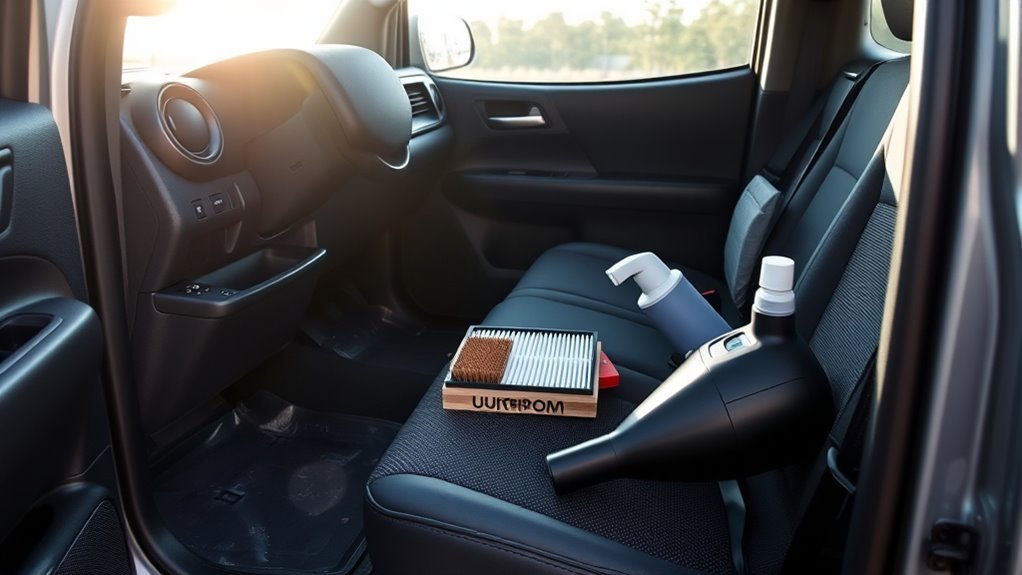
When your Tacoma blows a sour, vinegar-like, or “dirty gym sock” odor through the dashboard vents, moisture and organic debris have accumulated inside the HVAC casing. During air conditioning operation, the aluminum evaporator core drops below the ambient dew point, condensing humidity into liquid water. While this condensation normally flushes out through the drain hose, microscopic road dust, pollen, and organic particles cling to the damp aluminum fins, forming an ideal breeding environment for bacterial biofilms and mildew colonies.
A foul smell alone does not verify toxic mold species, but the fundamental remedy remains consistent with the EPA’s moisture-control guidance: eliminate moisture accumulation at the source rather than masking odors with temporary air fresheners.
Because the evaporator core stays damp after you park, odor is consistently strongest during the first 30 to 60 seconds after startup as initial airflow blows past the stagnant core. If a musty odor lingers when the HVAC system is completely turned off, inspect the cab interior—including passenger carpet padding, floor mats, and under-seat storage—for independent water leaks before servicing the A/C.
Act promptly if the smell is accompanied by reduced airflow, poor cooling performance, wet carpet, or fogging windows. For related HVAC diagnostic paths, consult our technical guides on Tacoma A/C performance problems and Tacoma heater-core symptoms. If you detect raw gasoline, exhaust, smoke, or hot electrical insulation, stop driving immediately and arrange professional inspection.
Technical source note: Toyota service bulletin T-SB-0010-20 outlines HVAC odor maintenance procedures for selected Toyota passenger vehicles. While the Tacoma uses a dedicated truck platform not listed in that specific bulletin’s applicability chart, the underlying physical mechanisms—evaporator biofilm accumulation and fresh-air ventilation practices—apply across all Toyota HVAC systems.
What Does Each Tacoma Cabin Odor Mean? (Diagnostic Matrix)
Pinpoint your truck’s odor source by matching the smell’s specific character and appearance timing with the diagnostic table below:
| Odor Type | Likely Root Cause | When It Appears | Recommended Action |
|---|---|---|---|
| Sour, Dirty Socks, Mildew | Damp evaporator core biofilm or loaded filter | First 30–60 seconds after blower start | Replace cabin filter; apply foaming evaporator cleaner |
| Stale, Dusty, Low Airflow | Clogged, dirty, or damp cabin air filter | Continuous across all fan speed settings | Inspect glove-box filter; vacuum housing tray |
| Damp Mustiness + Sloshing | Restricted A/C condensate drain tube | During extended humid driving; water in cab | Clear firewall drain outlet; check passenger floor |
| Rotting Leaves, Earthy | Debris decomposing in windshield cowl/intake | Stronger on outside-air mode or after rain | Clear cowl intake screen and blower wheel housing |
| Sweet, Syrup-Like | Leaking heater core or coolant passage | Strongest with heat/defrost; oily film on glass | Stop deodorizing; pressure-test cooling system |
| Urine, Ammonia, Nesting | Rodent intrusion in blower or cabin intake | Intense upon startup after truck sat parked | Turn fan off; follow CDC rodent disinfection steps |
| Burning Plastic, Electrical | Blower motor resistor or wiring fault | When blower fan operates on specific speeds | Shut off blower immediately; inspect harness/resistor |
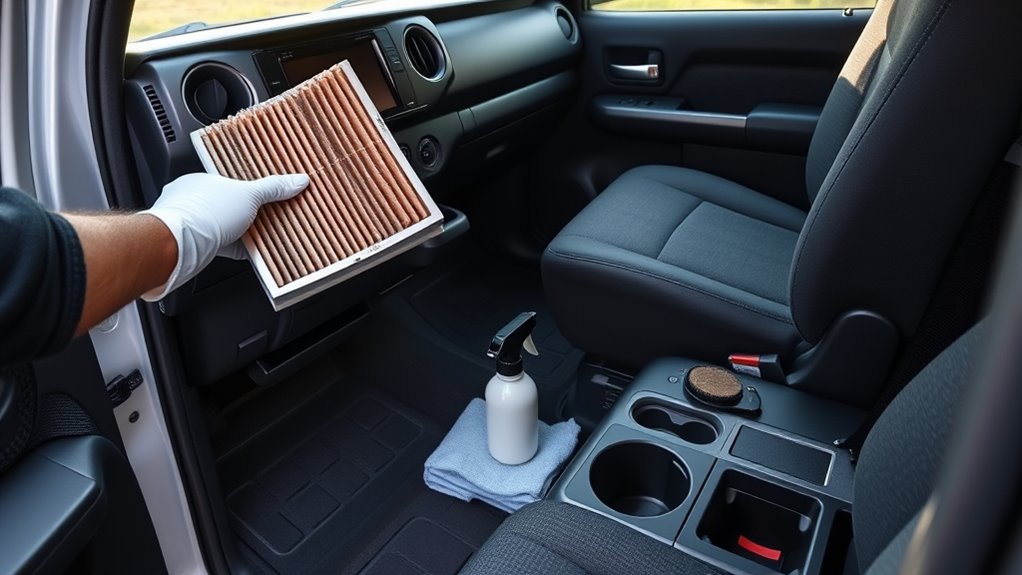
How to Inspect and Replace the Tacoma Cabin Air Filter
The cabin air filter on 2nd Gen (2005–2015), 3rd Gen (2016–2023), and 4th Gen (2024+) Tacomas is accessed directly behind the passenger-side glove box. Toyota maintenance specifications call for regular inspection and replacement every 10,000 to 15,000 miles, with accelerated intervals for trucks driven on dusty logging trails or off-road terrain. Review our Tacoma engine air filter vs. cabin filter guide for detailed media comparisons.
- Prep and Clear: Park on level ground, turn the ignition off, and completely empty the glove box contents.
- Release the Glove Box Damper: On 2nd and 3rd Gen models, detach the damper arm clip on the right side of the glove box by sliding it off the retaining pin. On 4th Gen models, release the side retention tabs.
- Lower the Assembly: Gently push inward on both outer sides of the glove box to clear the stop tabs, then swing the glove box downward toward the floor.
- Remove the Filter Access Door: Squeeze the plastic release tabs on the filter housing cover (located on the right and left edges) and pull the cover straight off.
- Observe and Note Filter Markings: Slide the old filter straight out. Check the orientation arrow printed on the side frame.
- Vacuum the Blower Cavity: Inspect the tray and blower wheel using a flashlight. Vacuum any loose pine needles, dry leaves, or road grit. Warning: Do not vacuum rodent droppings or nesting debris dry.
- Install the New Filter with Correct Orientation:
- If the new filter is an OEM Toyota part marked with an “UP” arrow, install it with the arrow pointing upward toward the roof.
- If the new filter is an aftermarket unit marked with an “AIR FLOW” arrow, install it with the arrow pointing downward toward the floor, matching the Tacoma’s top-to-bottom airflow.
- Reassemble: Snap the filter cover securely into place, lift the glove box, pop the side stop tabs past the dash frame, and reattach the side damper arm.
| Visual Filter Condition | Root Cause | Required Action |
|---|---|---|
| Gray/Black Dust Caked in Pleats | Filter reached particulate holding capacity | Replace immediately with high-flow pleated media |
| Damp or Wet Pleated Paper | Water entry through windshield cowl or drain backup | Replace filter and clear cowl water drains |
| Crushed/Buckled Frame | Improper previous installation or air bypass | Install correct factory-dimension replacement |
| Leaves/Insects on Top Surface | Normal intake collection from cowl | Vacuum debris from tray before installing new filter |
Rodent Biohazard Safety: If you uncover rodent droppings, urine stains, shredded insulation, or nesting material in the filter tray, stop work immediately. Do not use a household vacuum or dry broom, which aerosolizes infectious particles. Shut the blower off, ventilate the vehicle, and follow the CDC vehicle rodent cleanup guidelines by soaking the area in an EPA-registered disinfectant before removal.
[Products Worth Considering]

EPAuto CP134 is a premium cabin air filter designed to help keep the air inside your vehicle cleaner and fresher. It includes activated carbon to help reduce odors and support a more comfortable ride for drivers and passengers. Built as a replacement option for many Honda and Acura models, it offers broad compatibility and dependable cabin air filtration.
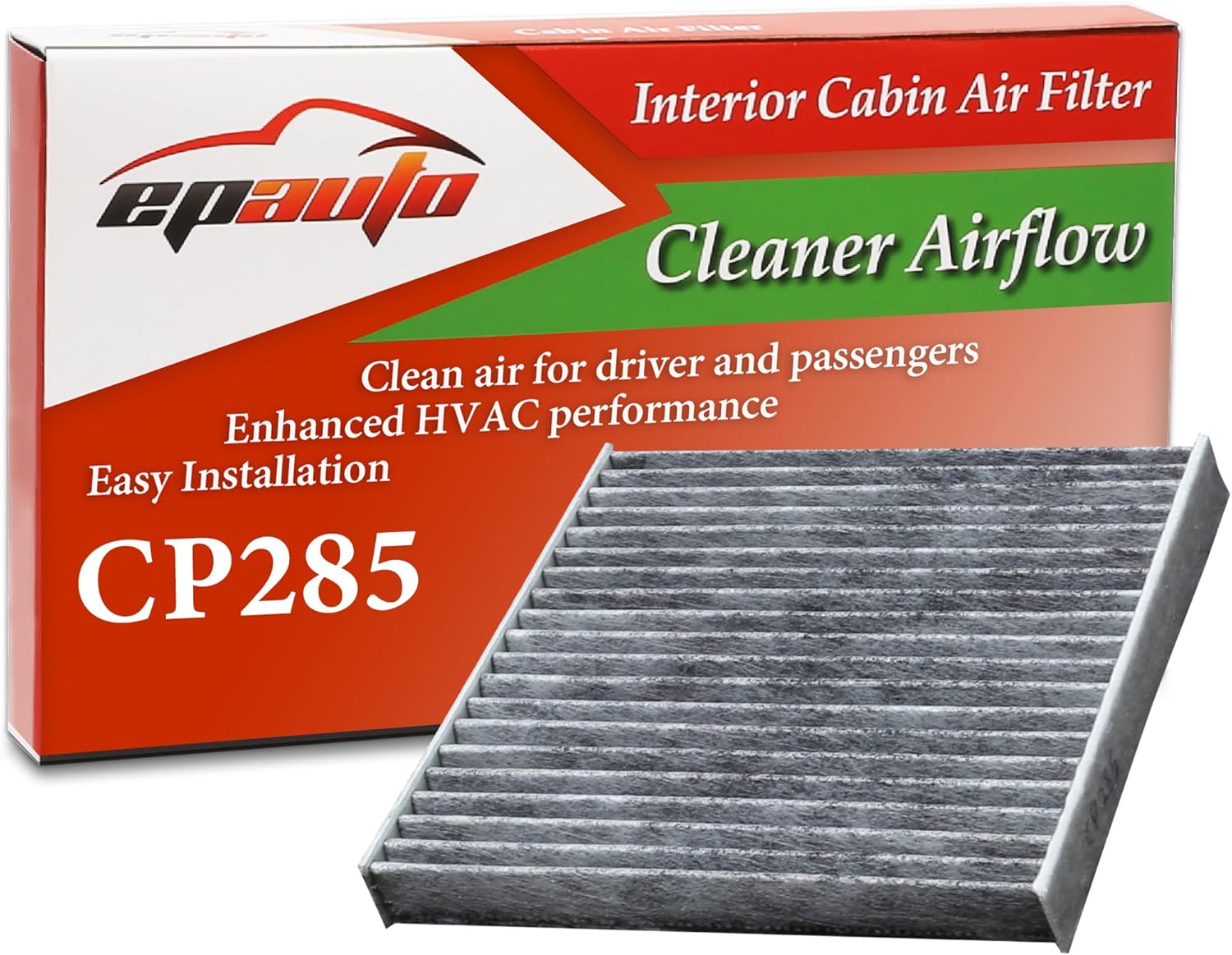
EPAuto CP285 premium cabin air filter helps keep the vehicle interior air cleaner by trapping dust and supporting fresh airflow through the HVAC system. It includes activated carbon and soda to help reduce odors while promoting better cabin comfort for drivers and passengers. Designed as a replacement filter for a wide range of compatible vehicles, it is recommended to replace it regularly for consistent performance.

Rain-X Repellency Water Repellent Wiper Blades help improve visibility by clearing your windshield while applying a water-repellent formula that makes rain, sleet, and snow bead and slide away. Built with beam blade technology for a smooth, streak-free wipe, they offer all-weather performance and a universal adapter for easy installation on most vehicles.
How Do You Air Out a Musty Tacoma A/C? (The 5-Minute Flush)
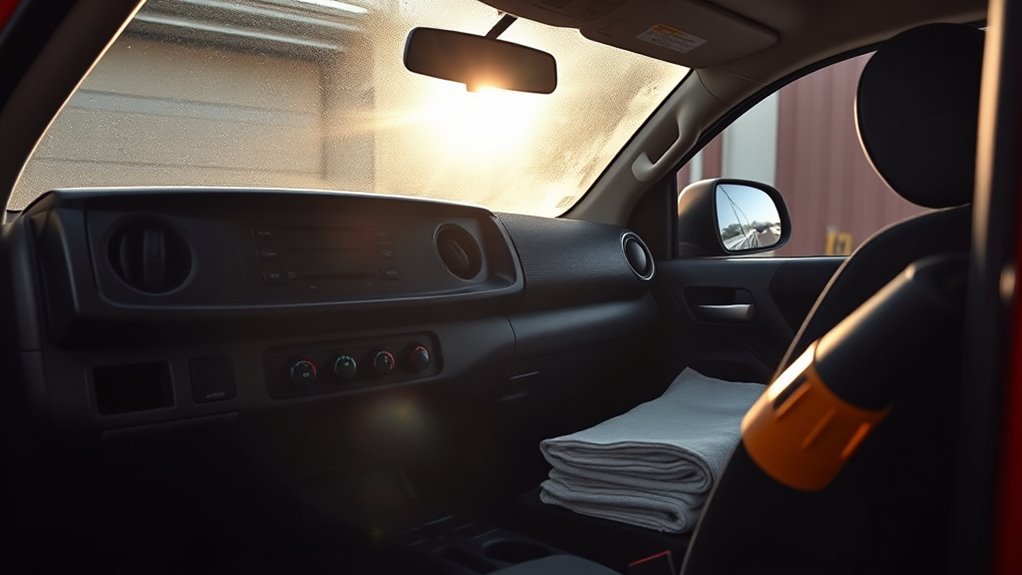
Before applying chemical cleaners, perform a full fresh-air flush to dry stagnant moisture from the evaporator housing. This basic procedure frequently resolves mild odors without chemical intervention.
- Park your truck outside or in a well-ventilated driveway.
- Start the engine, set temperature controls to full cold, and turn the A/C compressor OFF (ensure the A/C button indicator light is off).
- Deactivate the Recirculation mode so the HVAC system draws 100% outside fresh air.
- Turn the blower fan speed to maximum and roll down all four windows.
- Allow the system to run on high blower speed for 5 to 10 minutes to thoroughly dry the evaporator casing.
The 2-Minute Pre-Arrival Habit: To permanently prevent odor recurrence in humid climates, make a habit of turning off your A/C compressor approximately 2 to 3 minutes before arriving at your destination while keeping the fan running on fresh-air mode. This simple step uses ambient air to evaporate surface water droplets off the aluminum fins, denying bacteria the moisture they need to multiply overnight.
Establishing a daily pre-shutdown dry-out habit—turning off the A/C compressor 2 minutes before engine shutdown while running fresh air—dries the evaporator core and stops musty odors before they form.
Which Evaporator Cleaner Should You Use?
If replacing the cabin filter and airing out the system fails to clear the odor, bacterial biofilms must be removed from the evaporator core using a specialized automotive HVAC cleaner. Toyota offers the official Air Conditioning System Refresh Kit (Part # 00289-ACRKT), which includes a foaming core cleaner applied through the drain tube and a secondary cabin conditioning mist.
High-quality aftermarket expanding foams designed for automotive HVAC cores (such as DWD2 Clean Air or Lubegard Kool-It) perform a similar function. Never inject household bleach, pine oil, bathroom tile cleaners, or air fresheners into dashboard vents; these chemicals can corrode aluminum evaporator tubing, damage blend-door foam seals, and release toxic fumes into the cabin.
Core Expanding Foam vs. Aerosol Foggers
Foaming Core Cleaners: Injected directly into the evaporator housing via the condensate drain tube. The foam expands across the cooling fins, dissolves bacterial sludge, liquefies, and flushes out through the drain. Best for heavy, persistent odors.
Aerosol Misters / Foggers: Placed in the passenger footwell with the system on recirculation. Treats interior ducts and cabin fabric but will not strip heavy organic biofilms from cooling fins. Best for light duct freshening.
[Products Worth Considering]
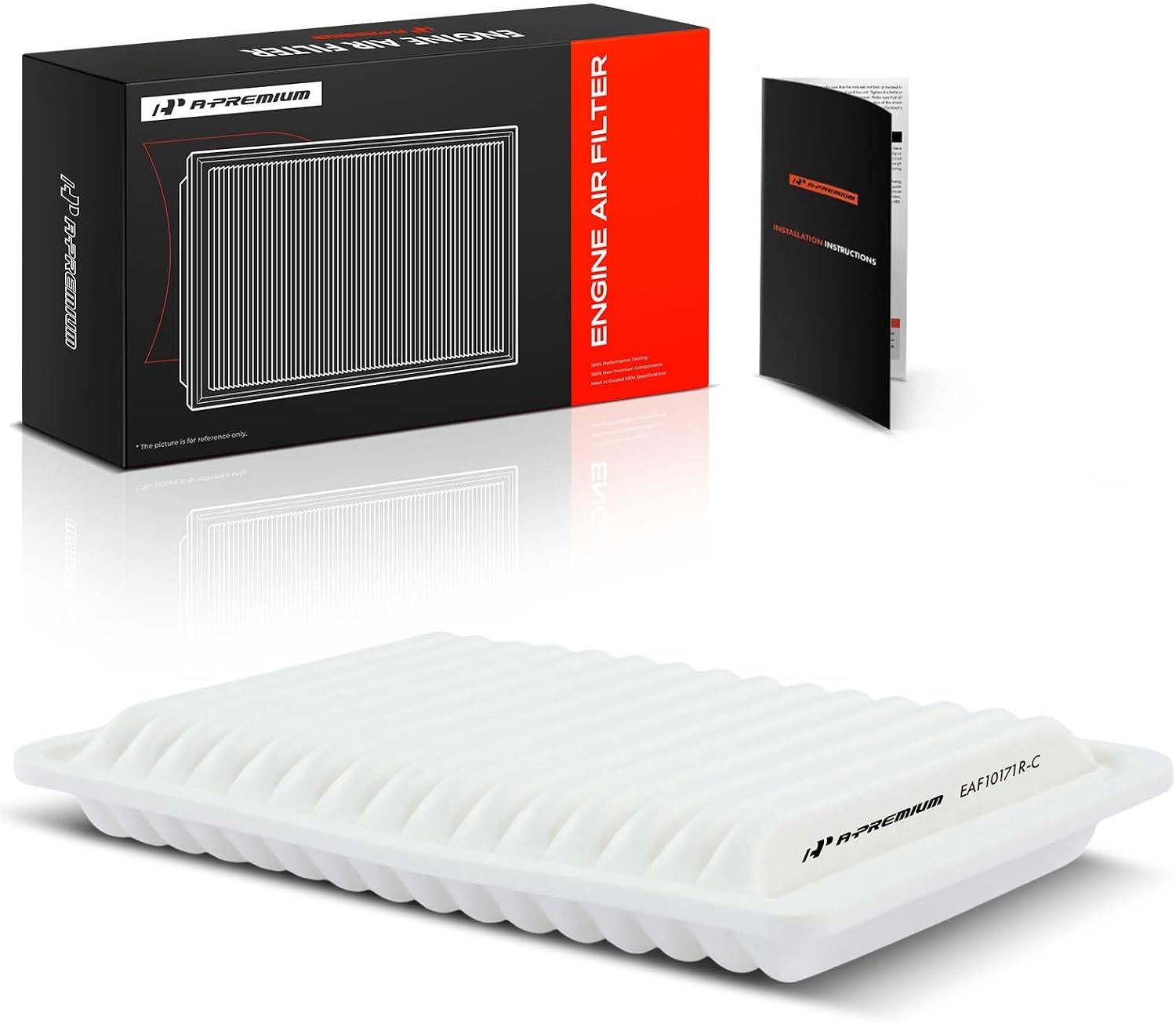
This A-Premium engine air filter is designed to help Toyota Camry and Venza models maintain cleaner airflow and stronger engine performance. Its fine filtration media captures debris while keeping air moving efficiently, and the rectangular, front-mounted design offers a direct replacement fit for select vehicles. Replace it regularly to support engine efficiency and cleaner intake air.
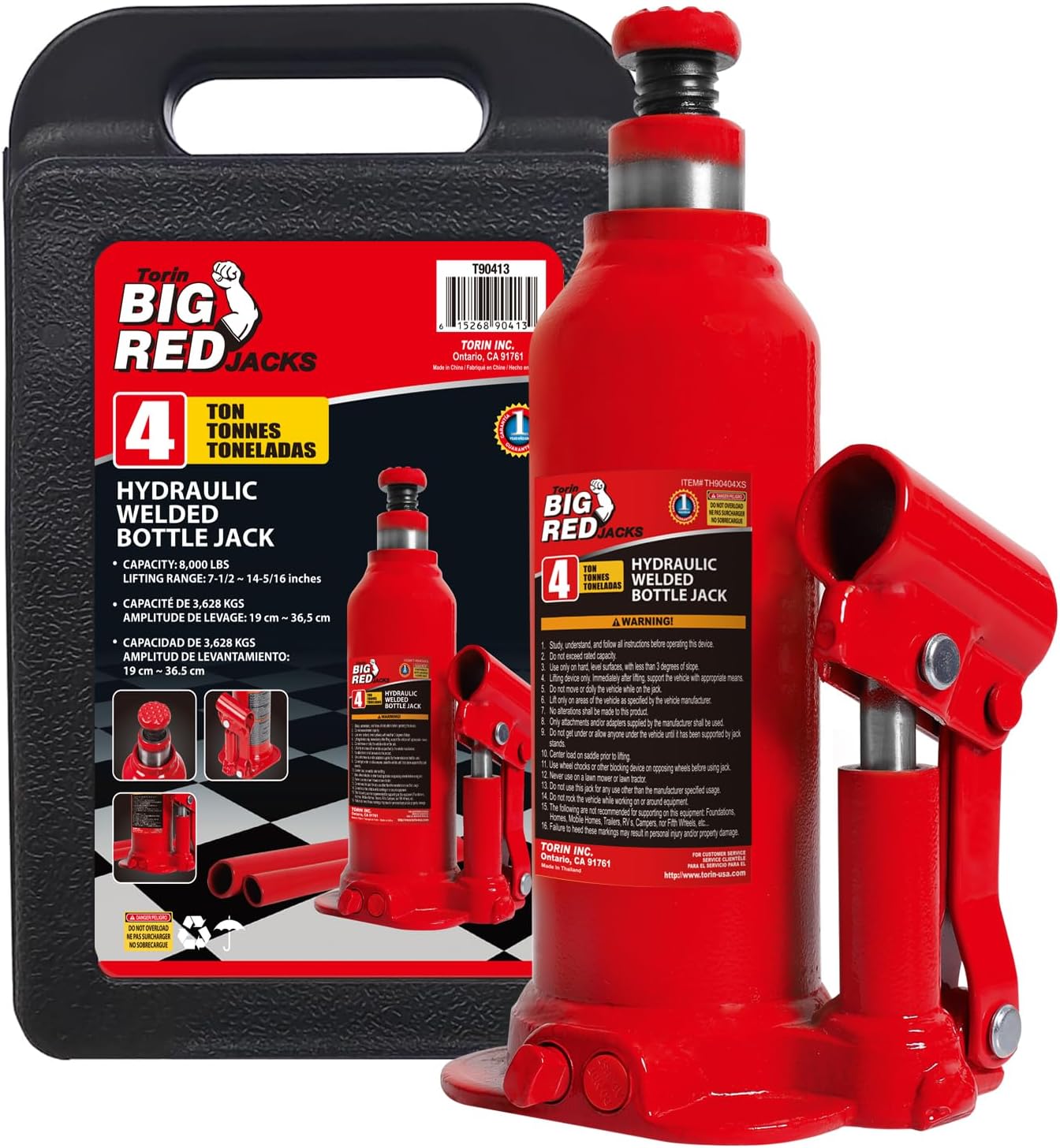
The Torin Big Red hydraulic bottle jack is built for residential and commercial lifting tasks, offering a stable wide base and rugged steel construction for dependable performance. Its smooth pressure pump, adjustable screw top extension, and serrated saddle make lifting easier and more secure, while the included carrying case simplifies storage and transport. Designed to meet ASME safety standards, it is ideal for vehicles, machinery, and other heavy-duty applications.
How to Apply Foam Cleaner Through the Tacoma A/C Drain Hose
Applying an expanding foam cleaner through the condensate drain tube delivers active cleaning agents directly to the evaporator core without disassembling the dashboard.
Step 1: Locate the Condensate Drain Outlet
The Tacoma A/C drain tube exits the bottom of the HVAC casing and passes through the firewall/floor pan on the passenger side of the engine bay. On Gen 2 and Gen 3 models, look underneath the truck behind the front passenger tire—the small black rubber tube protrudes downward near the chassis rail.
- Park on level ground, engage the emergency brake, and allow the exhaust components to cool completely.
- Locate the rubber drain tube exit near the passenger-side firewall.
- Place a catch pan or shop towels on the ground directly below the drain tube to capture cleaning residue and dirty runoff.
Step 2: Inject the Cleaner and Allow Dwell Time
- Shake the cleaner can vigorously. Attach the flexible extension hose supplied with the kit.
- Guide the extension tube into the rubber drain outlet, pushing it gently upward into the evaporator housing (typically 6 to 10 inches) until slight resistance is felt. Do not force the tube.
- Dispense the entire contents of the can into the housing. The expanding foam will envelop the evaporator core fins.
- Withdraw the tube and allow the foam to dwell according to product instructions (typically 15 to 25 minutes). The foam will liquefy, breaking down organic biofilms, and drain out into your catch pan.
- After drainage ceases, start the truck, roll the windows down, set the blower to high on outside-air mode, and run the fan for 10 minutes to purge residual chemical vapors before driving.
Post-Cleaning Ventilation: What to Expect
Following an evaporator foam service, a mild chemical or citrus scent is completely normal for the first 24 to 48 hours. Continue running the fan on fresh-air mode whenever driving during this initial period.
If the original sour odor returns within a few days of cleaning, the evaporator is either being re-contaminated by a saturated cabin air filter that was not replaced, or an external water leak is keeping the cabin carpet wet.
Why Does My Tacoma A/C Smell Keep Returning? (Cowl & Frame Checks)
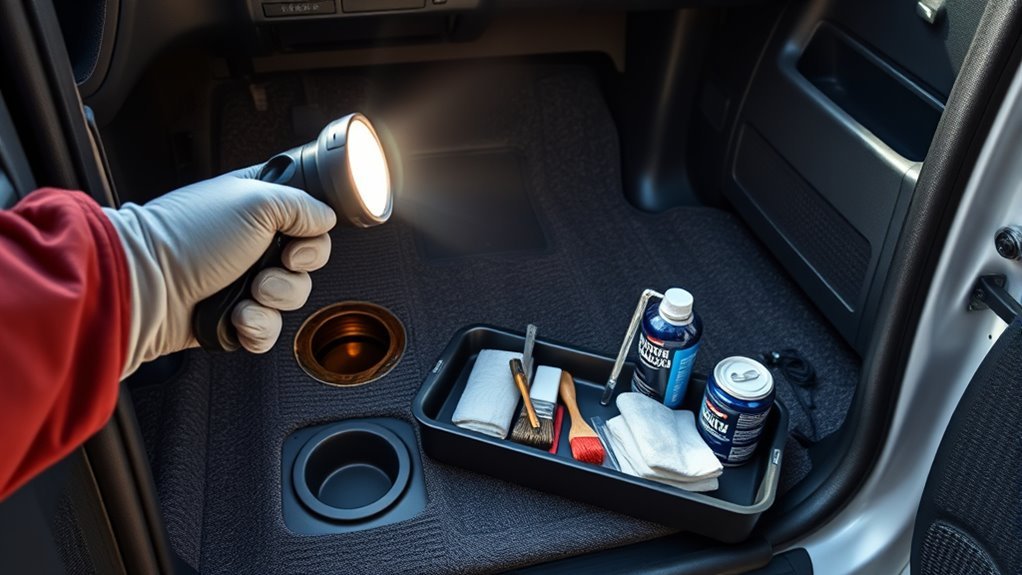
If cabin odor returns after a filter change and evaporator cleaning, inspect these common exterior moisture and contamination points:
- Windshield Cowl Intake Screen: Pine needles, oak leaves, and road dirt frequently pack into the plastic cowl grille at the base of the windshield. During rain, water trickles over decomposing vegetation, creating an organic sludge that is drawn directly into the HVAC fresh-air intake. Pop the cowl plastic fasteners and vacuum the intake trough thoroughly.
- Drain Line Pooling & The Frame Rail Issue: On Gen 2 and Gen 3 Tacomas, the factory A/C drain tube dumps condensate directly above the passenger-side boxed frame rail. Ensure the drain hose is clear of road mud and venting freely downward. If water backs up around the firewall grommet, it will seep into the passenger floorboard padding.
- Passenger Floorboard Moisture: Pull up the passenger door sill trim and lift the carpet. Feel the thick jute padding beneath. If the padding is damp from an A/C drain backup or windshield seal leak, it will generate continuous mildew odors until completely dried with high-velocity air movers.
Tacoma HVAC Maintenance & Inspection Schedule
Maintain your Tacoma heating and air conditioning system using the factory-aligned intervals in the table below:
| Service Interval | Operating Conditions | Recommended Action |
|---|---|---|
| Every 10,000–15,000 Miles (1 Year) | Normal Highway & Commuter Driving | Inspect/replace cabin filter; verify under-cab condensate drainage |
| Every 5,000–7,500 Miles (6 Months) | Dusty Roads, Off-Roading, Towing, Heavy Traffic | Inspect cabin filter early; vacuum cowl intake screen |
| Spring (Pre-Summer Season) | High-Humidity & Rainy Climates | Perform 5-minute ventilation flush; treat evaporator core if startup odor is detected |
| As Needed Upon Symptom | Following Rodent Activity or Deep Water Crossings | Disinfect housing per CDC protocol; inspect floor pan and jute carpet backing |
When Does a Tacoma Cabin Odor Require Professional Service?
While standard musty odors are easily resolved with DIY care, specific symptoms signal severe mechanical or electrical faults that require professional Toyota dealership or certified automotive HVAC technician service:
- Sweet, Syrup Smell with Window Defrost Film: Indicates a ruptured heater core leaking engine coolant into the HVAC case. Continued driving risks engine overheating and inhalation of vaporized ethylene glycol.
- Persistent Water Ingress in Floorboards: If the passenger carpet remains wet despite clearing the A/C drain, a windshield urethane leak, third-brake-light seal failure (a known Tacoma issue), or cowl seam separation requires water testing and re-sealing.
- Weak Blower Airflow with High Noise/Vibration: Debris or rodent nesting material has likely jammed the squirrel-cage blower motor wheel, creating an unbalance that can overheat the motor windings.
- Burning Plastic or Electrical Acrid Odors: Signals an overheating blower motor resistor pack or melted wiring harness plug (commonly located behind the glove box area on 2nd Gen Tacomas).
- Fuel or Exhaust Fumes: Indicates an under-hood exhaust manifold leak or fuel line issue entering through the fresh-air cowl. Stop driving immediately.
Frequently Asked Questions
Why does my Toyota Tacoma A/C smell like vinegar or dirty socks?
A vinegar or dirty sock smell occurs when condensation pools on the evaporator core without fully drying, allowing bacterial biofilms and fungal spores to colonize the cooling fins. When the blower motor starts, ambient air pushes these microbial off-gases directly into the cabin. Replacing a loaded cabin filter, airing out the system on fresh-air mode, and applying an evaporator core foam cleaner eliminates the bacterial growth.
Which way does the cabin air filter arrow point on a Toyota Tacoma?
It depends on the filter brand marking: OEM Toyota factory filters stamped with an “UP” arrow must be installed with the arrow pointing upward toward the roof. Aftermarket filters (such as Fram, Wix, or Bosch) stamped with an “AIR FLOW” arrow must be installed with the arrow pointing downward toward the floor, matching the Tacoma’s downward HVAC airflow path.
Can I spray Lysol or household disinfectant directly into my Tacoma vents?
No. You should not spray household disinfectants, bleach, or solvent aerosols into the dashboard vents. These chemicals can corrode internal aluminum cooling fins, degrade plastic blend-door seals, and cause eye or respiratory irritation when the blower starts. Use only dedicated automotive HVAC evaporator cleaners designed specifically for vehicle cooling systems.
Why does the smell come back after I replace the cabin filter?
If the odor returns immediately after installing a fresh filter, the contaminated bacterial source is located downstream on the evaporator core fins, in decaying leaves trapped in the cowl intake, or within damp carpet padding under the passenger seat. Clean the evaporator with expanding core foam and verify that the condensate drain tube is not restricted.
Is water dripping under my Tacoma normal when the A/C is running?
Yes. Clear water dripping under the passenger-side engine bay area during humid weather is normal condensation draining from the evaporator box. The red flag is when no water drips outside during humid A/C operation, or when water begins sloshing behind the dash or pooling on the passenger-side floorboard.
How do I locate and unclog the Tacoma A/C drain hose?
Look underneath the truck on the passenger side, directly behind the front wheel well along the lower firewall/chassis area. Locate the short black rubber drain hose. If no water drips during humid A/C operation, gently insert a flexible nylon line or use low-pressure shop suction to free trapped road mud or insect nests. Never probe aggressively with sharp metal wire.
Why does my Tacoma A/C smell musty only after it rains?
A musty odor after rain points to wet organic debris decaying in the cowl intake screen beneath the windshield wipers, a water leak through the third brake light or windshield seal wetting the cab carpet, or a saturated cabin air filter caused by water bypassing the fresh-air intake baffle.
Conclusion
Eliminating a musty Toyota Tacoma A/C smell requires a structured source-control approach rather than masking sprays. Start by identifying the odor timing: brief startup smells point to evaporator core biofilms, whereas continuous odors indicate cabin water intrusion or a saturated filter. Replace the cabin air filter ensuring proper downward airflow orientation, verify clear under-cab condensate drainage, and clean the core using an approved automotive foaming treatment. Adopt the simple habit of turning off the A/C compressor 2 minutes before engine shutdown to keep your Tacoma’s cabin air clean and fresh year-round.
Sources
- U.S. Environmental Protection Agency: Mold and Moisture Control — provides primary guidance on source-control and moisture management to inhibit biological growth.
- NHTSA / Toyota Technical Service Bulletin T-SB-0010-20: HVAC Odor Maintenance — outlines factory diagnostic procedures and evaporator maintenance context.
- Toyota Official Parts: Air Conditioning System Refresh Kit — details factory part # 00289-ACRKT specifications and application guidelines.
- Toyota Owners Manuals: Tacoma Air Conditioning & Cabin Filter Maintenance — verifies glove-box service access and severe-duty replacement schedules.
- CDC: Cleaning Up After Rodents in Vehicles — establishes vehicle safety protocols and warnings against dry-vacuuming rodent waste.