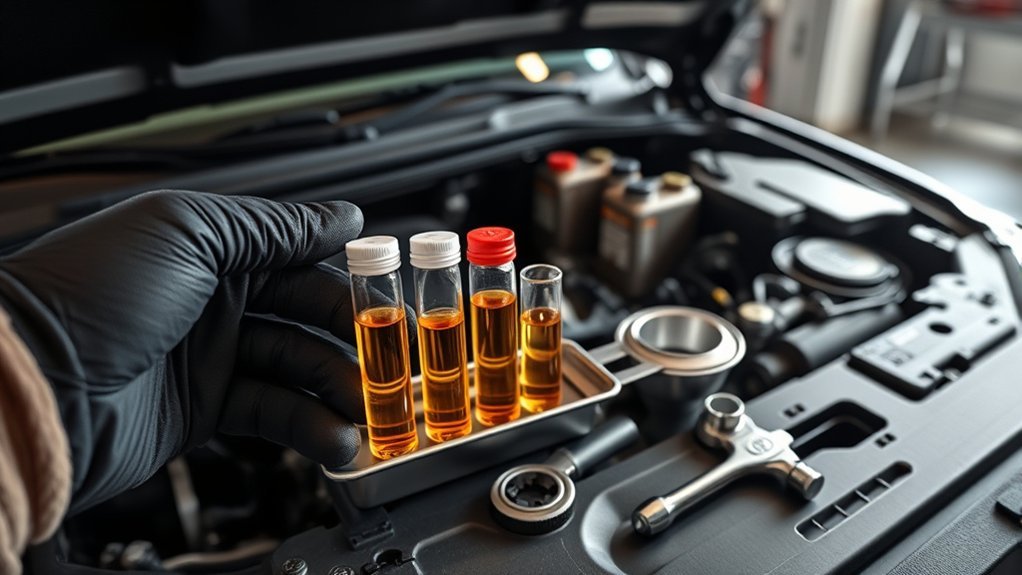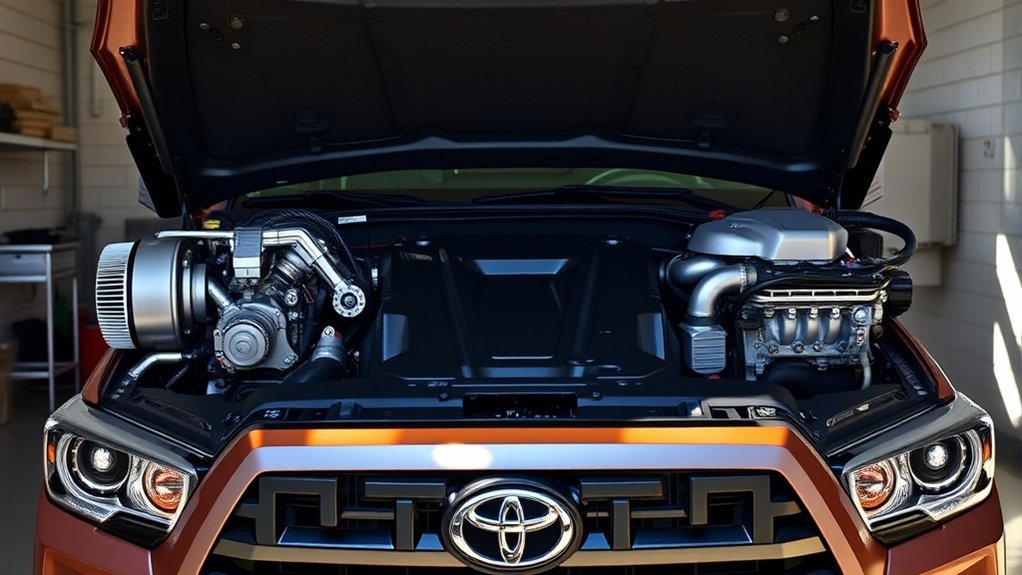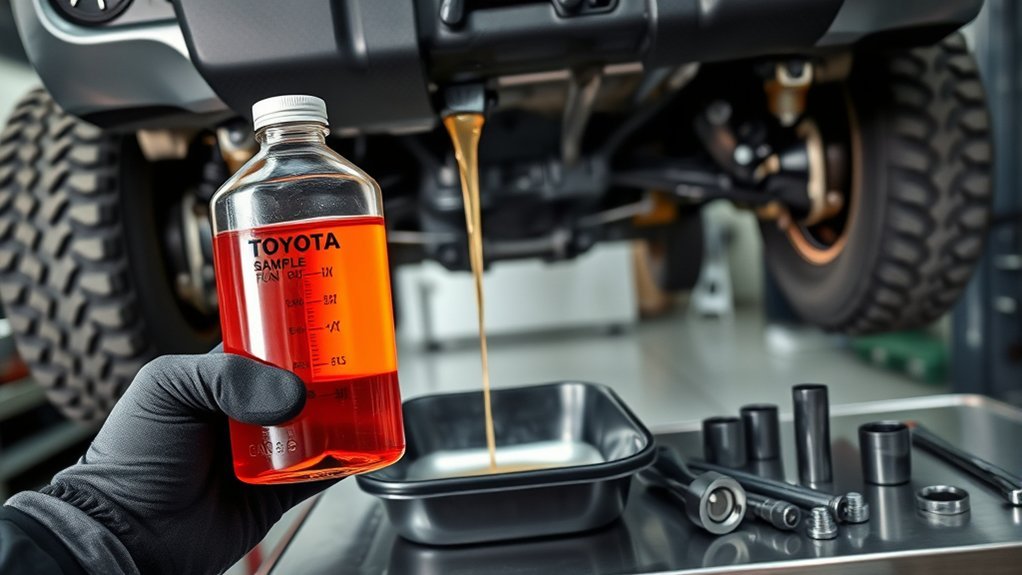
Toyota WS ATF is the low-viscosity automatic transmission fluid specified for many modern Toyota automatic transmissions, including 2016–2023 Tacoma 6-speed automatic models. The key is not just using “red transmission fluid,” but using a fluid that correctly matches Toyota ATF WS friction requirements, checking the level at the correct temperature, and shortening service intervals when towing, off-roading, heat, or heavy traffic put extra load on the transmission.
Quick Answer
Toyota WS ATF means Toyota “World Standard” automatic transmission fluid. For a Tacoma, use Toyota Genuine ATF WS or a clearly listed WS-compatible fluid, follow the factory fill-and-level procedure, and consider proactive service around 60,000 miles for severe use—or sooner if fluid analysis, overheating, towing, or off-road driving shows accelerated wear.
Key Takeaways
- WS stands for World Standard, Toyota’s ATF family for many sealed automatic transmissions.
- A 2016–2023 Tacoma 6-speed automatic uses Toyota ATF WS; do not substitute Dexron, Mercon, or Toyota Type T-IV unless your exact manual calls for it.
- Normal-use schedules may not show a universal drain-and-fill interval, but towing, off-roading, heat, dusty roads, and heavy city driving justify proactive service.
- The Tacoma’s sealed-style transmission is level-checked by temperature and overflow, not by a traditional dipstick.
- A drain-and-fill is simpler than a pan-drop/filter service, but both require clean work, correct fluid, and careful level setting.
What “WS” Means for Your Tacoma: Toyota WS ATF Explained
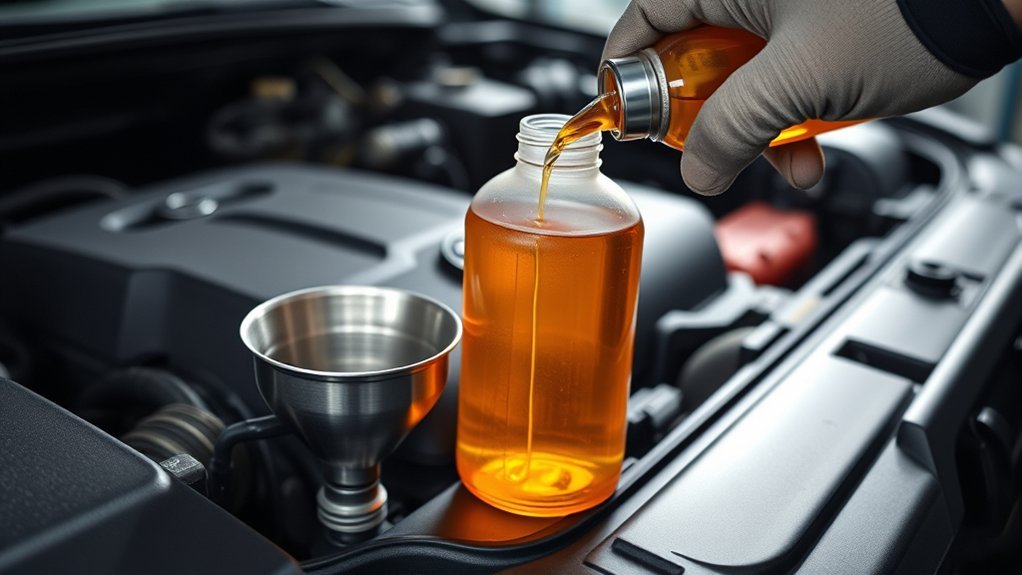
WS stands for World Standard. Toyota and Lexus parts listings describe Genuine Toyota ATF WS as Toyota’s World Standard automatic transmission fluid, and Toyota’s current parts catalog lists part number 00289-ATFWS as a Toyota Genuine automatic transmission fluid formulated for Toyota automatic transmissions and transaxles.
For Tacoma owners, the practical meaning is simple: the fluid’s friction behavior matters as much as its viscosity. Automatic transmissions use clutch packs, valve bodies, solenoids, torque converter lockup control, and hydraulic passages that are calibrated around a specific ATF behavior. A generic ATF can look similar in color but still shift, lock up, or wear differently if it does not meet the WS requirement.
Warning: Do not mix Toyota WS with Toyota Type T-IV, Dexron/Mercon, CVT fluid, gear oil, or “universal” ATF unless the bottle or technical data clearly lists Toyota ATF WS compatibility for your application. When in doubt, verify by VIN in the Toyota owner’s manual or service information.
One important correction: Toyota WS should not be treated as a magic lifetime fluid if you tow, wheel, idle in heat, or plan to keep the truck for high mileage. It is better to think of it as a precision fluid that should be inspected, tested, and replaced based on use.
WS ATF: Composition, Viscosity Specs, and Performance Limits
Toyota’s official product listing describes WS ATF as a Toyota-matched formula that supports smooth gear changes, proper hydraulic operation, and internal lubrication. Safety data sheets for Toyota Genuine ATF WS describe it broadly as base oil and additives, which is more reliable than claiming every bottle is “mineral” or “fully synthetic.” Some aftermarket WS-compatible fluids are synthetic, but the important question is whether the fluid is designed for Toyota ATF WS requirements.
Base Oil and Additives
WS-type automatic transmission fluid uses base oil plus an additive package. That package typically includes friction modifiers, anti-wear agents, oxidation inhibitors, detergents, dispersants, corrosion inhibitors, foam control agents, and seal-conditioning chemistry. These additives help the transmission apply clutches smoothly, manage heat, reduce metal-to-metal wear, and keep small contaminants suspended until the fluid is replaced.
As ATF ages, the additive package is consumed. Heat, clutch material, metal particles, dust intrusion, and oxidation can change the way the fluid behaves. That is why color alone is not enough. A fluid can still look red but have degraded friction properties, and dark fluid can sometimes still test acceptably. Use color and odor as a quick screen, not as the only decision.
Viscosity and Performance Limits
WS is a low-viscosity ATF family. For reference, AISIN’s ATF-0WS technical data sheet lists a 100°C kinematic viscosity range of 5.6–6.2 mm²/s for its synthetic Type WS fluid. That does not automatically make it the Toyota factory-fill specification for every Tacoma, but it gives you a useful reference point for how thin WS-type ATF is compared with older, higher-viscosity ATFs.
| Item | What It Means | Action |
|---|---|---|
| Low viscosity | Helps hydraulic response and efficiency in transmissions designed for WS | Use only WS-compatible fluid |
| Oxidation | Heat breaks down the oil and additives over time | Shorten service intervals under heat or towing |
| Wear metals | Iron, aluminum, copper, and other metals can point to internal wear | Trend with fluid analysis instead of relying on one sample |
| Contamination | Water, coolant, dust, or clutch debris can damage the transmission | Service immediately if contamination is confirmed |
Real-World Lifespan: When to Change WS ATF for Street, Towing, and Off-Road Use
There is no single perfect interval for every Tacoma because the transmission’s fluid life depends heavily on temperature and load. A commuter truck that sees mild highway use is different from a Tacoma that tows, crawls in 4-Lo, idles in summer heat, carries heavy gear, or spends weekends on dusty trails.
For a conservative maintenance plan, use this approach:
- Normal street use: Inspect for leaks and shift quality regularly. Many owners choose a preventive drain-and-fill around 60,000–90,000 miles even when the normal-use schedule does not call for frequent replacement.
- Severe use: If you tow, drive off-road, sit in heavy stop-and-go traffic, idle for long periods, operate in high heat, or drive dusty roads, consider a drain-and-fill around 30,000–60,000 miles.
- Hard 4×4 or towing life: Use fluid analysis and transmission temperature monitoring. If the truck sees repeated high-load heat cycles, a 30,000-mile interval is a reasonable proactive target.
- Unknown history: If you bought a used Tacoma and do not know the transmission service history, inspect for leaks, scan for transmission codes, check shift behavior, and consider a controlled drain-and-fill rather than an aggressive flush.
Note: Always check the VIN-specific owner’s manual and warranty/maintenance guide through Toyota Owners. Regional schedules, engine/transmission combinations, and operating conditions can change the recommended maintenance plan.
Toyota WS ATF vs. Synthetic ATF: Key Differences and Why They Matter
The phrase “synthetic ATF” does not automatically mean “safe for Toyota WS.” Some synthetic ATFs are excellent products, but your Tacoma needs the correct fluid specification, not just a premium label. Toyota Genuine ATF WS is the safe default. A high-quality aftermarket fluid can be used only when the manufacturer clearly lists Toyota ATF WS, JWS 3324, or the correct Toyota WS application for your model.
[Products Worth Considering]

This coolant thermostat is a direct replacement designed for a wide range of Toyota, Lexus, and Scion vehicles. It helps maintain proper engine temperature, supports reliable cooling system performance, and installs easily without special tools or programming. Built to meet OEM standards, it offers durable, stable operation and dependable fitment for compatible models.

These genuine Toyota oil drain plug gaskets are designed to help maintain a reliable seal during oil changes, reducing the chance of leaks and supporting proper engine maintenance. With an OEM fit and trusted Toyota quality, they are a practical choice for routine service on compatible vehicles. The convenient quantity pack is ideal for keeping multiple maintenance intervals covered.

This 12-pack oil filter and drain plug washer set is designed for a wide range of Toyota and Scion vehicles, helping support clean oil flow and dependable engine performance. It replaces several common OE part numbers and offers an easy-fit solution for routine maintenance. Built with corrosion-resistant materials and efficient filtration, it helps keep engine contaminants out and supports longer service life.
Why Specification Matters More Than Marketing
Automatic transmissions depend on controlled clutch friction. If the friction modifier package is wrong, the transmission may develop shudder, harsh shifts, delayed engagement, poor torque converter lockup, or accelerated clutch wear. That can happen even if the replacement fluid is synthetic, expensive, and red.
When an Aftermarket WS Fluid Can Make Sense
An aftermarket WS-compatible fluid can make sense when it comes from a reputable brand, publishes technical data, and specifically states Toyota WS compatibility. It is especially worth comparing options if your Tacoma sees heat and heavy use. However, for warranty-sensitive repairs, uncertain compatibility, or dealer service, Toyota Genuine ATF WS is the simplest choice.
The right Tacoma transmission fluid is not the one that looks red; it is the one that matches Toyota WS friction behavior and is filled to the correct level at the correct temperature.
Interpreting Fluid Analysis: Viscosity, Metals, Contaminants, and Action Steps
A transmission fluid analysis is most useful when you trend it over time. One sample can tell you if something is obviously wrong, but two or three samples show whether wear is stable, improving, or getting worse.
| Report Item | What to Watch | Possible Action |
|---|---|---|
| Viscosity at 100°C | Large movement from the lab’s reference range | Plan service and re-test after fresh fluid |
| Iron | Gear, shaft, bearing, or steel clutch component wear | Trend the number; inspect if rising fast |
| Aluminum | Case, valve body, or soft metal wear | Investigate if paired with shift issues |
| Copper | Bushings, coolers, or internal wear surfaces | Re-test and inspect cooler/contamination sources |
| Water or coolant | Moisture intrusion or heat-exchanger failure | Stop guessing; diagnose immediately |
| Silicon | Dust/dirt entry, sealant, or environmental contamination | Check vents, seals, and service cleanliness |
If a report shows rising wear metals, dark/burnt odor, water, coolant, or heavy debris, do not simply keep driving until the next mileage interval. Inspect the pan, magnets, filter, cooler lines, and transmission behavior. A small service now is cheaper than a valve body or transmission replacement later.
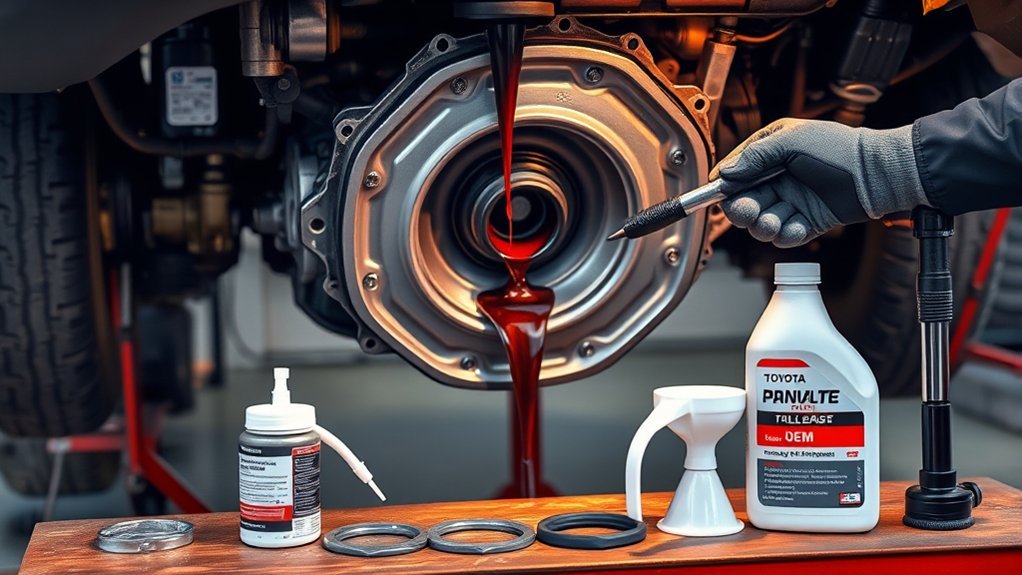
How to Do an Early Drain & Fill and a Full Service: Step by Step
At a Glance
| Time Required | 1–2 hours for a drain-and-fill; 2–4 hours for pan/filter service |
| Difficulty | Intermediate DIY |
| Tools Needed | WS ATF, drain pan, fluid pump, scan tool or temperature-reading method, sockets/hex bits, torque wrench, gloves, eye protection |
| Cost | Usually about $40–$180 in fluid and parts, depending on service depth and fluid choice |
A 2016–2023 Tacoma automatic transmission is not checked like an older dipstick transmission. The truck must be level, the correct fluid must be pumped through the fill port, and the final level must be set through the overflow/level procedure at the specified fluid temperature range.
[Products Worth Considering]

The Funnel King 32950 Oil Drain Pan is a compact fluid catch basin designed for clean, easy draining during routine maintenance. Its open shape and pour edge help transfer used oil, coolant, and other shop fluids with less mess, while the lightweight polypropylene construction stands up to common automotive chemicals. Sized to fit under many cars and small engines, it is a practical choice for garages, workshops, and DIY oil changes.

These EZ running boards are designed to improve access to your Toyota Tacoma while maintaining the vehicle's off-road capability. Built for Double Cab and Xtra Cab front door applications, they offer a sturdy step up, simple installation, and dependable support for daily use or trail adventures.

These heavy-duty running boards are designed to improve access to your 2024-2026 Toyota Tacoma while preserving off-road clearance. Built for Double Cab and Crew Cab models, they provide a sturdy step for daily entry, loading roof gear, and rugged trail use. With a no-drill installation and durable construction, they deliver dependable support and long-lasting convenience.
Before You Start
- Confirm your Tacoma has the automatic transmission that requires Toyota ATF WS.
- Buy enough Toyota Genuine ATF WS or a clearly listed WS-compatible fluid.
- Make sure the fill plug can be removed before you drain any fluid.
- Work on a level surface and follow safe lifting procedures if the truck must be raised.
- Use a scan tool or reliable method to monitor automatic transmission fluid temperature.
Basic Drain-and-Fill
- Park the Tacoma level and allow the transmission to cool enough to complete the temperature-based level check.
- Remove the fill plug first so you know the transmission can be refilled.
- Place a drain pan under the transmission and remove the drain plug.
- Measure the amount drained so you have a rough refill target.
- Install a new sealing washer where required and reinstall the drain plug to factory torque.
- Pump fresh WS ATF into the transmission through the fill port.
- Start the engine, cycle through the gear positions, and keep the truck level.
- Set the final fluid level using the factory overflow procedure at the specified ATF temperature range.
- Reinstall plugs with new gaskets or washers where required, clean the area, and check for leaks.
Full Pan and Filter Service
A fuller service may include removing the pan, cleaning the magnets, replacing the pan gasket, replacing the filter or strainer where applicable, and inspecting debris. This is more work but gives you a better look at what is happening inside the transmission.
Pro Tip: If the old fluid is very dark or the history is unknown, consider one careful drain-and-fill first, then recheck shift quality before doing repeated exchanges. Avoid aggressive flushing on a neglected transmission unless a qualified technician recommends it.
WS ATF Care for Hot, Dusty, and 4×4 Use: Coolers, Filters, and Monitoring
Heat is the main enemy of ATF life. Off-roading, towing, crawling, sand, mud, mountain grades, and heavy city traffic can all raise transmission temperature. Dust and water crossings can also increase contamination risk if vents, seals, or service practices are poor.
For harsh-duty Tacoma use, focus on three things:
- Temperature control: Watch transmission temperature when towing or crawling. If you add an auxiliary cooler, choose a setup that does not overcool the fluid and does not restrict flow.
- Filtration and cleanliness: Keep service tools clean, replace the filter/strainer when doing a pan service, and inspect magnets for abnormal debris.
- Shorter intervals: Use 30,000–60,000 miles as a practical severe-use service window, then adjust based on fluid analysis and actual driving conditions.
If your Tacoma regularly sees water crossings, deep mud, or heavy trail dust, inspect breathers, seals, and nearby harnesses. ATF that turns milky, foamy, or unusually dark after a harsh trip should be checked immediately.
[Products Worth Considering]

This brake bleeder hose kit helps remove old brake fluid and air from motorcycle brake and clutch systems quickly and efficiently. Its one-way check valve prevents air from being drawn back into the system, while the easy-to-connect clips make bleeding simple for routine maintenance. Built for reliable use, it is a practical tool for keeping motorcycle braking performance responsive.

CHAPIN’s low-profile oil drain pan is designed to slide under low-clearance vehicles and equipment, making fluid changes easier in tight spaces. The large splash-free target area helps reduce mess while the molded carry handles support easier lifting, pouring, and storage. Built for draining oil, coolant, and other automotive fluids, it offers a practical high-capacity solution for routine maintenance.

This MOTOALL oil filter kit is designed for compatible Toyota and Lexus vehicles, helping support routine engine maintenance with a convenient five-piece pack. It fits select Avalon, Camry, RAV4, Sienna, and several Lexus models, making it a practical choice for scheduled oil changes. Built new and well packed, it includes multiple interchangeable part numbers for easy replacement matching.
Maintenance Plan: Testing Frequency, Costs, and Replacement Triggers
A good Tacoma WS ATF maintenance plan is simple, documented, and based on use. You do not need to over-service a lightly used truck, but you should not ignore a hard-used one because someone called the fluid “lifetime.”
| Use Case | Suggested Plan |
|---|---|
| Normal commuting | Inspect for leaks and shift quality; consider preventive drain-and-fill around 60,000–90,000 miles |
| Heavy traffic or hot climate | Consider 45,000–60,000-mile drain-and-fill intervals |
| Towing, off-road, 4×4, dusty roads | Consider 30,000–60,000-mile intervals and periodic fluid analysis |
| Unknown used-truck history | Inspect, scan for codes, sample if possible, then do a controlled drain-and-fill |
| Burnt odor, slipping, shudder, metal debris | Stop relying on mileage; diagnose before more damage occurs |
Keep records with mileage, date, fluid brand, quantity added, service type, and any lab results. Those notes help you spot trends and can also support resale value.
Note: Used transmission fluid should be collected in a clean sealed container and recycled properly. The U.S. EPA includes transmission fluid in used-oil recycling guidance, so do not pour it on the ground, into drains, or into household trash.
Frequently Asked Questions
What does WS stand for in Toyota ATF?
WS stands for World Standard. It refers to Toyota’s ATF WS fluid family used in many modern Toyota and Lexus automatic transmissions.
Is Toyota WS transmission fluid lifetime fluid?
It may not have a frequent normal-use replacement interval in some maintenance schedules, but it is not immune to heat, oxidation, wear metals, or contamination. Severe-use Tacomas should be serviced proactively instead of treating WS ATF as permanent.
How often should Toyota ATF WS be changed in a Tacoma?
For light normal use, many owners choose a preventive service around 60,000–90,000 miles. For towing, off-road use, heat, dusty roads, or heavy traffic, 30,000–60,000 miles is a more conservative window. Always verify your VIN-specific Toyota maintenance guide.
Can I use synthetic ATF instead of Toyota WS?
Only if the synthetic ATF clearly lists Toyota ATF WS compatibility for your application. “Synthetic” by itself is not enough. The fluid must match the WS friction and viscosity requirements.
Does a 2016–2023 Tacoma automatic transmission have a dipstick?
No traditional dipstick is used for the sealed-style 6-speed automatic. The level is set with the vehicle level, the engine running, and the ATF within the specified temperature range using the fill and overflow/level procedure.
Should I flush or drain-and-fill Toyota WS ATF?
A drain-and-fill is usually the safer preventive service, especially on an older truck with unknown history. A machine flush should only be done when the correct equipment, fluid, and procedure are used and the transmission is in good condition.
Conclusion
Treat Toyota WS ATF as a calibrated transmission fluid, not a generic red oil. Use Toyota Genuine ATF WS or a verified WS-compatible fluid, follow the temperature-based level procedure, and adjust service intervals to the way your Tacoma is actually used. Street trucks can often go longer, but towing, off-road driving, heat, and dust justify earlier drain-and-fill service. Keep the fluid clean, control temperature, document each service, and your Tacoma’s automatic transmission has a much better chance of staying smooth, predictable, and reliable.
Sources
- Toyota Parts Center Online: World Standard Automatic Transmission Fluid 00289-ATFWS — verifies Toyota Genuine ATF WS product purpose and part number.
- Lexus Parts: Genuine Toyota ATF WS — supports the “World Standard” wording and Toyota WS fluid description.
- Toyota Owners: 2016 Tacoma Manuals and Warranties — source for VIN-specific owner’s manual and maintenance guide lookup.
- Toyota Tacoma Service Manual: Automatic Transmission Fluid Replacement — backs the level, replacement, and service-procedure cautions for the 2015–2018 Tacoma service information mirror.
- AISIN ATF-0WS Technical Data Sheet — provides reference data for a WS-formulated automatic transmission fluid.
- U.S. EPA: Managing, Reusing, and Recycling Used Oil — supports safe used-oil handling and recycling guidance.