
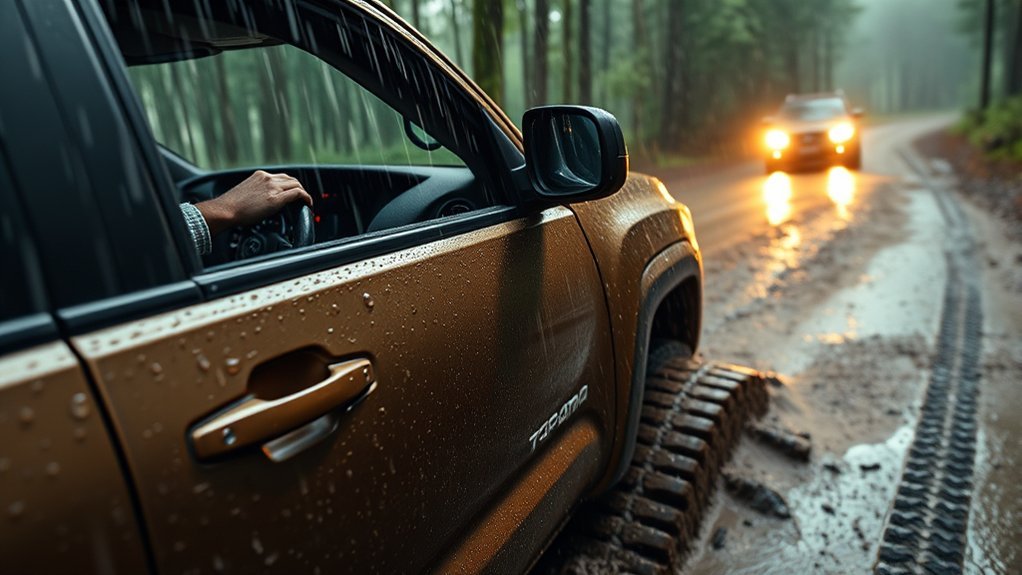
You should use 4WD in a Toyota Tacoma during rain only when traction is clearly reduced, such as on muddy roads, wet gravel, slick job sites, rutted trails, boat ramps, or pavement covered with standing water and debris. On ordinary wet pavement, 2WD is usually the better choice because a part-time 4WD system needs some tire slip to avoid driveline binding.
Quick Answer
Use 4H/4HI in a Tacoma when rain has made the road genuinely slippery, muddy, loose, or uneven. Do not use part-time 4WD just because the pavement is wet. It can help you get moving, but it does not improve braking, prevent hydroplaning, or make sharp turns safe.
Key Takeaways
- Use 2WD for normal wet pavement. A Tacoma’s part-time 4WD is meant for low-traction surfaces, not routine hard-road driving.
- Use 4H/4HI for slippery rain conditions. Mud, wet gravel, standing water, slick dirt roads, and low-speed rough surfaces are better reasons to engage it.
- 4WD helps traction, not braking. Your tires, speed, following distance, and smooth inputs still matter more in heavy rain.
- Use 4L/4LO only for slow, high-torque situations. It is not the right mode for normal rainy roads.
At a Glance
| Time Required | A few seconds to select 4H; longer if conditions require stopping or shifting to 4L |
| Difficulty | Easy, but model-specific instructions matter |
| Tools Needed | No tools; use the 4WD switch, dial, or transfer-case lever |
| Cost | Free, unless misuse causes tire or drivetrain wear |
Decide If You Need 4WD in Rain
Before you switch into 4WD, ask one simple question: Do the tires need extra help because the surface is loose or slippery? If the road is just damp or normally wet, stay in 2WD and slow down. If the road has mud, wet gravel, flooded patches, slick dirt, grass, sand, slush, or debris, 4H can help the Tacoma pull more confidently.
Most Tacomas use a part-time 4WD system. That means the front and rear driveline are mechanically tied together in 4H/4HI. On high-traction pavement, the tires may not slip enough to release driveline stress, especially during turns. That is why the Toyota owner’s manual is the final authority for your model year and trim.
Warning: Do not treat 4WD as a rain-speed feature. It can improve drive traction, but it does not shorten stopping distance, defeat hydroplaning, or make aggressive steering safe.
When 4WD Helps in a Tacoma During Rain
Use 4H/4HI when rain turns the surface into something more than ordinary pavement. Good examples include:
- Wet gravel roads where the rear tires spin or slide under light throttle.
- Muddy construction sites, farms, campsites, or trails where 2WD struggles to move the truck cleanly.
- Boat ramps where algae, water, and incline reduce rear-tire grip.
- Standing water mixed with dirt, leaves, or loose debris where traction changes quickly.
- Slow-speed off-road rain driving where you need steadier pull from all four wheels.
In those conditions, 4H gives the Tacoma better ability to move forward without spinning the rear tires. Keep your inputs calm: accelerate gently, brake early, and turn smoothly. If the road returns to clean, high-traction pavement, shift back to 2WD.
The Federal Highway Administration reports that most weather-related crashes occur on wet pavement, so slowing down and increasing following distance matter more than selecting 4WD.
Quick Steps: Engage 4H on a Toyota Tacoma
Tacoma controls vary by year. Some models label the mode 4H or 4HI; others may use H4. Some use a dial, while older trucks may use a transfer-case lever. Always follow the instructions printed in your owner’s manual for your exact truck.
Shift From 2WD to 4H
- Drive straight and reduce speed. Do not shift while cornering hard or spinning the tires.
- Select 4H/4HI/H4. Use the dash dial, switch, or transfer-case lever for your Tacoma.
- Keep a steady, light throttle. Avoid stomping the accelerator while the system is engaging.
- Watch the 4WD indicator. Wait for the light to confirm engagement. A flashing light usually means the shift has not completed.
- Drive moderately. In heavy rain, slow down well below normal dry-road speeds and leave extra space.
Note: Many Tacomas can shift between 2WD and 4H while moving at low to moderate speed, but 4L/4LO normally requires stopping and shifting the transmission to Neutral first. Check your manual before using 4L.
Check Indicator Lights
Do not assume the Tacoma is in 4WD just because you moved the switch. Confirm the dashboard indicator first. If the lamp keeps flashing, slow down, drive straight, or stop safely and repeat the correct procedure from the manual.
| Indicator | What It Usually Means | What To Do |
|---|---|---|
| 4WD / 4H light on | 4WD is engaged | Drive cautiously and avoid dry, tight turns |
| Flashing 4WD light | Shift is in progress or incomplete | Drive straight, slow down, or retry per manual |
| 4WD light off | 2WD is selected | Best for normal wet or dry pavement |
| Warning light or message | Possible system fault | Stop using 4WD and schedule service |
Use 4H, Not 4L, for Rain
For normal rainy driving, 4H/4HI is the only 4WD mode you would normally consider. It is designed for higher-speed slippery-surface driving compared with 4L. Use it when you need better traction on wet, loose, muddy, or uneven surfaces.
4L/4LO is different. It multiplies torque for slow crawling, steep grades, deep mud, sand, or getting unstuck. Do not use 4L for regular rain driving on roads. It is too low, too slow, and can make the truck harder to handle if used in the wrong setting.
Pro Tip: Think of 4H as “extra traction while moving” and 4L as “slow rescue or crawling power.” Rain alone is not a reason to use 4L.
When NOT to Use 4WD and Why
Do not use part-time 4WD on clean, dry pavement. Also avoid using it on merely damp pavement if the tires still have strong grip and you are making normal road turns. In those conditions, the drivetrain may bind because the front and rear axles cannot rotate at the different speeds they naturally want during turns.
Dry Pavement Avoidance
Dry pavement is the easiest “no.” Keep the Tacoma in 2WD on dry asphalt, concrete, parking lots, and highways unless your specific Tacoma has a full-time 4WD mode designed for those surfaces. Part-time 4WD on hard pavement can cause tire scrub, steering stiffness, vibration, and accelerated wear on drivetrain parts.
Ordinary Wet Pavement
Plain wet pavement is not automatically slippery enough for 4WD. If traffic is moving normally, the tires are not spinning, and there is no mud, gravel, snow, or standing water, stay in 2WD. Your best safety tools are slower speed, good tires, working wipers, headlights, and extra following distance.
High-Speed Restrictions
Avoid high-speed driving in 4WD unless your manual clearly allows it and the road conditions truly require it. In heavy rain, high speed also raises hydroplaning risk. The University of Pittsburgh’s SafetyFirst hydroplaning guide notes that hydroplaning is caused by road conditions, speed, tread depth, and vehicle weight, and can occur when water separates the tires from the road surface.
Drive Safely in 4H During Rain
Once 4H is engaged, drive like the road is still dangerous—because it is. The system helps the truck use available traction, but it cannot create traction where the tires have none.
- Accelerate gently. Sudden throttle can still break the tires loose.
- Brake early. 4WD does not improve braking grip.
- Steer smoothly. Sharp inputs can stress the drivetrain and unsettle the truck.
- Increase following distance. Wet roads need more room.
- Avoid cruise control in heavy rain. Manual speed control helps you react faster to puddles and traction changes.
- Shift back to 2WD when traction improves. Do not leave 4H engaged out of habit.
Hydroplaning: What 4WD Can and Can’t Do
Hydroplaning happens when water builds between the tires and the road. If the tires ride on the water instead of the pavement, steering, braking, and power control can disappear until the tires regain contact.
4WD can help the truck move through some slick areas, but it cannot stop hydroplaning. Hydroplaning is mostly about speed, water depth, tire condition, tire pressure, and road surface. Even a capable Tacoma can hydroplane on worn tires or deep standing water.
To reduce the risk:
- Slow down before puddles and shiny standing water.
- Keep tires properly inflated using the pressure listed on the driver-door placard.
- Check tread depth often and replace worn tires before wet-weather grip becomes poor.
- Follow the tire-care guidance from NHTSA TireWise.
- If the truck starts to hydroplane, ease off the accelerator, avoid hard braking, and steer smoothly in the direction you want to go.
Spot Binding, Drivetrain Stress, and Odd Sounds
If you use part-time 4WD on a high-traction surface, the Tacoma may warn you with its feel before anything breaks. Pay attention to stiff steering, hopping tires, vibration, clunks, grinding, or a truck that feels like it does not want to turn.
- Stiff steering in tight turns: Shift back to 2WD when safe, especially on clean pavement.
- Clunks or grinding: Stop forcing the system and inspect the truck.
- Persistent vibration only in 4WD: Check tire size, tire pressure, tread mismatch, and driveline components.
- Flashing 4WD light: The shift may not be complete; follow the manual’s reset or retry steps.
Warning: Never force the Tacoma to keep driving in 4WD if it is binding, grinding, or refusing to shift. Stop safely, return to the correct mode if possible, and have the system checked if the problem remains.
Aftercare: Checks and Maintenance After 4WD Use in Rain
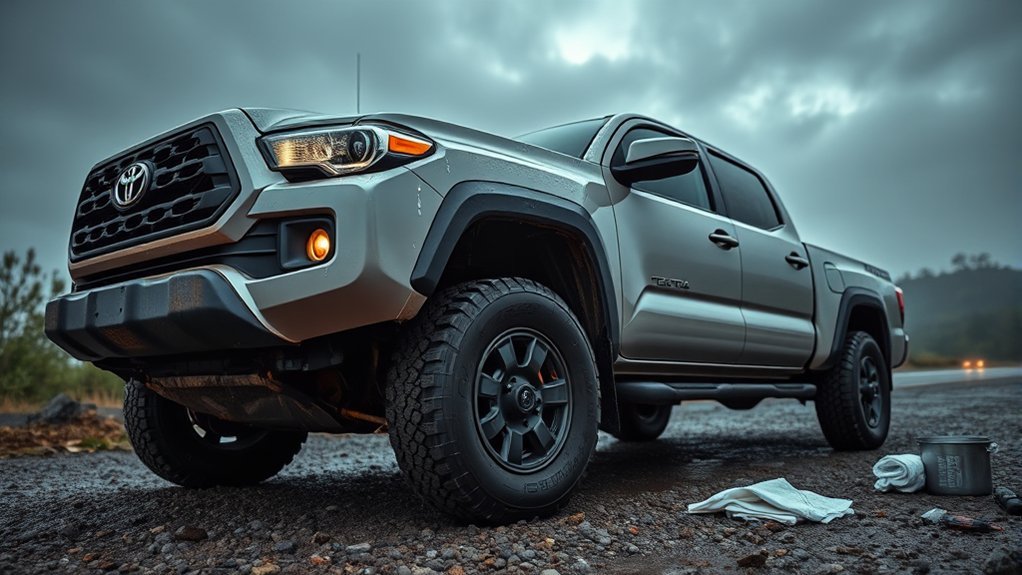
After driving in rain, mud, or standing water, give the Tacoma a quick check. This matters more if you drove off-road, through muddy ruts, or across flooded low spots.
- Look under the truck. Remove mud, rocks, sticks, or debris near suspension and driveline parts.
- Check tires. Look for cuts, uneven wear, low pressure, or packed mud in the tread.
- Listen after shifting back to 2WD. New noises, vibration, or pulling may need attention.
- Inspect for leaks. Water crossings and debris can expose worn seals or damaged boots.
- Schedule service if anything feels wrong. Do not wait for small driveline symptoms to become expensive.
If your owner’s manual recommends periodic 4WD operation, follow that guidance on a safe low-traction surface and in a straight line. Do not “exercise” the system by driving around dry parking lots in 4WD.
[Products Worth Considering]

These tricolor door sill protectors help guard your vehicle’s entry points from scratches, scuffs, and everyday wear while adding a bold color accent. Made from abrasion-resistant, waterproof PU leather, they are designed for easy peel-and-stick installation and a clean finish that helps protect the original paint.

This plug-and-play AC button switch is designed to replace a faulty factory air conditioner switch in compatible Toyota vehicles. It installs easily without tools and is made to match the original part for a seamless fit and reliable operation. Built from durable ABS plastic, it offers a dependable replacement backed by warranty support and fitment guidance.

Designed for Toyota RAV4 models from 2013 through 2018, this three-piece windshield wiper set delivers clear, quiet performance for dependable visibility in changing weather. The precision-fit blades provide streak-free wiping, simple installation, and durable all-season use with reduced wind noise and consistent pressure across the windshield.
Tires, Speed, and Traction Tips for Wet Tacoma Driving
Rain safety starts at the tires. Four-wheel drive cannot make bald, mismatched, or underinflated tires safe. The federal tire inspection standard describes measuring tread depth in major grooves, and NHTSA recommends regular pressure, tread, and damage checks.
- Check pressure monthly. Use the cold tire pressure on the Tacoma’s door placard, not the maximum pressure on the tire sidewall.
- Inspect tread before rainy seasons. Wet grip fades before tires look completely bald.
- Slow down in heavy rain. Speed is one of the biggest hydroplaning factors.
- Avoid standing water. Drive around it when safe; never enter water if you cannot judge depth.
- Use smooth inputs. Gradual acceleration, steering, and braking keep the tires loaded evenly.
- Turn on headlights when visibility drops. Being seen matters as much as seeing.
[Products Worth Considering]

These grille retainer clips provide a reliable replacement for the OEM Toyota 90467-12040 part number, helping restore secure body panel attachment on compatible vehicles. Designed for a tight push-in fit, they are made from durable black nylon to resist wear, corrosion, and cracking during everyday use. This set of 10 is ideal for keeping spare clips on hand for grille and trim repairs.

This dash clock spring replacement is designed for a wide range of Toyota vehicles and helps restore reliable steering wheel control functions. It supports audio controls, cruise control, and other multi-function commands while using vehicle-specific connectors for easier installation. Built with durable materials and OEM-referenced part compatibility, it is a practical solution for repairing steering wheel signal issues.

This Yuirote universal car motor diagnostic tool helps drivers quickly detect engine fault codes and identify system issues for routine inspections and maintenance. It also supports electronic parking brake reset and emergency release functions, making it useful for handling EPB-related problems without a repair shop visit. Its compact, ergonomic design and broad vehicle compatibility make it a practical choice for car owners and DIY repair enthusiasts.
Troubleshooting: Common 4WD Problems and When to See the Dealer
Some 4WD symptoms are driver-correctable, but others need a technician. Use the table below as a quick guide.
| Problem | Likely Cause | Next Step |
|---|---|---|
| 4WD light keeps flashing | Shift not completed, actuator delay, or system fault | Drive straight, retry per manual, then service if it persists |
| Truck hops or binds in turns | 4WD used on high-traction pavement | Return to 2WD as soon as safe |
| Grinding during shift | Incorrect shift procedure or mechanical issue | Stop forcing it and follow the manual |
| Poor wet traction even in 4H | Worn tires, low pressure, or excessive speed | Inspect tires before blaming 4WD |
| Warning message or service light | Electronic or driveline fault | Schedule dealer or qualified shop diagnostics |
See a Toyota dealer or qualified technician if the 4WD system will not shift reliably, makes repeated grinding noises, shows warning messages, leaks fluid, or binds even on loose surfaces where tire slip should be available.
[Products Worth Considering]
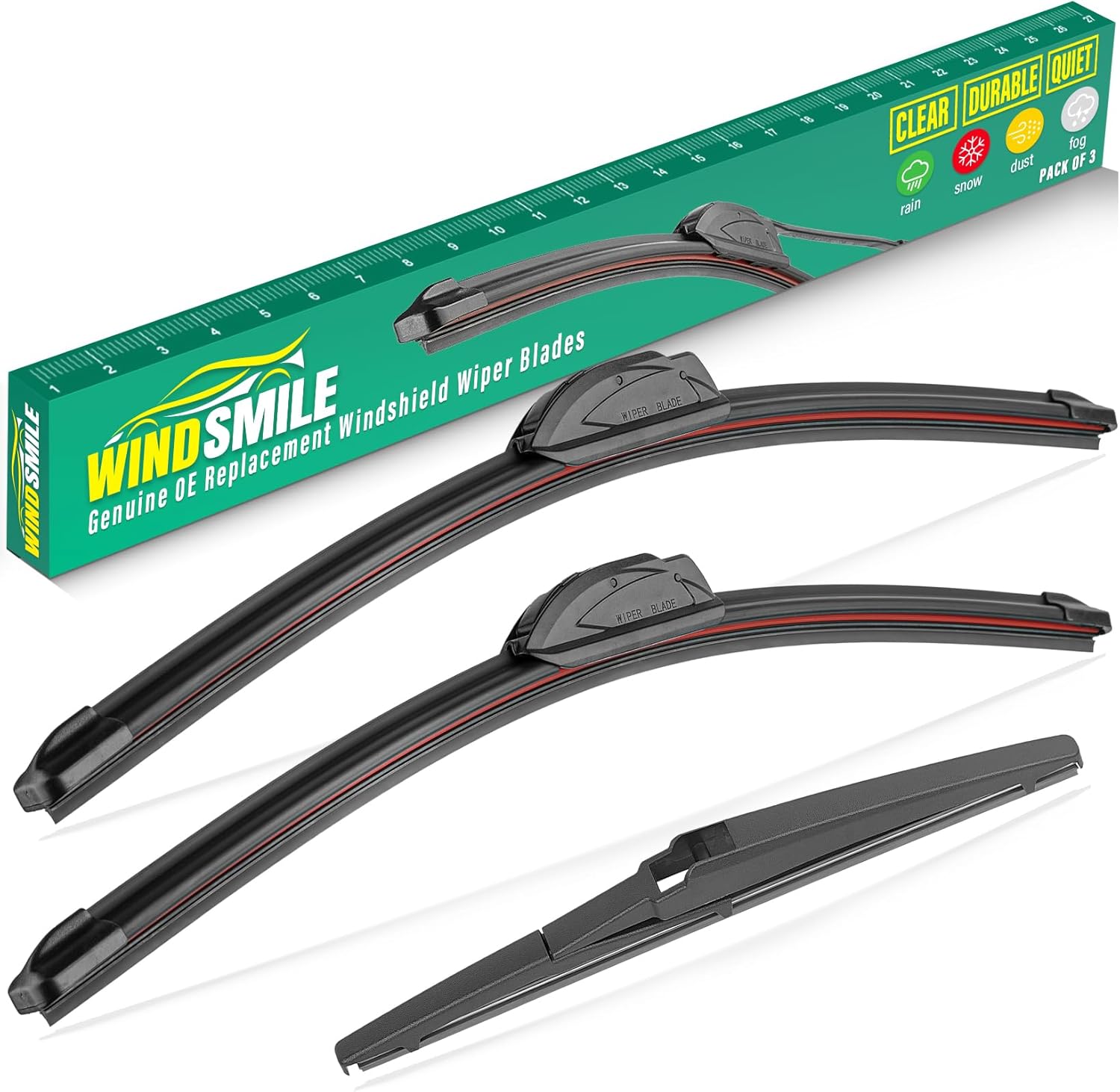
This replacement windshield wiper blade set is designed for Toyota RAV4 models from 2006 to 2012, offering a complete front and rear fit for dependable all-weather visibility. The premium rubber blades help deliver streak-free, quiet wiping while the aerodynamic design reduces wind lift and noise for smoother performance. Built for easy installation and long service life, it is a convenient upgrade for restoring clear driving vision.
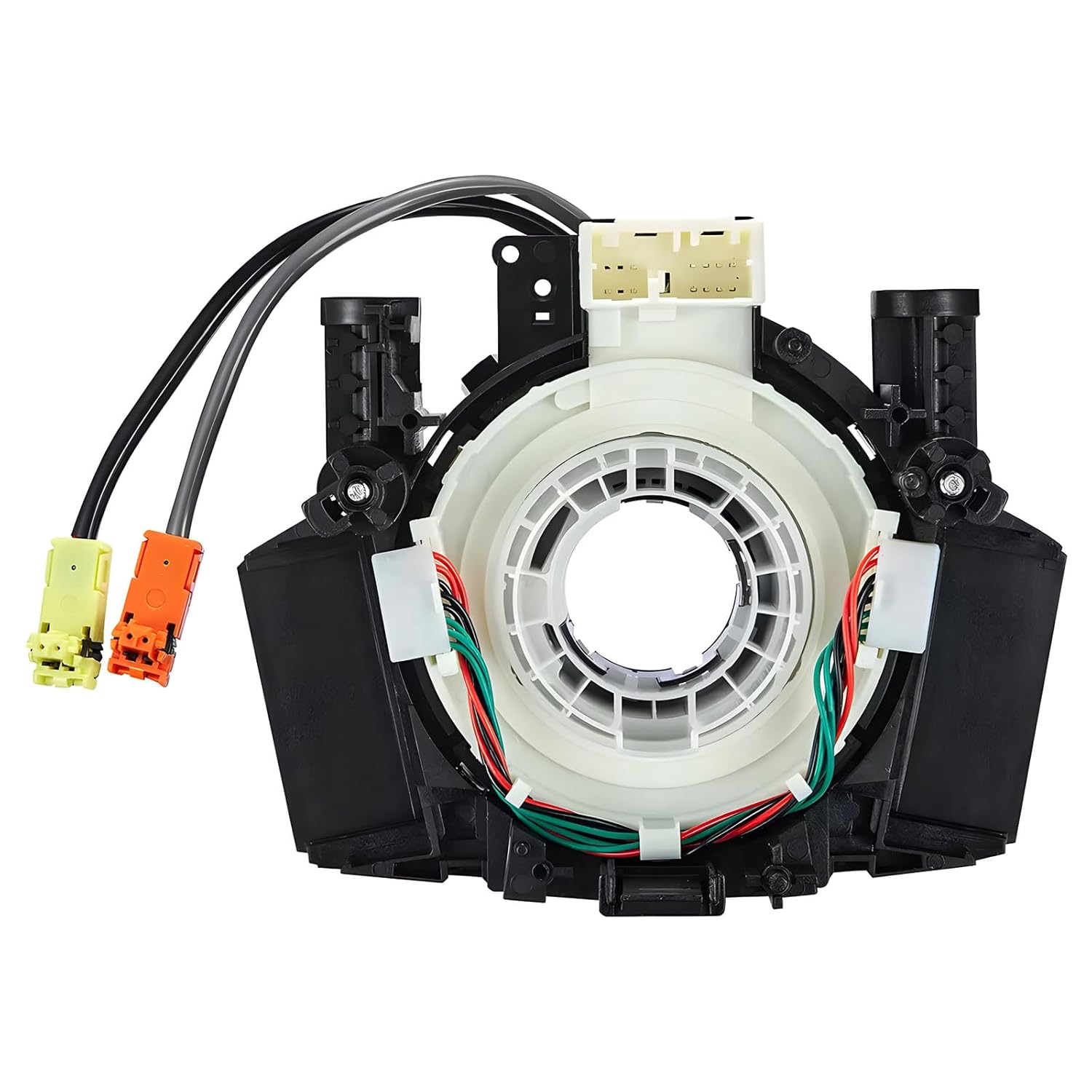
This steering clock spring assembly is an OEM-style replacement designed to restore steering wheel controls and related electronic functions in compatible Nissan vehicles. It supports audio, cruise control, and multi-function button operation while matching multiple factory part numbers for a reliable fit. Built for direct installation with vehicle-specific connectors, it helps return steering column electronics to proper working order.

This steering clock spring is designed to restore reliable steering wheel controls across a wide range of Toyota models. It supports audio, cruise control, and other multifunction commands while matching OEM part numbers for confident replacement fitment. Built for dependable signal transfer and straightforward installation, it is an effective solution for repairing steering column control issues.
Frequently Asked Questions
Do you need to stop to switch to 4-wheel drive in a Tacoma?
Usually, you do not need to stop to shift from 2WD to 4H/4HI if you are moving straight at an appropriate speed, but the exact procedure depends on your model year. For 4L/4LO, you typically need to stop and shift the transmission to Neutral before selecting low range.
Should I use 4H or 4L during rain in my Tacoma?
Use 4H only when rain has made the surface loose, muddy, slick, or uneven enough to need extra traction. Do not use 4L for normal rainy roads. Save 4L for very slow, high-torque situations such as deep mud, steep grades, or getting unstuck.
Can I drive in 4WD on the highway in rain?
Only use 4WD on the highway if conditions are genuinely slippery and your owner’s manual allows it for your speed and model. On normal wet pavement, 2WD is usually safer for the drivetrain. Slow down, leave more space, and avoid cruise control in heavy rain.
Does 4WD prevent hydroplaning?
No. 4WD does not prevent hydroplaning because hydroplaning happens when water separates the tires from the road. Good tread, proper tire pressure, lower speed, and avoiding standing water are more important than the drive mode.
Why does my Tacoma feel tight or jerky in 4WD?
A tight, jerky, or hopping feeling in turns often means driveline binding. It usually happens when part-time 4WD is used on pavement with too much traction. Shift back to 2WD when safe. If the feeling continues on loose surfaces, have the truck inspected.
Conclusion
Use 4WD in a Tacoma during rain only when the road surface truly needs it. If the pavement is merely wet, stay in 2WD, slow down, and let your tires do their job. If rain creates mud, loose gravel, slick dirt, debris, or low-traction patches, 4H can help you move with more control.
The smart move is not “4WD anytime it rains.” It is 2WD for normal wet pavement, 4H for genuinely slippery surfaces, and 4L only for slow, difficult terrain. Keep good tires on the truck, follow the Toyota manual, and back out of 4WD as soon as conditions improve.
Sources
- Toyota Owners — 2026 Tacoma Manuals and Warranties — model-specific owner’s manual access and 4WD operating instructions
- Toyota Owners — Tacoma Four-Wheel Drive System — transfer-mode guidance for current Tacoma models
- Federal Highway Administration — Rain and Flooding — wet-road crash risk and rain-driving context
- NHTSA TireWise — tire pressure, tread, and tire-safety guidance
- University of Pittsburgh SafetyFirst — Hydroplaning Guide — hydroplaning causes, prevention, and recovery basics
- eCFR 49 CFR § 570.62 — Tires — tire tread-depth inspection reference




[…] standing mud, gravel, or another loose surface allows the tires to slip. See the related guide on using Tacoma 4WD in rain for a narrower wet-road […]
[…] limit upshifts or add engine braking. Use Tow/Haul for towing when equipped. For steady cruising, slick roads, and maximum efficiency, stay in Normal or […]